

Published: November 27, 2025 | Last Updated: January 19, 2026

What is a triadic color scheme? Definition & Meaning
A triadic color scheme is a color palette made by choosing three colors that are evenly spaced around the color wheel. This spacing forms a triangle on the wheel and gives you strong contrast while keeping the frame organized. In film, triadic schemes are useful when you want bold colors that clearly separate elements, but they work best when carefully controlled.
How Triadic Color Schemes Work

On a 12-step color wheel, triadic palettes are made from three hues spaced 120 degrees apart. You can create triadic sets from:
- Primary colors: red, yellow, blue
- Secondary colors: green, orange, violet
- Tertiary colors: like blue-green, red-orange, yellow-violet
Each color carries a different emotional tone. Red often signals urgency or intensity. Blue might feel calm or distant. Yellow adds warmth or energy. When you use all three, the palette creates contrast while separating visual elements, like using red on props, blue on costumes, and yellow in the environment to divide the space clearly.
Read more on Color Theory in Film.
Often, One Color Dominates the Frame
You rarely use all three colors at full strength. Instead, one color usually dominates the frame. The other two work as accents. If all three are highly saturated and bright, the shot becomes visually noisy. Toning down two of the hues keeps the image readable and helps you direct attention, for example, softening background colors so a bold costume draws focus.
Which color that dominates also affects how the scene feels. A red-dominant shot might feel tense or aggressive. A blue-dominant version of the same shot might feel distant or cold.
Changing saturation and brightness can shift how a scene feels. A bold red jacket might feel aggressive at full saturation, but soft and passive when faded. Bright yellow lighting can feel cheerful, while a dimmer version of the same hue can feel tired or sickly.
Color Schemes and Genres: When Triadic Color Schemes Succeed (and When They Don’t)
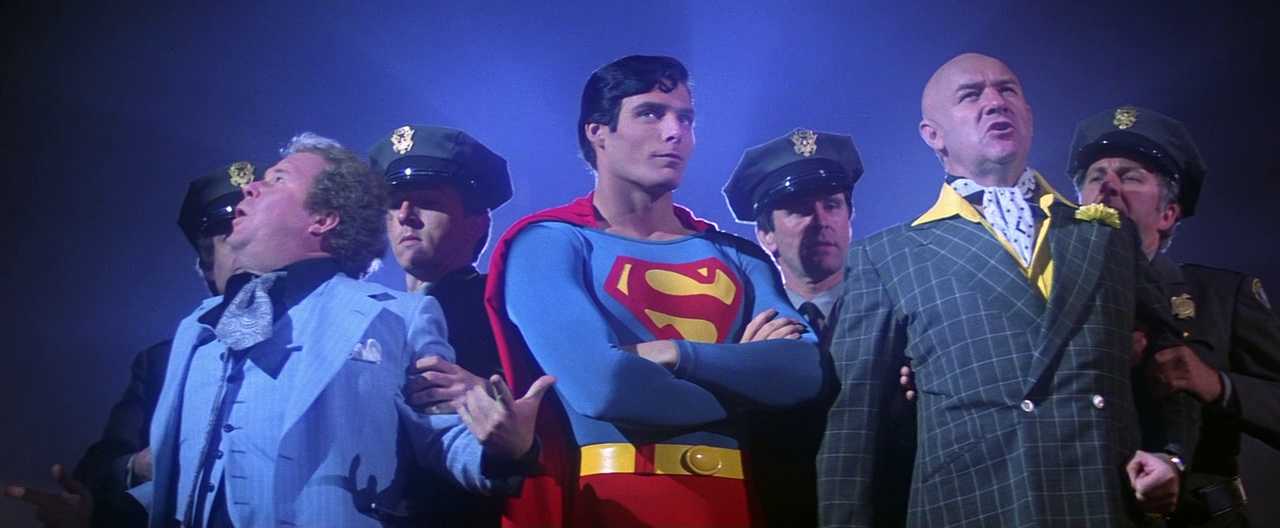
Triadic color schemes work well in stylized genres such as animation, sci-fi, fantasy, or superhero films. These genres benefit from strong visual separation. Because the hues are far apart on the wheel, you can assign each one to a specific element: red in the foreground, blue on costumes, and yellow in the background.
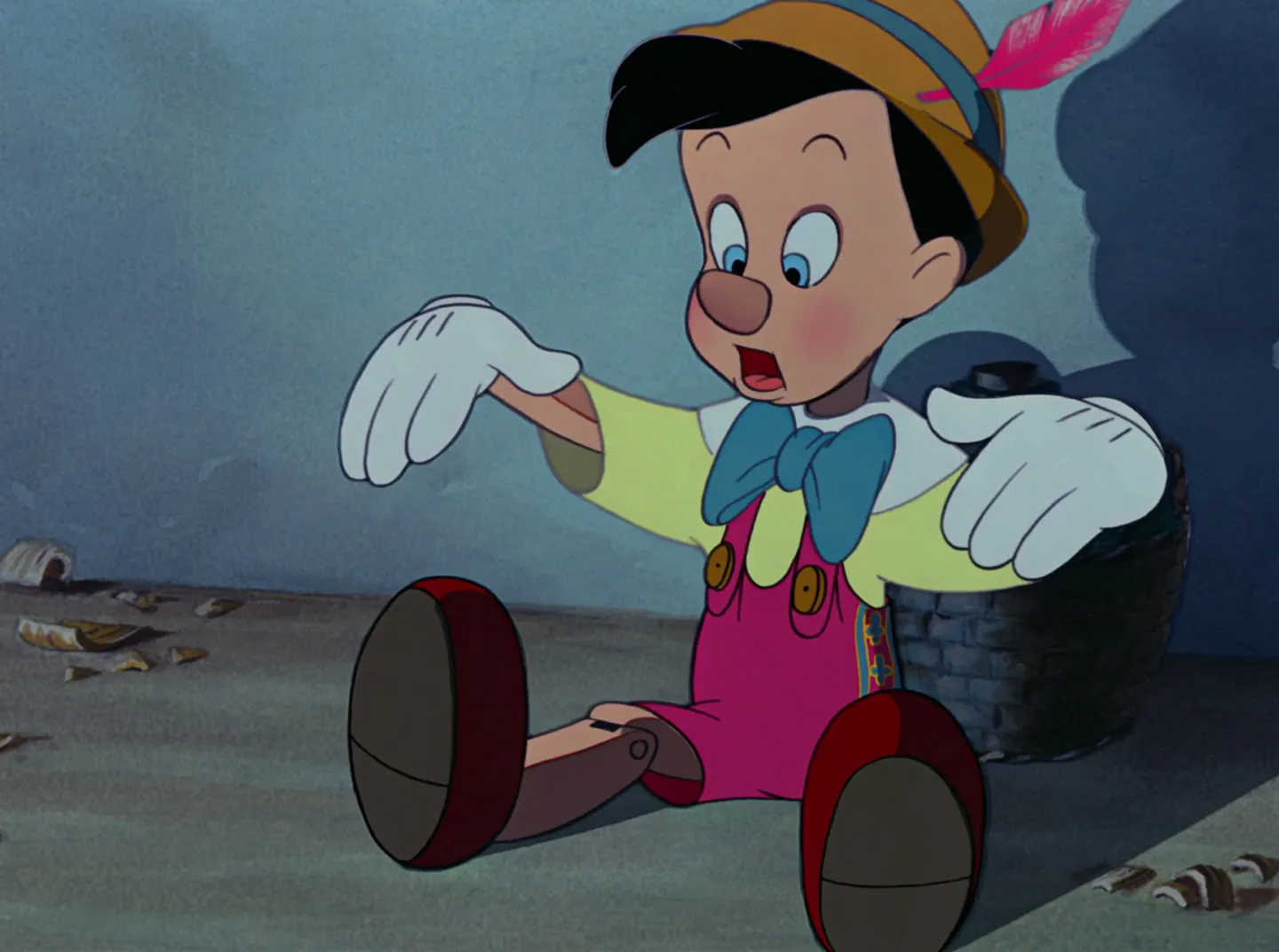
In animation, triadic schemes are often used to guide emotion or scene transitions. In superhero films, the costume, lighting, and background often rely on distinct hues to keep characters clear in busy frames. The palette helps divide space and support genre tone.
Less Saturated Triadic Schemes for Drama
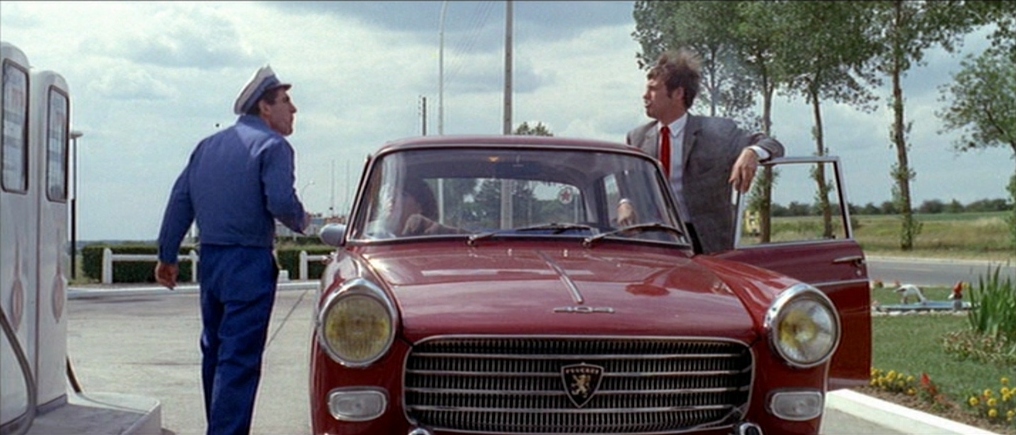
In realistic dramas or grounded stories, triadic schemes are harder to use. The wide contrast can feel artificial if the film aims for natural light or subtle design. That said, if you dial down the saturation, even a triadic scheme can work well for drama, like in the French New Wave film Crazy Pete (Pierrot le Fou (1965)), by director Jean-Luc Godard:
How to Use Triadic Color Schemes in Your Work
Start by picking three hues spaced evenly around a 12-step color wheel. These should be about 120 degrees apart. From there, you can choose one hue to lead the frame and let the other two support it. This is the most common approach in film, where one color anchors the scene and the others appear in costumes, props, or lighting.
Using all three hues in equal amounts is possible, but harder to control. Without a clear visual hierarchy, the image can feel cluttered or unclear. That’s why you’d often adjust saturation and brightness to help one hue dominate while the others stay in the background.
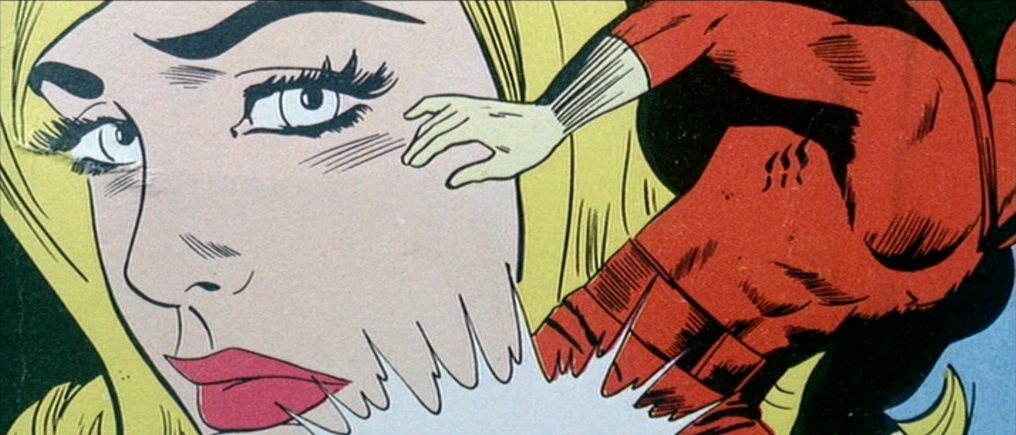
That said, some films and animated works use more balanced triadic palettes successfully. This often happens in stylized or graphic scenes where lighting, framing, and costume design are tightly controlled. The key is to keep the hues distinct and avoid having them compete for attention in the same space.
Always Test Your Color Scheme Under Lighting!
Always test how your colors react under lighting! A bright yellow might shift orange under tungsten. A teal prop could reflect onto costumes and throw off your balance. Triadic color works best when it holds across the whole frame, from walls and wardrobe to bounce light and shadows.
Read more on Color Temperature in Film.
Coordinate Your Color Scheme with Other Departments
Triadic color also requires coordination across departments. Costumes, lighting gels, wall colors, and grading all affect how the colors appear.
For example, a blue costume lit with orange practicals might shift into violet. That throws off your triadic spacing. Without shared planning, the scheme can fall apart during production or post-production.
Summing Up
A triadic color scheme uses three evenly spaced hues on the color wheel to build contrast and structure across the frame. It works best when one color dominates, and the others support. You need to control saturation, test under lighting, and keep the palette consistent across departments. When used with care, triadic color helps you separate space, guide attention, and tie emotional tone directly to the look of each scene.
Read Next: How do you design the look of a film?
Visit our Production Design section to learn how sets, props, and color palettes support story, character, and tone from the start.
Want the full picture? Explore the Pre-Production archive for everything that happens before cameras roll—from visual planning to script breakdowns.
