

Published: November 19, 2025

A setting is the physical and social environment where a scene takes place. It includes time, location, weather, and cultural context. Your setting affects tone, character behavior, and what kinds of actions feel believable.
A setting can increase tension by trapping characters in tight spaces, raise stakes by isolating them in dangerous environments, or reveal secrets through visual details in the background.
Choosing the right setting means thinking about what the scene needs. A quiet street might build suspense. A crowded club might create chaos. Below is a list of setting ideas you can use, each followed by film examples that show how they work.
Urban Settings
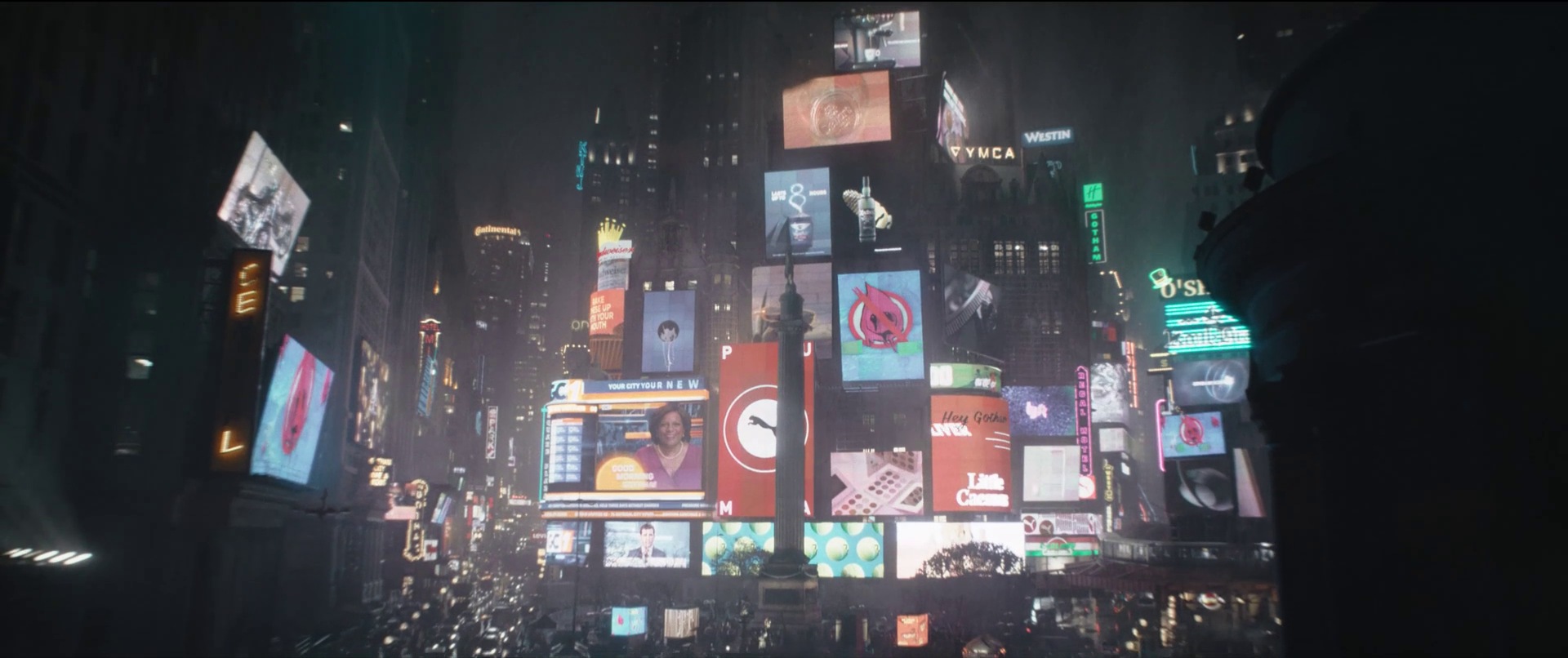
Urban settings include streets, rooftops, and crowded public spaces. These locations create energy, movement, and pressure. You can use them to show conflict, isolation, or fast-paced action.
1. Back alley or side street
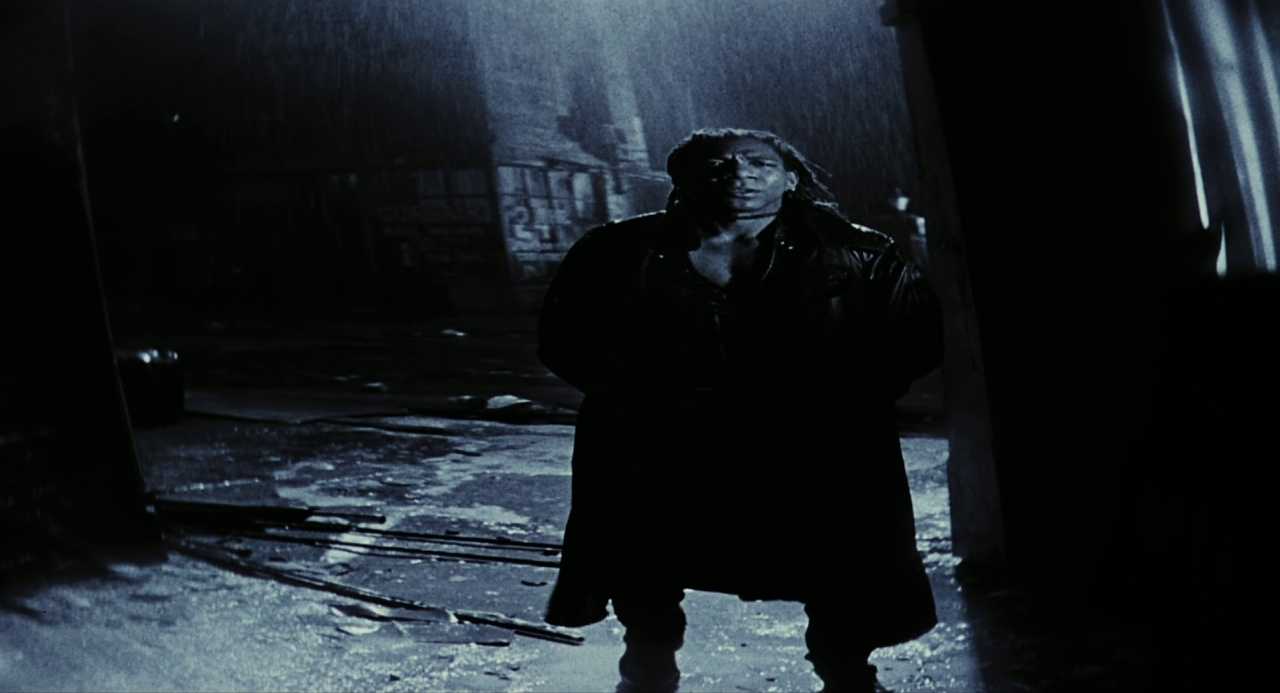
Use it for isolation, crime, or sudden violence.
- John Wick (2014, Summit): John fights in a narrow alley, limiting movement and forcing close combat.
- The Batman (2022, Warner Bros.): Batman investigates crime scenes in shadowy Gotham alleyways, keeping tension high.
2. Rooftop at night
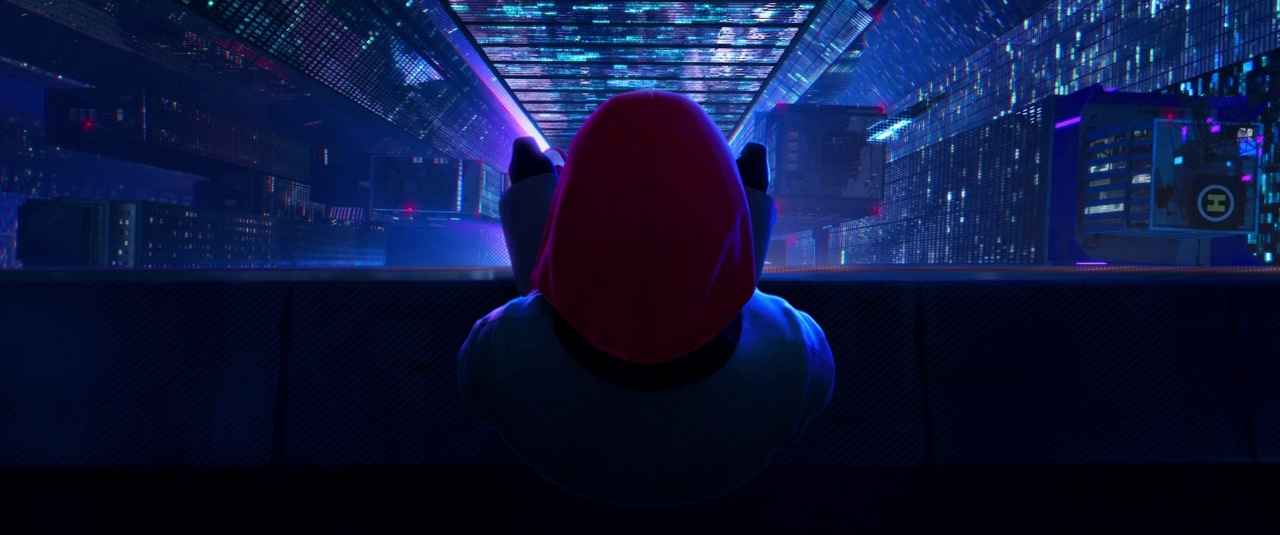
Use it for quiet confrontations, secret meetings, or watching from a distance. The height and isolation create tension or reflection.
- The Matrix (1999, Warner Bros.): Trinity escapes across rooftops, showing agility and stakes.
- Heat (1995, Warner Bros.): A rooftop sniper setup turns into a moral dilemma between duty and violence.
Domestic Settings
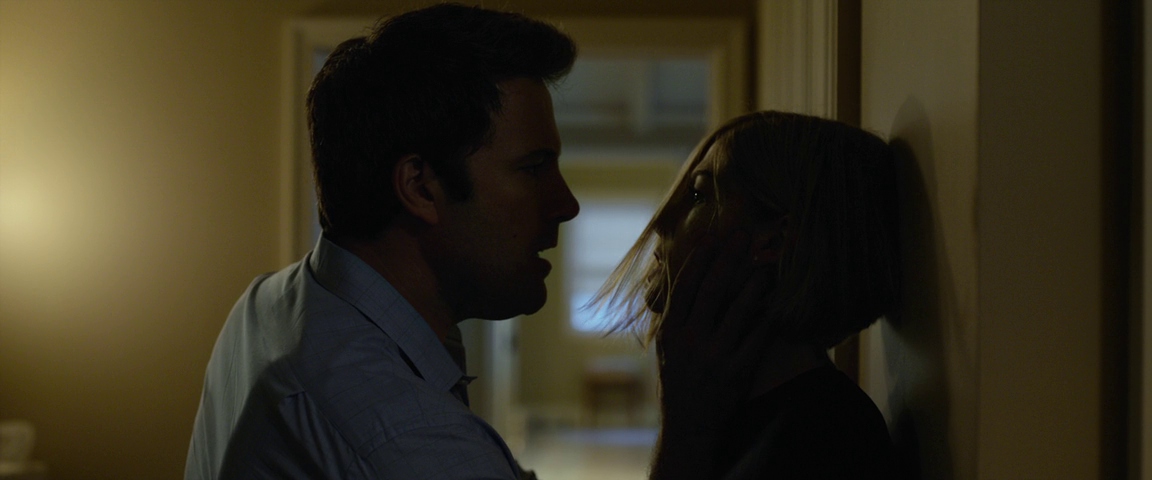
Home spaces reflect routine, comfort, or private conflict. You can use them to reveal how characters behave behind closed doors.
3. Kitchen during breakfast
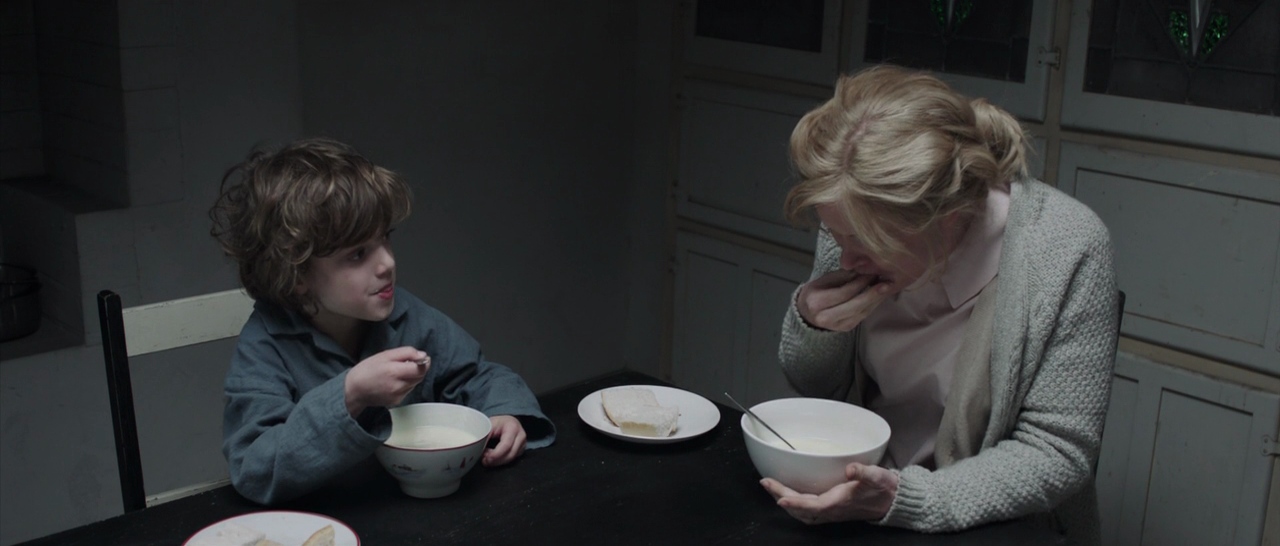
Good for establishing normal life, routines, or quiet tension.
- Hereditary (2018, A24): Family members avoid eye contact around the table, showing deep emotional distance.
- Don’t Look Up (2021, Netflix): Casual kitchen conversations reveal how characters try to stay calm despite global disaster.
4. Child’s bedroom at night
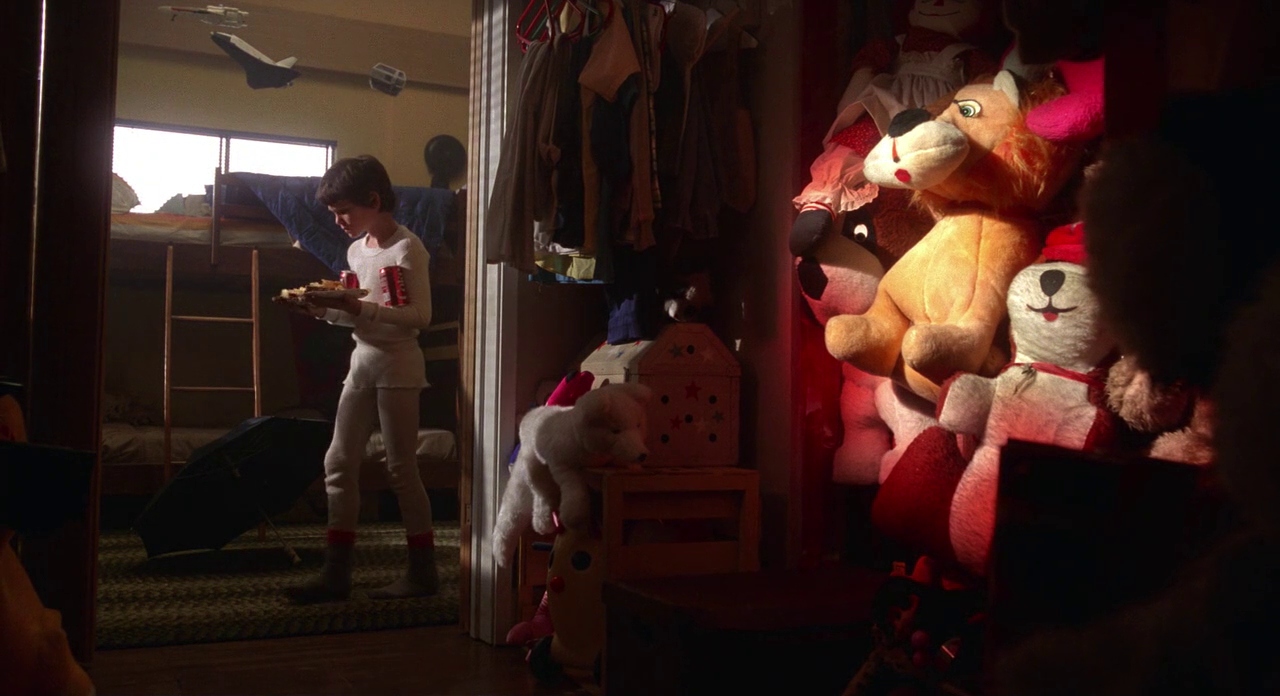
Use it for vulnerability, imagination, or fear.
- The Babadook (2014, IFC Films): The bedroom becomes a place of horror as the monster emerges from a storybook.
- Monsters, Inc. (2001, Pixar): The bedroom is reimagined as a gateway between two worlds—human and monster.
Natural Settings
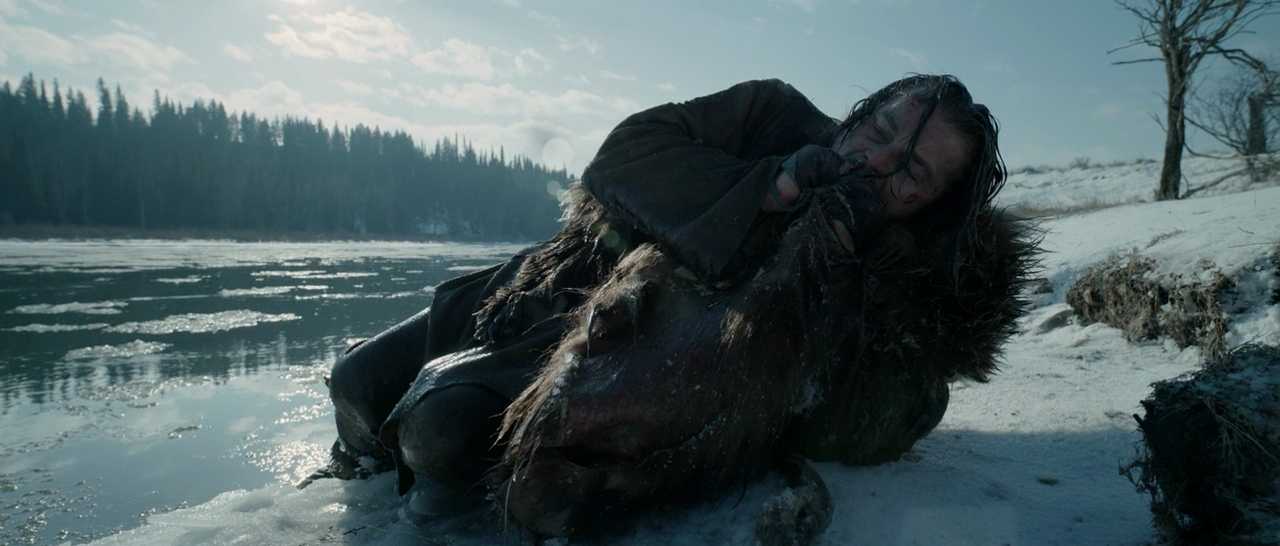
Outdoor environments often test your characters. They add physical obstacles and emotional distance. These settings are great for survival stories, personal change, or reflection.
5. Desert
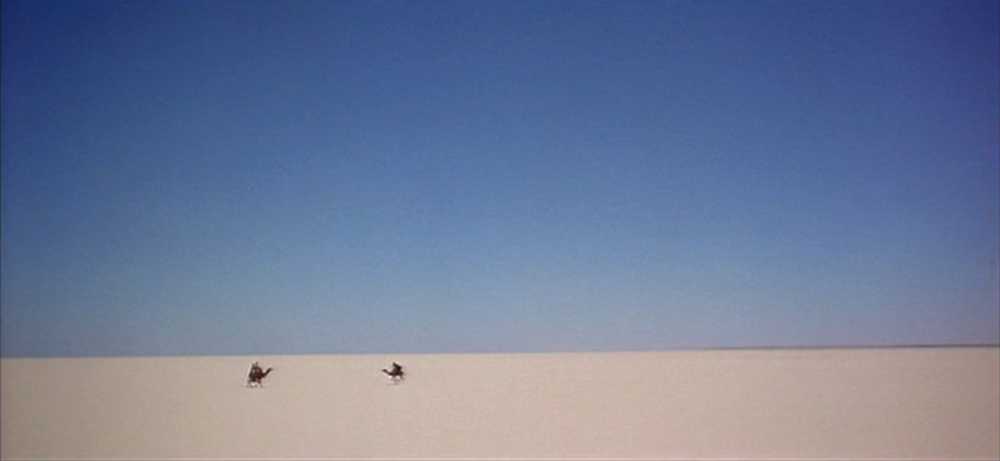
Use it for physical strain, exposure, or a long journey.
- Mad Max: Fury Road (2015, Warner Bros.): Endless desert emphasizes the harsh, lawless world the characters fight through.
- No Country for Old Men (2007, Miramax): The open land becomes a place where escape and tracking are nearly impossible to separate.
6. Forest (sometimes after rain)

Use it for hiding, self-doubt, or starting over after loss.
- The Revenant (2015, 20th Century Fox): The wet, muddy forest makes every step difficult, showing the cost of survival.
- Pan’s Labyrinth (2006, Warner Bros.): Magical moments happen in dark, wet woods that blur the line between real and unreal.
Institutional Settings
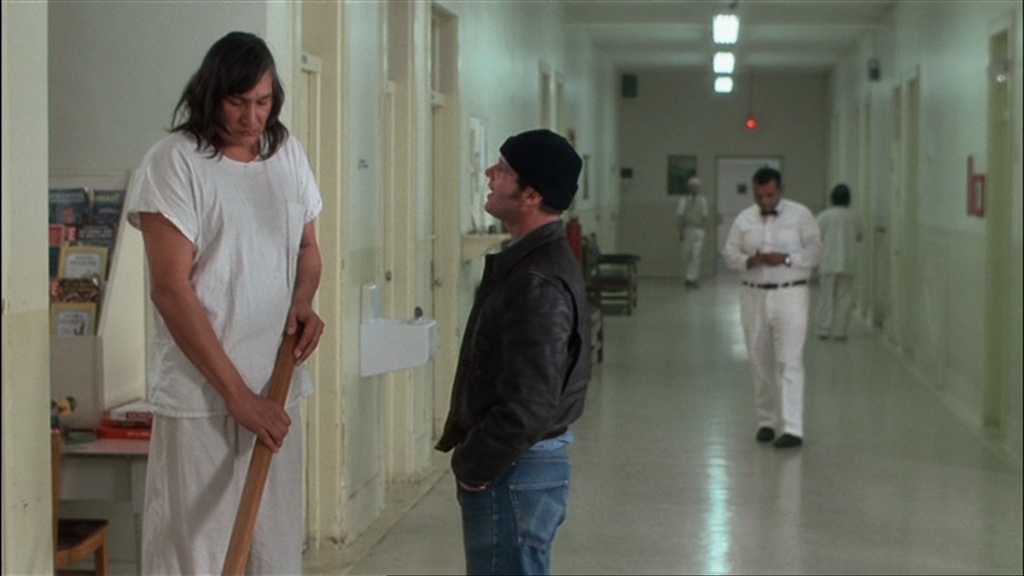
These are places controlled by rules, like schools, hospitals, or prisons. They highlight systems of control, like student vs teacher or guard vs prisoner. Use them to show who follows the rules, who breaks them, and what it costs.
7. Empty school hallway
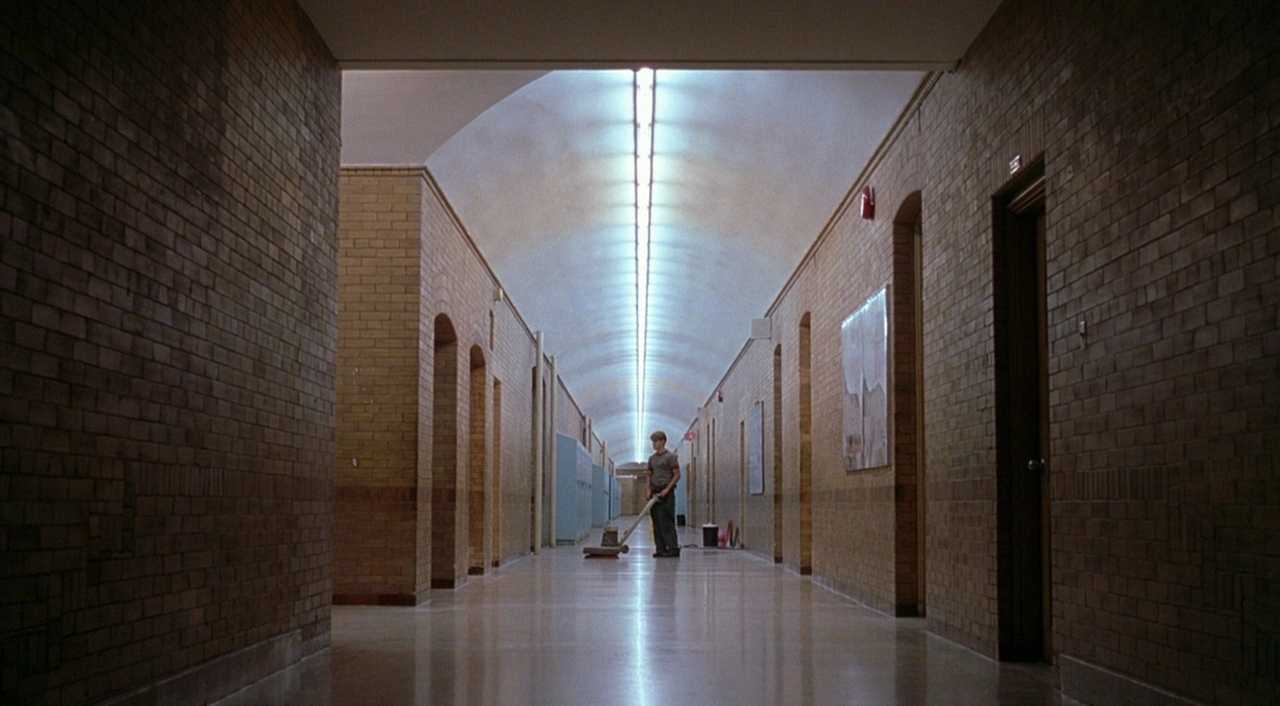
Use it for loneliness, unease, or moments between change.
- Elephant (2003, HBO Films): Long tracking shots through quiet school halls build unease before violence erupts.
- Mean Girls (2004, Paramount): School halls become battlegrounds for social hierarchy and conflict.
8. Prison visiting room
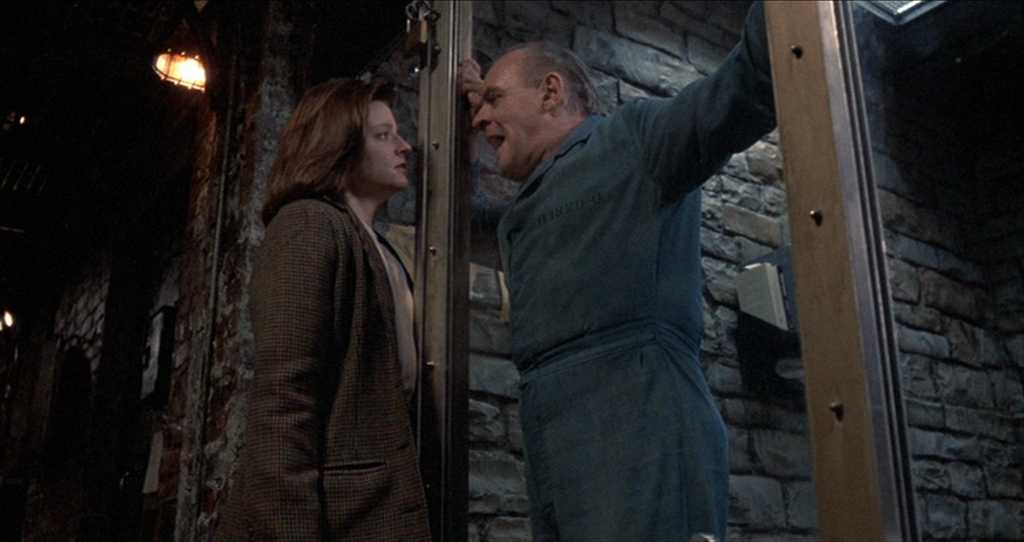
Use it for separation, emotional pressure, or shifting power.
- If Beale Street Could Talk (2018, Annapurna): A glass barrier separates a couple as they try to stay hopeful.
- Silence of the Lambs (1991, Orion): Clarice and Lecter meet across a thick barrier, reinforcing the danger and tension.
Expanded Settings and Creative Worlds
Some settings let you stretch reality. These environments change physics, limit space, or build entire societies. You can use them to create pressure, break realism, or invent new rules for your characters to live by.
9. Inside a moving vehicle
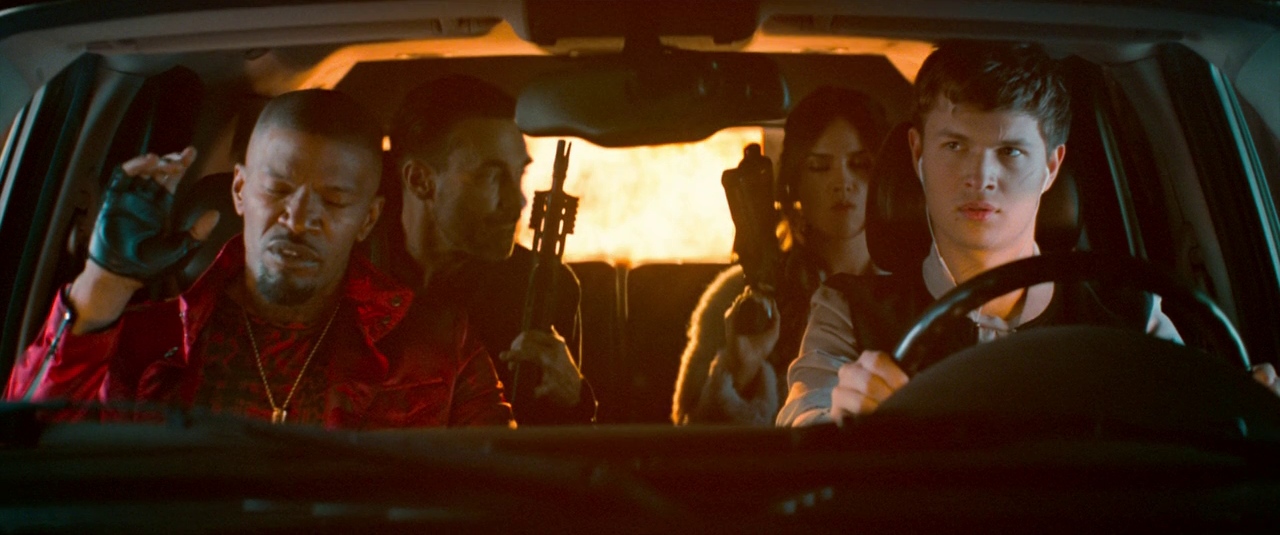
Use it for tension, chase scenes, or tight conversations under pressure.
- Children of Men (2006, Universal): A long unbroken shot in a car during an ambush builds chaos and panic.
- Drive (2011, FilmDistrict): Conversations happen while drifting through neon-lit L.A., adding danger to quiet moments.
10. Single confined room
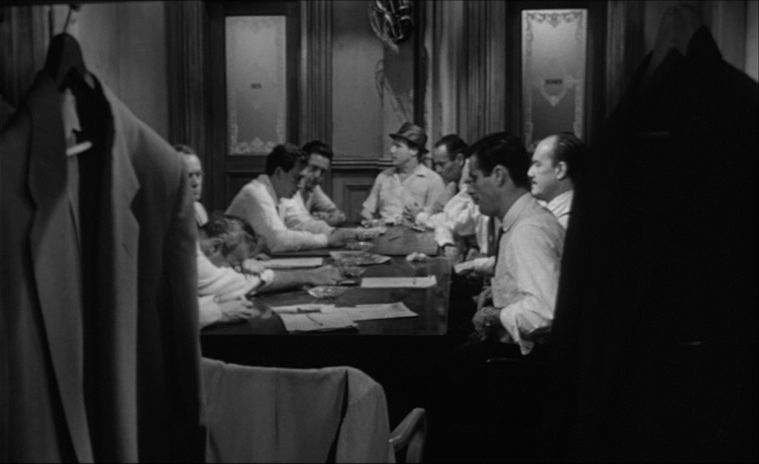
Use it to force conflict, create standoffs, or reveal secrets under pressure.
- 12 Angry Men (1957, United Artists): The entire film takes place in a jury room, turning debate into drama.
- Room (2015, A24): A mother and child live inside one locked space, using imagination to survive.
11. Dream-like or floating space
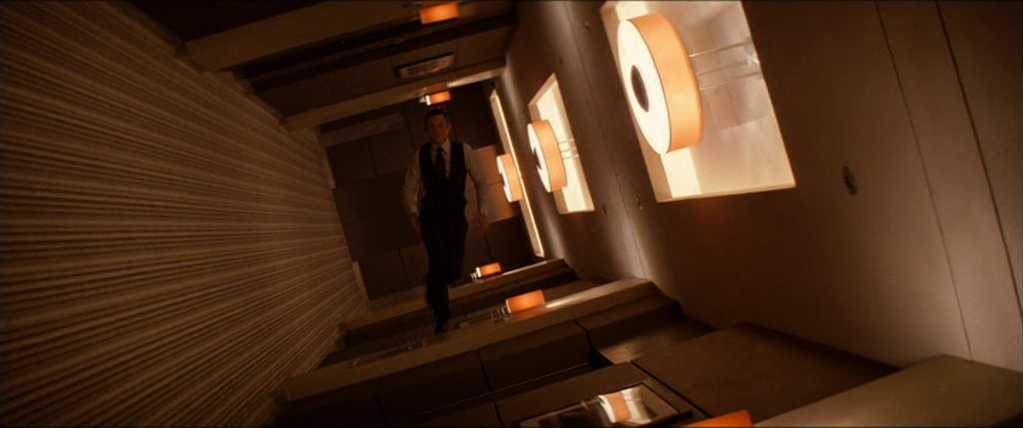
Use it to reflect memory, trauma, or emotional collapse.
- Inception (2010, Warner Bros.): Folding cities and zero-gravity rooms show how dreams shift reality.
- Everything Everywhere All at Once (2022, A24): Alternate dimensions push the setting into surreal chaos that reflects inner conflict.
12. Historical or period setting
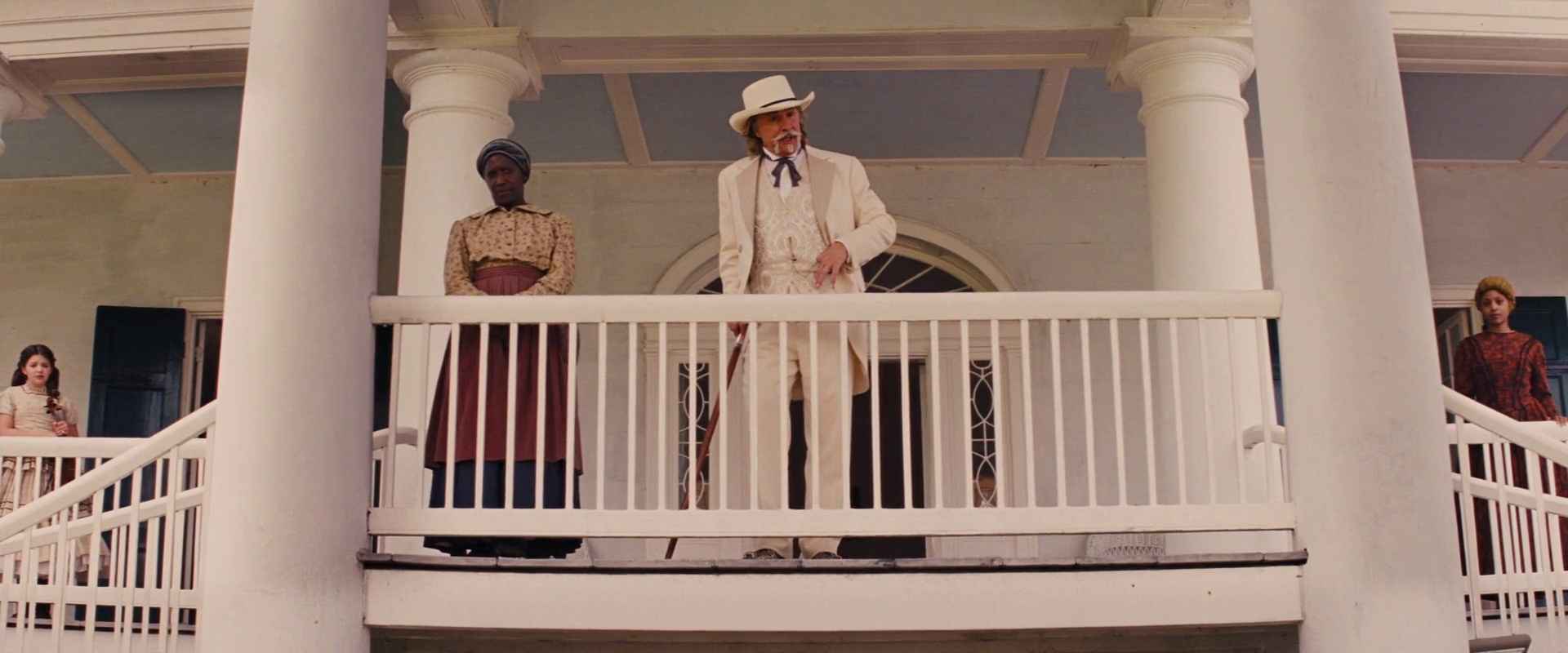
Use it to change time, culture, and expectations. Every choice(from costume to language) shifts how characters act and what they risk.
- Barry Lyndon (1975, Warner Bros.): Every scene is rooted in the customs, lighting, and pace of 18th-century life.
- The Favourite (2018, Fox Searchlight): Period architecture and costumes create tension between formality and emotion.
13. Underwater or submerged setting
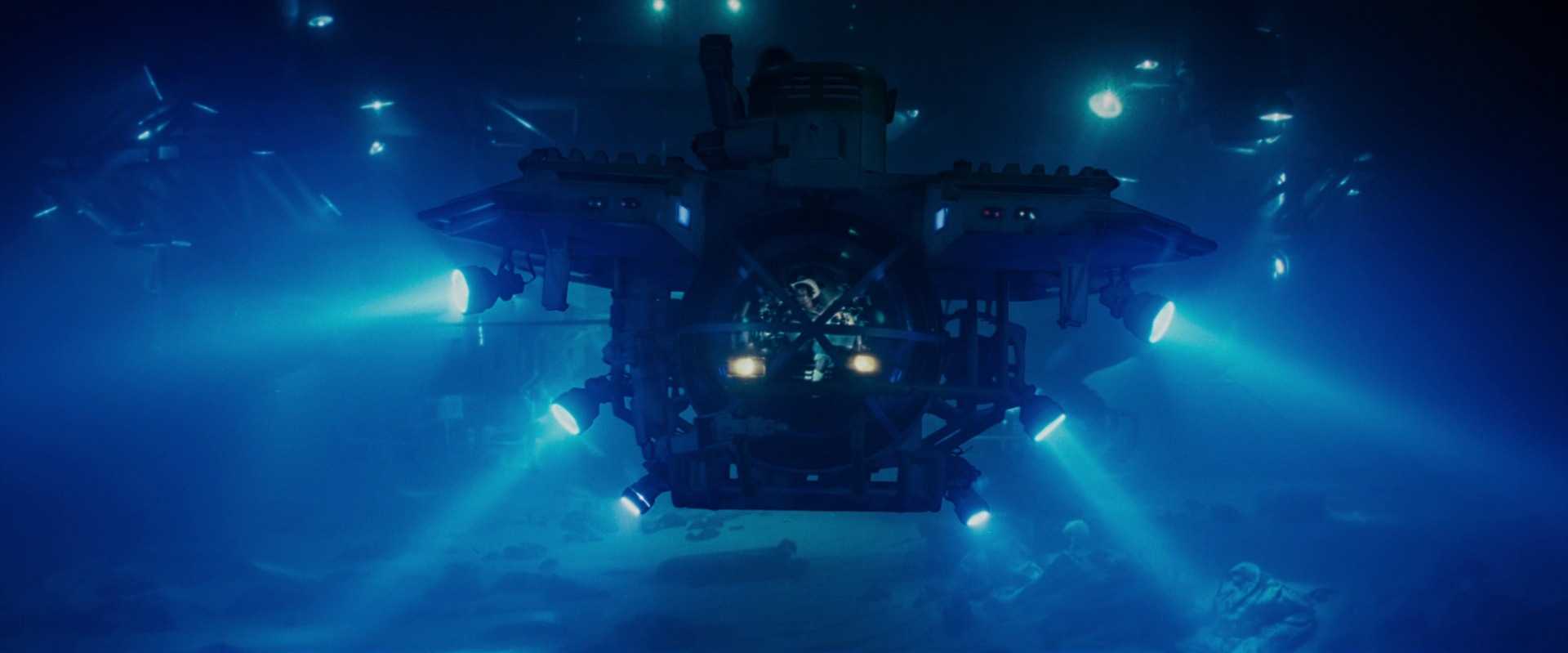
Use it for physical danger, slow movement, and limited visibility. These spaces slow time and add constant pressure.
- The Abyss (1989, 20th Century Fox): Most of the film takes place in deep-sea environments with no escape.
- Underwater (2020, 20th Century Studios): Tight spaces and flooded corridors make movement dangerous and slow.
14. Exotic or alien location
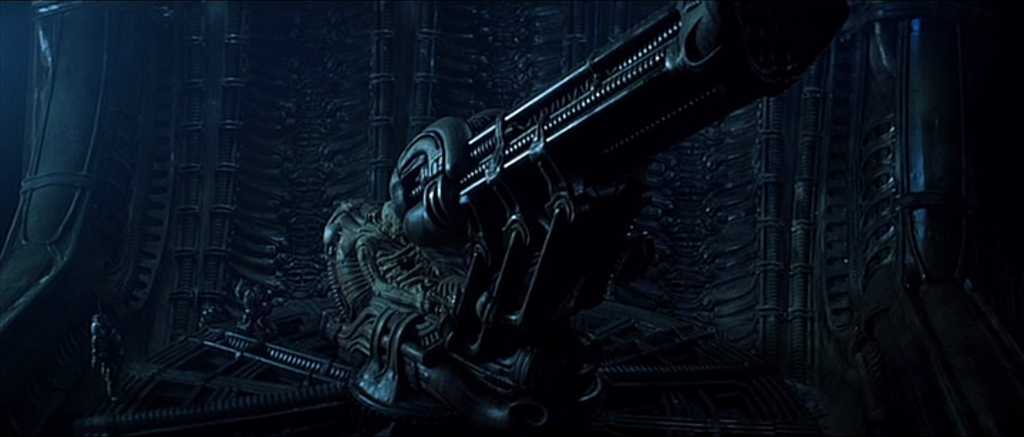
Use it to drop characters into new rules. These settings test their ability to survive, adapt, or lead in unfamiliar conditions.
- Avatar (2009, 20th Century Fox): The alien world of Pandora shapes how characters live, move, and think.
- Dune (2021, Warner Bros.): Harsh desert planets and unfamiliar rituals build a new world of survival and power.
15. Virtual or digital space
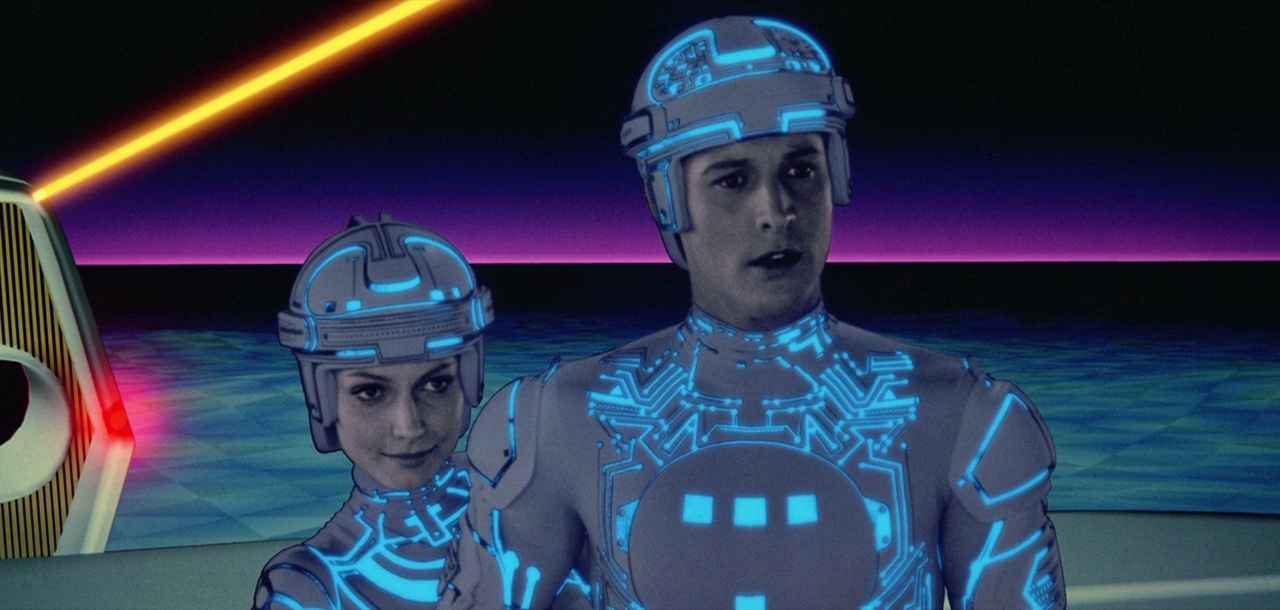
Use it to question identity, control, or what it means to be real. These spaces can flip the rules of physics and force characters to rebuild who they are.
- Tron: Legacy (2010, Disney): The Grid becomes a visual metaphor for freedom, fear, and control.
- Ready Player One (2018, Warner Bros.): Action and emotion unfold in digital worlds with their own logic and rules.
Summing Up
This list gives you a wide set of tools. You can pick settings that raise pressure, reveal fear, or trap characters in decisions they can’t avoid. Whether you’re building tension in a locked room or chasing action across rooftops, the setting changes how your scene feels. Always ask: how does this space affect tone, pace, and character choices? Then shoot to match.
Read Next: How do you design the look of a film?
Visit our Production Design section to learn how sets, props, and color palettes support story, character, and tone from the start.
Want the full picture? Explore the Pre-Production archive for everything that happens before cameras roll—from visual planning to script breakdowns.
