

Published: November 19, 2025

What is the male gaze? Definition & Meaning
The male gaze is a film term that describes how women are visually framed from a heterosexual male point of view, often as passive objects of desire rather than active characters with their own goals. This means the camera often shows women in ways that please straight male viewers, focusing on how they look, not what they do. It affects how women are lit, dressed, blocked, and filmed. The viewer is placed in the position of someone watching her from the outside.
Origins and Theory
The term comes from film theorist Laura Mulvey. In her 1975 essay Visual Pleasure and Narrative Cinema, she argued that many films are designed around male pleasure. Men act. Women appear. The man drives the story. The woman is there to be watched.
Mulvey broke the gaze into three overlapping looks:
- The camera’s look — how the film is shot and framed
- The character’s look — who does the looking inside the scene
- Your look — how you’re asked to watch the characters
All three often align with the male lead. The woman becomes something to see, not someone to follow. This builds on what art critic John Berger said in Ways of Seeing (1972): “Men act and women appear.”
How the Male Gaze Works in Film
The male gaze shows up through specific choices in camera work, costume, blocking, and character writing. It tells you to look at the woman, not listen to her.
Camera framing and movement
Some shots focus only on legs, lips, or curves, framing parts of her body instead of showing her as a complete character. These shots are often slow, low, and lingering, placing her on display for the viewer.
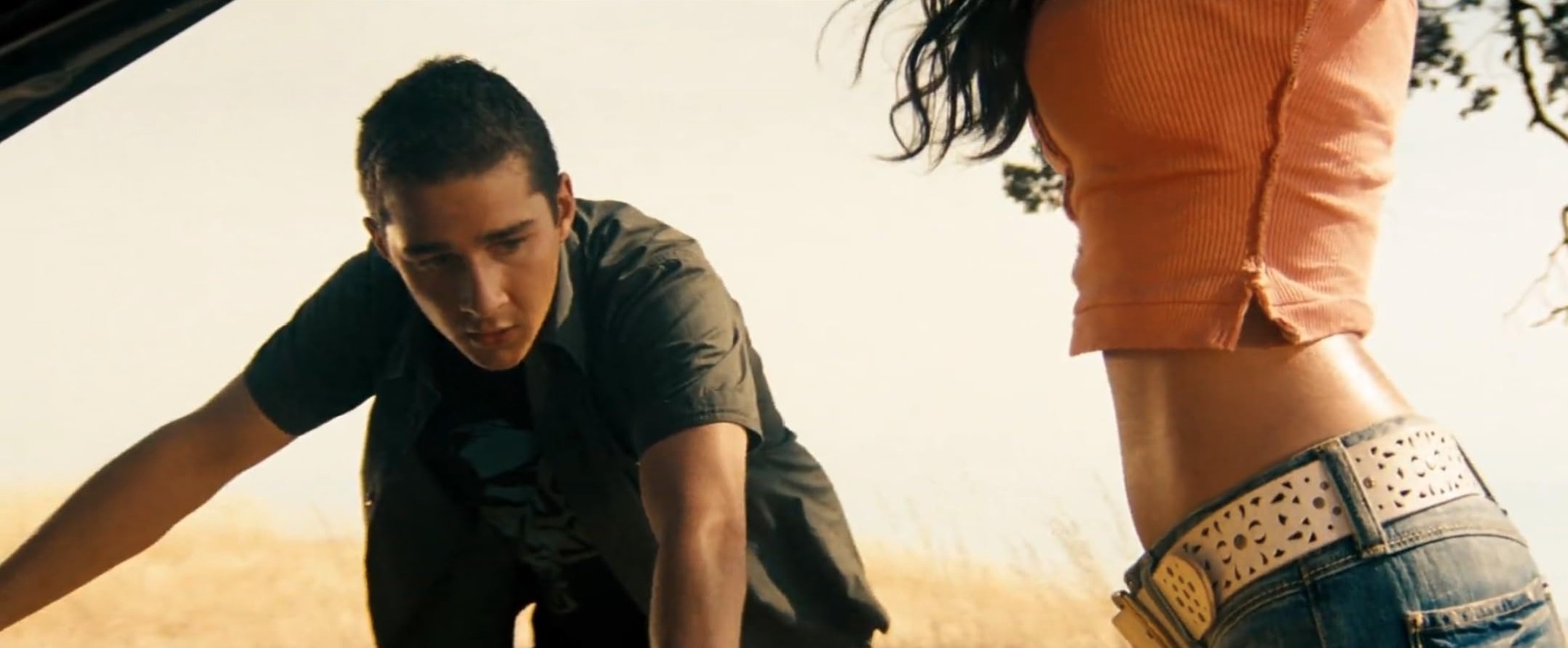
In Transformers (2007, Paramount), a well-known scene frames Mikaela (Megan Fox) with a focus on her body as she leans over the open hood of a car.
This kind of selective framing and camera movement draws attention to her physical appearance rather than her thoughts or purpose in the scene.
Costume and blocking
Women are often dressed in tight or revealing clothes, even in scenes where it makes no sense. The camera follows them in ways that show off their bodies. Male characters are rarely filmed like this.
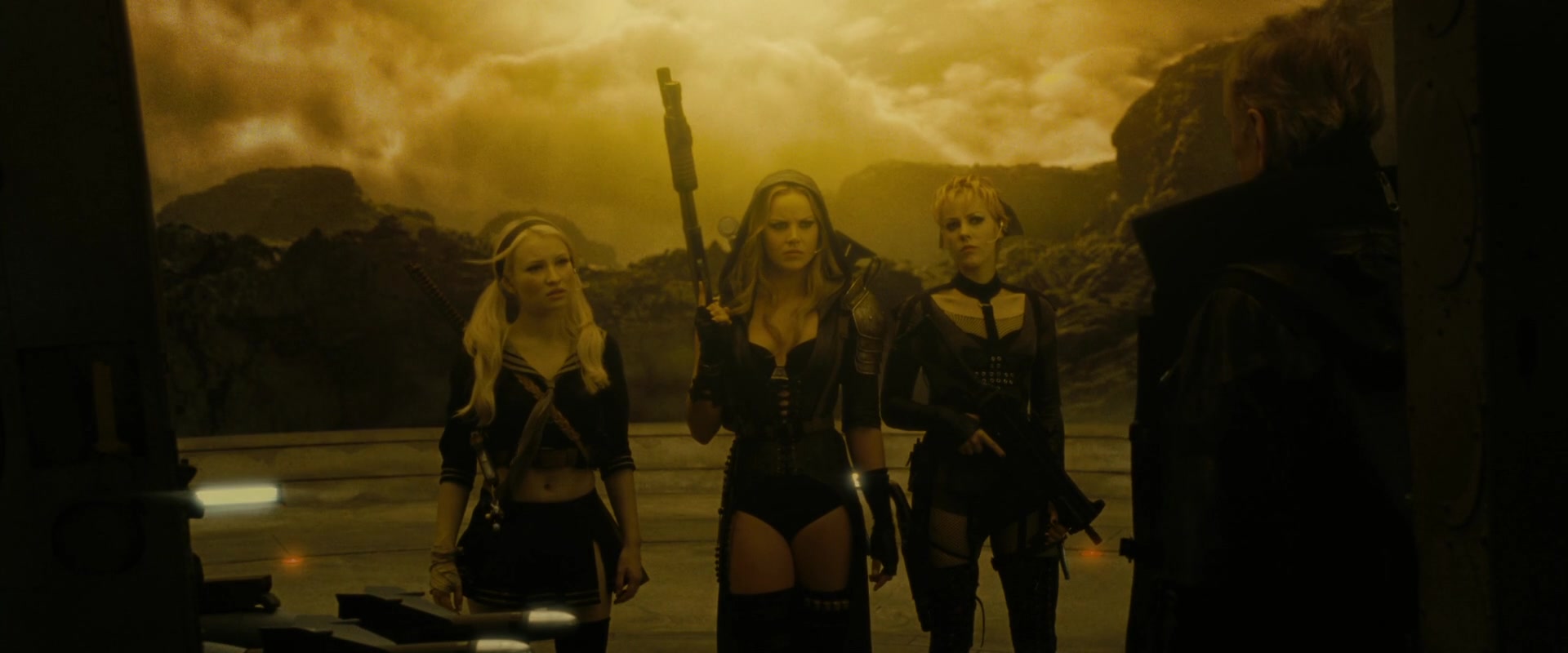
In Sucker Punch (2011, Warner Bros.), the main characters wear stylized, sexualized costumes during fantasy combat scenes. The outfits match the dreamlike world visually, but they aren’t practical for the missions the characters are performing. They reflect visual fantasy more than functional combat gear.
Narrative control
In many films, women exist to support the male lead. They’re love interests, rewards, or reasons for him to act. They rarely have their own goals or choices. They highlight the man’s control, success, or appeal, but don’t shift the direction of the story.
In most James Bond films, the women arrive, flirt, and disappear. Bond moves the plot forward. The women highlight his confidence, but don’t shape the mission or the ending.
Viewer positioning
The way the camera moves tells you how to feel. If it zooms in on a woman’s body, it’s asking you to look at her the way a man might. You’re not asked to understand her. You’re asked to observe her from the outside, as if her body matters more than her mind.
Examples in Popular Films
The male gaze isn’t limited to one era or genre. It shows up in blockbusters, spy films, superhero stories, and prestige dramas. In each case, the camera invites you to look at women in ways that highlight their bodies, not their roles.
These examples show how framing, costume, and narrative combine to position women as visual objects.
- Baywatch (2017, Paramount): Beach scenes use slow motion and tight framing to highlight women’s bodies instead of their roles.
- Suicide Squad (2016, Warner Bros.): Harley Quinn is shown through close-ups that focus on her appearance, not her thoughts or choices.
- The Wolf of Wall Street (2013, Paramount): Women are shown nude, silent, or in the background, used as rewards for the male lead rather than full characters. The gaze here is intentional but still reinforces objectification.
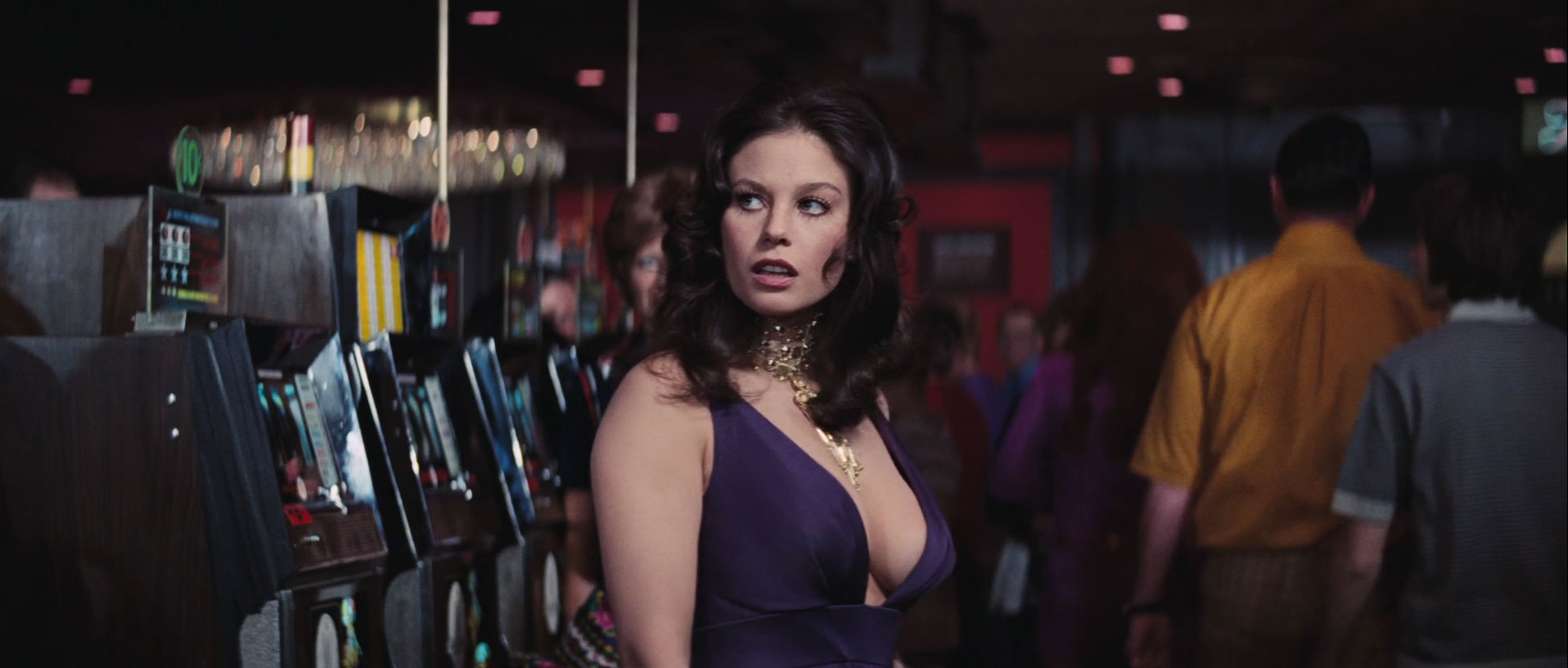
- Diamonds Are Forever (1971, Eon): The camera tracks Plenty O’Toole (Lana Wood) with framing that emphasizes her cleavage before she speaks or takes action. She’s framed for attention, not for character development.
Why the Male Gaze Still Matters
The male gaze still shapes how women are seen on screen and off. It teaches you to focus on how a woman looks before you think about what she says or does. This can make appearance feel more important than action, personality, or skill.
But not every use of the male gaze is the same. In some films, it’s clearly intentional. In Transformers (2007, Paramount), the camera focuses on Mikaela’s body because Sam is a teenager drawn to her. It reflects his point of view, but it also sells sex appeal to the audience. The shot works both ways: part character, part marketing.
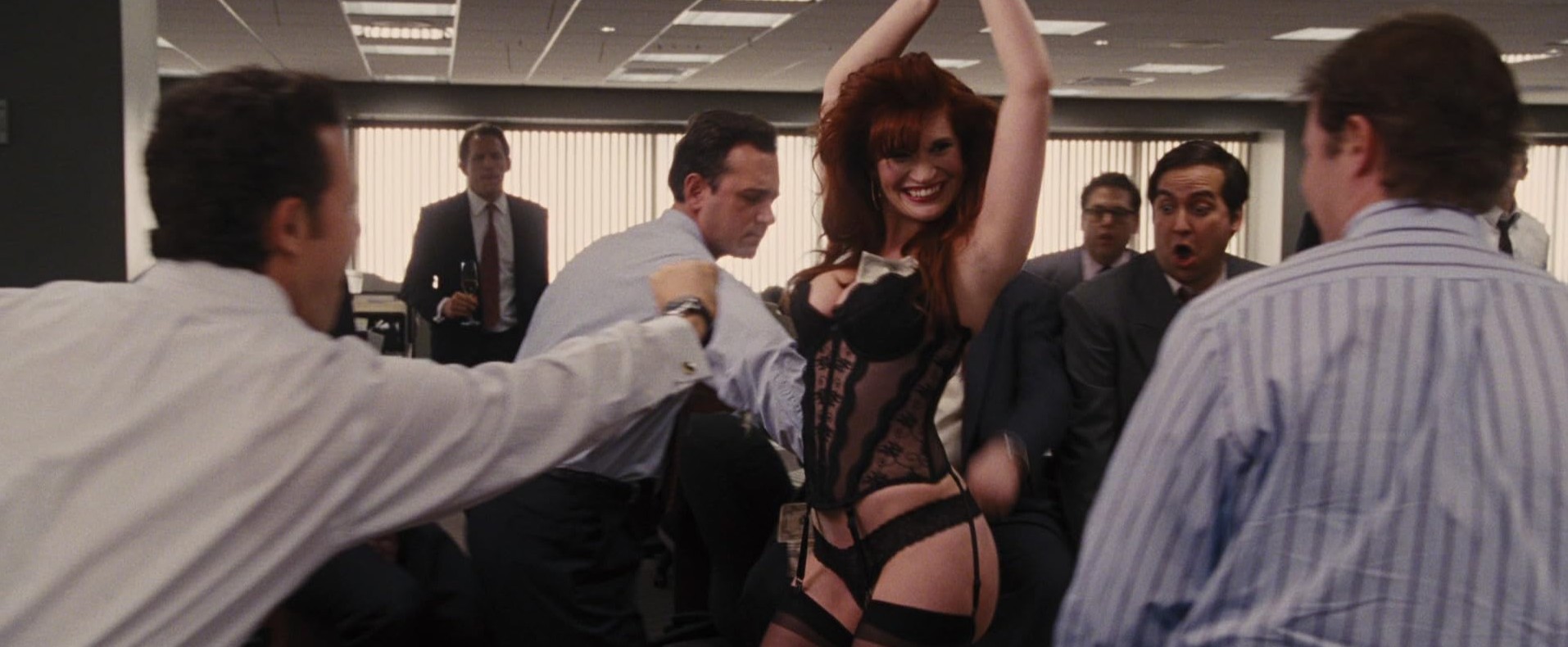
In other films, like The Wolf of Wall Street (2013, Paramount), the gaze is part of the story’s critique. The film shows women through the eyes of a greedy, sexist narrator. The objectification is real, but it’s also meant to reveal how the lead sees people. That makes the use of the gaze more complex, not simple.
The impact, though, is still there. Even if a film is self-aware, it can reinforce the idea that women must always be desirable to matter. Some women internalise this gaze. They start judging themselves through a lens shaped by how they’ve been shown, especially in media that rewards appearance over agency.
Measuring Representation: The Bechdel Test
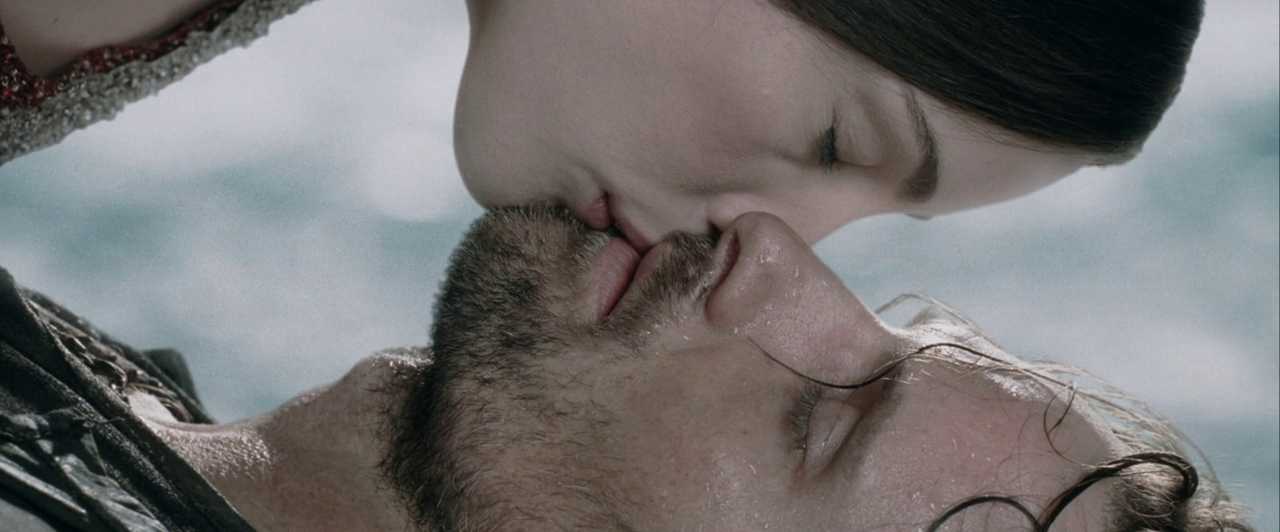
The Bechdel Test is a simple way to check if women exist in a film as real characters. To pass, the film must:
- Have at least two named female characters
- Who talk to each other
- About something other than a man
Passing the test doesn’t mean a film treats women well. But if a film fails, it often means women are only there to support the men. They don’t get space to speak, act, or grow.
The Lord of the Rings trilogy (2001–2003, New Line) fails this test. It has strong female characters, but they rarely speak to each other at all.
Films That Push Back

Not all films avoid the male gaze. Some use it on purpose. But that doesn’t always mean a lack of agency. In many cases, female characters use how they’re seen to take control. Strippers, femme fatales, and action heroines often weaponize their sexuality, playing into expectations to gain power, then flipping the dynamic.
That doesn’t erase the gaze. But it complicates it. A woman can be framed for male pleasure and still be the one driving the scene. It depends on who controls the story and whether she’s shown as more than just a surface.
Other films push back entirely. In Portrait of a Lady on Fire (2019, Pyramide Films), two women look at each other as equals. The camera doesn’t isolate their bodies. It builds a shared perspective, letting you feel what they feel, not just look from the outside.
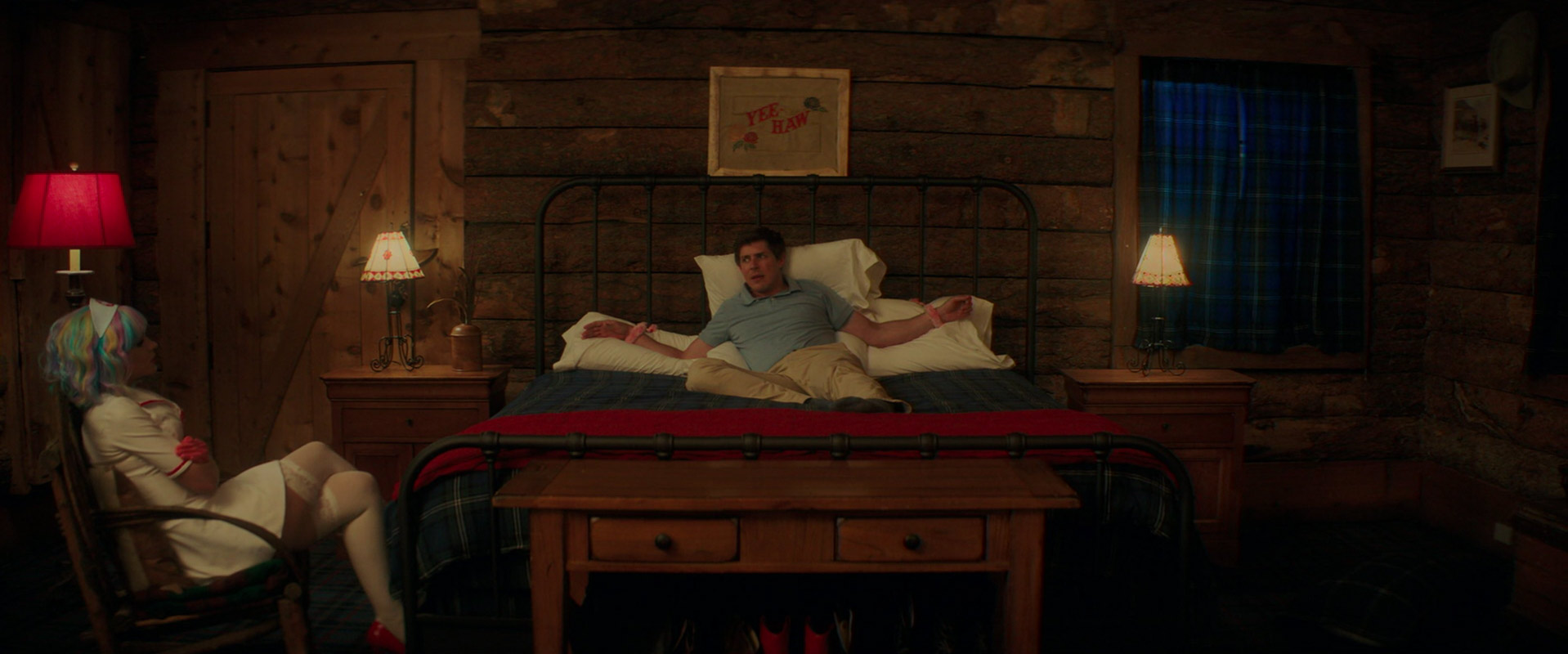
Promising Young Woman (2020, Focus Features) flips expectations. You’re not invited to leer at the lead. The camera holds the usual angles and keeps you close to her thinking, not her body. That control creates a different kind of tension, and a different kind of female lead.
Limitations and Criticism
Male gaze theory doesn’t explain everything. Some critics say it oversimplifies how people watch movies. Not every man sees women the same way. Not every female character is filmed just to look good. And viewers bring their own ideas and reactions, especially queer, nonbinary, and female viewers who may read scenes differently.
Read more on Queer Theory in Film.
Some films blur the line between objectification and empowerment. A sexy outfit or a slow-motion shot doesn’t always mean a lack of agency. What matters is who’s in control of the frame, the story, and the perspective. That’s where the real gaze lives, not just in what’s shown, but why it’s shown that way.
Still, the theory is a useful tool. It helps you ask better questions: Who’s being watched? Who’s watching? And what kind of choices are they allowed to make?
Summing Up
The male gaze frames women as things to look at instead of people to follow. It shows up in how they’re filmed, dressed, and written. It shapes how we see women, and how women see themselves.
Once you know what the gaze looks like, you can choose to film differently. You can show women thinking, choosing, and leading. You can frame the shot to show what the character feels or decides, not just how they look.
Read Next: Curious how film theory shapes the way we watch movies?
Start with the Film Theory section to break down realism, formalism, structuralism, and more — with examples from iconic films.
If you want studying film theory I recommend starting with The FilmDaft overview of film theory discourses to break down realism, formalism, structuralism, and more — with examples from iconic films.
Then explore the full Film History, Theory & Genre collection to see how movements, styles, and storytelling traditions have evolved.
Whether you’re into Soviet montage or 2000s genre mashups, there’s something here to sharpen your understanding.
