

Published: October 1, 2025 | Last Updated: January 19, 2026

What is Queer theory? Definition & Meaning
Queer theory is an academic approach that challenges fixed ideas about gender, sexuality, and identity, treating them as socially constructed, fluid, and contested. It asks how cultural norms define what counts as normal or acceptable, and how those norms shift over time.
Origins and Intellectual Roots
Queer theory developed in the early 1990s. It grew out of feminist theory, gay and lesbian studies, and political activism during the AIDS crisis.
Key thinkers like Judith Butler, Eve Kosofsky Sedgwick, and Gayle Rubin helped shape its direction. The work of Michel Foucault, especially on discourse and sexuality, also laid the foundation for how queer theory examines power and identity.
Core Ideas and Key Terms
Queer theory rejects the idea that identity is fixed or binary. It focuses on how gender and sexuality are shaped by language, history, and power, rather than biology. Here are some of the most important ideas and terms you should know:
- Anti‑essentialism: The belief that categories like “man,” “woman,” “gay,” or “straight” are not natural facts. They are cultural ideas that change over time.
- Fluid identity: People may shift identities over time or express more than one identity at once. Queer theory supports a flexible view of selfhood.
- Heteronormativity: The assumption that heterosexuality is the default, natural, or preferred mode of identity, desire, and social organization. Queer theory examines how film reinforces—or disrupts—this assumption through narrative structure, character arcs, and visual language.
- Intersectionality: Coined by Kimberlé Crenshaw, intersectionality examines how sexuality interacts with race, class, gender, nationality, and disability. Queer readings increasingly focus on which identities are centered—and which are marginalized—even within LGBTQ+ narratives.
- Queering / queer reading: An interpretive approach that looks beyond explicit representation to identify non-normative desires, power relations, and disruptions of dominant norms. A queer reading does not require that a film be “about” queer characters.
- The closet: Not simply secrecy, but a social structure that governs what can be known, said, or shown about sexuality. In cinema, the closet often appears through coded behavior, silence, implication, or narrative punishment for disclosure.
- Strategic essentialism: The temporary use of identity labels (like “gay” or “trans”) for political or activist purposes, even while recognizing they are socially constructed.
- Quare theory: A related framework by E. Patrick Johnson that centers queer people of color and critiques the racial blind spots in mainstream queer theory.
- Homonationalism: A critique of how LGBTQ+ rights are sometimes used to support nationalism or justify exclusion, often at the expense of immigrants or people of color.
- Performativity: Popularized by Judith Butler, this concept suggests that gender and sexuality are not fixed traits but are produced through repeated acts, gestures, and social expectations. Film is a key site where these performances are rehearsed, reinforced, or challenged.
As you can see, Queer theory is not a single method or unified viewpoint. Different scholars and critics may interpret the same film in conflicting ways. The goal of queer analysis is not to arrive at one “correct” reading, but to ask how cinema constructs, limits, or opens possibilities for identity and desire.
Case Study: Blue Is the Warmest Color (2013)
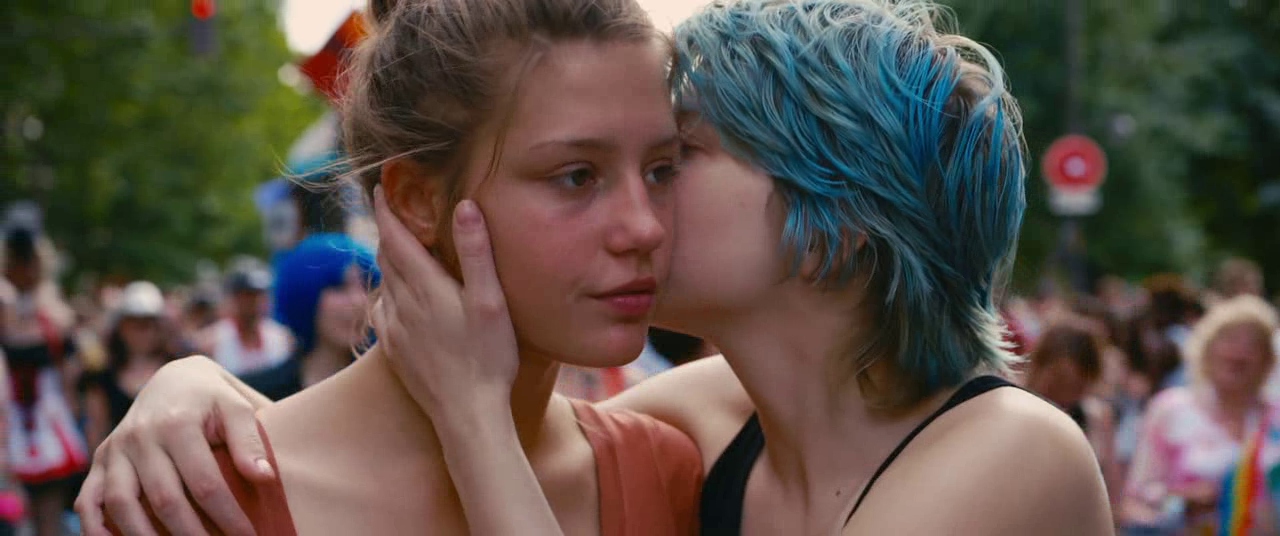
Here’s a short case study to show how queer theory works in practice using the ideas explained above. I chose the movie Blue Is the Warmest Color (2013, Wild Bunch) because it’s a good example of how queer theory can be used to critique elements of a film.
Blue Is the Warmest Color tells a story about two women in love. But many critics say the film doesn’t feel like it was made for queer people. Queer theory helps explain why.
This film is frequently discussed in queer film criticism not only because of its lesbian protagonists, but because of how desire, power, and spectatorship are constructed on screen.
Heteronormativity and Narrative Framing

Although the central relationship is queer, the film often relies on familiar heterosexual narrative structures, including emotional dependency, unequal power dynamics, and a focus on romantic suffering. Queer theorists often examine how such structures persist even in films centered on LGBTQ+ characters.
The Gaze and Sexual Representation

Some critics have argued that the film’s sex scenes reproduce a male-gaze perspective—most explicitly Sophie Mayer’s Sight & Sound review, which describes the film as trading “a new voice for the same old male gaze.”
Other major critics (including NYT critic Manohla Dargis, as quoted in reporting about the review) similarly characterized the sex scenes as voyeuristic or more reflective of the director’s desires than lesbian subjectivity.
At the same time, The Guardian’s Peter Bradshaw review rejects the idea that the scenes are exploitative or inauthentic, offering a useful counterpoint.
After the film’s release, Adèle Exarchopoulos and Léa Seydoux described the shoot as difficult, and they characterized the extended sex-scene filming as embarrassing and, at times, ‘horrible’ in interviews reported by outlets such as The Guardian and Vanity Fair.
Power, Age, and Social Class
Queer theory also encourages viewers to look beyond sexuality alone. Differences in age, education, and class shape the relationship, influencing who holds emotional and cultural authority. These dynamics complicate readings that treat the film purely as a romantic coming-of-age story.
Why This Film Matters to Queer Theory
Rather than offering a definitive “positive” or “negative” portrayal, the film demonstrates how queer stories can still reproduce dominant cinematic norms. This tension makes it a productive object of queer analysis rather than a straightforward example of representation.
Examples of Queer Theory in Other Film and Media
Film is one of the most important spaces to apply queer theory. It shapes how identity is shown, hidden, or coded. A queer reading looks at how characters, costumes, settings, and camera choices reflect gender and sexuality, even when not stated directly.
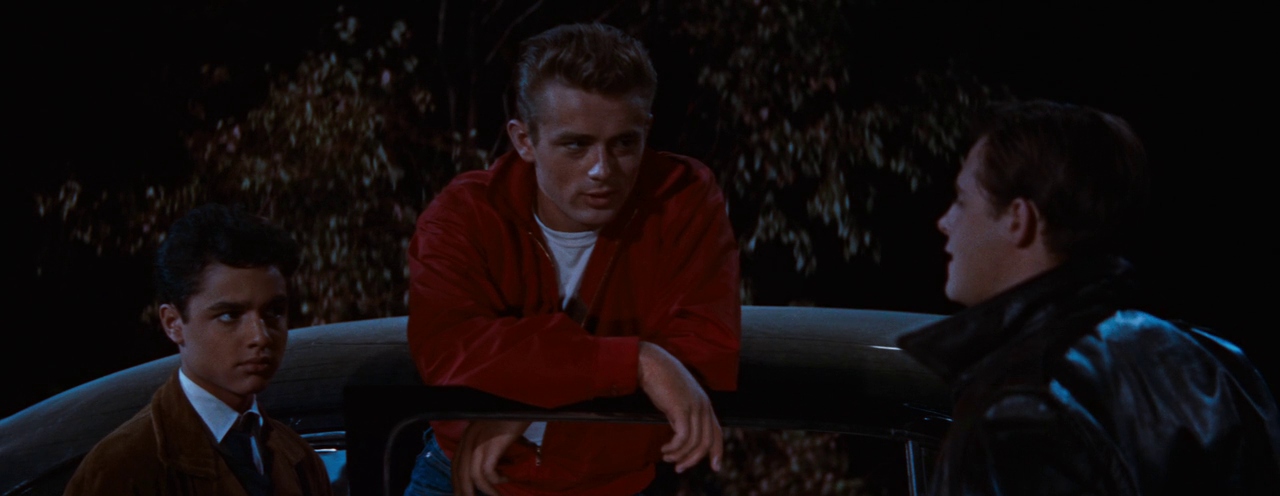
In Rebel Without a Cause (1955, Warner Bros.), Jim and Plato’s relationship can be read as a form of queer intimacy. While never made explicit, the blocking and performance suggest closeness beyond friendship.

In The Matrix (1999, Warner Bros.), Neo’s journey mirrors trans experiences of self-discovery and rejection of imposed identity. Directors Lilly and Lana Wachowski later confirmed their own trans perspectives shaped the film.
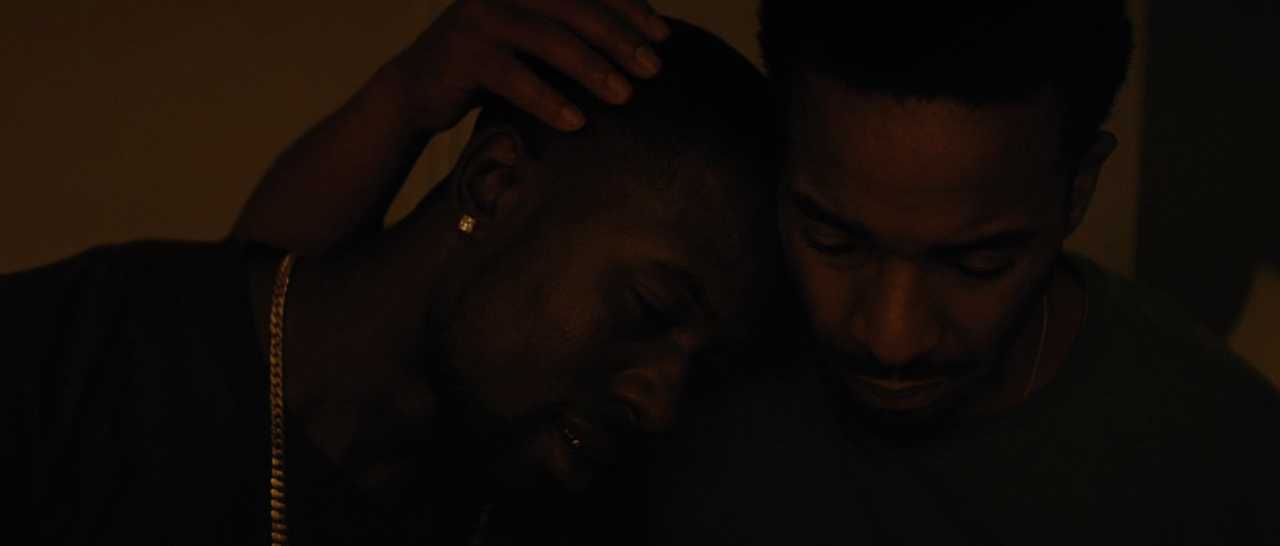
In modern queer cinema, representation becomes more direct. Moonlight (2016, A24) tells the story of a Black queer man over three stages of his life. Instead of using dramatic dialogue, it relies on silence, facial expressions, and quiet scenes of touch and gaze to show his inner world.
Queer Theory in Animation
Queer theory also studies “coded” characters in animation. Disney villains like Scar in The Lion King (1994, Disney) or Ursula in The Little Mermaid (1989, Disney) show theatrical mannerisms or camp style often linked to queer performance.
While not openly queer, these characters reflect how queerness was included (often interpreted negatively) without being named.
You can also use queer theory to ask who gets to tell queer stories, and how studio systems or censorship control what’s seen. This connects theory with real-world issues like access, authorship, and funding in media industries.
Additional Film Examples Commonly Discussed Through Queer Theory
Queer theory is not limited to films with explicitly LGBTQ+ protagonists or storylines. In film studies, it is frequently applied to works that disrupt normative ideas of gender, desire, identity, spectatorship, or narrative structure. Below are several groupings of films that are commonly discussed in queer-theoretical analysis, along with contextual production details.
New Queer Cinema (1990s)
The term New Queer Cinema, popularized by critic B. Ruby Rich, describes a wave of independent films from the late 1980s and 1990s that rejected assimilationist narratives and instead embraced ambiguity, transgression, and formal experimentation. These films often foreground marginalized queer lives while resisting traditional moral or narrative closure.
- Paris Is Burning (1990) – Directed by Jennie Livingston; produced by Off White Productions; distributed by Miramax Films
- My Own Private Idaho (1991) – Directed by Gus Van Sant; produced by Fine Line Features; distributed by New Line Cinema
- Poison (1991) – Directed by Todd Haynes; produced by Christine Vachon; distributed by Zeitgeist Films
Mainstream Films with Queer Readings
These films were produced and marketed primarily for mainstream audiences, yet they have generated sustained queer readings due to their treatment of desire, masculinity, identity instability, or repression. Queer theory often examines how non-normative tensions emerge even within commercially conventional narratives.
- Fight Club (1999) – Directed by David Fincher; produced by Regency Enterprises; distributed by 20th Century Fox
- The Talented Mr. Ripley (1999) – Directed by Anthony Minghella; produced by Mirage Enterprises; distributed by Paramount Pictures
- Carol (2015) – Directed by Todd Haynes; produced by Killer Films; distributed by The Weinstein Company
Global and Contemporary Queer Cinema
More recent queer cinema has increasingly focused on intersectionality, examining how sexuality interacts with race, class, migration, nationality, and economic precarity. These films often challenge Western-centric narratives and expand the scope of queer theory beyond white, middle-class perspectives.
- Moonlight (2016) – Directed by Barry Jenkins; produced by A24 and Plan B Entertainment; distributed by A24
- Portrait of a Lady on Fire (2019) – Directed by Céline Sciamma; produced by Lilies Films; distributed by Pyramide Films
- Tangerine (2015) – Directed by Sean Baker; produced by Duplass Brothers Productions; distributed by Magnolia Pictures
Animation and Queer Subtext
Animated films are frequently analyzed through queer theory because they rely heavily on symbolism, metaphor, and coded representation. Even when not explicitly queer, animation often destabilizes fixed identities, bodies, and social norms, making it especially fertile ground for queer readings.
- Perfect Blue (1997) – Directed by Satoshi Kon; produced by Madhouse; distributed by Rex Entertainment
- Spirited Away (2001) – Directed by Hayao Miyazaki; produced by Studio Ghibli; distributed by Toho
- The Mitchells vs. the Machines (2021) – Directed by Mike Rianda; produced by Sony Pictures Animation; distributed by Netflix
These films are frequently discussed in queer film studies because they complicate fixed identities, challenge dominant gazes, and destabilize traditional narrative expectations, which tells us that queer theory is as much about how stories are told as who they are about.
Summing Up
Queer theory helps you analyze how identity, gender, and power are shown or hidden in media. It gives you the language to break down what’s taken for granted and rethink what stories are allowed, and who gets to tell them. Whether you’re writing a script, directing a scene, or watching a film, queer theory offers tools to uncover meaning and challenge norms.
Read Next: Curious how film theory shapes the way we watch movies?
Start with the Film Theory section to break down realism, formalism, structuralism, and more — with examples from iconic films.
If you want studying film theory I recommend starting with The FilmDaft overview of film theory discourses to break down realism, formalism, structuralism, and more — with examples from iconic films.
Then explore the full Film History, Theory & Genre collection to see how movements, styles, and storytelling traditions have evolved.
Whether you’re into Soviet montage or 2000s genre mashups, there’s something here to sharpen your understanding.
Sources & Further Reading
Queer theory is a broad, interdisciplinary field spanning philosophy, sociology, gender studies, and film theory. Readers who want a deeper or more academic understanding may find the following foundational texts and film-studies resources useful:
Foundational Texts in Queer Theory and Film Studies
- Judith Butler – Gender Trouble: Feminism and the Subversion of Identity (1990). Routledge.
https://www.routledge.com/Gender-Trouble-Feminism-and-the-Subversion-of-Identity/Butler - Eve Kosofsky Sedgwick – Epistemology of the Closet (1990). University of California Press.
https://www.ucpress.edu/book/9780520058880/epistemology-of-the-closet - Michel Foucault – The History of Sexuality, Volume 1: An Introduction (1976). Pantheon Books.
https://www.penguinrandomhouse.com/books/160224/the-history-of-sexuality-volume-1-by-michel-foucault/ - Gayle Rubin – “Thinking Sex: Notes for a Radical Theory of the Politics of Sexuality” (1984).
https://sites.middlebury.edu/sexandsociety/files/2015/01/Rubin-Thinking-Sex.pdf - José Esteban Muñoz – Disidentifications: Queers of Color and the Performance of Politics (1999). University of Minnesota Press.
https://www.upress.umn.edu/book-division/books/disidentifications - B. Ruby Rich – “New Queer Cinema” (1992), Sight & Sound.
https://www.bfi.org.uk/sight-and-sound/features/new-queer-cinema-b-ruby-rich - Teresa de Lauretis – “Queer Theory: Lesbian and Gay Sexualities” (1991). Differences: A Journal of Feminist Cultural Studies.
https://read.dukeupress.edu/differences/article-abstract/3/2/iii/43545 - Richard Dyer – The Matter of Images: Essays on Representation (1993). Routledge.
https://www.routledge.com/The-Matter-of-Images-Essays-on-Representation/Dyer
These works are frequently cited in queer studies and film theory and provide the academic foundation behind many of the concepts discussed in this article.
Journalism, Reviews, and Interviews Referenced in the Case Study
The following articles and interviews are cited or referenced in the case study discussion of Blue Is the Warmest Color, particularly regarding critical reception, spectatorship, and the actors’ reflections on the production process:
- Sight & Sound (BFI) – Sophie Mayer’s review describing the film as reproducing a conventional male gaze.
https://www.bfi.org.uk/sight-and-sound/reviews/blue-warmest-colour - The Guardian – Coverage of post-release interviews with Adèle Exarchopoulos and Léa Seydoux discussing the difficulty and length of filming the sex scenes.
https://www.theguardian.com/film/2013/sep/04/blue-is-the-warmest-colour-sex-scenes - Vanity Fair – Reporting on the actresses’ comments (via The Daily Beast) describing the scenes as embarrassing and physically demanding.
https://www.vanityfair.com/hollywood/2013/09/blue-is-the-warmest-color-sex-scenes - Vulture – Timeline summarizing the controversy, including critical responses and cast statements about the film’s production.
https://www.vulture.com/2013/10/blue-is-the-warmest-color-controversy-timeline.html - Esquire – Interview with Léa Seydoux reflecting on the challenges of filming and the public discourse surrounding the film’s sex scenes.
https://www.esquire.com/entertainment/movies/a11575/lea-seydoux-blue-is-the-warmest-color-interview/
These sources illustrate how the film has been debated across mainstream criticism, feminist film theory, and popular culture, and they demonstrate why the film remains a frequent subject of queer-theoretical analysis.
