

Published: July 26, 2025 | Last Updated: January 7, 2026

Who were The Lumière brothers? Definition & Meaning
The Lumière brothers—Auguste (1862–1954) and Louis (1864–1948)—were French inventors and early filmmakers who helped launch cinema as a public, shared experience. They developed the Cinématographe, a compact camera-and-projector system, and presented some of the earliest widely seen films to paying audiences in Paris in 1895.
This article gives you a clear picture of (1) who the Lumières were, (2) what they actually invented and popularized, (3) what their films looked like, and (4) what’s myth vs. what’s well supported in film history.
Who were Auguste and Louis Lumière?
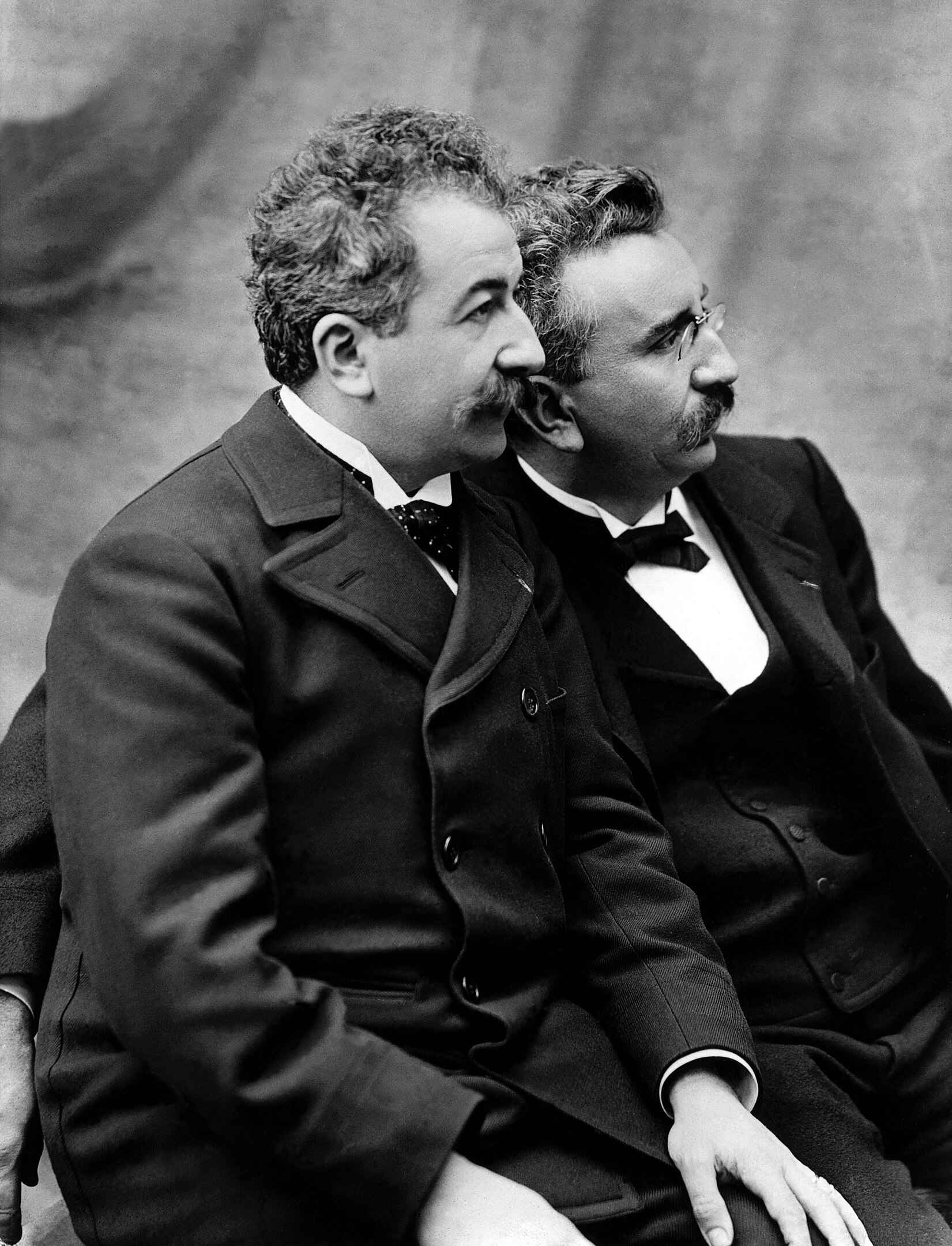
Auguste and Louis Lumière grew up around photographic technology. Their family’s work in photography and manufacturing meant they were already fluent in cameras, chemicals, and optics, skills that mattered when motion pictures emerged as the next technical frontier.
In broad strokes, Louis is often described as the more mechanically inventive partner, while Auguste is often associated with operations and scaling the business. The important point is that their impact was the combination of invention + production + public presentation that pushed moving images into popular culture.
If you want the bigger “where does this fit in film history?” picture, FilmDaft’s explainer on when and where movies were invented adds helpful context around Edison, Muybridge, and other predecessors.
What was the Cinématographe?
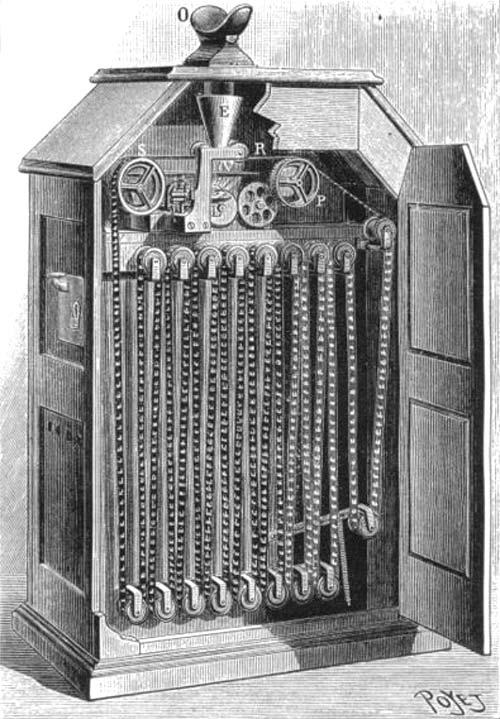
By the early 1890s, motion-picture experiments were happening in multiple places. For example, Edison’s system popularized individual viewing (often via peephole devices), which was exciting but limited in how it could be exhibited.
The Lumières’ breakthrough was building a more portable system that could record motion and then project it to a room. In practice, that difference—projection to an audience—helped make cinema a social event.

The Cinématographe is often described as a practical, compact solution compared to earlier machines. It also helped standardize expectations around film exhibition, contributing to the early language of cinematography. (If you’re curious how early camera tech evolved into visual storytelling, see A Brief History of Cinematography: Timeline & Techniques and FilmDaft’s definition of what cinematography is.)
A quick note on shutters (why this still matters)
Early motion-picture systems had to solve the illusion of smooth motion. Shutter mechanisms, frame rates, and film transport were essential to making moving images readable rather than flickery or chaotic. If you want to connect that history to modern cameras, FilmDaft’s guide to shutter speed and shutter angle is a practical primer.
The 1895 public screenings in Paris
The Lumières are strongly associated with a pivotal moment: a paid public screening of short films in Paris on December 28, 1895, often treated as a landmark in the commercialization of cinema. The program included multiple brief “actualities”—everyday scenes captured in a single shot.
Two titles that show up again and again in film-history discussions are:
- Workers Leaving the Lumière Factory (often cited as a foundational “actuality”)
- Arrival of a Train at La Ciotat (famous both for its imagery and for the legend that grew around it)
For a broader chronological view of where this fits alongside other milestones, FilmDaft’s Chronological Timeline of Film and Animation is a handy reference.
What Lumière films were (and weren’t)
It’s easy to misunderstand early cinema through the lens of later storytelling conventions. Lumière films weren’t primarily about plot or character arcs. Many of their best-known films are:
- Single-shot scenes with a fixed camera position
- Everyday life: workers, streets, family moments, travel
- Observation rather than dramatic staging
That “look at the world” approach is one reason the Lumières are frequently connected to documentary traditions and realism. If you want to follow that thread forward, FilmDaft’s guide to realism in film explains how later filmmakers built on the idea that cinema can function as a record of lived experience.
But they weren’t the only pioneers
A more accurate framing is: the Lumières were part of a larger wave of invention and experimentation. Other innovators contributed key ideas, devices, and methods. What made the Lumières especially influential is how effectively they fused technology with exhibition—helping movies become a repeatable public event rather than a novelty seen by one person at a time.
Did audiences really panic at the train film?
You’ll often hear the story that viewers screamed or fled when they saw a train “coming at them” on screen. It’s a great anecdote (because it flatters cinema’s power) but the reality is more complicated.
Many modern historians treat the “mass panic” version as exaggerated. It’s more defensible to say that early audiences could be startled by the vividness of projected motion, especially when it was a new experience, but the famous stampede story is not strongly supported by contemporary reporting.
In other words: cinema was new enough to feel uncanny, but the most dramatic version of the legend is likely retrospective mythmaking—an origin story that keeps getting retold because it’s fun.
Why the Lumières still matter
The Lumière brothers matter less because they “single-handedly invented movies” (they didn’t) and more because they helped define what cinema would become:
- Cinema as an event: projection, audiences, tickets, a shared room reacting together
- Cinema as a record: short, legible slices of reality that still feel immediate today
- Cinema as a global medium: early travel and city films that let audiences see places they’d never visit
Even as film evolved quickly into editing, narrative storytelling, and special effects, the Lumière “actuality” tradition never disappeared. You can see its DNA in documentaries, newsreels, neorealism, and even modern social video, anytime the camera’s job is to show rather than to dramatize.
If you’re exploring early film’s transition into more constructed storytelling, FilmDaft’s article on silent movies is a good next step.
Read next on FilmDaft
- When and Where Were Movies Invented? Film History Facts
- Chronological Timeline of the History of Film and Animation
- A Brief History of Cinematography: Timeline & Techniques
- What Is Cinematography? Definition, How It Works & Tools of the Trade
- What Is Realism in Film? Definition, Examples & Key Styles
- What Is a Silent Movie? Definition & History Explained
- How to Choose the Right Camera Settings for Video Production (includes shutter speed/angle)
- Film History, Movements & World Cinema
Summing Up
Auguste and Louis Lumière helped shape the foundations of cinema. Their invention of the Cinématographe and their early public screenings made movies something people could watch and enjoy together. They focused on ordinary life, which made their films feel real and honest. While others helped build the tools of cinema, the Lumière brothers showed how film could become a shared experience.
Read Next: Curious how art movements shaped film?
Explore our full Visual Art Timeline to see how styles like Surrealism, Cubism, and Suprematism influenced cinema’s most experimental moments.
Or keep browsing our Film Movements & World Cinema section for more on the histories that shaped screen culture around the globe.
Sources & further reading
The links below are optional, but they make the page more trustworthy and give readers a path to dig deeper:
- Google Arts & Culture: The Lumière Cinématographe (Cinémathèque française)
- Library of Congress guide: Early & Silent Film (French & Francophone Film)
- Documentary.org: discussion of the “train panic” legend and why it’s disputed
- History.com: Dec 28, 1895 and early commercial screenings
- Background overview: Auguste and Louis Lumière (Wikipedia)
