
Published: August 22, 2025 | Last Updated: November 26, 2025

What is Cinematography? Definition & Meaning
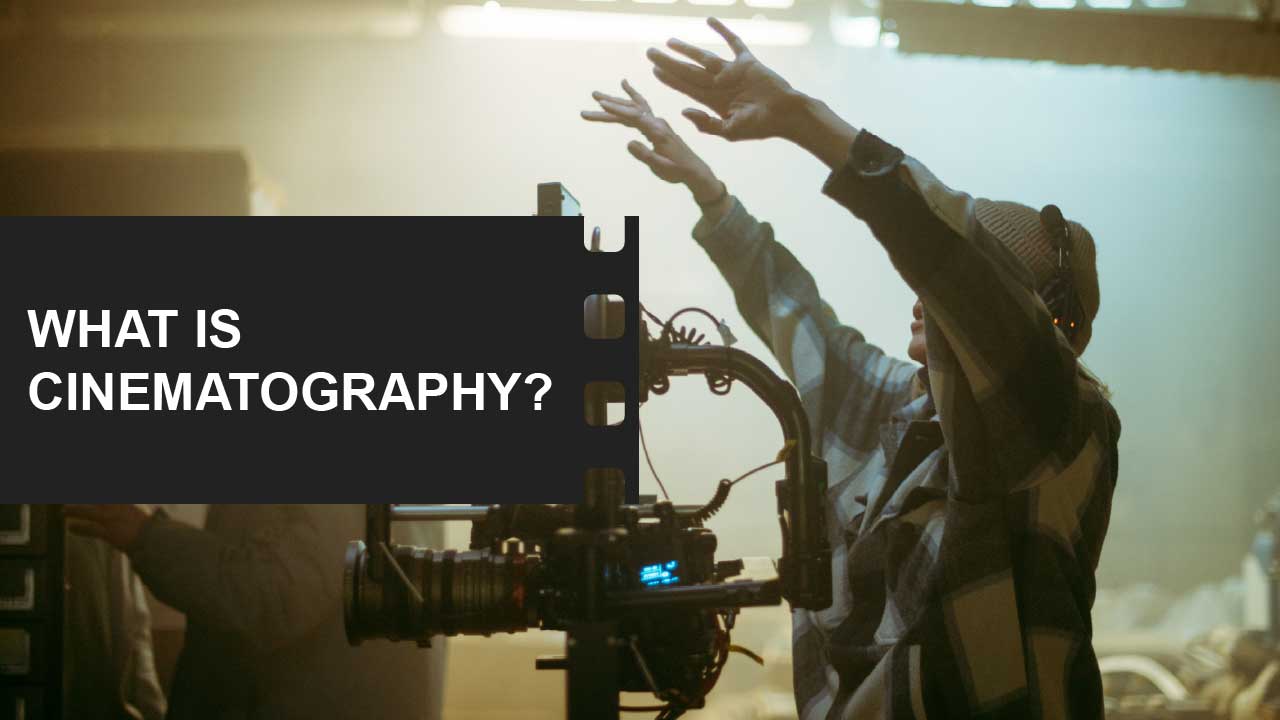
Cinematography is the art and technology of motion-picture photography, where you shape the story using camera, light, and composition to control what the viewer sees and feels. You decide how each shot looks, moves, and frames its subject. Every choice you make affects the mood, rhythm, and meaning of a scene.
Who’s Responsible for Cinematography on set?
The cinematographer, also known as the Director of Photography (DP or DoP), is responsible for how the film looks. You work with the director to plan the visual style, then lead the camera and lighting teams to execute it.
What Does Cinematography Include?
Cinematography is about making decisions that shape how the story feels. It includes:
Framing & Shot Composition

Framing means choosing where to place subjects in the frame. For example, tight frames can create pressure. Wide frames can show distance or isolation. Shot composition means arranging visual elements (blocking) for balance and meaning.
Read more on visual composition in film.
Camera movement & angles
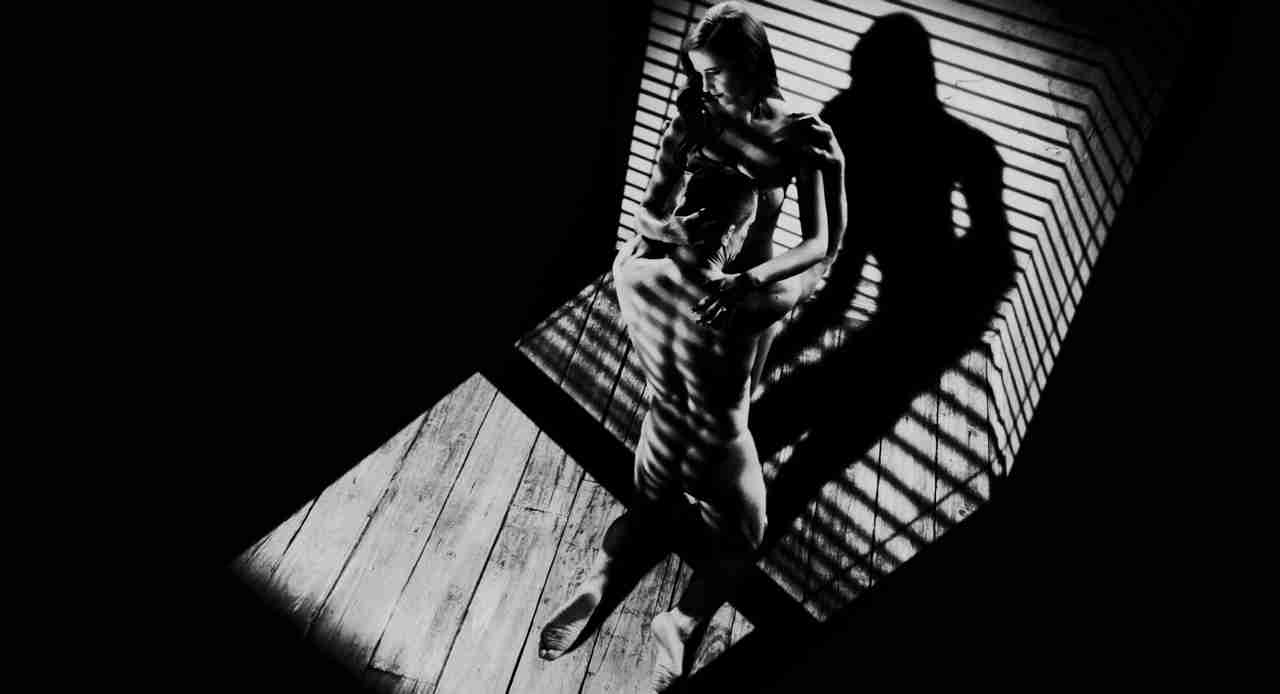
It’s also the DP’s job to decide when to move the camera, what movement to use, and from which angle to frame the subject.
Deciding when and how to move the camera. Smooth tracking shots can feel calm. Handheld shots feel raw or tense.
The angle of the camera changes how a subject feels. A low-angle shot looks up at the subject and can make them seem strong, scary, or in control. A high-angle shot looks down and can make the subject feel weak, small, or isolated.
Lighting Decisions for the Overall Look

Cinematography is also about controlling how a scene is lit. For example, soft light can feel warm or gentle. Hard light creates sharp contrast and tension. Light modifiers such as cookies or gels change how the light appears.
Picking the right Lenses
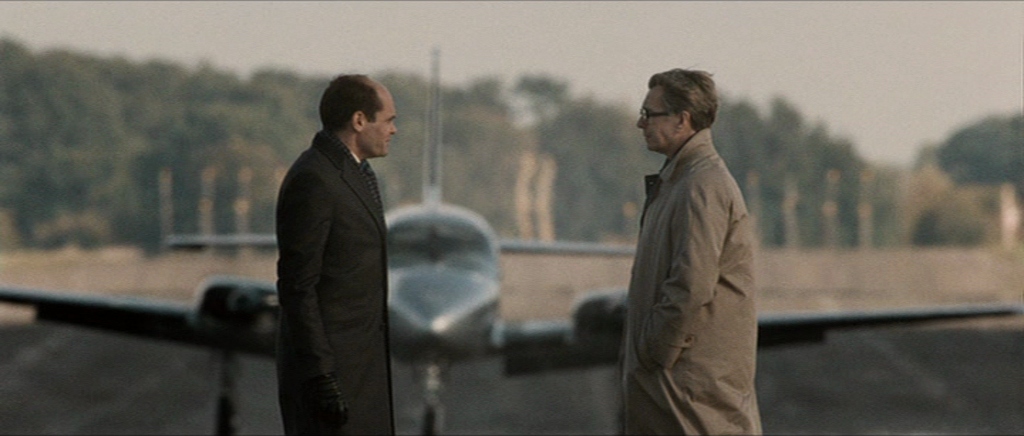
Picking lenses to change space and focus. For example, wide lenses exaggerate distance, while a telephoto lens flattens space and draws attention to detail.
Focus
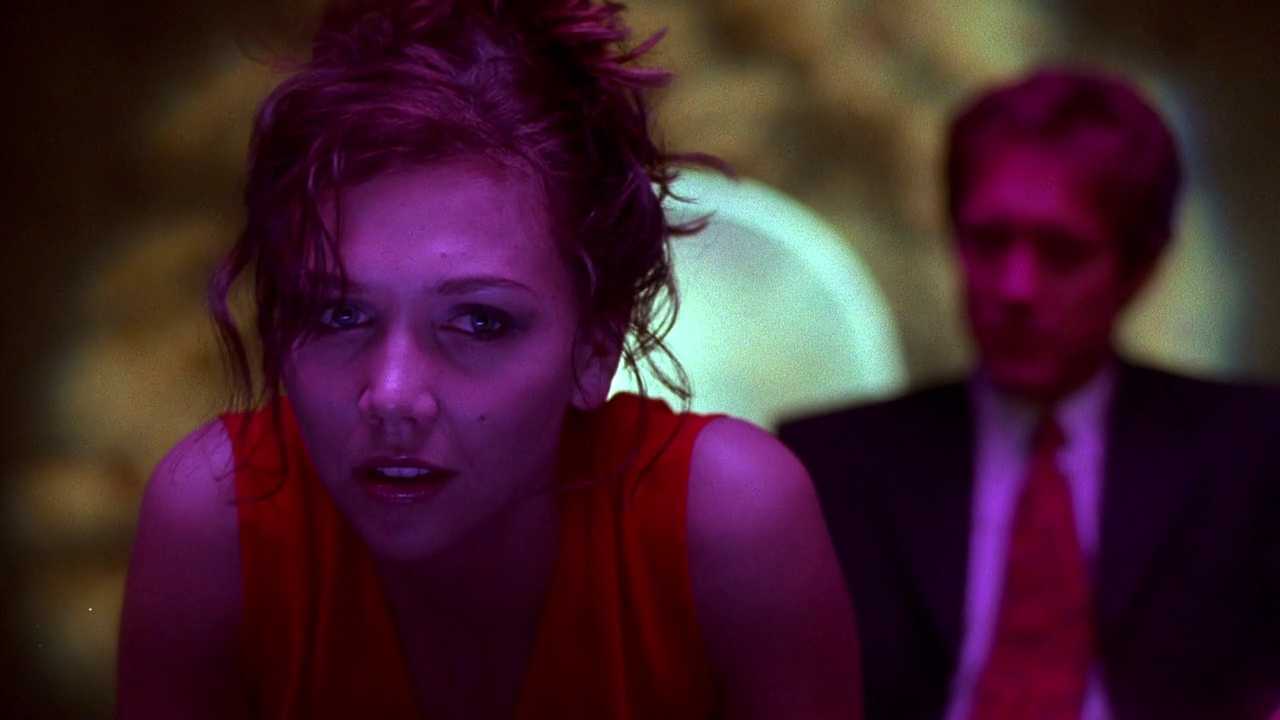
Controlling what’s sharp. A shallow depth-of-field can isolate a subject. Deep focus keeps everything in view for layered action.
Color

Using lighting and grading to set the tone. For example, warm tones can feel nostalgic. Cold tones can feel distant or harsh.
Learn how to use color theory and color psychology to your advantage in film.
Tools of the Trade
You don’t need the most expensive gear, but the right tools help you capture what the story needs. Common cinematography tools include:
- Camera: Film or digital. High-end productions use systems like ARRI or RED. Indie films might use DSLRs/mirrorless cameras or even phones. Tangerine (2015) was shot on an iPhone.
- Lenses: Wide-angle lenses exaggerate space. Telephoto lenses flatten distance. Prime lenses are sharp. Zoom lenses let you change framing quickly. Common brands include ARRI, Zeiss, Cooke, Canon, and Angénieux.
- Lighting gear and types: LEDs, HMIs, and softboxes help shape the light. Gels and flags change color, direction, or softness.
- Camera support: Tripods, sliders, gimbals, and Steadicams help you control motion. Each tool fits a different type of shot.
- Lens Filters: ND filters reduce brightness. Polarizers remove glare. Diffusion filters soften the image for a smoother look.
Summing Up
Cinematography is the craft of telling a story through visuals. Every decision you make, from lighting to lens choice, shapes how we see the film and how we feel about it. You guide attention, control space, and help set the pace. The camera becomes the viewer’s eyes. How you use it decides what they feel.
Read Next: Want to understand the logic behind every shot you choose?
Start with the FilmDaft Guide to Camera Shots & Angles for clear definitions, visual examples, and tips on how each shot affects tone and space.
Then browse all camera shot types and angle techniques — from extreme close-ups and OTS shots to bird’s-eye views and low angles.
Or return to the Cinematography section to explore lenses, lighting, movement, and composition.
