

Published: August 1, 2025 | Last Updated: December 5, 2025

What is a Sexploitation film? Definition & Meaning
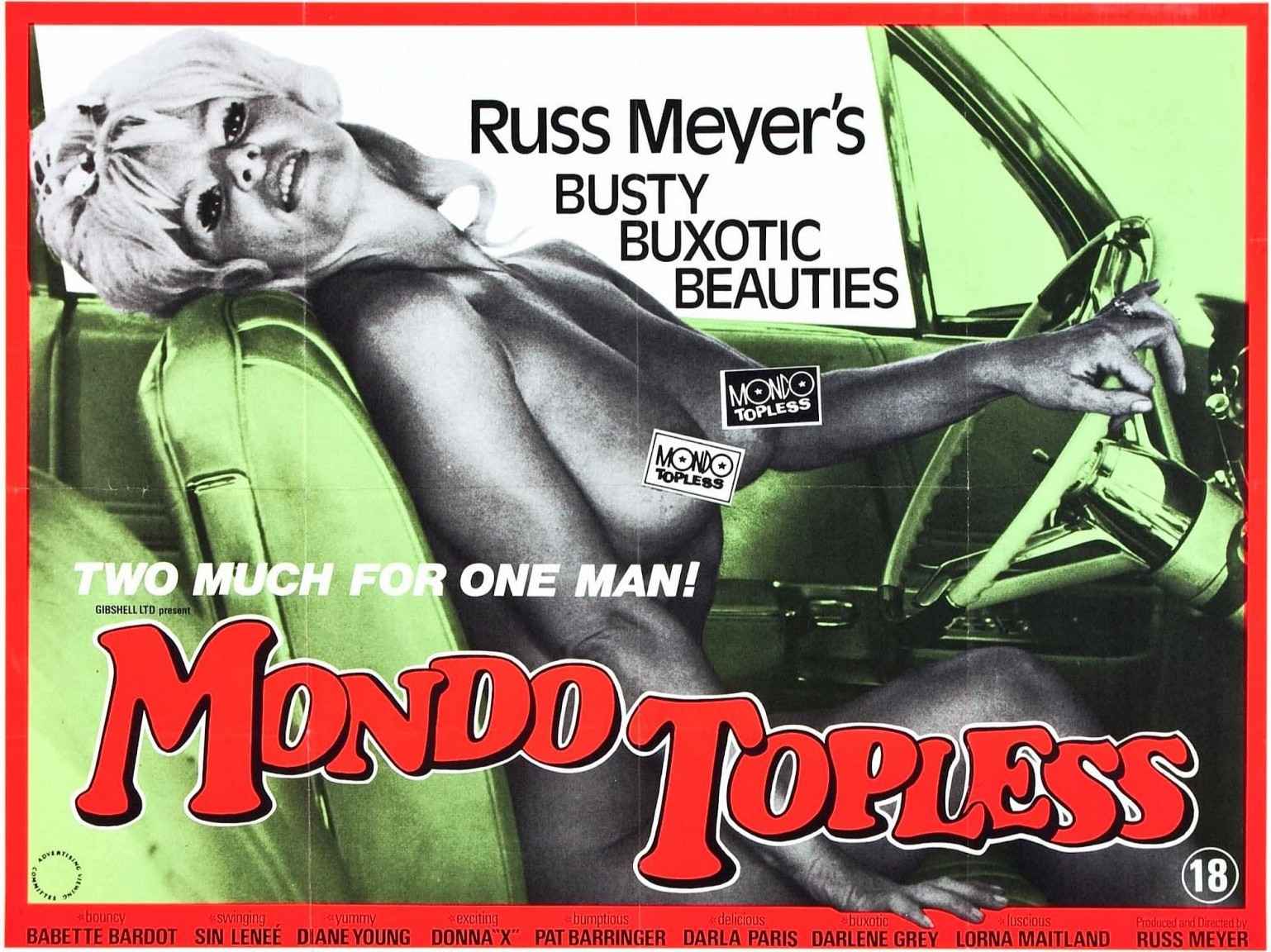
Sexploitation is a type of low-budget movie that uses nudity, sexual situations, and taboo subjects to get attention and sell tickets. They are a subgenre of exploitation films.

Sexploitation films were made outside the big Hollywood studios. They were usually cheap, fast to make, and showed in small theaters or drive-ins.
Posters and titles were made to shock people or make them curious, but most sexploitation movies didn’t show anything illegal or truly graphic. They suggested more than they actually showed.
Where It Came From
Sexploitation started in the late 1950s and grew through the 1960s. At that time, U.S. censorship rules were changing. A court case in 1957 said that showing sex in a movie wasn’t the same as being obscene. That gave independent filmmakers more freedom to include nudity in their films, as long as they said it was for “education” or “art.”
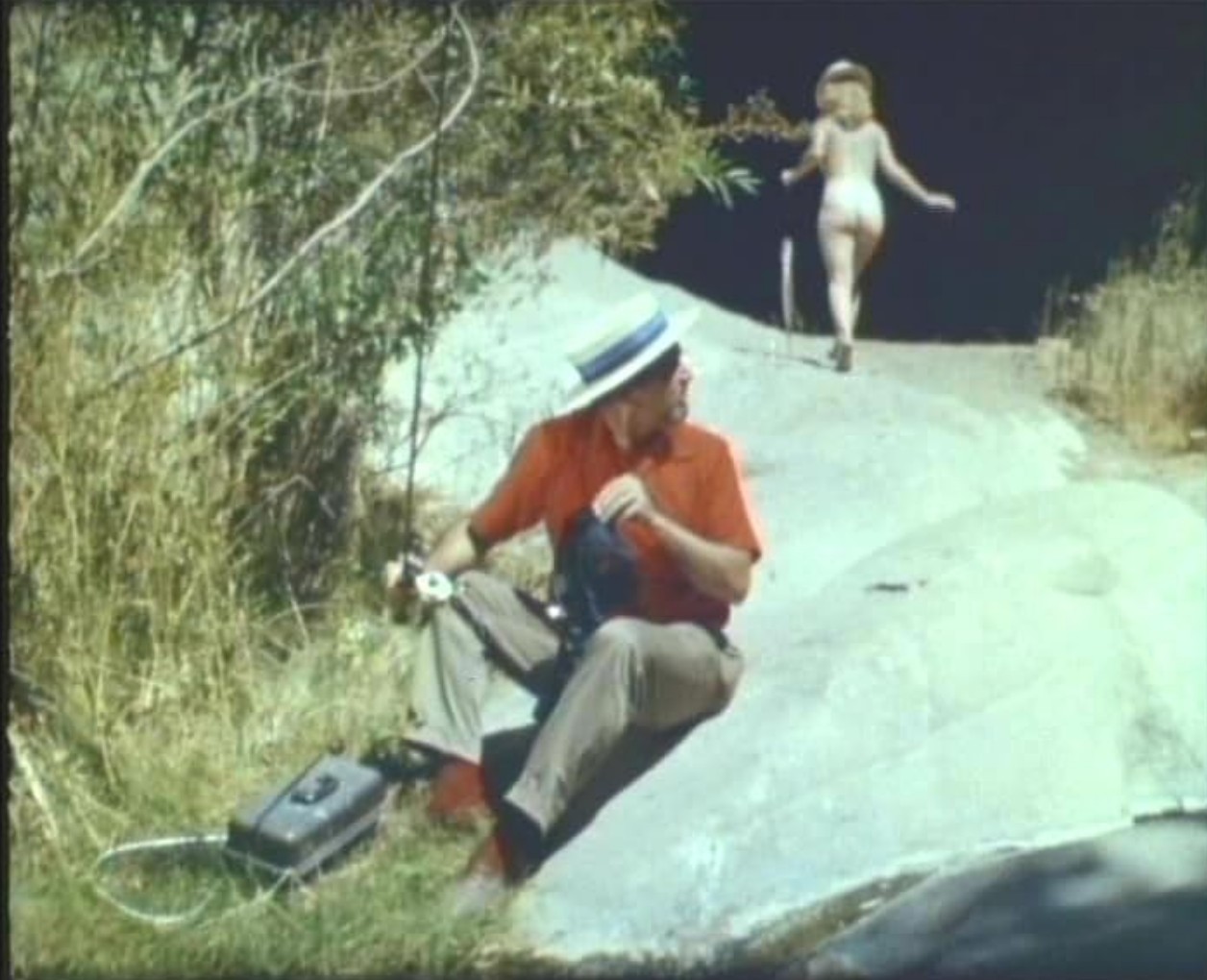
One of the first big hits was Russ Meyer’s The Immoral Mr. Teas (aka Mr. Tease and His Playthings) (1959). It was about a man who suddenly starts seeing women without their clothes. It was a silly comedy, but it made a lot of money, and other filmmakers copied the idea right away.
Important Directors
Russ Meyer was the most famous sexploitation director. He made wild, over-the-top movies with strong women and strange stories. Some of his most popular films are Faster, Pussycat! Kill! Kill! (1965) and Supervixens (1975).

Joe Sarno made more serious films. He focused on relationships, desire, and how people felt about sex. His movies were still sexploitation, but they tried to say something deeper.
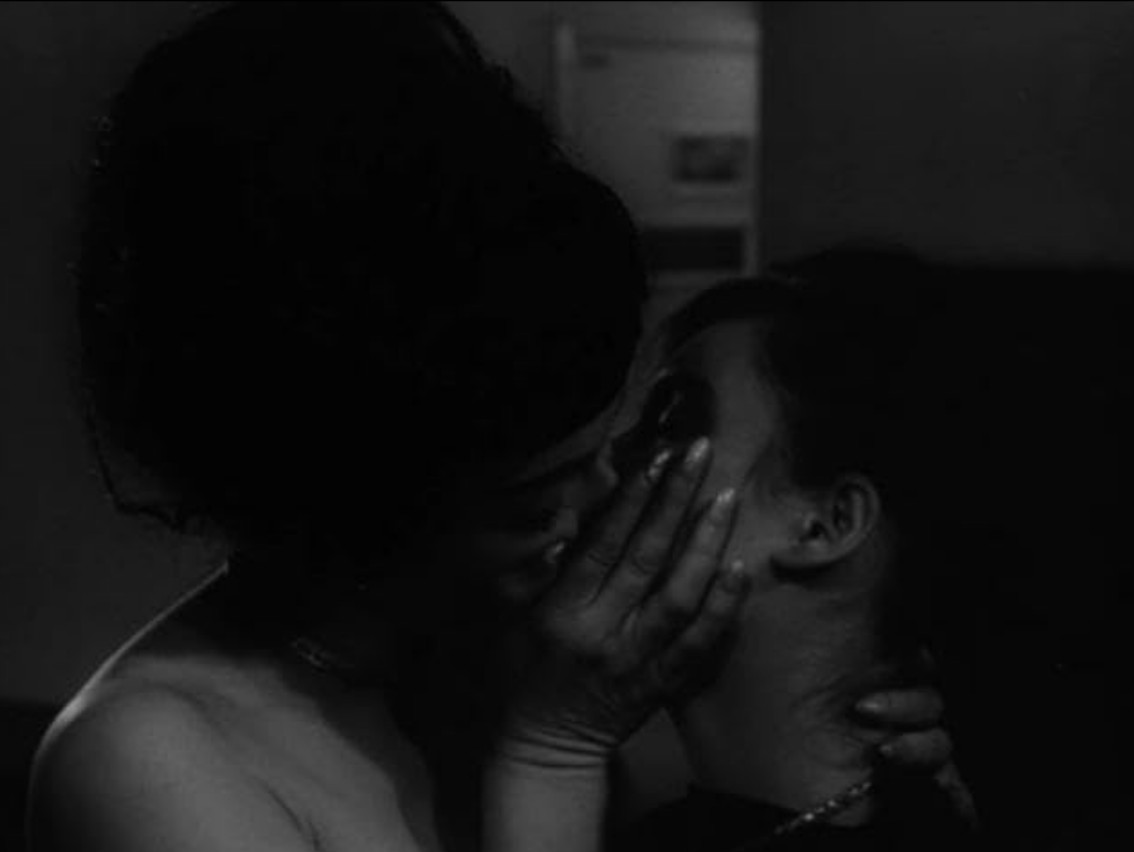
Doris Wishman was one of the only women making these kinds of movies. Her films had unusual editing and strange camera angles. One of her most famous films is Bad Girls Go to Hell (1965).
Common Traits of Sexploitation Movies
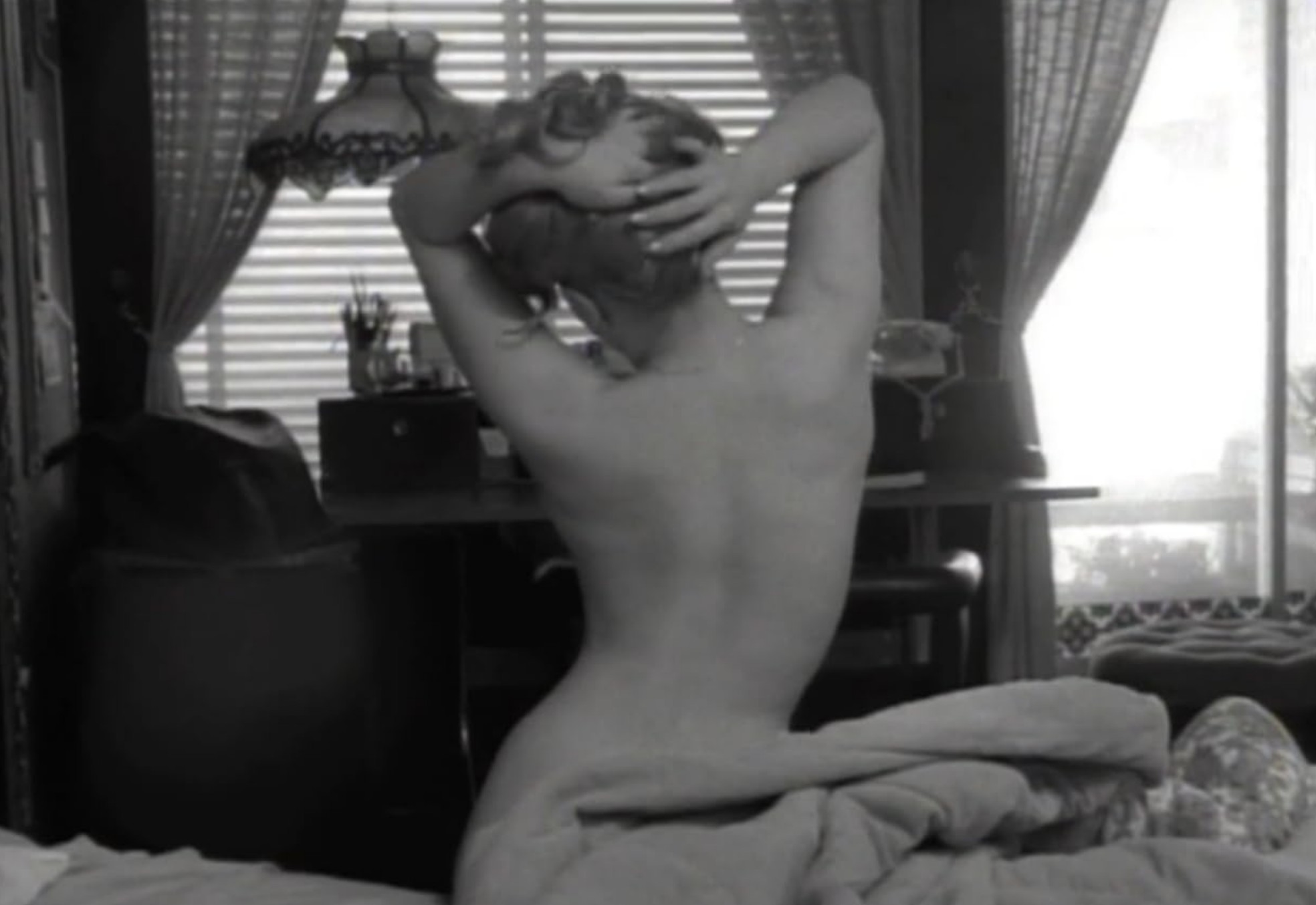
Even though sexploitation films were made by many different directors, they often had a lot in common. These traits helped define the genre and made the films easy to market to curious audiences.
- Very low budgets and short shooting schedules
- Lots of nudity or sexy scenes, but no real sex
- Simple stories that lead to sexual situations
- Posters that promise more than the movie shows
- Screenings in grindhouses, drive-ins, or small theaters
Different Types of Sexploitation
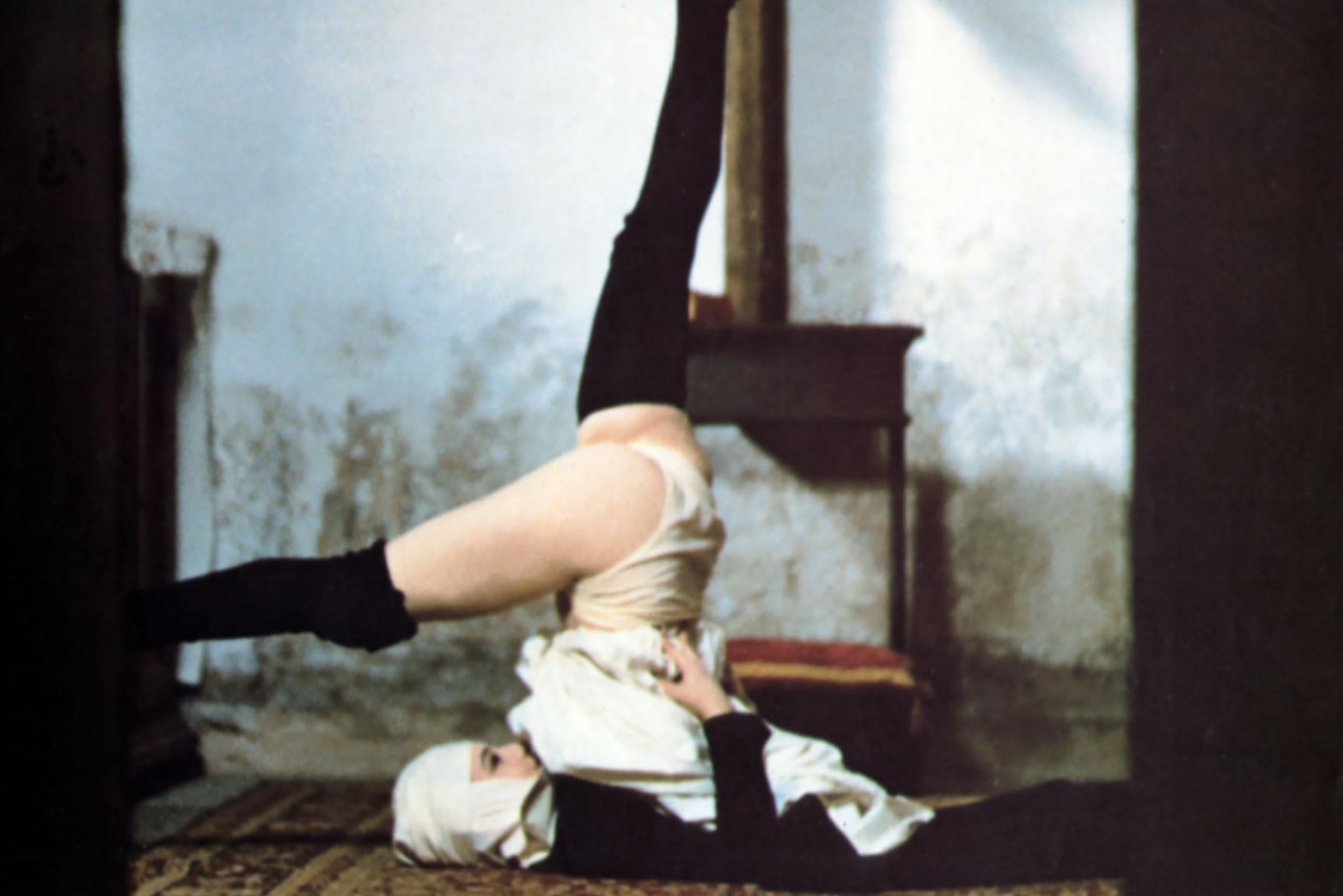
Not all sexploitation films told the same kind of story. Over time, several smaller subgenres developed, each focusing on a different setting or style. Some were silly, some were serious, and some tried to push even more boundaries.
| Subgenre | Description | Movie Examples |
|---|---|---|
| Nudist Films | Set in nudist camps, pretending to be educational | Hideout in the Sun (1960), Diary of a Nudist (1961) |
| Nudie Cuties | Light comedies with lots of nudity | The Immoral Mr. Teas (1959), Goldilocks and the Three Bares (1963) |
| Roughies | Darker stories with violence and sex themes | Lorna (1964), Scum of the Earth! (1963) |
| Women-in-Prison | Women get locked up, fight back, and often escape | The Big Doll House (1971), Caged Heat (1974) |
| Nurse Films | Sexy nurses and wild hospital stories | Night Call Nurses (1972), Candy Stripe Nurses (1974) |
| Cheerleader Films | Party-filled teen comedies about girls in school | The Swinging Cheerleaders (1974), Revenge of the Cheerleaders (1976) |
| White Coaters | Fake sex-ed movies with doctors explaining everything | Language of Love (1969), The ABC of Love and Sex (1978) |
Famous Sexploitation Movies
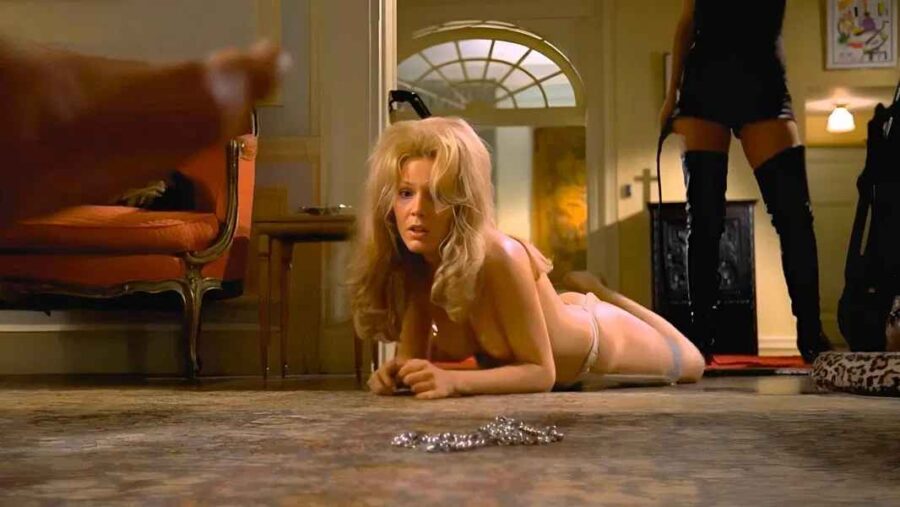
Here are some of the most talked-about movies from the genre:
- The Notorious Cleopatra (1970): A cheap period drama about Cleopatra’s sexual adventures and betrayal set in ancient Rome. The film is campy, historically inaccurate, but packed with nudity and exaggerated political power plays.
- Vixen! (1968): Directed by Russ Meyer, it follows a bold, rebellious woman who seduces everyone she meets. Known for breaking taboos and starring Erica Gavin in one of the genre’s definitive female roles.
- Female Vampire (1973): A surreal erotic horror by Jesús Franco. Lina Romay plays a mute vampire who lures victims into erotic trances and drains them through sexual acts. The film was shot in several versions, including softcore and hardcore.
- Score (1974): A stylish erotic film by Radley Metzger about a married couple who place bets to seduce others. It portrays bisexual and same-sex encounters and was released in both softcore and hardcore cuts.
- The Image (1975): A refined BDSM-themed art film about a journalist drawn into a dominant woman’s world and her submissive lover. It explores erotic power in a controlled, psychological setting.
- Ilsa: She Wolf of the SS (1975): A notorious Nazisploitation film in which a cruel female warden torments prisoners. Filled with explicit torture, sexual violence, and shock imagery.
- The Opening of Misty Beethoven (1976): A high-budget adult film from the Golden Age of Porn. It adapts the Pygmalion story (see below) into a tale of a woman trained to become a sex icon. Known for full-frontal sex and polished production values.
- The Pygmalion Greek myth is about a sculptor who falls in love with a statue he created, and it magically comes to life. The moral of the Pygmalion story is that love and idealization can transform both the creator and the creation, but it also warns about trying to shape others to fit your own desires.
- Behind Convent Walls (1978): An erotic drama set in a convent where repressed nuns experience forbidden passion. Combines religious symbolism with softcore sexual tension.
- Bad Girls Go to Hell (1965): Directed by Doris Wishman, this film follows a woman on the run after a sexual assault. The film is surreal, framed by dreamlike sequences, voyeurism, and idiosyncratic editing.
- Thriller: A Cruel Picture (1973): A revenge-drama where a mute woman is forced into prostitution and later becomes a deadly assassin. It’s gritty, violent, and mixes sexploitation with grindhouse revenge motifs.
You might also enjoy How are Sex Scenes Filmed In Movies?
Sexploitation Around the World
In Argentina, movies starring Isabel Sarli and Libertad Leblanc were huge hits. Their rivalry was part of the fun and helped sell tickets across Latin America. The films were often censored, but they still made money.
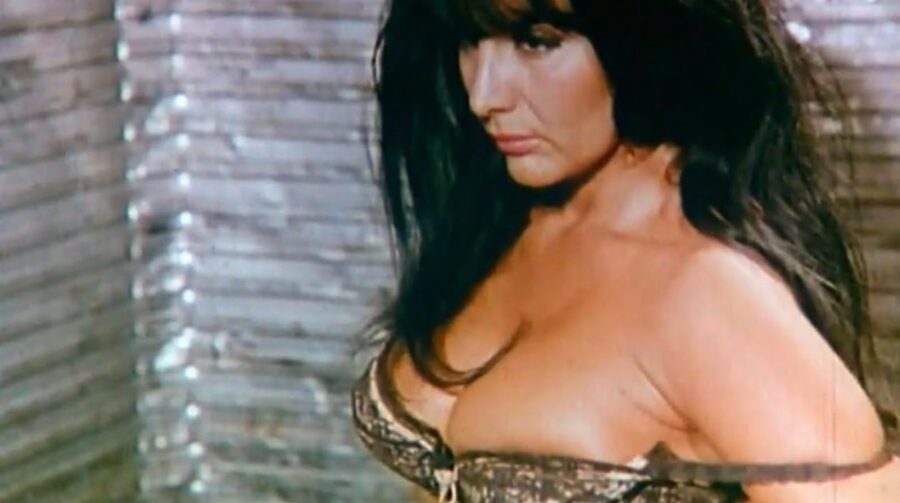
Sarli usually played shy but sexy characters in dramas like Fuego (1969) and Carne (1968), directed by her real-life partner Armando Bó.
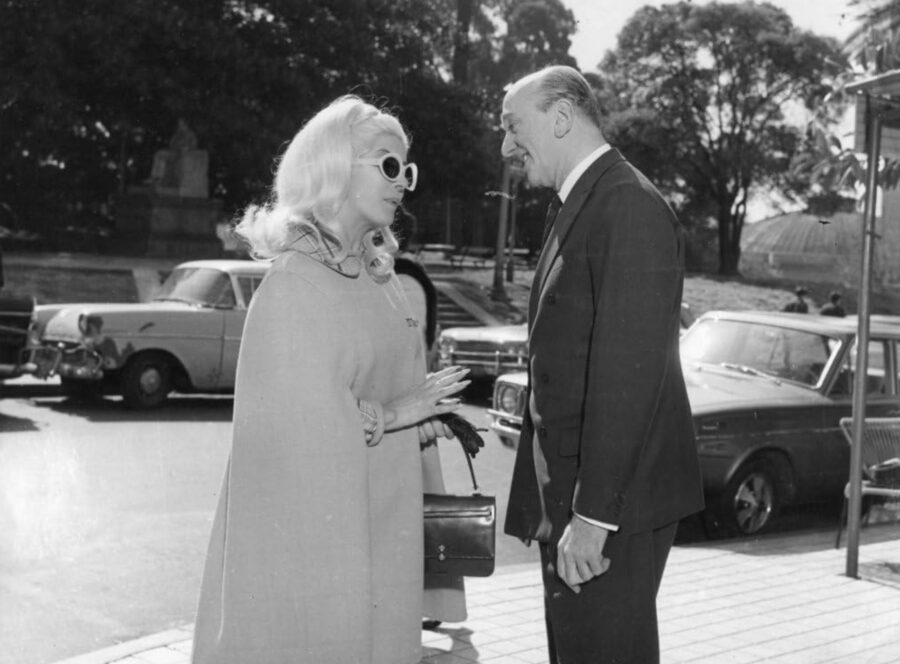
Leblanc played bold, independent women in films like La Flor de Irupé (1962) and Deliciosamente amoral (1969).
In Europe, directors like Radley Metzger, Jesús Franco, and Jean Rollin made stylish, erotic films that mixed sex with horror, mystery, and surrealism.
Metzger’s Score (1974) and The Opening of Misty Beethoven (1976) were known for their elegance and clever dialogue.
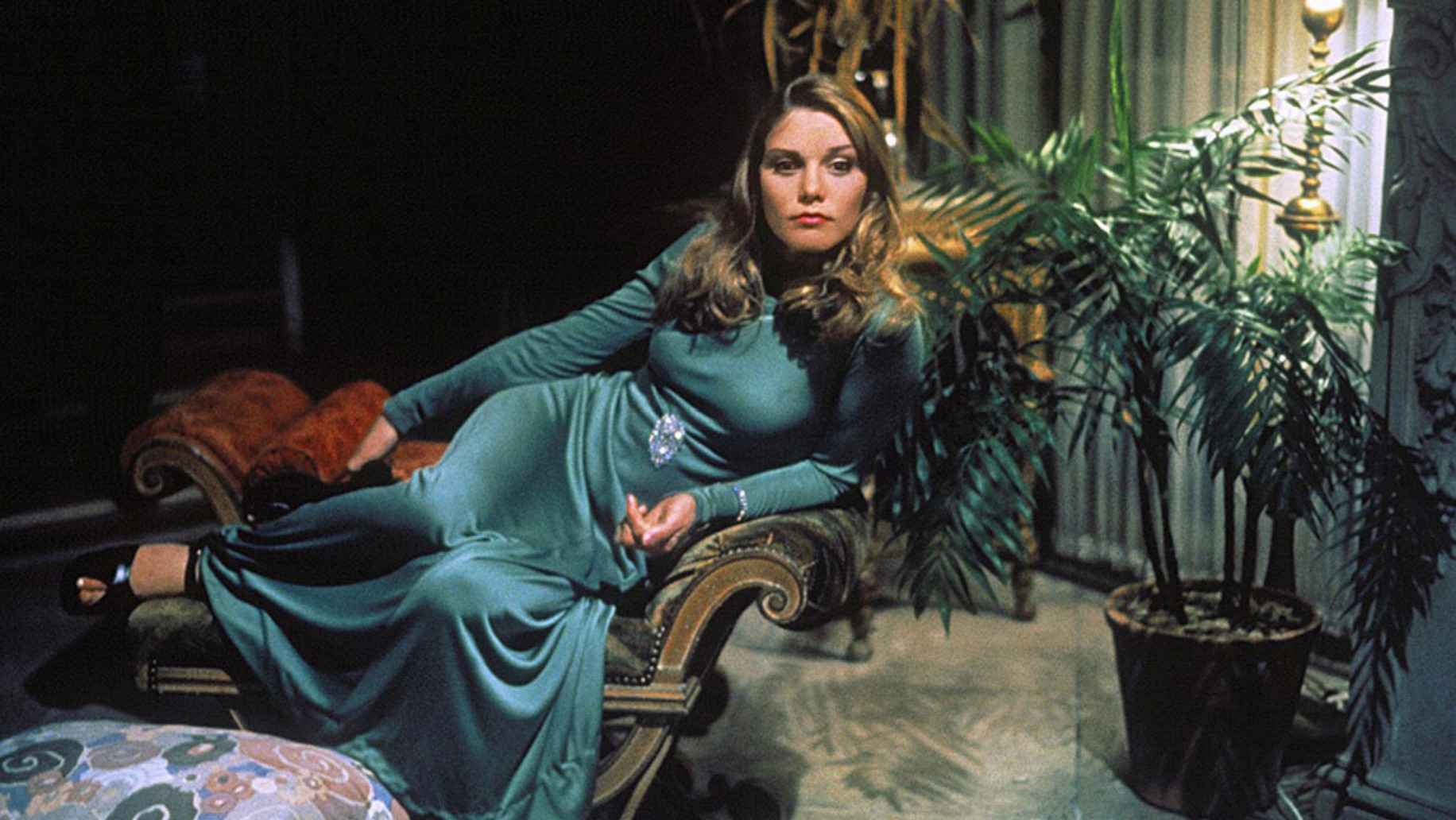
Franco blended horror with sex in films like Vampyros Lesbos (1971), while Rollin’s Fascination (1979) turned gothic horror into dreamlike softcore cinema. These movies pushed the boundaries even more than the American ones.
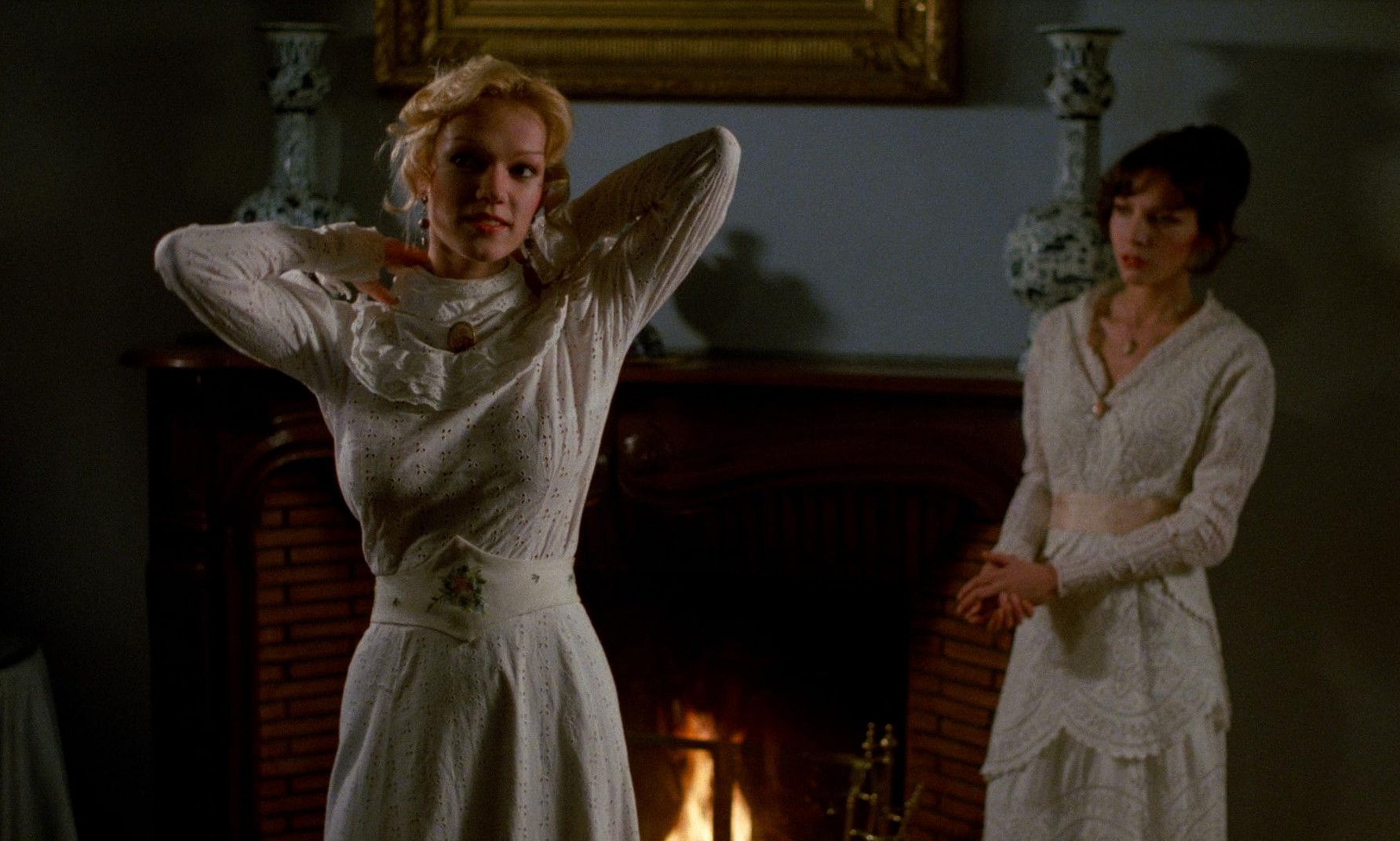
In Italy, director Tinto Brass became known for his bold, erotic films that mixed sex with satire. Some of Tinto Brass’s best movies, such as Salon Kitty (1976) and The Key (1983), featured stylish cinematography, lush sets, and long scenes focused on female desire.

Brass often cast strong, confident women in leading roles and used nudity to challenge social norms. His work blurred the line between softcore art films and sexploitation, making him a key figure in European erotic cinema.
Why It Faded
By the late 1970s, sexploitation was dying out. Hardcore porn became more common and easier to see. Grindhouses closed, and mainstream theaters didn’t want to show softcore movies anymore. Some sexploitation filmmakers moved into porn, and others just stopped making films.
Still, the genre left a big mark. It helped open the door for movies to deal with sex more openly. It also gave a chance for outsiders, especially women and low-budget directors, to break into filmmaking.
Summing Up
Sexploitation movies used sex and shock to stand out. They were cheap, bold, and made for audiences who wanted something different. Today, they’re remembered for pushing limits and giving us a look at what people once considered too wild for the screen.
Read Next: Curious how visual styles define film genres?
Explore our breakdown of Genre & Visual Style to see how movements like naturalism, noir, and surrealism shape what we watch.
Looking for the big picture? Visit our Film History, Theory & Genre page to connect techniques with the eras and ideas that shaped them.
