

Published: July 31, 2025 | Last Updated: November 17, 2025

What is a grindhouse movie? Definition & Meaning
A grindhouse movie is a low-budget exploitation film that was shown in small urban theaters known for screening violent, sexual, or sensational content in double or triple features from the 1960s to the 1980s. The word “grindhouse” comes from the way these theaters would “grind out” films all day long. Located in downtown areas like New York City’s 42nd Street, these venues became homes for underground movies that pushed past the limits of mainstream Hollywood. The films shown were full of sex, violence, or taboo subjects and often looked cheap or damaged. But for fans, the rougher the movie looked, the better.
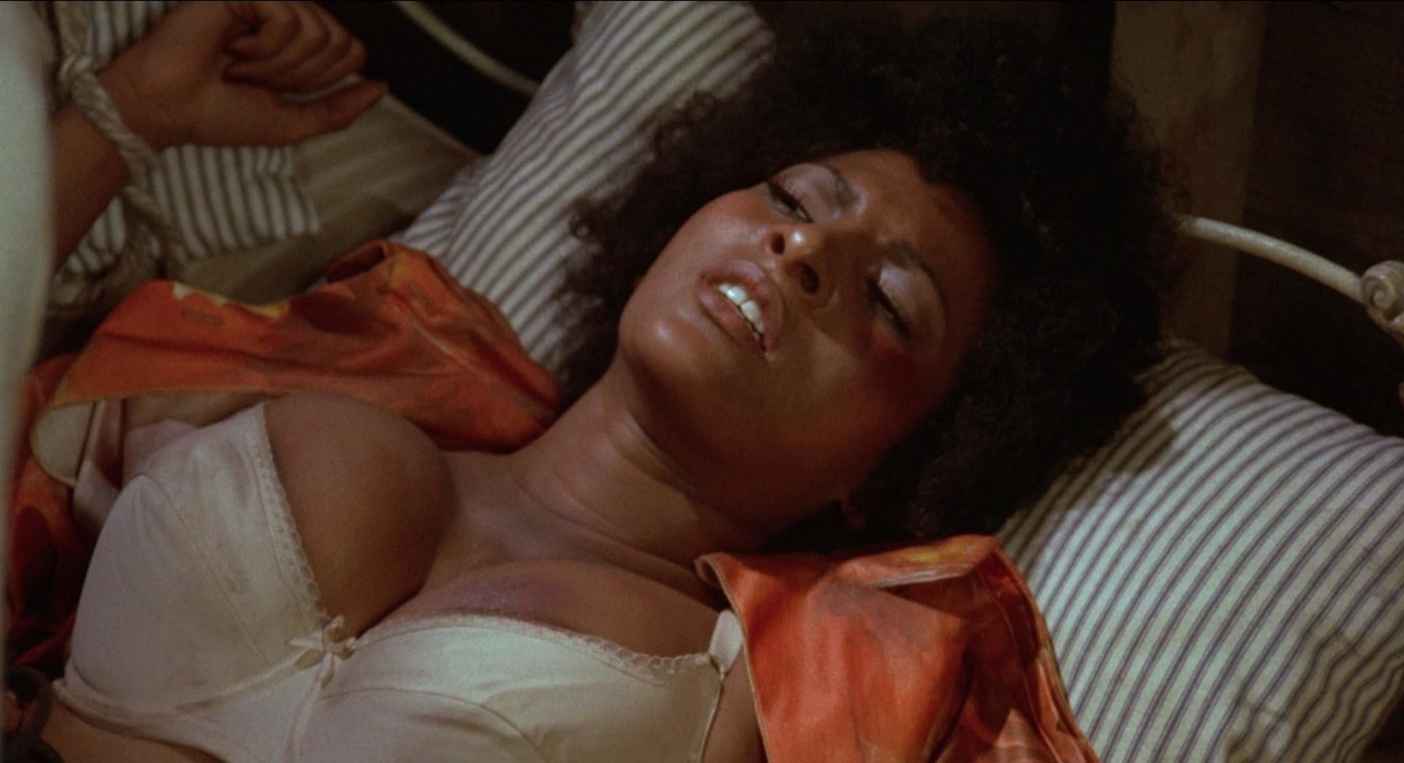
Where Did Grindhouse Movies Come From?
The roots of grindhouse cinema go back to the 1920s, when independent filmmakers made exploitation films, movies that used shocking subjects like drugs, sex, and crime to sell tickets.
Grindhouse films were usually shown outside of major studio theaters, especially after the Hays Code (a set of rules for self-censorship) took hold in the 1930s. That strict set of censorship rules kept Hollywood movies clean for decades.
By the late 1960s, the Hays Code began to lose power. At the same time, urban decay, rising crime, and the growing popularity of television caused many local theaters to struggle. Theater owners began showing sleazier, more outrageous films that TV couldn’t touch.
As the studio system collapsed, indie filmmakers filled the gap with bold, low-budget content. Theaters that once showed burlesque or B-movies now ran back-to-back features full of gore, nudity, and violence, with cheap tickets for a crowd that wanted something raw and different.
What Kind of Movies Were Grindhouse Films?

Grindhouse isn’t a genre, but a way of showing movies. But the films often fell into bold, wild subgenres of exploitation cinema, such as:
- Sexploitation – Like The Notorious Cleopatra (1970, Olympic International), focused on nudity and sex
- Blaxploitation – Like Shaft (1971, MGM) and Coffy (1973, American International)
- Horror and gore – Like The Texas Chain Saw Massacre (1974, Bryanston)
- Martial arts imports and Bruceploitation – Often from Hong Kong, like Five Fingers of Death (1972, Warner Bros.)
- Women-in-prison films – Like The Big Doll House (1971, New World)
- Giallo thrillers – Italian murder-mystery horror like Deep Red (1975, Rizzoli), known for style, suspense, and slasher violence
- Spaghetti westerns – Like Django (1966, Euro International), European takes on American frontier myths with more grit and blood
- Other subgenres – Cannibal cinema, nazisploitation, carsploitation, rape-revenge films, mondo films, and more
Many grindhouse films were international productions with limited prints passed between theaters, wearing down over time. Scratches, missing reels, and grainy footage became part of the experience.
Some theaters even made bootleg title cards to fix copyright issues. This gritty, low-quality style became a hallmark of the grindhouse look.
Grindhouse (2007) and the Modern Revival

In 2007, Robert Rodriguez and Quentin Tarantino teamed up to recreate the grindhouse theater experience. Their film Grindhouse (2007, Dimension Films) was a double feature: Rodriguez directed the zombie-action film Planet Terror, and Tarantino made the slasher-style car thriller Death Proof.
The project was inspired by Tarantino’s habit of showing old exploitation films in his home theater, complete with fake trailers and beat-up prints.

Planet Terror follows Cherry Darling (Rose McGowan), a go-go dancer who loses her leg and replaces it with a machine gun. Rodriguez packed the film with zombie gore, outrageous effects, and a “missing reel” gag to speed up the story.
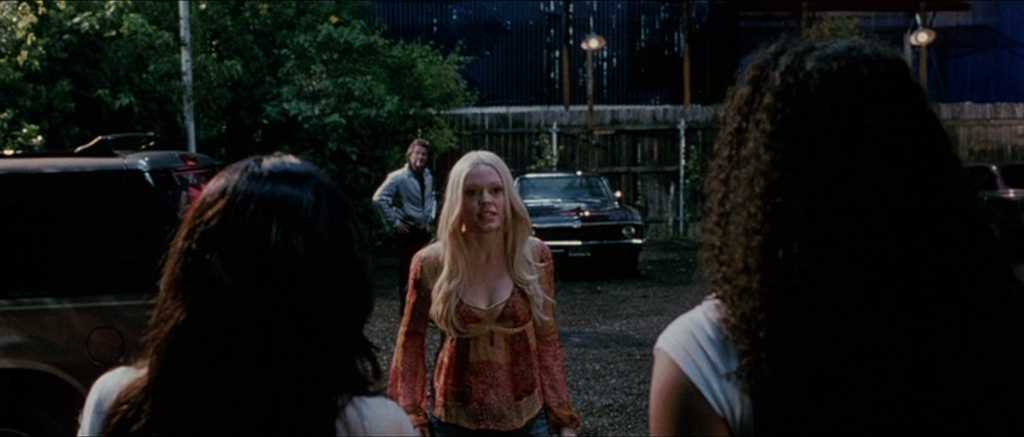
Death Proof tells the story of a sadistic stuntman (Kurt Russell) who uses his car to stalk women, until they fight back in a brutal final chase. Tarantino shot the movie like an old slasher, using real stunts and long dialogue scenes to build tension.
The directors added fake trailers between the features to make the whole event feel like a night at a 1970s grindhouse. These included:
- Machete – A revenge story starring Danny Trejo that became a real movie in 2010
- Werewolf Women of the SS – Directed by Rob Zombie, with Nicolas Cage as Fu Manchu
- Don’t – Edgar Wright’s parody of European horror trailers with no dialogue and lots of fake warnings
- Thanksgiving – Eli Roth’s holiday slasher trailer, later made into a full film in 2024
- Hobo with a Shotgun – Added in Canadian prints; became a real movie in 2011
Despite strong reviews and a passionate fanbase, Grindhouse was a box office flop. Audiences were confused by the double feature format, and some left midway through without realizing the second film was part of the same ticket.
The movie made just $11 million on opening weekend against a $67 million budget. Outside the U.S., the films were released separately to avoid confusion, with extra footage restored but fake trailers mostly removed.
Still, Grindhouse earned a cult following. Fans praised its throwback style, practical stunts, and wild creativity. While it failed financially, the film succeeded in honoring grindhouse cinema and introduced a new generation to the strange world of exploitation films.
Why Do Grindhouse Movies Matter Today?
Grindhouse cinema influenced horror, action, and cult filmmaking in the decades that followed. Many directors who worked on grindhouse-style films got their start making B-movies.
Jack Hill’s Foxy Brown (1974, American International) launched Pam Grier’s career. Roger Corman helped train a generation of filmmakers, including Francis Ford Coppola and Martin Scorsese, on ultra-low budgets.
Even mainstream directors have drawn from the style. Tarantino, Rodriguez, and others have borrowed its visual tricks, rebellious energy, and genre mashups. Modern horror, especially indie and slasher films, still echoes the look and attitude of grindhouse cinema.
Summing Up
Grindhouse movies are low-budget exploitation films known for their extreme content and underground style. They were shown in back-to-back features in urban theaters from the 1960s to the 1980s and helped shape modern horror, action, and cult cinema.
Read Next: Curious how art movements shaped film?
Explore our full Visual Art Timeline to see how styles like Surrealism, Cubism, and Suprematism influenced cinema’s most experimental moments.
Or keep browsing our Film Movements & World Cinema section for more on the histories that shaped screen culture around the globe.
