
Published: July 23, 2025 | Last Updated: October 10, 2025

What is Blaxploitation? Definition & Meaning
Blaxploitation is a film genre from the 1970s that features Black leads, urban settings, and stories about crime, survival, and resistance against racism, often with bold style, music, and attitude.
Blaxploitation films first appeared in the early 1970s. They were low- to mid-budget films made for Black audiences at a time when Hollywood rarely offered lead roles to Black actors. Blaxploitation movies showed confident Black characters, usually in big cities, dealing with drugs, crime, and corrupt power structures. Many were made by white-owned studios but gained strong support from Black communities across the United States.
Origins and Rise of Blaxploitation: Why the Genre Arose
By the late 1960s, Hollywood was in crisis. Ticket sales had dropped, studios were losing money, and television had become the top form of entertainment. Many studios were close to bankruptcy. In response, they started greenlighting cheaper films aimed at niche audiences, especially young people in cities. That shift opened the door for blaxploitation.
At the same time, Black activists were putting pressure on the film industry. Civil rights groups like the NAACP and ACLU had demanded better representation since the early 1960s. Hollywood stars such as Marlon Brando, Paul Newman, and Charlton Heston supported these protests. Black audiences made up more than 30% of ticket sales in major cities. Studio executives started to realize they were ignoring a large part of their audience.
The term “blaxploitation” was coined in 1972 by Junius Griffin, president of the Hollywood NAACP. He used it to criticize how Hollywood was profiting from Black stories without giving real power to Black filmmakers. The name spread quickly and defined the new trend.
Melvin Van Peebles’ Sweet Sweetback’s Baadasssss Song (1971, Cinemation) was the breakthrough. It was independently made for $500,000 and grossed over $15 million. The film showed that a Black-led story could be political, explicit, and successful at the box office.
That same year, MGM released Shaft (1971), directed by Gordon Parks. The Harlem setting and Isaac Hayes’ soundtrack helped the film become a hit with general audiences.
What Makes a Blaxploitation Film
Most blaxploitation films are set in city neighborhoods where people face poverty, racism, and police violence. The main characters are often pimps, drug dealers, outlaws, or private detectives. These characters deal with systems that work against them and usually fight back with confidence and style.
Common traits include:
- Urban locations like Harlem, Detroit, and Oakland
- Revenge or survival-driven plots
- Handheld camerawork and fast editing
- Slang-filled, bold dialogue
- Funk and soul soundtracks throughout the film
Blaxploitation movies moved quickly and focused on action. Most ran about 90 minutes and kept a tight pace. They used fast editing, bold characters, and funk soundtracks to connect with Black audiences who rarely saw their lives or culture reflected on screen. The energy came from constant movement and direct confrontation, while the style came from fashion, language, and music that felt honest and familiar.
Key Films and Characters
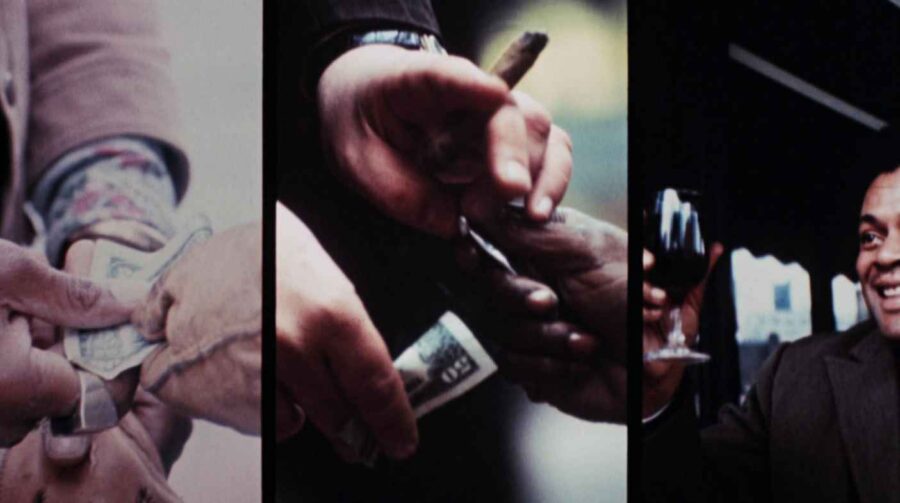
The genre’s first wave ran from 1971 to 1976, with over 200 films released. Some focused on anger and protest. Others were more about action and cool style. But all of them centered Black characters who took control of their own story.
- Sweet Sweetback’s Baadasssss Song (1971, Cinemation) – A sex worker flees from police after protecting a young Black man.
- Shaft (1971, MGM) – A Harlem detective takes on gangsters and corrupt cops.
- Super Fly (1972, Warner Bros.) – A drug dealer plans one last big deal before quitting the life.
- Coffy (1973, AIP) – Pam Grier plays a nurse who hunts down the men who got her sister addicted.
- The Mack (1973, Kelly-Jordan) – A street hustler tries to control the game and gain power.
These films broke away from Sidney Poitier’s polished image of calm and dignity. Instead of working within the system, blaxploitation heroes often rejected it completely and took action on their own terms.
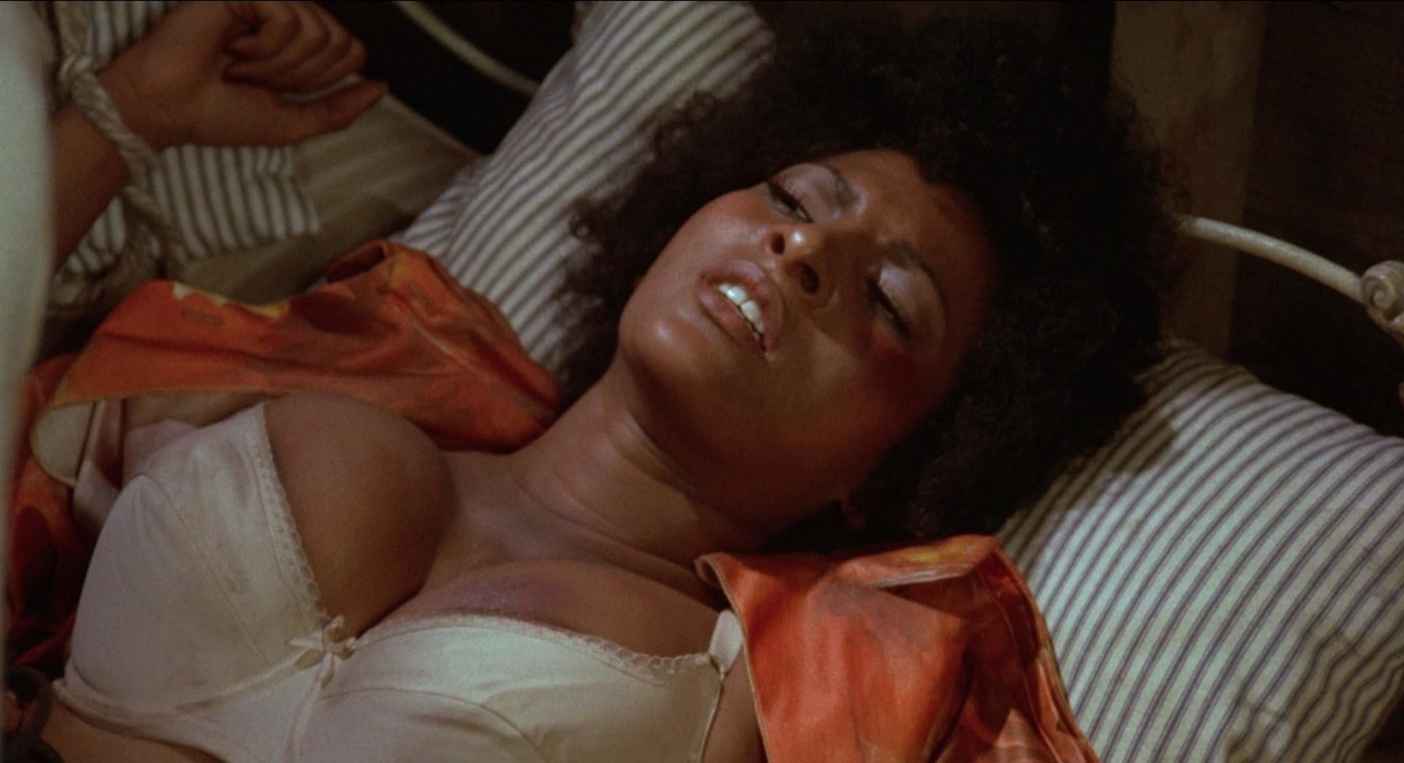
Pam Grier became the breakout female star and also starred in other types of exploitation cinema genres, such as the women-in-prison subgenre. In Coffy and Foxy Brown, she played women who fought back with intelligence and force.
The Role of Music
Music shaped the tone of blaxploitation. Funk and soul tracks were matched closely to each scene’s energy and meaning. The music helped tell the story and guide the audience’s emotions.
- Isaac Hayes – Won an Oscar for “Theme from Shaft”
- Curtis Mayfield – Wrote the full soundtrack for Super Fly
- James Brown – Composed the soundtrack for Black Caesar
- Marvin Gaye – Scored Trouble Man (1972)
The music and the images worked together. The rhythm supported the action, and the lyrics reflected what the characters were feeling or facing. This connection made the soundtracks just as memorable as the stories themselves.
Criticism and Decline
By 1976, the genre began to fade. Audiences grew tired of repeated plots and styles. Some community leaders also started pushing back against the messages in these films.
Reverend Jesse Jackson and the NAACP formed the Coalition Against Blaxploitation. They said the films were promoting violence and crime. Some film critics believed that the characters reinforced negative stereotypes instead of breaking them. Actor Moses Gunn described it as euphemistic racism. Others, like Cicely Tyson, said the roles had no value for young viewers who needed positive images.
Studios shifted their focus. They began funding general-audience films with more crossover appeal. That decision led to fewer opportunities for raw and personal Black-led stories.
Lasting Influence
Blaxploitation’s influence persisted even after the genre declined. Directors like Spike Lee, John Singleton, and Ava DuVernay built new stories around Black characters. Their work brought more depth and variety to Black cinema while still showing strong leads who shaped their own lives.
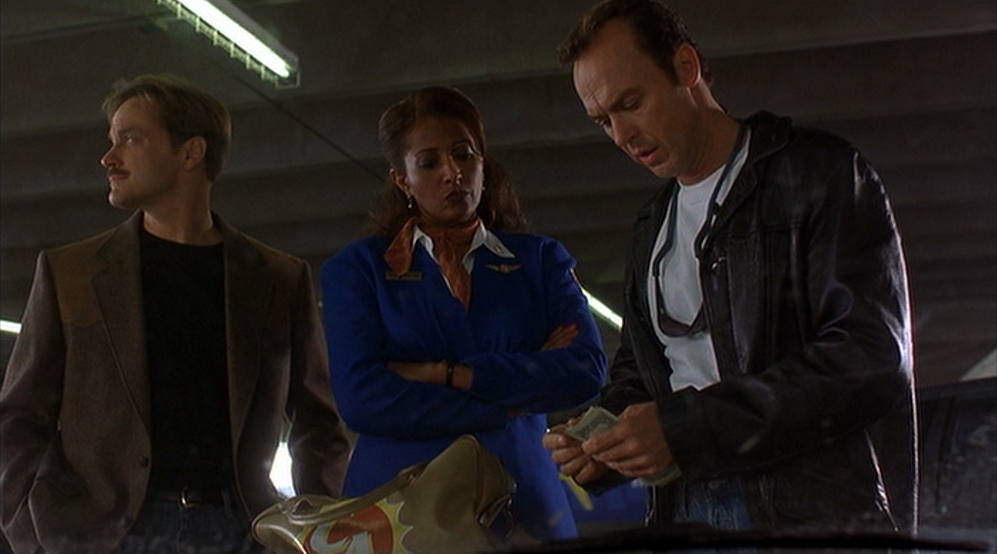
Quentin Tarantino made Jackie Brown (1997) with Pam Grier in the lead. The film was designed as a tribute to her early work. Other films like Black Dynamite (2009) and Dolemite Is My Name (2019) honored the blaxploitation style with a modern lens. Even hip-hop adopted some of the fashion, slang, and attitude from these films.
The genre helped Black characters appear in lead roles where they took charge. These characters were confident, stylish, and powerful. That shift laid the foundation for the stories that came later.
Summing Up
Blaxploitation created a new kind of hero in the 1970s. Black audiences suddenly had a voice in an industry that had ignored them. The movies had flaws and faced strong criticism, but they broke rules and cleared a path for future filmmakers. Today, the influence of blaxploitation still shows up in music, cinema, and video games.
Read Next: Curious how film movements shape cinema?
Read our full guide to What Is a Film Movement? for clear definitions and iconic examples, or explore more in our Film Movements & World Cinema section.
Want broader context? Visit our Film History, Theory & Genre archive for deeper dives into the evolution of cinematic style.
