

Published: August 26, 2025 | Last Updated: January 15, 2026

What Does a Movie Critic Do? job description
A movie critic is a writer or broadcaster who watches films and then evaluates their technical and artistic elements before publishing or broadcasting opinions that help audiences decide what to see.
A movie critic’s job goes beyond liking or disliking a movie. You examine every part of the film (story, acting, direction, cinematography, editing, sound) and show readers or listeners how those parts fit together.
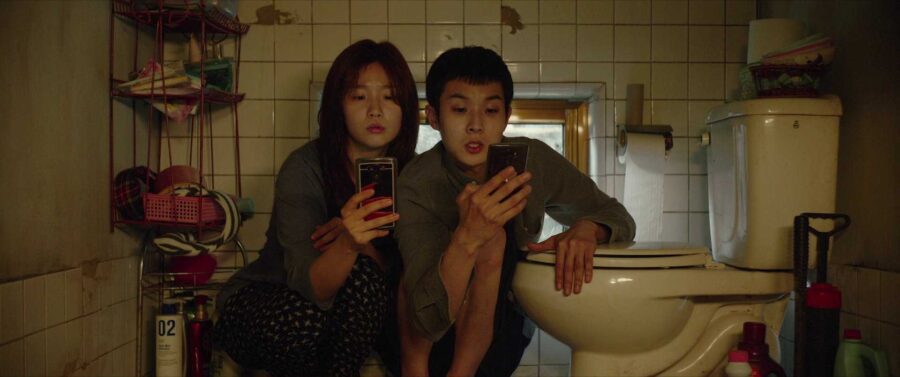
You also give examples to support each judgment. For instance, in Parasite (2019, CJ Entertainment), noting how the contrasting house designs emphasize the movie’s main (class) conflict tells people why the film’s production design matters.
Film Reviewing vs. Film Criticism
Not all criticism is the same. Knowing which style you’re writing helps you set the proper depth and tone.
Film reviewing refers to short, journalistic pieces that tell people whether a new release is worth seeing. Film reviews often appear in newspapers, magazines, blogs, or YouTube channels, and focus on plot, performances, and entertainment value.
Film criticism is usually longer and more academic. It puts a movie in a historical or cultural context, compares it to earlier films, and explores themes and symbols.
What Critics Actually Do
Critics watch films with a deliberate eye. You analyze how the director uses camera angles or lighting to create mood, how actors’ choices develop a character, and how editing controls the story’s rhythm.
A typical day can include watching two or more films, taking notes, writing reviews under a deadline, and responding to feedback. Some films need a second viewing to fully grasp the structure or themes.
When reviewing a thriller, you might note how slow, creeping camera movements increase tension and build suspense. When covering a comedy, you could explain how quick cuts make jokes land.
You Don’t Always Work Alone

The work as a film critic isn’t just solitary. Critics attend press screenings and festivals like Sundance and Cannes to see films before public release.
Many critics also conduct interviews with directors or actors. These conversations add insight to a review. You might ask about design, tone, or performance choices, then use those details to explain the film more clearly.
A Real-World Movie Critic Workflow (Festival Review Example)
To understand what movie criticism looks like in practice, here’s a simplified example of a 48-hour review workflow during a major film festival.
Day 1: Screening & First Notes
- Attend a press screening (often with embargo rules)
- Take timestamped notes on:
- Story structure and pacing
- Performances
- Direction, cinematography, sound, and editing
- Write immediate post-screening impressions (emotional response, standout moments)
Day 2: Analysis, Writing, and Submission
- Decide whether a second viewing is necessary (common for complex or slower films)
- Draft the review using a structured outline:
- Non-spoiler summary
- Critical analysis
- Context (director’s previous work, genre expectations)
- Remove or clearly mark spoilers, following the outlet’s policy
- Submit before embargo lifts or publication deadline
Many critics use a standard note template to stay consistent, especially during festivals where they may watch 3–5 films per day.
Skills and Education
Critics need more than opinions. You must write clearly and back up each point with examples. Strong analysis and an understanding of film and genre theory helps you break down scenes, performance choices, or pacing problems. Communication skills help you explain complex ideas in plain language. You also need discipline to meet deadlines and stay productive.
There’s no required degree, but many critics study film, journalism, communications, or English. Courses in cinematography, editing, or screenwriting help you understand how films are made and give you the right language to describe them. Some critics also shoot short films themselves, which builds hands-on knowledge of the craft.
How to Become a Movie Critic
Start by watching films carefully and writing short reviews. Focus on one clear idea per review. Say what worked or didn’t, and give a scene-specific reason. Post your reviews on platforms like Letterboxd or a personal blog. Be consistent, honest, and precise. Build your voice.
As you improve, collect your best reviews into a portfolio. Use it to apply for internships with newspapers, film blogs, or local magazines. Pitch articles to editors. Share your work with peers. Study great critics to learn different styles. Read, watch, or listen to both classic print reviews and newer YouTube or podcast formats. You’ll pick up structure, tone, and vocabulary over time.

To grow your skills faster, watch across genres and countries. Mix classic films with indie and international work. This makes you a sharper writer and gives your reviews more depth. You’ll spot patterns and innovations more easily.
Networking also helps. Attend film events, talk to other critics, or join online groups. Some critics join associations that give access to screenings or press lists. These connections can lead to freelance gigs or editorial work.
What a Strong Movie Critic Portfolio Looks Like
Editors and publications don’t just look for opinions—they look for clarity, structure, and consistency. A strong beginner portfolio usually includes multiple formats, such as:
1. 200-Word News-Style Review
Purpose: Fast publication and general audiences
Focus: Verdict, tone, and broad appeal
Structure:
- 1–2 sentence hook
- Brief plot overview (no spoilers)
- One paragraph of analysis
- Clear recommendation
2. 800-Word Critical Essay
Purpose: Demonstrates depth and insight
Focus: Theme, craft, and interpretation
Structure:
- Analytical introduction
- Close reading of key scenes
- Technical breakdown (direction, editing, sound)
- Conclusion placing the film in cultural or genre context
3. 5-Minute Video Review Script
Purpose: Digital-first outlets and YouTube
Focus: Personality, pacing, and clarity
Structure:
- 20-second hook
- Spoiler-free overview
- 2–3 key talking points
- Final verdict and audience recommendation
Including published clips, even from small sites, is more valuable than unpublished drafts.
Where Critics Work
Movie critics work in print, digital, radio, podcasting, and video. Some are full-time at media companies. Most are freelance. You might write for multiple outlets or create your own platform through blogging, newsletters, or social media.
How Much Do Movie Critics Make?
Movie critic earnings vary widely depending on experience level, location, publication type, and format (print, digital, video, or freelance). Most critics do not earn a single fixed salary; many combine freelance reviewing with other film-related work.
According to the U.S. Bureau of Labor Statistics (BLS), film critics are typically classified under writers and authors, a category with a median annual wage of around $73,000 USD in the United States (latest available data). However, this figure includes staff writers and does not reflect the full range of freelance film criticism.
Important: Income claims should always be treated as estimates. Rates change frequently and depend heavily on reputation, audience size, and outlet prestige.
Industry reporting from Payscale and Glassdoor suggests that freelance movie critics often earn:
- $15–$50 USD per review for small blogs and niche outlets
- $100–$500+ USD per article for established publications
- $20–$60 USD per hour for contracted or editorial roles
Country and Market Differences
- United States & Canada: Higher pay potential, but intense competition and fewer staff roles
- UK & Western Europe: More staff critic roles at legacy outlets, often with lower freelance rates
- Asia & emerging markets: Lower per-review pay, but faster growth in YouTube and social video criticism
Many successful critics supplement income through video channels, podcasting, festival coverage, teaching, consulting, or affiliate-supported platforms.
Ethics, Disclosure, and Professional Standards
Professional movie critics are expected to follow clear ethical standards, especially when working with studios and distributors.
Common Ethical Practices
- Disclosure: Critics disclose if tickets, screeners, or travel were provided for free
- Embargoes: Reviews may be written early but published only after an agreed date
- Screeners: Early access does not guarantee positive coverage
- Affiliate links: If monetized links are used, this should be clearly stated
Independence and Trust
Reputable outlets maintain strict separation between:
- Editorial decisions
- Advertising or sponsorship
- Public relations influence
Breaking embargoes or failing to disclose perks can result in loss of press access and damage to a critic’s reputation.
Maintaining transparency helps build long-term trust with readers and editors alike.
Impact of Movie Critics
Critics shape how we talk about film. Your words can draw attention to small films or reveal what a blockbuster missed. You help people think more deeply about film. When critics praised Moonlight (2016, A24), it built momentum that carried into awards season.
Some critics also shape trends. They highlight rising directors, comment on shifts in genre, or explain how films respond to politics and culture. Over time, this creates space for new voices and challenges the industry to grow.
Summing Up
Movie critics watch films, analyze their elements, and share their assessments with readers or listeners to help them decide what to watch and how to think about it. The job involves watching carefully, writing clearly, and judging fairly. You can start by reviewing films online, building a portfolio, and growing your voice across platforms. Over time, your reviews can shape both what people see and how they see it.
Read Next: Curious how film theory shapes the way we watch movies?
Start with the Film Theory section to break down realism, formalism, structuralism, and more — with examples from iconic films.
If you want studying film theory I recommend starting with The FilmDaft overview of film theory discourses to break down realism, formalism, structuralism, and more — with examples from iconic films.
Then explore the full Film History, Theory & Genre collection to see how movements, styles, and storytelling traditions have evolved.
Whether you’re into Soviet montage or 2000s genre mashups, there’s something here to sharpen your understanding.
