
Published: July 23, 2025 | Last Updated: December 9, 2025

What is Analog horror? Definition & Meaning
Analog horror is a subgenre of horror that uses outdated technology, low-resolution visuals, and fake media broadcasts to create fear and tension through distortion, silence, and mystery. Analog horror gets its name from the use of old, analog-era technology (like VHS tapes, CRT TVs, and radio broadcasts) as both a visual style and a storytelling tool.
This style became popular online in the 2010s. It uses tools like VHS tape quality, old television formats, emergency alerts, and grainy static. These projects feel unsettling because they twist everyday media into something unsafe. The horror often comes from the screen itself, not from violence or jump scares.
Where Analog Horror Came From
Analog horror grew out of internet culture. One of the first major examples is Local 58 (2015), a YouTube series by Kris Straub. Each episode looks like a normal TV broadcast from a small public access station. But the programs include strange warnings, fake emergency messages, and visuals that break down over time.
Local 58 inspired others to use simple editing and lo-fi effects to create new kinds of horror stories.
The format also connects to earlier found footage projects. The Blair Witch Project (1999, Artisan) built its marketing around fake police reports, missing posters, and a website that treated the events as real. Audiences were unsure whether what was fact or fiction.
That approach helped shape how analog horror uses realism, fake timelines, and minimal effects to build suspense.
What It Looks and Sounds Like
Analog horror is known for how it looks and sounds. The visuals often copy the style of VHS tapes and old television. The sound design uses audio dropouts, static, and distorted voices. These effects are used on purpose to create discomfort.
- VHS static: tape glitches and tracking errors
- Faded colors: visuals appear damaged or aged
- Screen flicker: sudden jumps or cuts in the frame
- Distorted audio: speech becomes hard to understand
- Sudden silence: long pauses break the rhythm and add tension
The sound effects mimic real media errors, but the content of the videos often includes strange commands, missing people, or hidden threats. As viewers, we are left to figure out what is real and what is manipulated.
Analog horror suggests danger through off-screen diegetic sound without always showing it. That sense of being watched adds pressure to even the quietest scenes.
Common Themes
Analog horror builds fear through slow pacing, unexplained visuals, and quiet tension. These are some of the themes that appear across many projects:
- Fear of the unknown: threats are suggested but not clearly shown
- Mistrust in media: warnings and broadcasts hide deeper lies
- Distorted memory: characters struggle to tell what is real
- Reality breaking down: timelines shift and logic breaks apart
- Isolation: characters are cut off from help or answers
- Fear of being forgotten: old tapes and missing records reflect deeper fears of being erased or left behind
In these stories, a training tape might glitch and repeat strange lines. A weather report might end with a voice that shouldn’t be there. A face might shift between frames. These moments are subtle, but they stay with you.
How It Affects the Viewer
Analog horror works by using formats we usually trust. News reports, educational videos, and emergency warnings are all built to feel safe. When those tools are used to deliver fear or confusion, the effect is strong. The viewer feels like something has gone wrong, but can’t explain how or why.
Most analog horror avoids fast editing or loud scares. The fear builds from silence, distortion, and slow pacing. It leaves space for the mind to imagine what might be happening. This approach keeps the viewer thinking long after the video ends.
Analog Horror in Movies
Mutiny Pictures/ERO Picture Company
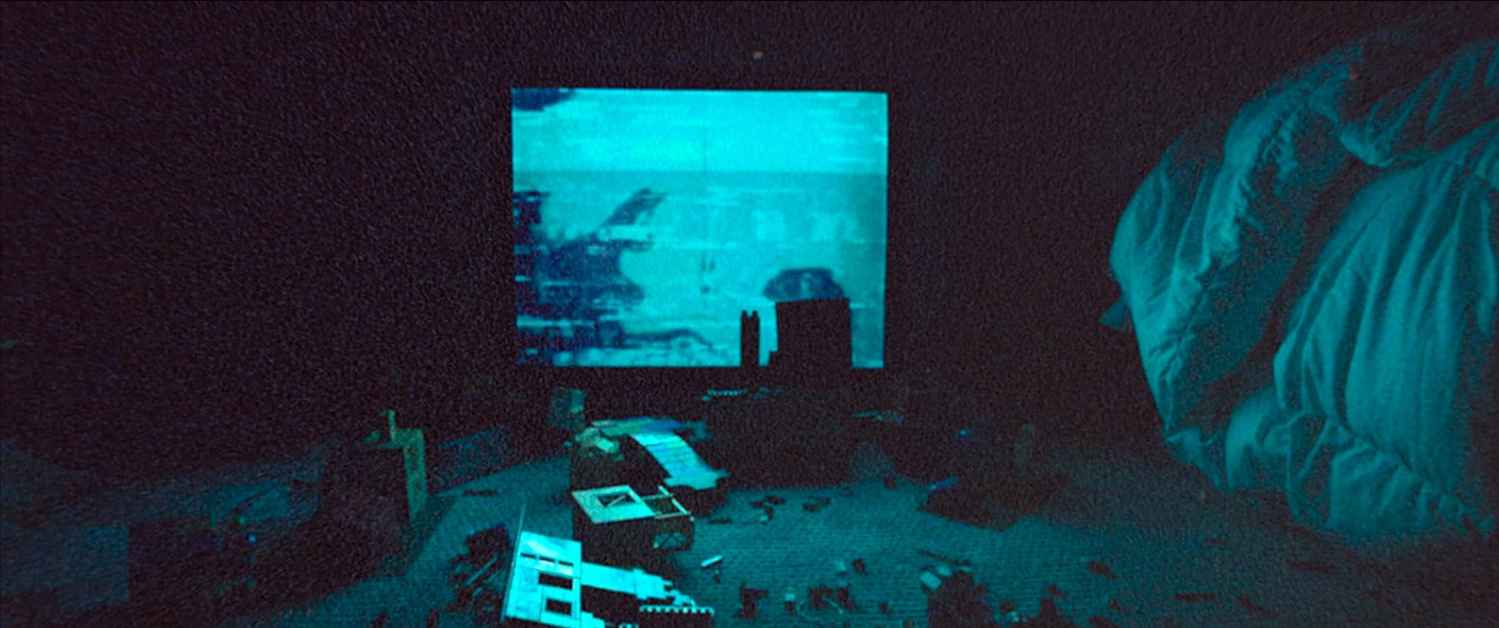
While analog horror grew online, some filmmakers have brought the format into feature films. One example is Skinamarink (2022, Shudder). It tells the story of two children trapped in a house where windows and doors vanish. The camera holds on ceilings and dark corners. Nothing is explained, and the viewer has to piece together the events through flickering images and distant voices.
Other films that use similar techniques include V/H/S (2012, Magnolia Pictures) and Broadcast Signal Intrusion (2021, Dark Sky Films). These movies use glitch effects and fake archival footage to push the viewer into a space of unease.
Notable Analog Horror Series to Watch
Below is a list of popular analog horror web series. Each one uses old formats and lo-fi effects to tell stories of paranoia, mystery, and loss.
- Local 58 (2015, Kris Straub): A fictional TV station broadcasts messages about threats from the moon, altered emergency alerts, and unseen forces.
- The Mandela Catalogue (Alex Kister): The series shows how copies of people called Alternates break down memory and identity using digital screens and sound.
- The Backrooms (Kane Parsons): A research group explores a vast, empty maze filled with buzzing lights and endless yellow rooms. Set in the 1990s, it mixes government secrecy with liminal fear.
- Petscop (Tony Domeno): A found PlayStation game becomes a puzzle about real-world trauma. The game footage is used to suggest haunting memories and disturbing connections.
- Gemini Home Entertainment (Remy Abode): VHS tapes from the 1980s and 1990s reveal a hidden alien invasion and ecological collapse through fake nature documentaries and training videos.
- The Smile Tapes (Piku): A strange fungus causes emotional and physical changes in people who consume a substance called “smile.” The tapes warn viewers to avoid contact while showing how quickly it spreads.
- Vita Carnis: A fake science documentary presents meat-based lifeforms that grow, evolve, and disrupt ecosystems. Some appear helpful. Others cause mass death.
- The Monument Mythos (Alex Casanas): American landmarks like Mount Rushmore and the Statue of Liberty are tied to supernatural threats in this alternate history series.
- The Walten Files (Martin Walls): Training tapes and game footage reveal haunted animatronics and buried secrets at a children’s restaurant in the 1980s.
- FNAF VHS Series (Squimpus McGrimpus and others): These videos reframe Five Nights at Freddy’s through grainy security footage and fake company tapes, focusing on loss and guilt.
- Harmony and Horror (Battington): A toy company hides dark events behind broken training tapes and corrupted soundtracks. The series explores how memory and identity can fall apart.
Each of these series builds horror through format. They use simple visuals and broken media to suggest stories that are much bigger than what is shown. Many rely on quiet pacing, incomplete timelines, and long silences to build a feeling of dread.
Summing Up
Analog horror turns old technology into a tool for fear. It removes safety from familiar media formats and replaces it with silence, mystery, and distortion. These stories do not explain everything. That uncertainty becomes the source of tension. The result is a style of horror that stays in your mind long after the screen goes dark.
Read Next: Horror Subgenres You Should Know.