

Published: June 25, 2025 | Last Updated: January 19, 2026

What is A spaghetti western? Definition & Meaning
A spaghetti western is a Western film made by Italian filmmakers, often shot in Europe and released from the mid-1960s to the late 1970s. These films rework the classic Hollywood Western with harsher violence, moral ambiguity, long stretches of tension and silence, and highly stylized filmmaking (especially in framing and music).
Even if you’ve never watched one all the way through, you’ve probably felt the influence: the long stare before a gunfight, the sudden burst of violence, and music that seems to narrate the whole world. Spaghetti westerns remodeled traditional Westerns into something rougher, louder, and stranger (sometimes in the best way).
Where the Term Comes From
The phrase “spaghetti western” started as a nickname from outside Italy, meant to poke fun at the fact that these Westerns weren’t coming from Hollywood anymore. But the label stuck, partly because the movies were everywhere, and partly because they quickly developed a look and rhythm you could spot in seconds.
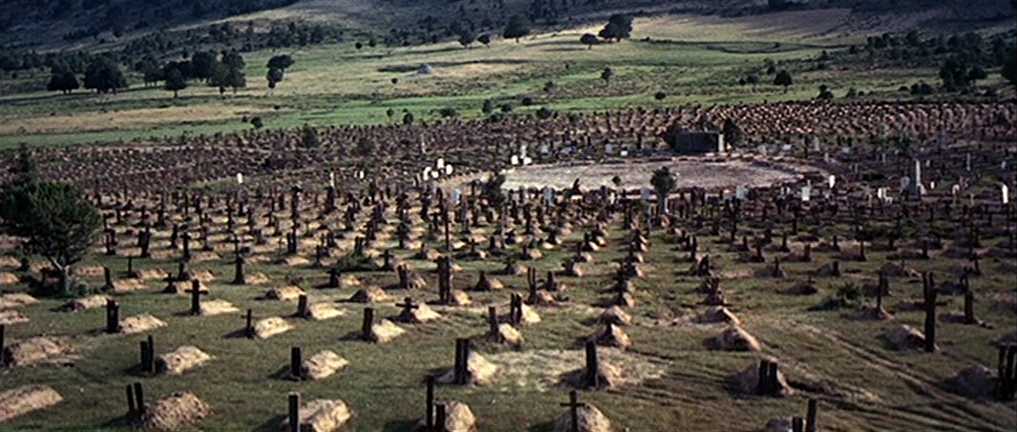
By the early 1960s, American Westerns were losing steam. Italian filmmakers stepped in with a grittier, cheaper, and more stylized approach. Most of these productions were filmed in Spain, where the desert terrain looked like the American Southwest. Despite the nickname “spaghetti western” starting as a joke, the term stuck and came to define a major movement in European cinema.
These films kept the genre alive for a new audience. They traded noble cowboys for cynical anti-heroes, and clear morals for shifting alliances and brutal violence. The new style connected with international viewers, especially in the U.S., where they filled a growing gap in Western entertainment.
Key Characteristics
Here’s the easiest way to recognize a spaghetti western: it feels less like a comforting myth and more like a dusty survival story. The style is bold, the characters are often shady, and the filmmaking loves to stretch tension until it snaps.
- Anti-heroes: Lone drifters, bounty hunters, and mercenaries who rarely follow a code.
- Stylized violence: Gunfights stretch out with dramatic tension and harsh sound design.
- Minimal dialogue: Long pauses, glances, and wordless standoffs take the place of classic Hollywood scripts.
- Music as storytelling: Composers like Ennio Morricone used whistling, guitar riffs, and strange instruments to define character and mood.
- International crews: These were pan-European productions, with actors dubbed into different languages after filming.
If you want the technical vocabulary for how these movies build tension visually, you’ll recognize it instantly once you know the terms: wide shots, close-ups, and extreme close-ups.
Spaghetti Western vs. Classic Hollywood Western vs. Revisionist Western
It’s easier to “get” spaghetti westerns if you compare them to the Westerns that came before and alongside them. Same basic ingredients (guns, towns, outlaws) but very different priorities.
Classic Hollywood Westerns often emphasize frontier mythology, moral clarity, and community-building. Spaghetti westerns tend to sand down that certainty, focusing on individual motives, corruption, and survival in a harsher landscape.
Revisionist Westerns (many made in the U.S.) also critique older myths, often with more explicit historical reflection. Spaghetti westerns can overlap with revisionism, but their signature is frequently style-driven: operatic tension, graphic set pieces, and sound/music as narrative force.
For a broader Western watchlist (including key American titles that defined or redefined the genre), see FilmDaft’s curated list: Wild West Reimagined: 10 Westerns That Redefined the Genre.
Famous Spaghetti Westerns
Spaghetti Westerns changed how Western movies looked and felt. They had less talking, more tension, and characters who didn’t follow the rules. Instead of heroes in white hats, they focused on drifters, bounty hunters, and outlaws. The films below helped shape the style and made the genre popular around the world.
A Fistful of Dollars (1964, Jolly Film)
When people talk about the genre’s “starting gun,” this is usually the film they mean. It proved a Western didn’t have to look like Hollywood to work—and it introduced a new kind of star: a quiet figure whose motives are never fully explained.

Directed by Sergio Leone and starring Clint Eastwood, this low-budget remake of Yojimbo (1961) helped kick off the genre. Eastwood’s silent gunslinger became a global icon, and the film’s success proved there was still an audience for Westerns, just not the kind Hollywood had been making.
The Good, the Bad and the Ugly (1966, Produzioni Europee Associate)
This is the big one, the film that many viewers point to as the genre’s peak. It’s also a great example of how spaghetti westerns use film language to build suspense: big landscapes, then tighter and tighter framing, and a slow pacing that turns waiting into a weapon.
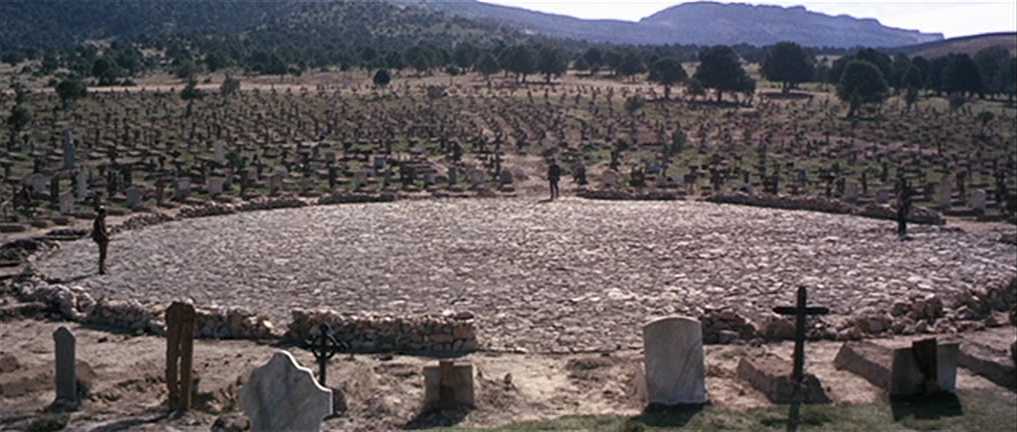
The third entry in the Dollars Trilogy, this epic war-western tells the story of three men racing to find buried gold during the Civil War. The wide desert shots, tight close-ups, and slow pacing shaped how tension works in genre filmmaking. Its score by Ennio Morricone became one of the most recognizable soundtracks in film history.
Django Kill… If You Live, Shoot! (1967, N.B. Cinematografica)
Not every spaghetti western plays like a clean genre ride. Some push into nightmare territory: strange towns, cruelty that feels surreal, and scenes that are designed to shock you out of “normal Western expectations.” This film is one of the clearest examples of that darker edge.
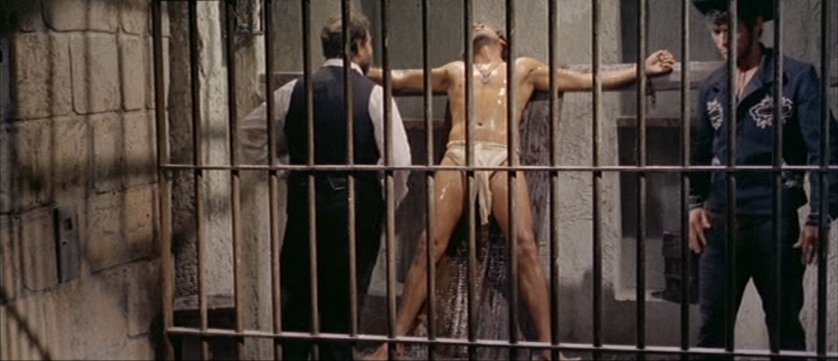
This is one of the weirdest spaghetti westerns ever made. Directed by Giulio Questi, the story follows a man who gets shot and buried alive, but somehow survives. He goes looking for the gold he was cheated out of, but ends up in a town full of greedy people and strange violence.
The film is full of disturbing scenes, slow moments, and dream-like images. It was banned in several countries when it came out because of its graphic violence, scenes of torture, and some moments that hinted at queer themes.
Once Upon a Time in the West (1968, Paramount)
If A Fistful of Dollars is the genre’s ignition, this one feels like a grand statement: bigger, slower, and more deliberate. It’s often used in teaching because it shows how tension can be built almost entirely through timing, framing, and sound.
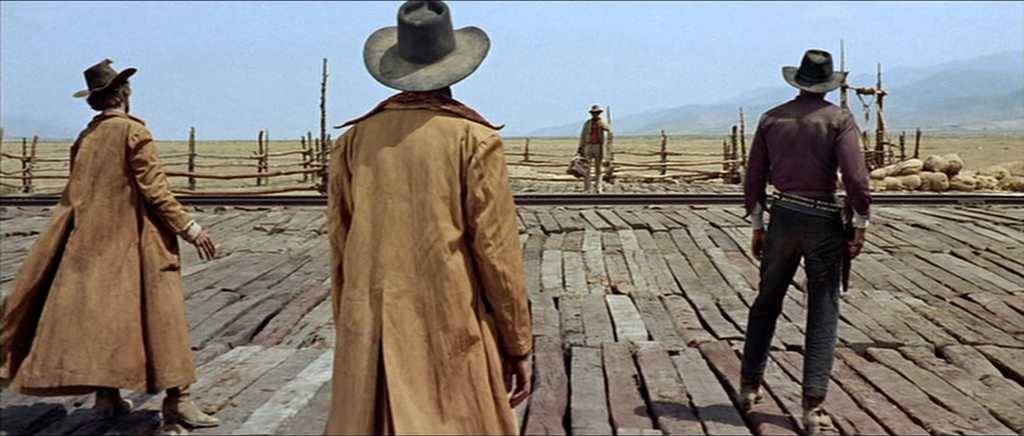
Leone’s most ambitious western blends revenge, industrial expansion, and shifting alliances. The opening sequence, nearly ten minutes with no dialogue, is now studied in film schools for how it builds tension with framing, sound, and timing. Charles Bronson, Henry Fonda, and Claudia Cardinale headline a cast that shows the genre at its most mature.
More essential titles
To get a fuller sense of the genre’s diversity, these additional films are often recommended:
- Django (1966)
- The Great Silence (1968)
- For a Few Dollars More (1965)
- Day of Anger (1967)
- The Big Gundown (1966)
- Companeros (1970)
- They Call Me Trinity (1970)
- A Bullet for the General (1966)
Directors who defined the genre
Although Sergio Leone is the most famous name associated with spaghetti westerns, the genre was shaped by many filmmakers, each bringing a different emphasis and tone.
- Sergio Leone: Operatic pacing, iconic framing, and music-driven storytelling.
- Sergio Corbucci: Darker, more violent worlds with strong social undercurrents.
- Sergio Sollima: Political tension and forward momentum.
- Tonino Valerii: Character-focused narratives within the genre framework.
- Giulio Questi: Surreal, disturbing, and experimental Westerns.
Legacy: how spaghetti westerns shaped modern cinema
Even after the genre faded, its influence continued to spread. Many modern filmmakers borrow directly from its pacing, sound design, and approach to violence.
You can see clear echoes in neo-Westerns, crime films, and even video games. Long silences, morally ambiguous protagonists, and confrontations staged as rituals all trace back to spaghetti western innovations.
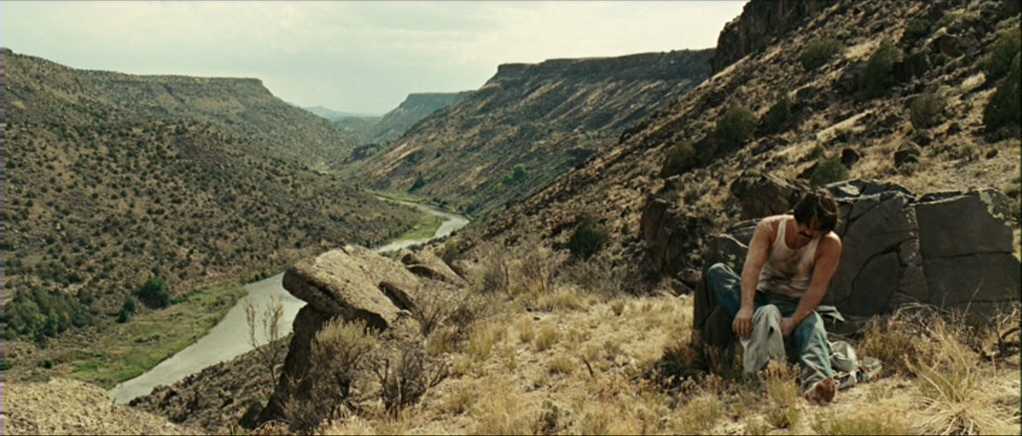
Spaghetti westerns shaped the way modern films handle tension, violence, and character. The long silences, bleak tone, and use of wide landscapes followed by extreme close-ups helped define the language of cinema in the decades that followed.
Directors like Quentin Tarantino and Robert Rodriguez borrowed heavily from the genre’s pacing, framing, and use of music. The Coen Brothers, especially in No Country for Old Men (2007), drew from their cold, brutal worldviews. Even video games like Red Dead Redemption (Rockstar Games, 2010) owe a debt to this era of filmmaking.
More than a trend, the spaghetti western proved that you don’t need Hollywood to reinvent a genre. They showed how international storytelling could transform familiar tropes into something bold and lasting.
Summing Up
A spaghetti western takes the classic cowboy story and roughs it up: quieter heroes, dirtier motives, and tension that builds like a slow drumroll. With small budgets and big style, Italian filmmakers created Westerns that changed the genre permanently, and filmmakers still study them today.
Read next on FilmDaft
- Genre & Visual Style
- Film History, Theory & Genre
- Wild West Reimagined: 10 Westerns That Redefined the Genre
- Famous Movies Filmed in Andalusia, Spain
- What Is an Anti-Hero?
- What Is Ambiguity in Film?
Read Next: Curious how visual styles define film genres?
Explore our breakdown of Genre & Visual Style to see how movements like naturalism, noir, and surrealism shape what we watch.
Looking for the big picture? Visit our Film History, Theory & Genre page to connect techniques with the eras and ideas that shaped them.
Sources & further reading (external)
If you want to dig deeper (or you’re writing about the genre and need dependable reference points) these are solid starting places.
