

Published: June 26, 2025 | Last Updated: November 13, 2025

What genre are Tinto brass movies?
Tinto Brass is known for erotic dramas and comedies that blur the line between softcore cinema and high-art provocation. His films mix libertine sexuality with bold visuals, political subtext, and Italian genre traditions.
Main Genre: Erotic Drama and Erotic Comedy
Most of Brass’s best-known films fall under erotic cinema, a mix of drama, comedy, and softcore fantasy. His films often explore themes like voyeurism, sexual freedom, and the female perspective. Some focus on quiet sensual discovery. Others lean into satire, exaggeration, and roleplay.
Cheeky! (2000, Medusa Distribuzione) leans into softcore fantasy. It’s light, cartoonish, and full of staged erotic encounters that blur the line between sincerity and satire.
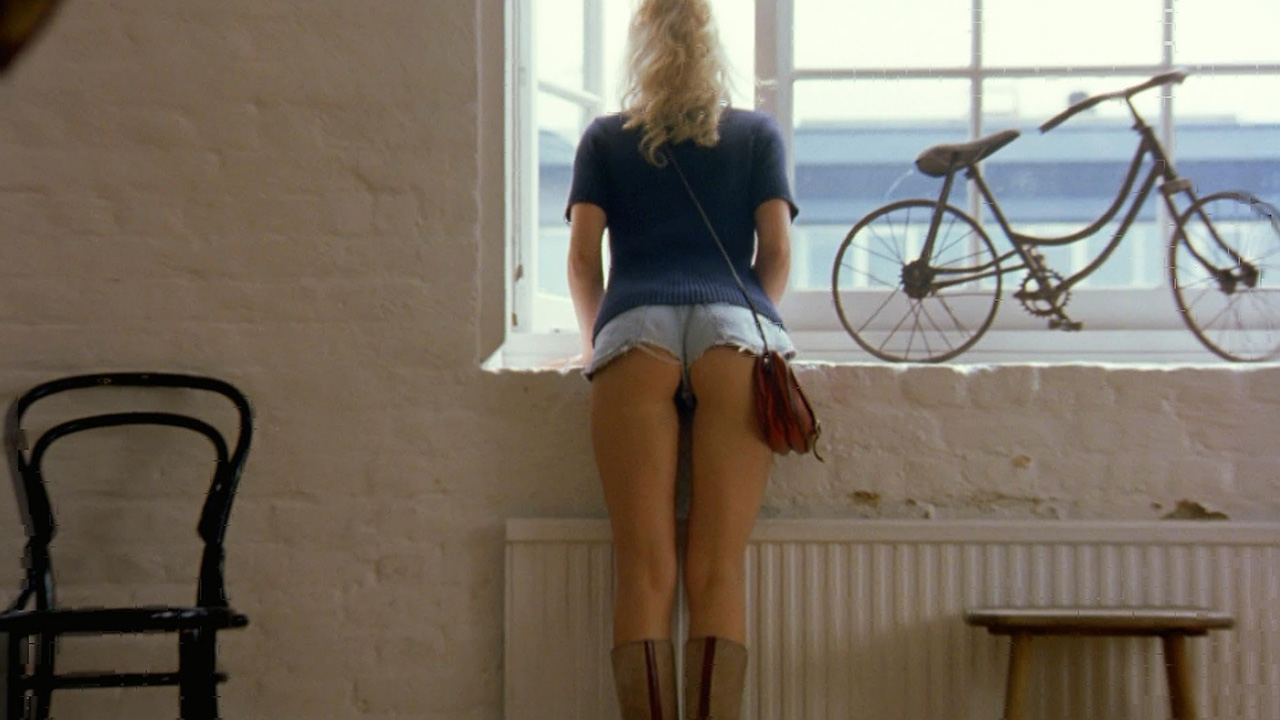
The Key (1983, Medusa Distribuzione) is a slow-burning erotic drama about a woman awakening to her desires after secretly reading her husband’s diary. It’s a quiet story built around looks, reflections, and private thoughts.
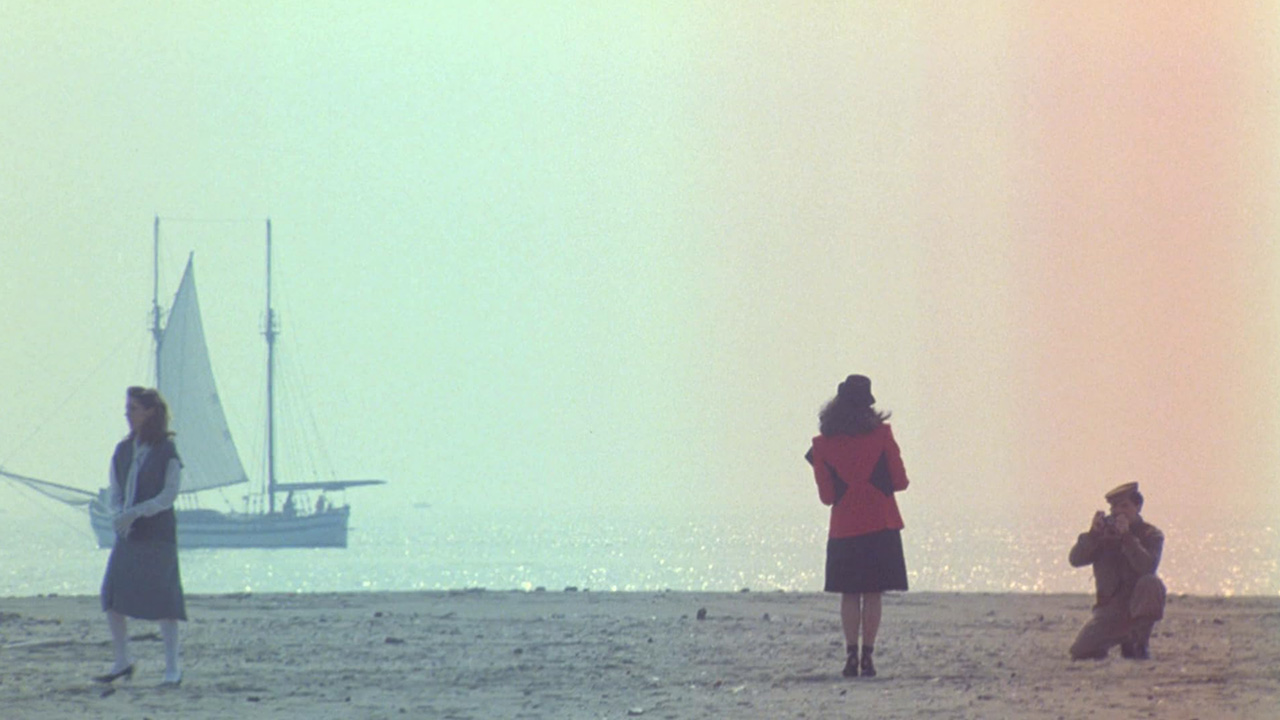
All Ladies Do It (1992, Medusa Distribuzione) plays more like a sex comedy. Diana, the main character, narrates her fantasies with wit while testing the rules of marriage. Her story is full of absurd gags, staged affairs, and playful role reversals.
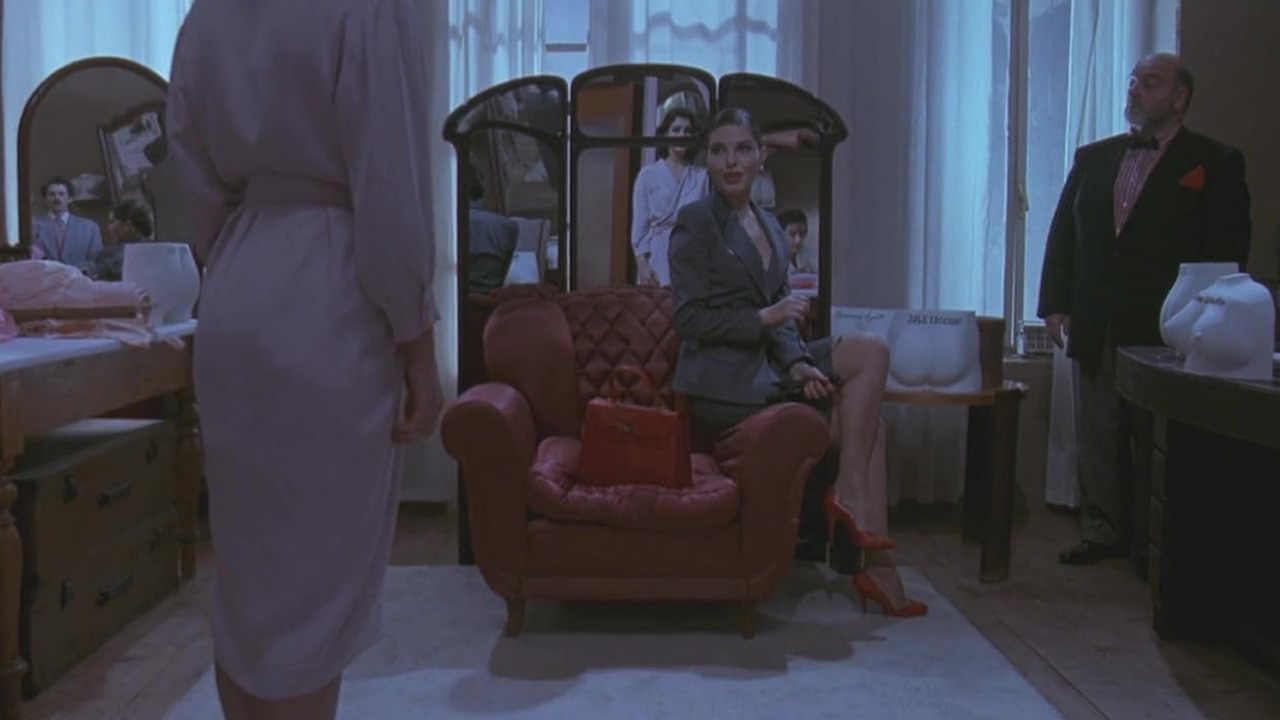
Caligula (1979, Penthouse/Analysis Film) stands out for its sheer scale. It’s an ancient Rome sex-and-power epic co-directed by Brass but heavily re-edited by producers.
While Brass later disowned the final cut, his use of elaborate sets, classical references, and baroque camera work still mark it as one of the most visually aggressive erotic films ever made.
Movement: Italian Exploitation and Eurocult Cinema
Brass’s style fits within Italian exploitation cinema, especially during the 1970s and 80s. These were cheaply made but visually bold genre films that included giallo, horror, and erotica. Like other Eurocult filmmakers, Brass adopted a fast-paced production style and explored sensational themes. But unlike many, he brought formal experimentation and visual polish to the table.
His films from this period were often released internationally with lurid posters and provocative trailers. But underneath the marketing, Brass maintained full control over framing, pacing, and sexual tone. He favored slow pans, extreme zooms, and sudden montages. This blended sleaze with style in a way few others achieved.
Early Influence: Avant-Garde and Experimental Cinema
Before his erotic turn, Brass was briefly linked with the European avant-garde. In the 1960s, he experimented with fast editing, jump cuts, and non-linear narrative structure.
A good example is Nerosubianco (1969, Dino De Laurentiis), also known as Attraction in English, a psychedelic collage of sex, race, politics, and pop culture. Here’s a scene that shows this style:
The result feels more like a visual essay than a traditional story. It was edited in a rapid montage style, sometimes compared to Godard’s early films or 1960s political cinema.
This style never fully disappeared. Even in his later erotic work, you can see echoes of that fast-cut, rhythm-based editing, along with a constant play between image and idea.
Commedia all’italiana Influence
Brass also draws from commedia all’italiana, the Italian satirical comedies of the 1950s to 70s. While these older films focused on class conflict and hypocrisy, Brass replaced social critique with sexual humor. His characters are often exaggerations, such as buffoonish men, knowing women, repressed outsiders.
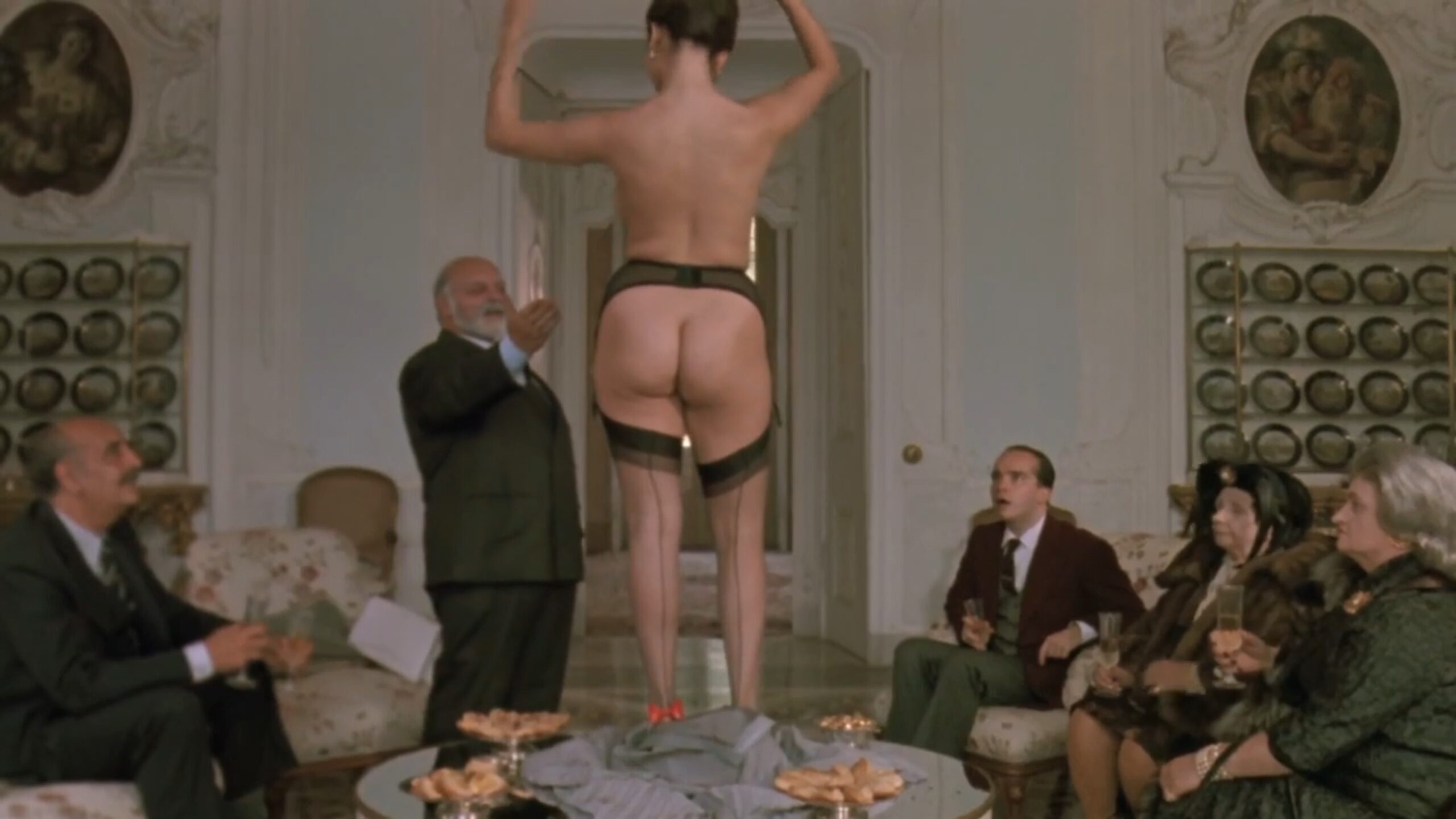
The humor isn’t always politically correct, but it’s rooted in caricature and chaos more than realism. What connects Brass to commedia is the tone: bawdy, self-aware, and shaped by Italian social norms of the time.
Summing Up
Tinto Brass’s filmography spans avant-garde montage, erotic genre cinema, and comic tradition. His early films pushed experimental boundaries. His later work settled into a distinct brand of erotic storytelling with visual flair. He’s most often categorized under:
- Erotic Cinema
- Italian Exploitation / Eurocult
- Avant-Garde (early works)
Each film balances stylized visuals with themes of freedom, desire, and provocation. Love him or hate him, Brass turned sexual cinema into personal cinema. He did it one voyeuristic zoom at a time.
Read Next: Best Tinto Brass Movies (and why you should watch them)
