

Published: June 20, 2019 | Last Updated: April 23, 2026

What Does ‘Giallo’ Mean?
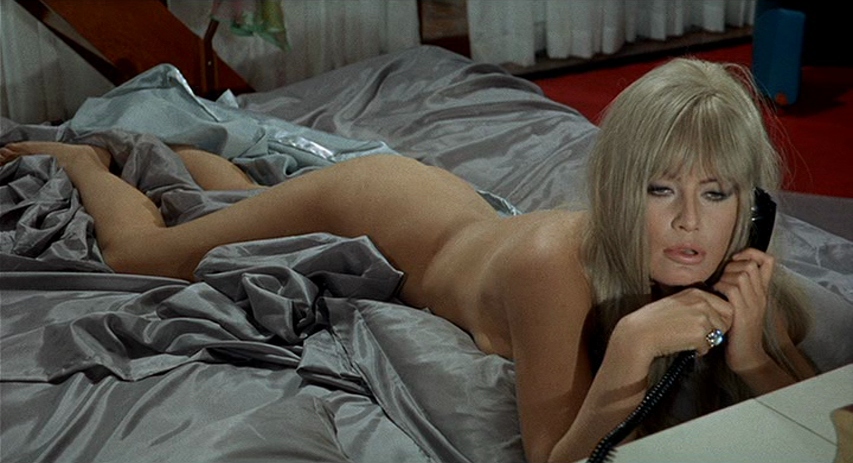
The word giallo means “yellow” in Italian. It originally described cheap crime paperbacks with yellow covers, published in the early 20th century. These novels featured violent murders, sensational plots, and psychological twists.
In the 1960s, Italian filmmakers adapted this pulp style into a new kind of cinema, one that used bold colors, haunting music, and inventive camerawork to tell suspense stories built around fear, obsession, and death.
Key Traits of Giallo Films
While giallo films vary in tone and structure, most share a set of stylistic and narrative traits that set them apart from other horror or mystery genres. These include distinct visual design, recurring tropes, and a strong focus on psychological tension and sound.
Visual Style

Giallo films are known for saturated colors (especially red, yellow, and green) and dramatic lighting. Directors use extreme close-ups, tilted angles, and long tracking shots to create unease.

Also, mirrors, corridors, and modern interiors become part of the tension.
Signature Tropes
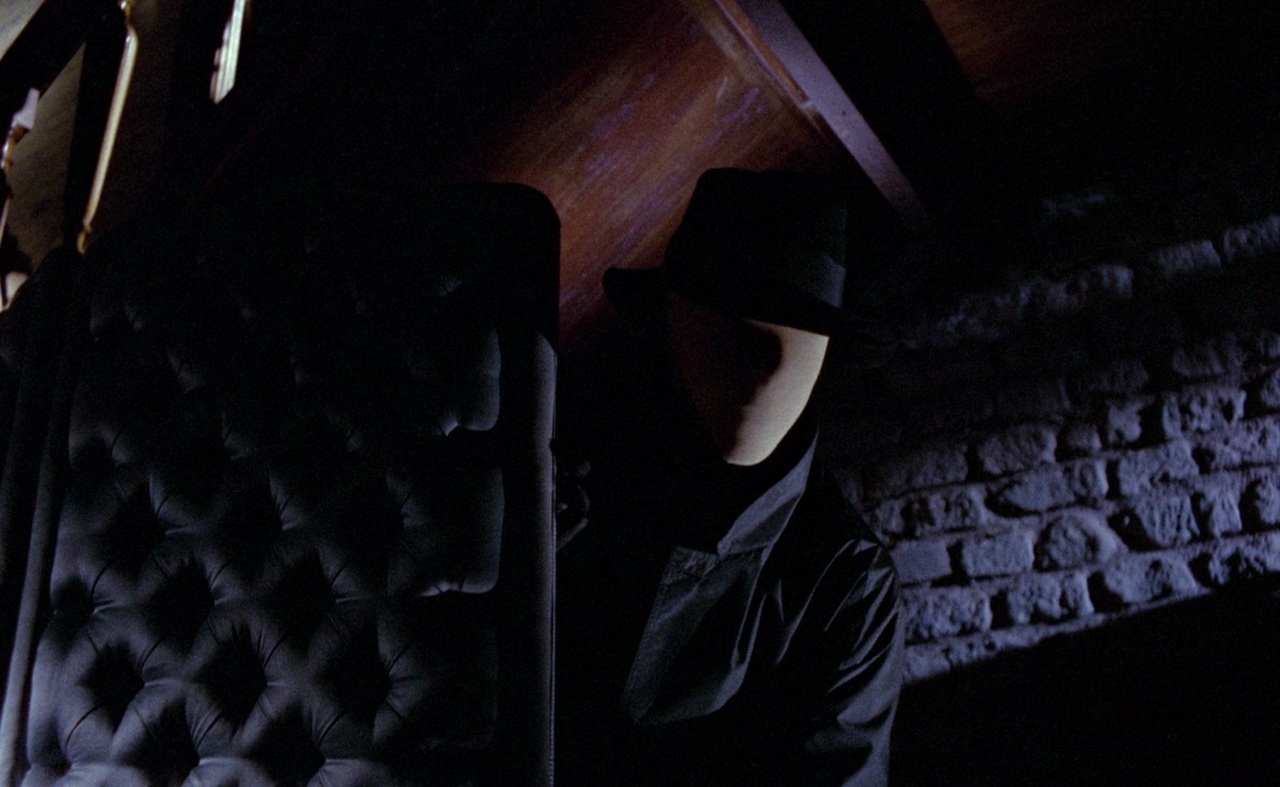
Most giallo films feature an unknown killer who wears black gloves and uses knives or razors. The murders are elaborate and often shown from the killer’s point of view.
An amateur detective (usually a writer, artist, or outsider) tries to solve the mystery, while false leads and red herrings mislead the viewer.
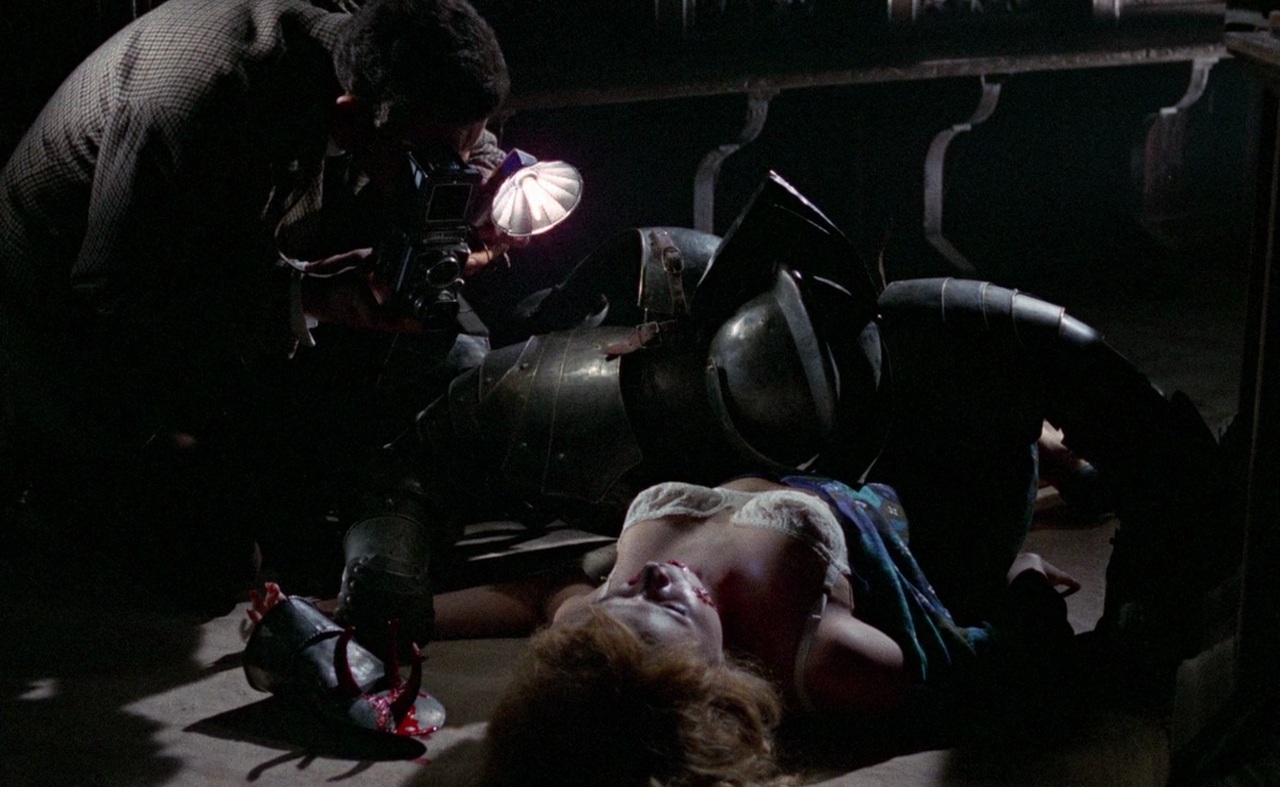
Sound and Atmosphere
Music is central to the genre. Many films feature eerie, repetitive motifs by composers like Ennio Morricone or the Italian progressive rock band Goblin.
Sounds of breathing, whispering, or distorted instruments add to the discomfort. These soundscapes build suspense without relying on traditional horror scares.
Psychological Themes
Giallo films explore memory, trauma, voyeurism, and identity. The protagonist often doubts what they’ve seen or becomes obsessed with a partial memory of a murder; reality and fantasy blur, especially in later entries influenced by the surrealism movement.
Essential Giallo Films and Directors
Several directors helped shape the giallo genre through distinctive visuals, narrative structures, and sound design. Their films established the genre’s core style and inspired later generations of thriller and horror filmmakers.
Mario Bava
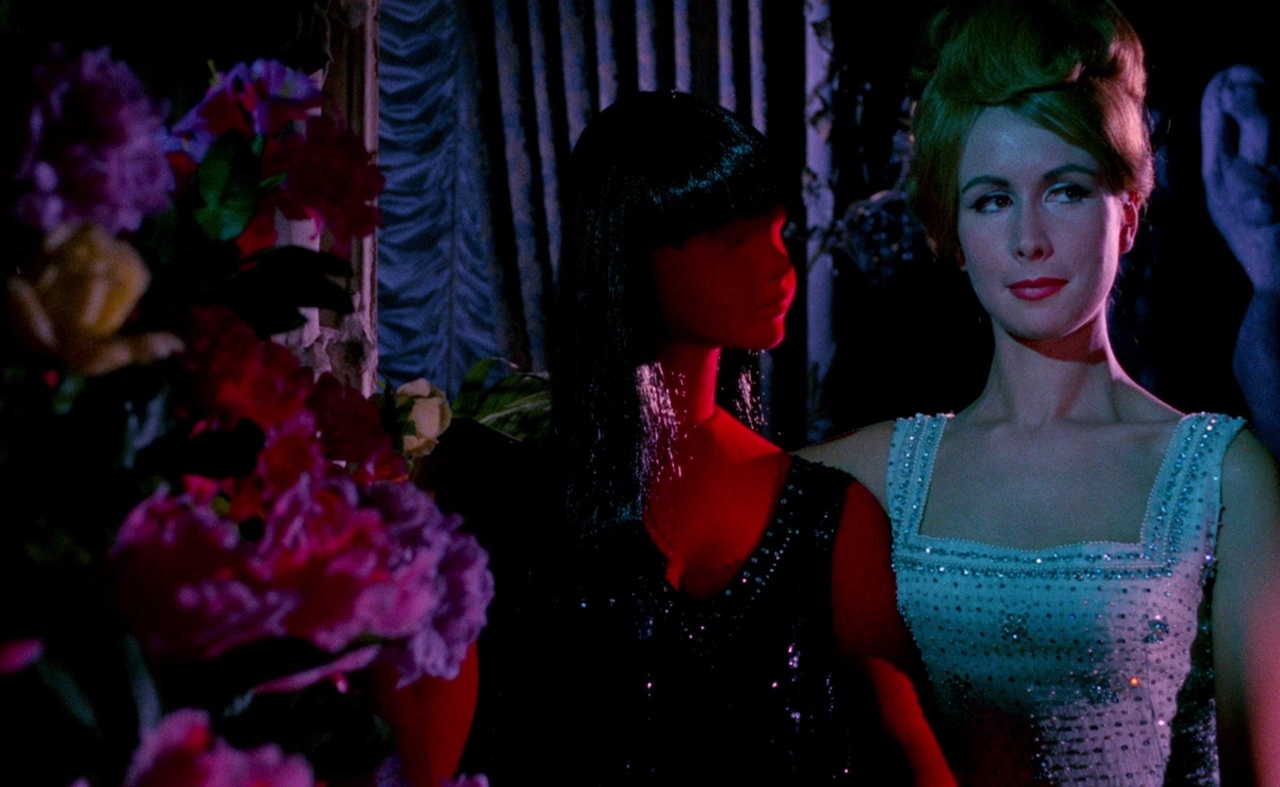
Bava helped define the genre with Blood and Black Lace (1964, Galatea Film), set in a fashion house where models are killed one by one. The film introduced many stylistic features that became central to giallo: colored lighting, killer POV shots, and over-the-top, elaborate murder scenes. – Read more about Mario Bava’s influence on Italian horror.
Dario Argento
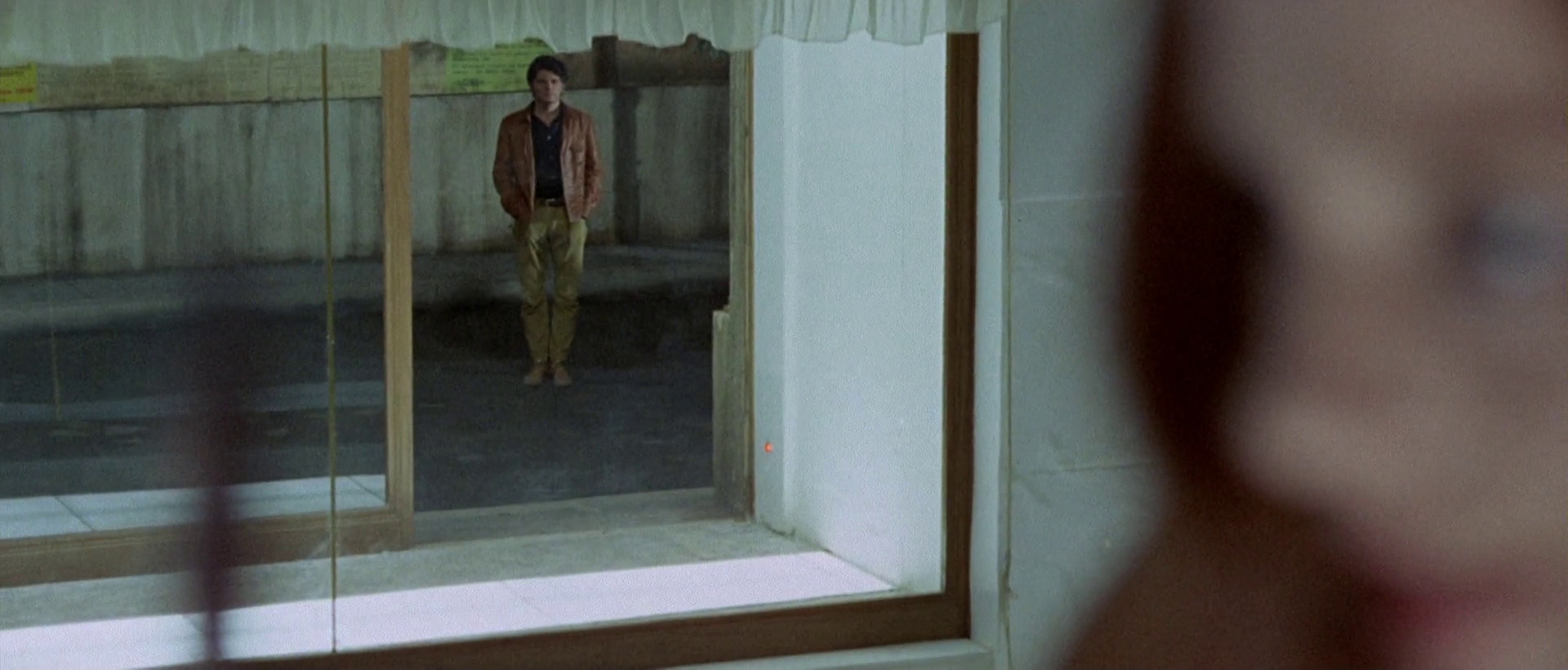
Argento brought giallo to international audiences. The Bird with the Crystal Plumage (1970, Titanus) features an American writer who becomes obsessed with solving a murder he only half witnessed.
Deep Red (1975, Rizzoli Film) pushes the genre’s visuals further, with bright reds, fast zooms, extreme close-ups, and surreal flashbacks.
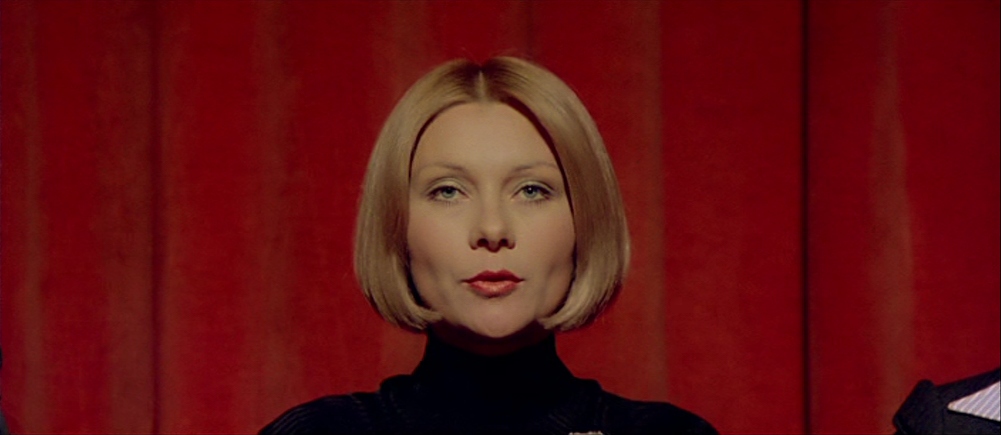
Lucio Fulci and Sergio Martino
Fulci’s Don’t Torture a Duckling (1972, Medusa Film) set giallo in a rural village, combining religious themes with social commentary.
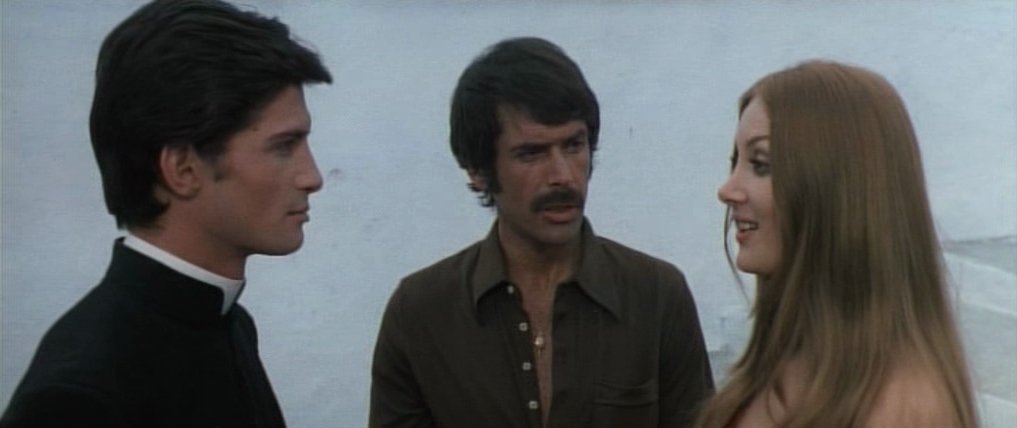
Martino blended eroticism and suspense in The Strange Vice of Mrs. Wardh (1971, Dania Film), where past trauma and sexual intrigue drive the plot.
How Giallo Differs from American Slashers
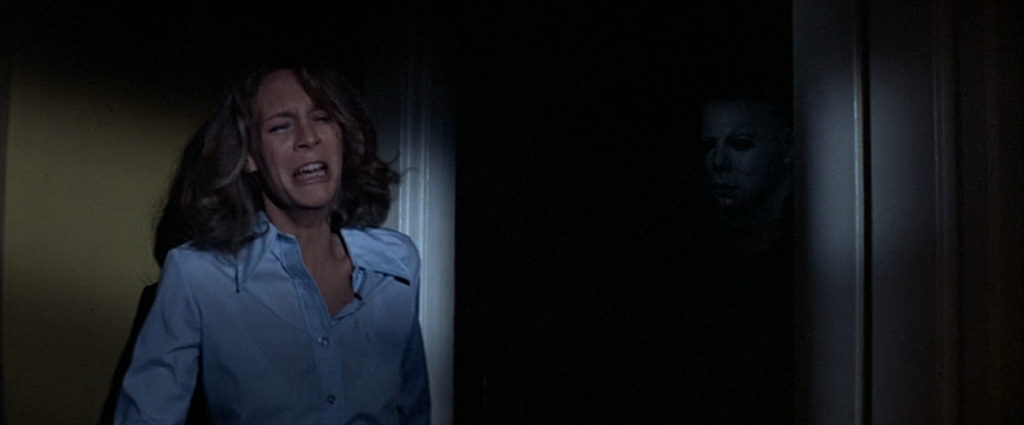
Giallo films came before slasher films like Halloween (1978, Compass International). Both use masked killers and suspense, but giallo focuses more on mystery. Viewers are asked to solve the case alongside the protagonist.
Slashers often show the killer from the start and focus on body count. Giallo also uses more experimental visuals and themes tied to psychology and memory.
See an excellent list of essential slasher movies.
Giallo Homages and Neo-Giallo Films
While the golden age of giallo peaked in the 1970s, its influence continues in modern thrillers and horror. Some directors borrow the genre’s visual style, while others build entire films around its narrative structure or mood.
Brian De Palma’s Dressed to Kill (1980, Filmways) uses many giallo techniques, including killer POV shots, red lighting, and false leads.

More recently, directors like Nicolas Winding Refn and Edgar Wright have drawn from giallo’s bold color palettes and stylized suspense. Fun fact: Refn is colorblind, which is one reason he uses such contrasty, saturated color palettes. When you’re color blind, you have difficulty separating hues (basic color) and tints (a light version of a color). I prefer stark contrasty colors myself, due to this.
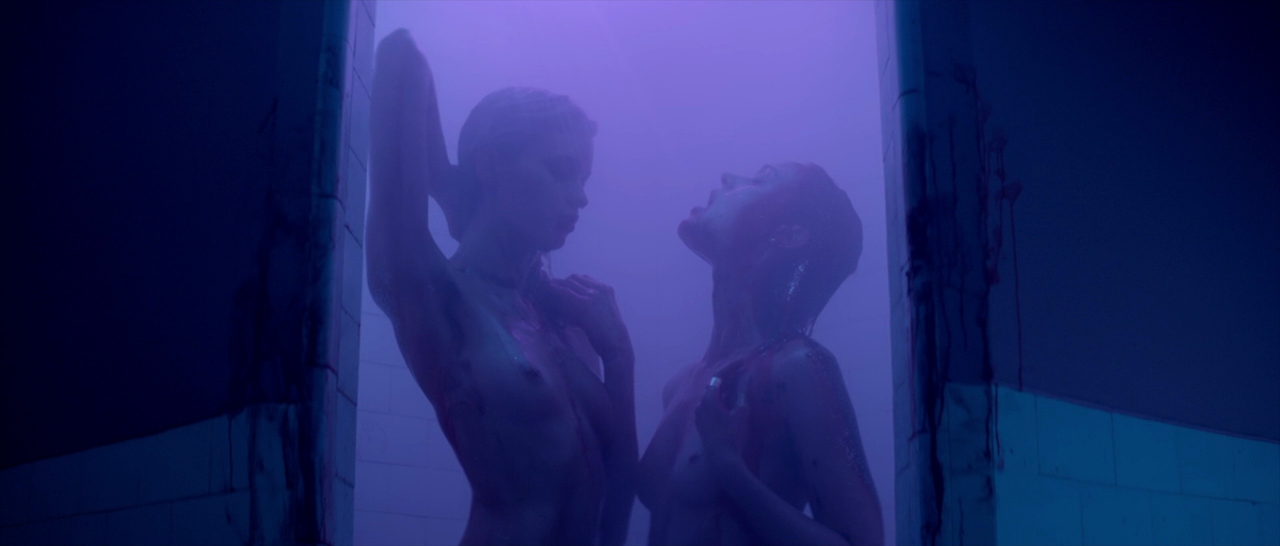
The Neon Demon (2016, Amazon Studios) and Last Night in Soho (2021, Focus Features) both explore obsession and identity through saturated visuals and dreamlike pacing.

Other films work as direct homages. The Strange Color of Your Body’s Tears (2013, Anonymes Films) recreates the genre’s fragmented structure, erotic tension, and explicit violence with modern techniques.

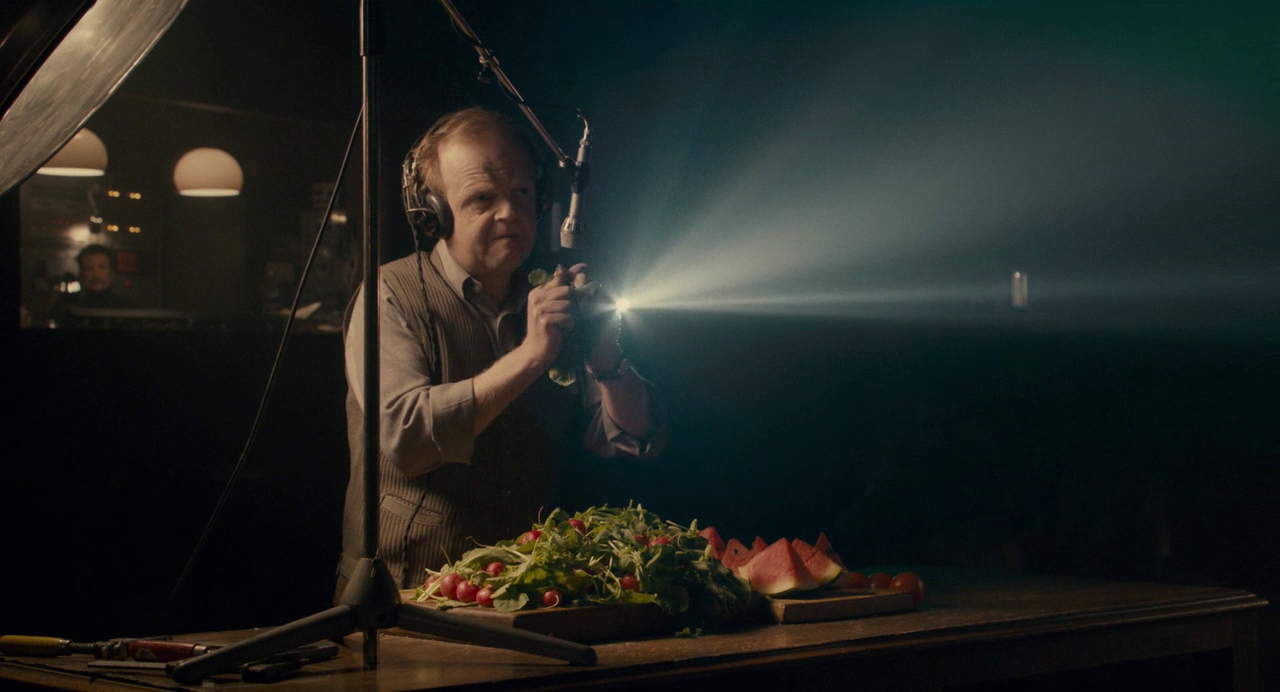
Berberian Sound Studio (2012, Warp X) takes a different approach. It follows a sound engineer working on a fictional 1970s Italian horror film, using disorientation and audio design to mirror giallo’s psychological tone.
Summing Up
Giallo films mix murder mystery with horror and a surreal style. They rely on color, music, and visual storytelling to create tension. With roots in crime fiction and a legacy that still shapes modern thrillers, giallo remains one of Italy’s most original contributions to film history.
Read Next: Curious how visual styles define film genres?
Explore our breakdown of Genre & Visual Style to see how movements like naturalism, noir, and surrealism shape what we watch.
Looking for the big picture? Visit our Film History, Theory & Genre page to connect techniques with the eras and ideas that shaped them.
