

Published: January 19, 2026 | Last Updated: July 3, 2026

What is a mystery movie? Definition & Meaning
A mystery movie is a film where the main story engine is solving a central question through an investigation that reveals clues over time; it is not simply a film with secrets, vague information, or a surprise ending, and it is not automatically a thriller, horror film, or crime drama unless the story is structured around collecting evidence, testing explanations, and reaching an answer.
What makes a movie a mystery
A mystery is easiest to identify by watching how the film expects you to engage with the story. A true mystery repeatedly invites you to form a theory, test it against new information, and adjust your thinking as evidence accumulates.
- A central question stays active in scene goals, dialogue, and discoveries rather than fading into the background.
- An investigation path drives progress, where each scene produces a lead, such as a name, object, timeline detail, or contradiction that causes the next action.
- Clues and red herrings change suspicion by altering motive, opportunity, or means rather than relying on confusion or surprise alone (see red herring meaning and examples).
- A reveal explains how the key clues connect and resolves the main question, even if emotional or moral consequences remain unsettled.
See a curated list of the best mystery movies of all time.
What a mystery movie is not
Many films feel mysterious because they delay information or hint at hidden truths. That alone does not make them mysteries. A mystery gives you evidence you can track, while a secret-driven film mainly asks you to wait for disclosure. Mislabeling often happens in marketing and casual reviews, especially across overlapping subgenres and hybrids.
Mystery vs. thriller
A thriller creates tension by emphasizing danger, time pressure, and the risk of harm. A mystery creates curiosity by feeding you evidence that changes your best explanation of what already happened. The film may still be tense, but the forward motion comes from deduction rather than pursuit. For clearer boundaries, compare this with FilmDaft’s breakdown of horror vs. thriller.
Mystery vs. crime movie
A crime movie can focus on committing the crime, planning it, escaping consequences, or dealing with fallout. A mystery focuses on collecting, testing, and interpreting evidence. Crime describes subject matter. Mystery describes how the story unfolds.
Mystery vs. twist ending
A twist can appear in any genre. A mystery plants clues that make the solution logical on rewatch. If the ending depends on facts the film hid even when the viewpoint would logically allow them to be shown, the reveal risks feeling unearned. For craft terminology, see plot twist definition and types and the broader category of plot devices.
How mysteries work on the page and on screen
When you write or shoot a mystery, you control what the audience knows at each moment and decide when new evidence enters the story. The craft depends less on secrecy and more on showing information in a deliberate order so you can suspect the wrong explanation for solid reasons before the answer lands.
The fair-clue contract
A mystery makes a promise that you can try to solve it. The film can mislead you with plausible false leads, but it should not hide basic physical facts that the viewpoint character could clearly observe. A simple check helps here: once you know the solution, earlier scenes should still play honestly rather than feeling rewritten by the ending.
Investigation as the story engine
A mystery-structured film keeps moving because investigative choices create consequences. Each lead either opens a new direction or closes one possibility, which forces the next decision. If you remove the investigation and the story barely changes, the film likely relies on another genre engine.
Why clues must be readable
A clue only functions as a clue if you notice it, understand why it matters, and remember it later. Production design, blocking, sound, and editing decide whether a detail stands out as evidence or disappears into background texture. This is where Chekhov’s Gun becomes practical, since it helps you judge whether a highlighted detail earns attention through payoff.
Scene-anchored examples of mystery structure
Examples work best when they connect genre theory to specific actions on screen. Each of the following films uses scenes to introduce evidence, create contradictions, and then reinterpret earlier details.
Chinatown (1974, Paramount)
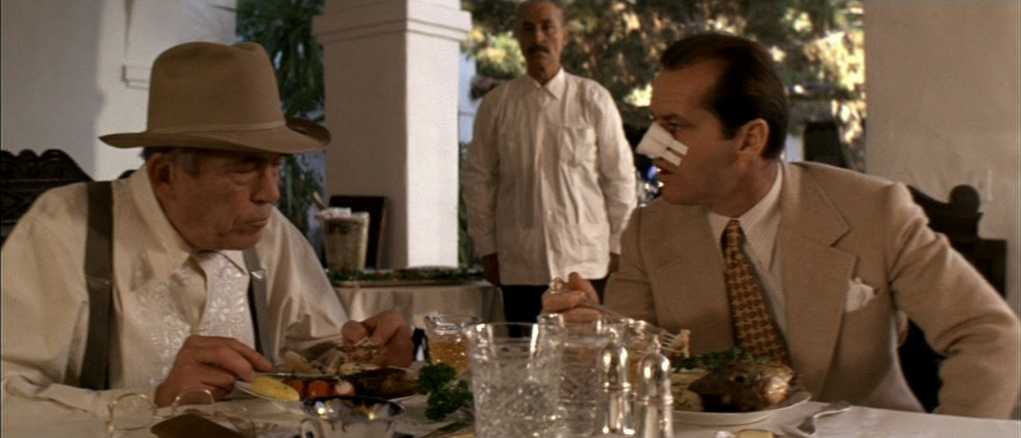
The mystery in this classic neo-noir movie advances through follow-the-lead investigation. Jake Gittes tails a subject, photographs a meeting, and later discovers that official records and personal identities do not match what he assumed. Paperwork, photographs, and short confrontations each change his understanding of the case, showing how small factual corrections can redirect the entire investigation.
Knives Out (2019, Lionsgate)
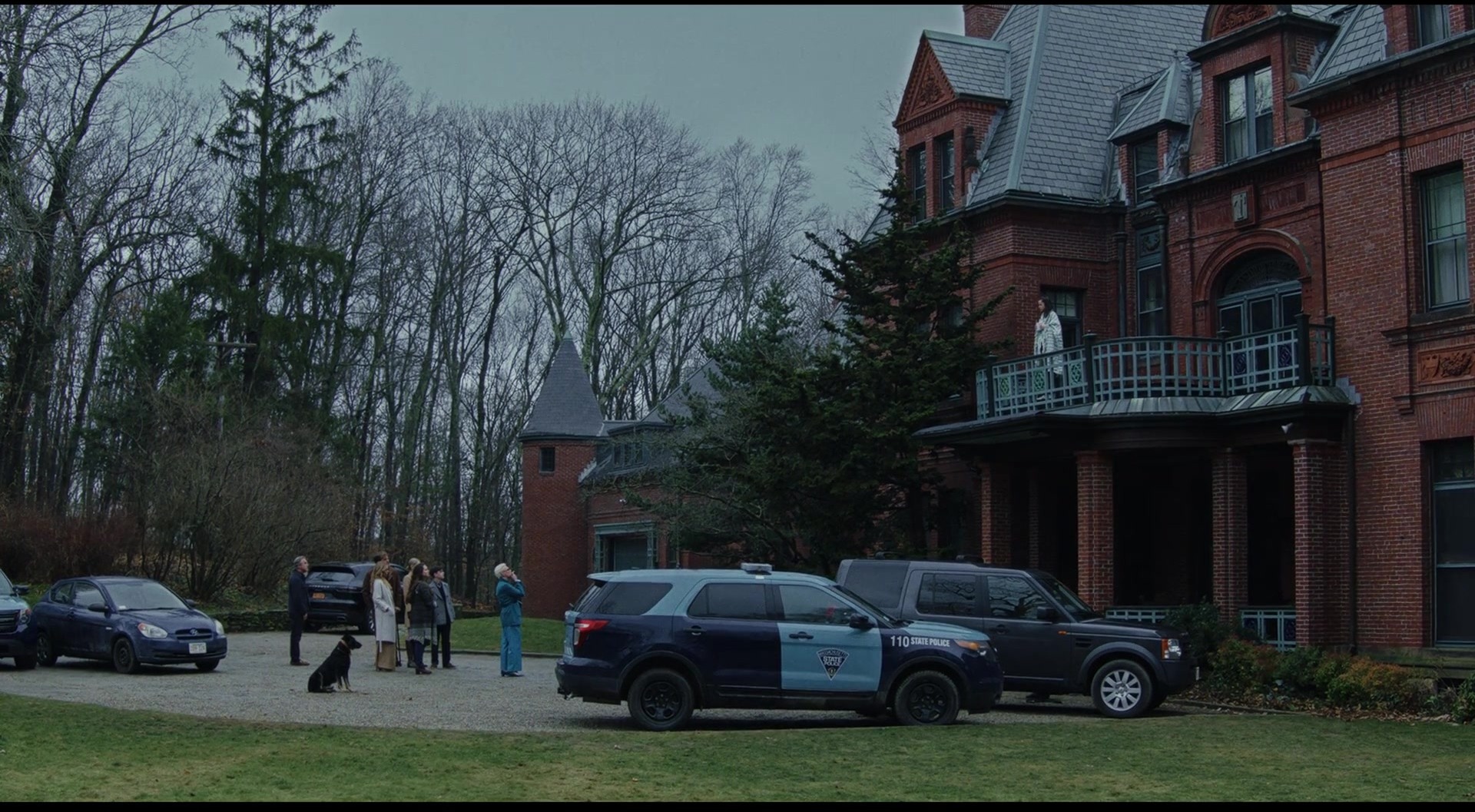
The film presents an early version of events, then keeps the mystery alive by shifting the question toward how the plan functioned and who manipulated the evidence. Medication timing, character movements, and conflicting statements become proof that supports one explanation while undermining another. Interviews matter because they generate contradictions you can track.
The Silence of the Lambs (1991, Orion)
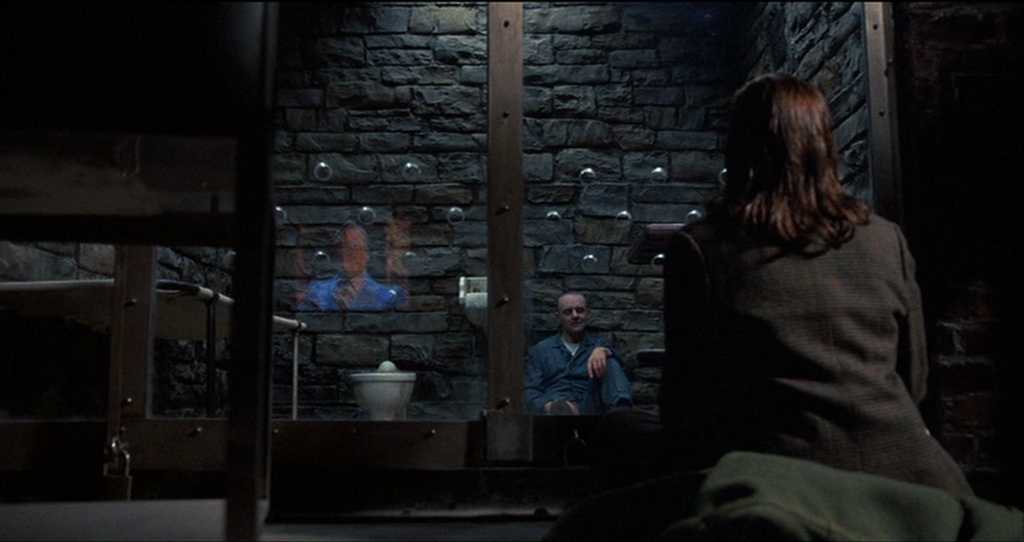
Often discussed as a thriller, the film also relies on investigation-and-clue structure. Clarice Starling studies case files, moves into field work, and links physical evidence to a narrowing suspect profile. The tension remains high, but progress comes from procedural steps that advance the central question. For related terminology, see suspense in film.
Zodiac (2007, Paramount)
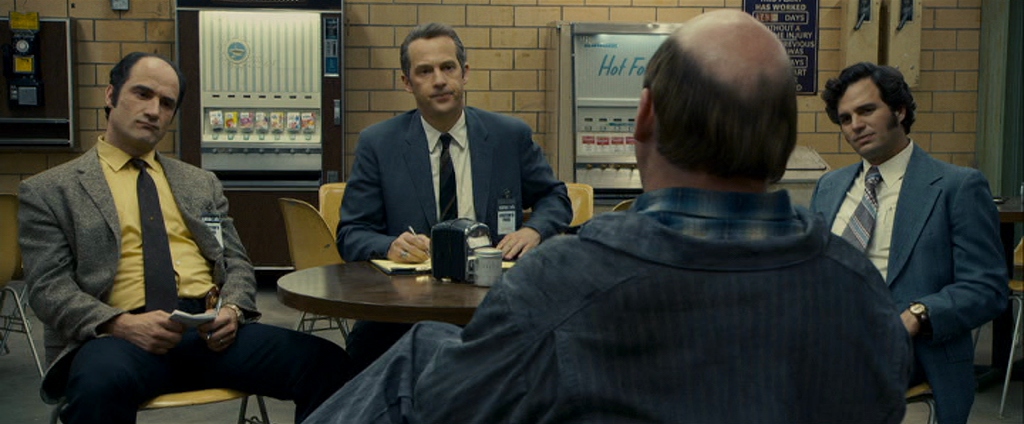
The investigation unfolds as a study in evidentiary limits. Letters, fingerprints, eyewitness accounts, and timelines fail to align cleanly, causing suspects to rise and fall without final proof. This shows a boundary of the genre: a mystery can remain unresolved if the film stays honest about what the evidence can and cannot support.
How to build a mystery you can shoot and edit
Mystery structures can break during production because a missing insert, a changed line, or a reordered scene can erase a clue or reveal the answer too early. A clear workflow helps preserve the logic from script through final cut.
- Write the solution first. State the exact truth in one paragraph, including timeline, method, motive, and opportunity.
- Build a clue ladder. Arrange evidence so each step reveals only what is needed next, such as a receipt, a timeline contradiction, a missing object, or a witness detail.
- Design suspects with real alternatives. Give each plausible suspect motive, access, and evidence that appears convincing until disproven.
- Control information by viewpoint. Decide what the camera can show without giving the audience knowledge the viewpoint character would not have.
- Test the solve. Ask a reader to guess the solution at multiple points and note where confusion or frustration replaces deduction.
If you use AI during development, treat it as a checker rather than a decider. AI can list alternate explanations for each clue or flag timeline contradictions, but it can also invent connections that sound convincing without being supported by the script. A safer approach is to provide your clue list and ask the tool to identify gaps you then verify yourself. FilmDaft covers these limits in AI for Screenwriting: What It’s Good For (And What It Isn’t), AI script analysis and coverage-style feedback, and the broader overview Artificial Intelligence in Filmmaking: A Practical Guide and Overview.
Common misunderstandings and mislabels
The term “mystery” is often used as a mood label rather than a structural one. Clear genre language helps when writing pitches, notes, or coverage.
- An unknown backstory creates a mystery. A hidden past adds intrigue, but without investigation and clue progression, it does not form a mystery plot.
- Confusion equals mystery. Complexity differs from solvable structure. A mystery guides you through evidence even when details are dense.
- Chase tension defines mystery. When danger and pursuit outweigh deduction, thriller is usually the better label.
- Crime automatically means mystery. Crime supplies content, while mystery supplies method.
When mystery adds value and when it does not
Mystery is a tool that can organize information by revealing one fact at a time. It can also work against your goals if the film aims for mood, character study, or pure suspense rather than deduction.
Good reasons to choose mystery structure
Mystery fits when you want the audience to compare possibilities actively and when you need scene goals that stay concrete through evidence gathering.
When another structure may fit better
If fear, adrenaline, or survival pressure are your priorities, a thriller or horror structure may serve you better. If the focus is social realism around crime, a drama-first approach may align more honestly with the material.
Practical checks for drafts and the final cut
You can catch most mystery problems with quick logic checks. The aim is not to remove ambiguity, but to keep the clue trail readable and the solution supported.
- Clue visibility check: Can you spot each key clue on first watch and recall it minutes later?
- Cause-and-effect check: After each discovery, can you point to the next decision it forces?
- Red herring check: Do false leads make sense inside the story world rather than existing only to delay answers?
- Reveal check: Does the ending reframe earlier scenes using information that was already present?
If your ending relies on a late reveal, it helps to separate answering the mystery from wrapping up character arcs. FilmDaft’s explanation of resolution in film can clarify this distinction.
Summing Up
A mystery movie is defined by a central question and a clue-driven investigation that invites you to track evidence and revise your suspicions. It is not a synonym for crime, thriller, twist endings, or confusion. Mystery works when clues are readable, investigative choices create clear cause and effect, and the reveal is supported by what the film has shown all along.
Mystery Movie FAQ
What is a mystery movie?
A genre built around solving a puzzle or crime. A detective or ordinary character follows clues — and past red herrings — to uncover the truth, keeping the audience guessing until the reveal.
What is a whodunit?
A mystery whose central question is “who did it?” The film plays fair, showing the audience the same clues as the detective so they can try to solve it first. Knives Out and Murder on the Orient Express are classic whodunits.
What is a red herring?
A false clue planted to mislead the audience and keep them guessing. Good mysteries balance real clues with red herrings so the solution feels both surprising and fair.
What is the difference between a mystery and a thriller?
A mystery is about uncovering what already happened — a hidden truth or culprit — while a thriller is about the tension of what might happen next. Many films blend both.
What are examples of mystery movies?
Chinatown, Knives Out, Se7en, Zodiac, and Rear Window are strong examples across the genre, from film noir to modern whodunits.
Read Next: Curious how visual styles define film genres?
Explore our breakdown of Genre & Visual Style to see how movements like naturalism, noir, and surrealism shape what we watch.
Looking for the big picture? Visit our Film History, Theory & Genre page to connect techniques with the eras and ideas that shaped them.
