

Published: January 20, 2026 | Last Updated: June 22, 2026

A mystery movie is a feature film where the main tension comes from missing information, and where scenes are built around clues, suspicion, and discovery.
Mystery movies work best when they give you a fair trail of clues, then pressure you to decide what they mean. This list is built to help you choose what to watch, and to show you exactly why each pick belongs here.
What “best” means in this article
“Best” can mean popularity, awards, influence, or pure craft. This article uses a mix, so you get picks that hold up on screen and still matter in film culture.
“Best” means the films that combine checkable craft, long-term influence, and strong rewatch value.
Criteria: screenwriting structure, clue placement, scene design, performances, directing choices, editing clarity, critical reception, and lasting audience legacy.
Boundaries: feature films only, global picks included, and a wide spread of eras; many picks are mystery-thrillers because the mystery engine stays central.
This list does not try to cover every important mystery film, and it does not rank by box office, awards, or “most famous” alone.
How the titles were chosen
A “best-of” list only works if the reasoning stays consistent. These picks come from a wide shortlist, then are filtered through the same checks.
First check: each film needed at least one specific craft reason you can spot, like how it hides a clue in blocking or how it uses editing to control what you know.
Second check: each film needed a clear legacy, which can influence later films, strong long-term critical standing, or sustained audience attention over time.
Edge cases stayed in only when the mystery engine is central. Some great crime films did not make it because the core drive is action or character tragedy, not discovery.
How the list is structured
This is a curated set grouped by viewing fit. You can pick a category based on mood, pace, and how “puzzle-heavy” you want the movie to be.
Whodunits you can watch like a game
These films give you a clear suspect set and a clue trail you can follow. They are great when you want the pleasure of solving, guessing, and comparing theories with friends.
Clue (1985, Paramount)
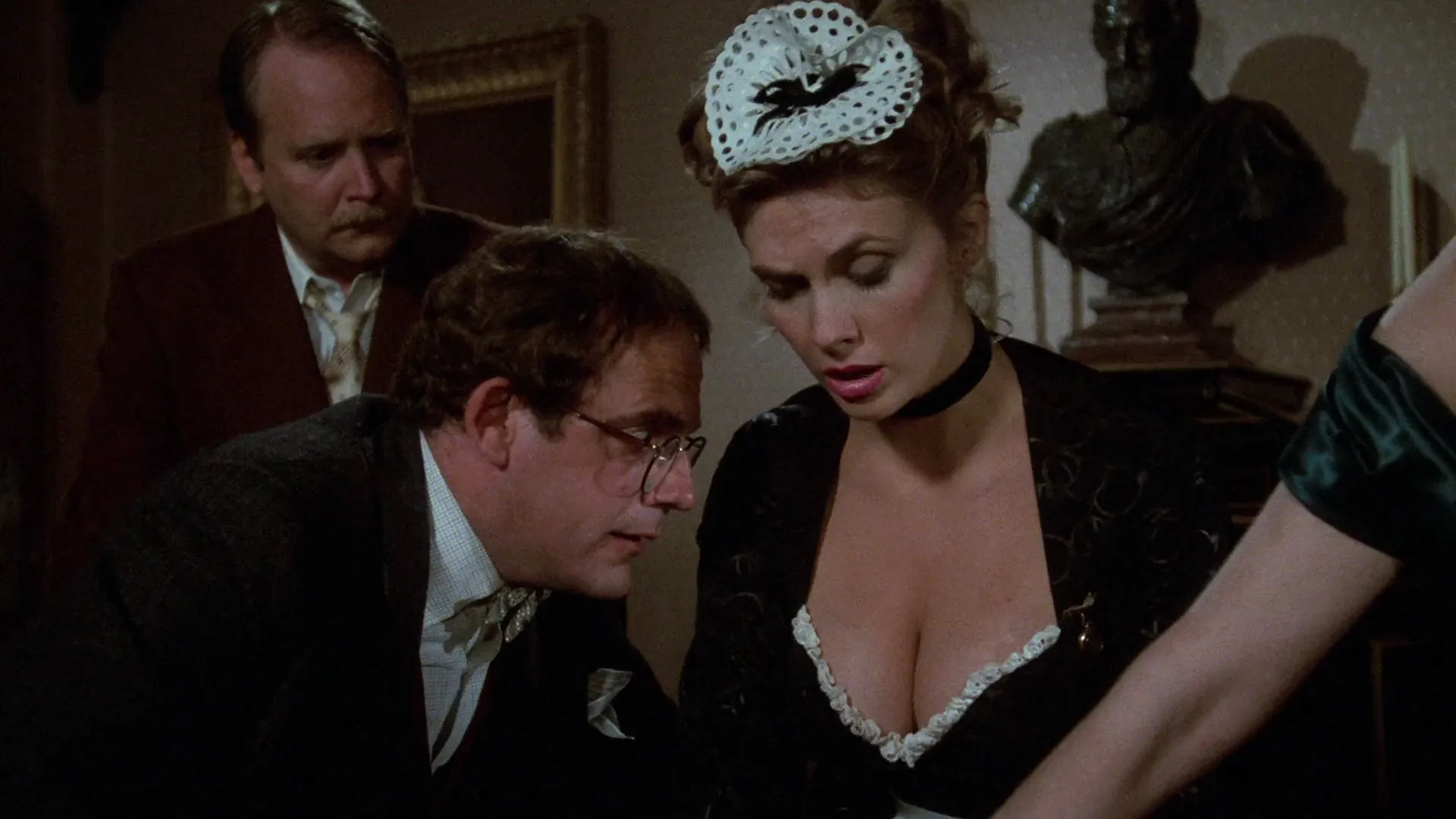
Why it’s here: It proves a comedy can still run on clean clue mechanics, especially through staging and timing.
What to notice: Watch the door and hallway traffic. Many clues come from who enters late and who leaves early. Notice how the film cuts to reactions right when a joke lands, since the reaction often points at the real suspect logic.
Who it is for: You want a fast, silly watch where the mystery plays like a stage farce.
Limitation: If you want serious character realism, this will feel cartoonish.
The Thin Man (1934, MGM)
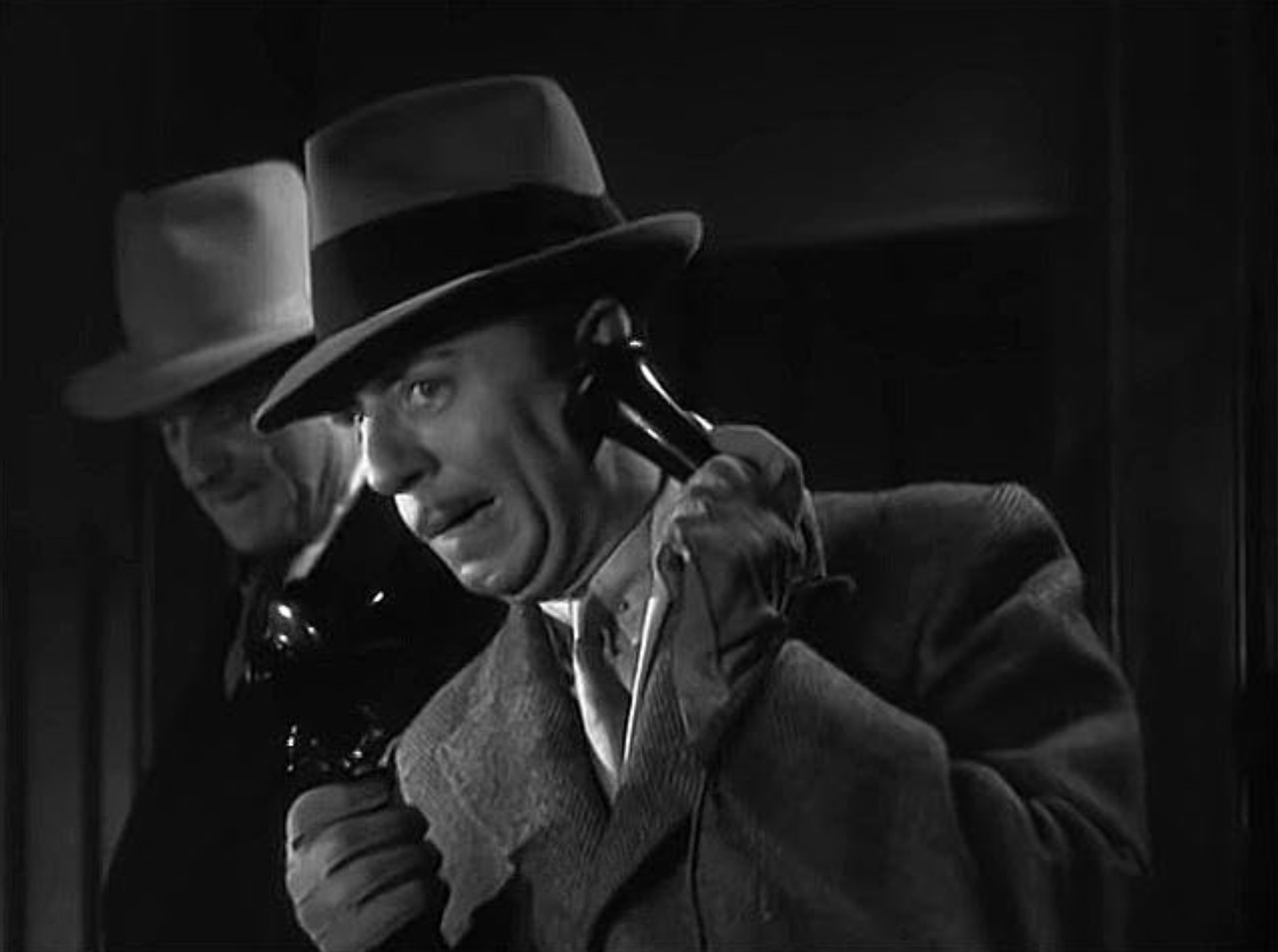
Why it’s here: It mixes a clean whodunit spine with comedy, and it still plays fair with clues.
What to notice: Watch how Nick asks questions in party scenes. Key facts drop as jokes or casual lines. Track who he corners when he suddenly changes the topic.
Who it is for: You want a lighter classic with fast dialogue, low gore, and a brisk pace.
Limitation: The 1930s style can feel stagey, and some social attitudes reflect the era.
The Lady Vanishes (1938, Gainsborough Pictures)
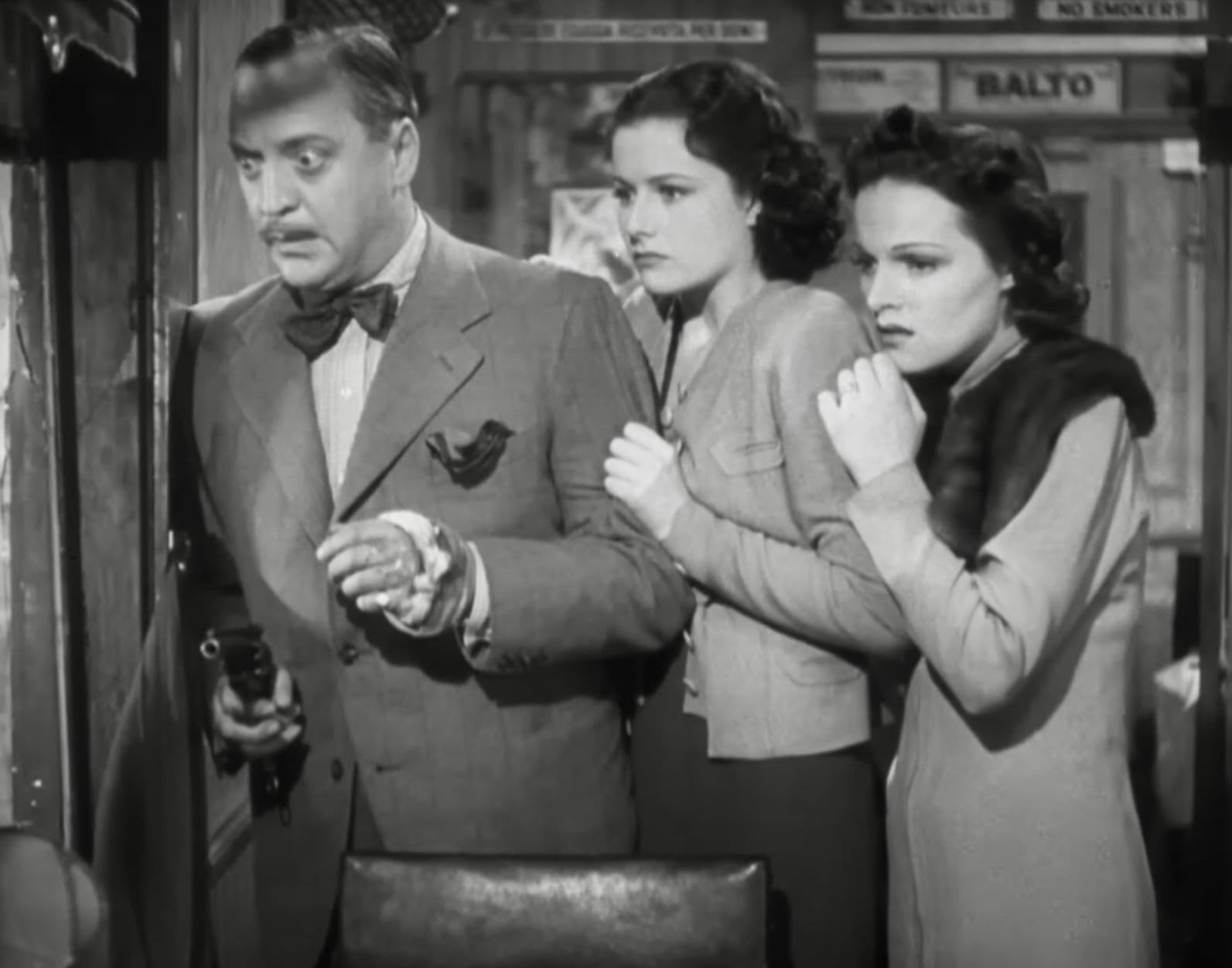
Why it’s here: It turns a simple question into a rolling suspect machine, and it keeps the logic clear inside a crowded setting.
What to notice: Watch the train layout repeat. The film returns to the same compartment doors and corridor views so you can test who could see Iris with Miss Froy. Notice how group “denials” block Iris from checking the obvious places.
Who it is for: You want a classic with charm, mild danger, and a strong “where did she go” hook.
Limitation: Some plot turns rely on period logic more than realism.
Murder on the Orient Express (1974, Paramount)
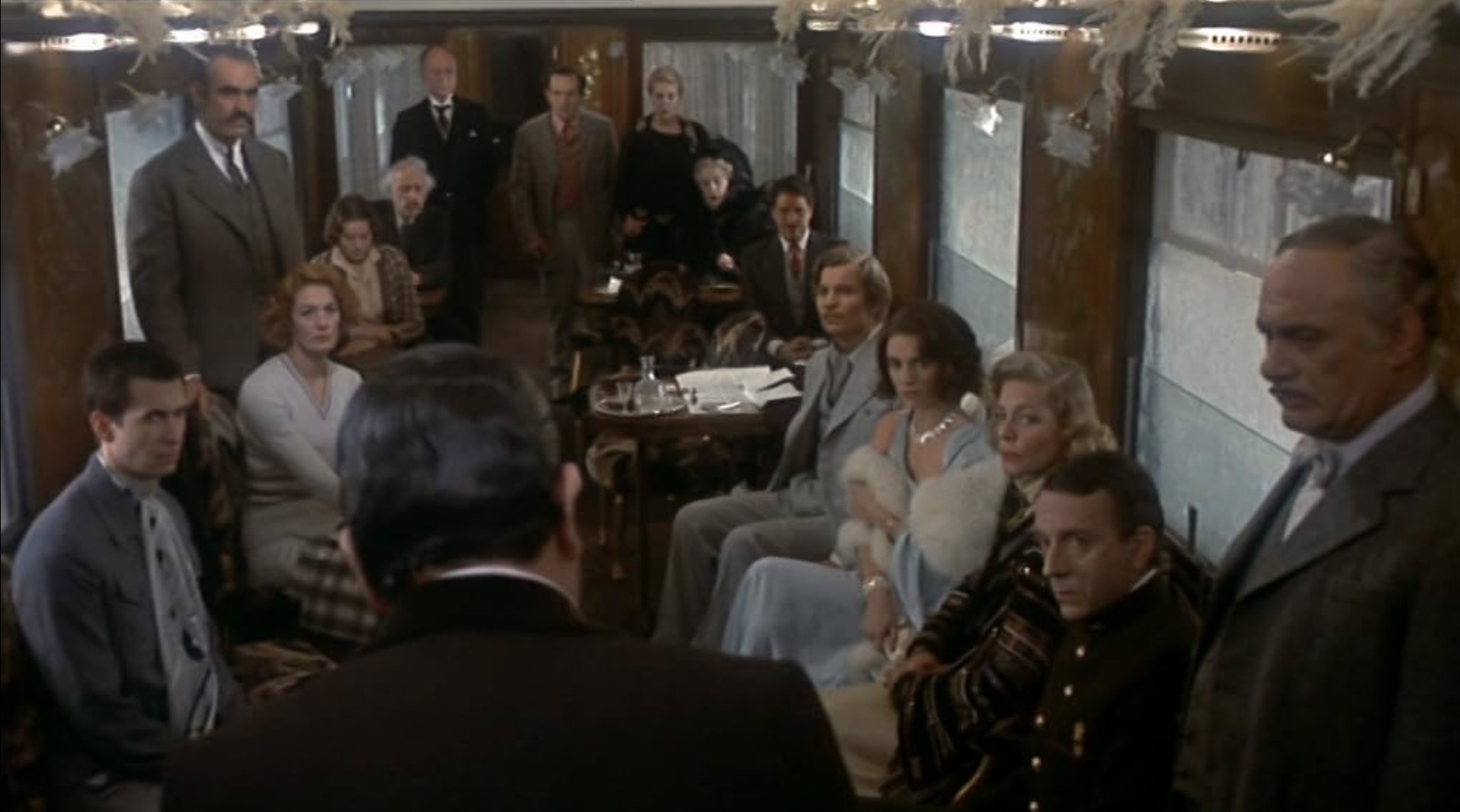
Why it’s here: It is a prime example of the “everyone has a secret” structure, and each interview scene has a clear job.
What to notice: Watch the interview pattern. Poirot asks time and alibi questions in a steady loop. Each suspect scene adds one concrete detail, like a timing gap or a small object.
Who it is for: You like talk-heavy mysteries, ensembles, and a patient pace that lets you think along.
Limitation: The large cast can blur together on a first watch.
Gosford Park (2001, Focus Features)
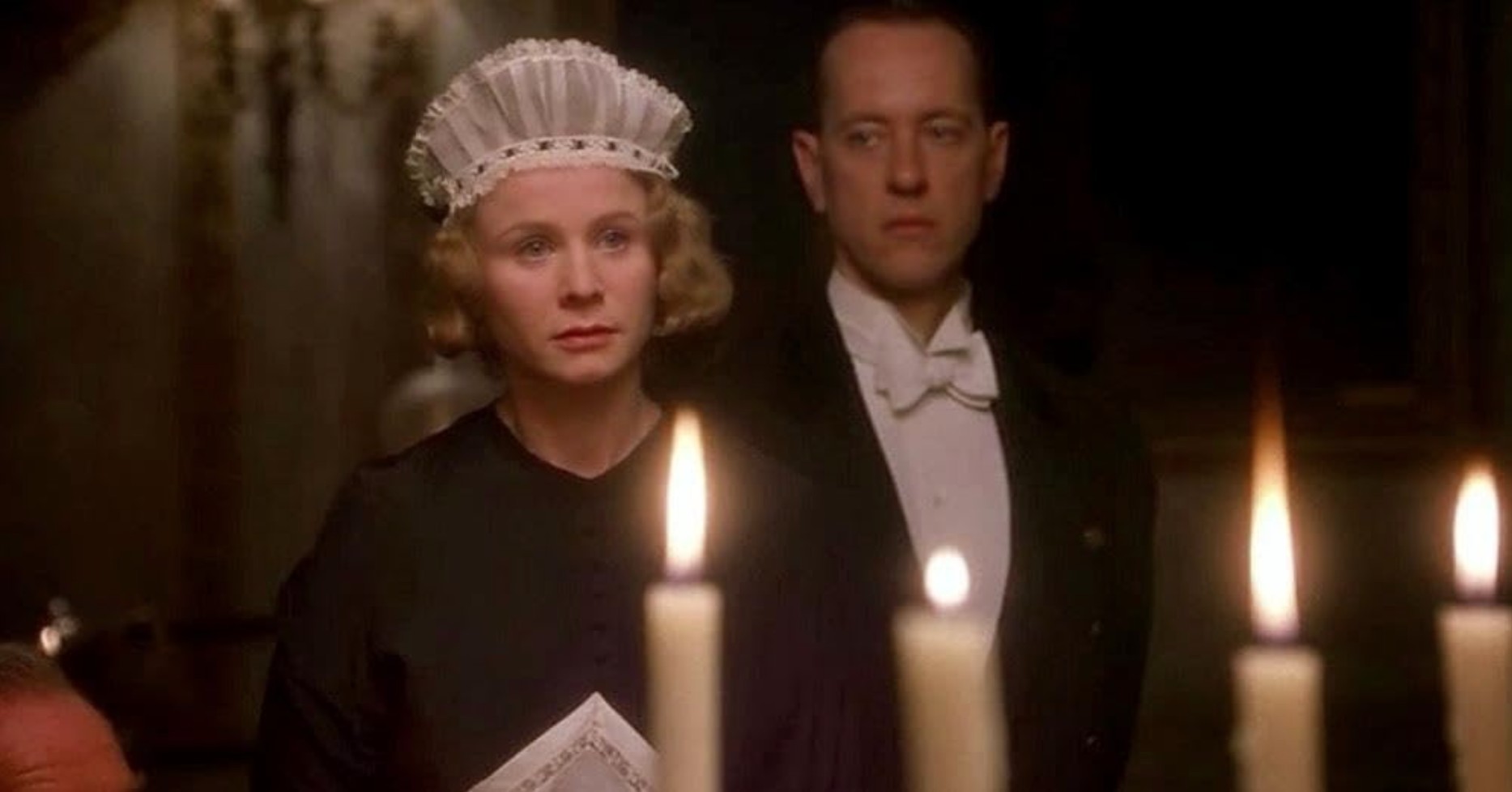
Why it’s here: It shows how class structure can function like a clue system, since status controls what people can say and where they can go.
What to notice: Watch the camera drift through rooms in long takes. Dialogue overlaps in group scenes. A clue often arrives as a half-heard line while the camera moves to the next cluster.
Who it is for: You want a slow, detailed ensemble where the pleasure is watching relationships tighten around a secret.
Limitation: It is dense with names and social rules, so it rewards full attention.
Knives Out (2019, Lionsgate)
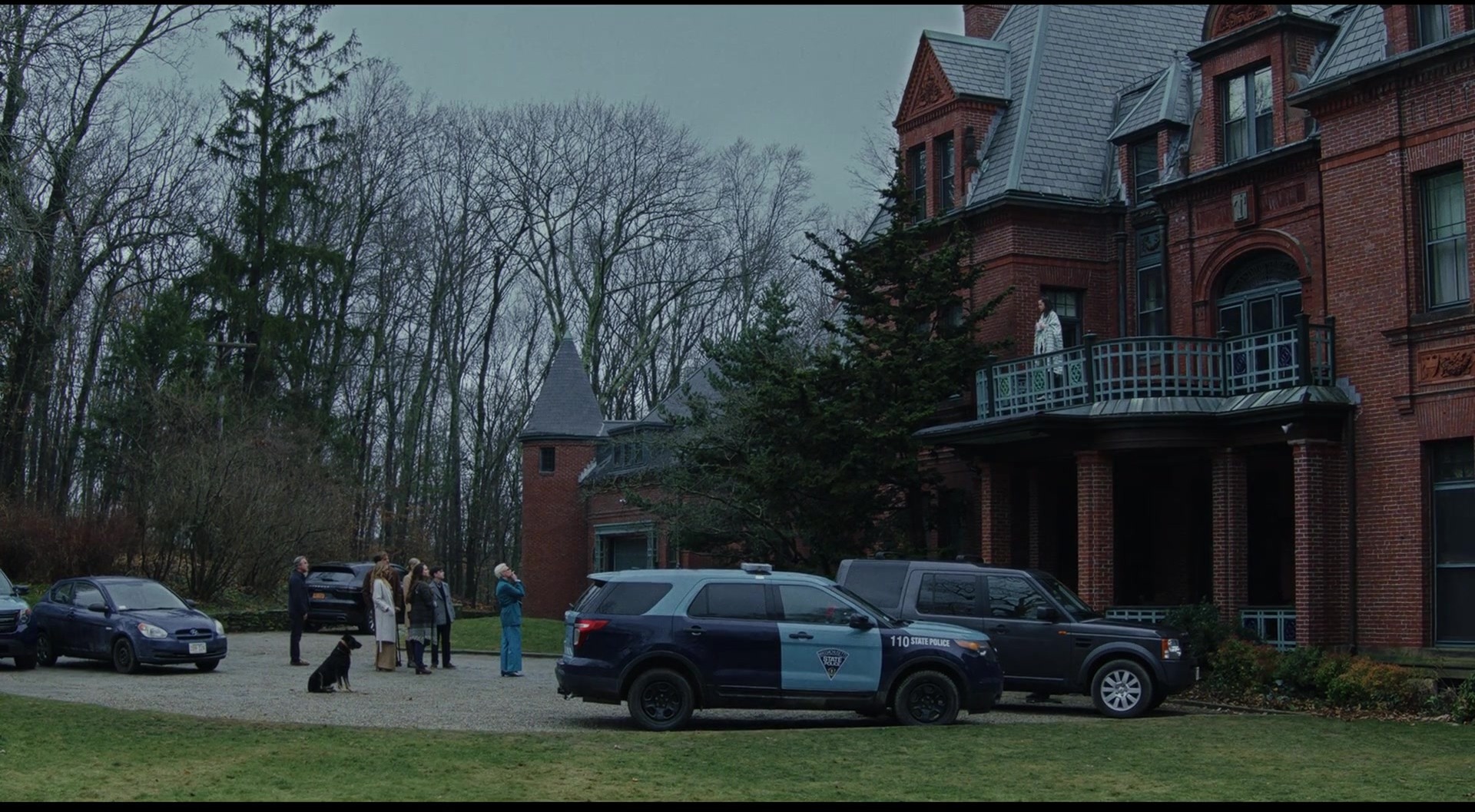
Why it’s here: It is a modern whodunit that stays readable, and it uses family dynamics as evidence.
What to notice: Watch how family arguments get staged as group pictures. Allies stand together, and targets get isolated. Notice how the film keeps framing key props in the house as reminders of danger.
Who it is for: You want a quick, funny mystery with clear scenes and steady reveals.
Limitation: The tone is playful and heightened, so it will not satisfy you if you want gritty realism.
Noir mysteries where every clue has a cost
Film noir and neo-noir movies blend investigation with desire, corruption, and bad choices. The mystery still drives the plot, yet the bigger question becomes what people are willing to do to stay safe or stay in control.
Laura (1944, 20th Century Fox)
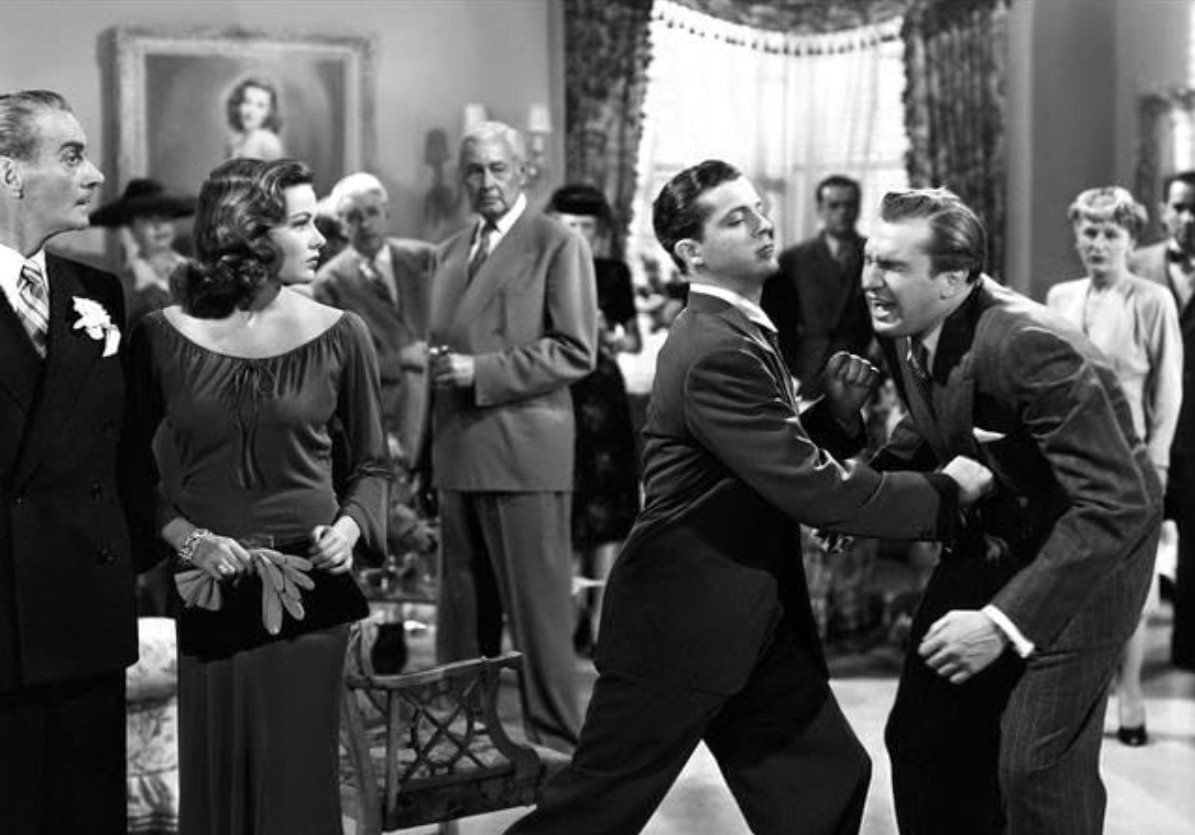
Why it’s here: It turns a dead woman’s image into the case engine, and obsession becomes a form of evidence.
What to notice: Watch how often the camera returns to Laura’s portrait in her apartment. Characters talk about her while the portrait stays in the frame. Notice how the detective lingers in the space after others leave, since that quiet time shifts how you read the case.
Who it is for: You want a stylish classic with romance tension and a focused central question.
Limitation: Some gender dynamics feel dated.
The Maltese Falcon (1941, Warner Bros.)
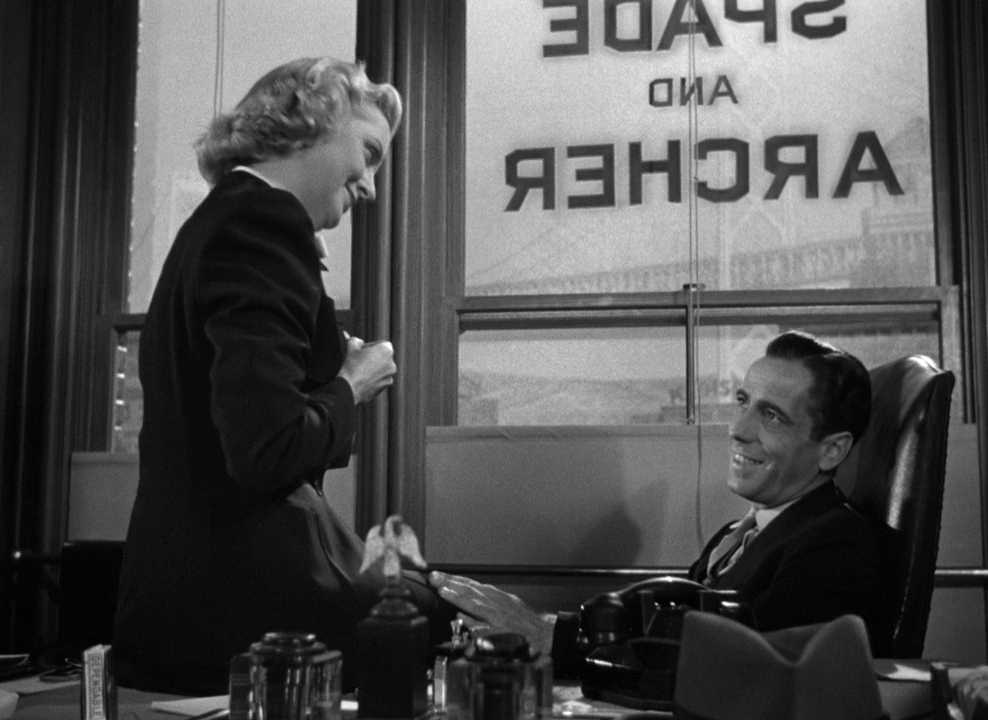
Why it’s here: As one of the best classic film noir movies, The Maltese Falcon is a template for how a mystery can run on lies, negotiation, and shifting power in small rooms.
What to notice: Watch the tight two-person scenes in offices and hotel rooms. The camera holds close during bargaining, and power shifts show in pauses and topic changes. Track who answers directly, and who stalls.
Who it is for: You like tough dialogue, tight scenes, and a classic detective mood.
Limitation: The style is very period-specific, and it can feel talk-heavy.
The Big Sleep (1946, Warner Bros.)
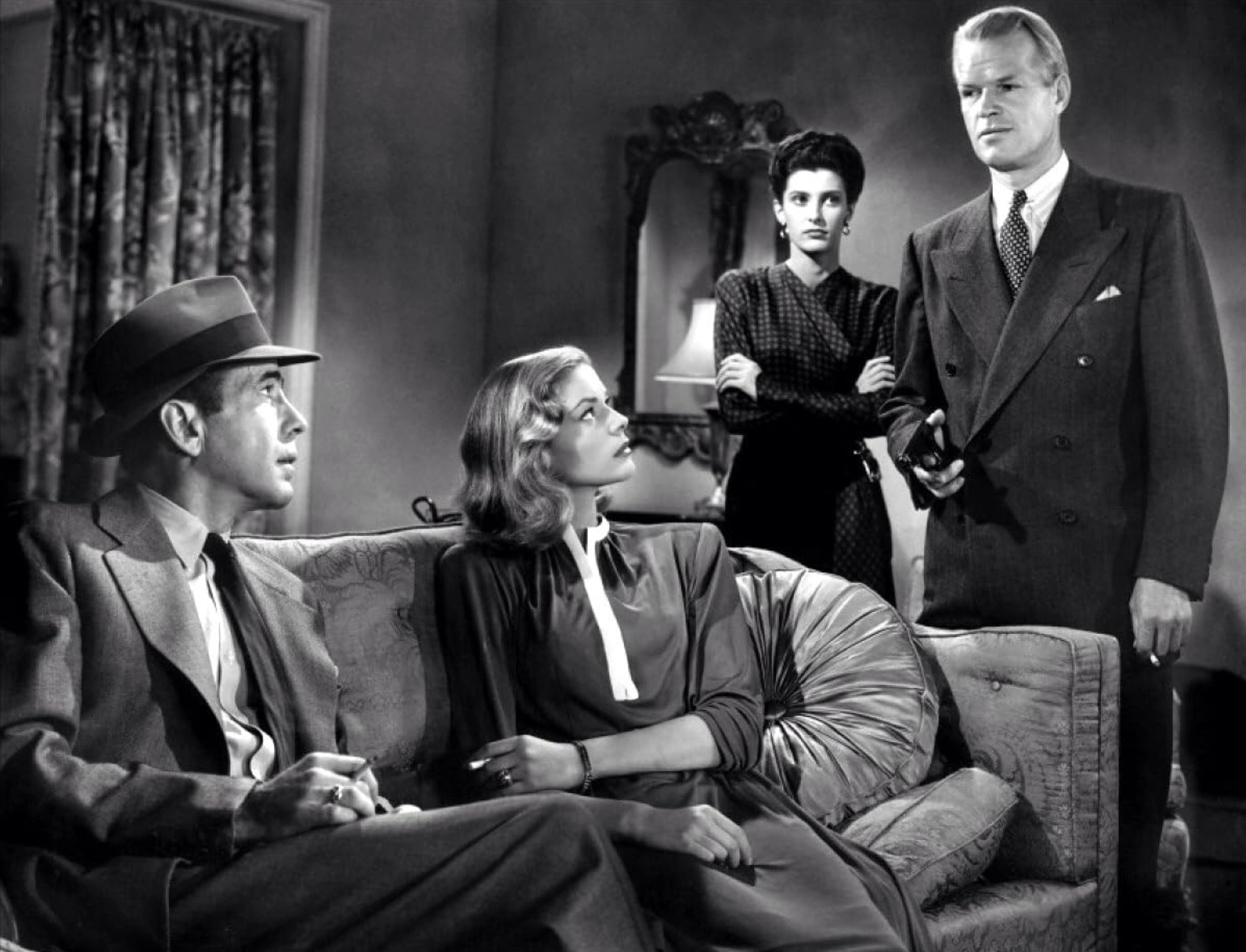
Why it’s here: It shows how a mystery can survive even when the plot turns complex, because the scenes stay sharp and full of tension.
What to notice: Listen for names, addresses, and appointments inside flirt talk. The film drops facts fast. If you miss a line, you miss a clue.
Who it is for: You want hardboiled energy, chemistry, and classic noir atmosphere.
Limitation: The plot can feel tangled, especially on a first watch.
The Third Man (1949, British Lion)
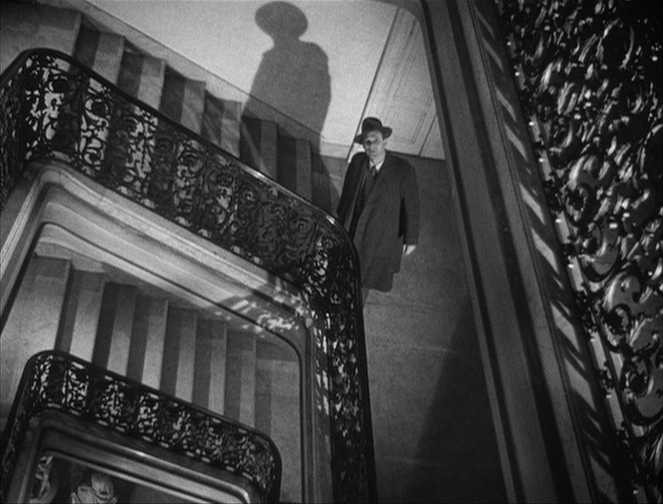
Why it’s here: The setting functions like a suspect, and the film uses visuals to make truth feel unstable.
What to notice: Watch the Dutch angles (canted frames) and the heavy shadows in streets and stairwells. The slanted horizon makes the world feel unstable, so every meeting feels unsafe. The world looks “off,” so every meeting feels unsafe. Notice how the music undercuts comfort, since it can make even calm scenes feel uneasy.
Who it is for: You want moody black-and-white tension and moral ambiguity.
Limitation: The pace is patient, and the tone can feel cold.
Chinatown (1974, Paramount)
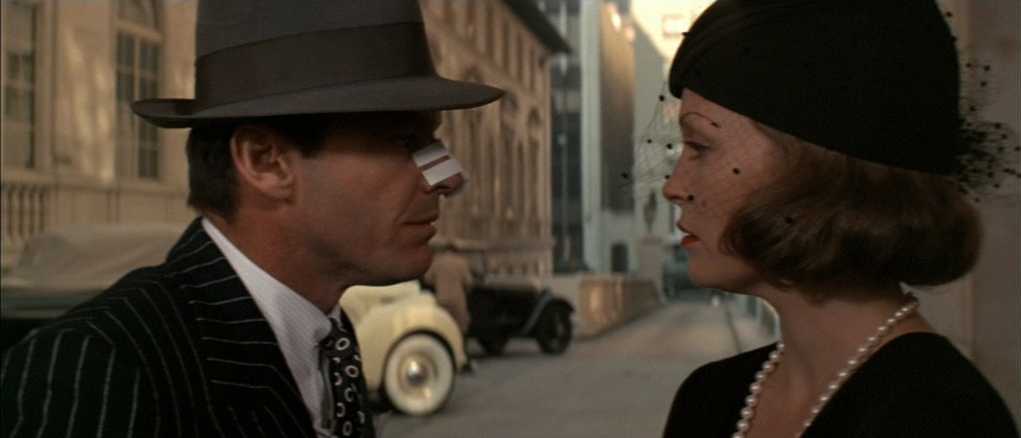
Why it’s here: One of the best neo-noir movies and one of the clearest examples of a case that expands step by step, where each clue widens the world and raises the stakes.
What to notice: Watch how Jake follows physical evidence through photos, meetings, and stakeouts. The film keeps returning to water-related details as the trail widens. Track how each new clue changes what Jake thinks the case is about.
Who it is for: You want a slow-burn mystery with corruption, cynicism, and a serious tone.
Limitation: The subject matter is dark, and the ending can feel brutal.
L.A. Confidential (1997, Warner Bros.)
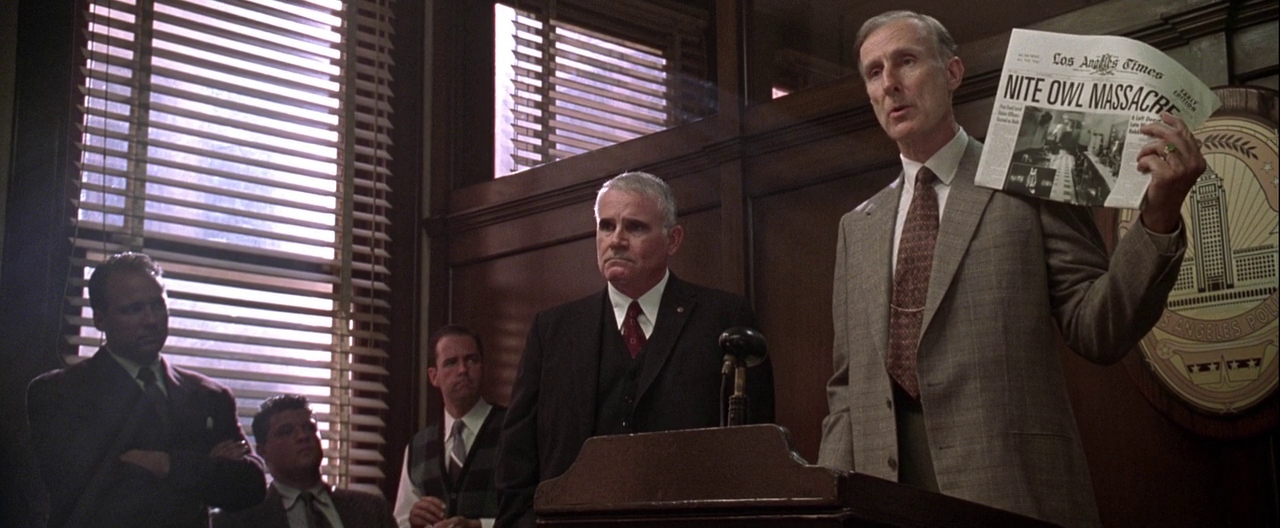
Why it’s here: It juggles multiple investigators without losing clarity, and each character’s method changes how clues get used.
What to notice: Watch how interrogation scenes use barriers and reflections. Glass, mirrors, and room edges divide people in the frame. Notice how the film cross-cuts between leads so the same clue gets handled three different ways.
Who it is for: You want a polished neo-noir with steady momentum and layered reveals.
Limitation: It is dense with names, institutions, and side plots.
Suspense mysteries where seeing is the clue
These films build tension by controlling what you can observe. The mystery comes from viewpoint, distance, and the limits of perception.
Rear Window (1954, Paramount)
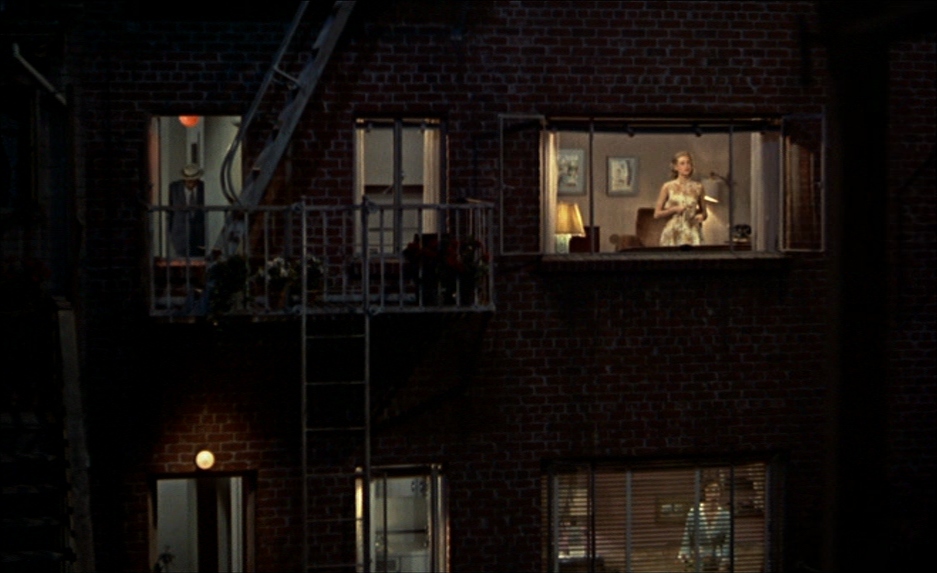
Why it’s here: It is a masterclass in single-location mystery design, where every glance becomes a story beat.
What to notice: Watch the repeat pattern: courtyard POV shot, then Jeff’s reaction, then a return to the same window. The film trains you to compare routines across apartments. Look for small routine changes that create suspicion.
Who it is for: You want tension without gore, and you like clean visual logic.
Limitation: The setup is stylized, and some relationship attitudes reflect older norms.
Vertigo (1958, Paramount)
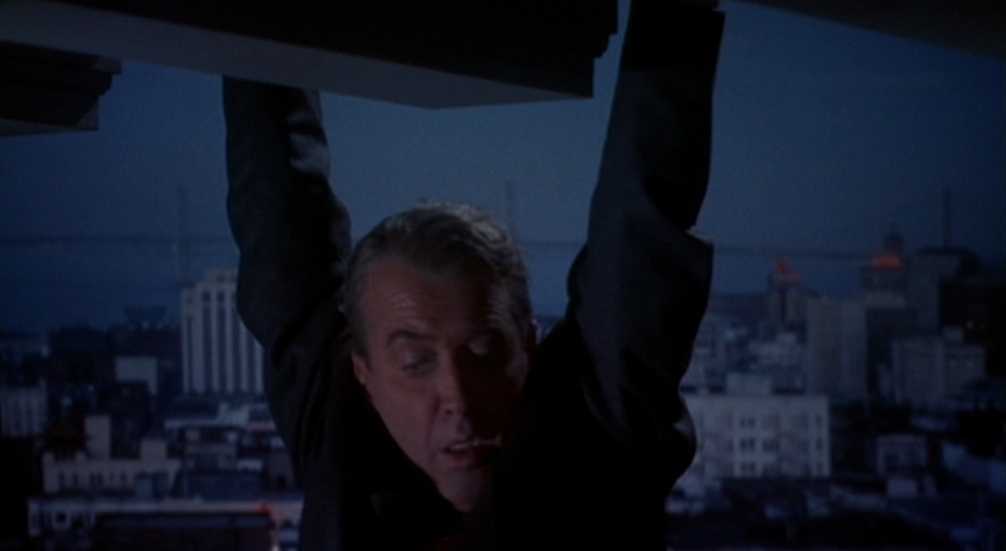
Why it’s here: It turns obsession into a mystery mechanism, and it uses visual patterns as clues.
What to notice: Watch for the dolly zoom during the height and stair moments. The background stretches while the subject stays framed. Notice the recurring green light tied to the obsession thread.
Who it is for: You want mood-heavy suspense and psychological tension.
Limitation: The pacing is deliberate, and the discomfort is part of the design.
Puzzle-box mysteries that bend truth
These films make the mystery harder by reshaping how you receive information. You are not only solving a case. You are also testing your own assumptions about time, memory, and reliability.
Rashomon (1950, Daiei)
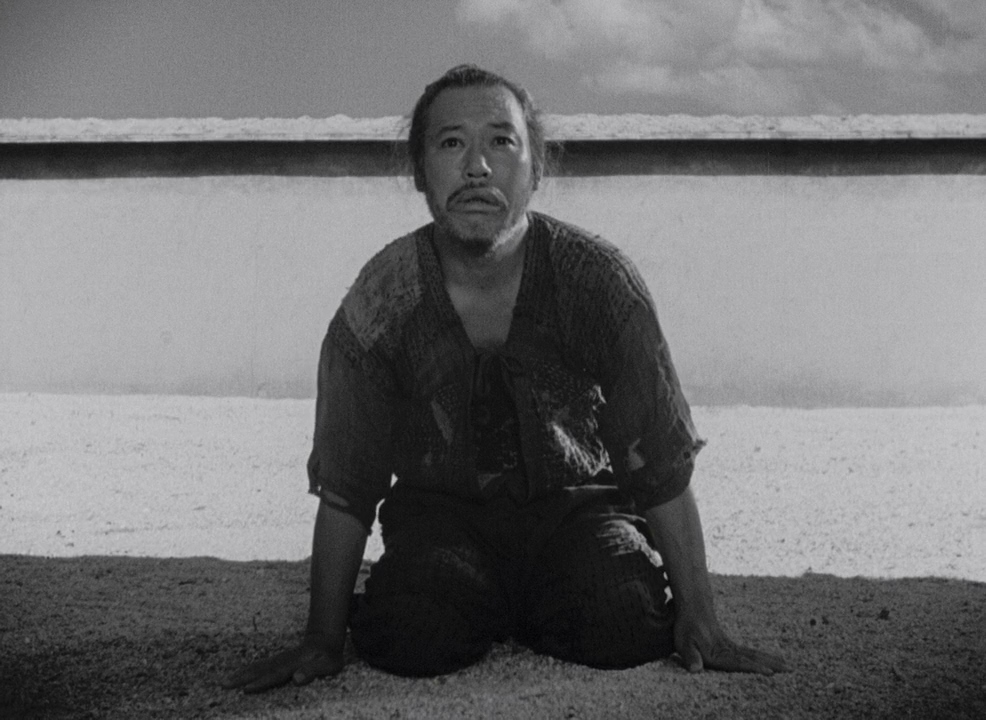
Why it’s here: It makes testimony the puzzle, and it shows how truth changes with perspective.
What to notice: Watch how each testimony version changes framing, tone, and performance. The same event plays with different emphasis each time. Compare what each person claims, then compare what the image actually shows.
Who it is for: You like moral questions and structure-driven cinema.
Limitation: It avoids a neat answer, so it can frustrate you if you want closure.
Les Diaboliques (1955, Cinédis)
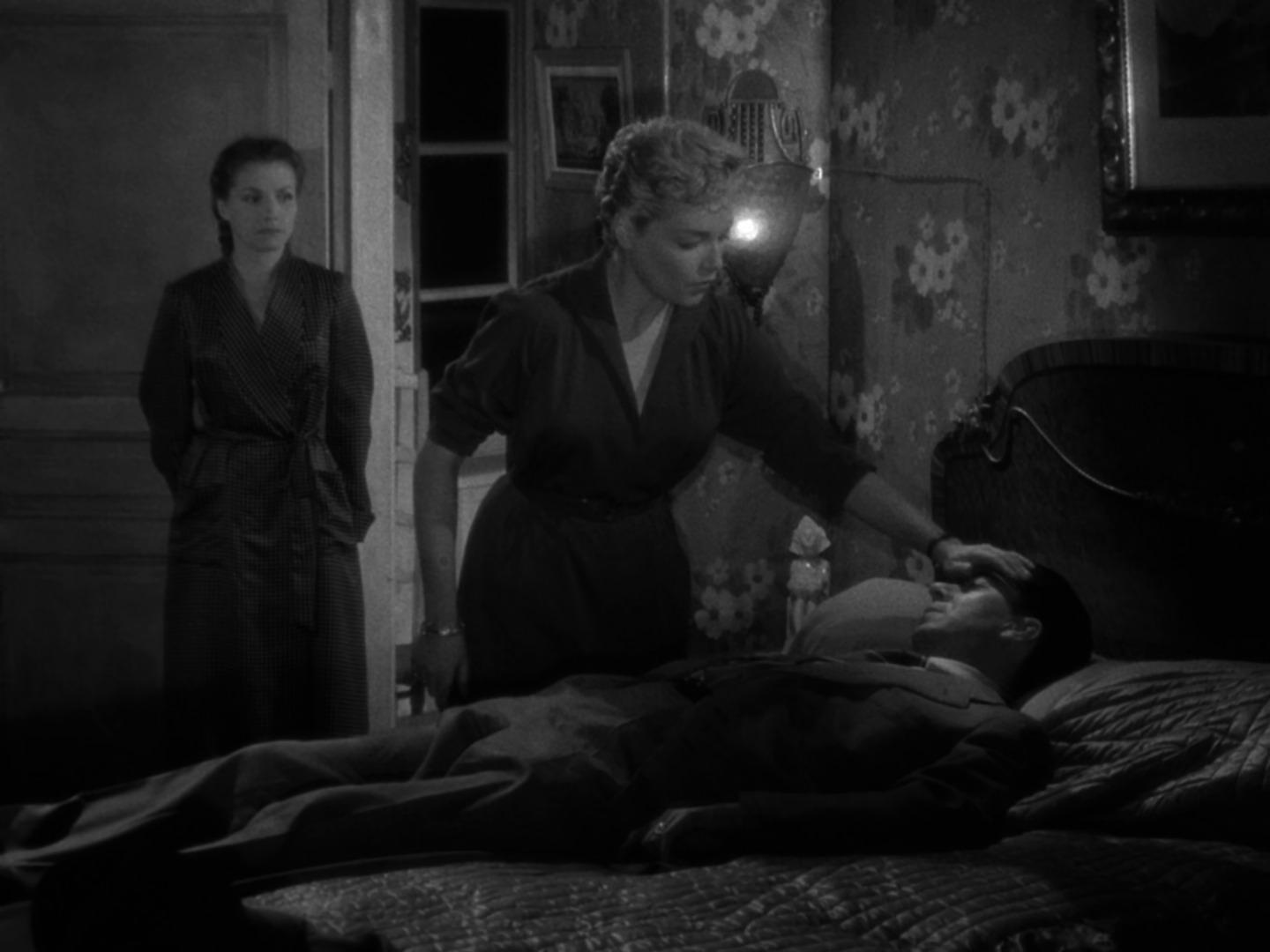
Why it’s here: It uses withholding and timing to turn everyday spaces into threats, and suspense stays tight for long stretches.
What to notice: Watch how suspense builds in ordinary spaces like hallways, stairwells, and bathrooms. The camera holds on doors and corners longer than you expect. Small sounds like steps and water cues land as warning beats.
Who it is for: You want an older European mystery with dread and claustrophobic pressure.
Limitation: The pace is slower than modern thrillers.
Memento (2000, Newmarket)
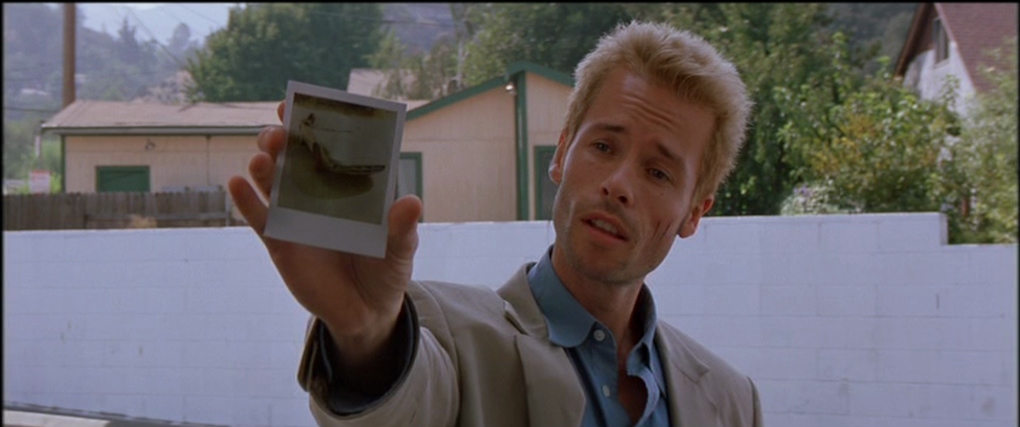
Why it’s here: It makes editing the clue system, so the structure becomes the main investigative tool.
What to notice: Watch the two-track timeline. Black-and-white scenes move forward in time. Color scenes move backward. Notice how each color scene ends where the next one begins.
Who it is for: You want a puzzle that rewards rewatching and careful attention.
Limitation: The structure can feel exhausting if you prefer linear plots.
The Sixth Sense (1999, Buena Vista)
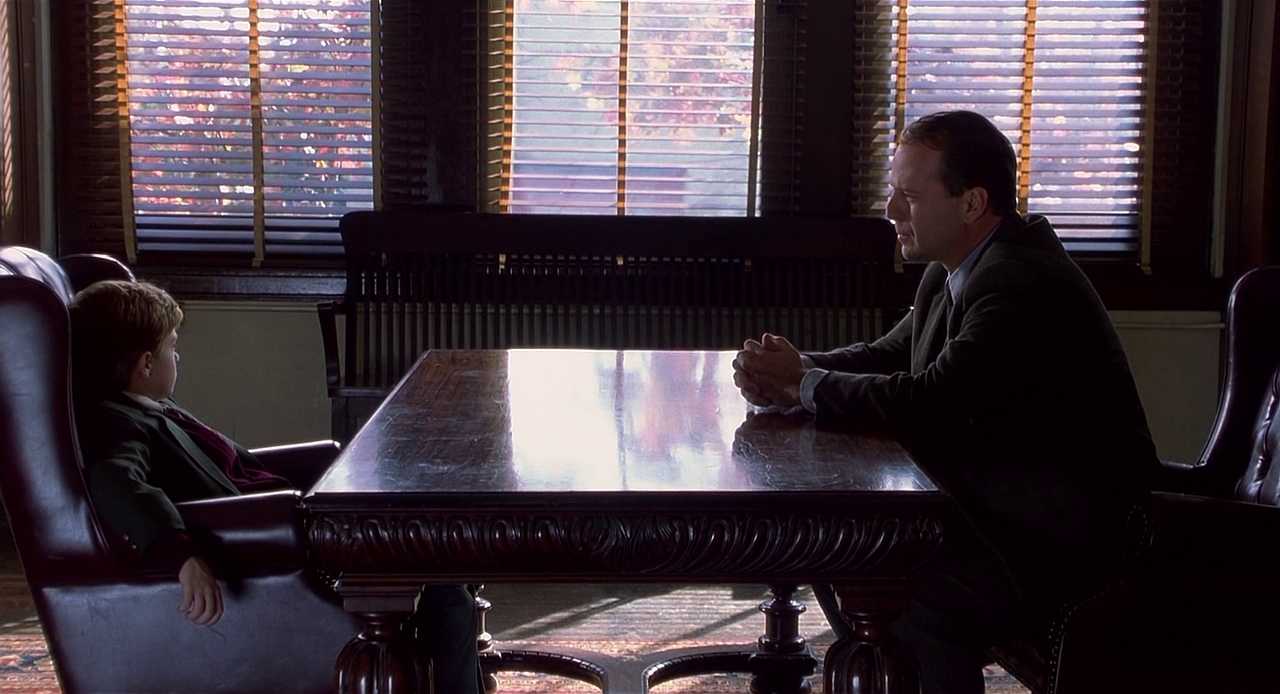
Why it’s here: It hides key information in plain sight, and small routine scenes become clue delivery of one of the biggest plot twists in movie history.
What to notice: Watch for red objects placed in calm, simple frames. Those moments often mark key beats the film wants you to remember. Notice how scenes keep people separated through doorways and room distance.
Who it is for: You want an eerie mystery with strong emotion and a relatively restrained style.
Limitation: If you already know the late-film reveal, the mystery layer feels smaller on rewatch.
The Usual Suspects (1995, Gramercy)
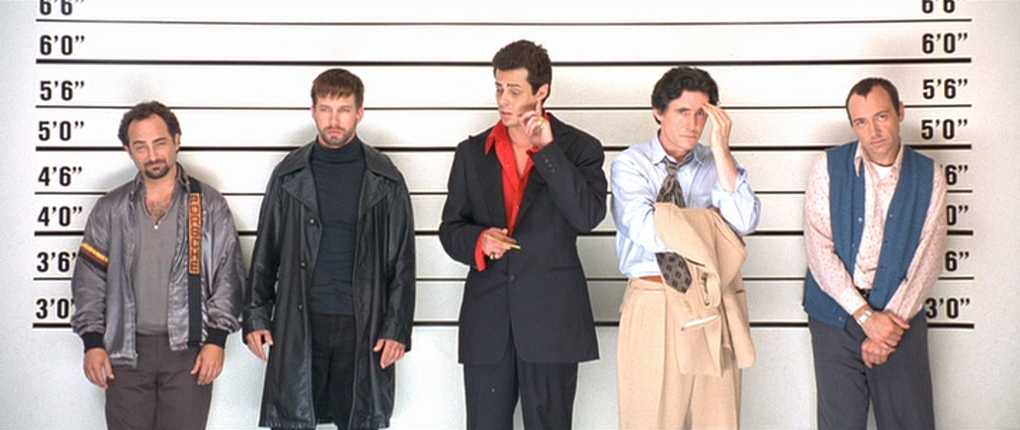
Why it’s here: It builds a mystery out of narration and interrogation, and it forces you to question what a “good story” inside a police room can hide.
What to notice: Watch the interrogation setup. Most of what you see comes from a story told under questioning. Track details that feel too tidy, since that “too clean” feeling is part of the design.
Who it is for: You want a talk-heavy crime mystery with a strong final stretch and a focus on deception.
Limitation: If you prefer character depth over plot design, it may feel like a clever mechanism first.
Shutter Island (2010, Paramount)
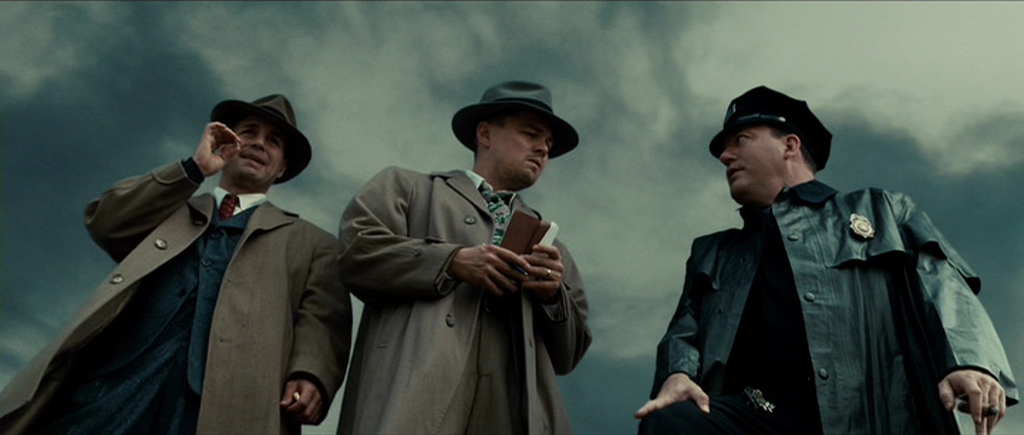
Why it’s here: It uses setting, tone, and uncertainty to keep you doubting what scenes really mean.
What to notice: Watch how dream scenes shift texture and light from the island scenes. The pacing slows, and the images get softer. Notice how storms and water show up at key moments, since they connect to Teddy’s fear and memory.
Who it is for: You want a psychological mystery with dread, strong atmosphere, and a slow reveal curve.
Limitation: It leans into heightened style, so it can feel heavy-handed if you want realism.
Procedural mysteries built on casework
These films focus on process. You watch leads get chased, interviews fail, evidence get reinterpreted, and time grinds people down.
Zodiac (2007, Paramount)
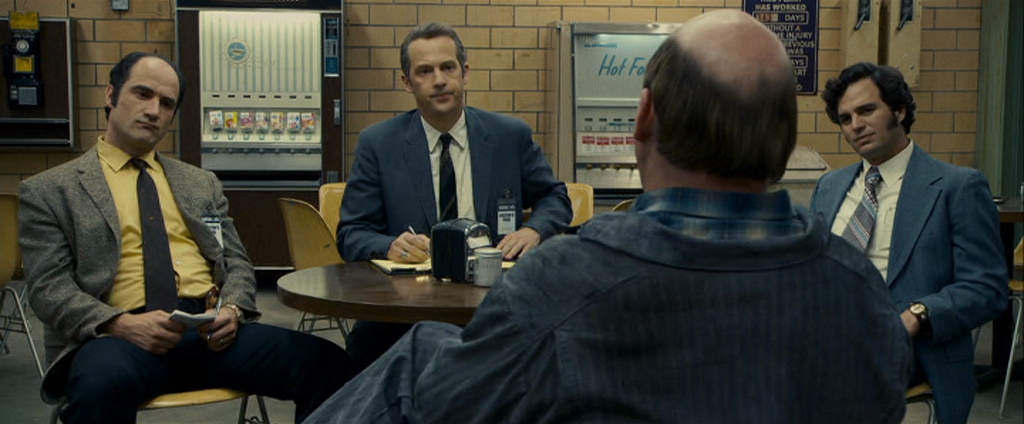
Why it’s here: It respects uncertainty, and it shows how obsession grows when answers keep slipping away.
What to notice: Watch the casework built from files, phone calls, interviews, and visits. The camera stays steady and detached. Time jumps show through routine changes like hair, offices, and work habits.
Who it is for: You want detail, seriousness, and a long investigation rhythm.
Limitation: The runtime is long, and the lack of a clean closure can frustrate you.
Memories of Murder (2003, CJ Entertainment)
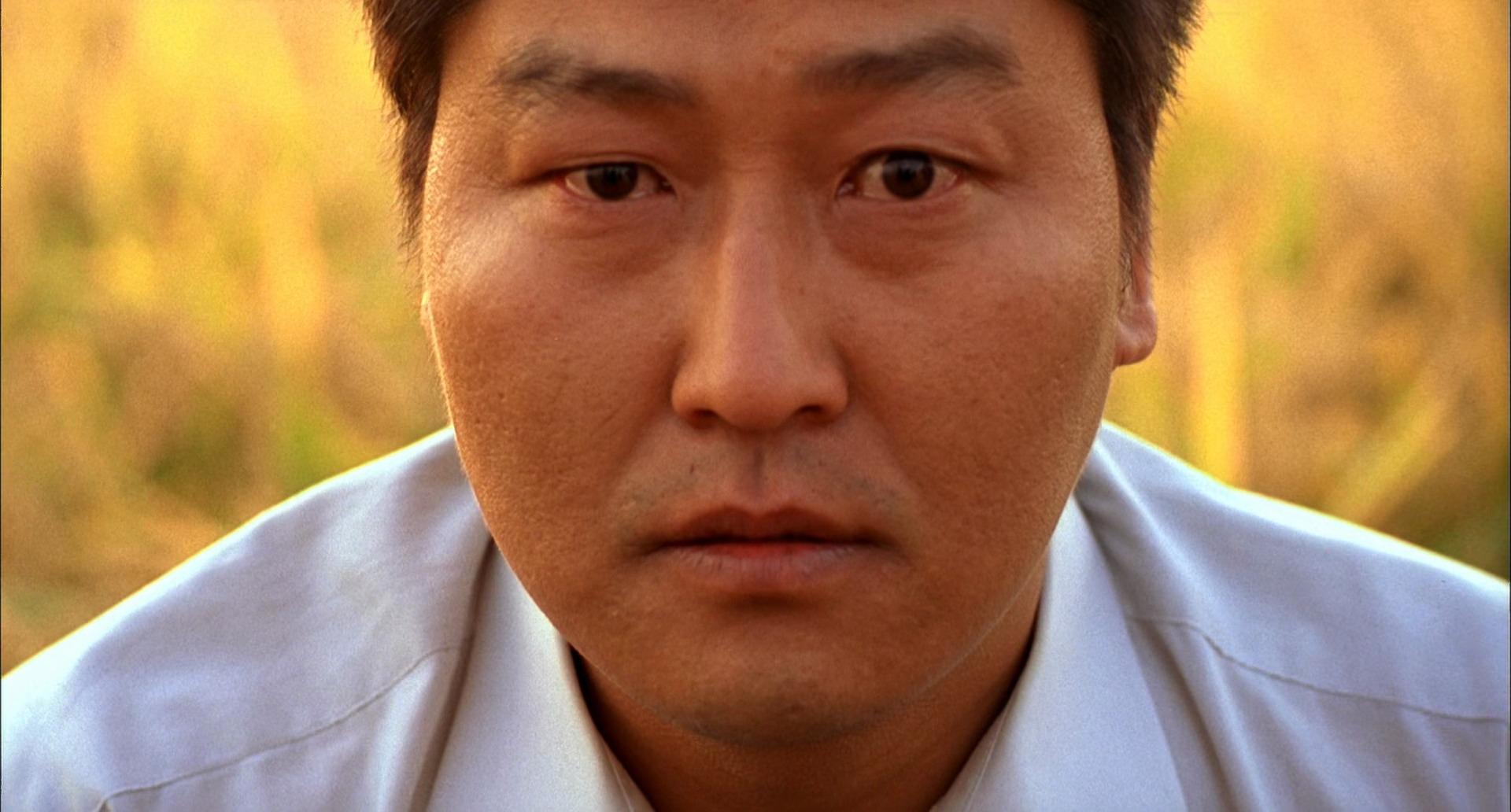
Why it’s here: It uses the case to expose weak methods and social pressure, and the investigation becomes a critique of how power behaves.
What to notice: Watch how crime scenes in fields get crowded and messy. Evidence gets trampled and washed out by weather. Notice how the detectives jump between calm work and force, since the method shifts show the case pressure.
Who it is for: You can handle dark material, and you like character-driven investigation with social context.
Limitation: The tone shifts can feel jarring if you want one consistent vibe.
The Girl with the Dragon Tattoo (2011, Sony)
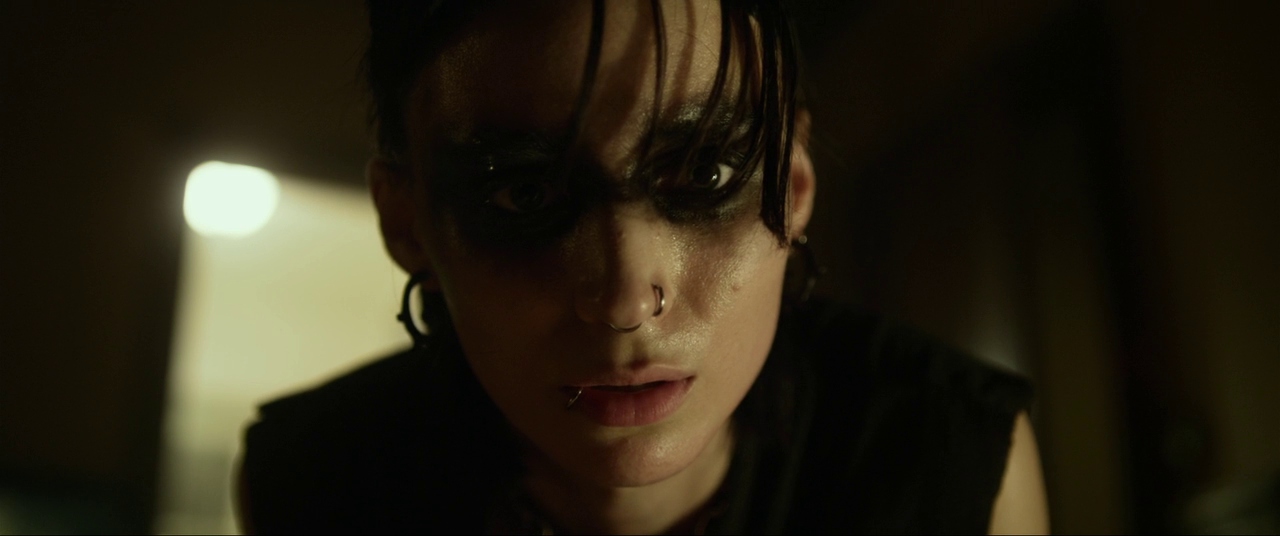
Why it’s here: It turns research into suspense, and you watch the mystery get solved through documents, patterns, and persistence.
What to notice: Watch how the film turns research into momentum. You see scans, photos, and archive boxes in tight inserts. Cuts connect one document to the next, like a chain.
Who it is for: You want a dark, adult mystery with heavy process detail.
Limitation: The content is intense, and the film demands patience.
Prisoners (2013, Warner Bros.)
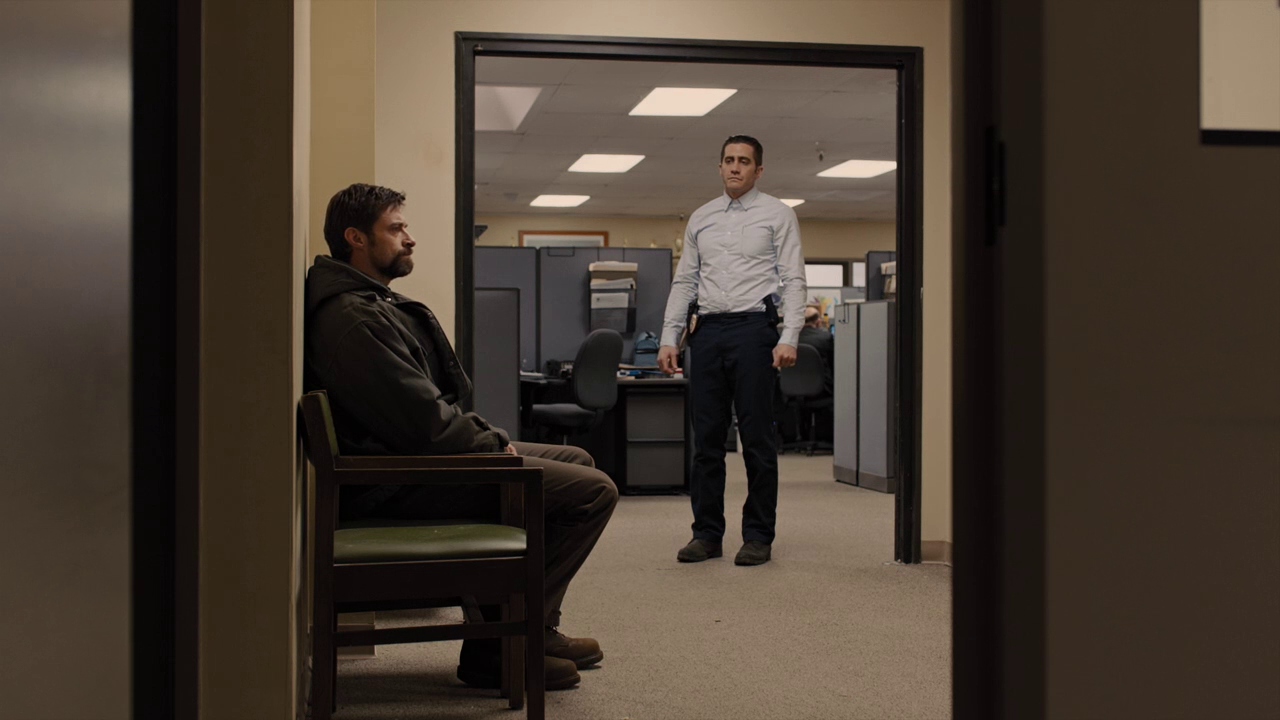
Why it’s here: It turns clues into moral traps, and it cross-cuts official procedure with desperate choices.
What to notice: Watch the practical light sources. Headlights, flashlights, and porch lights carve faces out of darkness. The film often leaves the background unreadable, so the frame itself keeps you tense.
Who it is for: You want a heavy, grim missing-person case with sustained dread.
Limitation: It includes harsh violence and torture themes, so it is not a casual watch.
Modern dark mysteries when you want the pit in your stomach
These films keep the mystery central, yet the tone is bleak, and the stakes feel personal. They are strong picks when you want dread, moral damage, and scenes that do not let you relax.
The Name of the Rose (1986, 20th Century Fox)
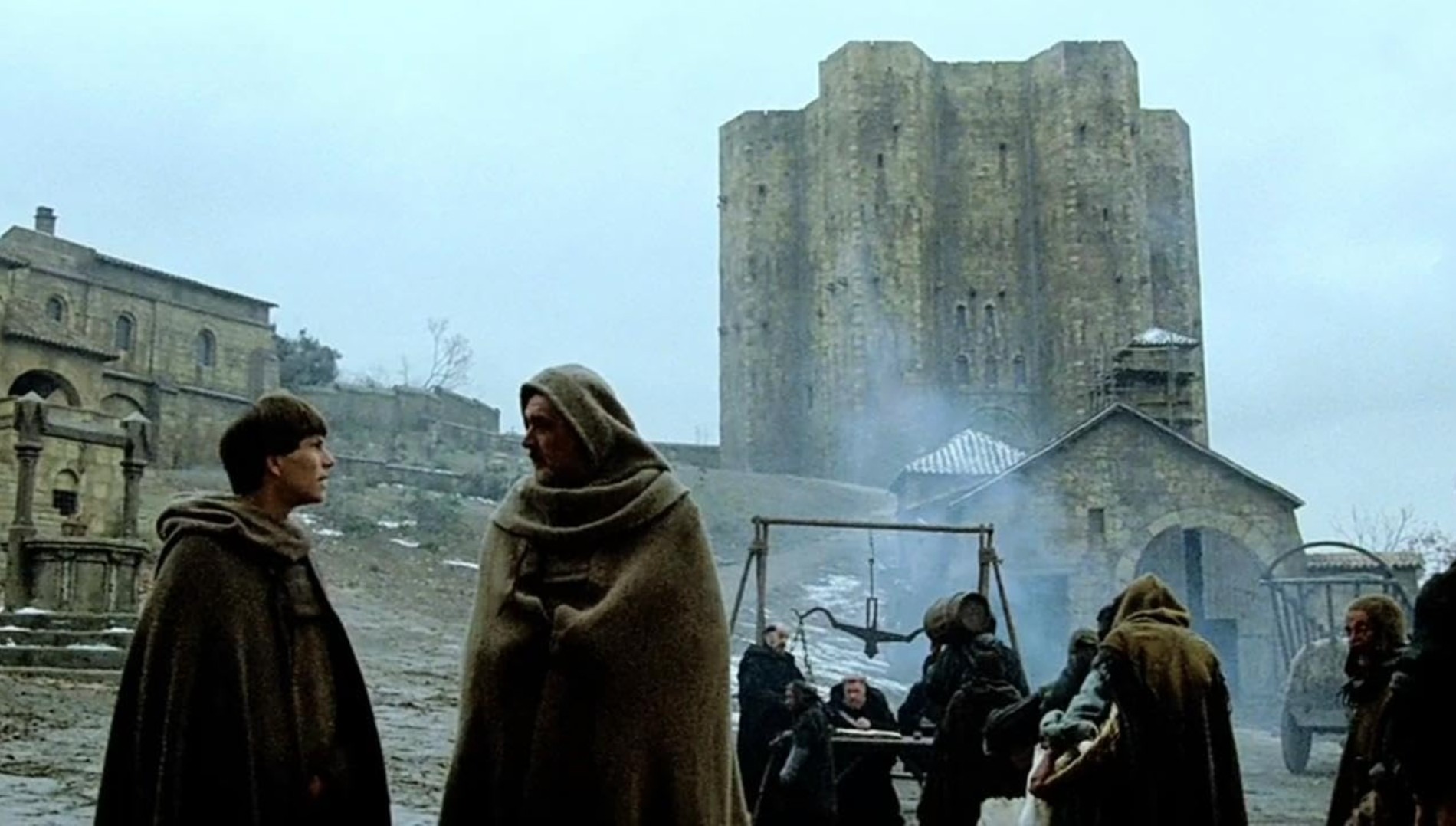
Why it’s here: It turns a locked medieval abbey into a clue maze, and it builds the mystery through observation, interviews, and deduction.
What to notice: Watch the abbey geography repeat, especially the scriptorium and the tower. The forbidden library is a maze, so doors and staircases act like puzzle pieces. Look for evidence inserts like stained fingertips and page details, then reaction shots that show who flinches, who lies, and who stays calm.
Who it is for: You want a darker historical mystery with a steady pace, lots of dialogue, and a strong sense of place. You are fine with religious themes and some violence.
Limitation: The tone is grim, and the setting and names can take time to settle in.
Summing Up
This list defines “best” as the films that combine checkable craft, long-term influence, and rewatch value across eras and styles, while keeping the mystery engine central.
- Start here if you want a clean, social whodunit: Knives Out or Murder on the Orient Express.
- Start here if you want noir mood and moral rot: Chinatown or The Third Man.
- Start here if you want “seeing is the clue” suspense: Rear Window or Vertigo.
- Start here if you want puzzle structure and shaky truth: Rashomon or Memento.
- Start here if you want modern, process-heavy casework: Zodiac or Memories of Murder.
Read Next: Curious how visual styles define film genres?
Explore our breakdown of Genre & Visual Style to see how movements like naturalism, noir, and surrealism shape what we watch.
Looking for the big picture? Visit our Film History, Theory & Genre page to connect techniques with the eras and ideas that shaped them.
Read Next: Curious how visual styles define film genres?
Explore our breakdown of Genre & Visual Style to see how movements like naturalism, noir, and surrealism shape what we watch.
Looking for the big picture? Visit our Film History, Theory & Genre page to connect techniques with the eras and ideas that shaped them.