

Published: July 26, 2025 | Last Updated: October 10, 2025

What is Parody? Definition & Meaning
Parody is a style of imitation that exaggerates or mimics the traits of a specific work, artist, or genre for comic or critical effect. It copies recognizable parts of the original (such as dialogue, visuals, or tone) but shifts them in a way that highlights how strange or repetitive those parts are. In film, parody often points out clichés or formulas of popular movies by reusing them in funny or exaggerated ways.
Parody depends on the viewer recognizing what is being copied. If the viewer knows the original material, the jokes become clearer and the meaning becomes sharper.
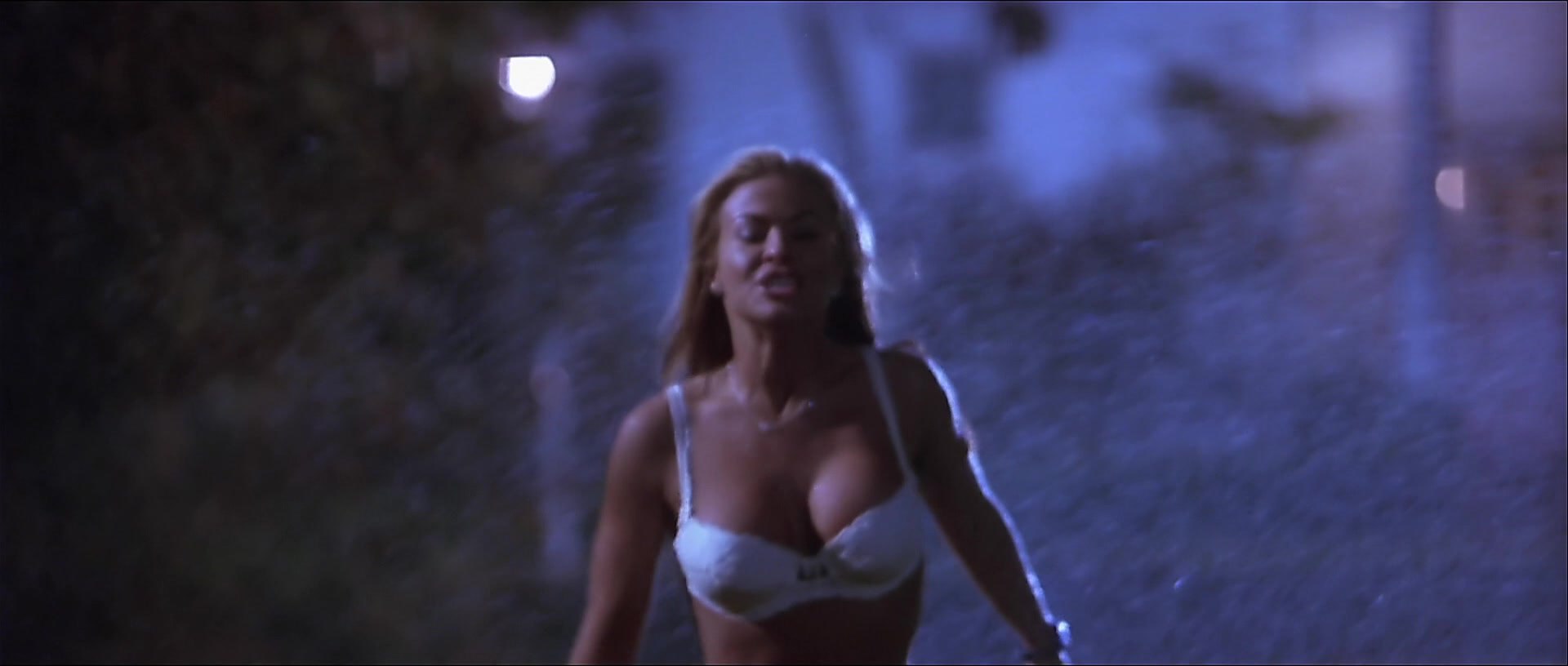
Parody can show affection for its source or use it as a way to criticize. It often appears in comedies, but can also be part of more serious films that use humor to reflect on other works.
Where Parody Comes From
Parody has been around since ancient Greece. Playwrights like Aristophanes wrote comedies that mocked serious myths and political figures. This early use of parody mixed humor with criticism, setting a pattern still used in modern film.
Over time, writers like Miguel de Cervantes and Jonathan Swift used parody to comment on literature and society. The same idea moved into cinema when filmmakers began to copy well-known genres in funny ways.
Where the Word “Parody” Comes From
The word “parody” comes from the Greek word parōidía. “Para” means “beside” and “oide” means “song.” Together, it meant a song that sat beside or mocked another song. This fits how parody works by copying something well-known and changing it for a new purpose.
How Parody Works
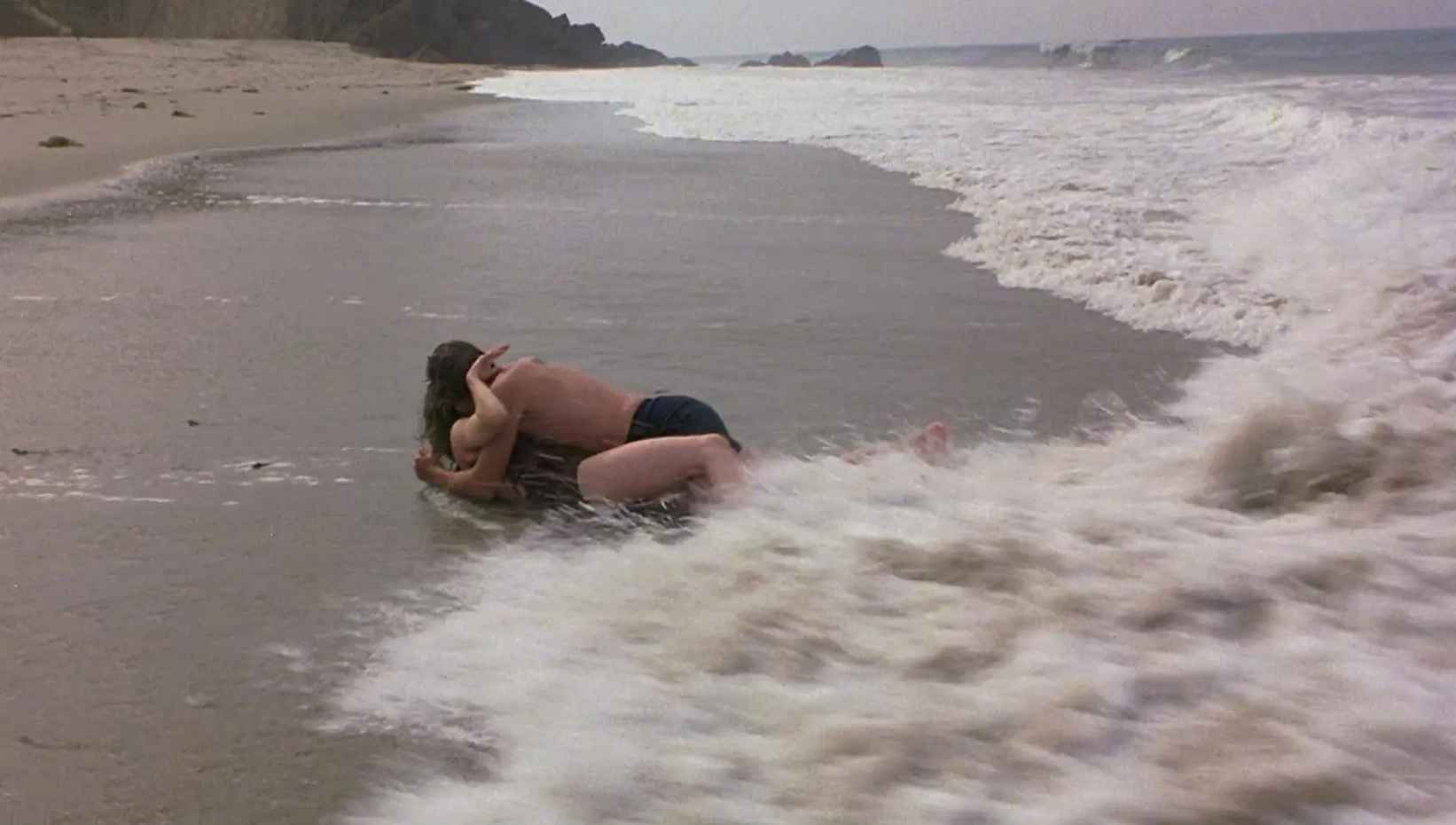
Parody works by copying something recognizable and pushing it to extremes. The characters may act more dramatically, the music might feel too serious, or the editing may repeat patterns. The changes call attention to what the original does, sometimes with care, sometimes as a joke.
- Copies characters, dialogue, or music from a known source
- Changes the setting, tone, or outcome for comic effect
- Exaggerates key traits to show how familiar or overused they are
Parody vs. Satire
Parody copies a specific film or scene. Satire comments on bigger ideas like politics or media. A parody might copy a famous scene from a horror movie. A satire might make fun of how horror movies treat violence or gender roles.
Parody vs. Pastiche
Pastiche also copies other works, but it does not aim to be funny. It usually shows respect instead of making jokes. A parody adds exaggeration and critique. A pastiche just blends styles. Read more on pastiche, homage, and more ways one work might cite another.
What Makes a Parody Work?
Good parodies make a clear point. They copy with purpose. The best ones either point out how films rely on patterns or reveal something about how those patterns affect stories.
Some use parody to question a whole genre. Others just flip one scene to show how strange it really is.
Parodies fail when they just repeat the original without any clear message. A good parody makes a point or shows why something feels overused. Without that, it becomes lazy or confusing.
Why Filmmakers Use Parody
Parody is often used to comment on trends or to play with audience expectations. When a genre becomes too predictable or popular, parody can call attention to that. Parody can also show admiration for a film or genre by highlighting what makes it unique.
Some directors use parody to explore how film language works. By copying shots or music and placing them in a new setting, they show how meaning can change depending on context.
Parody can also be a way for artists to push back against dominant ideas. Some creators use parody to reclaim stories, challenge stereotypes, or speak from a point of view that was ignored in the original. As such, parodies change the meaning of familiar stories by telling them in a new way.
Parody and Copyright
In the United States, parody can be protected under copyright law if it transforms the original work. The new version must comment on or critique the original in a clear way. Read more on how to copyright your screenplay.
A good example is the novel The Wind Done Gone (2001), which retells Gone with the Wind from the view of a formerly enslaved woman. It uses parts of the original story to show a new perspective. In some countries, however, parody is not protected, and creators can face legal trouble for copying earlier works.
Famous Parody Films
Below is a short collection of some of my favorite parody films. I think they’re a good place to start, if you want to explore this genre.
Airplane! (1980, Paramount)

This film parodies 1970s disaster movies like Airport (1970). It copies serious scenes and fills them with absurd dialogue, fast jokes, and slapstick. The humor depends on the serious style of the original being used for silly content.
Scary Movie (2000, Dimension)
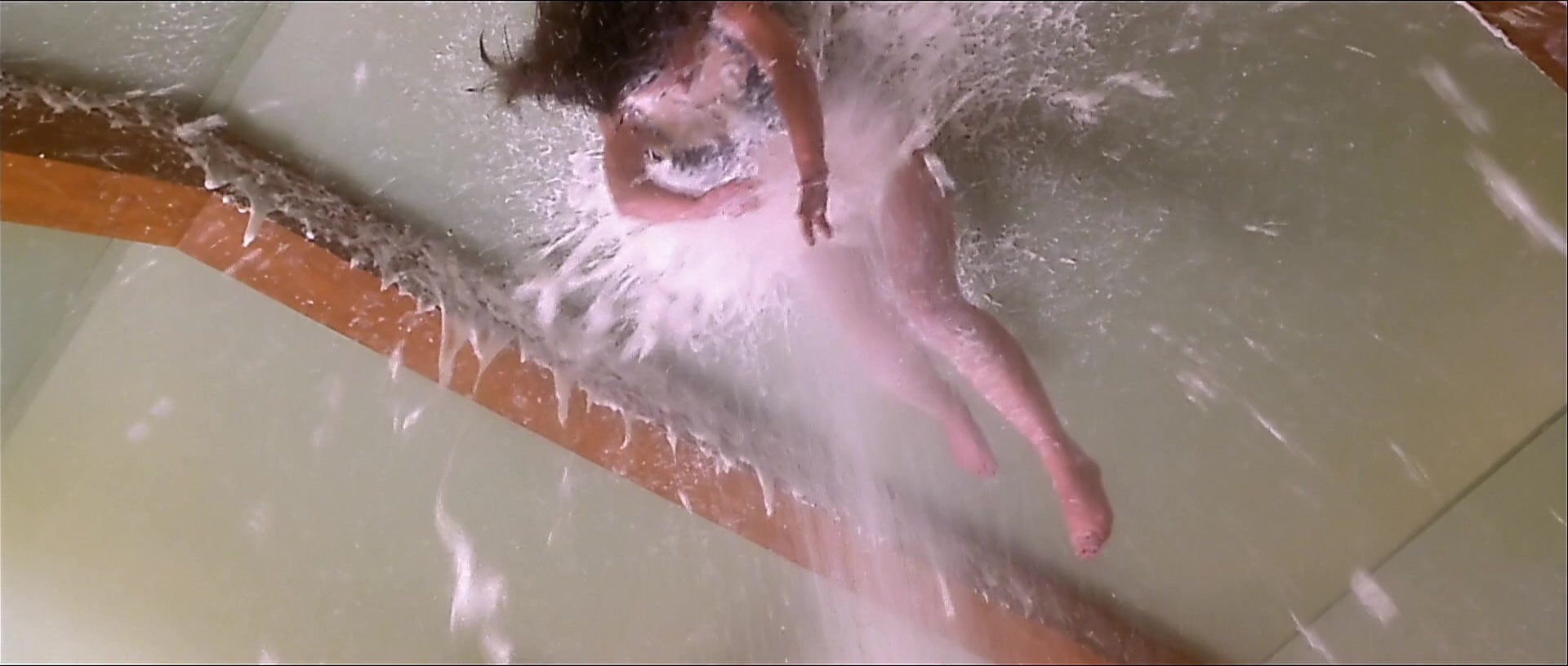
This film parodies teen horror films like Scream (1996) and I Know What You Did Last Summer (1997). It copies the same scenes, killers, and teen characters but uses crude jokes and unexpected gags to break the tone.
Spaceballs (1987, MGM)

Mel Brooks directs this parody of Star Wars (1977), exaggerating the characters and story to make fun of science fiction’s grand tone. The film includes visual references, renamed characters, breaking the fourth wall, and other moments that mock both the genre and its merchandising.
Parody Outside of Comedy

Parody does not only appear in joke-driven films. Some dramas or animated stories use parody in short scenes or small moments. The parts break the tone or reflect on how stories are told.
For example, Shrek (2001, DreamWorks) rewrites fairy tale logic and updates old story roles by turning them upside down.
Sense and Sensibility and Sea Monsters (2009, Quirk Books)
This book parodies Jane Austen’s Sense and Sensibility by adding sea creatures and fantasy violence to the original story. It highlights the old-fashioned world of the novel by putting it next to something strange and modern.
Summing Up
Parody in film works by copying and exaggerating familiar elements to create something new. It gives you a way to think about genres, directors, or clichés. Good parody always has a reason; it reflects, mocks, or asks questions about what came before. That’s why the best parodies feel sharp, honest, and worth watching more than once.
Read Next: Curious how visual styles define film genres?
Explore our breakdown of Genre & Visual Style to see how movements like naturalism, noir, and surrealism shape what we watch.
Looking for the big picture? Visit our Film History, Theory & Genre page to connect techniques with the eras and ideas that shaped them.
