

Published: October 22, 2025 | Last Updated: January 19, 2026

A movie theme is the underlying idea that gives meaning to a story’s events.
While the plot shows what happens, the theme reveals what those events mean by showing how decisions lead to consequences.
This article presents 20 core movie themes used across many genres, from drama and comedy to science fiction and horror. Each theme is paired with examples to illustrate how the idea is presented on screen. I’ve picked a few themes and included brief dramatization examples to show how an abstract idea can be translated into concrete choices and consequences.
After the 20 themes, I have some writing tips for you on how themes fit into a broader framework and how to work with them.
This guide is written for screenwriters who want a clearer sense of what their stories are really about. Use it to develop new ideas, refine drafts, or evaluate whether a script’s events are working together toward a meaningful whole.
In this article:
1. Good vs Evil

The classic theme of good versus evil shows a moral struggle between right and wrong. It can be external, like a war, or internal, like a personal battle with darkness.
This theme appears often in fantasy, superhero films, religious epics, and war dramas.
Examples of movies exploring this theme include:
The Lord of the Rings (2001–2003), where Frodo must resist the pull of evil while trying to destroy the ring.
Star Wars (1977), where Luke Skywalker is torn between the light side and the dark side of the Force.
How to Dramatize It
A protagonist faces a situation where doing the right thing comes at a real personal cost, while doing the wrong thing offers safety, power, or advantage. Each time they choose, the consequences either reinforce or erode their moral position, escalating the stakes. By the end, the story shows whether integrity is sustainable — or whether compromise leads to corruption.
2. Love
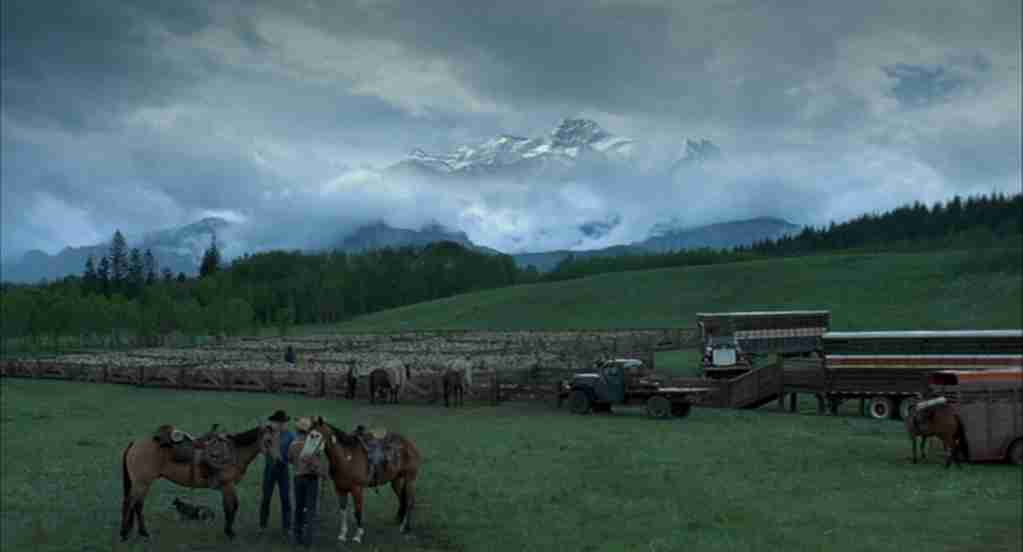
The love theme focuses on a deep emotional connection. Love can heal, divide, or shape major life choices. It doesn’t always lead to a happy ending.
Love shows up across genres, from romance and drama to sci-fi and war films.
Examples of movies exploring this theme include:
The Notebook (2004), where a couple’s love survives time, distance, and memory loss.
Brokeback Mountain (2005), where romantic love clashes with social pressure and leads to lifelong pain.
3. Coming of Age

The coming-of-age theme shows a character growing up or waking up to how the world really works. It usually involves self-discovery and change.
This theme is common in indie dramas, teen stories, autobiographical films, and, of course, coming-of-age movies.
Examples of movies exploring this theme include:
Lady Bird (2017), where a teenager pushes back against her hometown and her mother to find independence.
Boyhood (2014), which follows a boy’s life from age 6 to 18, captures small changes that shape identity.
How to Dramatize It
The protagonist is forced to make decisions without the protection or guidance they once relied on. Early choices are impulsive or naive, leading to consequences they don’t yet fully understand. The story resolves when the character makes a final decision that shows they now accept responsibility for the outcome, regardless of the cost.
4. Death

The death theme forces characters to face loss, grief, or their own mortality. It can be used to explore what matters most in life.
Death is often explored in dramas, philosophical films, and spiritual stories.
Examples of movies exploring this theme include:
Wit (2001), where a literature professor looks back on her life while dying of cancer.
The Seventh Seal (1957), where a knight plays chess with Death during the Black Plague.
5. Justice
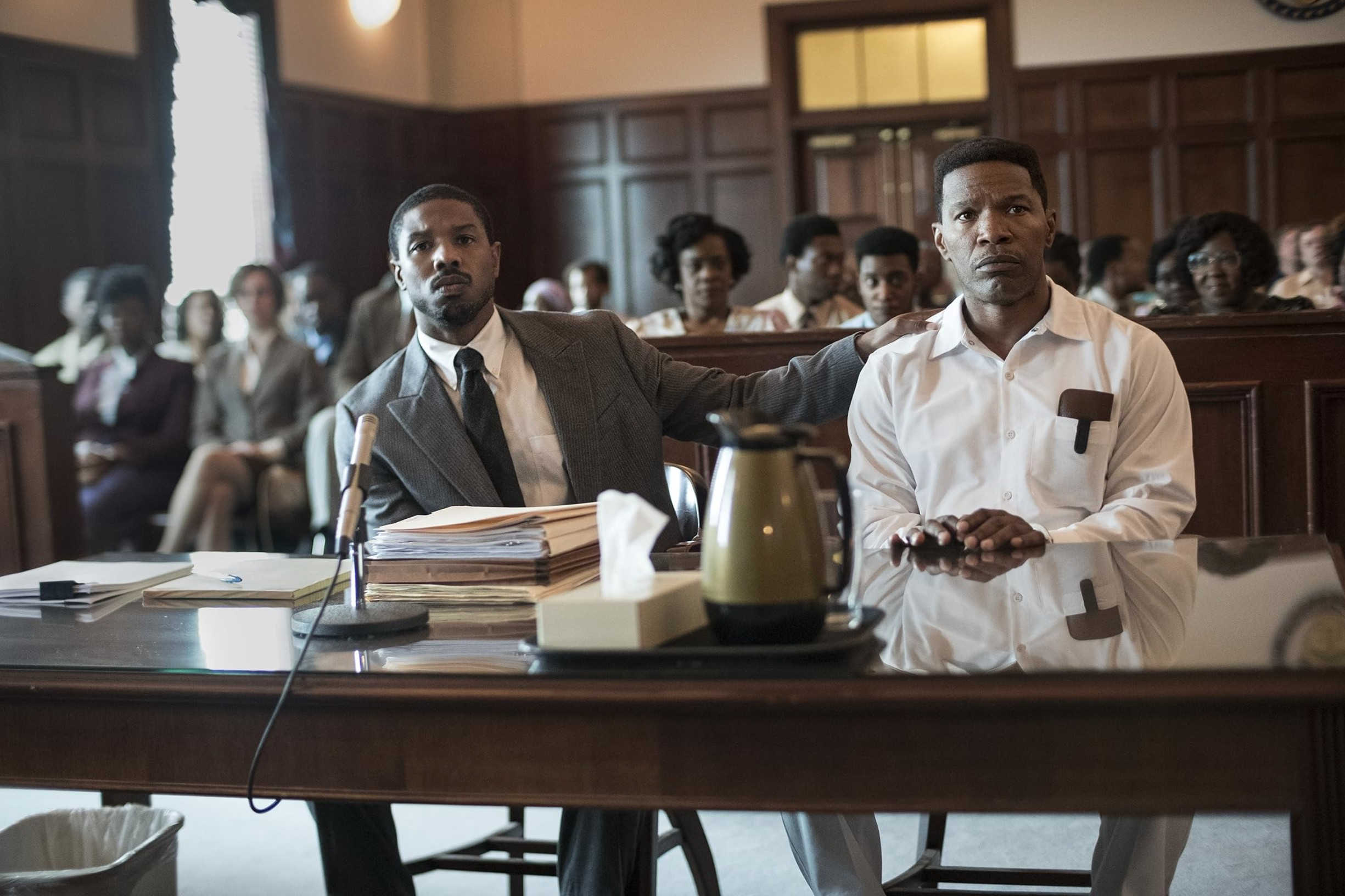
The justice theme asks what is fair and who gets to decide. It often involves courtroom conflict, personal ethics, or systemic failures.
This theme appears in legal dramas, biopics, crime stories, and historical films.
Examples of movies exploring this theme include:
12 Angry Men (1957), where one juror tries to stop a rushed guilty verdict.
Just Mercy (2019), where a lawyer fights to overturn a wrongful conviction on death row.
6. Man vs Nature
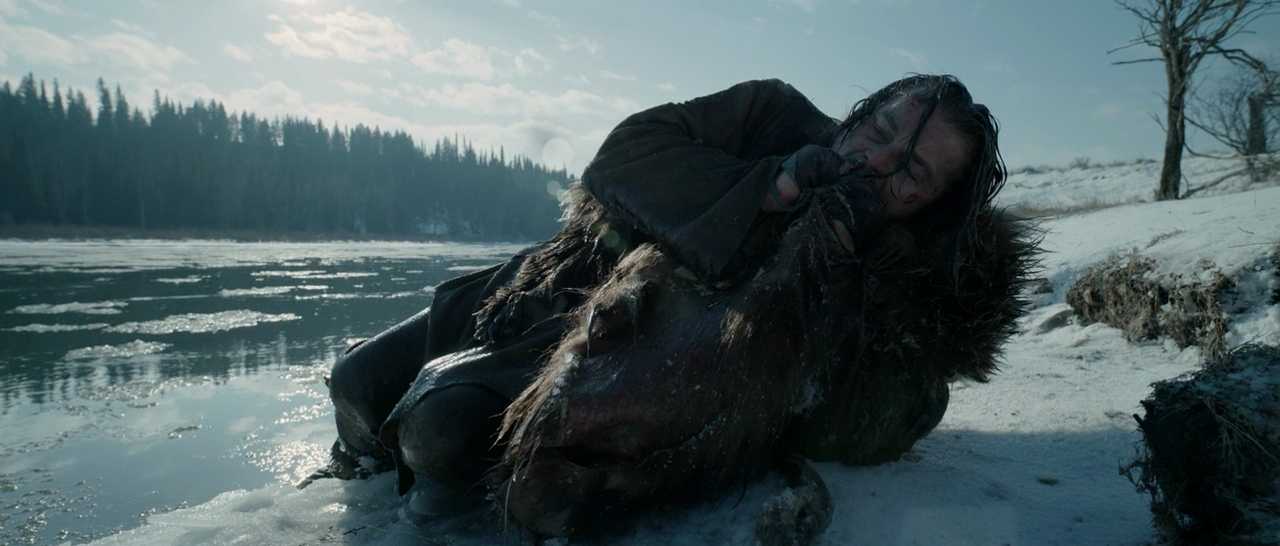
The man versus nature theme shows how people survive against the natural world. It often highlights physical danger, isolation, or resilience.
You’ll often find this theme in adventure films, survival dramas, and ecological stories.
Examples of movies exploring this theme include:
The Revenant (2015), where a frontiersman endures brutal wilderness conditions to stay alive.
Life of Pi (2012), where a boy survives in a lifeboat with a Bengal tiger.
7. Man vs Technology
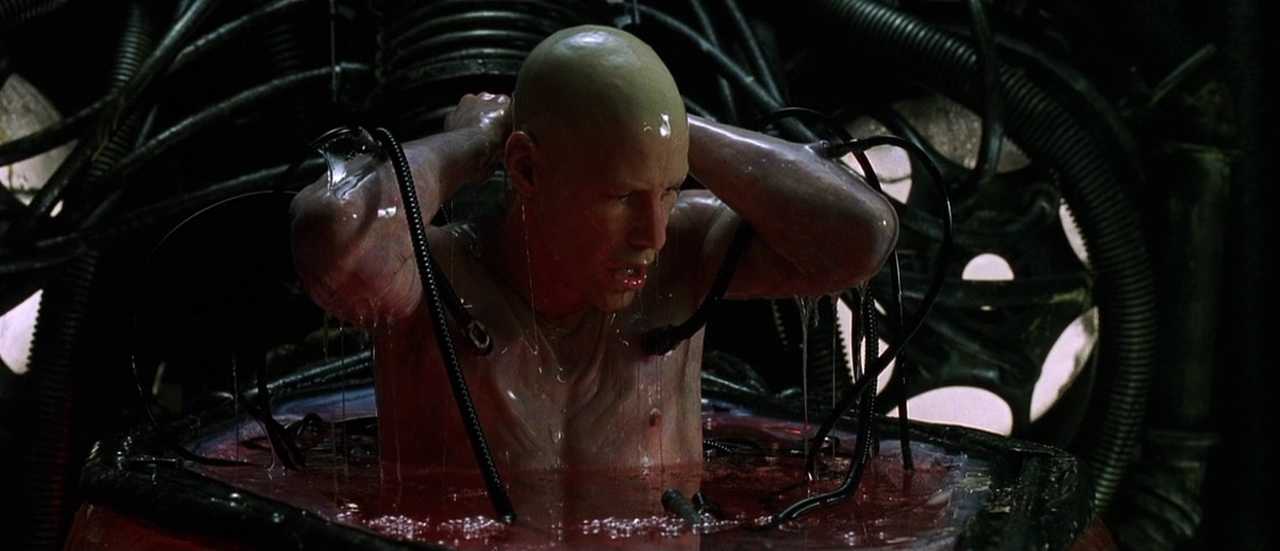
Man vs Technology is another classic conflict and theme. It asks what happens when machines, systems, or AI threaten control or identity.
This theme often shows up in science fiction, cyberpunk, and dystopian films.
Examples of movies exploring this theme include:
The Matrix (1999), where Neo learns his world is a digital illusion controlled by machines.
Her (2013), where a man falls for an AI who becomes more independent than he imagined.
How to Dramatize It
A character uses technology to solve a problem more efficiently or gain control, but each reliance creates new dependencies or unintended consequences. As the technology’s influence grows, the character must choose between convenience and autonomy. The outcome shows whether control remains human — or shifts to the system they created.
8. Perseverance
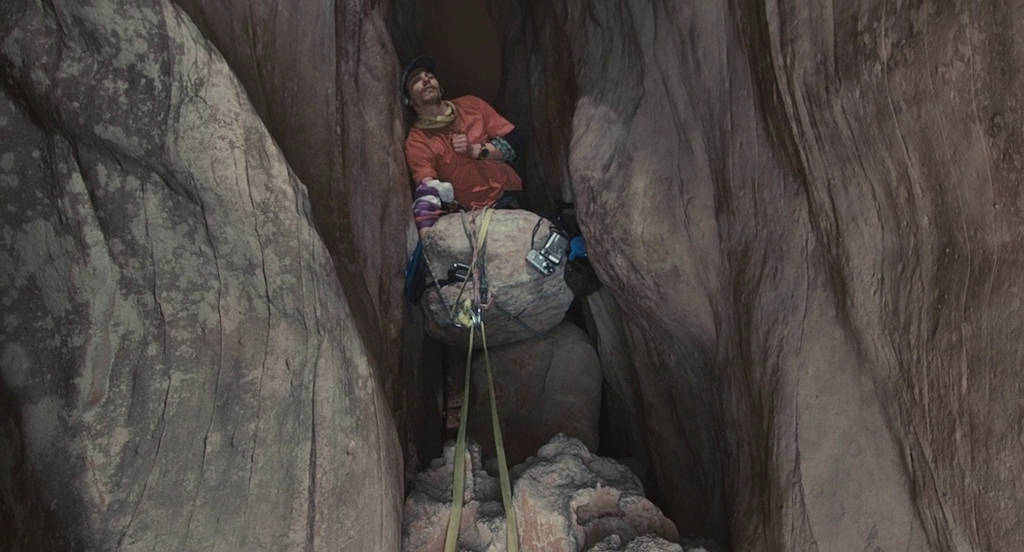
The theme of perseverance focuses on endurance. Characters keep going despite failure, fear, or impossible odds.
Common in survival films, underdog stories, and inspirational biopics.
Examples of movies exploring this theme include:
Slumdog Millionaire (2008), where Jamal pushes through poverty and trauma to find love and justice.
127 Hours (2010), where a hiker trapped in a canyon fights to stay alive and return home.
9. Revenge

The revenge theme explores justice twisted by pain. Characters seek payback, but the cost is often high.
Popular in thrillers, action films, and tragedies.
Examples of movies exploring this theme include:
Oldboy (2003), where a man hunts the person who locked him in a cell for 15 years.
Kill Bill (2003–2004), where The Bride tracks down those who betrayed her, one by one.
10. Family
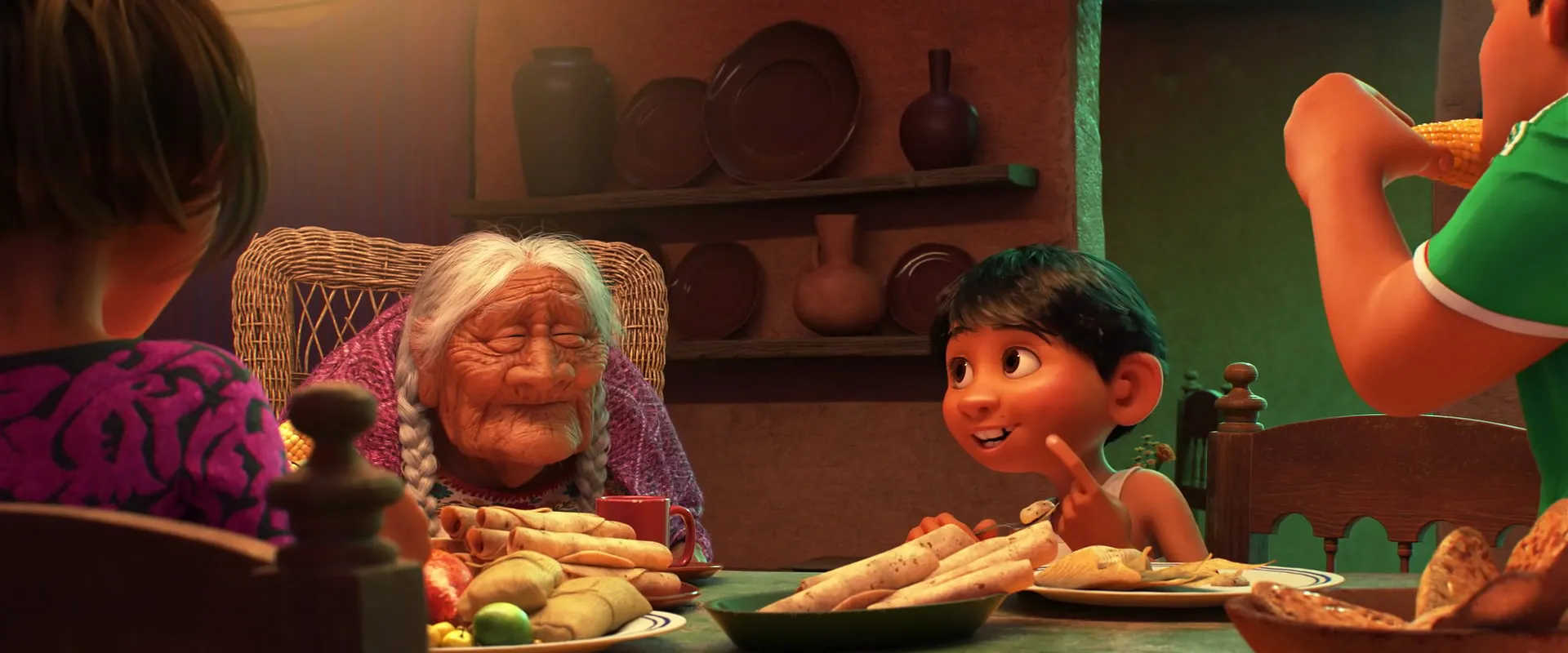
The family theme explores blood ties, chosen families, or the struggle between independence and connection. It’s about how people hurt and heal each other.
This theme is found in dramas, comedies, coming-of-age films, and even animation.
Examples of movies exploring this theme include:
Coco (2017), where a boy discovers his heritage by crossing into the land of the dead.
The Farewell (2019), where a woman navigates cultural values during her grandmother’s final days.
How to Dramatize It
The family theme often centers on choices between individual desire and familial obligation. A character might choose independence or secrecy, only to face consequences that strain or break intimate bonds. By showing what characters are willing to sacrifice — time, trust, or shared history — the story reveals how connection and conflict shape their sense of self and belonging.
11. Loss and Grief
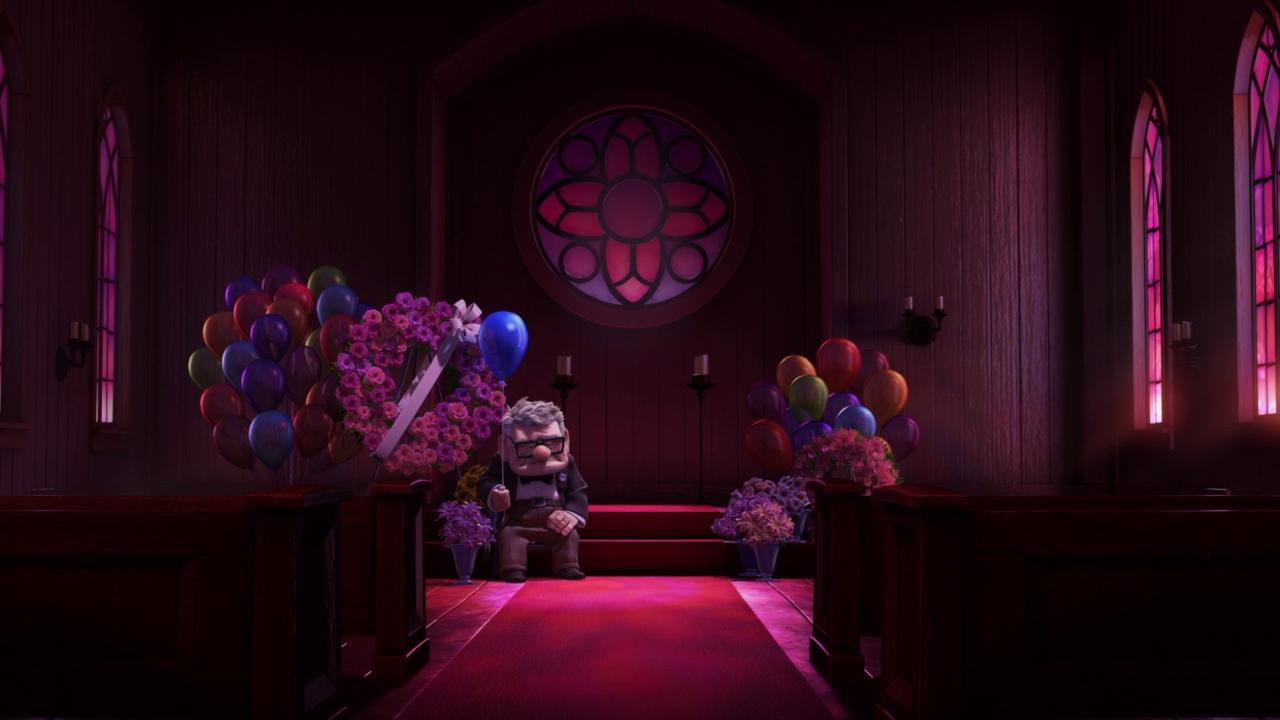
The loss and grief theme shows how characters handle deep emotional pain. It often reveals what someone truly values, and what they struggle to let go of.
This theme is found in dramas, animated films, and personal character studies.
Examples of movies exploring this theme include:
Manchester by the Sea (2016), where Lee deals with guilt after a family tragedy he can’t undo.
Up (2009), where Carl mourns his wife and slowly opens himself to connection again.
12. Reason vs Faith
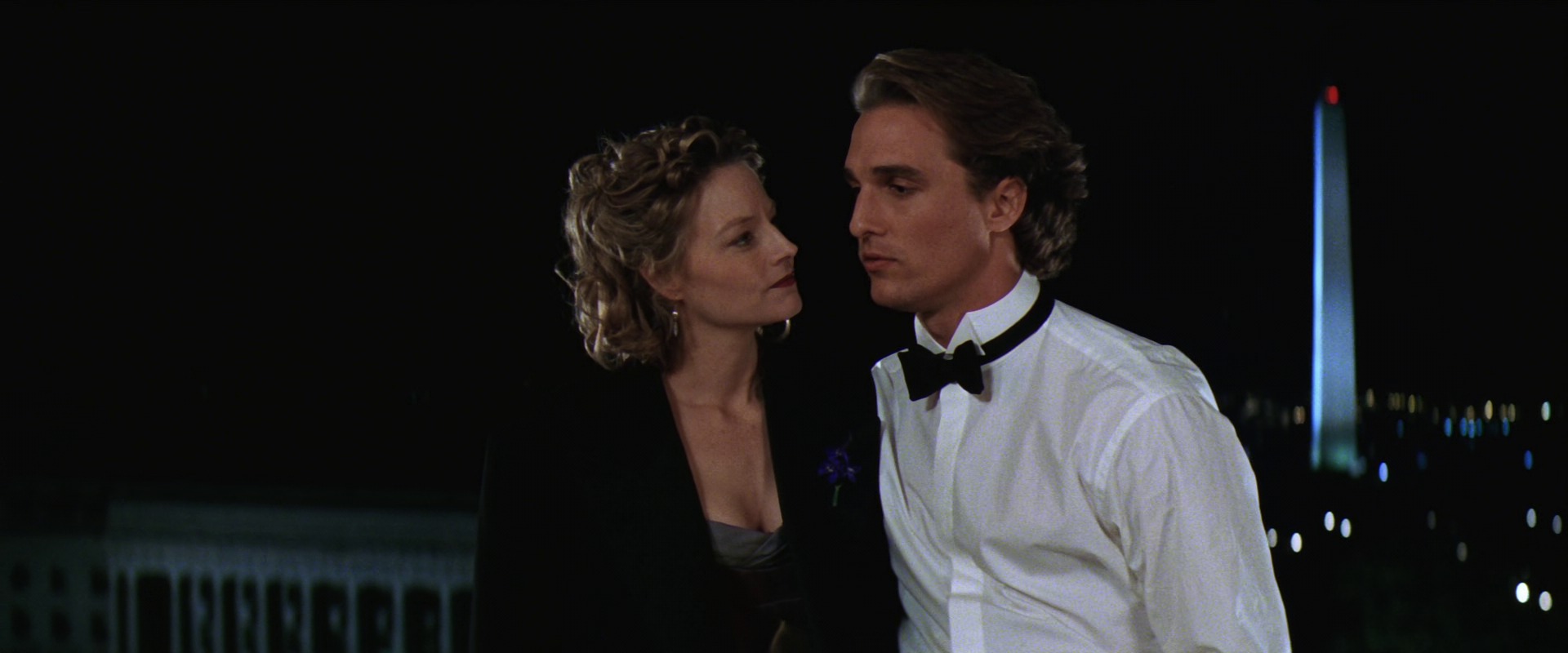
The reason vs faith theme explores conflict between belief systems. One character may trust logic, while another turns to spiritual or emotional truth.
Often seen in science fiction, religious dramas, and philosophical thrillers.
Examples of movies exploring this theme include:
Contact (1997), where a scientist and a spiritual leader debate how we define truth.
The Exorcist (1973), where faith becomes the only weapon against evil.
13. Sacrifice
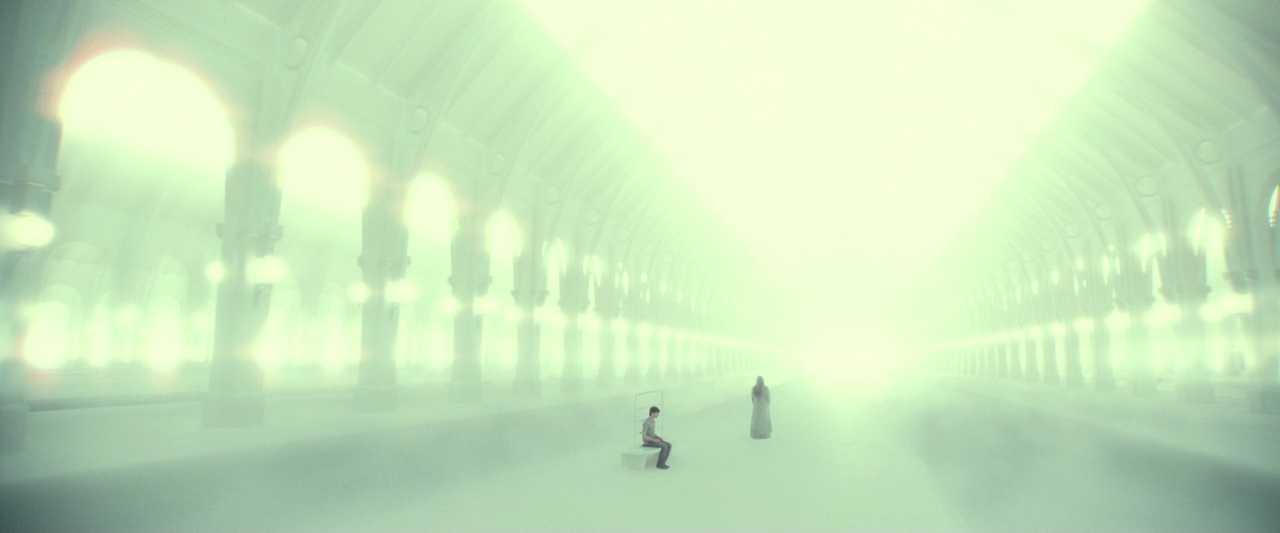
The sacrifice theme centers on characters who give something up for others. It could be safety, love, freedom, or even life itself.
This theme is common in war films, fantasy, and epic dramas.
Examples of movies exploring this theme include:
Children of Men (2006), where Theo risks everything to protect humanity’s future.
Harry Potter and the Deathly Hallows (2011), where Harry gives himself up to save others.
How to Dramatize It
The protagonist is forced to choose between preserving a relationship and pursuing a personal goal or desire. Each attempt to avoid sacrifice carries consequences that strain trust or deepen loss. The story resolves when the character accepts what must be given up — and shows whether the love was worth the cost.
14. War

The war theme shows destruction, duty, or trauma through combat. It often explores what violence does to individuals and nations.
Found in military dramas, historical epics, and political films.
Examples of movies exploring this theme include:
1917 (2019), where two soldiers race to stop a doomed attack.
Apocalypse Now (1979), where a mission into enemy territory turns into a descent into madness.
15. Discovering Self-Knowledge

The theme of discovering self-knowledge focuses on identity. Characters realize who they are, often after denying it or hiding from it.
This theme appears in psychological thrillers, dramas, and surreal stories.
Examples of movies exploring this theme include:
Black Swan (2010), where a ballerina loses herself while chasing perfection.
Fight Club (1999), where the main character uncovers a truth that changes everything.
16. Overcoming Adversity
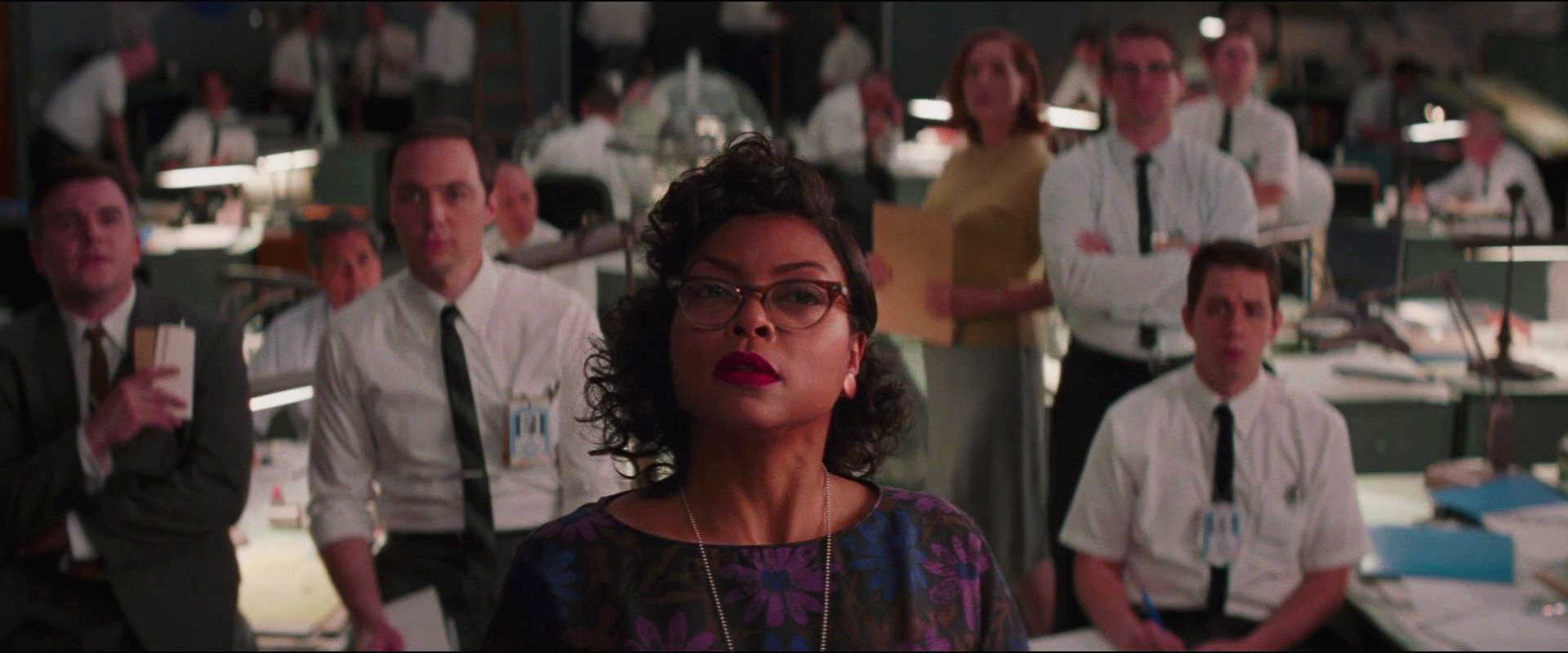
The overcoming adversity theme shows characters rising above obstacles. The challenge can be physical, emotional, or social, but it always requires strength.
Often seen in biopics, inspirational dramas, and historical films.
Examples of movies exploring this theme include:
The Pursuit of Happyness (2006), where Chris fights through poverty to build a better life for his son.
Hidden Figures (2016), where three Black women overcome discrimination to change history at NASA.
17. Society
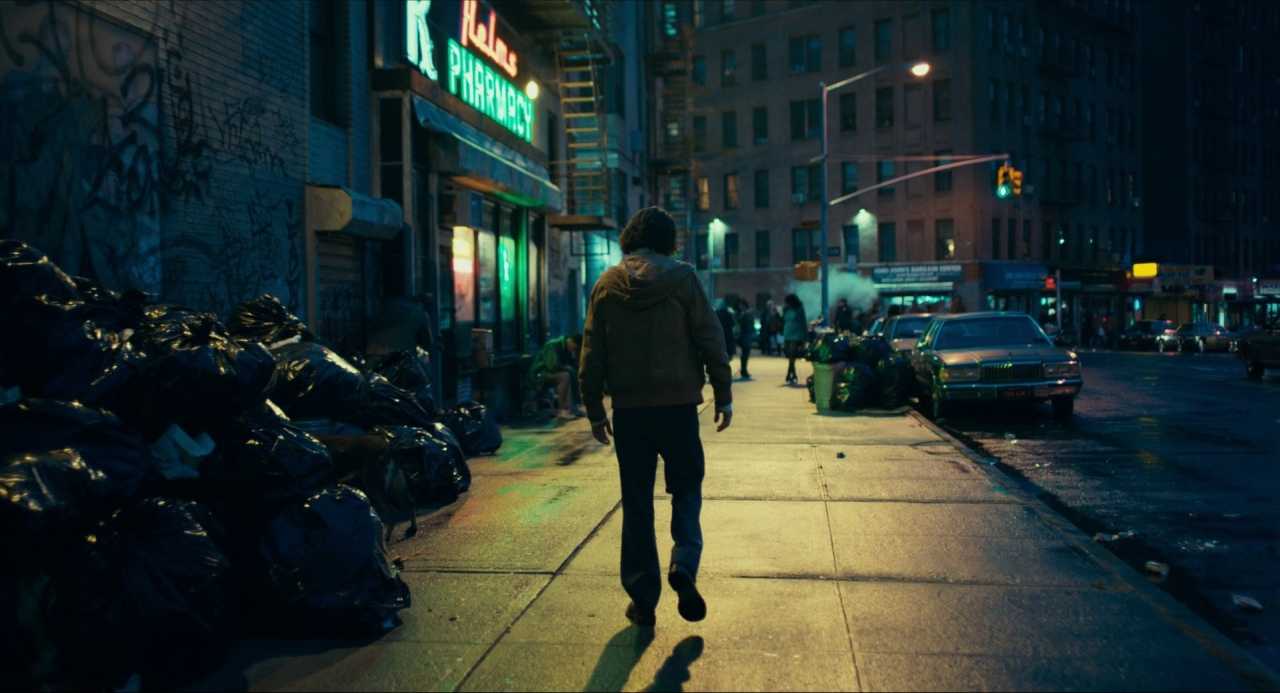
The society theme explores how systems affect individuals. Characters are often caught in unfair, broken, or oppressive structures.
This theme is key in satire, dark comedy, dystopian fiction, and social commentary.
Examples of movies exploring this theme include:
Joker (2019), where Arthur is shaped and broken by a city that ignores him.
Parasite (2019), where a poor family infiltrates a wealthy one, and both suffer the consequences.
18. Survival
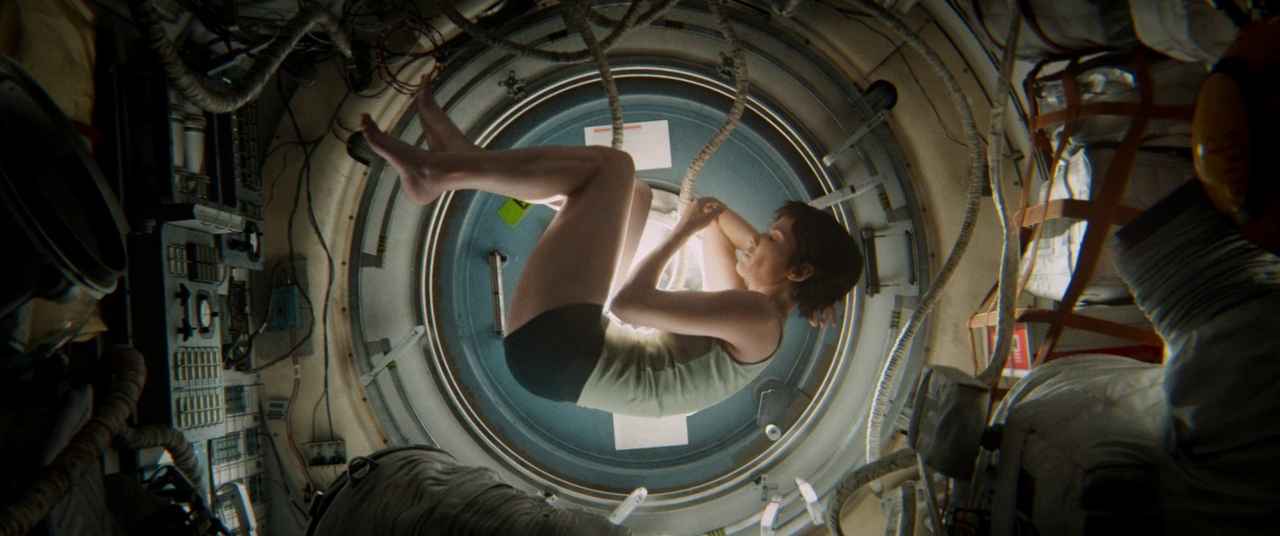
The survival theme focuses on staying alive. It’s often physical, but it can also show emotional or psychological endurance.
Common in action, survival thrillers, and disaster films.
Examples of movies exploring this theme include:
Gravity (2013), where an astronaut fights to return to Earth after a disaster in space.
Cast Away (2000), where a man must survive alone on a deserted island.
How to Dramatize It
In a survival story, characters must make repeated decisions between safety and risk, often with limited resources and rising danger. Each choice — stay hidden, push forward, share food, or hoard it — has immediate consequences that test resilience and priorities. A strong survival arc shows how characters change as they adapt, endure losses, and redefine their will to live under pressure.
19. Betrayal
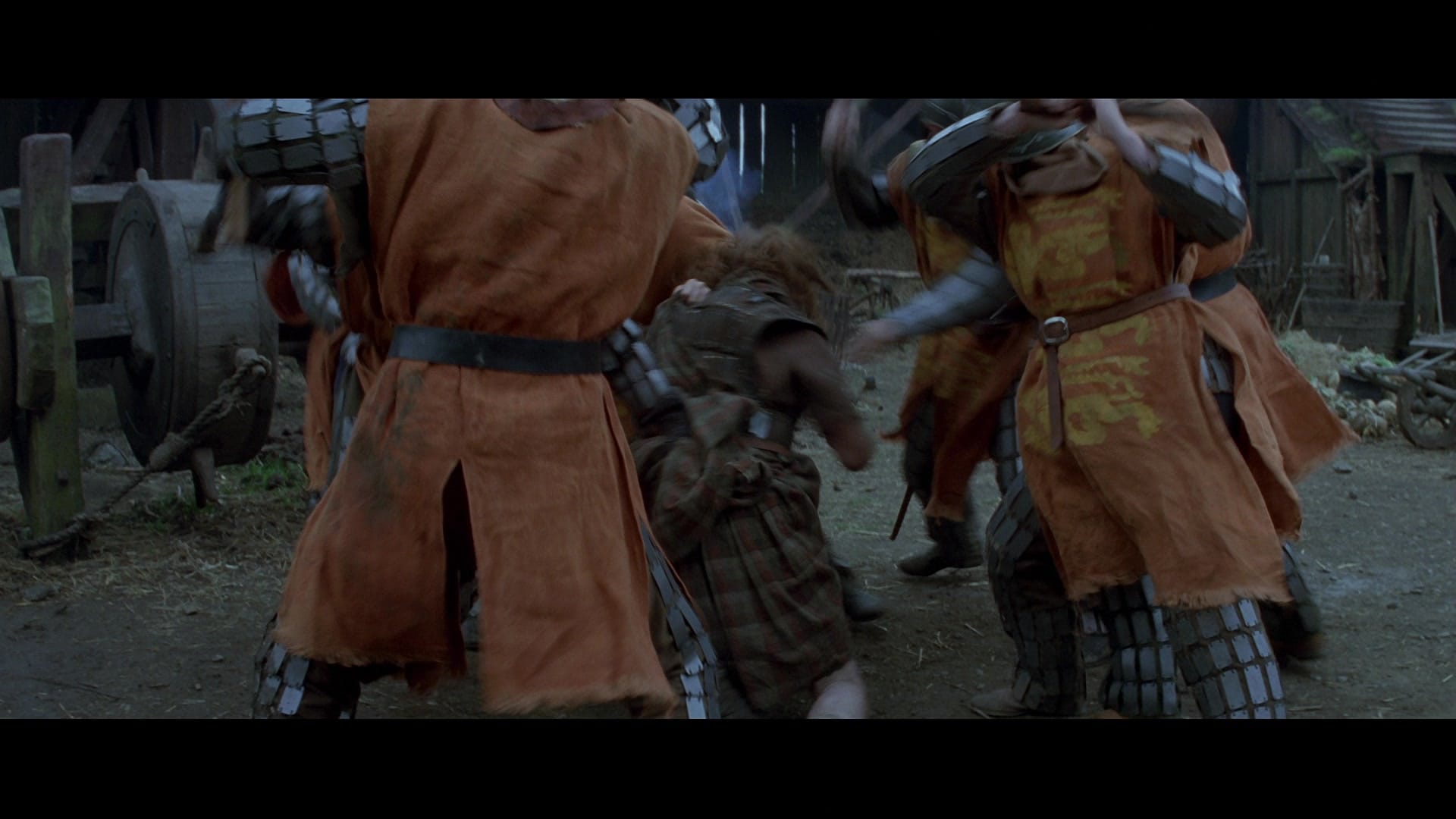
The betrayal theme centers on broken trust. A close relationship is damaged, and the consequences shape the rest of the story.
Found in crime dramas, political thrillers, and personal tragedies.
Examples of movies exploring this theme include:
The Godfather Part II (1974), where Michael is betrayed by his own brother.
Braveheart (1995), where political betrayal turns a rebellion into tragedy.
20. Redemption
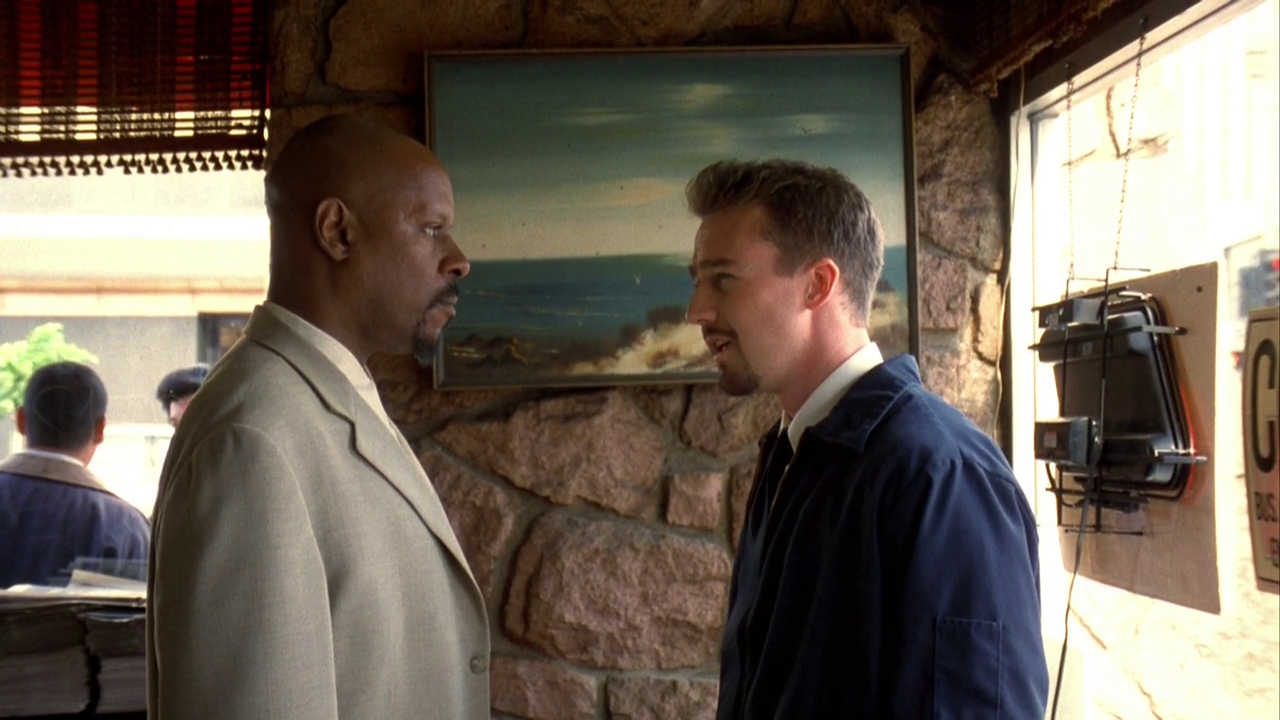
The redemption theme shows a character trying to make things right. They may seek forgiveness, change, or a final chance to do good.
This theme appears in dramas, character studies, and stories of second chances.
Examples of movies exploring this theme include:
Gran Torino (2008), where a bitter man protects his neighbors and finds peace in sacrifice.
American History X (1998), where a former neo-Nazi tries to keep his brother from repeating his mistakes.
Theme vs. Premise vs. Conflict vs. Moral (And Why It Matters for Screenwriters)
Many screenwriters use these terms interchangeably, but they describe different parts of how a story works. Understanding the difference helps you shape stronger scenes and make clearer storytelling choices.
- Premise is the core situation and dramatic question that sets the story in motion.
- Plot is what happens — the sequence of events that results from that situation.
- Conflict is the central struggle that drives those events forward.
- Theme is what the story is saying about that struggle, revealed through choices and consequences.
- Moral is the lesson the audience may take away — if you choose to state one.
For example:
- Premise: A poor man suddenly becomes rich.
- Conflict: New wealth creates pressure, temptation, and opposition.
- Plot: He makes a series of choices that strain relationships and escalate consequences.
- Theme: Wealth corrupts values and identity.
- Possible moral: Money can’t buy happiness.
Premise creates the conditions for a story, plot shows what happens under those conditions, and theme explains why those events matter.
The same premise and conflict can support very different themes depending on how the story unfolds. A rags-to-riches story might explore ambition, identity, family loyalty, or loss of innocence — all without changing the core plot mechanics.
As a screenwriter, your goal isn’t to explain the theme, but to reveal it through character choices, escalating conflict, and consequences. When premise, conflict, and theme work together, your story feels focused — and your ending feels earned.
How A Theme Usually Works in Stories
Typical character arc:
The protagonist begins with a belief, value, or behavior that clashes with the theme. As the story unfolds, escalating situations force them to confront that belief — either reinforcing it, modifying it, or abandoning it entirely by the end.
Common pitfalls:
- Stating the theme directly in dialogue instead of dramatizing it
- Treating the theme like a message rather than a source of conflict
- Resolving the plot mechanics without resolving the underlying thematic question
Scene-level writing tip:
Ask yourself: How does this scene test the theme?
If the answer is “it doesn’t,” the scene is likely filler — consider cutting it or rewriting it so it forces a meaningful choice or consequence.
How to Use Theme in Your Screenplay
As you shape your screenplay, a theme can help you stay focused. It guides not just what happens (the plot), but why it matters.
Below are some good ways to work with themes in your next screenplay:
First, a Practical Quick Guide (a few pointers)
A theme isn’t explained in dialogue, but shown by how the story consistently rewards or punishes specific choices your characters make.
Here’s how to work with theme effectively while writing:
- Start with a question, not a statement.
Instead of “Love conquers all,” think: Does love survive betrayal? - Embed the theme in your protagonist’s flaw.
If your theme is control vs. freedom, your protagonist should struggle with letting go. - Let opposing characters represent opposing values.
Antagonists often embody the counterargument to your theme. - Repeat the theme through different situations.
Show the same idea playing out at work, at home, and in relationships. - Resolve the theme through action, not dialogue.
The final choice your protagonist makes is your thematic answer.
A useful rule of thumb:
If you removed the theme, the story should collapse. If it still works unchanged, the theme isn’t integrated deeply enough.
Many Stories Have More Than One Theme
Most films explore more than one theme. The key is choosing a main theme that guides the structure, while letting secondary themes add depth.
For example, in The Dark Knight (2008), justice drives the plot, but chaos and identity are also central.
Everything Everywhere All at Once (2022) focuses on family, regret, and existential purpose, all tied together by the main emotional arc between mother and daughter.
Theme Comes from What Characters Do
You express theme through action, not dialogue. Your characters show what matters by the choices they make.
In Nomadland (2020), Fern doesn’t talk about freedom; she lives it by staying on the road.
And in The Social Network (2010), Mark’s ambition and isolation are revealed through his relentless decisions, not through long speeches.
The more specific the behavior, the clearer the theme.
Theme Can Guide Plot Decisions
When you’re stuck between two paths in your story, ask which one supports your theme. Let the theme guide the structure and conflict.
Thematic Concepts vs Thematic Statements
A theme concept is a broad idea like “love” or “ambition.” A thematic statement is what the film says about that idea.
La La Land (2016) thematically says, “Love doesn’t always lead to a shared future.” Whiplash (2014) asks, “Is greatness worth suffering?”
These are not quotes from the films but summaries of their ideas. Turning your concept into a statement helps you focus your scenes and sharpen your characters’ arcs.
Make Themes Universal but Personal
The best themes reflect universal questions but feel grounded in personal stories.
Take Minari (2020) for example. The movie explores family and identity through a specific Korean American experience, yet its message reaches far beyond one family. The struggle to build a life in a new place becomes a metaphor for anyone balancing hope, culture, and survival. This is how a personal story can reflect something universal.
Get Out (2017) tackles racism and control within a tightly written horror premise. You connect with the audience by showing how one person’s experience reveals something deeper about the world.
How to Choose the Right Theme for Your Script
A story’s theme is often revealed by looking at what decisions matter most and what the ending ultimately rewards or punishes.
Pay attention to:
- What your protagonist wants vs. what they need
- What keeps going wrong in the story
- What kind of ending feels emotionally honest
Often, your theme is already present in your first draft — your job is to recognize it, strengthen it, and make it consistent.
If you find yourself stuck, ask:
What is this story really arguing about human behavior?
That answer is usually your theme.
Summing Up
Every strong screenplay builds around a clear theme. That theme shapes the plot, the characters, and the ending. The more you understand what your story is really about, the more powerful your scenes will feel. Use the theme to guide your writing, not to limit it. Let it show you what matters most.
Read Next: Got a cool idea but no story yet?
Check out our Story Development section for help turning rough ideas into clear concepts, building stronger characters, and finding the heart of your script before you write page one.
Want to build the whole toolkit? Explore the Screenwriting archive for structure, formatting, and career advice that supports every step of your writing process.
