

Published: June 19, 2019 | Last Updated: June 19, 2025

What is A coming-of-age movie? Definition & Meaning
A coming-of-age movie is a film that follows a young character’s transition from childhood or adolescence into adulthood, often marked by personal growth, emotional challenges, or new responsibilities.
Coming-of-age films focus on change. A young person faces new experiences that help shape who they become. This process can include feelings of fear, rejection, or uncertainty about the future.
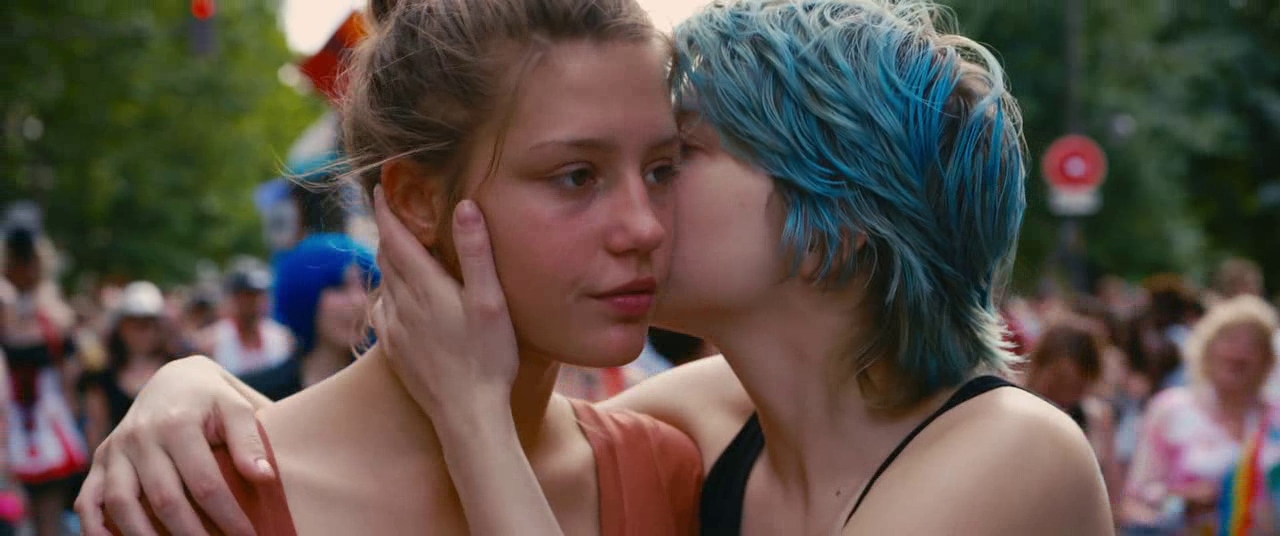
Coming-of-age movies often involve first-time events, such as falling in love, losing one’s virginity, losing someone, leaving home, or making adult decisions. The story usually follows one main character, but their relationships and surroundings also shape the outcome.
Why It Matters to Filmmakers
Coming-of-age stories have always played a major role in film. They give screenwriters and directors a way to explore real emotions, especially during times of transition. Many first-time directors start with coming-of-age films (or horror) because they focus on emotion instead of large-scale production.
Later in this article, I’ll look at how many of these movies are based on books or graphic novels. That connection between film and literature helps explain the genre’s continued popularity.
Key Characteristics of Coming-of-Age Films
Most coming-of-age films share a few traits. These define the genre and give the story a clear direction.
A Young Protagonist
The main character is usually a child, teenager, or young adult. The film tracks how they see the world and how that view starts to change.
Emotional or Personal Growth
The story focuses on how the character grows. They often learn something difficult about themselves or the people around them. The change is usually emotional or internal, not just physical.
A Major Turning Point
Something happens that forces the character to grow up. This might be a breakup, a family crisis, a move, or the end of school. The event is a clear break between what life was and what it will become.
New Understanding of Reality
By the end, the character sees the world in a different way. They may still have questions, but they understand more than they did before.
That’s a pretty straightforward story structure not unlike Save the Cat or the Monomyth.
How the Genre Has Evolved
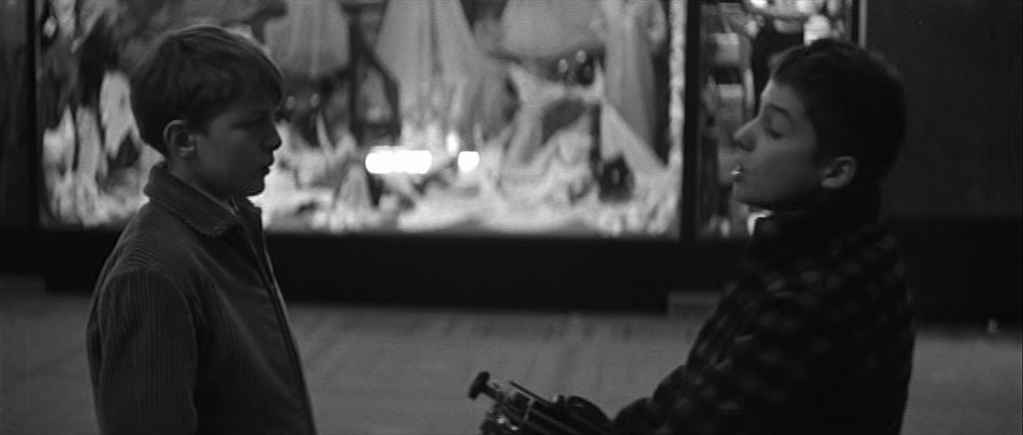
Coming-of-age films have existed since early cinema. In the 1950s and 1960s, directors like François Truffaut and Satyajit Ray used the genre to show how young people reacted to changing societies.
The 400 Blows (1959, Janus Films) follows a Parisian boy named Antoine who skips school, clashes with adults, and runs away. The final shot shows his face at the edge of the sea, with no clear path ahead. The film helped define modern coming-of-age storytelling.
In the 1980s and 1990s, American films often combined teen comedy with emotional conflict, as seen in The Breakfast Club (1985, Universal).
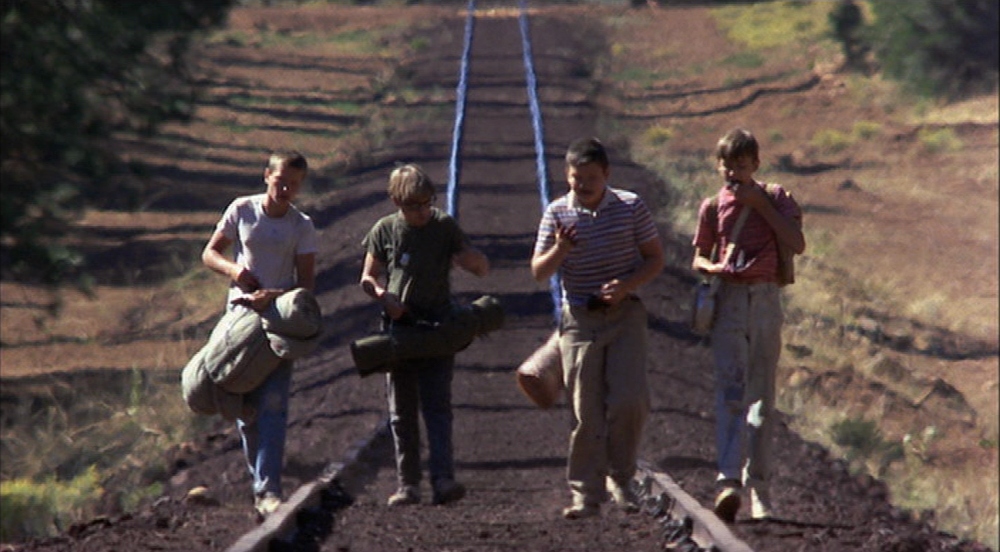
Stand by Me (1986, Columbia Pictures) follows four boys on a hike to find a dead body. Along the way, they talk about fear, friendship, and the future. The narrator reflects on the trip as a final moment of childhood before adult life pulls the group apart.
More recently, filmmakers have focused on a wider range of backgrounds, family structures, and gender identities. But the core remains the same: young people grow up and begin to understand who they are.
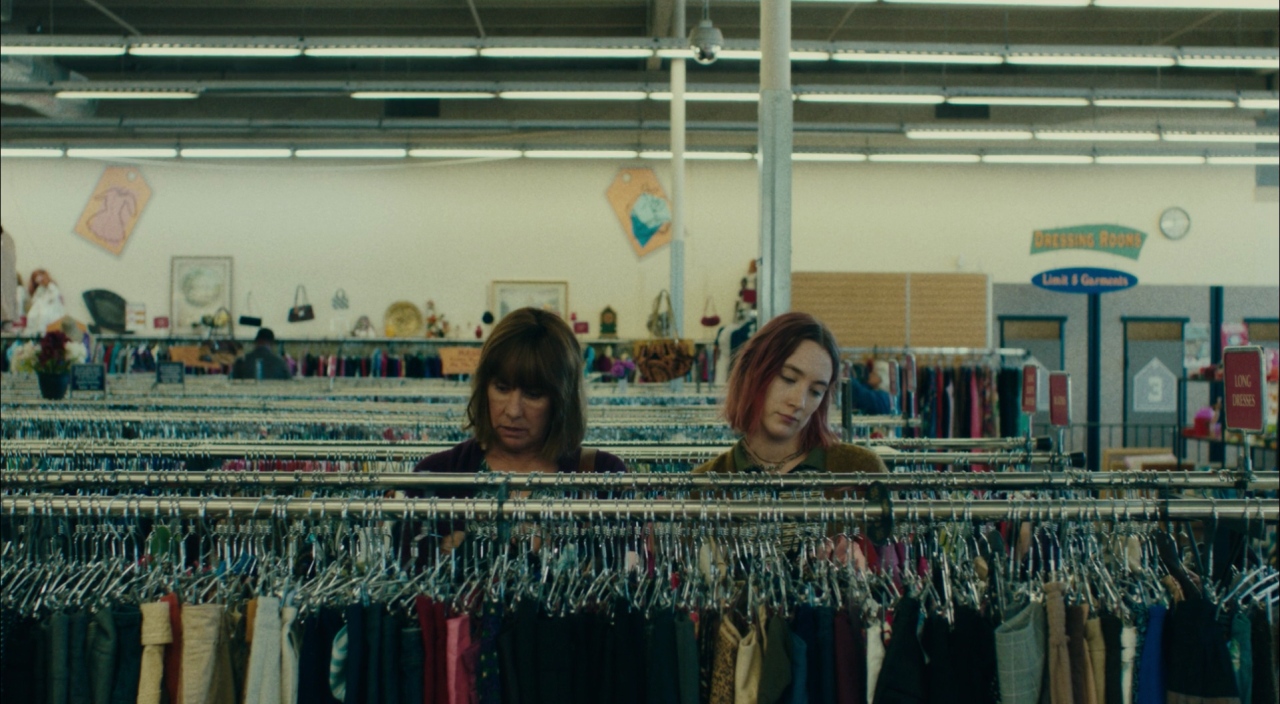
Lady Bird (2017, A24) shows a high school senior in her last year before college. She argues with her mother, tries different identities, and reshapes her closest relationships. The film is based on director Greta Gerwig’s own experiences growing up in Sacramento.
Genre Crossovers and New Directions
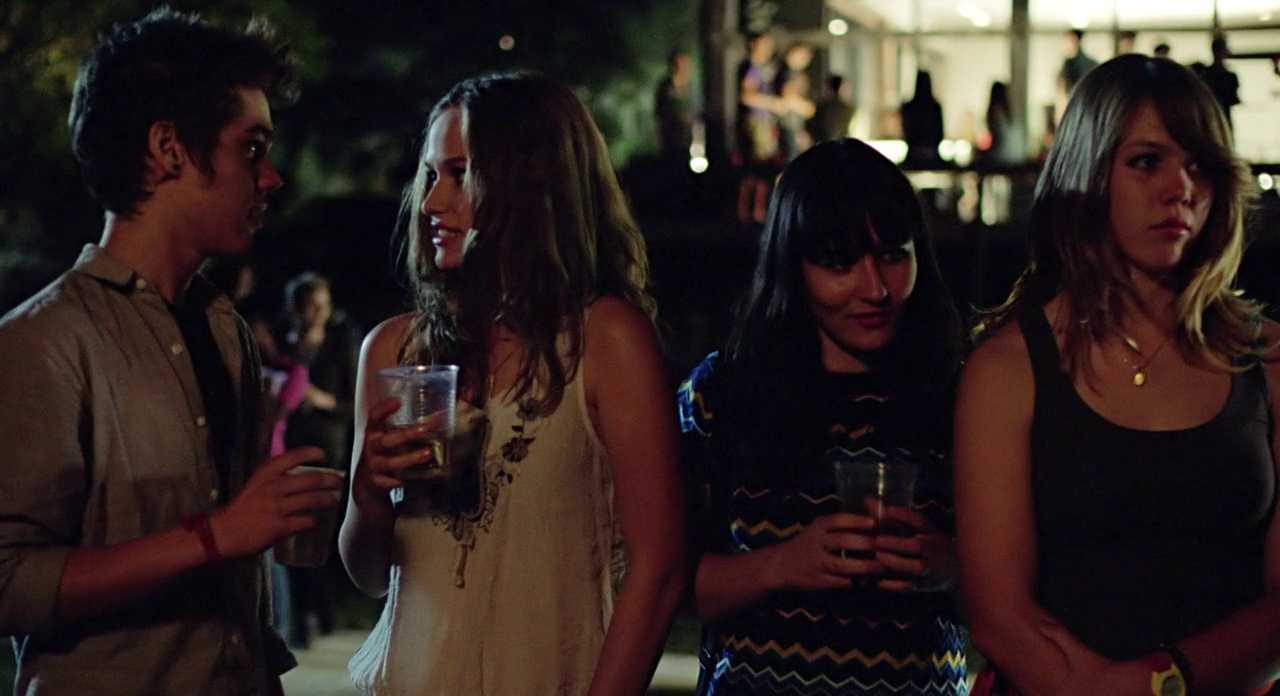
Some coming-of-age films mix with other genres. Boyhood (2014, IFC Films) was filmed over twelve years and follows one boy from age six to eighteen. The film captures how small, everyday events shape who he becomes.
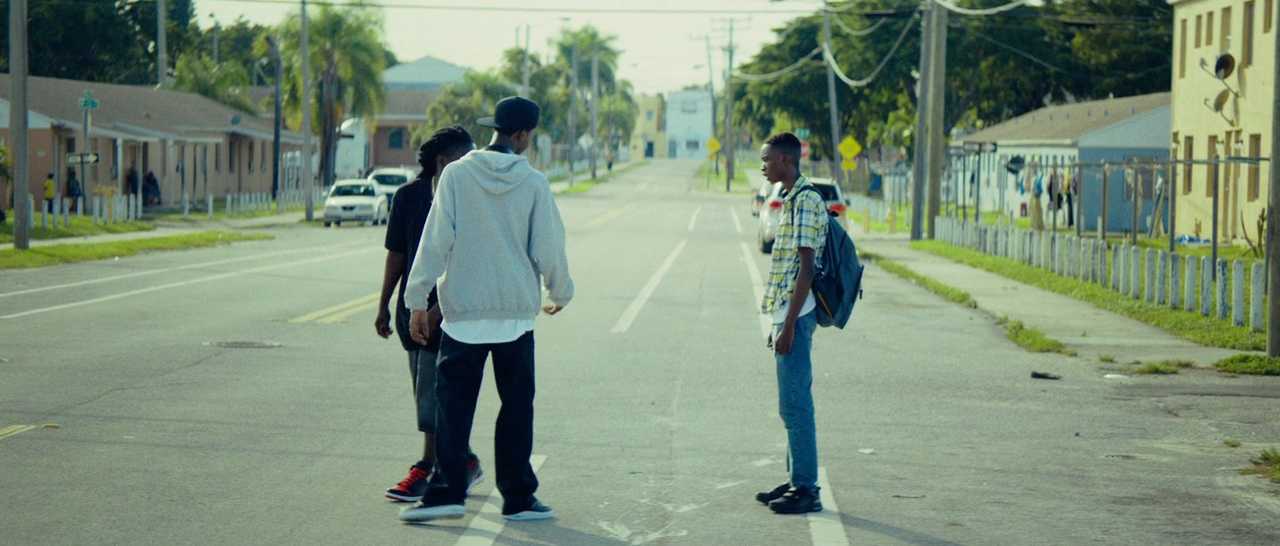
Moonlight (2016, A24) tells the story of Chiron at three stages of life, from childhood to adulthood, as he navigates masculinity, isolation, and love. Like Boyhood, it avoids a traditional plot structure and focuses instead on slow, emotional change over time.
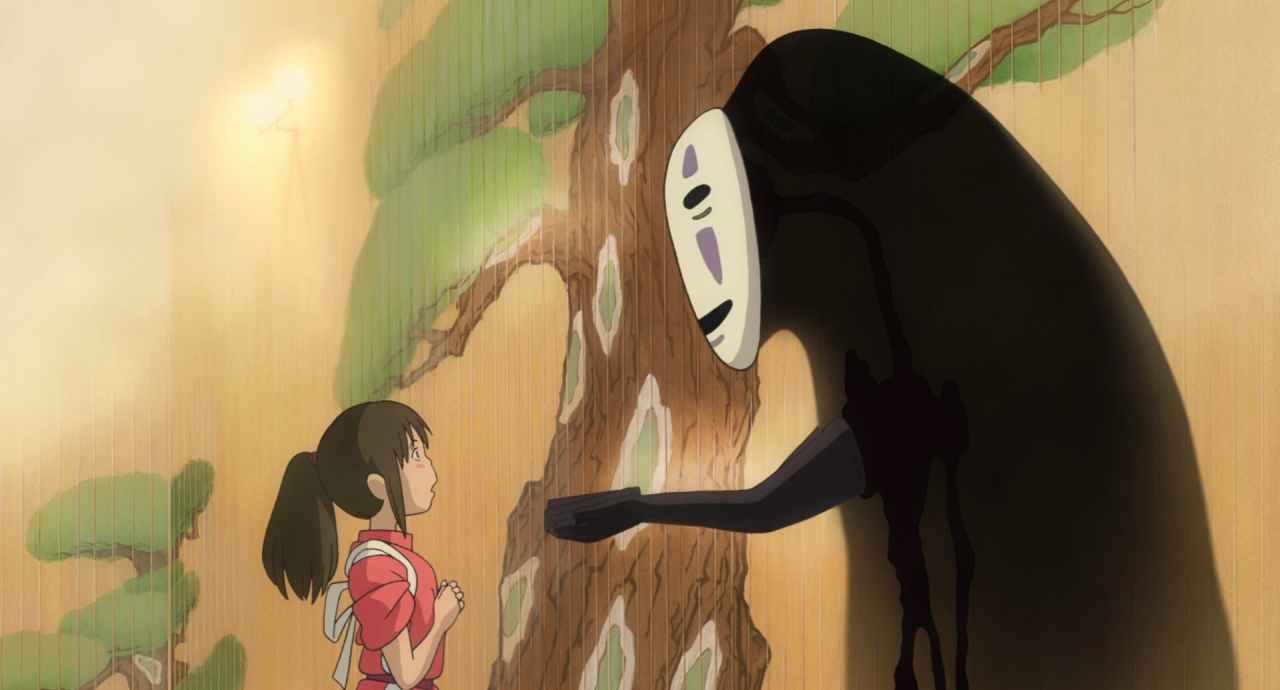
In animation, Spirited Away (2001, Studio Ghibli) follows a young girl stuck in a magical world. To survive, she has to take responsibility and face her fears. Her journey reflects the emotional changes found in many coming-of-age stories, even though the setting is fantasy.
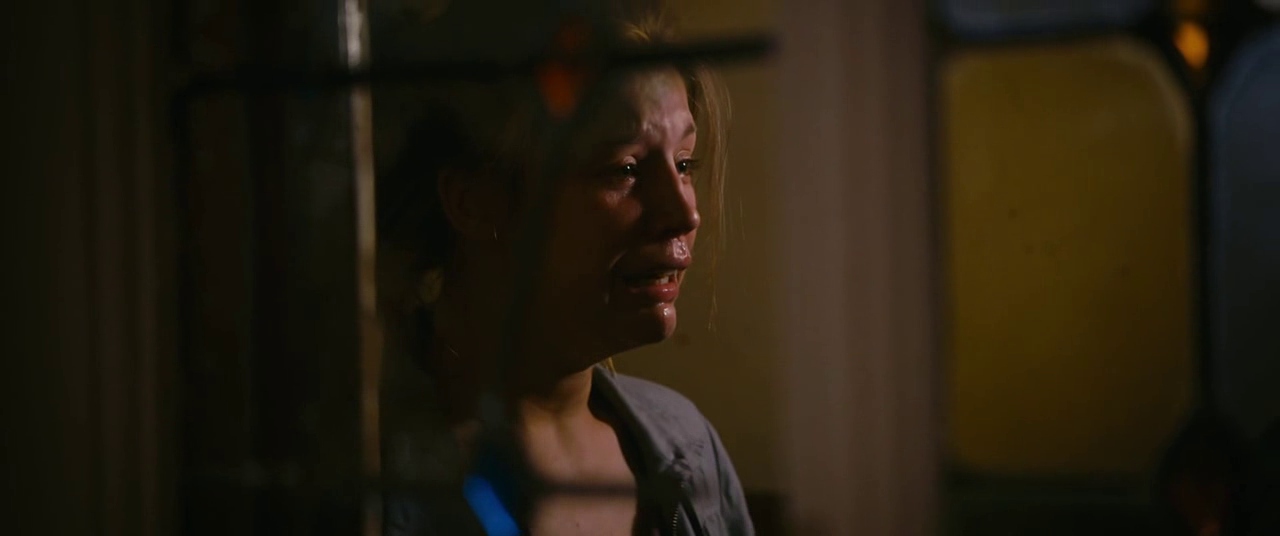
Blue Is the Warmest Colour (2013, Wild Bunch) tells the story of Adèle, a teenager who falls in love with an older art student named Emma. The film explores her changing sense of self, from early confusion to a deep, transformative relationship. As she grows emotionally and sexually, the story shifts into one of heartbreak and self-reflection. This is a coming-of-age film that focuses on identity, desire, and what it means to become an adult after first love fades.
Book Adaptations and Graphic Novels
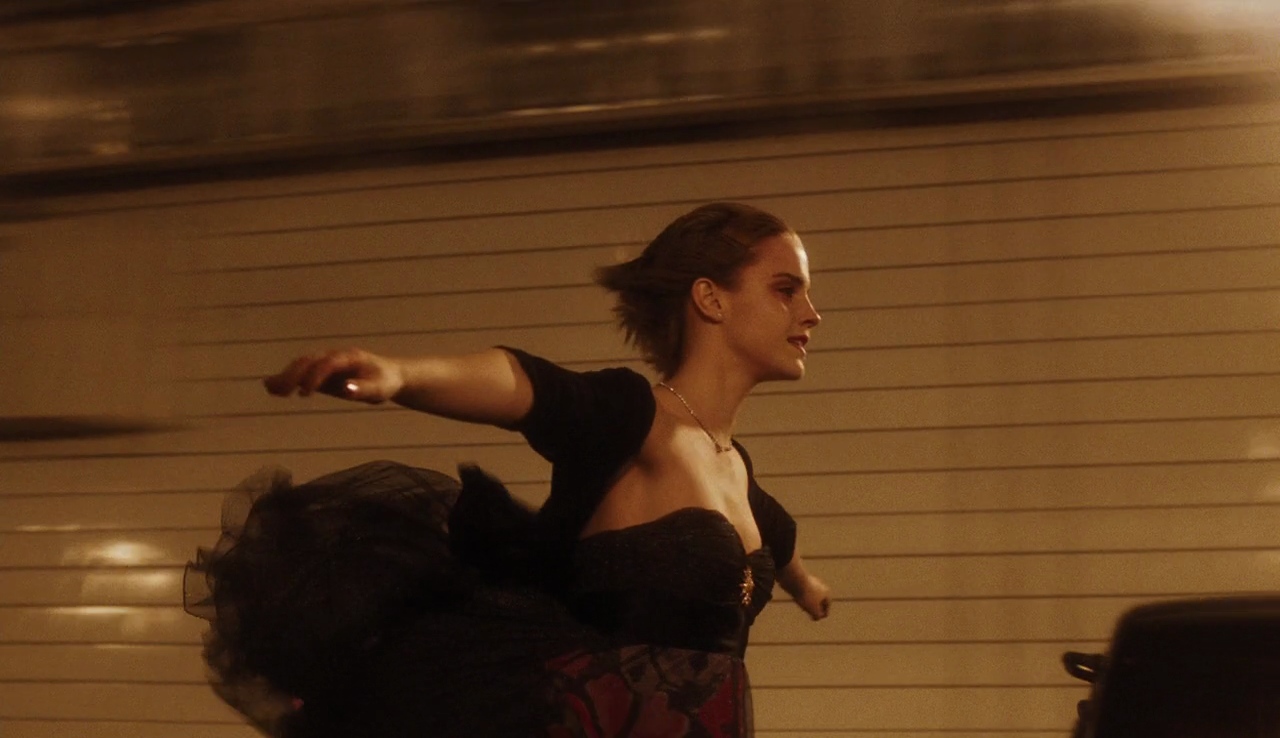
Many coming-of-age films are based on books or memoirs. The Perks of Being a Wallflower (2012, Summit Entertainment) follows a shy teenager who learns to connect with others while coping with trauma.
Persepolis (2007, Sony Pictures Classics) adapts Marjane Satrapi’s graphic novel about growing up during the Iranian Revolution.
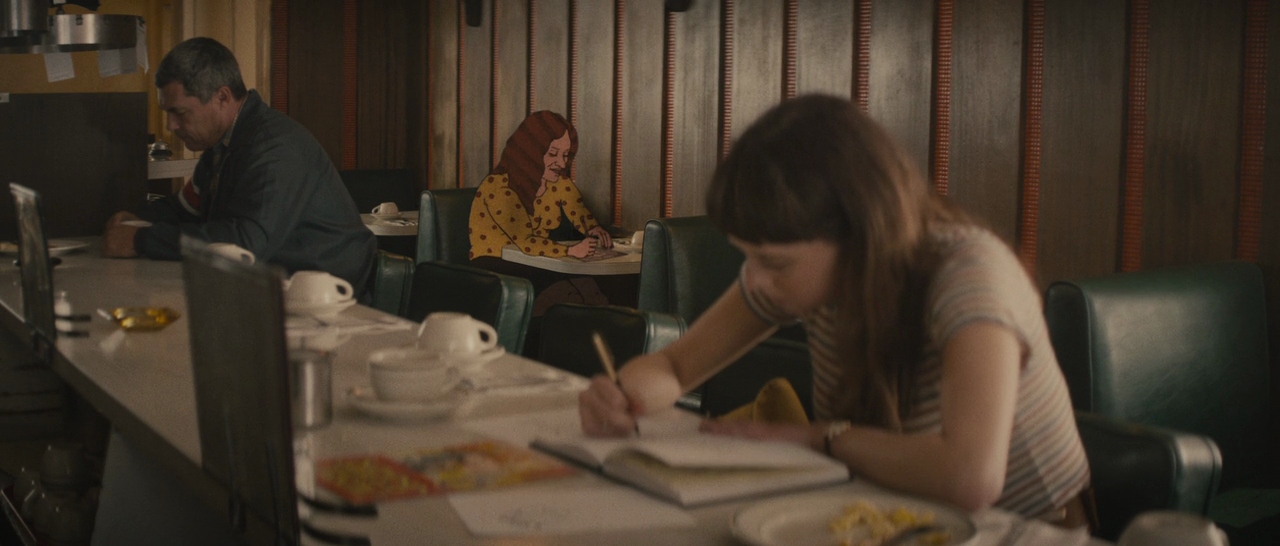
The Diary of a Teenage Girl (2015, Sony Pictures Classics) blends live action and animation to tell a personal story about sexuality, art, and control. These stories work well in film because they focus on emotion, memory, and change.
Summing Up
Coming-of-age movies tell honest stories about growing up. They follow characters who face change, ask questions, and learn to see themselves differently. These films often use simple storylines focused on emotion rather than action.
What makes them powerful is how real the experiences feel, even in a fictional world. That’s why coming-of-age remains one of the most personal and lasting genres in film.
Read Next: Curious how visual styles define film genres?
Explore our breakdown of Genre & Visual Style to see how movements like naturalism, noir, and surrealism shape what we watch.
Looking for the big picture? Visit our Film History, Theory & Genre page to connect techniques with the eras and ideas that shaped them.
