

Published: October 2, 2025 | Last Updated: January 5, 2026

What is Dystopian fiction? Definition & Meaning
Dystopian fiction is a genre that explores imagined worlds where society is deeply flawed, often ruled by oppressive systems, mass surveillance, or extreme inequality. The stories usually take place in the future or in an alternate version of the present. They show how control, corruption, or fear can destroy freedom, identity, and truth. The word “dystopia” comes from Greek, meaning “bad place.”
Author Margaret Atwood has described dystopian and speculative fiction as an extrapolation of real-world social, political, and technological tendencies rather than pure fantasy, arguing that effective dystopias are grounded in recognizable human behavior and existing power structures taken to their logical extremes (Atwood, In Other Worlds: SF and the Human Imagination, 2011).
In film, dystopian fiction goes beyond abstract ideas by visualizing systems of control (for example, through architecture, surveillance, costume design, and restricted movement), making the genre particularly effective at expressing social critique through imagery rather than exposition.
A Brief History of Dystopian Fiction: From Literature to Film
Dystopian fiction emerged as a direct response to political upheaval, industrialization, and fears of centralized power. Early literary examples from the late 19th and early 20th centuries reflected anxiety about rapid technological progress and the erosion of individual agency.
During the mid-20th century, dystopian stories surged in response to totalitarian regimes, nuclear threats, and Cold War paranoia. These narratives emphasized surveillance, propaganda, and ideological conformity.
Modern dystopian films increasingly focus on:
- Corporate control and extreme economic inequality
- Environmental collapse and resource scarcity
- Algorithmic governance, data surveillance, and social ranking systems
This evolution reflects shifting societal fears, showing how dystopian fiction adapts to the dominant anxieties of each era rather than remaining a static genre.
The Hidden Meaning in Dystopian Fiction: A Warning!
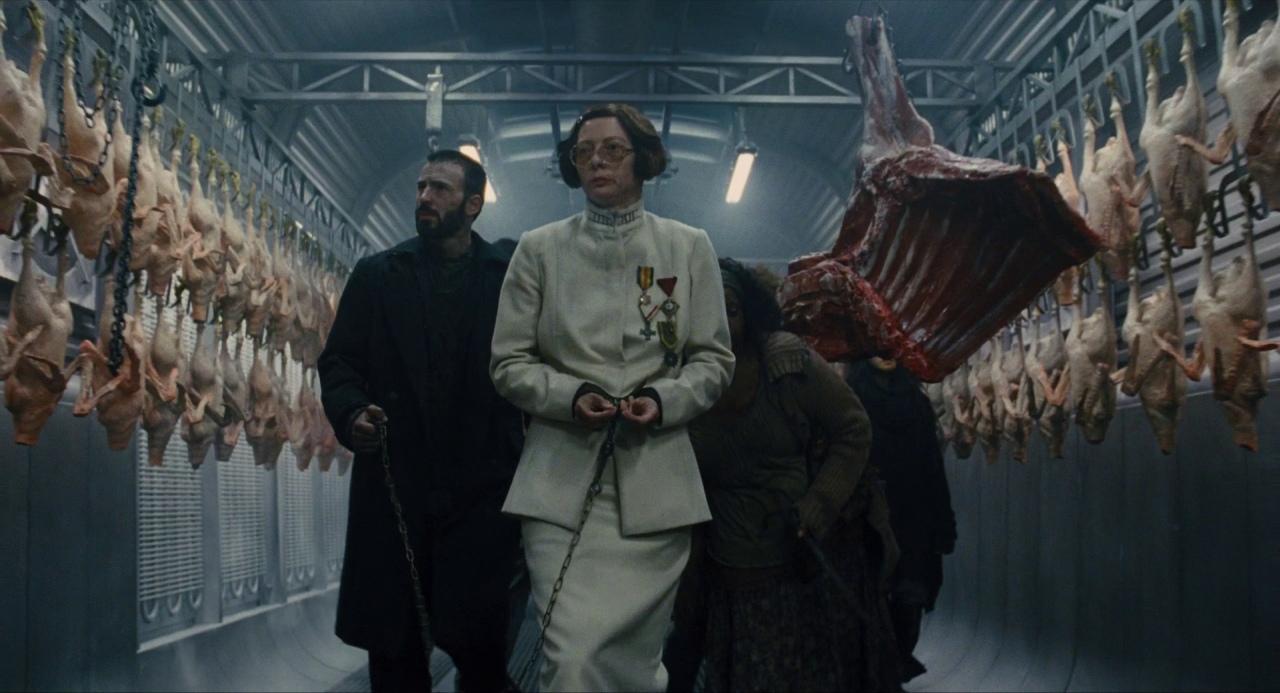
You can use dystopian settings to criticize real-world trends. Dystopian stories often take one broken part of society (like political control, corporate power, or environmental collapse) and build a world around it.
Dystopian fiction acts as a warning. It pushes real fears to the extreme. The goal is to make you think about the present and ask what might happen if no one questions power or protects their rights.
Dystopian fiction is often a branch of science fiction. Many dystopias take place in the future and use imagined technology, social systems, or environmental changes. But not all dystopian stories rely on science. Some focus more on politics, religion, or control. What makes a story dystopian is the broken world and the way it challenges human freedom.
How a Dystopian Society Functions
Dystopian worlds are not defined by chaos, but by highly organized systems designed to benefit a ruling power. Most dystopian societies operate through interconnected mechanisms:
Economic Control
Resources are deliberately limited or unevenly distributed to enforce dependency and class separation. Scarcity is often artificial rather than natural.
Information Control
Access to knowledge is restricted through censorship, propaganda, or misinformation. Citizens may not be aware that they are oppressed.
Surveillance Systems
You can expect constant monitoring (technological or social) to ensure compliance. Surveillance is often normalized as safety or efficiency.
Enforcement and Punishment
Fear maintains order. Punishments are visible and symbolic, serving as warnings rather than merely corrective measures.
In dystopian fiction, these systems create the illusion of stability while systematically eroding autonomy.
Core Structures and Subtypes
Dystopian worlds usually follow a specific pattern. A small group holds power, and systems are used to control the population.
The systems are often presented as necessary for peace or safety, but they take away freedom, identity, and truth. Writers build their worlds using a mix of control tools and world types.
Common Control Mechanisms
Dystopian fiction often relies on some common control mechanisms (or methods), which are used to keep power in dystopian societies. Most stories include at least one of these methods. Often, they use more than one.
- Propaganda: The truth is twisted or hidden to control how people think. Dystopian leaders use posters, broadcasts, and slogans to spread fear or loyalty. Some use agitprop (strong emotional messaging) to push obedience or action.
- Surveillance: Lives are monitored. Privacy is gone.
- Loss of freedom: People cannot speak freely, choose their work, or move without permission.
- Dehumanization: People are treated like tools, numbers, or property.
- Fear of the outside world: Citizens are told nothing good exists beyond their borders.
- Historical control: The past is rewritten, erased, or banned.
Subtypes of Dystopian Worlds
Dystopias are often built around specific fears. The world types shape how the control works. They also shape what kind of problems the story focuses on. Some stories mix two or more subtypes.
- Corporate dystopia: A single company or group of businesses controls the government or daily life.
- Bureaucratic dystopia: Endless rules and red tape crush human needs.
- Technological dystopia: AI, robots, or social media are used to control or manipulate people.
- Theocratic dystopia: Religious laws dominate every part of life.
- Environmental dystopia: Nature has collapsed. People must survive under harsh new systems.
How Dystopian Stories Work
Dystopian fiction usually follows a clear structure:
The main character begins inside the system. At first, they accept the rules or try to survive quietly. Then something disrupts their routine. This is the catalyst or the inciting incident, i.e., the moment that forces the character to face the truth.
After that, they start to question, resist, or rebel. The story moves from personal survival to larger ideas about freedom, justice, and control.
In 1984 (1949, Secker & Warburg), Winston starts off working for the regime. He rewrites history for the Party and follows the rules. The inciting incident comes when he buys a blank diary and secretly starts writing in it. Meeting Julia pushes him further.
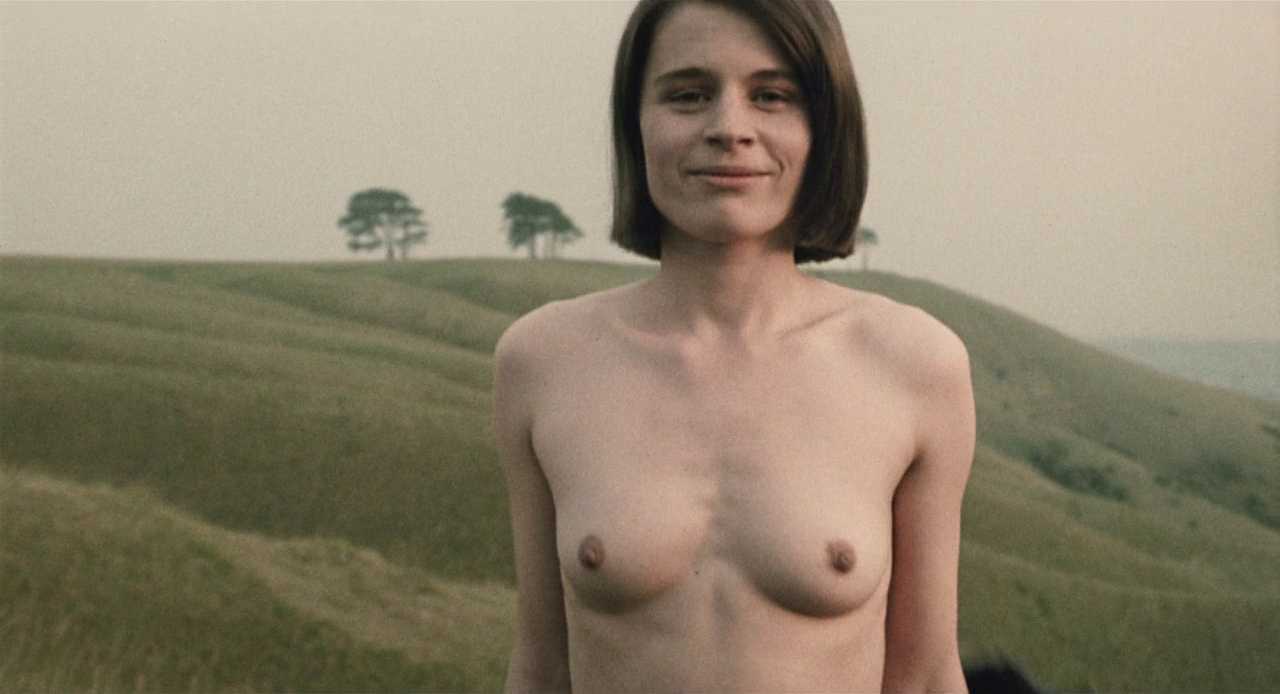
Together, they break more rules and begin to imagine a different life. These small acts become resistance. As Winston changes, the story explores control, surveillance, and the cost of truth.
In The Hunger Games (2012, Lionsgate), Katniss volunteers to take her sister’s place in a deadly public game. At first, she plays by the rules to stay alive. The turning point happens when she honors Rue’s death with a salute. Later, she threatens suicide with Peeta to defy the Capitol.
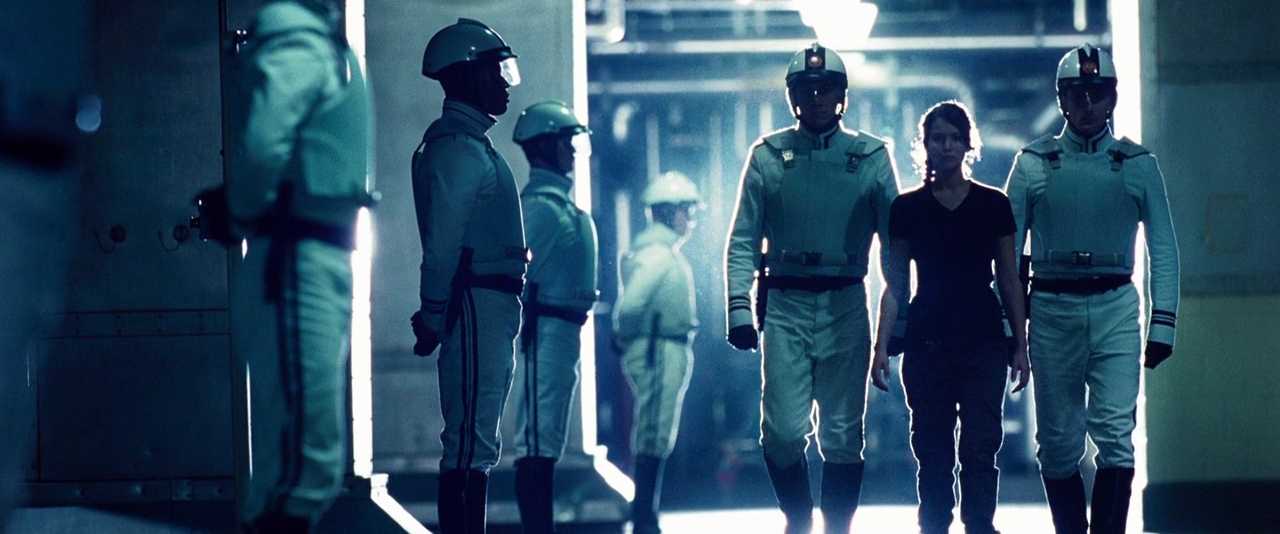
These actions turn her from a survivor into a symbol. The story shifts to questions about power, rebellion, and manipulation through media.
Most dystopian stories follow this arc. They start with one person inside a broken world. A single moment forces change. What begins as a personal decision grows into a challenge to the entire system.
Notable Dystopian Works
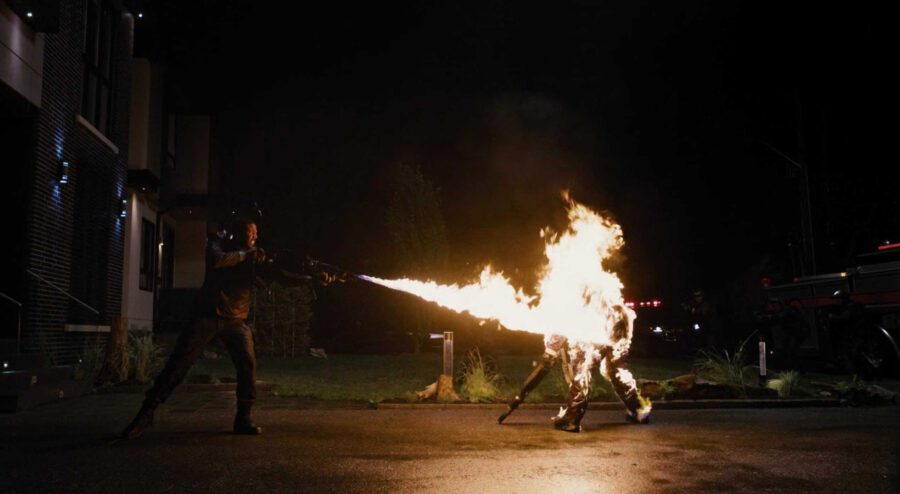
Many of the most influential dystopian stories began as novels and were later adapted into films or television series. This crossover between literature and screen means the same story may appear in multiple formats. Below are key titles you should know, whether you read them, watch them, or both.
Brave New World (1932, Aldous Huxley)
People are drugged into obedience and genetically engineered to fit their social class. Pain and conflict are removed, but so is meaning. Adapted into several screen versions, including a 2020 TV series.
Fahrenheit 451 (1953, Ray Bradbury)
In a world where reading is illegal, firemen burn books to erase knowledge. Independent thought is treated as a threat. Adapted into films in 1966 and 2018.
The Handmaid’s Tale (1985, Margaret Atwood)
Fertile women are forced to bear children for the ruling elite under a religious dictatorship. First adapted into a 1990 film, then into a long-running TV series starting in 2017.
Kallocain (1940, Karin Boye)
A lesser-known dystopian novel set in a totalitarian future where a truth serum removes personal freedom. Adapted for Swedish television in the 1980s.
Children of Men (2006, Universal)
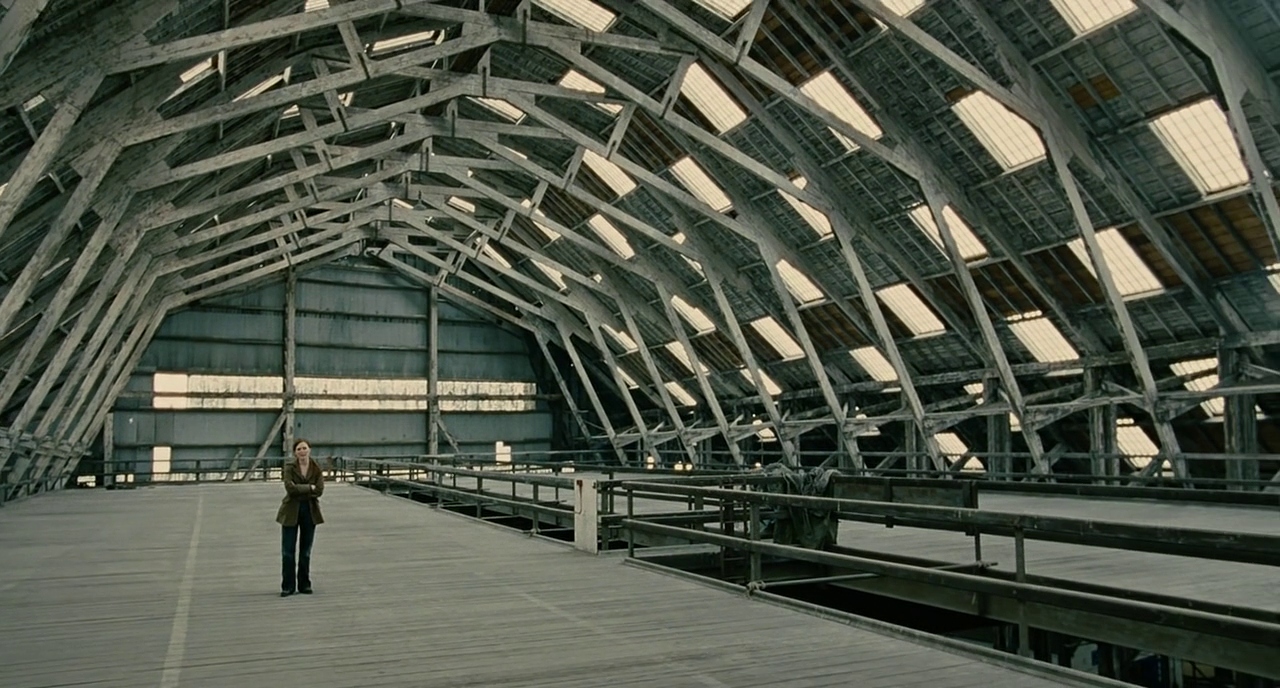
Based on the 1992 novel by P. D. James. Humanity faces extinction due to global infertility. One pregnant woman becomes the key to survival. Directed by Alfonso Cuarón.
Snowpiercer (2013, CJ Entertainment)
Based on the French graphic novel Le Transperceneige. After a climate disaster, the last humans live on a train divided by class. Rebellion breaks out as the oppressed fight back.
Not all dystopian stories begin as books. The following titles were created directly for the screen and offer original takes on the genre.
Black Mirror (2011–2019, Netflix)
This anthology series explores near-future disasters caused by technology. Each episode tells a standalone story about control, surveillance, or digital collapse.
THX 1138 (1971, Warner Bros.)
George Lucas’s debut film takes place in a sterile underground society. Emotions are suppressed with drugs, and rules are enforced by robotic officers. One man starts to question everything.
Why Dystopian Fiction Matters
Dystopian fiction is more than just dark entertainment. It reflects real fears about the world around us. The stories warn about climate change, fake news, mass surveillance, and lost rights. They help you see what can happen if power grows unchecked.
The genre keeps evolving. As new threats rise (like AI, data tracking, or ecological collapse), dystopian fiction continues to respond. It stays relevant because it stays honest about what might come next.
Borderline Cases: When Is a Story Not a Dystopia?
Not every bleak or futuristic story qualifies as dystopian fiction. A key distinction lies in whether an organized system of control exists.
- Post-apocalyptic stories often depict survival after societal collapse, but without a functioning governing system, they are not dystopian.
- Dark science fiction may feature advanced technology or moral ambiguity without systemic oppression.
- Utopias gone wrong only become dystopian once control replaces consent.
Dystopian fiction requires structure, hierarchy, and enforced order—not just suffering or decay.
Dystopian Fiction vs. Related Genres
Dystopian fiction is frequently confused with adjacent genres. The differences are subtle but important:
- Dystopian vs. Utopian: Utopias depict idealized societies; dystopias expose the hidden cost of “perfection.”
- Dystopian vs. Post-apocalyptic: Dystopias maintain social order; post-apocalyptic stories depict its absence.
- Dystopian vs. Cyberpunk: Cyberpunk focuses on high-tech, low-life settings; dystopia focuses on systemic control regardless of aesthetic.
- Dystopian vs. Speculative Fiction: Dystopia is a subset of speculative fiction, defined by social critique rather than premise alone.
Understanding these distinctions helps avoid mislabeling and clarifies thematic intent.
How to Identify Dystopian Fiction (A Practical Checklist)
A story is likely dystopian if most of the following apply:
- Society is highly organized and hierarchical
- Individual freedoms are restricted by design
- Control benefits a ruling group or ideology
- Surveillance or propaganda is normalized
- Rebellion emerges as a narrative pressure point
If oppression is systemic rather than incidental, the story likely belongs to the dystopian genre.
International Perspectives on Dystopian Film
While many well-known dystopian films originate from Hollywood, international cinema offers equally powerful interpretations shaped by local history and politics.
Non-Western dystopias often emphasize:
- Collective trauma
- State surveillance informed by historical regimes
- Cultural conformity over individual rebellion
These films demonstrate that dystopian fiction is not tied to a single political system but emerges wherever power structures override human autonomy.
Summing Up
Dystopian fiction builds extreme worlds to ask real questions. These stories help you think about control, power, and freedom. They challenge you to see what could go wrong, and remind you that change starts with awareness.
Read Next: Curious how visual styles define film genres?
Explore our breakdown of Genre & Visual Style to see how movements like naturalism, noir, and surrealism shape what we watch.
Looking for the big picture? Visit our Film History, Theory & Genre page to connect techniques with the eras and ideas that shaped them.
