

Published: October 1, 2025

What is Agitprop? Definition & Meaning
Agitprop is a form of political propaganda that uses art, theater, literature, and film to promote a specific political agenda. The word combines “agitation” and “propaganda.” Its purpose is to stir emotions, shape opinions, and build support for a cause.
Origins of Agitprop
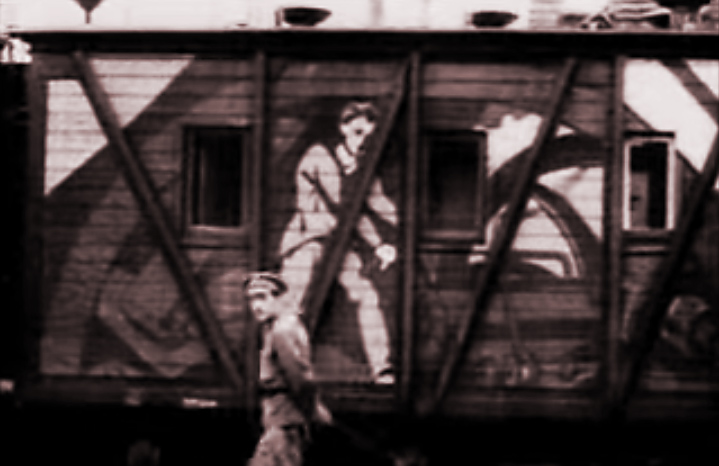
Agitprop began in the early 20th century in the Soviet Union. After the 1917 October Revolution, the Bolshevik government created a Department for Agitation and Propaganda (known as the agitpropotdel) to spread communist ideas.
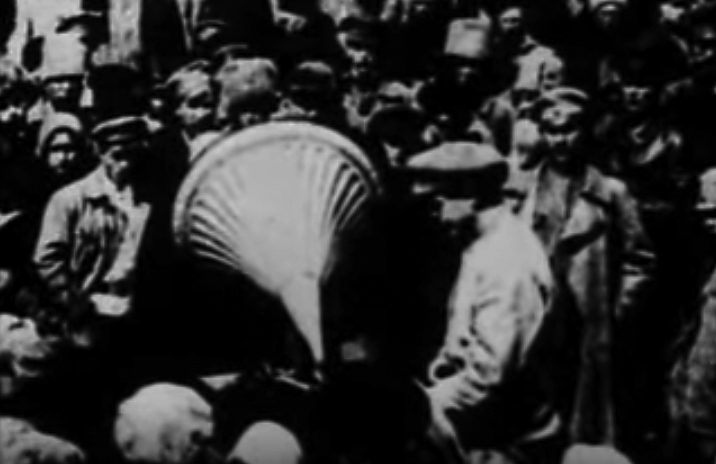
One creative method was the use of agitprop trains (or Agit-train). These were mobile units equipped with printing presses and performance spaces. They traveled the countryside, bringing plays, pamphlets, and visual art directly to the people. The goal was to educate rural areas and build enthusiasm for socialism.
Agitprop in Film, Theater, and Soviet Montage
Agitprop had a major impact on film and theater. In Soviet cinema, directors like Sergei Eisenstein used editing to deliver bold political messages. His film October (1928), also known as Ten Days That Shook the World, shows the Bolshevik Revolution with striking, symbolic imagery and powerful pacing.
Theater troupes like the Blue Blouse group staged short, simple plays in public places. These performances dealt with real-world problems and promoted communist ideals. They were fast-paced, funny, and meant to be easy to understand, even without formal education.
Soviet montage was key to the way agitprop worked in film. Montage editing puts shots together to create meaning between them. It tells you how to feel about certain events.
A good example is Eisenstein’s Battleship Potemkin (1925). The famous Odessa Steps scene uses quick cuts and intense contrasts to build emotion and show the cruelty of the ruling class. The editing moves you toward a political conclusion without saying it directly.
This kind of montage became a way to direct your feelings (think of anger, pride, hope) toward political change.
Key Features of Agitprop

Agitprop works because it combines clear ideas with strong emotions. It’s built to be simple, direct, and accessible, even for people without formal education. Below are some of the key traits that make agitprop effective.
- Clear political goals: The message is direct and always supports a cause.
- Emotional power: It’s designed to make you feel strong emotions (often outrage, inspiration, or hope).
- Simple and direct: Agitprop avoids complex wording so anyone can understand the message.
- Public and interactive: It often happens in public spaces or uses performance to engage people face-to-face.
Agitprop in Modern Contexts
Even though it started in the Soviet era, agitprop techniques are everywhere today. Political ads, campaign slogans, and even viral memes often use the same tools (emotion, repetition, and visual symbols) to shape opinions fast.
Social media, especially, has become a space where agitprop thrives. Quick, emotional content spreads fast and can rally support or stir outrage in seconds.
Learning how agitprop works helps you spot political messaging in modern media. It makes it easier to think critically about what you watch, read, and share.
Summing Up
Agitprop is political propaganda that uses emotion and art to push a message. It began in the Soviet Union but still influences media today. Soviet montage helped early agitprop films use editing to guide your feelings and beliefs. Modern examples show up in everything from campaign videos to memes. Knowing how it works helps you stay aware of how media can influence your thinking.
Read Next: Curious how art movements shaped film?
Explore our full Visual Art Timeline to see how styles like Surrealism, Cubism, and Suprematism influenced cinema’s most experimental moments.
Or keep browsing our Film Movements & World Cinema section for more on the histories that shaped screen culture around the globe.
