

Published: April 29, 2024 | Last Updated: November 18, 2025

What is Tech Noir? Definition & Meaning
Tech noir is a hybrid genre of film that combines elements of science fiction, particularly cyberpunk, with film noir. It typically includes a dystopian future (making it overlap with dystopian fiction) characterized by high-tech advancements juxtaposed with societal decay and bleak, stylistic nihilism.
To understand Tech Noir, you must first understand Film Noir and cyberpunk. That’s because the themes and aesthetics of tech noir are a mix of these two genres. So that’s where we’ll start.
Origins in Film Noir
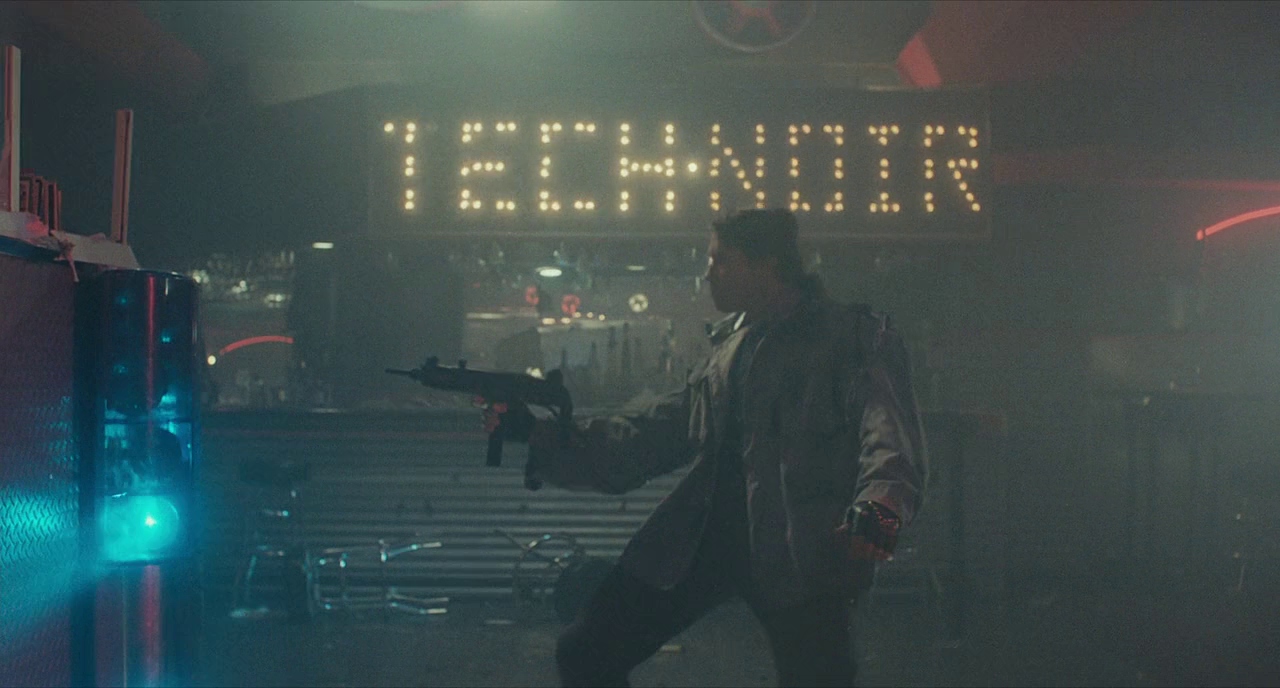
The term “tech noir” combines the words “technology” and “film noir.” It became popular after The Terminator (1984). In the film, there’s a nightclub called Tech Noir. The name captures the tone of the movie (dark, violent, and full of machines) and ended up naming the genre itself.
Tech noir is rooted in film noir‘s stylistic and thematic elements, i.e., stylish Hollywood crime dramas, particularly those that emphasize cynical attitudes and sexual motivations.
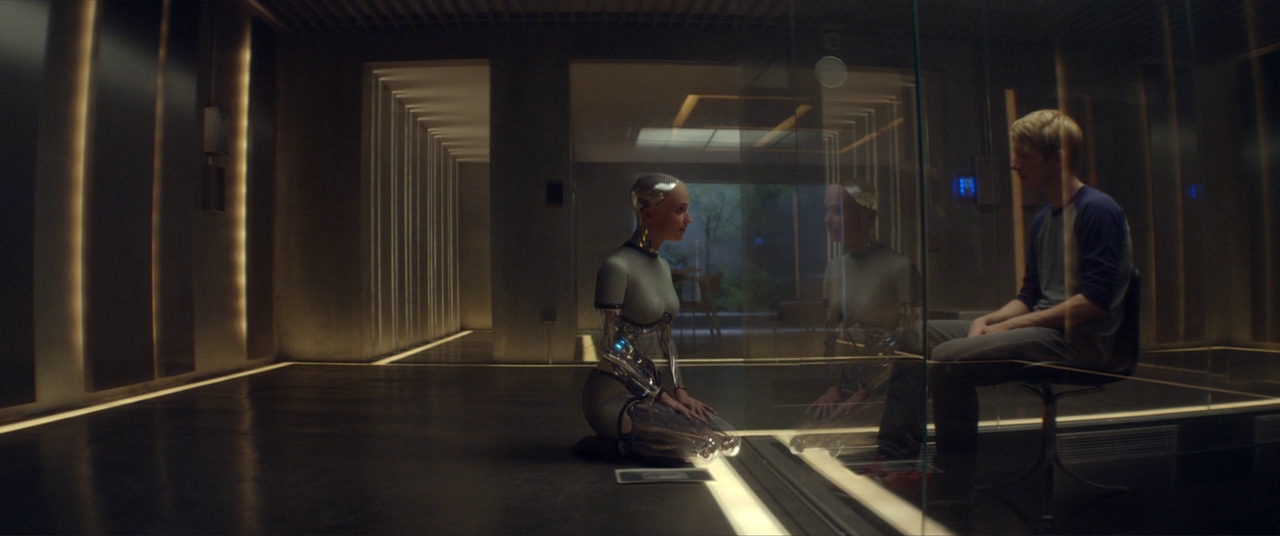
The classic noir films of the 1940s and 1950s feature dark, rainy streets, urban landscapes (the metropolises are like living, breathing characters themselves), femme fatales, and characters grappling with moral ambiguities, all enveloped in a shadowy cinematographic style. These elements have carried over into Tech Noir.
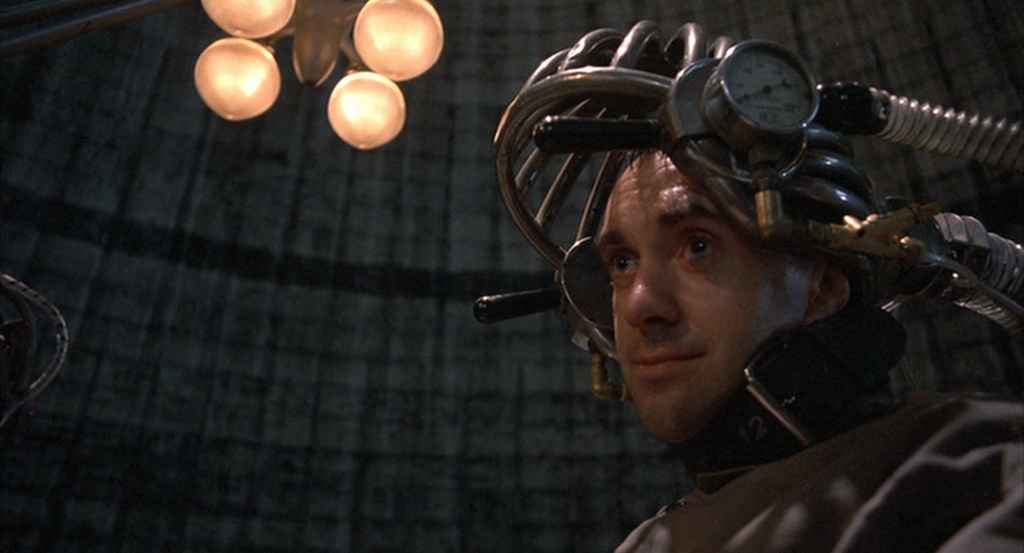
And like film noir, the protagonist in Tech Noir frequently embodies the antihero archetype who tries to navigate a corrupt or oppressive world driven by high-tech advancements. Fx, Sam Lowry in Brazil (1985) is an iconic tech noir antihero whose battle against a totalitarian government highlights his imperfections and struggles.
Influence of Cyberpunk
During the late 1960s to early 1980s, a new science fiction genre emerged known as cyberpunk.
Cyberpunk focuses on futuristic advancements, particularly information technology, juxtaposed with a degree of breakdown or radical change in the social order.
Philip K. Dick, whose novel Do Androids Dream of Electric Sheep? (1968) (adapted into the film Blade Runner) significantly influenced the cyberpunk ethos, and novels like Neuromancer (1984) by William Gibson helped define the cyberpunk genre and influenced tech noir’s aesthetic and thematic bases.
Aesthetic Style and Visuals
The noir aesthetic heavily influences the visual style of tech noir. Like film noir, it incorporates high-contrast and low-key lighting.
Classic noir films were in black and white, but with the color noir period of the 1960s (neo-noir), color elements such as neon lights and stark blues began to appear (still in high-contrast settings against black).
Tech Noir Themes
A central theme in tech noir is the impact of technology on society and its potential and perils, e.g., how technological advancements can manipulate human relationships and societal structures, raising questions about surveillance, privacy, and the loss of individuality.
Human vs. Machine
A central theme in tech noir is the tension and conflict between humans and technology, often exploring the boundaries and ethical implications of artificial intelligence and robotics.
A good example is The Terminator (1984), in which the neural AI Skynet has created an army of robots determined to wipe out the human race.
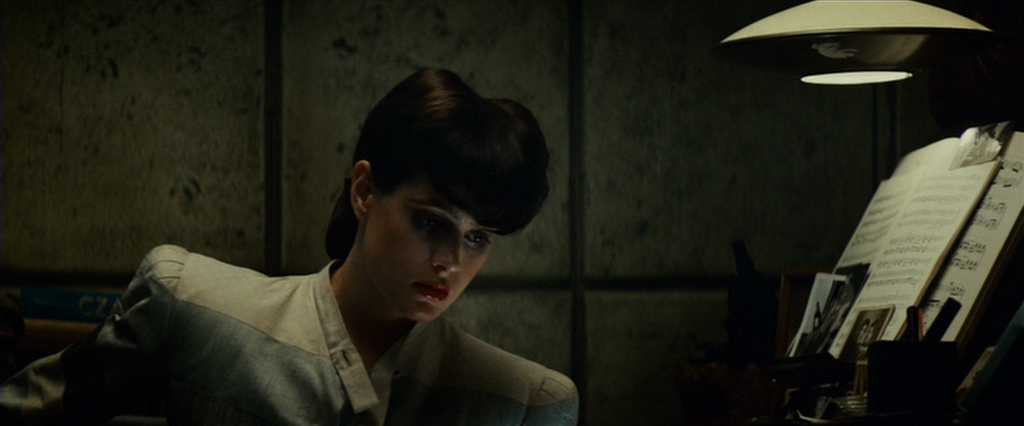
Likewise, Blade Runner (1982) explores the complexities of AI and its implications for identity, consciousness, and morality, and ultimately, what it means to be human in a world where bioengineered replicants can exhibit human-like emotions and memories.
Surveillance Society
Another profound theme is the encroachment of surveillance and loss of privacy in a technologically advanced society.
Fx, Minority Report (2002) portrays a future where law enforcement uses psychic technology to arrest criminals before they commit a crime.
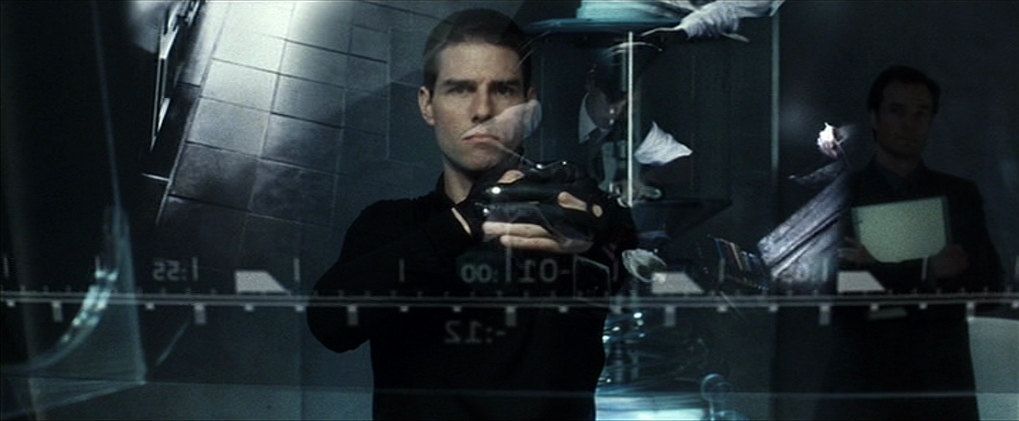
It raises questions about free will and privacy, underlining the dangers of an omnipresent surveillance system. It also explores the ethical and moral implications of using technology to predict and prevent crimes before they happen.
Corporate Control
Tech noir frequently addresses the theme of corporate dominance over society and its implications.
In RoboCop (1987), the powerful Omni Consumer Products (OCP) corporation rebuilds a slain police officer into a cyborg, showcasing the extent of corporate power and its impact on personal identity and justice.
The film criticizes the commercialization and privatization of public services (hospitals, prisons, and the police), highlighting the risks of allowing corporate entities unchecked control over societal functions.
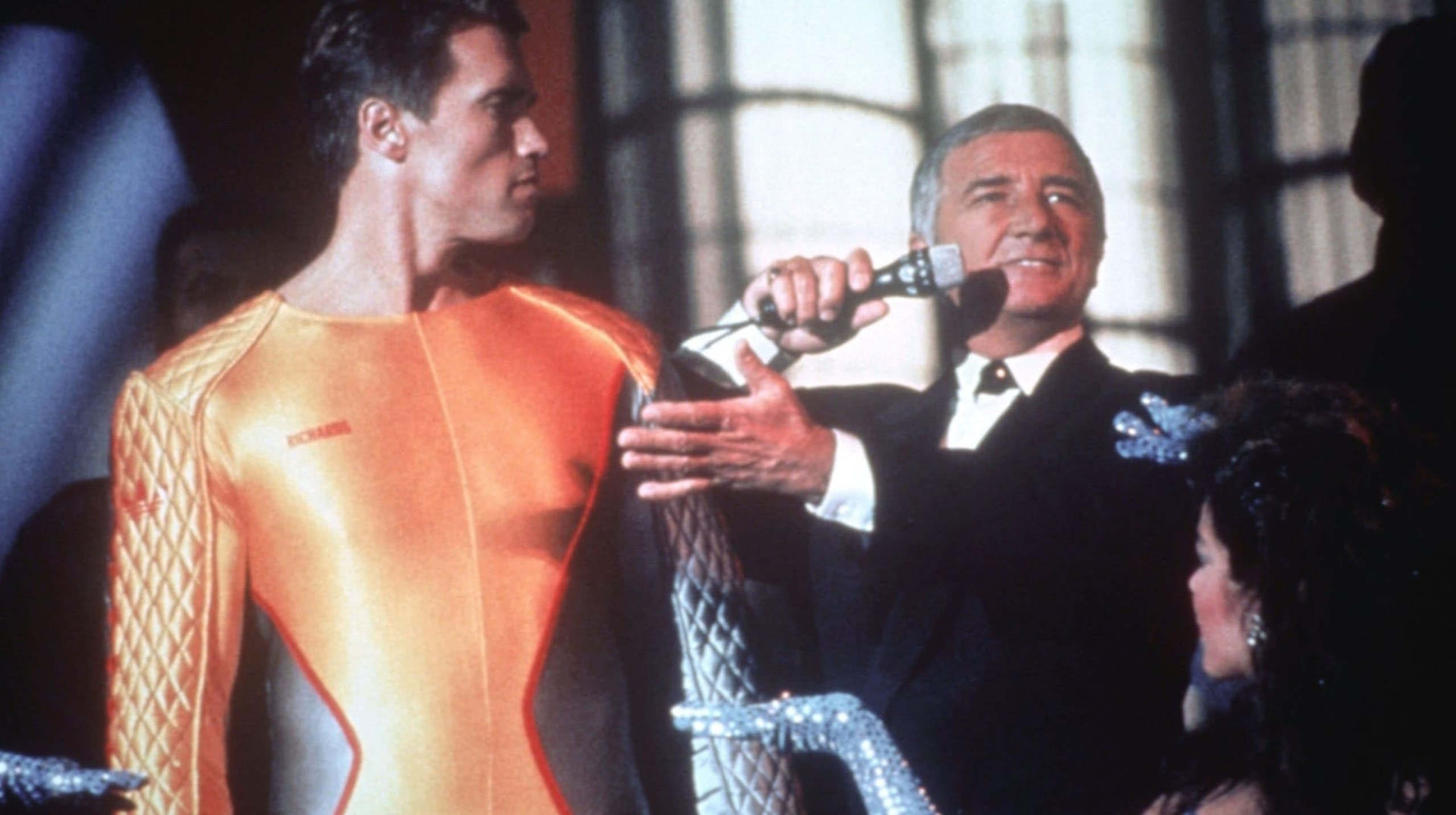
Another example is The Running Man (1987), starring Arnold Schwarzenegger. It features a powerful corporate television show in which convicted criminal “runners” must escape death at the hands of professional killers.
Evolution in the 1990s and Beyond
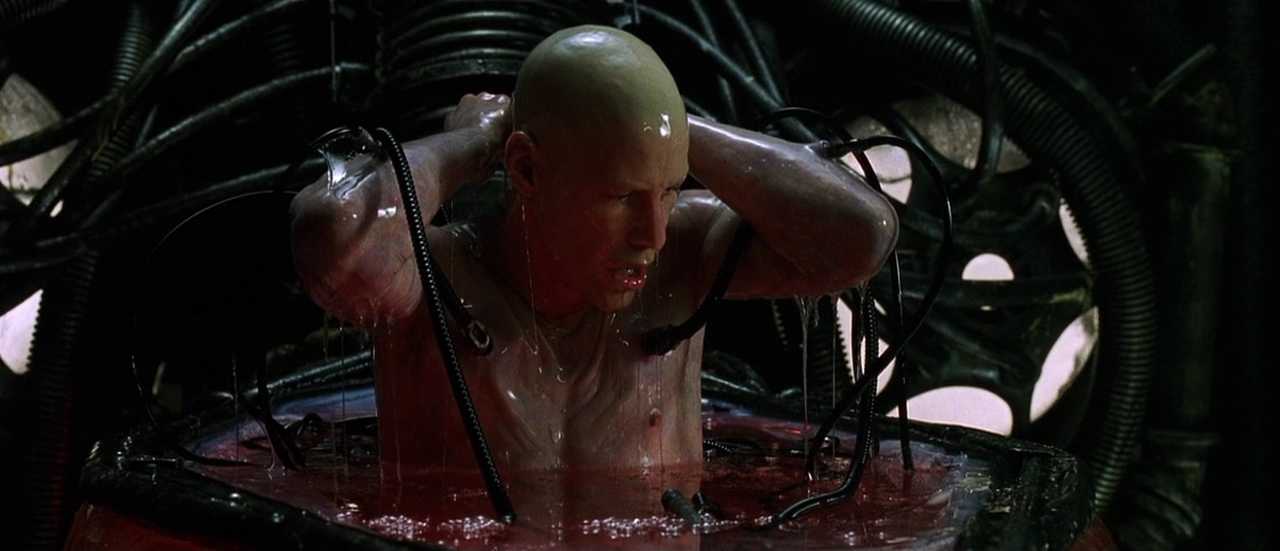
In the 1990s and early 2000s, tech noir grew more complex. Films started using better visual effects and explored deeper ideas.
For example, Strange Days (1995), directed by Kathryn Bigelow, focused on virtual reality and how personal experiences could be sold as entertainment.
The Matrix (1999), directed by the Wachowskis, took things further. It mixed tech noir with action and asked what’s real in a world run by machines.
Contemporary Relevance
Tech noir still feels relevant today as technology keeps moving fast. The genre gives you a way to think about the problems that come with new tech.
For example, the streaming series Black Mirror uses short, standalone stories to show dark futures shaped by technology. Each episode asks what might happen if we push tech too far, keeping the core of tech noir alive in the digital age.
Summing Up
Tech noir might not ever have been more relevant than today. The genre offers a lens through which to view and critique the interactions between society and technology.
With the advent of AI, robotics, corporate control, state surveillance, and neural implants advancing rapidly, tech noir remains a stark reminder that the paths toward utopia or dystopia (two equally frightening scenarios, if you ask me) hinge on how humans use the technological wonders or beasts we create.
Read Next: Curious how visual styles define film genres?
Explore our breakdown of Genre & Visual Style to see how movements like naturalism, noir, and surrealism shape what we watch.
Looking for the big picture? Visit our Film History, Theory & Genre page to connect techniques with the eras and ideas that shaped them.
