

Published: July 29, 2025

What is First-person point of view? Definition & Meaning
First-person point of view (POV) is a way of telling a story where you see the events through a character’s eyes. The camera shows what the character sees, hears, and sometimes even thinks. This creates a close connection between the viewer and the character, making the story feel more personal and emotional. It’s a common technique in subjective cinema.
In film, first-person POV is usually shown through camera angles that match the character’s line of sight, such as over-the-shoulder shots. Some directors also use voiceovers or editing that focuses on how the character sees the world. The goal is to place the viewer inside the character’s experience, both physically and mentally.
POV in Movies
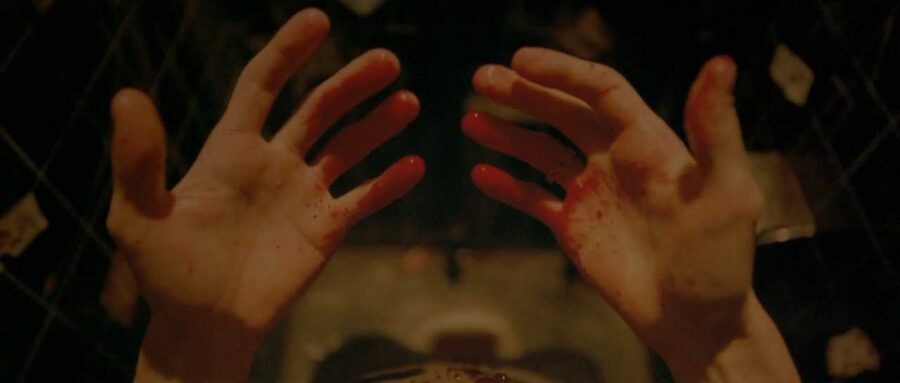
First-person POV has been used in many films to create intense or unusual experiences. In Enter the Void (2009, Wild Bunch), Gaspar Noé tells the story from the viewpoint of a character who dies early in the film. The camera follows his spirit through flashbacks and imagined scenes, showing how he sees his own life and death.

Hardcore Henry (2015, STX Entertainment) takes the idea even further. The entire movie is shot like a video game, with the camera always showing what the main character sees. This makes the action feel fast and intense, but also limits what the viewer knows, just like the character.
Explore all the points of view in film.

Another early example is Lady in the Lake (1947, MGM), a film noir directed by Robert Montgomery. The whole movie is shot from the detective’s point of view. You only see the main character when he looks into mirrors, which creates a strange but immersive experience.
POV in Literature
The idea of a first-person point-of-view comes from literature, where writers often tell stories directly through a character’s voice. In The Catcher in the Rye by J.D. Salinger, the main character Holden Caulfield talks straight to the reader.
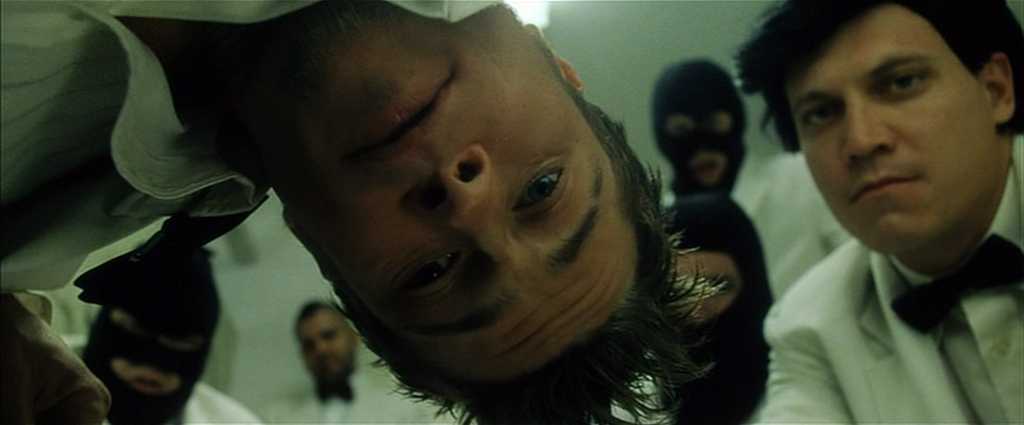
In Fight Club by Chuck Palahniuk, the narrator’s inner struggles and confusion affect how the story is told, making it feel fragmented and personal.
To Kill a Mockingbird by Harper Lee is told from the point of view of Scout, a young girl whose thoughts shape how we understand the story.
Summing Up
POV storytelling changes how we understand a character. Instead of watching from the outside, you step inside their mind and body. This helps directors explore deeper feelings like fear, memory, or confusion, and makes the story feel more real and personal.
Read Next: Curious how film theory shapes the way we watch movies?
Start with the Film Theory section to break down realism, formalism, structuralism, and more — with examples from iconic films.
If you want studying film theory I recommend starting with The FilmDaft overview of film theory discourses to break down realism, formalism, structuralism, and more — with examples from iconic films.
Then explore the full Film History, Theory & Genre collection to see how movements, styles, and storytelling traditions have evolved.
Whether you’re into Soviet montage or 2000s genre mashups, there’s something here to sharpen your understanding.