

Published: July 29, 2025 | Last Updated: November 18, 2025

What is Subjective cinema? Definition & Meaning
Subjective cinema is a filmmaking style that shows the story through a character’s personal point of view, including their thoughts, emotions, and perceptions.
In subjective cinema, the film is shaped by what one character sees, feels, or believes. This might include their memories, fantasies, fears, or mental state.
The goal is to bring the viewer closer to the character’s inner world, even if that world is confusing, distorted, or incomplete.
Subjective films often use creative camera angles, voiceover narration, dream sequences, and visual effects to express what the character is going through.
How Subjective Cinema Works
Directors use different tools to show the viewer a character’s point of view. These include:
- POV shots: The camera shows what the character sees, making the viewer feel like they are in that character’s body.
- Voiceovers: A character’s inner voice explains their feelings or thoughts as the scene plays.
- Visual distortion: Blurred images, quick cuts, flashing lights, or color changes suggest confusion, trauma, or altered states of mind.
- Dreams or flashbacks: A break from reality shows the character’s memories, fears, or desires.
Some films use these tools in a few scenes. Others build the whole story around a character’s limited or unreliable view of the world.
How Viewers Experience Subjective Cinema
Subjective films can feel strange or unclear at first. That’s because they often show how things feel instead of what actually happens. The story might be told out of order, or it might blend reality and fantasy.
The choices help you understand how the character sees their world. You might even feel unsure of what’s real, just like the character. This makes you connect with them more deeply.
Everyone brings their own experiences when watching a movie. In subjective cinema, that matters even more. What one person sees as a dream, another might see as a memory. The films leave space for personal interpretation, which is why they often lead to strong reactions or debates.
Examples of Subjective Cinema
Below, I’ve listed a few films that can be considered subjective cinema. Know that there are many more, but these give you a good place to start.
Requiem for a Dream (2000, Artisan Entertainment)
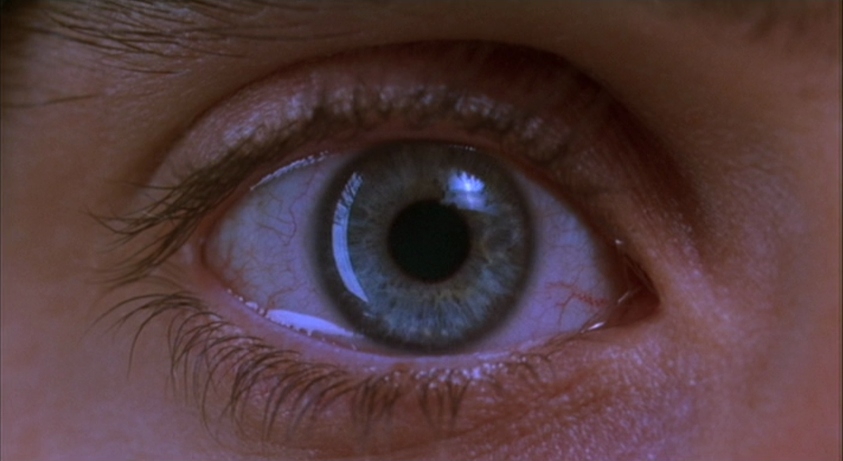
Darren Aronofsky uses fast editing, loud sound effects, and tight close-ups to show addiction from inside each character’s mind. The film makes you feel trapped with them as their lives fall apart.
Black Swan (2010, Fox Searchlight)
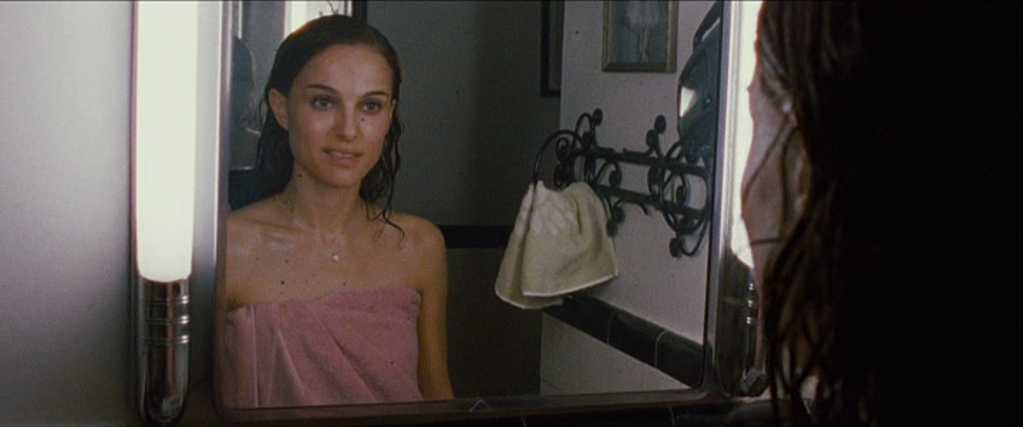
As a ballet dancer loses control of her mind, the film shifts into her hallucinations. Mirrors move on their own. Wounds appear and disappear. Director Darren Aronofsky shows how her stress and fear shape what she sees.
Enter the Void (2009, Wild Bunch)

Most of this film is told from a first-person camera, showing what the main character sees, then how his spirit floats through Tokyo after his death. Gaspar Noé uses glowing lights and floating shots to create a dreamlike view of the afterlife.
Mulholland Drive (2001, Universal)

David Lynch builds the story around a woman’s dreams, regrets, and mental breakdown. The story jumps around. Some characters change names. The film feels like a dream full of memory, regret, and mystery.
The Tree of Life (2011, Fox Searchlight)
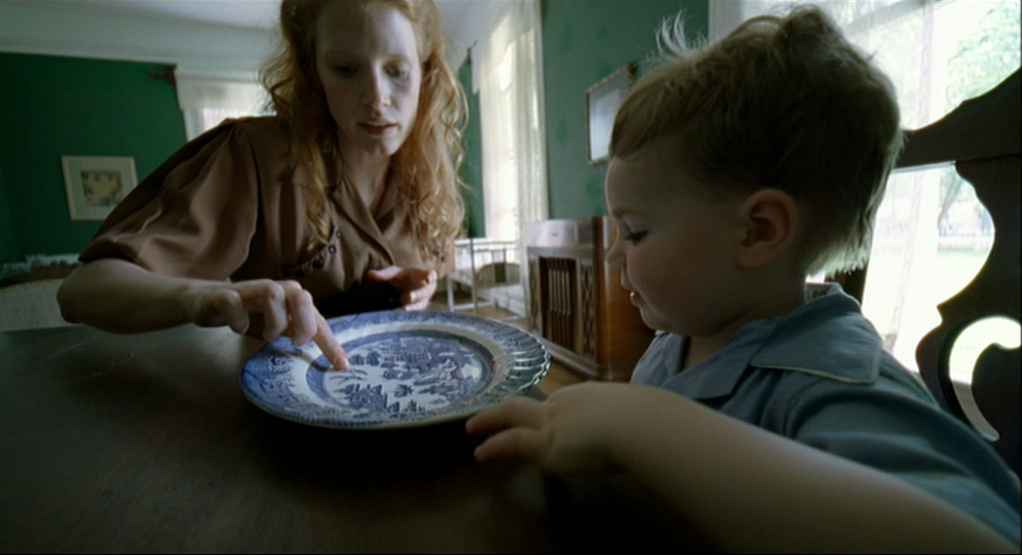
Terrence Malick mixes memories, dreams, and cosmic images to tell the story of a man’s childhood. The film flows like a thought instead of a plot, and it uses soft lighting and music to show emotions without explaining them.
Subjective Cinema and New Technology
Virtual reality and interactive games are helping filmmakers create even more personal experiences.
In VR, you can see a story through a character’s eyes and totally immerse yourself in their world.
Some use AI to build stories that change based on how the viewer reacts. The tools could make subjective films feel even more personal.
Subjective cinema and technology in pornography
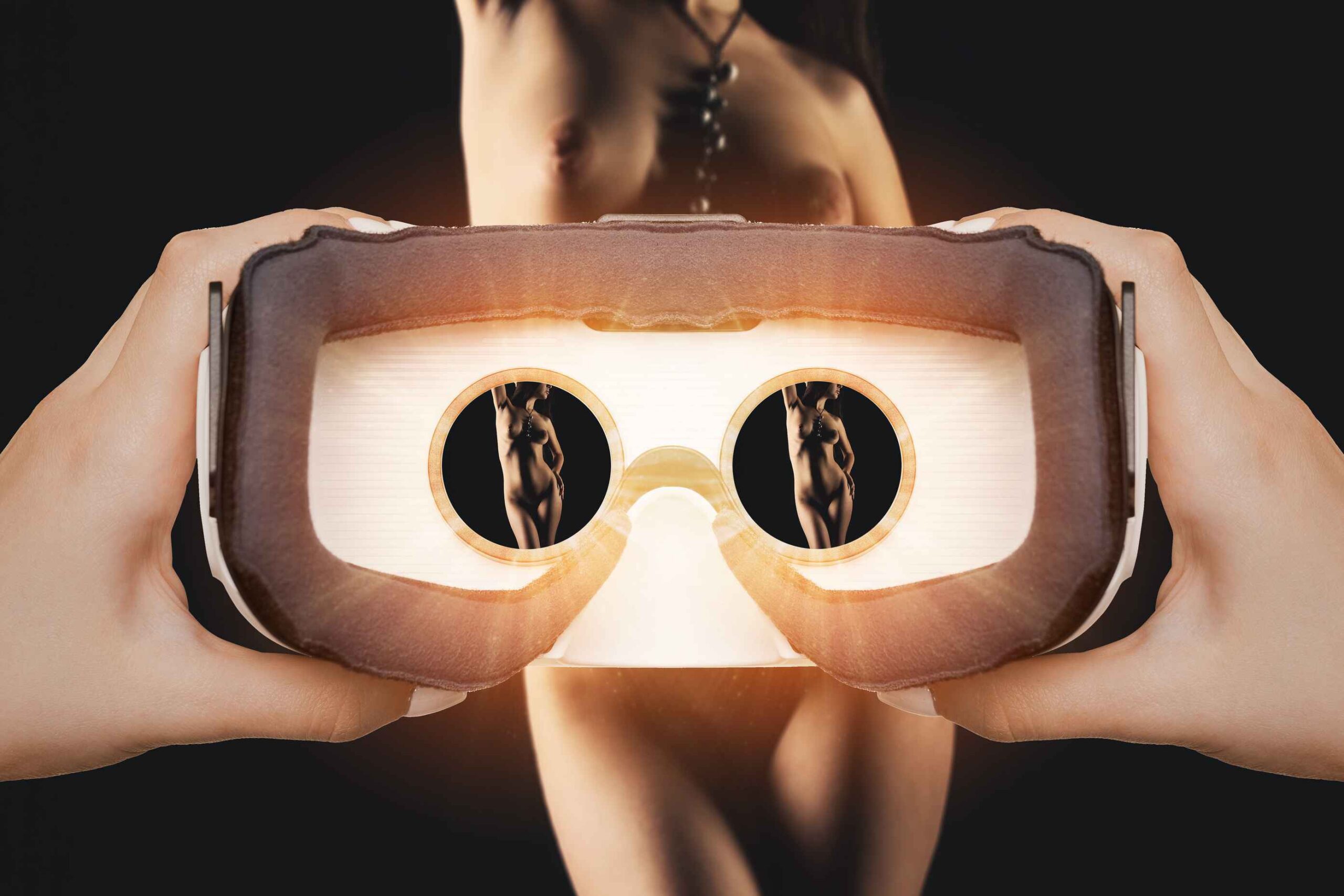
One of the most extreme uses of subjective perspective happens in pornography. VR adult content places the viewer inside a scene through a first-person point of view. The framing often avoids showing the viewer’s virtual “body,” which makes it feel more like you’re in control of the experience. This creates a strong sense of presence and immersion, an extreme form of escapism, which would not be possible with standard camera setups.
ASMR-style audio is also common in this space. Whispering voices, soft touches, and environmental sounds are recorded close to the microphone to make the viewer feel physically present. These techniques focus on physical and emotional sensation, which overlaps with the goals of subjective cinema, putting the viewer inside a personal, sensory world shaped by a specific point of view.
Where You’ll Find Subjective Cinema
Subjective cinema is not limited to one genre. It can appear in dramas, thrillers, horror films, science fiction, and even arthouse films. What connects these films is not the story type, but how the story is told, i.e., from inside a character’s head or emotional world.
Subjective cinema is a technique and a style, not a genre. It can be used in almost any kind of film where the director wants you to feel what the character feels, whether that’s confusion, joy, pain, or fear.
Summing Up
Subjective cinema is a film style that shows a story through a character’s personal experience, using visuals, sound, and editing to express thoughts and feelings. It helps you understand what a character feels and makes the story more emotional. Directors use this style to explore topics like memory, trauma, identity, and reality itself.
Read Next: Curious how visual styles define film genres?
Explore our breakdown of Genre & Visual Style to see how movements like naturalism, noir, and surrealism shape what we watch.
Looking for the big picture? Visit our Film History, Theory & Genre page to connect techniques with the eras and ideas that shaped them.
