

Published: November 18, 2025

What is Virtual reality (VR)? Definition & Meaning
Virtual reality (VR) is a digital simulation that creates an immersive, interactive environment you can explore through a headset and motion controls. It replaces your real surroundings with a 3‑D space that reacts to your movement. You see a digital world through the headset, hear directional sound, and use your hands to move or interact with objects inside the scene.
How Virtual Reality Works
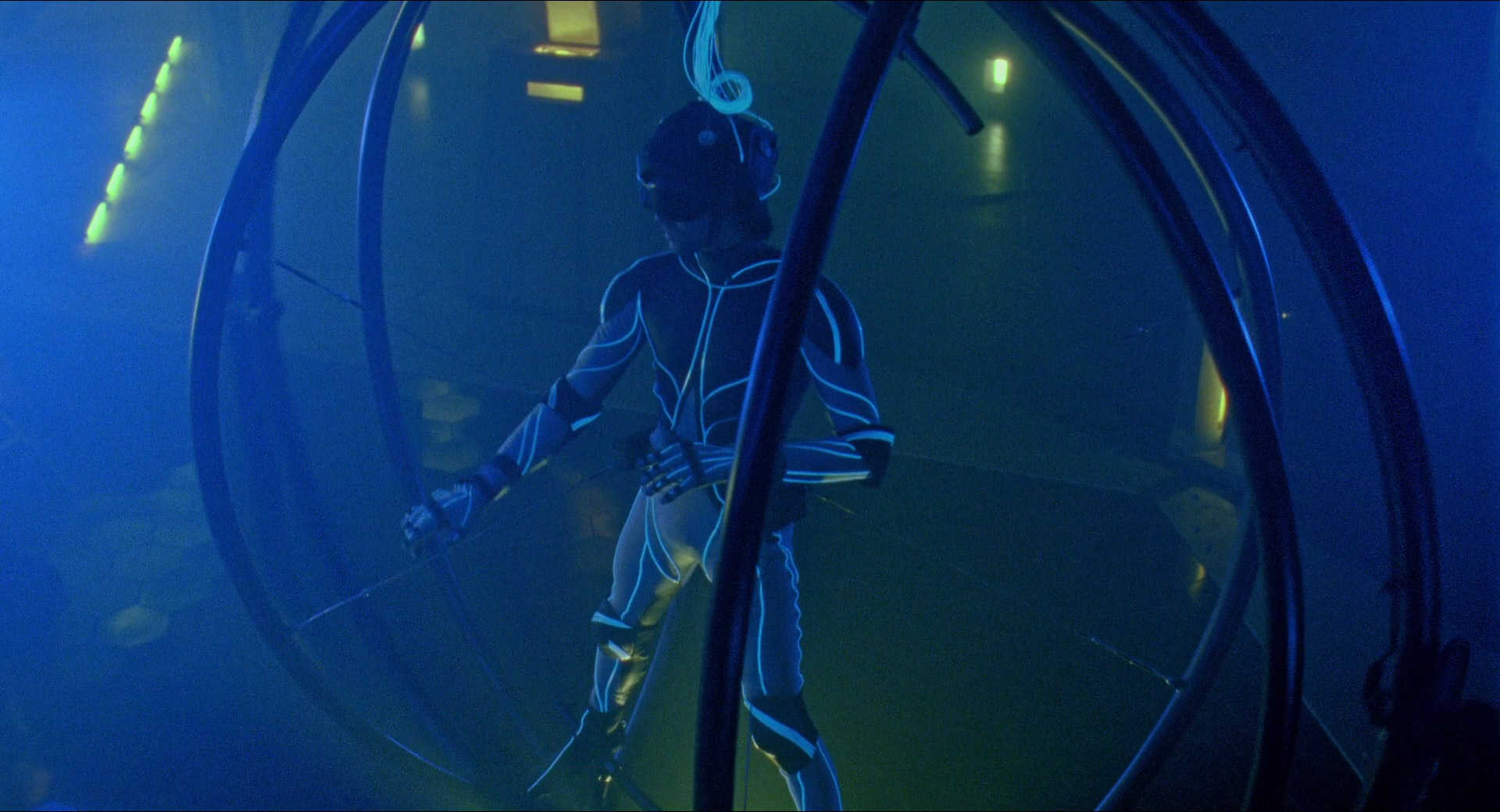
VR relies on a headset, a tracking system, and input devices. The headset shows two slightly different images (one for each eye) to create depth.
The tracking system monitors how your head and body move and updates the view the moment you shift. Input devices let you grab objects, push buttons, or navigate through the virtual space.
Headsets and Tracking
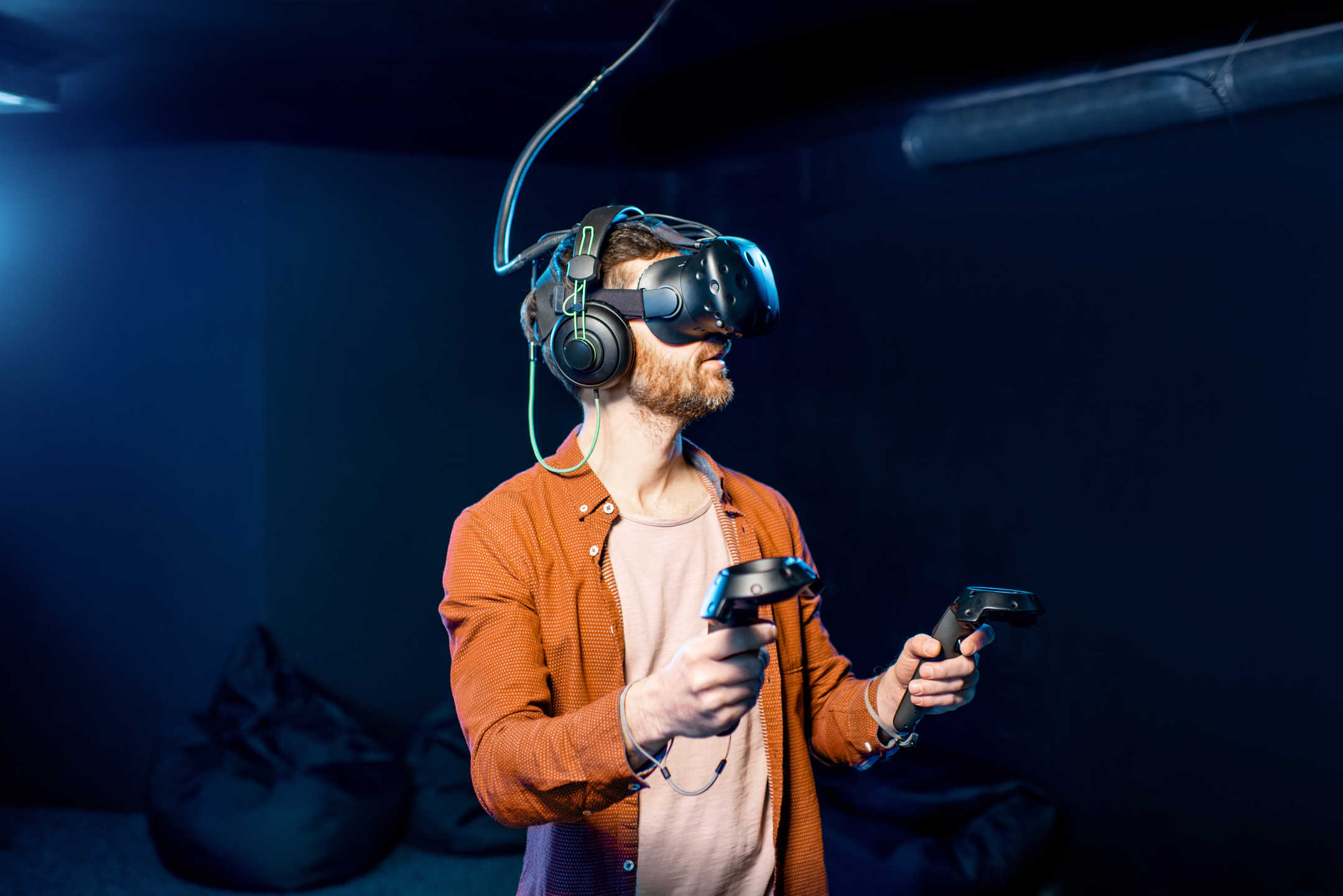
Headsets like the Meta Quest 3 or PlayStation VR2 track your head, hands, and sometimes your full body. When you turn to the side or lean forward, the digital space changes as if you are standing inside it. This makes the environment feel physical instead of remote.
Input and Interaction
Most VR setups use controllers or hand‑tracking. These let you pick up items, open doors, point to objects, or press virtual controls. Haptic feedback creates light vibrations that match what you touch, which helps your brain link your motions to the digital actions.
How VR Changes Film Language
Traditional films control what you see through framing and cuts. VR removes that control. You decide where to look inside a full 360° scene.
Directors show emotion by placing actors close to you or having them move into your space. They pace scenes by letting actions play out without cuts, so you watch events unfold in real time. They hold your attention by using clear cues like a character walking across the room, a light turning on in one corner, or a sound coming from behind you.
Narrative and Viewer Role
VR places you inside the world. You stand where the camera would normally be. Directors cannot force a close‑up or a specific camera angle, so they guide your focus through movement, light, or sound. For example, a character might walk across the room or call your name from behind you to pull your attention in a specific direction.
Blocking and Pacing
In VR, actors can’t rely on close-ups to show emotion. Instead, they use their whole body (like walking toward you, pausing, or turning their head slowly) to signal how they feel.
A dramatic moment might last longer than it would in a film because there are no cuts to speed it up. The timing of the scene depends on when you notice a movement or a line of dialogue happening somewhere in the space.
You can almost think of a VR movie like a theatre play unfolding in real-time, but you’re on stage among the actors.
360° vs Framed Cinema
Standard films frame each shot. VR scenes have no edges, but are filmed in 360 degrees. This changes how tension works. In a VR horror scene, you might hear a whisper behind you and have to turn to see the threat. In a VR documentary, a crowd might move around you while narration explains what you’re seeing.
VR as a Production Tool
VR also supports filmmaking before the cameras roll. Directors can step into a virtual set, walk across digital terrain, and test camera positions. They can plan blocking, check sightlines, or adjust set layouts by moving through the scene with a headset.
Game engines like Unreal Engine now power many of these workflows and are also used to create immersive environments for the LED wall stage. They let directors rehearse shots, test lighting setups, and refine visual effects inside a VR preview before filming begins.
Creative Genres in VR
VR stories work best when they are short and focused. Most VR films run under 20 minutes because the headset is tiring to wear, and attention is harder to guide without cuts. Horror, documentary, animation, and sci‑fi are the most common genres.
Spheres (2018, AtlasV) places you inside outer space and uses spatial sound to lead you through each scene.
Gloomy Eyes (2020, AtlasV) rotates scenes around you as the story shifts, so your perspective changes with the narrative.
These examples rely on movement, audio cues, and environment design instead of traditional shot structure.
Other Uses of VR
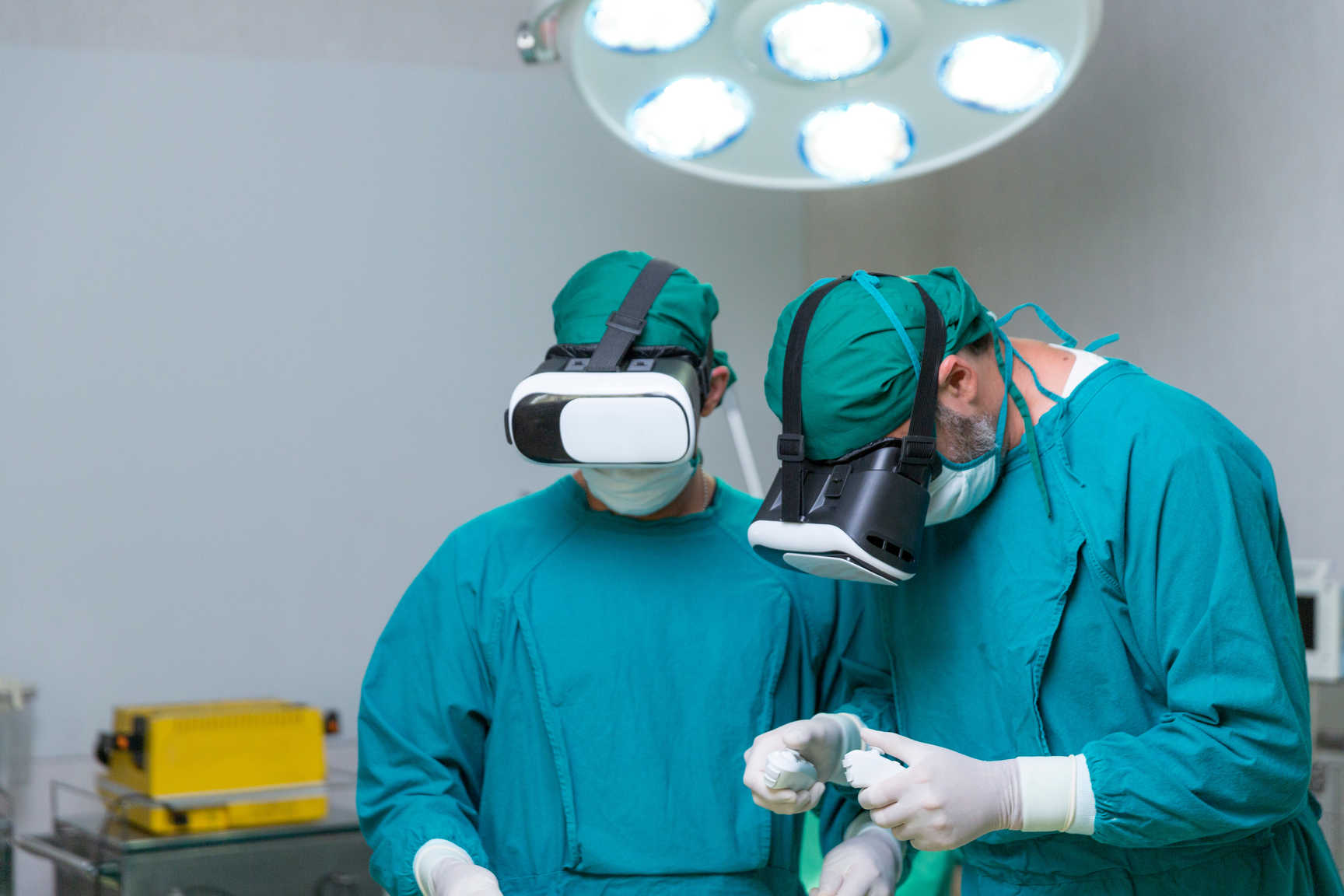
VR extends beyond film. In education, students use VR to explore ancient cities, chemical structures, or the solar system. In healthcare, VR tools help surgeons practice procedures or help patients manage pain through guided environments.
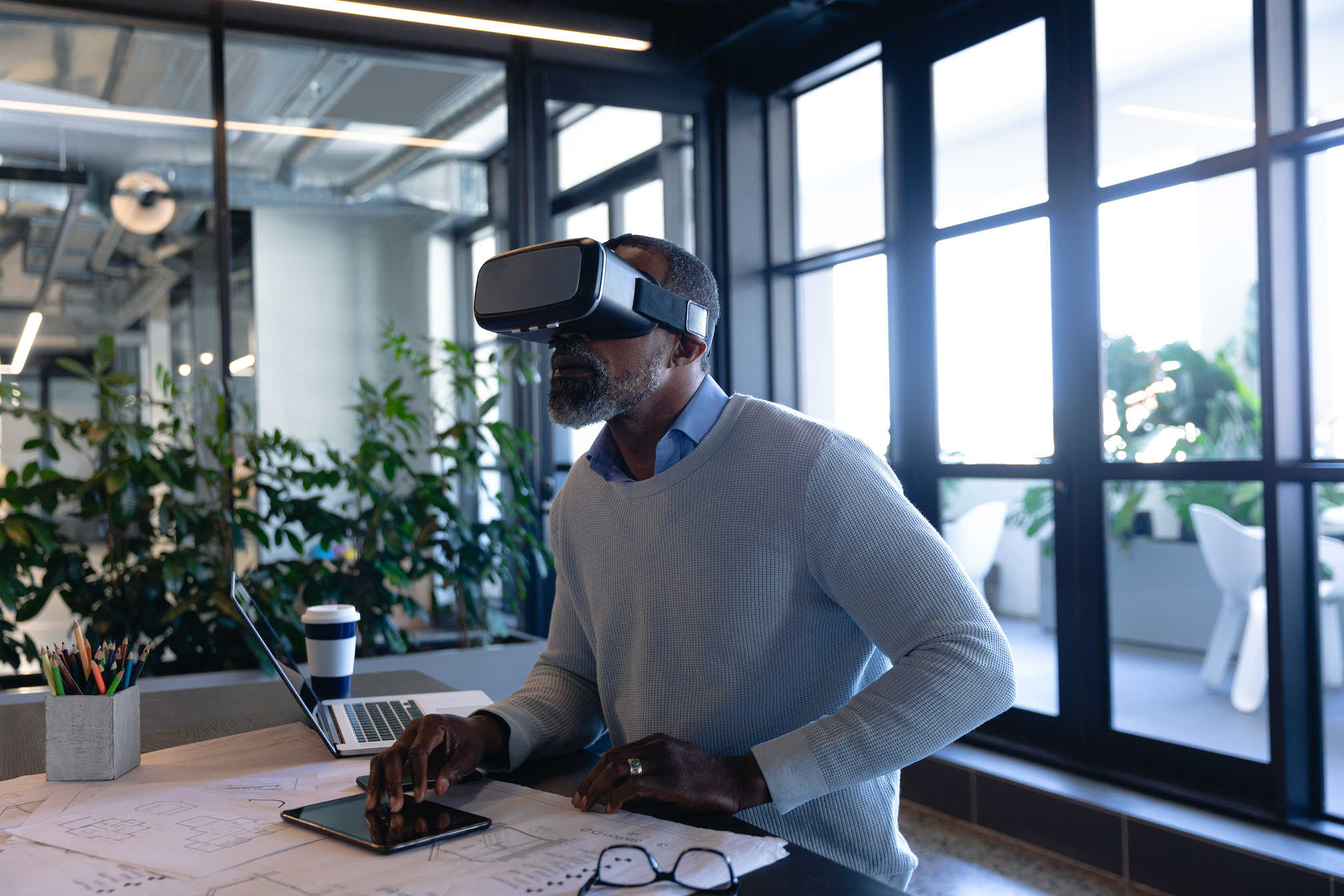
In business, VR supports training, design reviews, and remote teamwork by placing teams inside shared virtual workspaces.
Limits and Challenges
Long sessions in a headset can cause eye strain. Some people feel sick when what they see in VR doesn’t match how their body moves. This is called cybersickness. Most episodes happen during fast movement or artificial camera motion.
VR also needs physical space. If you walk around a room‑scale setup, you need a clear area without obstacles. High‑quality equipment can be expensive, especially systems that use external sensors.
Privacy is another concern because VR devices track your movement, gestures, and eye position to make the simulation work.
Future Trends
VR hardware is improving. Headsets are becoming lighter, with higher resolution displays and more accurate tracking. VR is also merging with AR (Augmented Reality) and MR (Mixed Reality) under the broader term XR (Extended Reality).
Augmented Reality (AR) adds digital images or information on top of the real world, but those objects don’t respond to your space. A good example is Pokémon GO, where a creature appears on your phone screen but doesn’t react to your actual surroundings.
Mixed Reality (MR) places digital objects inside your space and makes them respond to surfaces, light, and movement. For example, a robot viewed through a headset might walk across your real floor and stay in place as you walk around it.
Film teams are also experimenting with interactive scenes, branching narratives, and real-time rendering that responds to the viewer’s movement. As these tools mature, your role in the scene will matter more, and directors will combine cinematic staging with interactive storytelling.
Summing Up
VR gives you a new way to build and explore cinematic space. It changes how scenes are blocked, how emotions are shown, and how you experience a story. You lose fixed framing but gain the feeling of being inside the world. As the tools improve, VR will grow across production, education, games, and film. It offers filmmakers a new direction for designing scenes and guiding the viewer’s experience.
Read Next: Wondering how aspect ratios shape storytelling?
Dive into our Screen Formats section to see how widescreen, Academy ratio, and IMAX influence the way we watch movies.
Looking for more historical context? Explore our Film History, Theory & Genre archive for visual storytelling across time and technology.
