
Published: November 19, 2025 | Last Updated: December 15, 2025

What is Commercial photography? Definition & Meaning
Commercial photography is photography created specifically to promote, advertise, or sell a product, service, brand, or idea. It includes anything from product photos on a website to images used in magazine ads, billboards, and digital campaigns. If a photo is used to make money or drive business, it likely falls under commercial work.
Where You See Commercial Photography
Commercial photography appears on packaging, in shop windows, across social media, and on streaming platforms. Its purpose is to attract attention, explain a product, or give the company a specific look (like modern, reliable, or luxury) by using the same colours, lighting, and photo style in every image.

Common areas where commercial photography is used include:
- Brand photography — portraits, product shots, and lifestyle images that create a consistent visual style for a company across its website, ads, and social media
- Product photography — items for websites, catalogs, or e‑commerce stores
- Fashion photography — promotional images for clothing lines or designers
- Advertising photography — images for campaigns across print, web, or video
- Corporate photography — portraits of executives, office environments, or staff events
- Food photography — stylised images for restaurants, menus, or packaging
- Real estate photography — property photos for listings or promotional materials
- Automobile photography — cars shot in studios or on location to emphasise design and motion
- Interior and architectural photography — promotional images of buildings and spaces
- Lifestyle photography — people using products in real-world scenes to reflect brand values like luxury, minimalism, or fun
- Stock commercial photography — images created for future licensing to multiple clients, not tied to one brand
How Commercial Photography Differs And Why Licensing Matters
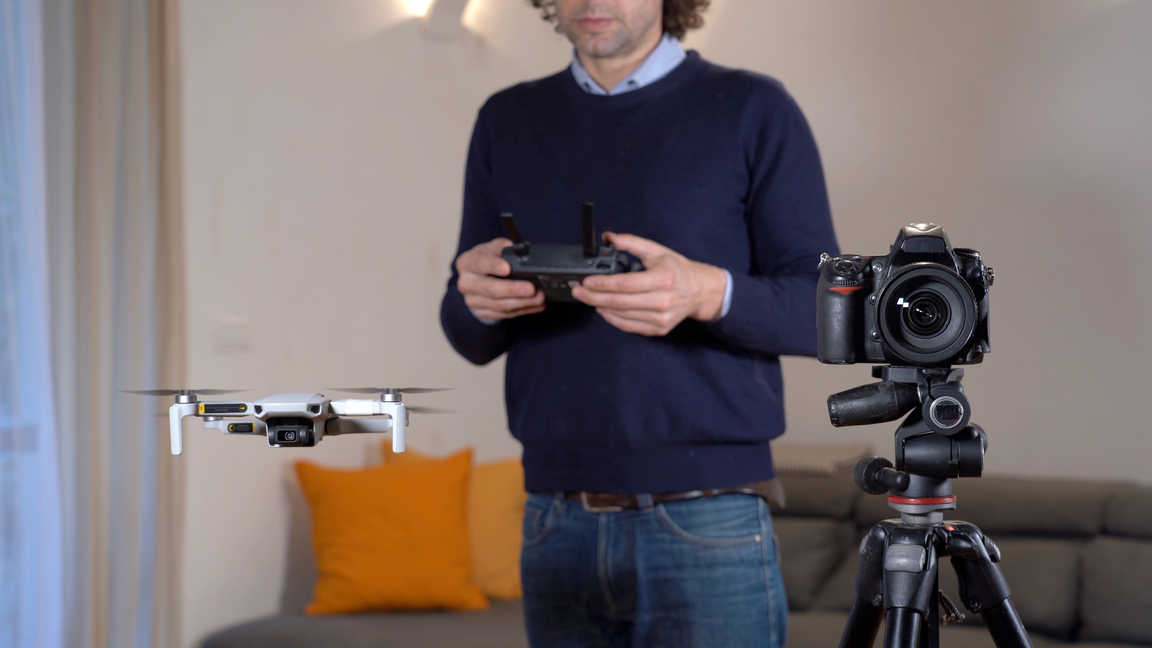
Commercial photography is created with one goal: to help a business reach customers. That makes it different from editorial photography, which supports written stories, and fine art photography, which focuses on personal ideas or creativity.
Commercial projects usually require written permission for people, products, and locations shown in the photos. This includes model releases, property releases, and clear licensing terms. These documents explain how the images can be used, for how long, where, and in what formats.
For example, a one‑year license for web use costs less than a five‑year license for global print and billboard use. These rules protect both you and the client.
How Commercial Shoots Work
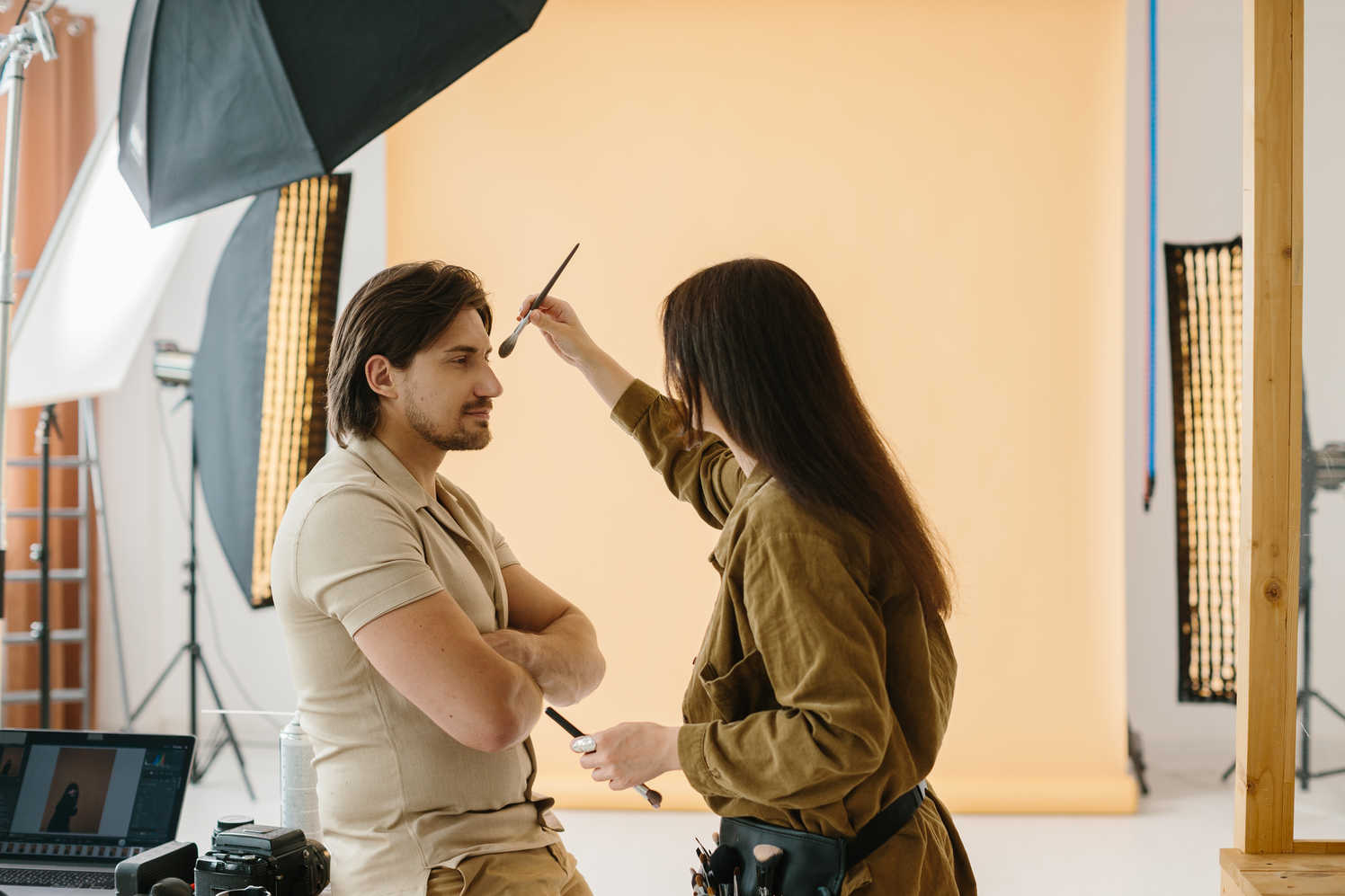
Most commercial shoots begin with a client brief, brand guidelines, and sample images. You plan the lighting, colours, background, props, and poses so every detail matches the product’s style or the brand’s tone, whether that’s bold and loud or calm and minimalist.
You often work with art directors, stylists, and makeup artists to shape the final look.
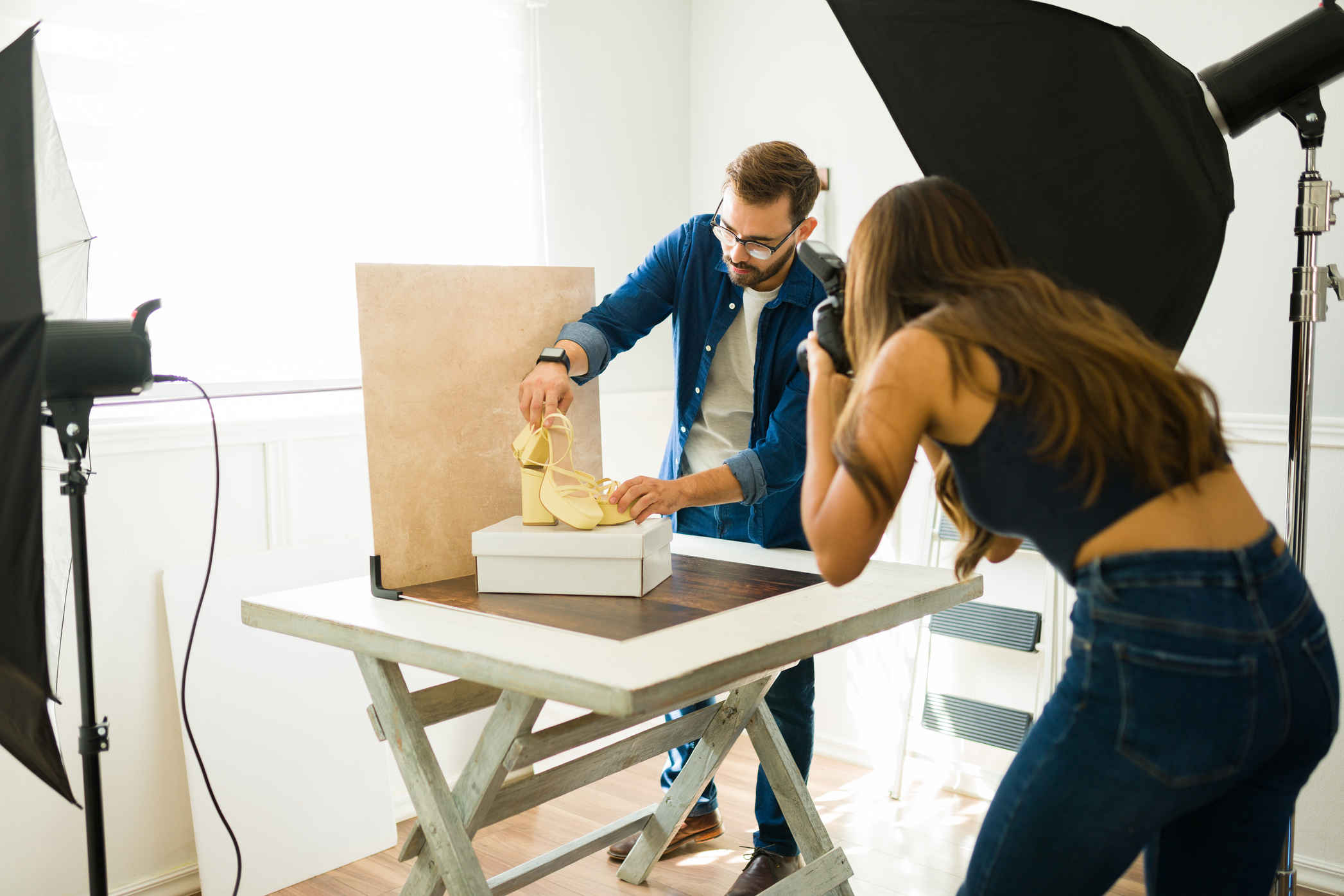
For example, a shoe ad might require:
- A background that matches the company’s brand colours
- Studio lighting that highlights texture and shape
- Different camera angles for websites, posters, and social media
Even small changes, like how laces fall or where shadows land, are adjusted to match specific goals such as colour consistency, lighting style, or image mood.
Why Commercial Photography Matters For You
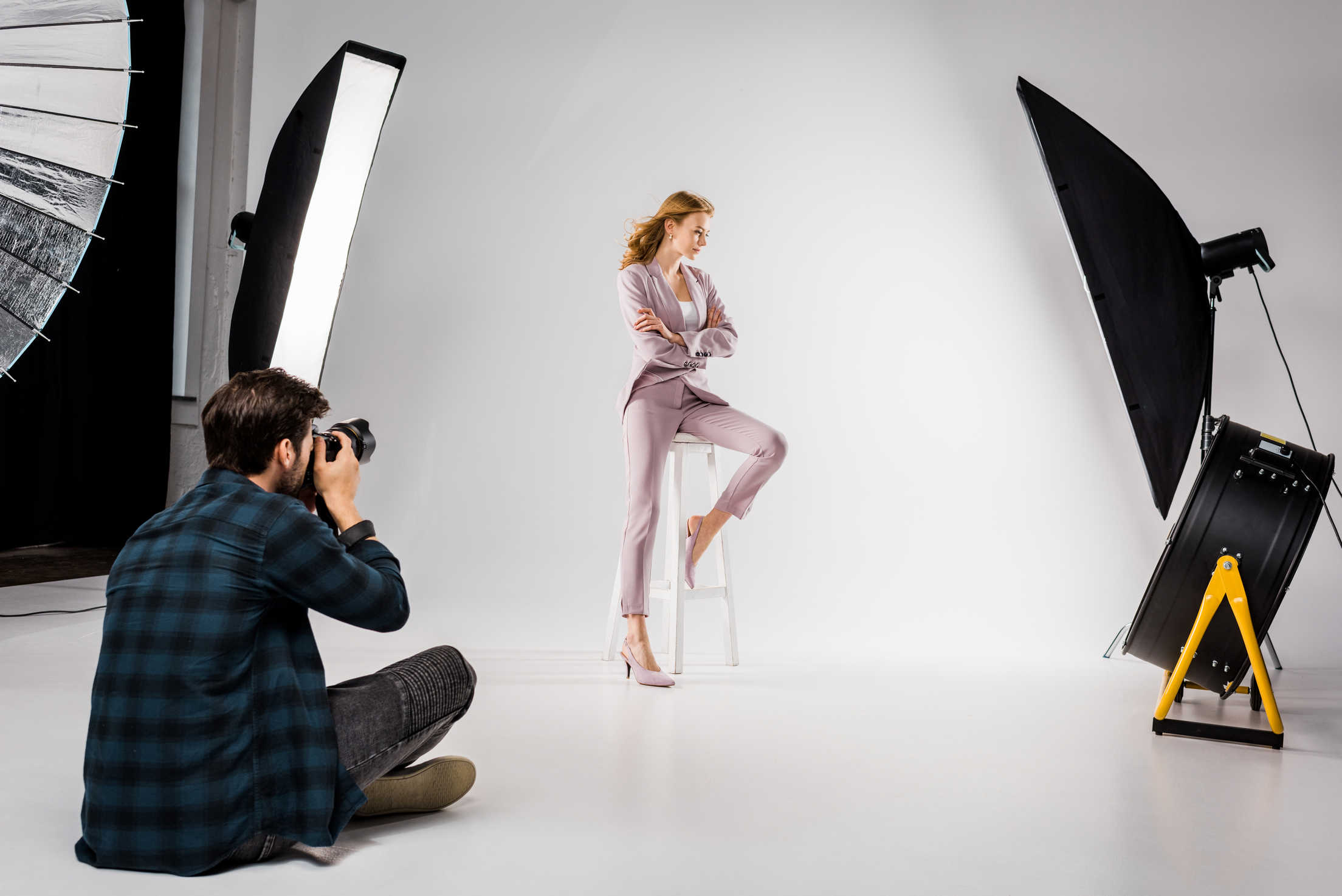
Commercial photography gives you consistent chances to work professionally. Companies always need new visuals for websites, ads, and packaging. This kind of work helps you build skills in lighting, posing, editing, and working with paying clients on deadlines and visual briefs.
A strong brand campaign shows how everything in the photo is picked with purpose. Every part of the photo (from the pose to the background colour) is chosen to guide the viewer’s eye and highlight the product. That level of control is what makes commercial photography different from casual or personal photos.
Summing Up
Commercial photography focuses on producing images for business use, with the goal of selling, promoting, or supporting a brand. It covers everything from product shoots to major ad campaigns. If you want to build a career in photography, commercial work gives you steady projects, technical precision, and problem-solving tasks like working under space, lighting, or brand constraints.
Read Next: Want to level up your photography skills?
Explore our Photography section for guides on lighting, composition, camera settings, and creative techniques across genres like portrait, landscape, and street.
Whether you’re shooting on a mirrorless camera or your phone, you’ll find sharp, practical tips to take more intentional and creative photos.
Also check out our Visual Composition section, with deep dives into framing, color psychology, and visual art history—key tools for any photographer thinking like an image-maker.