

Published: September 16, 2025 | Last Updated: December 17, 2025

What is Portrait photography? Definition & Meaning
Portrait photography (or portraiture if you want to sound fancy) is a genre of photography focused on capturing a person’s likeness, personality, identity, expression, or mood through deliberate lighting, background, pose, and composition. You use composition, lighting, and environment to bring out presence and tone.
Types of Portrait Photography
There are many styles of portrait photography, and each one shows the subject differently. Some are posed and formal, often taken in a studio with controlled lighting, makeup, and direction. Others are casual or candid, captured quickly on the street or during an event.
Some portraits are symbolic or creative, using props, costumes, or staging to represent an idea rather than just the person. The style you choose shapes how the viewer understands the subject, whether they see them as professional, relaxed, or part of a larger story. Below, I’ll cover the main types of portrait photography (including examples) and what makes each one distinct.
Traditional Portrait Photography

Traditional portrait photography is posed and usually shot in a studio, in front of a portable backdrop, or with a blurred background. It’s what you typically think of when I say school photos, yearbooks, and corporate headshots. The subject faces the camera, often with neutral or soft lighting. Everything is clean and controlled.
Environmental Portrait Photography

Environmental portrait photography shows the subject in a meaningful location. A chef might be shown in a kitchen. A dancer could be framed in a studio. The setting gives clues about who the person is or what they do.
Lifestyle Portrait Photography

Lifestyle portrait photography blends portraits with real life. Subjects are often at home or outdoors, doing something casual. The shots feel candid, even when lightly directed. These portraits show mood and setting together.
Candid Portrait Photography
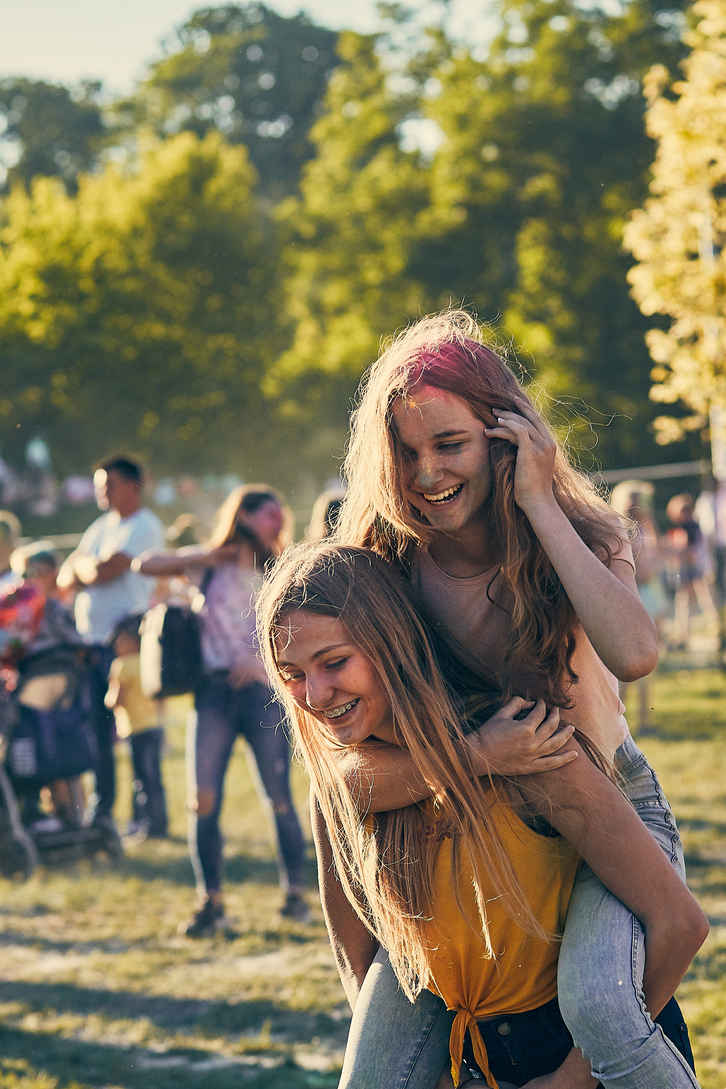
Candid portrait photography captures authentic expressions without staging (or at least it should appear that way). The subject may not be looking at the camera or even be aware of it. These photos depend on timing. A smile, glance, or pause becomes the moment. This style works well for events, street photography, or behind-the-scenes coverage.
Creative and Conceptual Portrait Photography
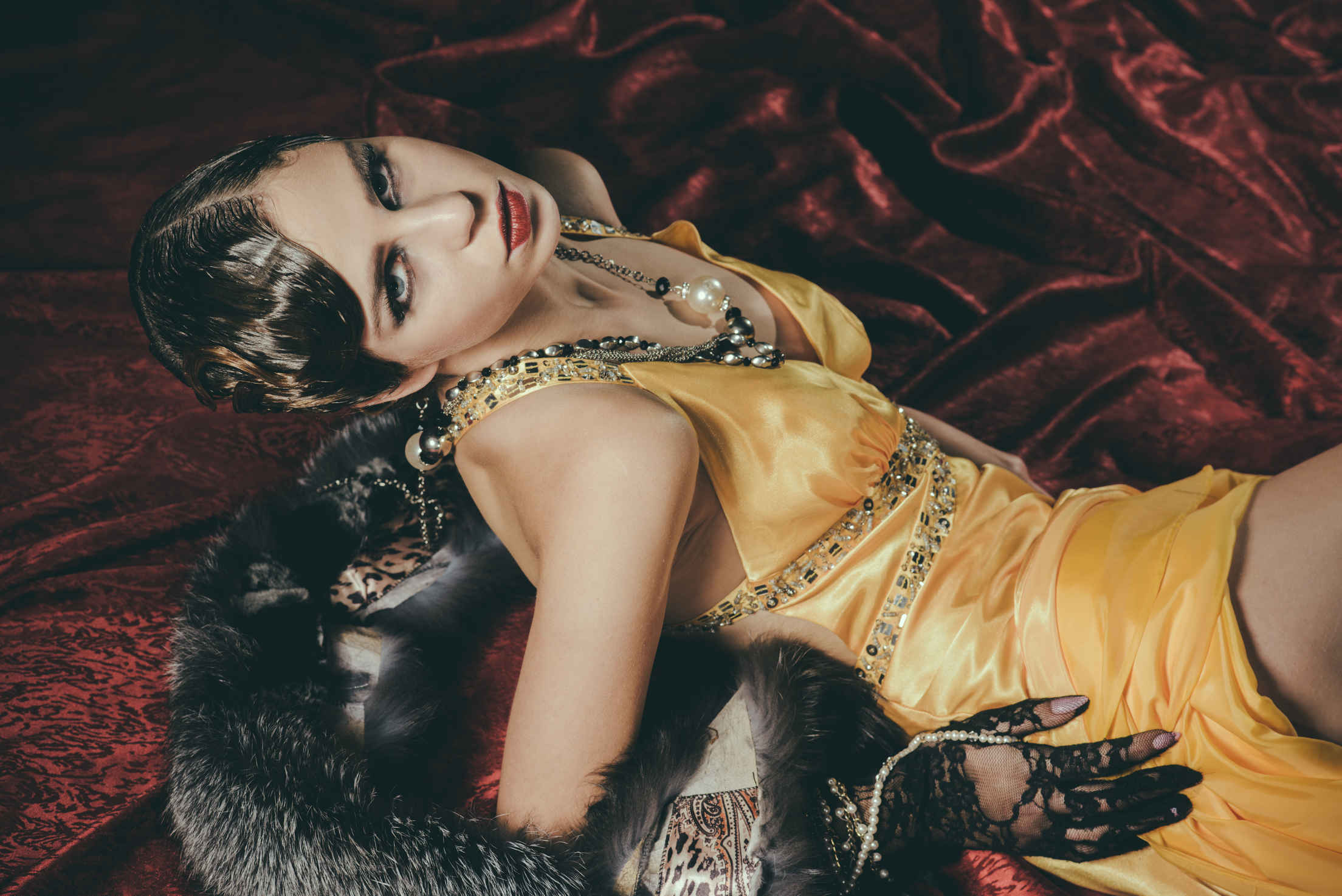
Creative portrait photography uses props, costumes, make-up artists, hair stylists, and/or visual effects to build a theme. Each portrait is highly planned. Conceptual portraits often appear in fashion, advertising, and fine art photography. Usually, the photograph represents an idea, emotion, or story.
How to Shoot Strong Portraits
Great portraits come from good planning and connection. Talk to your subject first. Ask what mood they want to show. Then use lighting, background, and framing to support that goal. The more focused the setup, the clearer the final image feels.
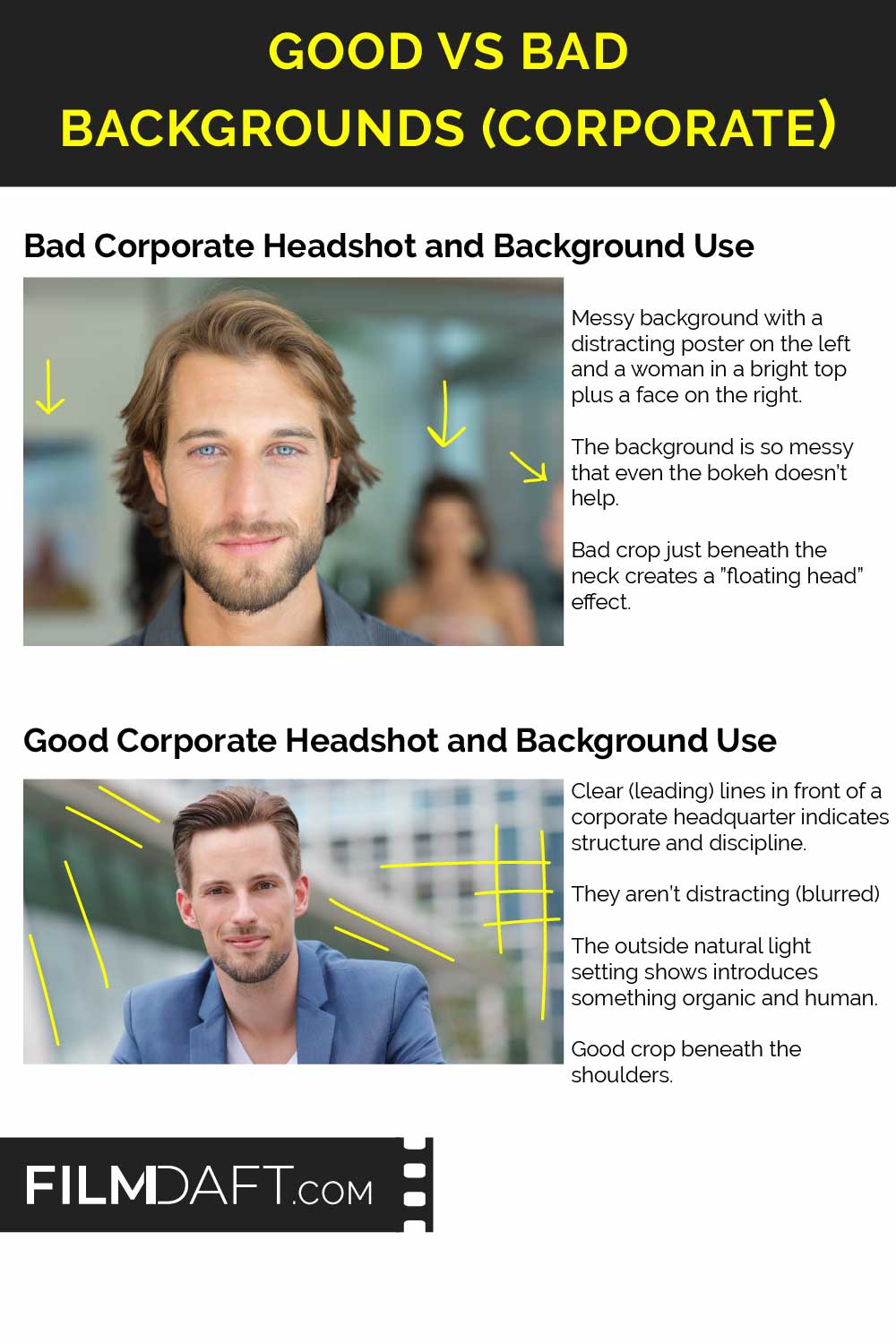
Background
The background should support (not distract from) the face. A plain wall or blurred backdrop works well. If the setting adds context, keep it tidy and simple.
Lighting Styles for Portrait Photography

Lighting changes the mood and shape of a portrait. Each setup below creates different shadows and focus points. Try each one and see what fits your subject.
- Butterfly Lighting: Light comes from above and center. The shadow under the nose looks like a butterfly. Often used in beauty portraits.
- Loop Lighting: A small shadow loops under the nose and cheek. The light is placed just above and to the side. It’s balanced and flattering.
- Rembrandt Lighting: A triangle of light appears under one eye, with the rest in shadow. This adds drama and depth.
- Split Lighting: One half of the face is lit, the other is dark. This creates a bold, high-contrast look.
You can use window light, softboxes, reflectors, or even a lamp. What matters most is placement. Light from the side creates shadows on one side of the face, which helps define cheekbones and jawlines. It gives the portrait more shape and dimension.
See also the FilmDaft comprehensive guide to portrait lighting setups.
Connection
Talk as you shoot. Let the subject breathe, blink, and shift. The best portraits often happen when the person forgets about the camera. That’s when they show something real.
Practical Posing Tips for Non-Models
Professional models know how to pose and can easily adjust positions. They understand simple cues like “look past the lens”, “lower your chin,” or “lean forward.” For non-models, it’s better to direct them with an action. Ask them to walk toward you, look down, then up, or imagine greeting a friend.
I recommend you start with seated poses, as they’re easier and let your subject be more relaxed.
Also, have your subject move between positions slowly. Let them turn, adjust, or pause. The best portraits often come between moments, which is why I hate it when people are told to look at the camera and smile. Instead, let motion guide the shot, and make it more dynamic.
Sometimes it works to “freeze your subject” in a specific pose, i.e., when you see a good one, say “hold that pose” and then shoot. But others become too stiff and self-aware when you do that, in which case it’s better to let them keep moving.
Camera Settings and Gear for Portrait Photography
You don’t need top-tier gear. What matters is control. What I mean is you need to know the exposure triangle to get you out of manual mode.
Also, you need to know how to control the depth of field, so you can decide whether you want that sweet bokeh (blurred background) or a deeper focus for showing the context your model is in.
Here are some suggested basic settings to get you started. They are just fingers to point you towards clean, flattering results. It’s up to you to get creative:
- Aperture: Use f/1.8 to f/4 to blur the background and keep the subject sharp.
- Shutter Speed: Use 1/125s or faster to avoid motion blur, especially if handheld.
- ISO: Keep ISO between 100 and 400 for the cleanest image. Raise it only in low light.
- Lenses: 50mm, 85mm, or 135mm lenses work best. They give natural compression and isolate the subject without unflattering distortion. 85mm and 135mm have a slimming effect on your subject’s face.
Summing Up
Portraits are used for everything from ID photos to fine art. They connect us to the person in the frame. When done well, a portrait feels real. You can sense confidence, tension, joy, or calm. Every part of the image (pose, light, background) affects what we see in that person.
As the photographer, your job is to make your subject feel safe and focused. If they’re comfortable, their expression becomes honest. That’s when a photo becomes a portrait.
Read Next: Want to level up your photography skills?
Explore our Photography section for guides on lighting, composition, camera settings, and creative techniques across genres like portrait, landscape, and street.
Whether you’re shooting on a mirrorless camera or your phone, you’ll find sharp, practical tips to take more intentional and creative photos.
Also check out our Visual Composition section, with deep dives into framing, color psychology, and visual art history—key tools for any photographer thinking like an image-maker.
