
Published: September 4, 2025 | Last Updated: September 18, 2025

What is Butterfly lighting? Definition & Meaning
Butterfly lighting is a portrait setup where the main light is placed directly in front of and slightly above the subject’s face, creating a small shadow under the nose that looks like a butterfly.
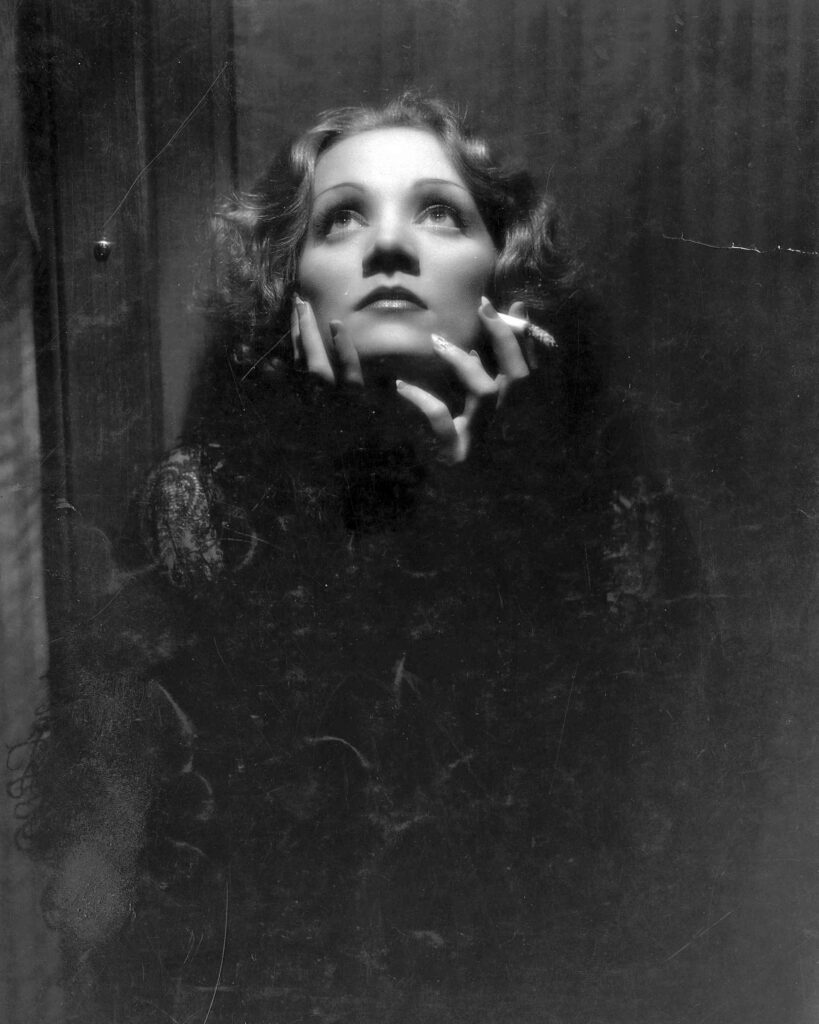
Butterfly lighting is also called Paramount lighting. It became popular in 1930s Hollywood and was used in beauty portraits of actors like Marlene Dietrich. The goal is to highlight cheekbones, slim the face, and produce a clean, balanced look.
How butterfly lighting works in a portrait setup
Butterfly lighting is very dependent on where you place the light. The key light must sit just above eye level and aim downward at the subject. This angle casts a shadow directly under the nose and creates strong highlights on the cheekbones and forehead.
A reflector or fill light is often added below the face. This softens shadows under the chin and eyes. The result is even, controlled lighting with subtle depth.
Step-by-step butterfly lighting setup for portraits

Once you’ve picked your light and modifier, follow these steps to set up butterfly lighting. Ensure the light remains centered on the subject’s face, not the camera.
If the person turns their head, you need to shift the light to match. If it stays fixed to the camera position, the nose shadow will fall to one side and break the effect.
- Seat your subject facing the camera with their posture straight.
- Place the light about 1–2 feet above their eye level, directly in front of them.
- Aim the light down at a 45° angle toward the face.
- Check the shadow under the nose. It should be small, soft, and centered.
- Add a reflector or fill light below the chin to balance the light and reduce harshness.
- To preview how the shadows will fall, use the modeling light if your setup has one. This helps you see the nose and cheek shadows before you take the shot.
Lighting gear and modifiers for butterfly lighting
You don’t need complex gear to build this setup. But the right tools help you control light quality and direction. These are the most common choices.
- Key light: Any strobe, LED, or flash will work. Mount it above the subject on a light stand or boom arm.
- Modifier: A beauty dish gives sharper results. A small softbox or umbrella creates softer light with a similar shape.
- Reflector or fill light (= clamshell lighting setup): Use it under the chin to bounce light up. A white reflector softens shadows. A silver one adds more contrast.
To add contrast and shape, use black cards or flags on the sides of the face. These blocks stray light and darken the edges, which can make the face look slimmer and the lighting more dramatic.
When not to use butterfly lighting in photography
Butterfly lighting only works when the subject is facing forward. If the person is turned to the side or shot in profile, the shadow will shift and lose the butterfly shape. In those cases, use loop or hatchet lighting instead.
On round or wide faces, the centered light can make the face look fuller. On textured skin, the shadows may highlight lines or blemishes.
Butterfly lighting also feels very polished. If you’re going for something casual or dramatic, this setup might feel too controlled. For a more natural look, loop or Rembrandt lighting gives more shadow depth and flexibility.
Summing Up
Butterfly lighting is a centered, overhead portrait setup that creates a small shadow under the nose and flatters the face. It highlights bone structure, smooths skin, and adds polish to portraits. Use a reflector or fill to reduce contrast, and adjust the angle or distance to fit the subject. It’s a go-to style for clean headshots, beauty work, and classic Hollywood looks.
Read Next: Want to level up your photography skills?
Explore our Photography section for guides on lighting, composition, camera settings, and creative techniques across genres like portrait, landscape, and street.
Whether you’re shooting on a mirrorless camera or your phone, you’ll find sharp, practical tips to take more intentional and creative photos.
Also check out our Visual Composition section, with deep dives into framing, color psychology, and visual art history—key tools for any photographer thinking like an image-maker.