

Published: September 10, 2025 | Last Updated: January 6, 2026

What is Fine art photography? Definition & Meaning
Fine art photography is a type of photography made to express an idea, emotion, or personal vision, not just to document what’s in front of the camera. What matters most is your intention. The image should reflect what you want to say, and every decision, from framing to editing, support that creative goal. Fine art photography is a subgenre of fine art in general.
How Fine Art Photography Differs from Commercial and Documentary Work
Fine art photography is concept-driven. The goal isn’t to sell a product (like in brand photography) or report on an event. Instead, it’s about using your camera to explore an idea or emotion. This sets it apart from commercial or documentary photography, where the purpose is more practical or journalistic.
In fine art, every detail is intentional. You choose how to frame, light, and present a subject based on what you want to express, not just what’s happening in front of the lens.
The History of Fine Art Photography as an Art Form
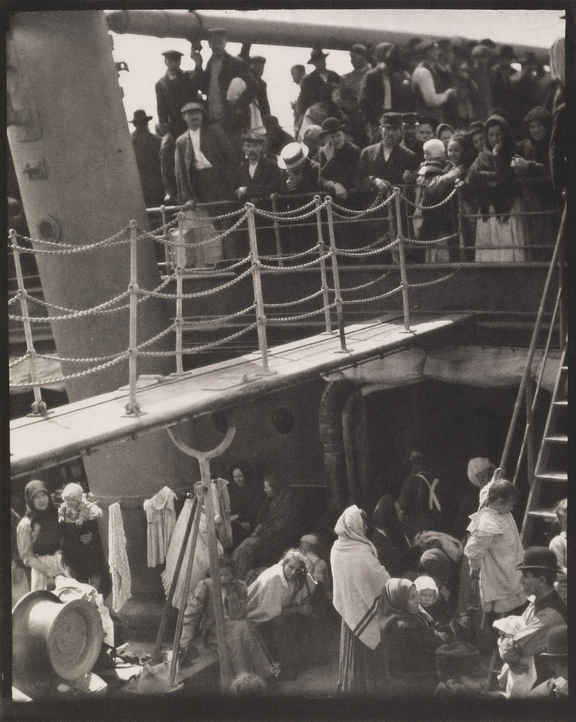
Photography wasn’t always accepted as fine art. In the early days, it was mainly used for science, record-keeping, or portraits. But some photographers pushed the boundaries, using the camera to create visual stories, moods, and symbolism.
This shift took place over several key periods and through the work of early pioneers:
1850s: John Edwin Mayall created narrative daguerreotypes based on the Lord’s Prayer.
Victorian Era: Julia Margaret Cameron and Oscar Rejlander staged elaborate scenes to mimic painting.
Early 20th Century: Alfred Stieglitz promoted photography as a fine art in galleries and journals.
Modern Era: New printing methods allowed for high-quality, limited-edition prints, helping photography gain ground in museums and collector markets.
Fine Art Photography Techniques and Creative Style
Technique and style are how you bring your ideas to life. In fine art photography, you carefully shape the image to fit your message. That includes how you plan, shoot, edit, and present each photo.
Here are key ways fine art photographers use technique to support their creative vision:
- Theme development: Choose a message or subject that matters to you: identity, time, memory, decay.
- Visual planning: Think about how to show that message using light, color, motion, and space.
- Camera techniques: Use long exposures, soft focus, or shallow depth of field to shape emotion or tone.
- Post-production: Edit contrast, texture, and color to match the mood or concept behind your image.
- Series building: Keep style consistent across images. Use similar lighting, color palettes, or compositions to create a unified body of work.
At the end of a project, most fine art photographers write an artist statement. This helps explain your intention and gives the viewer insight into your process and choices.
Genres and Styles in Fine Art Photography
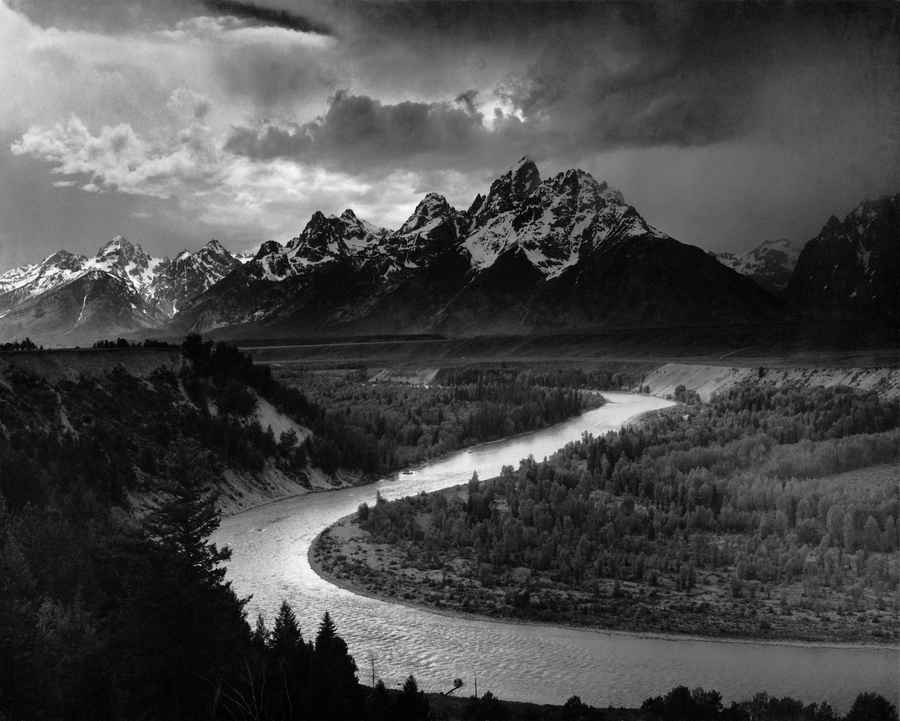
Fine art photography isn’t locked to one subject or look. It includes a wide range of styles and genres, but every approach starts with a strong idea. You’re not just taking pictures. You’re building a visual concept that carries meaning.
Here are some of the most common genres and styles within fine art photography:
- Conceptual photography: Uses staged or symbolic scenes to explore abstract ideas.
- Still life and abstract: Focuses on form, texture, and shape to study visual elements alone.
- Portraiture: Can be raw, provocative, quiet, or surreal—depending on the concept behind it.
- Landscape photography: Often explores atmosphere, isolation, or human impact on nature.
Many fine art photographers work across categories. What ties them together is not the subject, but the approach: message first, execution second.
How to Exhibit and Sell Fine Art Photography
Once you’ve created a finished body of work, the next step is sharing it. Fine art photography is often exhibited in galleries, museums, or private collections. How your work is printed, framed, and displayed affects how people understand it.
These are some standard practices for showing and selling fine art prints:
- Archival printing: Most artists use museum-grade paper and inks to ensure long-term quality.
- Limited editions: Keeping prints exclusive (e.g., 5–20 copies) increases value for collectors.
- Thoughtful presentation: Framing, sizing, spacing, and lighting should all reflect your style and concept.
- Series sequencing: The order and placement of your images affect how viewers understand your theme.
If you’re selling your work, galleries and online platforms often require clear edition labels, pricing structures, and signed prints. It helps to keep detailed records of each sale and print edition.
Why Fine Art Photography Still Matters Today
In a world flooded with snapshots and quick content, fine art photography offers something deeper. It asks for more time, more attention, and more thought. Whether you’re exploring memory, culture, or emotion, you’re creating space for the viewer to reflect.
This genre still matters because it connects image-making to meaning. In other words, it’s not just what you show, but why you show it. Fine art photography continues to shape visual culture, from gallery walls to photo books to online exhibitions.
Western Canon vs. Global Traditions: Why “Fine Art” Is a Contested Term
Much of how fine art is defined today comes from a Western art-historical tradition, shaped by European academies, museums, and cultural institutions. Painting, sculpture, and architecture were long elevated above other forms of creative expression, while artistic traditions from Africa, Asia, the Americas, and Indigenous cultures were often labeled as craft, folk art, or decorative art—even when they carried deep cultural, spiritual, or conceptual meaning.
In recent decades, this hierarchy has been widely challenged. Globalization, postcolonial theory, and contemporary curatorial practices have pushed museums and scholars to reconsider what qualifies as fine art and who gets to decide. Works rooted in ritual, community practice, or functional design are increasingly recognized as art, not despite their utility or tradition, but because of it.
As a result, fine art no longer has a universally accepted definition. Instead, it exists as a shifting concept, shaped by cultural context, historical power structures, and ongoing debates about whose creativity is valued and preserved.
Institutional Power and the Question of “Who Decides?”
One of the most debated aspects of fine art is the role of institutions in defining it. Museums, galleries, auction houses, critics, and art schools act as gatekeepers, influencing which works are exhibited, preserved, funded, and studied. Their choices can elevate certain artists and movements while leaving others overlooked.
This doesn’t mean institutions are arbitrary or malicious—but it does mean that fine art is not defined by intrinsic qualities alone. Context matters. A work shown in a major museum or discussed within academic discourse is far more likely to be considered fine art than an identical work existing outside those systems.
Contemporary artists often engage directly with this reality, creating works that question authorship, value, originality, and legitimacy itself. In that sense, fine art is as much about discourse and context as it is about materials or technique.
Fine Art vs. Craft and Design: A Boundary That Keeps Shifting
The line between fine art, craft, and design has never been stable, and today, it is more blurred than ever.
Traditionally, craft was associated with skilled manual labor and functionality (ceramics, textiles, furniture), while design focused on problem-solving, communication, or commercial use. Fine art, by contrast, was framed as expressive, conceptual, and non-utilitarian.
However, this distinction has steadily eroded. Studio craft practices such as ceramics, glass, and fiber art are now regularly exhibited in fine art museums. At the same time, contemporary artists often use design languages, industrial processes, or commercial aesthetics as part of their artistic expression.
Markets and institutions have played a major role in this shift. Once a craft object enters a gallery, biennial, or museum context, it may be reclassified as fine art—not because the object changed, but because its cultural framing did.
Today, it’s more accurate to think of fine art, craft, and design as overlapping fields rather than fixed categories. The difference often lies not in the medium but in intent, context, and interpretation.
Why Definitions of Fine Art Keep Changing
Rather than a weakness, the lack of a single definition is one of fine art’s defining features. As cultures evolve, technologies change, and new voices enter the conversation, the boundaries of fine art expand and contract accordingly.
Fine art is best understood not as a checklist of mediums or techniques, but as an ongoing cultural conversation, one shaped by history, institutions, markets, and the people who challenge them.
That openness is precisely what allows fine art to remain relevant.
Summing Up
Fine art photography is about using the camera to express an idea, not just to show what’s there. Unlike commercial or documentary work, it starts with your vision and builds from that. You control the technique, the subject, and the final look to create something that speaks for itself. With a clear plan and careful execution, your images can carry meaning and be seen as art.
Read Next: Want to level up your photography skills?
Explore our Photography section for guides on lighting, composition, camera settings, and creative techniques across genres like portrait, landscape, and street.
Whether you’re shooting on a mirrorless camera or your phone, you’ll find sharp, practical tips to take more intentional and creative photos.
Also check out our Visual Composition section, with deep dives into framing, color psychology, and visual art history—key tools for any photographer thinking like an image-maker.
