

Published: September 10, 2025 | Last Updated: January 19, 2026

What is Natural light in photography? Definition & Meaning
Natural light is any light that comes from the sun or moon instead of artificial sources like flash or lamps. It’s free, available almost everywhere, and changes all day. You can use it indoors through windows or outside in open shade or full sun. Once you understand how it behaves, you can get great results without bringing extra gear.
Key Traits of Natural Light
Natural light has four traits that affect how your photo looks: strength, color, direction, and quality. You need to watch for each one and adjust how you shoot depending on the conditions.
Light Intensity

Light intensity means how bright it is. Midday sun is strong and harsh. Evening or cloudy light is softer. You can lower brightness with ND filters or adjust camera settings. Sometimes, bold light works, especially if you want dramatic shadows.
Color Temperature

Light changes color as the day goes on. Early morning and late afternoon light is warmer and more golden. Midday light is cooler. Overcast light often adds a bluish tone. To keep colors natural, adjust your white balance setting based on the time and weather.
Direction
The sun’s angle affects shadow placement and how shapes appear.
Side light adds texture by casting small shadows across surfaces.

Backlight during golden hour can add a soft glow and depth if you expose for the subject, or create strong contrast and silhouettes if you expose for the background.

Overhead light at noon flattens your subject and creates harsh shadows under the eyes or nose, but can also highlight muscles like abs.

Light Quality: Hard vs. Soft
Hard light makes sharp shadows and strong contrast. Soft light wraps around the subject, giving smoother transitions.
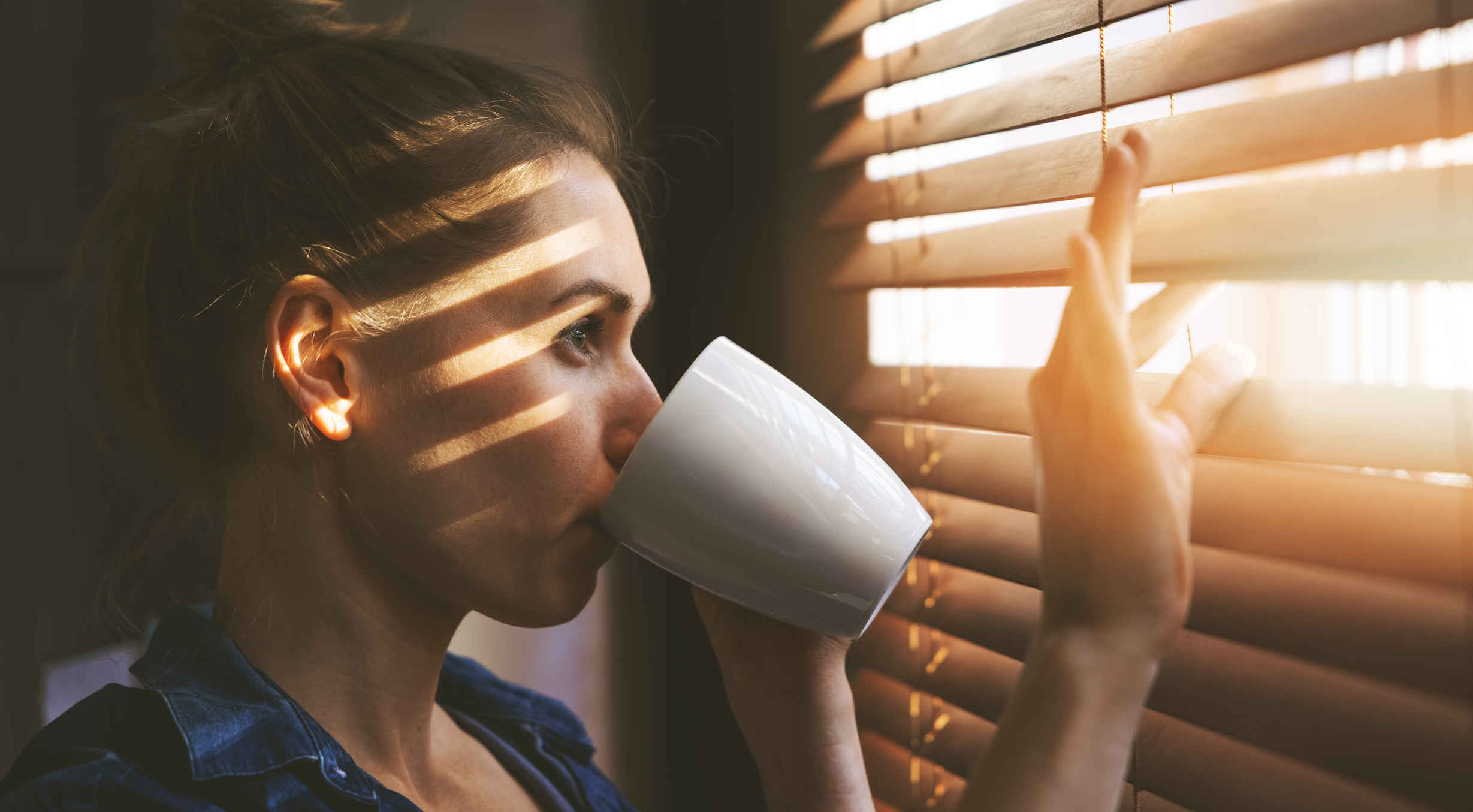
Cloudy days, golden hour, and shaded spots all give you soft light. Use these conditions when you want gentle highlights and even exposure.

Once you can read these four traits, you’ll know when to shoot, where to place your subject, and how to use natural light to your advantage.
Best Times to Shoot with Natural Light
Light changes fast, but some times of day give you more control. Two of the best are golden hour and blue hour.
Golden Hour
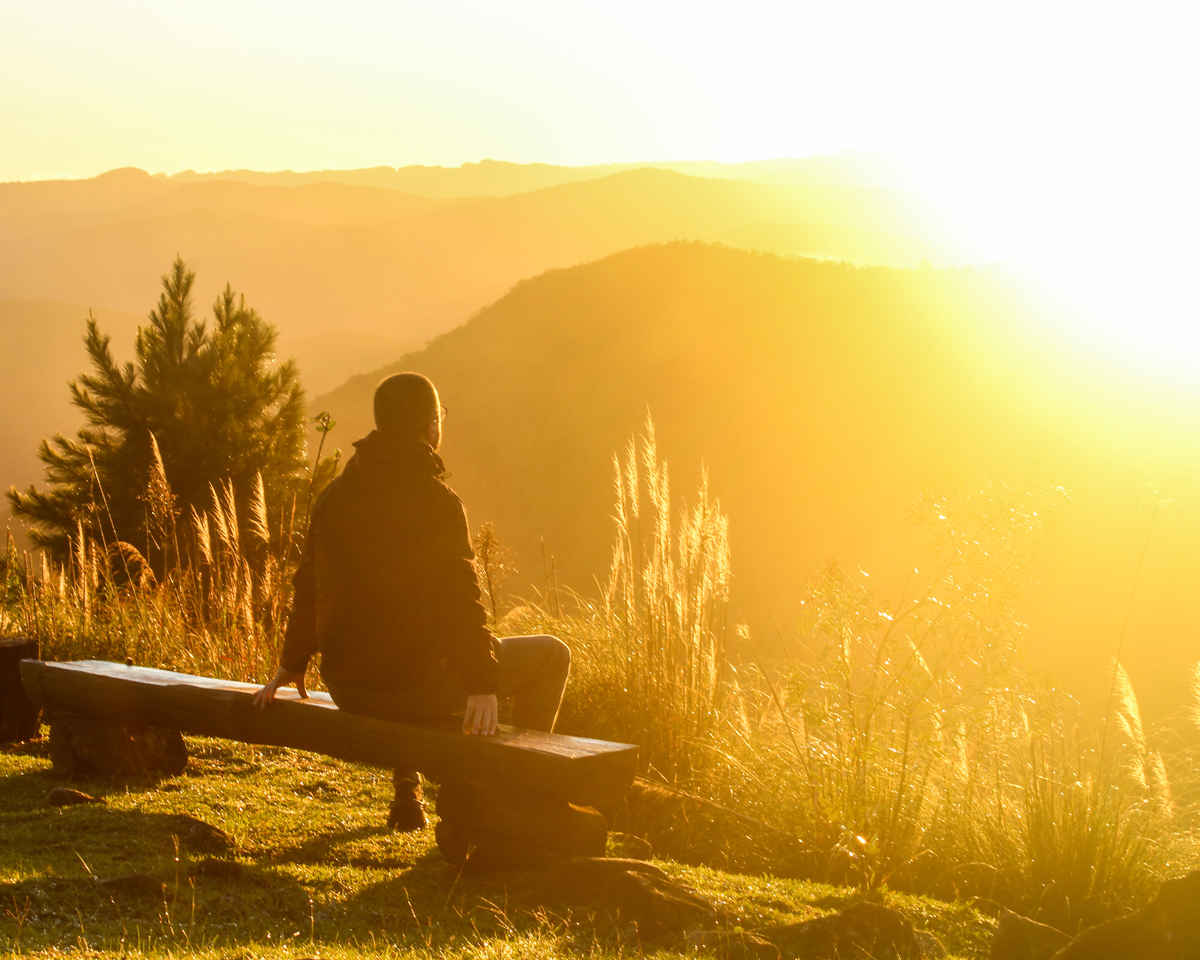
This is the first hour after sunrise or the last hour before sunset. The sun is low, so the light hits at an angle. It’s warmer, softer, and easier to manage. Faces look more flattering. Shadows stretch and add depth without being too harsh. That’s why golden hour is popular for portrait shots and outdoor scenes.
Blue Hour
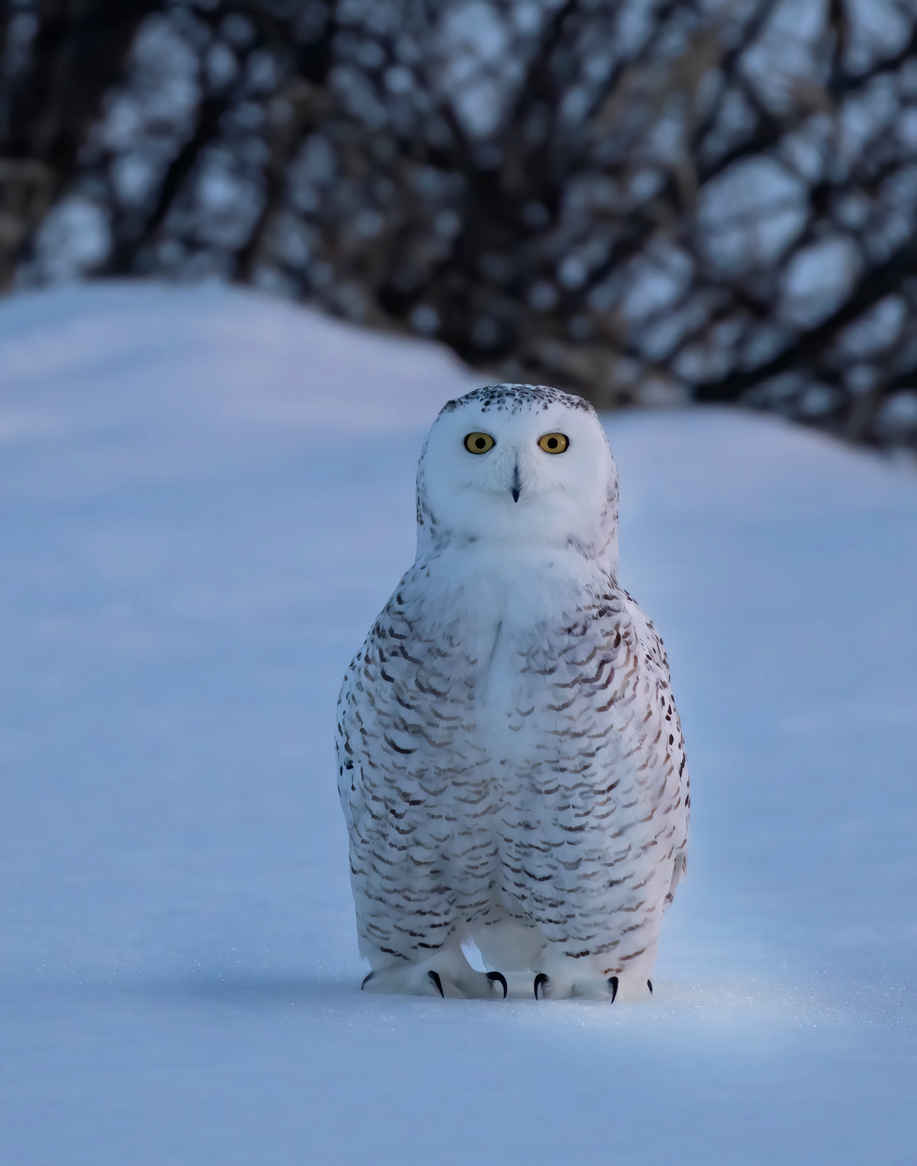
Blue hour comes just before the sun rises or right after it sets. The light is cool, soft, and even. It’s perfect for moody shots, long exposures, and cityscapes with a glowing sky. Since there’s no direct sunlight, you get smoother tones and less contrast.
Both windows let you shoot without flash and still get controlled, professional-looking results.
How to Shape Natural Light
You can’t control the sun, but you can shape how it hits your subject. With a few tools and a bit of planning, you can make natural light work for almost any look.
Use reflectors: Bounce sunlight into the shadows to soften contrast and brighten faces.

Use ND filters: Cut down brightness so you can use a wider aperture or slower shutter speed in bright conditions.

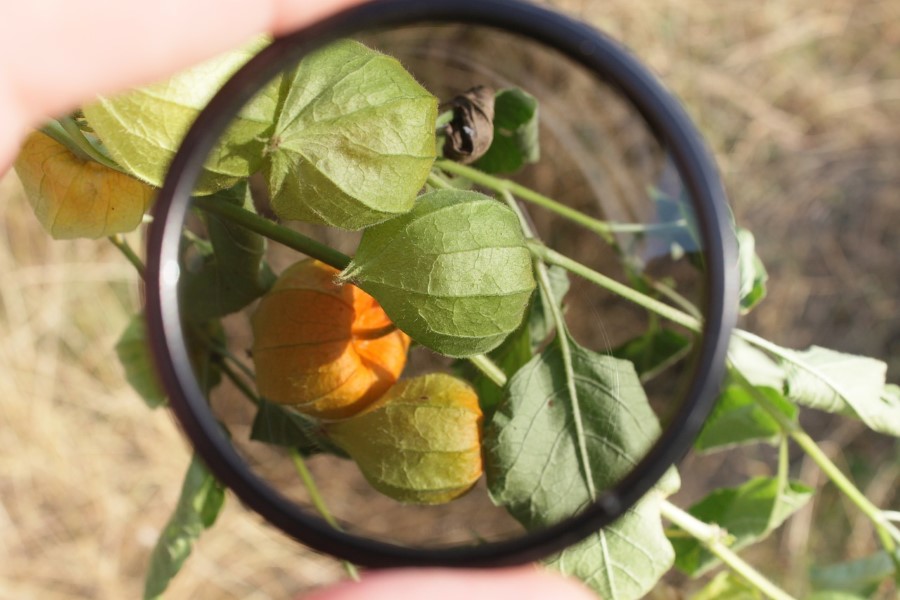
Use polarizing filters: Remove glare from water, windows, and foliage. It also deepens the color in skies and makes tones more even.
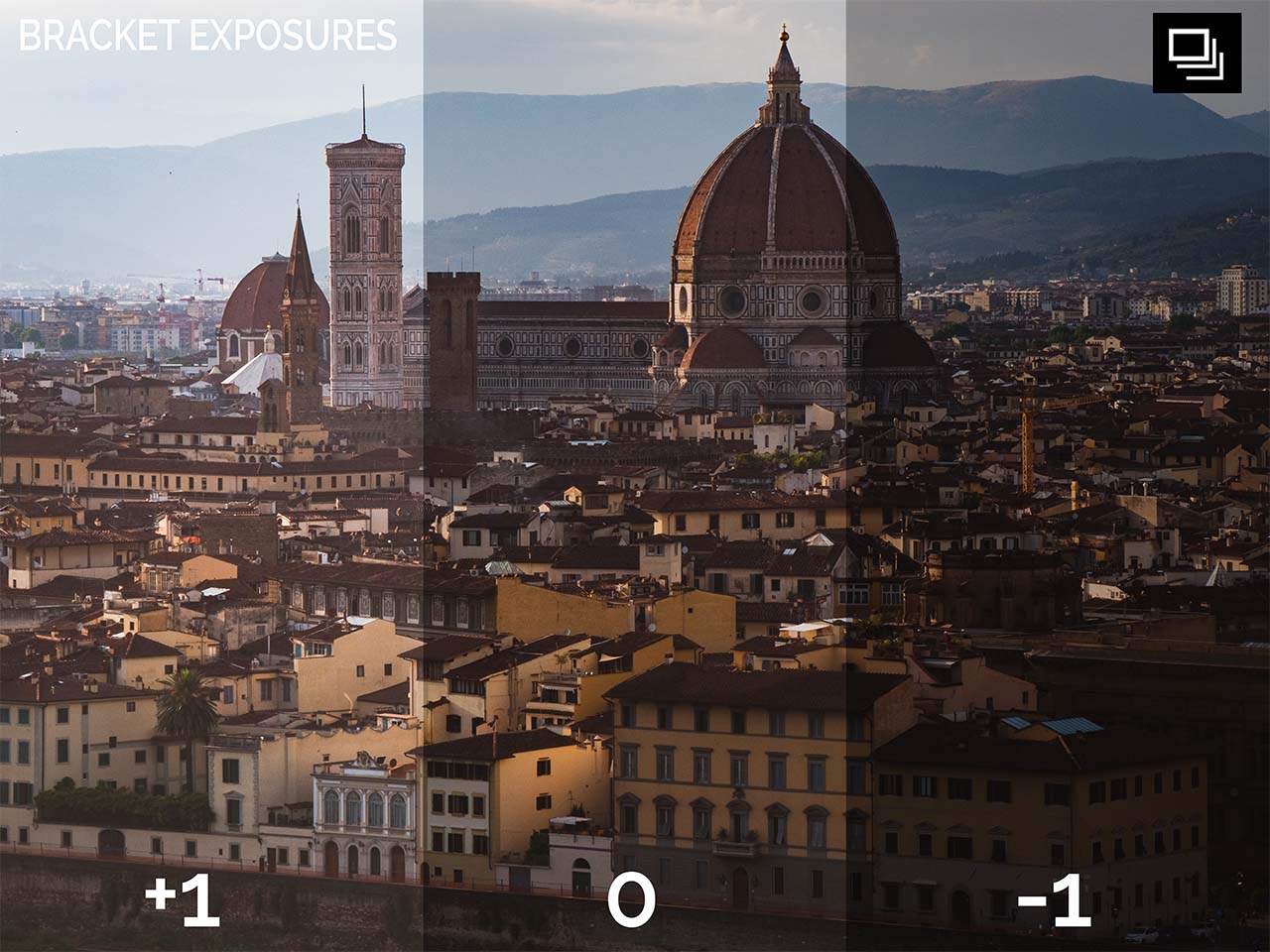
Bracket exposures: In scenes with extreme light differences, take multiple shots at different exposures and blend them to keep detail in both shadows and highlights.
Plan ahead: Use apps like The Photographer’s Ephemeris or SunCalc to check sunrise, sunset, and the angle of light at your shoot location.
Even the weather can work in your favor. Overcast skies act like a giant softbox, creating smooth, diffused light without harsh shadows. Cloudy days are great for portraits, product shots, or anytime you want an even look without highlights blowing out.
Natural Light vs. Artificial Light
Both natural and artificial light have their place. It depends on what you’re shooting and how much control you want.
- Natural light is flexible and has character. It changes with the time, season, and weather. That gives you lots of variety, but also means you need to plan and adapt on the spot.
- Artificial light is stable and repeatable. It gives you control in any setting, even at night or indoors. But it takes more gear, setup time, and technical skill.
If you want to keep things simple and mobile, natural light is your best starting point. Just know what to look for, and how to work with what’s already there.
Summing Up
Natural light is a powerful tool for any kind of photography. Learn how to read it. Notice its intensity, direction, color, and softness. Use reflectors, filters, and planning tools to shape what you can’t control. And time your shoots around golden hour or blue hour when possible. You don’t need expensive gear to get great light; you just need to know when and how to use what’s already around you.
Read Next: Want to level up your photography skills?
Explore our Photography section for guides on lighting, composition, camera settings, and creative techniques across genres like portrait, landscape, and street.
Whether you’re shooting on a mirrorless camera or your phone, you’ll find sharp, practical tips to take more intentional and creative photos.
Also check out our Visual Composition section, with deep dives into framing, color psychology, and visual art history—key tools for any photographer thinking like an image-maker.
