

Published: September 12, 2025 | Last Updated: January 19, 2026

What is Diffused light in photography? Definition & Meaning
Diffused light is soft, scattered light that reduces harsh shadows and creates an even exposure across the subject. It spreads light over a wide area and lowers contrast, making it easier to control highlights and skin tones.
What Causes Diffused Light in Photography?

Diffused light happens when a light source passes through or reflects off a surface that scatters its rays. This softens the light by breaking it apart and spreading it more evenly.
You’ll often see natural diffusion on overcast days, when thick clouds scatter sunlight before it reaches the ground.
Indoors, you can get a similar effect by using white curtains, frosted glass, or diffusion tools like softboxes and umbrellas. Even bouncing light off a wall or ceiling turns it into a wider, softer source.
You typically use diffused light to hide blemishes, reduce shine, and even out skin tones. It also prevents harsh shadows from distracting the eye or covering important details. You’ll want to use it any time you need a flattering, forgiving setup, especially in close-up work.
How to Create Diffused Light for Photo Shoots: Diffuser Types
Diffused light is one of the easiest types of light to work with. It gives you a smooth, low-contrast look that’s great for portraits, food, and product shots.

There are many ways to diffuse light, whether you’re working with the sun, a lamp, or a studio flash. The simplest method is to bounce your light off a white surface like a wall or ceiling.
You can also place a softbox or shoot-through umbrella in front of your light to spread it out more evenly.
See also the FilmDaft comprehensive guide to portrait lighting setups.
Outdoors or when using natural light shining through a window, clouds do this for you. If you’re shooting in the midday sun, I always use a scrim above my subject to diffuse the hard sunlight.
Indoors, even a sheer curtain over a window works. You can even create inexpensive diffusers for photography and film yourself.
Niche Photography Diffuser Types
For product shots, a light tent is a good option as it surrounds your subject with translucent material to soften the light from all angles.

If you’re into macro photography, I recommend using an on-camera flash with an attached macro flash diffuser.
How Light Distance Affects Softness in Photography
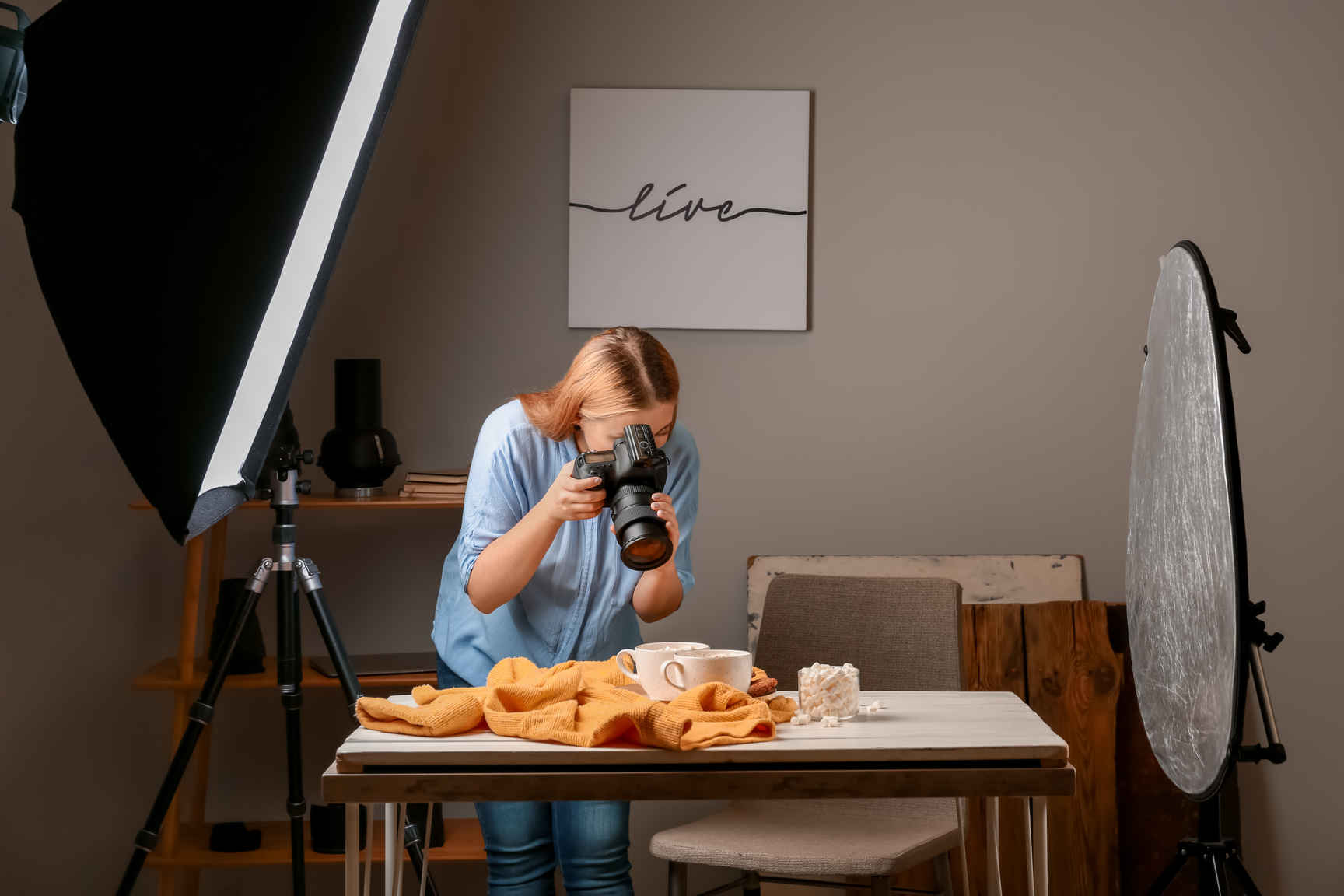
Softness depends on both the size of the light source and its distance from the subject.
The closer the light, the larger it appears relative to the subject, and the softer it becomes. Move it farther away, and the light becomes smaller and harsher.
That’s why a big softbox right next to your subject gives you smooth shadows, while the same softbox across the room might not.
Hard Light vs. Diffused Light in Photography
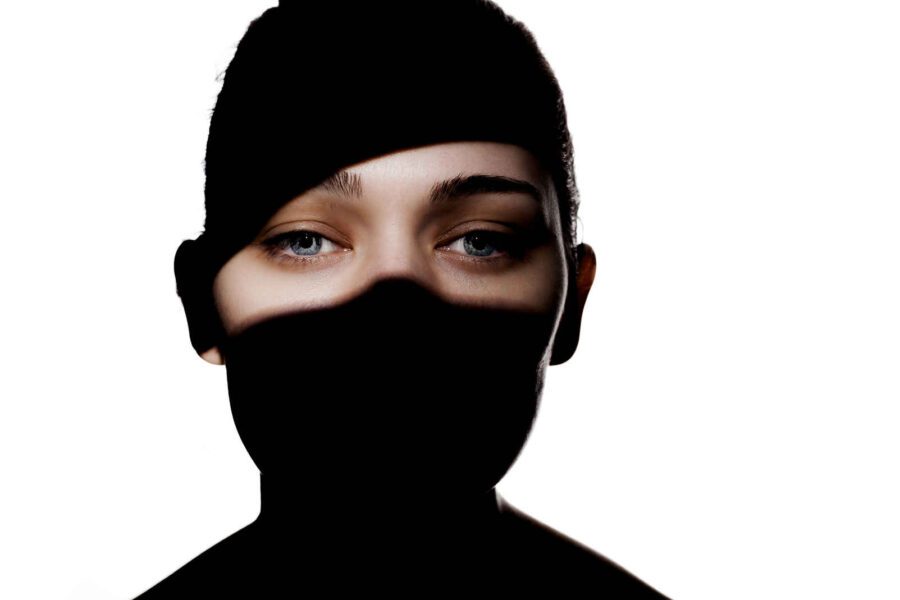
Hard light casts crisp, high-contrast shadows. Diffused light does the opposite; it wraps around the subject and fills in shadows gently. This changes the mood and detail of your photo.

Use a hard light for bold, dramatic looks. Use diffused light when you want something clean, soft, and controlled.
Light Loss When Using Diffusers in Photography
Diffusing light also reduces its brightness. Materials like fabric or plastic scatter light, but they also absorb some of it. That means you might need to increase your ISO, open your aperture, or raise your light’s power to get the right exposure.
This matters most when you’re working indoors or with constant lights that don’t output much power. If you want full control, you can use a light meter to check the amount of brightness that is reduced when switching between your diffusers.
Soft vs. Flat Lighting: Trade-Offs in Diffused Photography
While diffused light looks clean and professional, it can sometimes make your image feel flat. That’s because it removes too much shadow, which also removes depth. This is called flat lighting, and while many try to avoid it, it definitely also has its purposes.
If your photo needs drama or texture, like in fashion or black-and-white portraits, you may want to mix soft light with a bit of directional lighting. The key is knowing when soft is too soft, and balancing it with contrast when needed.
Built-In Diffusion in Continuous Lights
You don’t always need a flash. Many photographers use continuous lights for still photography, not just video or film. With modern LEDs, you can see your light in real time, adjust shadows on the spot, and shoot without strobe sync. This is helpful for beginners or setups where timing and comfort matter more than raw output.
Some continuous lights (like ring lights and edge-lit LED panels) have built-in diffusion. The LEDs are placed around the edge of the light and shine through a built-in diffusion screen. This spreads the light evenly and softens the output without needing an extra softbox or scrim.
Pros:
- Fast and simple to set up
- Lightweight and portable
- Great for interviews, beauty shots, and tabletop work
Cons:
- Less control over softness compared to large modifiers
- Can’t easily shape or flag the light
- Harder to match to strobes if mixing light types
- Not as soft as using a big softbox close to your subject
Summing Up
Diffused light creates soft, even lighting that removes harsh shadows and gives you better control over tone, texture, and exposure. Whether you’re working with window light, flash, or LED panels, learning how to soften your light gives you cleaner, more professional-looking images. It’s one of the most important lighting skills you can build.
Read Next: Want to level up your photography skills?
Explore our Photography section for guides on lighting, composition, camera settings, and creative techniques across genres like portrait, landscape, and street.
Whether you’re shooting on a mirrorless camera or your phone, you’ll find sharp, practical tips to take more intentional and creative photos.
Also check out our Visual Composition section, with deep dives into framing, color psychology, and visual art history—key tools for any photographer thinking like an image-maker.
