
Published: September 16, 2025 | Last Updated: September 24, 2025

What is Conceptual photography? Definition & Meaning
Conceptual photography is a type of photography that is planned and staged to express a clear idea, theme, or message rather than simply capture a moment or scene. The concept comes first. Every visual choice (from props and lighting to editing) is selected to make the idea visible. This differs from documentary or candid photography, which aims to capture events as they happen. Conceptual photography is a subgenre of conceptual art.
How Conceptual Photography Works with Planned Visual Ideas

Conceptual photography starts with intention. You decide on an idea first, then figure out how to show it clearly using props, people, locations, and lighting. The goal is to communicate a message that a viewer can understand without extra explanation.
In conceptual photography, you typically begin with an idea and develop the image to communicate that idea. The idea might be abstract, like “isolation,” “identity,” or “memory.” Or it can address social issues. You use props, staging, lighting, or editing to show that idea visually.
For example, if your concept is “isolation,” you might stage one person in an empty room. Or for “consumerism,” you might show someone buried in shopping bags. Each element must point clearly to the idea, or people may miss it.
Common Uses of Conceptual Photography in Art and Media
Today, conceptual photography shows up in many areas of visual work. It’s used in gallery art, advertising, social campaigns, and personal projects. In each case, the photo is built to communicate one idea, clearly and intentionally.
Photographers use this style in different ways:
Advertising

Conceptual photography is often used in ads to sell a product by showing what it represents, not just what it is. For example, a bottle of hot sauce might be photographed next to a fire extinguisher, with smoke or flames in the background. It makes you associate the heat and fire with the hot sauce to make the product more memorable. It tells a story at a glance, without words.
See also how advertisers use logos, ethos, and pathos to make you remember a product or message.
Social or political commentary

Conceptual images can point out problems in society. For instance, a person might stand under harsh light that casts a barcode shadow across their body. This setup makes a clear point about being treated like a product, not a person. The props and lighting work together to show how systems like consumer culture or surveillance can strip away identity.
Personal expression
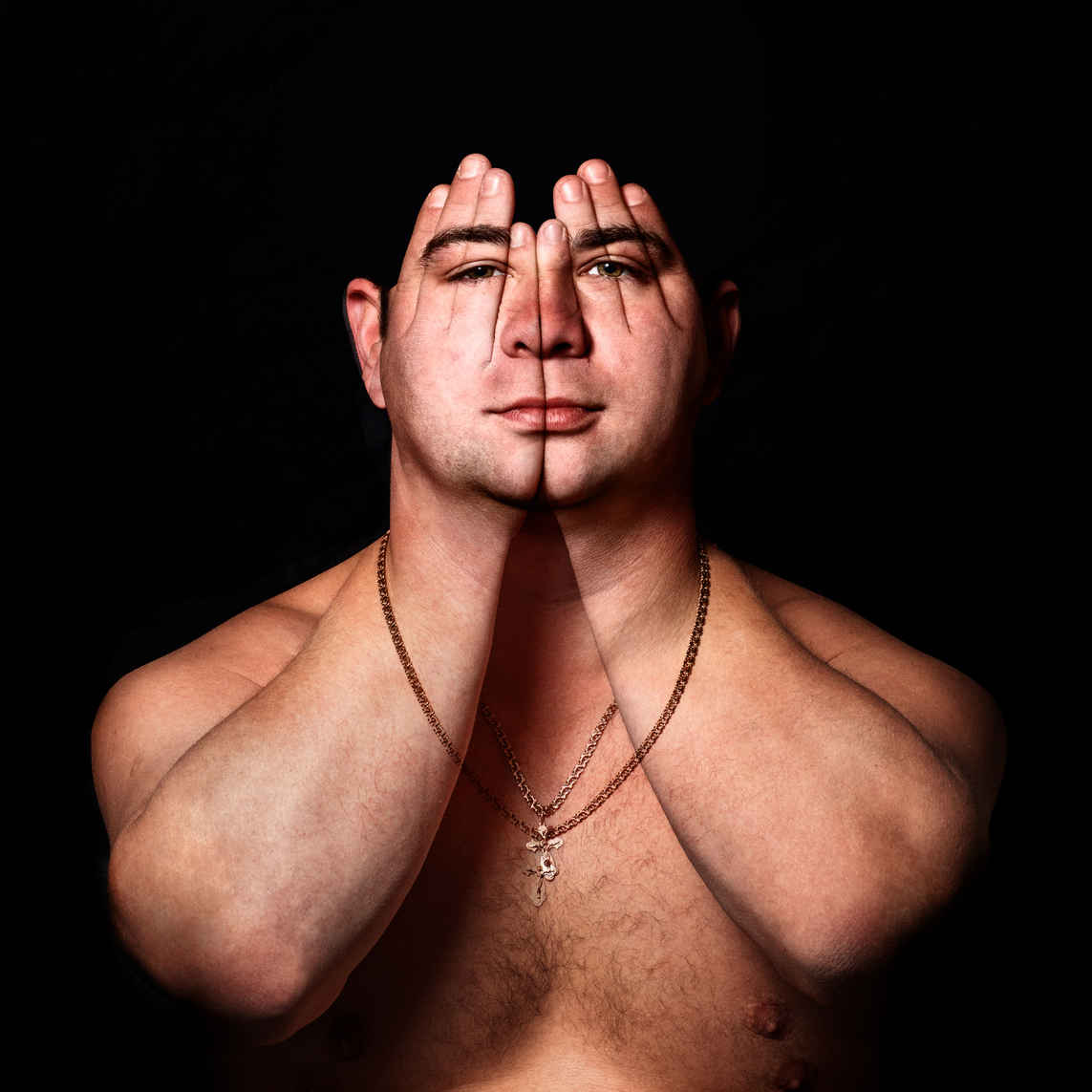
Many artists use conceptual photography to show emotions or internal experiences. You might see someone floating in a dreamlike space, or a figure surrounded by mirrors to show self-doubt. They show how it feels to be in a certain state of mind. The goal is to turn thoughts or emotions into visual scenes.
Stock photography

Some stock photos are designed around clear visual metaphors, like a person underwater in a business suit to show stress, or a hand reaching through a screen to show digital overload.
Conceptual Photography as a Method and Photography Genre
Conceptual photography is both a method and a category.
As a method, it is staged to represent a clear idea, and that goal must be visible in the final image.
As a genre, it often overlaps with fine art, still life (Stilleben), staged portraiture, and even surreal imagery.
Conceptual Photography: History and Artistic Origins
Conceptual photography grew out of art movements in the 20th century that focused more on ideas than technique. Artists began using photography not just to document but to express abstract or critical thoughts.
Conceptual photography stems from conceptual art in the late 1960s and early 1970s, where the idea mattered more than technique or beauty. It grew out of art movements like minimalism and performance art.
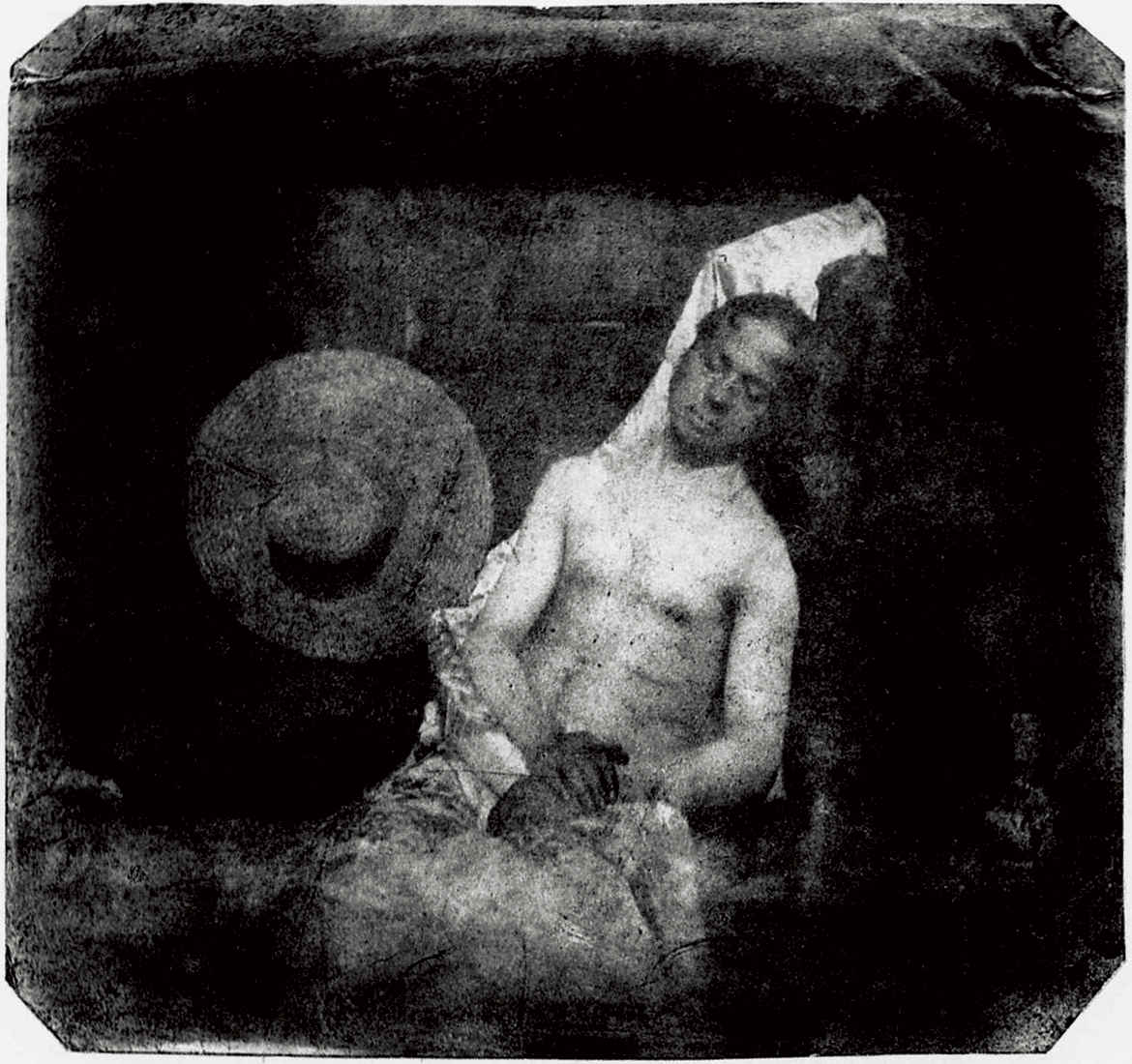
Some early examples show how artists used photography to communicate fictional or symbolic ideas. In 1840, Hippolyte Bayard created Self Portrait as a Drowned Man, a staged photo of himself appearing dead by suicide. He made it as a protest after his invention of photography was ignored by the French government. The photo was meant to criticize power and demand recognition.
In 1960, Yves Klein collaborated with photographers to create Leap into the Void. The image shows Klein jumping off a rooftop, arms spread, with no safety net in sight. It looks like he’s flying or falling freely through space.
But the photo was carefully staged. The scene was made by combining two negatives (one with Klein jumping, and another with a street background where helpers and mats were edited out). The result was a surreal, believable illusion that questioned what photography can prove or fake. It matched Klein’s belief in the invisible, the spiritual, and the impossible. This photo became a key early example of conceptual photography because it used a real-looking photo to show an unreal idea.
Famous Conceptual Photographers and Influential Artists
Many artists have helped shape conceptual photography into what it is today. Their work often blends photography with performance, text, or installation to push the limits of what a photo can express.
Here are key figures who shaped conceptual photography:
Cindy Sherman
Sherman is best known for using herself as the model in every photo, playing different characters to explore identity, gender, and media stereotypes.
Her series Untitled Film Stills (1977–1980) shows her dressed like women from fictional movies. The photos look real but are completely staged. Her work asks: who are we really, and how much is just role-playing? She stages self‑portraits to question identity and media roles.
Bernd and Hilla Becher
This German duo photographed industrial structures (like water towers, blast furnaces, and grain silos) in strict, black-and-white grids. Their style was precise, emotionless, and repetitive. But by showing these manmade forms side by side, they turned functional buildings into visual patterns.
Their typologies showed how photography could organize and study the world like a visual archive. Their work helped launch the Düsseldorf School of Photography.
Duane Michals
Michals is known for photo sequences that tell small stories or show abstract ideas. He often adds handwritten captions directly on the prints.
In The Spirit Leaves the Body (1968), you see a man lying in bed and a transparent version of himself rising from the body. His photos aren’t about capturing moments—they’re about imagination, thought, and belief. He uses conceptual photography to explore themes like time, death, love, and memory.
Barbara Kruger
Kruger combines black-and-white photos with bold red and white text to deliver sharp messages about power, gender, and consumer culture.
Her most famous piece, Your Body is a Battleground (1989), became a symbol of feminist protest. The photos she uses are often found images, but the text changes how we read them. Her style is direct, graphic, and designed to confront the viewer.
How to Start Practicing Conceptual Photography
You don’t need fancy gear or a full studio to begin. What matters most is a clear idea and a plan to show it visually. Start small, focus on clarity, and keep the image simple so the message comes through.
Begin with one clear concept. Write a single word like “pressure.” Then list ways to show it using objects or staging.
Use simple setups first: natural light, everyday props, places you know. Take a test photo. Ask yourself: can someone get the idea without a caption? If yes, it’s working.
You may combine styles. A conceptual photo can look like a portrait, a landscape, or a still life. It can also use editing or creative effects to sharpen your message.
Summing Up
Conceptual photography is about staging an image to represent an idea clearly and directly. Its power lies in planning, staging, and thoughtful choices in every detail.
You craft the scene, pick props, control the light, and edit. The result is a photo that means something. It shows your idea clearly and makes people think.
Read Next: Want to level up your photography skills?
Explore our Photography section for guides on lighting, composition, camera settings, and creative techniques across genres like portrait, landscape, and street.
Whether you’re shooting on a mirrorless camera or your phone, you’ll find sharp, practical tips to take more intentional and creative photos.
Also check out our Visual Composition section, with deep dives into framing, color psychology, and visual art history—key tools for any photographer thinking like an image-maker.