

Published: July 25, 2025 | Last Updated: December 9, 2025

What is An arthouse film? Definition & Meaning
An arthouse film is a movie made outside the commercial system that focuses on personal vision, artistic style, or experimental storytelling instead of mainstream entertainment.
Arthouse films are usually made by independent directors who want full creative control. Arthouse films often explore emotions like grief, loneliness, guilt, or fear. They also focus on personal ideas or difficult topics that mainstream films usually avoid.
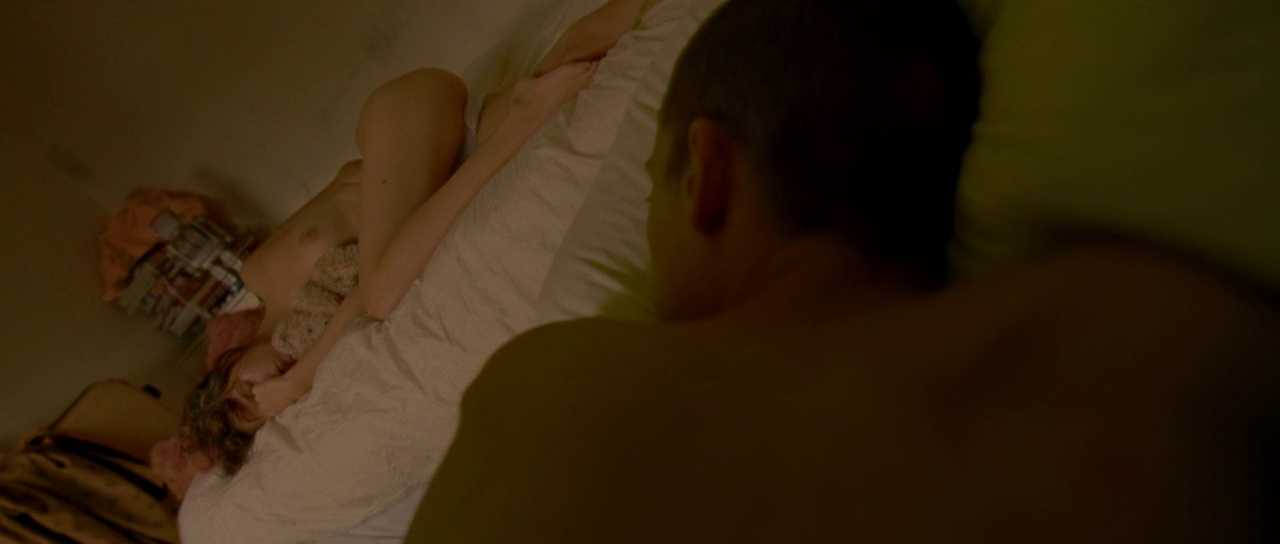
Arthouse films might be slower or harder to follow than big studio films, but they offer new ways of telling stories through images, sound, and structure.
Where Arthouse Films Come From
Arthouse cinema began in the early 1900s but grew stronger after World War II. Several film movements helped shape it:
- Italian Neorealism (1940s–50s) – Used real locations and non-actors to show life after the war
- French New Wave (1960s) – Broke rules by using jump cuts, handheld cameras, and strange story structures
- Global Expansion (1970s) – Directors in Japan, Iran, Denmark, Sweden, and the U.S. tried new styles and focused on ideas more than plot
Film festivals like Cannes, Venice, and Sundance helped bring attention to these films. They gave space to directors who didn’t want to work inside the Hollywood system.
The word “arthouse” also describes where these films are shown. Most play at small theaters and film festivals (sometimes small festivals in unconventional settings, such as an old factory). Viewers expect something different, i.e., something slower, more emotional, or harder to explain.
Key Features of Arthouse Films
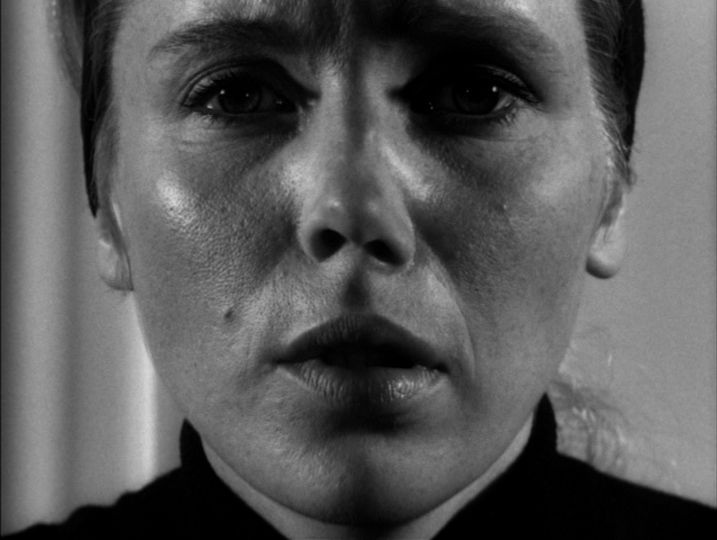
Arthouse films don’t follow the same rules as most blockbusters. Here’s what makes them different:
- Unusual storytelling – Stories might be told out of order, with no clear ending
- Personal topics – Themes like grief, memory, identity, or loneliness
- Strong visual style – Long scenes with no cuts, slow pacing, or strange colors
- Small budgets – Often no special effects or famous actors
- Focus on character – Scenes show how people think or feel instead of just what happens
These films can be tough to watch. They might not explain everything. You have to pay attention and think about what you’re seeing. But for many viewers, that challenge is part of what makes them rewarding.
Camera Work and Visual Style
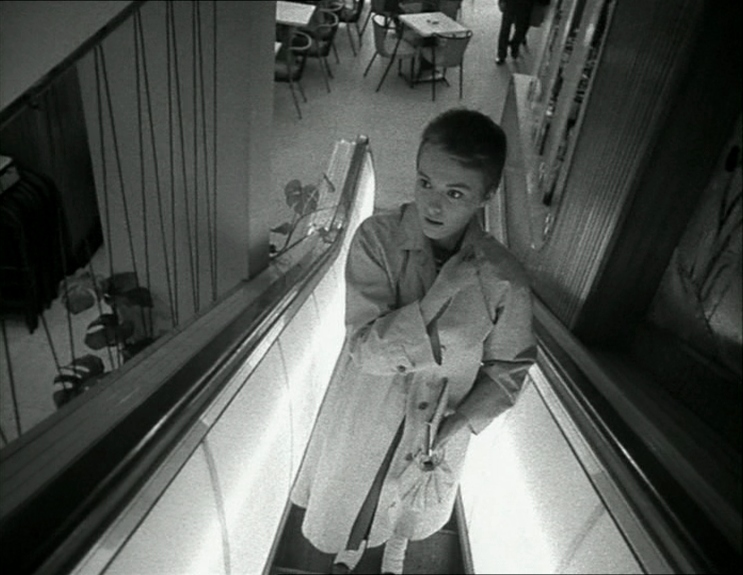
Many arthouse directors focus more on how a movie looks than on what happens. They use camera tricks to change how a scene feels. Some common techniques include:
- Long takes – Scenes that don’t cut, so the action feels more real
- Dutch angles – The camera is tilted to make things feel strange or tense
- Asymmetrical framing – One side of the screen feels heavier than the other, which adds emotional weight
- Symbolic colors – Bright reds, soft blues, or black-and-white to reflect emotions or themes. Read more on color psychology in film.
Some films also use dream-like images. These can be strange, slow, or hard to explain. The goal isn’t realism, but to make you feel something or notice details in a new way.
Sound and Music
Music in arthouse films is usually quiet or minimal. Some scenes use only background noise or long silence. This helps the film feel calm, tense, or reflective. Other films use weird or broken sounds to make you feel uncomfortable. The sound design is often as important as the images.
Read more on diegetic and extra-diegetic sound in film.
Themes and Style
Arthouse films often ask big questions. They might explore memory, grief, love, death, or time. Many avoid clear answers. Instead of telling you what to think, they show emotions, choices, or symbols. It’s up to you to decide what it all means.
These films can feel like puzzles. You might not understand everything at first. But when a piece clicks, it sticks with you. Arthouse films are as much about what you see as they are about how you think and feel after the movie ends.
Best Arthouse Films
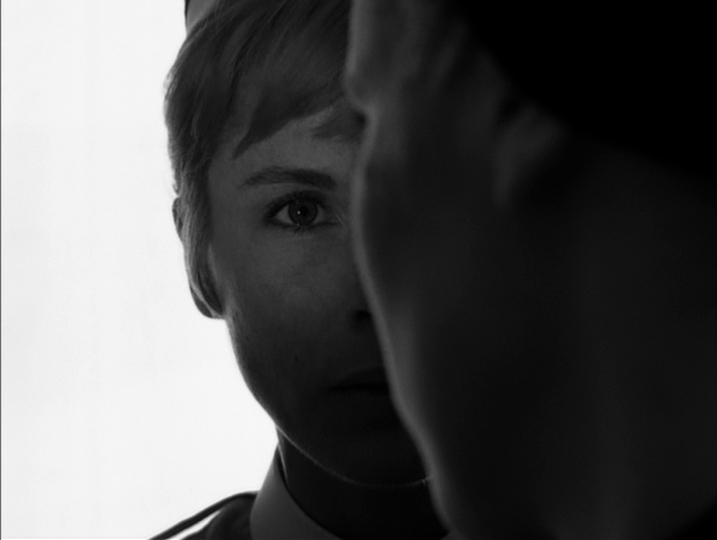
Here are some handpicked arthouse films, I think you should know about. Most are now studied for their influence on film language, pacing, and structure.
- Rashomon (1950, Daiei) – A short story told from different points of view (what is now called the Rashomon effect).
- Tokyo Story (1953, Shochiku) – A quiet family drama about aging and change
- The 400 Blows (1959, Les Films du Carrosse) – A coming-of-age film about a boy in Paris
- Breathless (1960, Les Films Impéria) – A stylish crime film with fast editing
- La Jetée (1962, Argos Films) – A sci-fi film told with still photos and voiceover
- Persona (1966, Svensk Filmindustri) – A psychological drama by Ingmar Bergman that uses close-ups, silence, and visual framing to show emotional breakdown and identity loss
- Stalker (1979, Mosfilm) – A quiet journey through a mysterious place called “the Zone”
- Eraserhead (1977, Libra Films) – A black-and-white film with surreal visuals and haunting sound
- The Holy Mountain (1973, ABKCO Films) – A film full of symbols, rituals, and bold costumes
- Dogville (2003, Zentropa) – A film set on a bare stage with chalk lines instead of buildings
- Chungking Express (1994, Jet Tone Production) – Two stories of love and loneliness in Hong Kong
- The Tree of Life (2011, Fox Searchlight) – A mix of family story and the birth of the universe
- Enter the Void (2009, Wild Bunch) – A neon-colored film told from the spirit’s point of view
- Antichrist (2009, Zentropa) – A disturbing story with heavy symbols and dark themes
- The Lobster (2015, Element Pictures) – A dark comedy where single people are turned into animals
- I’m Thinking of Ending Things (2020, Likely Story) – A strange road trip that blurs memory and time
- Beau Is Afraid (2023, A24) – A surreal journey through fear, guilt, and distorted memory
Global Reach
Arthouse cinema comes from all over the world. Some of the best films are in languages other than English. Directors from Iran, Japan, France, Germany, and South Korea have made important works in this genre. Watching subtitled films helps you understand different cultures and see new ways to tell stories.
Arthouse vs. Other Categories
Not every foreign or low-budget film is arthouse. Some follow normal storytelling rules. What makes a film arthouse is the way it’s told — the focus on visuals, themes, and emotion instead of easy entertainment.
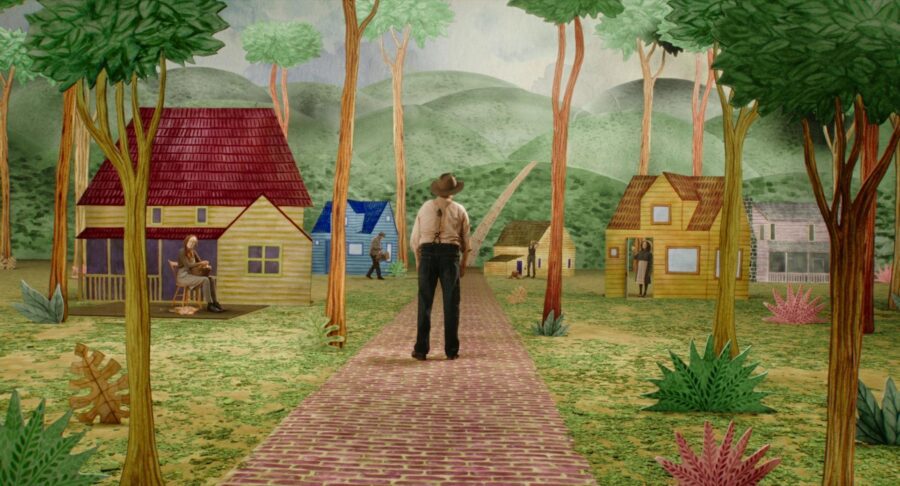
Many well-known directors borrow ideas from arthouse films. For example, Ari Aster uses long pauses, wide symmetrical shots, and surreal transitions in Beau Is Afraid (2023, A24), a psychological journey that shifts between dream and nightmare. His earlier film Hereditary (2018, A24) blends horror with slow pacing, static framing, and close attention to grief and family trauma, i.e., techniques common in arthouse cinema.
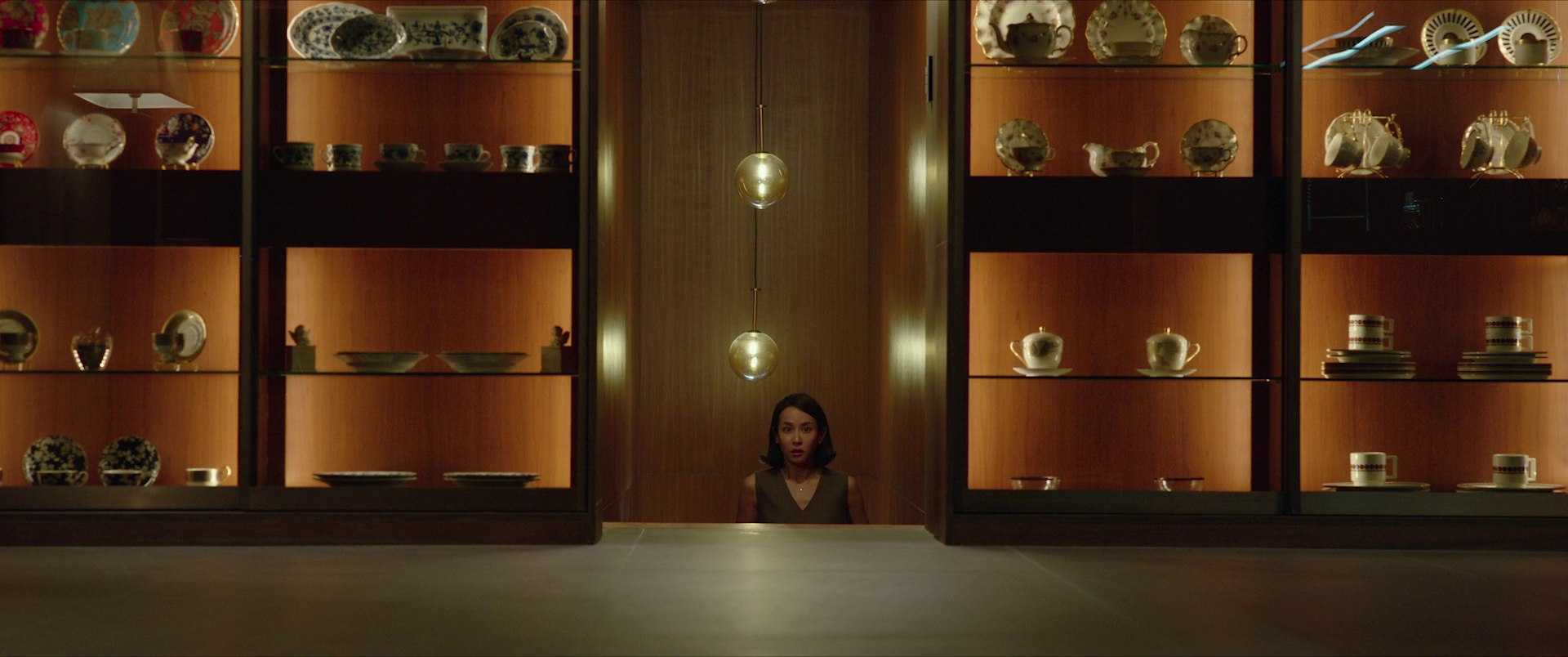
Bong Joon-ho’s Parasite (2019, Barunson E&A) uses symbolic vertical space, careful color choices, and dark humor to show class division. These films mix arthouse style with more accessible storytelling, helping the genre reach wider audiences.
What You Can Learn from Arthouse
If you’re studying film or making your own, arthouse cinema is full of ideas to try:
- How to use light, space, and silence to create emotion
- How to build a mood instead of relying on action
- How to tell stories with images and body language
- How to work with small budgets and stay creative
One way to explore arthouse is by following directors. Akira Kurosawa, Wong Kar-wai, Yasujiro Ozu, Agnès Varda, and Charlie Kaufman all show how personal and creative this kind of filmmaking can be.
Summing Up
Arthouse films focus on ideas, emotion, and creative freedom. They ask questions instead of giving answers. If you want to understand how film works as an art form, these are the films to study. They don’t always follow the rules… and that’s the point.
Read Next: Curious how film movements shape cinema?
Read our full guide to What Is a Film Movement? for clear definitions and iconic examples, or explore more in our Film Movements & World Cinema section.
Want broader context? Visit our Film History, Theory & Genre archive for deeper dives into the evolution of cinematic style.
