

Published: August 4, 2025 | Last Updated: November 11, 2025

What is A proof-of-concept film? Definition & Meaning
A proof-of-concept film is a short movie that shows what a longer film or series could look like, often used to get support, money, or feedback before making the full version. It gives people a sample of the style, story, and visuals the director wants to use. It’s like a test run for something bigger.
Why Proof-of-Concept Films Matter
Making a full-length movie is expensive and takes a lot of time. A proof-of-concept film lets you show your idea without making the whole thing. It helps others understand what your project could be. You can share it with producers or studios to get funding. You can also use it for crowdfunding your film. You can also use it to try out ideas like camera work or special effects and see what works.
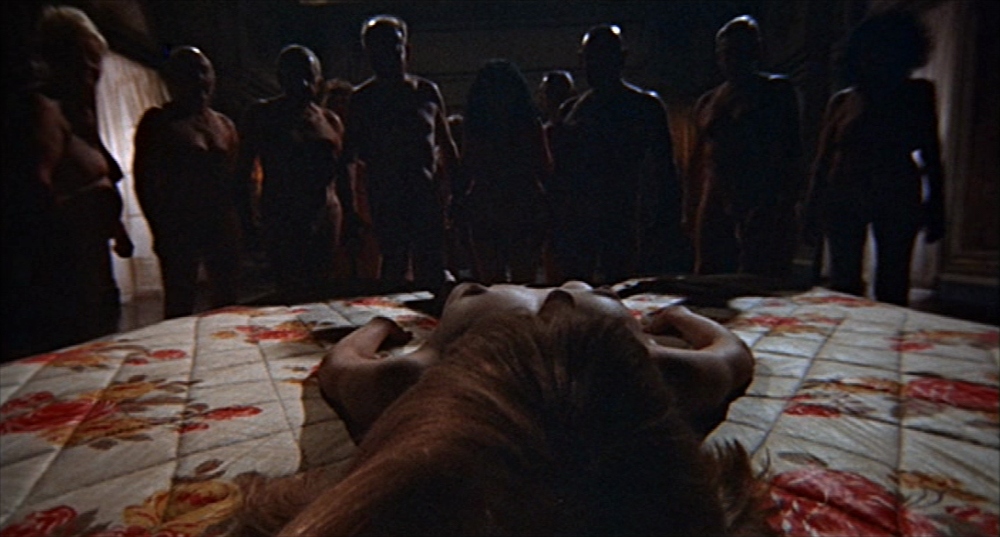
This kind of short film has become more common today. In the past, studios would fund movies based on how well books sold. That’s how films like Rosemary’s Baby (1968), Love Story (1970), and The Godfather (1972) got made. Now, directors often use short films to get that same attention and support.
How Proof-of-Concept Films Are Different from Regular Shorts
Many short films have worked as proof-of-concept films, especially if they are good or gain a life online. A regular short film tells a full story from beginning to end. It stands on its own.
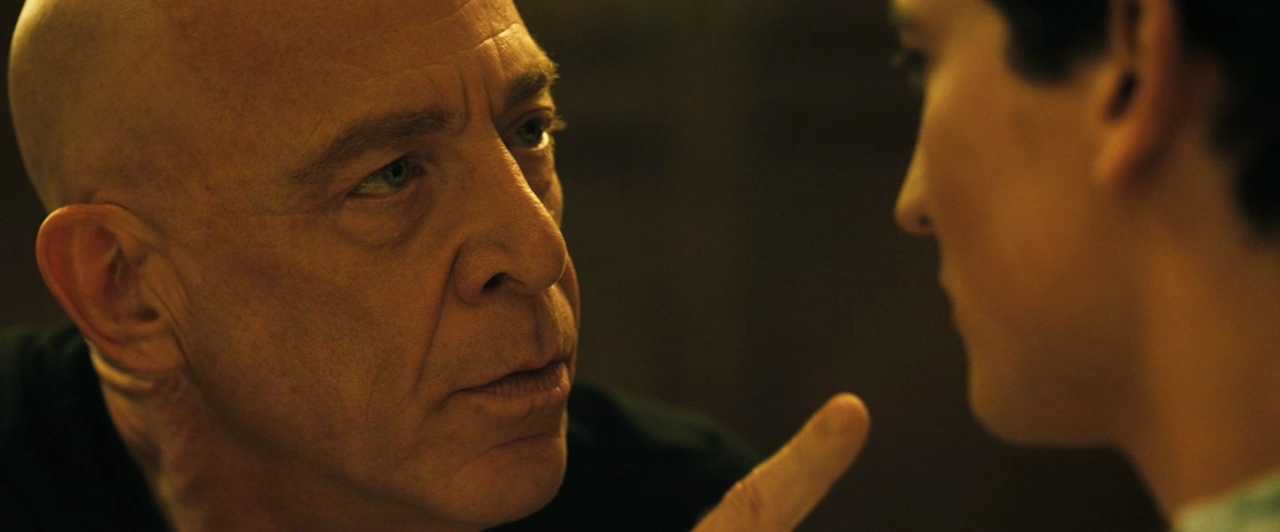
A proof-of-concept film doesn’t have to stand on its own. It also tells a story, but it’s made to lead to something bigger, like a full movie or series. It gives a sample (fx, a single scene), not the whole thing. A great example is the scene from Whiplash (2013), which was turned into an Oscar-winning feature the next year.
Here’s a video that compares the scene in the original short and in the feature film:
What Makes a Good Proof-of-Concept Film?
A good proof-of-concept film focuses on one strong idea. It doesn’t try to explain everything. It shows one decisive moment that captures the look, feel, and tone of the larger project.
- It’s short (usually under 15 minutes)
- It looks and sounds good with good actors
- It has a clear direction and focuses on one key scene or idea
Even though it’s short, the film should feel finished. It should show what kind of filmmaker you are and what kind of movie you want to make. The best proof-of-concept films are simple, clear, and original.
Examples of Proof-of-Concept Films
Many well-known movies started as short proof-of-concept films. These examples show how directors used small projects to make bigger ones happen.
Whiplash (2014): Damien Chazelle made a short version of this music drama in 2013. It won awards at Sundance and helped him make the full movie, which won three Oscars.
The Babadook (2014): Director Jennifer Kent made a short black-and-white horror film called Monster in 2005. It took years to turn it into a feature, but the result became one of the most talked-about horror films of the decade.
Read more on why horror films are a good place to start for filmmakers.
Lights Out (2016): David F. Sandberg made a super short horror film in 2013. It went viral online and helped him get a deal to make the full version.
Sky Captain and the World of Tomorrow (2004): Kerry Conran made a teaser using bluescreen effects in his living room. Producer Jon Avnet helped turn it into a full movie, which was later released by Paramount.
District 9 (2009): Neill Blomkamp made a short called Alive in Joburg in 2005. It used fake documentary footage and special effects to tell a sci-fi story about aliens and discrimination. Peter Jackson saw it and helped produce the full version.
Sin City (2005): Robert Rodriguez shot a short scene from the graphic novel to convince writer Frank Miller to let him make the movie. That scene became the film’s opening. The proof-of-concept film is called The Customer Is Always Right.
Sundays (2015): Director Mischa Rozema raised money online and made a sci-fi short in Mexico City. After it came out, several studios wanted it. Warner Bros. bought the rights and started working on a full version.
The Leviathan (2015): Ruairi Robinson’s short shows humans in the future hunting giant alien creatures for space fuel. It went viral and got picked up by 20th Century Fox, with big-name producers joining the team.
Controller (2013): Saman Kesh made this short in 2013. It’s about a woman who uses a helmet to control her boyfriend’s body and escape from her prison. It was picked up for development by 20th Century Fox.
Realm (2015): A girl fights demons inside people’s souls. Scott Speer’s short starring Adelaide Kane led to a deal with Relativity Media, and the full version was developed by John Swetnam and Scott Speer.
Napoleon Dynamite (2004): Jared Hess made a student film called Peluca in 2002. It had the same tone and characters. The feature version kept the awkward, small-town style that made it popular.
Proof-of-Concept Shorts Not Available to the Public
Reservoir Dogs (1992): Quentin Tarantino made a short version of the film first as part of a Sundance Director’s Lab project. It was not released to the public. It helped him pitch his first feature, which became a huge success in indie film.
300 (2006): Zack Snyder made a short film called Die Free to show the style of the movie he wanted to make. It helped him prove his vision to the studio, but it is also not available to the public.
How Proof-of-Concept Can Help Your Filmmaking Career
Proof-of-concept films can help you move forward in your career. They can lead to meetings, funding, and full-length movies.
They also let you test ideas and fix problems early. If something doesn’t work in the short version, you can improve it before making the full film.
You might like How Do Short Films Make Money?
Making short films and proof-of-concept films can also help you build a team and learn what works during filming. It’s a chance to practice and try things out before going bigger.
Other Career Paths
A proof-of-concept film doesn’t just lead to one movie. It can help you get other jobs, too. A strong short can show producers that you’re ready to direct TV episodes, commercials, or other projects. Even if the full movie doesn’t happen, your short might help you find your next step.
Summing Up
A proof-of-concept film is a short version of a bigger idea. It shows how your movie could work and helps you pitch it to others. These short films let you test your ideas, show your style, and open doors for bigger projects. They can help you make your first feature or lead to something completely new.
Read Next: Starting a film project from scratch?
Visit our Project Planning section for step-by-step breakdowns on budgeting, scheduling, and setting creative goals before the cameras roll.
Or check out the full Pre-Production archive to explore casting, location scouting, shot lists, and everything else that happens before day one on set.
