

Published: April 20, 2024 | Last Updated: June 30, 2026

Overview
Definition: Anachronism is a detail that belongs to the wrong time period within a story’s setting.
What you’ve seen before: You have noticed a “period” scene where one prop, costume, hairstyle, phrase, or piece of tech feels too modern for the world on screen.
Example: In a film set in the 1800s, a background actor pulls out a modern smartphone, or a costume includes a zipper that did not exist in that era. Even if it is on screen for one second, you clock it because it breaks the time logic you already accepted.
Why it matters: An anachronism can snap you out of a scene and make the world feel less believable. On set, it changes decisions about props, wardrobe, set dressing, vehicles, hair, makeup, and even language choices in dialogue. Sometimes the mismatch is intentional for comedy or style, but you still need to control it reads it as a choice, not a mistake.
- Key takeaway 1: Check every visible detail against your story’s year, not just the “main” props.
- Key takeaway 2: Treat background items and extras as high risk because they can introduce modern objects by accident.
- Key takeaway 3: If you use anachronism on purpose, set a clear rule for what can be “wrong” so it feels consistent.
Now let’s explore this in more detail and define anachronism in a broader, educational context.
What is an Anachronism? Definition & Meaning
An anachronism is a time mismatch inside the world your film claims to be in. It can be accidental (a modern detail slips into frame) or intentional (you mix eras on purpose to set tone or underline a theme). The key is control. If the mismatch follows a clear rule, it reads as style. If it shows up at random, it reads as a mistake.
Etymology and origin of “anachronism.”
The word anachronism comes from Greek roots: ana- (meaning “back” or “against”) and chronos (“time”). In plain terms, it describes something that’s out of its proper time, i.e., a time mismatch that stands out because it doesn’t belong in the era shown on screen.
In film and TV, anachronisms can be accidental (a mistake slips into frame) or deliberate (a creative choice made to shape tone, meaning, or audience connection).
Types of Anachronism
Generally, anachronisms fall into two categories: deliberate and accidental.
Deliberate Anachronisms
You can use deliberate anachronisms to achieve specific effects, such as making a historical context more relatable to a contemporary audience or for stylistic purposes.
A classic example of intentional anachronism is the film A Knight’s Tale (2001), which features modern music and references in a story set during the Middle Ages for comedic effect.
Mini Case Study: Anachronism in Marie Antoinette (2006, Columbia Pictures)
Marie Antoinette uses deliberate anachronism as a clear directing choice. Director Sofia Coppola, an American filmmaker known for character-focused mood films, treats the setting like a feeling you live inside. Marie Antoinette was the last Queen of France, and the movie frames her life at Versailles as a sealed-off youth experience instead of a history lesson.
The goal is emotional translation
Emotional translation is the core aim here. The film keeps the wigs, gowns, and palace rules, and it also uses modern touches to pull you closer to her inner life. Court life becomes an intense bubble that looks beautiful and still feels tight and lonely.
The soundtrack bridges time fast
The most obvious anachronism is the modern soundtrack. The songs work like a shortcut into mood. They give you youth, appetite, rebellion, and restlessness without extra dialogue that explains it.
Modern music carries cultural meaning quickly. A single track can signal attitude, identity, and speed in seconds. That helps you read Marie as a teenager trapped in a gold cage, even when the costumes stay fully period.
The “wink” detail sets the rules
The film also includes a quick modern detail that many viewers remember: a pair of Converse sneakers appears briefly among the shoes. The point is not realism. The point is a signal. The movie tells you early that it will mix periods on purpose, so you watch for meaning instead of “mistakes.”
Anachronism supports the theme
The palace world is built on objects, surfaces, and performance. The anachronisms underline ideas that still feel current: status culture, being watched, buying distractions, and confusing attention with love. Versailles becomes a mirror for modern consumer life, even when the story stays in the 1700s.
What you can learn from this example
- Make the anachronism mean something. Tie it to a theme like youth, power, alienation, or rebellion.
- Stay consistent. One isolated modern detail can read like an error. A repeating pattern reads like a choice.
- Use restraint. A few clear signals land harder than constant jokes.
- Match the promise of your film. If you sell realism, you need a reason the audience can feel. If you sell stylization, anachronism can sit at the center of the style.
This approach can make historical characters relatable and the setting more vibrant or ironic.
Accidental Anachronisms
In contrast, accidental anachronisms typically arise from small oversights in costume materials, footwear, set dressing, or background action. They matter because viewers spot them fast, then start watching the production instead of the scene.
For example, Gladiator (2000) contains accidental anachronisms (which is a fancy way of saying movie mistakes), like the appearance of Lycra in the costumes or modern rubber soles, which did not exist in ancient Rome, or the range of the catapults at the beginning of the movie, which could not shoot that far in reality.
Another example is the infamous Starbucks coffee cup in Game of Thrones, which is a production oversight, and became famous because it was left in the final cut:
Anachronistic styles and time-mashup modes
Some films do not just contain an anachronism. They build a whole style around mixing time signals on purpose, like modern music in a period world, or retro-futuristic technology in an old-looking setting. This is bigger than a single “wrong” object. It is a consistent design rule.
Punk Histories
Punk histories are retro-futuristic styles (like steampunk and dieselpunk) that remix older eras with imagined technology.
Steampunk: Films set in Victorian or steam-powered worlds that feature advanced technologies, typically based on 19th-century designs but far more advanced. Examples include The League of Extraordinary Gentlemen (2003) and the animated movie Steamboy (2004).
Dieselpunk: Set in the interwar period, these films incorporate retro-futuristic technology and art deco aesthetics, often with a gritty, noir feel. Sky Captain and the World of Tomorrow (2004) is a prime example.
Cyberpunk: Though typically set in a futuristic world, some cyberpunk films incorporate elements from various historical periods but with a high-tech twist, creating a layered, anachronistic effect. Blade Runner (1982) mixes futuristic elements with styles from the 1940s.
Historical Mash-Ups
Films that mix historical settings with elements from different eras or genres, such as A Knight’s Tale mentioned above, feature medieval characters but modern music and attitudes. Pride and Prejudice and Zombies (2016) blends elements of the classic Jane Austen novel with horror and zombie fiction.
Sci-Fi Historical
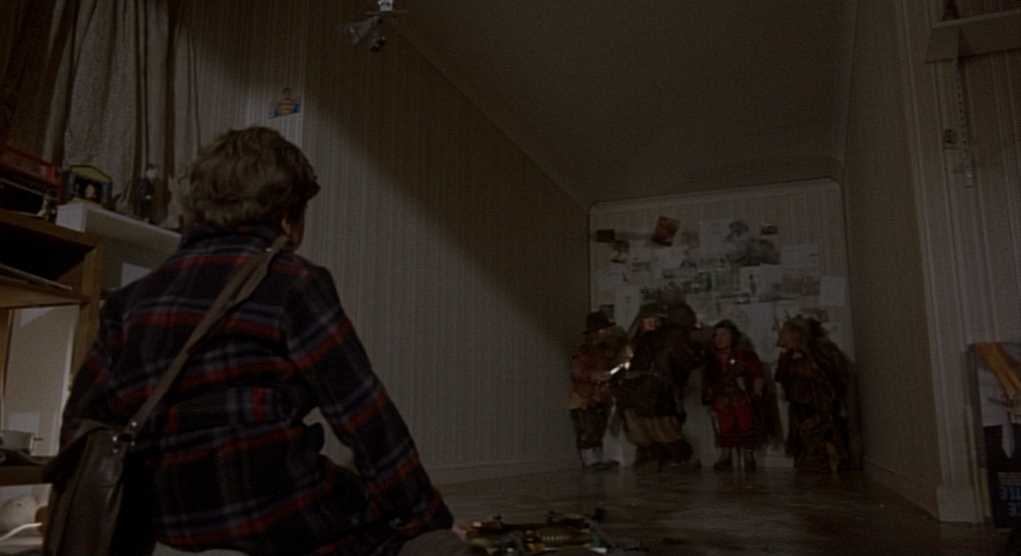
Combining science fiction with historical contexts, such as Time Bandits (1981), which features a young boy traveling with time-traveling dwarves to various historical periods, or Doctor Who, which often visits and revises key historical events.
Within these genres, anachronistic elements are used to highlight particular themes, draw parallels between different periods, or simply for entertainment value. See also high-concept films.
Fantasy Historical
Fantasy historical films create a fantasy world with a historical backdrop, often ignoring or altering historical events and elements to suit the narrative or thematic needs of the film. Pan’s Labyrinth (2006) is set in post-Civil War Spain but incorporates dark fantasy elements.
Modernized Historical Films
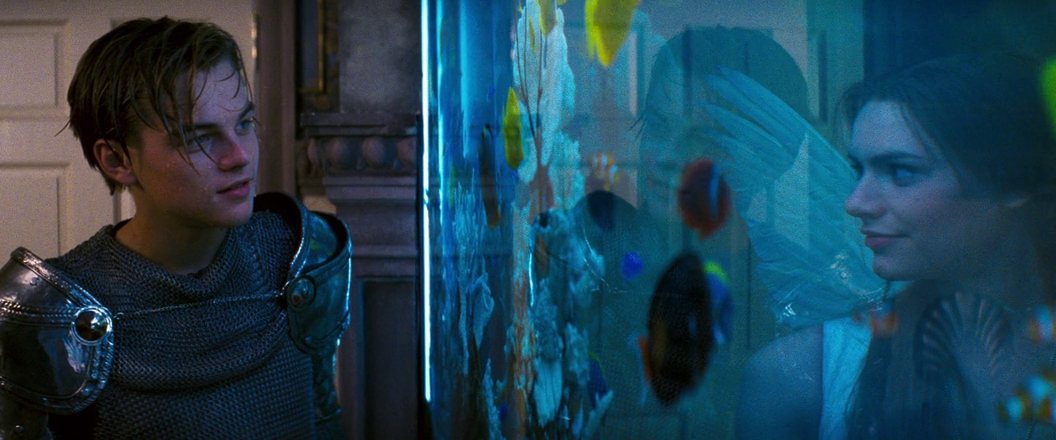
Modernized historical films tell historical stories but with modern sensibilities, dialogue, or attitudes. Baz Luhrmann’s Romeo + Juliet (1996) retains Shakespeare’s original dialogue but sets the story in a modern, fictional city with contemporary costumes and weaponry.
Historical inaccuracy vs anachronism: what’s the difference?
People often use “anachronism” as a catch-all term for “that’s not historically accurate,” but they’re not the same thing.
Here’s an easy way to tell them apart:
| Term | What it means | Quick example (general) |
|---|---|---|
| Anachronism | Something appears in the wrong time period | A modern product, phrase, or technology showing up in a medieval setting |
| Historical inaccuracy | A detail is wrong, but not necessarily from a different time | A uniform, rank, or event sequence portrayed incorrectly for that era |
| Continuity error | A mismatch within the film’s own timeline | A prop changes between shots (full glass → empty → full) |
Rule of thumb:
If it’s “from another era,” it’s probably an anachronism. If it’s “from the same era but wrong,” it’s more likely historical inaccuracy.
Why you might use anachronism in a film
Anachronism is not always a “gotcha” mistake, like a modern logo in a medieval market scene. Sometimes it is a tool. When you use it on purpose, it can communicate mood, theme, or character faster than strict historical accuracy allows.
1) To make the past feel emotionally present
A deliberate anachronism can make an old world feel emotionally close. A modern touch can translate the scene into a feeling you recognize right away, like youth culture, rebellion, loneliness, glamour, or anxiety.
A good example is a modern song in a period montage. The song can signal “attitude” in seconds, so you connect to the character’s headspace without extra explanation.
2) To create contrast, irony, or commentary
A modern idea inside an older setting can create commentary. The clash can highlight hypocrisy, power, or class rules with one clear beat. You watch the past while thinking about the present.
A good example is a character speaking about “branding” or “public image” in a court setting. The wording pushes you to read the scene as status performance, not only history.
3) To control tone
Anachronism can shift tone toward comedy, playfulness, or stylization. Comedy often comes from incongruity, which is the mismatch between what you expect and what appears on screen.
A good example is a period ballroom scene that suddenly uses modern slang or a modern needle drop. The mismatch can make the moment feel witty or self-aware, depending on how the scene frames it.
4) To set expectations early
An early anachronism can tell you what kind of film you are watching. Some period films aim for historical immersion. Others aim for heightened style and direct emotion, with faster dialogue pacing and modern music choices.
When the film sets that rule early, you stop scanning for mistakes and start reading the choices as part of the style.
5) To speed up the narrative
Selective modernization can keep scenes moving. Strict period realism can slow dialogue because characters speak more indirectly and avoid plain statements. A modernized rhythm in language, music, or behavior can keep the point of the scene clear without long exposition.
Key point: The best intentional anachronisms rarely feel random. They usually serve a theme, a character, or a tone.
The psychological effect of anachronism in film
Anachronism changes how you experience a scene, whether it is accidental or deliberate. It can pull your attention toward the detail, away from the character, or it can pull you deeper into the intended mood. Here are common viewer effects.
Immersion break
Immersion break happens when an accidental anachronism pulls you out of the film. Your attention shifts from the character to the production. Many viewers start scanning for other errors, which changes how they watch the rest of the scene.
Humor through incongruity
Incongruity can create humor when a modern detail appears where it does not belong. Even a serious moment can turn funny if the detail is visually obvious or strongly emphasized. If the film aims for comedy, that mismatch becomes part of the joke.
The past feels emotionally close
Intentional anachronism can make the past feel close. It shrinks the emotional distance between “then” and “now.” You stop treating the scene as distant history and start reading it as a human situation you recognize.
Attention spotlighting
Anachronisms draw the eye and ear. That can help when you want the viewer to notice a theme, a symbol, or a shift in mood. The mismatch works like a highlight marker in the frame.
Trust and credibility signals
Trust depends on the film’s promise. In an immersion-first historical drama, repeated anachronisms can reduce trust because the world stops feeling historically real. In a stylized film, consistent anachronisms can increase trust because the rules feel clear and stable.
In short: anachronism can break immersion or redirect your focus. The difference is whether it fits the film’s overall style and intent.
Dialogue anachronisms in historical movies
Dialogue anachronisms can be harder to spot than props or costumes. Speech has rhythm and habit, so a modern voice can stand out even when the set and wardrobe look correct.
Common types of dialogue anachronism
Dialogue anachronism often shows up in a few repeat patterns.
- Modern idioms in old settings
Everyday phrases that feel normal today, but do not match the period’s speech habits. - Modern concept language
Words tied to newer frameworks, like therapy talk, internet framing, or corporate jargon. A good example is a character talking about “boundaries” or “branding” in a way that sounds pulled from modern culture. A character in a royal court scene uses modern self-help phrasing in a blunt way, and nobody in the scene reacts to how strange it would sound for that culture. - Modern sarcasm timing
Even when the vocabulary fits the era, the punchline timing can feel modern, with fast quips and self-aware delivery. - Over-clean emotional clarity
Characters explain feelings with today’s directness, even when the era had strict social limits that forced indirect speech.
When it works and when it clashes
Modernized dialogue can feel right or wrong based on the film’s goal.
- It often works in stylized period pieces, where emotional immediacy matters more than strict accuracy.
- It often clashes in immersion-first historical dramas, where authenticity is part of the promise.
Practical tip: If you use modern dialogue on purpose, keep it consistent across the film so it reads as style, not a slip.
Why anachronism shows up in modern period pieces
Modern period pieces often aim for energy and quick emotional connection. Anachronism is one of the fastest ways to get there because it carries modern meaning into a historical frame.
What it is typically used for
Intentional anachronism in modern period films usually serves a short list of goals.
- Instant relatability: characters feel like people you know, not distant figures in a textbook
- Mood building: modern music can deliver emotion quickly without extra explanation
- Thematic clarity: modern touches can underline ideas about power, gender, class, fame, consumerism, or identity
- Stylized interpretation: the film signals that it is presenting a point of view on the era
This approach often fits stories about youth, status, freedom, or the cost of privilege. Those themes land harder when the distance between eras feels smaller.
Common anachronisms in period dramas
This checklist covers the categories viewers spot most often. It can also help you catch problems during prep and the final edit.
Props and set dressing
Prop anachronisms are often the easiest to catch on a freeze frame.
- logos or branding that did not exist yet
- modern materials, finishes, or fasteners
- time-wrong household items, packaging, or tools
- street elements that do not fit the era, like signage, road markings, benches, lamps, or signposts
Costume and wardrobe
Wardrobe anachronisms show up through silhouette, construction, and texture.
- modern zippers, stitching, or fabric behavior that reads as “today”
- silhouettes that belong to a different decade than the one on screen
- footwear that looks contemporary
Hair and makeup
Hair and makeup anachronisms often come from trend habits that belong to the present.
- eyebrow shapes, fades, contour styles, or ultra-clean modern looks
- hair texture and styling that matches current trends more than the period
Language and behavior
Behavior anachronisms can be as noticeable as a wrong prop when the social rules do not match the era.
- slang, idioms, or references that belong to a later time
- modern social norms projected onto characters with no pressure or consequence in the scene
Music and sound
Sound anachronisms include what you hear and how you hear it.
- instruments, recording approaches, or arrangements that do not match the period
- modern needle drops used as deliberate contrast
- modern audio traits that sound “current,” like heavy compression, wide stereo pop mixes, or modern drum tones
Related terms: parachronism and prochronism
If you want more precision than “anachronism,” these two terms help. They describe the direction of the time mismatch.
Parachronism
Parachronism is when something appears too late for the period shown. The thing belonged to an earlier era, but the film shows it as if it still fits the time on screen.
A good example is a fashion silhouette that was common decades earlier, used in a time period where it would read as old-fashioned.
Prochronism
Prochronism is when something appears too early, before it existed, or before it would plausibly be used by the characters.
A good example is a technology that was invented later, placed into a scene as if it were normal for that year.
Why these terms matter: they help you describe the direction of the mismatch. That is useful for costume, slang, technology, and design.
Anachronism vs anatopism
Anachronism is a mismatch of time. Anatopism is a mismatch of place.
- Anachronism: the detail does not belong in that era.
- Anatopism: the detail does not belong in that location or culture.
Example: a clearly culture-specific object appears in a setting where it would not exist, even if the year is correct. A good example is a totem pole placed outside a medieval French castle, or a desert nomad tent placed inside a Northern European royal court scene.
Frequently Asked Questions
What is an anachronism in simple terms?
An anachronism is something placed in the wrong time period: an object, word, idea, or custom that does not belong to the era being shown.
What is an example of an anachronism?
The striking clock in Shakespeare’s Julius Caesar (mechanical clocks did not exist yet), the kilts in Braveheart (16th-century dress in a 13th-century story), and a digital wristwatch glimpsed on a soldier in the Civil War film Glory.
What are the types of anachronism?
A prochronism places something too early, before it existed. A parachronism places something too late, lingering after its time. Anatopism is the related error of putting something in the wrong place rather than the wrong time.
What is the difference between an anachronism and a historical inaccuracy?
An anachronism is specifically a time error, something from the wrong period. A historical inaccuracy is any departure from the facts, which may or may not involve time at all.
Are anachronisms always mistakes?
No. Many are unintentional errors, but writers and filmmakers also use them on purpose for style, comedy, or to help a modern audience connect with a historical setting, as in Marie Antoinette (2006).
Summing Up
Anachronism in film can be playful or jarring, depending on its use. For example, in Marie Antoinette (2006), intentionally including modern items like Converse sneakers creates a vivid contrast that emphasizes the timeless themes of youth and rebellion.
Meanwhile, Braveheart (1995) features kilts, which weren’t worn until centuries after the film’s setting, subtly influencing our perception of historical authenticity. Whether intentional or not, anachronisms are always fun to try to spot.
Read Next: Curious how film theory shapes the way we watch movies?
Start with the Film Theory section to break down realism, formalism, structuralism, and more — with examples from iconic films.
If you want studying film theory I recommend starting with The FilmDaft overview of film theory discourses to break down realism, formalism, structuralism, and more — with examples from iconic films.
Then explore the full Film History, Theory & Genre collection to see how movements, styles, and storytelling traditions have evolved.
Whether you’re into Soviet montage or 2000s genre mashups, there’s something here to sharpen your understanding.
