

Published: January 6, 2021 | Last Updated: November 14, 2025

How do you learn more about filmmaking?
Most filmmakers learn by watching those who came before them. Watching movies helps you understand the craft better.
When you watch the work of master directors, cinematographers, and actors, you gain more insight into what it takes to produce a quality film.
Before enrolling in film school, check out this essential list of 30 films every film student should see.
1. Vertigo (1958)
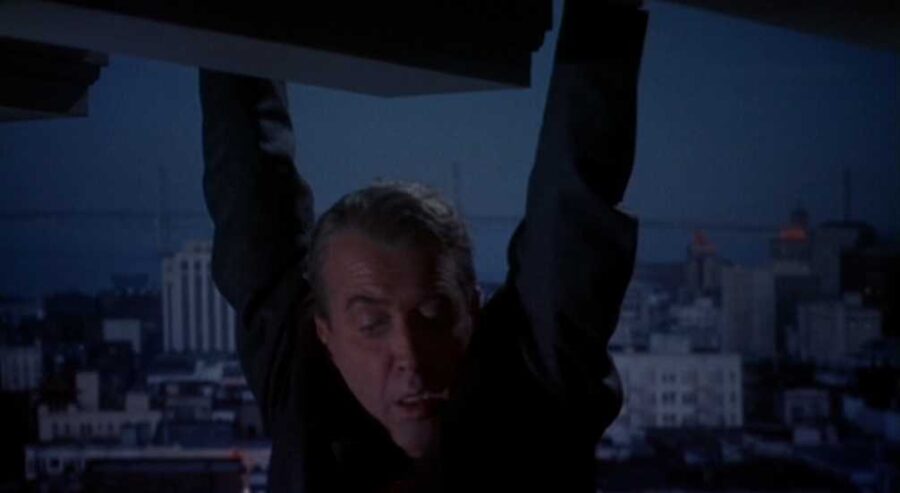
What to study and take away:
- Mastery of suspense and showing how a man slowly loses his grip on reality and tries to remake someone else into a fantasy.
- Innovative camera techniques (e.g., the dolly zoom) are used to tell the story.
- The use of color and setting to reflect characters’ emotional states.
About the film: Directed by Alfred Hitchcock, Vertigo is a psychological thriller about a retired police detective suffering from acrophobia (fear of heights) who is hired to follow the wife of an acquaintance to uncover the mystery of her peculiar behavior.
The film is unique for its innovative use of the dolly zoom effect, which creates disorienting vertigo that mirrors the protagonist’s fear and obsession.
2. Citizen Kane (1941)

What to study and take away:
- Narrative structure and the use of non-linear storytelling.
- Deep focus cinematography and its impact on telling a story visually.
- Shows how visual design, structure, and recurring symbols (like the motif “Rosebud”) reflect Kane’s inner life and emotional decline.
About the film: Citizen Kane is a drama that explores the life and legacy of Charles Foster Kane, a wealthy newspaper magnate, through the perspectives of those who knew him.
The film is renowned for its nonlinear narrative, deep-focus shots, and groundbreaking storytelling techniques, making it a masterpiece in cinematic history.
When Citizen Kane was released in 1941, almost every aspect was original and groundbreaking. The cinematography, story structure, pacing, editing, and music were all innovative at the time. Nothing else was like Citizen Kane at the time, making it an important part of film history.
3. Tokyo Story (1953)
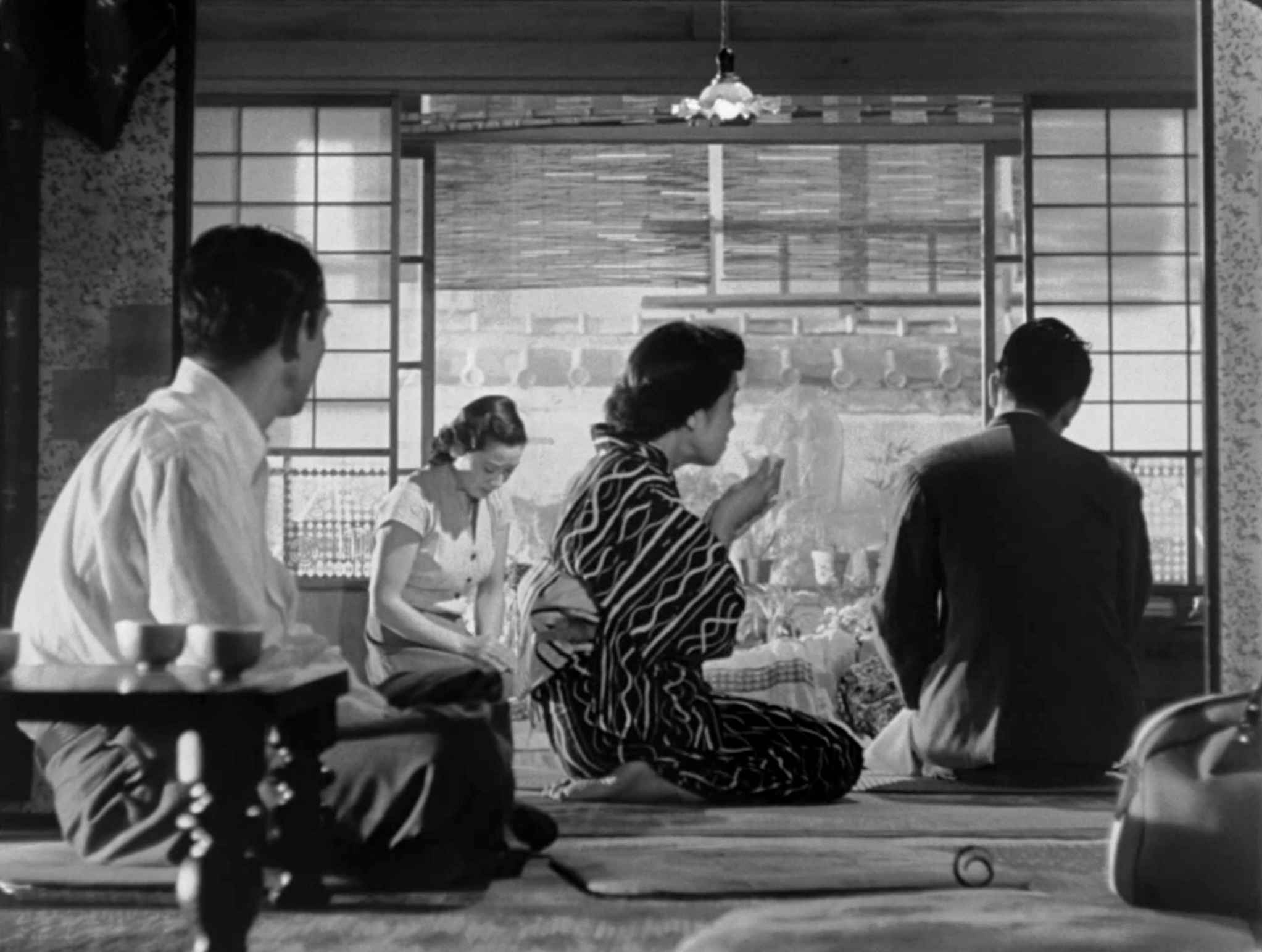
What to study and take away:
- Minimalist storytelling and the power of simplicity.
- The portrayal of generational conflicts and societal changes.
- The use of static shots, blocking, and pacing enhances the emotional impact.
About the film: Tokyo Story is a Japanese drama about an aging couple who travel to Tokyo to visit their grown children, only to find their offspring too busy to spend time with them.
Tokyo Story has a slow pace, low camera angles, excellent use of blocking, and other elements breaking tradition. It also captures a unique time in Japanese history when the country embraced Western ideals and discarded traditions, which is also reflected in the story.
Its uniqueness lies in its simple yet powerful exploration of family dynamics, aging, and the post-war generation gap in Japan. The film is now considered essential viewing for its ability to showcase emotions without being melodramatic.
4. The Godfather (1972)

What to study and take away:
- Character development and transformation.
- Effective use of lighting and shadow to set the mood and tone.
- The use of symbolism and motifs (such as oranges).
About the film: Directed by Francis Ford Coppola, The Godfather is considered the quintessential gangster film. The Godfather is a crime drama that focuses on the powerful Italian-American crime family of Don Vito Corleone. When the don’s youngest son reluctantly joins the mafia, he becomes embroiled in the violent and treacherous world of organized crime.
Its deep character development and complex narrative structure have made it a landmark film in American cinema. The film treats the Italian-Americans in the story with more respect than earlier movies about the mob, allowing the audience to sympathize with the characters despite their horrific deeds.
The Godfather is one of the films every filmmaker should see due to the realism of the characters, who are brought to life by a well-rounded cast.
5. Lawrence of Arabia (1962)

What to study and take away:
- Epic storytelling and the use of landscape as a character.
- Cinematic scope, the use of extreme long-shots, and the use of the widescreen format.
- Character complexity and the exploration of identity.
About the film: Lawrence of Arabia is an epic historical drama that chronicles the life of British officer T.E. Lawrence and his military campaigns in the Arabian Peninsula during World War I.
It is unique for its stunning cinematography, sweeping desert landscapes, and the complex portrayal of its enigmatic protagonist.
6. 8 ½ (1963)
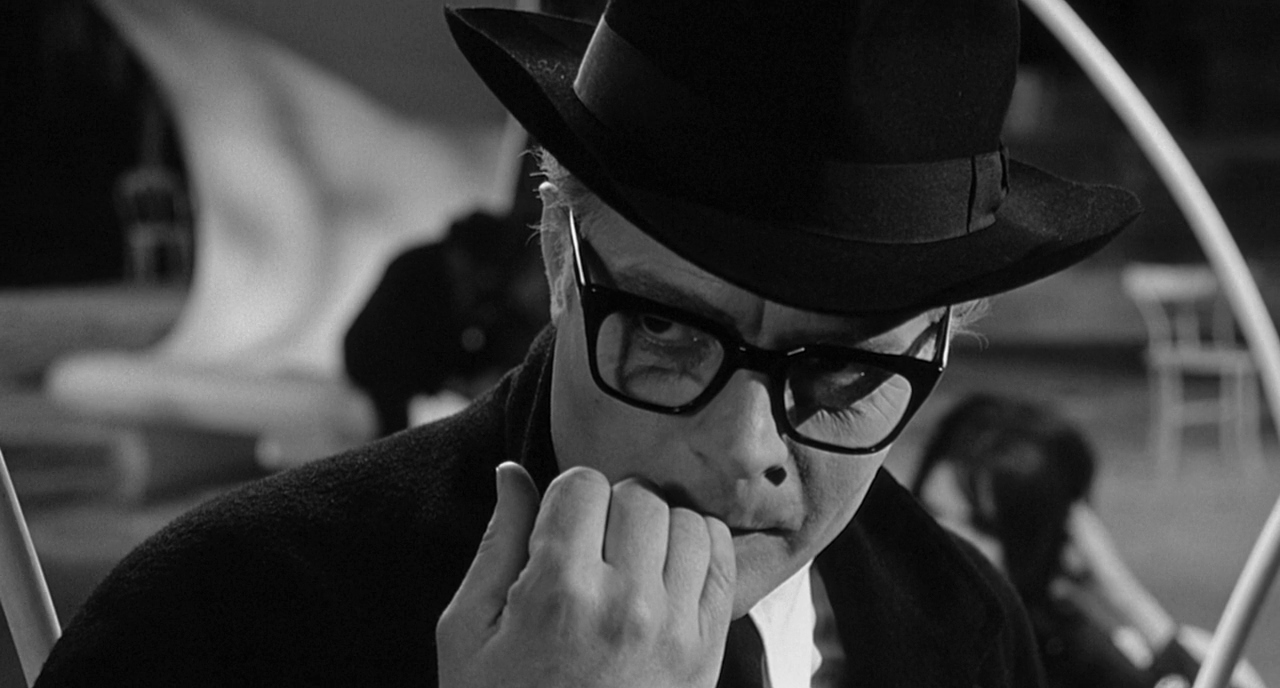
What to study and take away:
- Abstract narrative structure and surreal storytelling.
- The exploration of personal and artistic crisis.
- Innovative editing and visual style to reflect the protagonist’s psyche.
About the film: 8 ½ is a surrealist drama that follows a film director plagued by creative block as he struggles to make his latest movie.
This film stands out for its innovative storytelling, blending dreams, memories, and fantasies in a visually arresting and introspective exploration of creativity and personal crisis.
7. The Shawshank Redemption (1994)

What to study and take away:
- Character arcs and the development of friendship.
- The power of hope is a central theme.
- The use of symbolism – fx Jake the Crow.
About the film: The Shawshank Redemption is a drama that tells the story of Andy Dufresne, a banker who is sentenced to life in Shawshank State Penitentiary for the murder of his wife and her lover, despite his claims of innocence.
Over the years, he develops a deep friendship with fellow inmate Red. Its unique portrayal of hope and friendship in despair has touched audiences worldwide.
8. Mean Streets (1973)
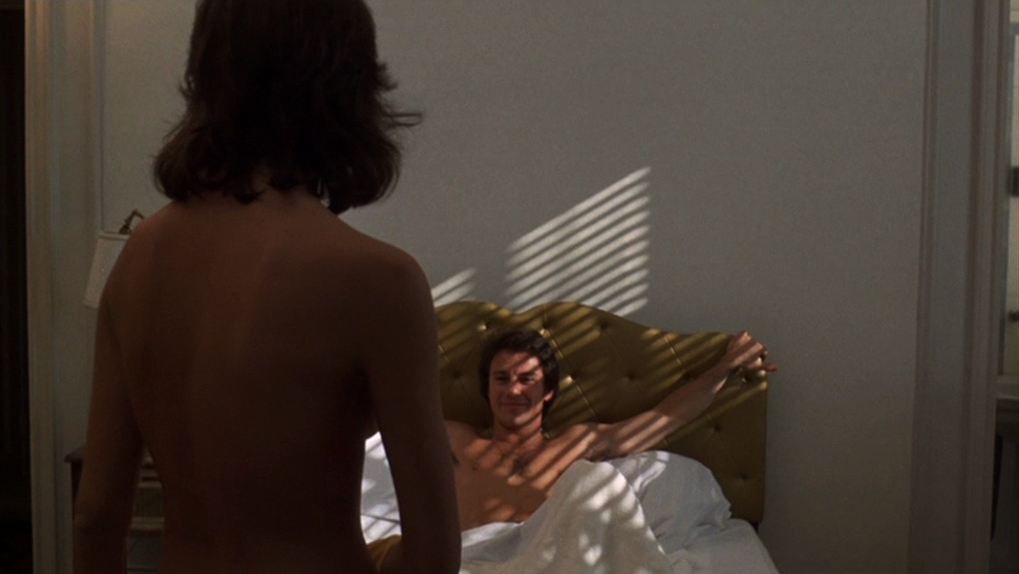
What to study and take away:
- Gritty realism and authentic portrayal of urban life.
- Character-driven storytelling.
- The use of extra-diegetic music to enhance mood and character.
About the film: Mean Streets is a crime film about a young Italian-American man who navigates the challenging and often violent life in New York City’s Little Italy.
This film is unique for its gritty realism, dynamic handheld camera work, and portrayal of faith, guilt, and redemption complexities. The fight scene in a billiard hall is especially notable for its realism, as the camera keeps you focused on the action without distracting cuts or closeups.
9. Bicycle Thieves (1948)

What to study and take away:
- Neorealism and its impact on emotional storytelling.
- The exploration of socioeconomic themes.
- The use of non-professional actors to enhance realism.
- The use of the frame-within-frame technique.
About the film: Bicycle Thieves (Ladri di Biciclette) is an Italian neorealism drama about a poor father searching for his stolen bicycle in post-war Rome, a necessity for keeping his job and supporting his family.
The film is celebrated for its powerful depiction of poverty and despair, using non-professional actors and shooting on location to add authenticity.
Bicycle Thieves is also an excellent study of an early use of frame-within-frame shots.
10. Pulp Fiction (1994)
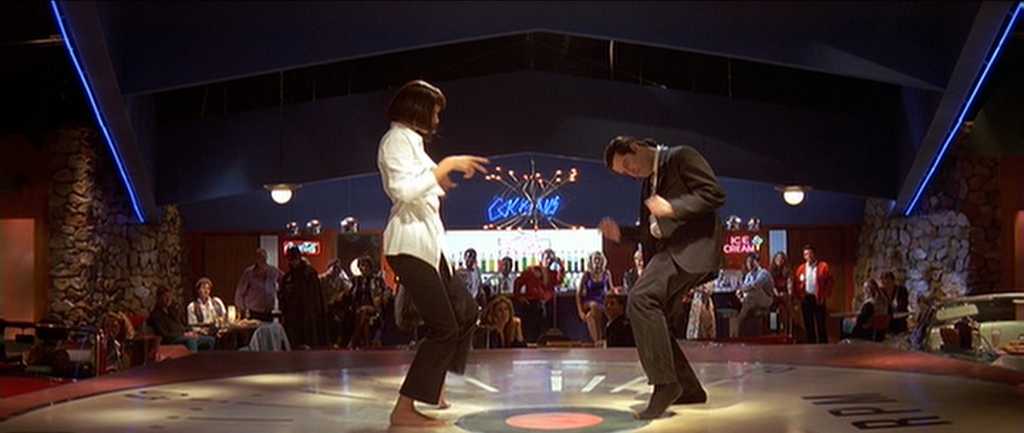
What to study and take away:
- Non-linear storytelling and its effect on audience engagement.
- Memorable dialogue, character development, and soundtrack.
- The blending of humor and violence.
About the film: Pulp Fiction is a crime film known for its eclectic dialogue, nonlinear narrative, and interconnected stories about crime in Los Angeles. The film is distinctive for its directorial style, sharp wit, and revitalization of genre tropes, making it a pivotal work in modern cinema.
Pulp Fiction story is a prime example of how it is possible to learn filmmaking by watching movies. Tarantino did not attend film school. He was an avid movie buff who turned his love of films into a successful career.
Pulp Fiction manages to combine several stories into a non-linear movie. Along with a unique script, the film highlights how music can elevate a scene. If you want to learn to develop strong characters and dialogue, study Quintin Tarantino.
11. The Shining (1980)

What to study and take away:
- Building suspense and horror through atmosphere, symmetry, and symbolism.
- The use of Steadicam for innovative cinematography.
- The adaptation of literature to film while adding unique elements.
About the film: The Shining is a horror film that follows Jack Torrance as he becomes the winter caretaker at the isolated Overlook Hotel in Colorado, hoping to cure his writer’s block. He settles there with his wife and son, plagued by psychic premonitions.
The film’s unique use of steady camerawork, unsettling music, repetition, and surreal imagery has made it an iconic horror masterpiece.
12. Good Will Hunting (1997)

What to study and take away:
- Character-driven narrative and emotional depth.
- The exploration of genius, childhood trauma, personal growth, and redemption.
- The impact of dialogue on character development.
About the film: Good Will Hunting is a drama about a young janitor at MIT, Will Hunting, who has a genius-level IQ but chooses to live a blue-collar life. After assaulting a police officer, Will avoids jail time by studying mathematics and undergoing therapy. The film uniquely explores themes of genius, love, and self-discovery.
The screenplay for Good Will Hunting is an example of maintaining focus. The story rarely treads too far from the main plot. The script also features one of my favorite monologues of all time uttered by the late Robin Williams in what may be his best performance of all time.
However, this almost wasn’t the case. The original script included a subplot involving Matt Damon’s character working for the US government. The scenes would have involved action sequences. Based on Rob Reiner and William Goldman’s advice, Damon and Affleck decided to drop the subplot and focus on the characters.
13. Seven Samurai (1954)
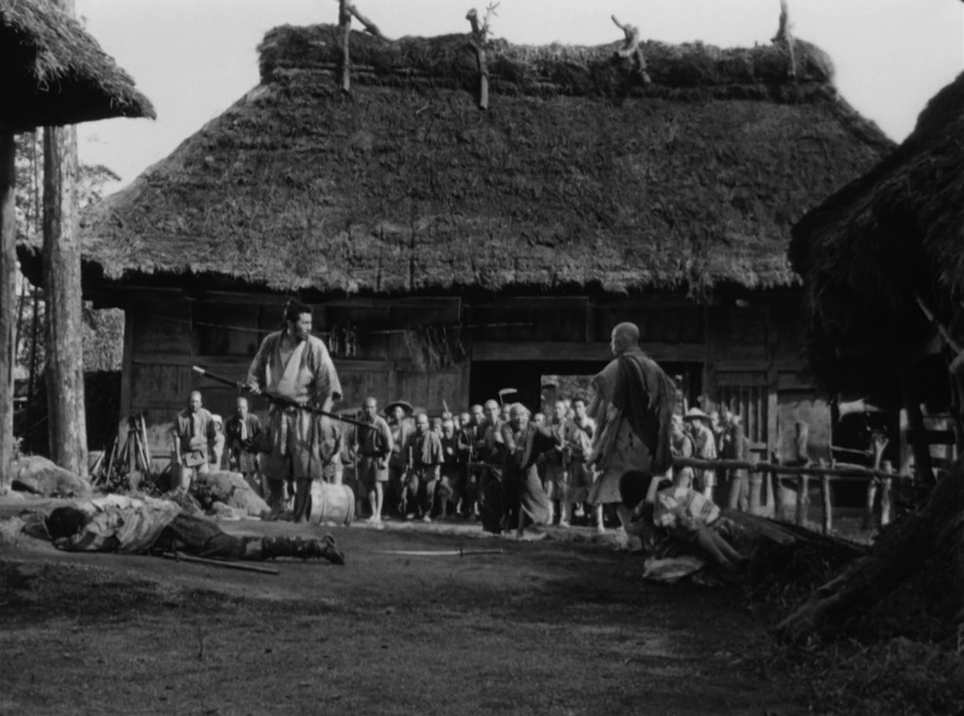
What to study and take away:
- The use of ensemble cast to enhance narrative complexity.
- Action choreography and its integration into the story.
- Themes of honor, sacrifice, and social structure.
About the film: Seven Samurai is a historical epic that tells the story of a village of farmers that hires seven ronin (masterless samurai) to combat bandits who will return after the harvest to steal their crops.
It is unique for its in-depth character development, innovative filming techniques, and being a precursor to the modern action genre.
14. City of God (2002)
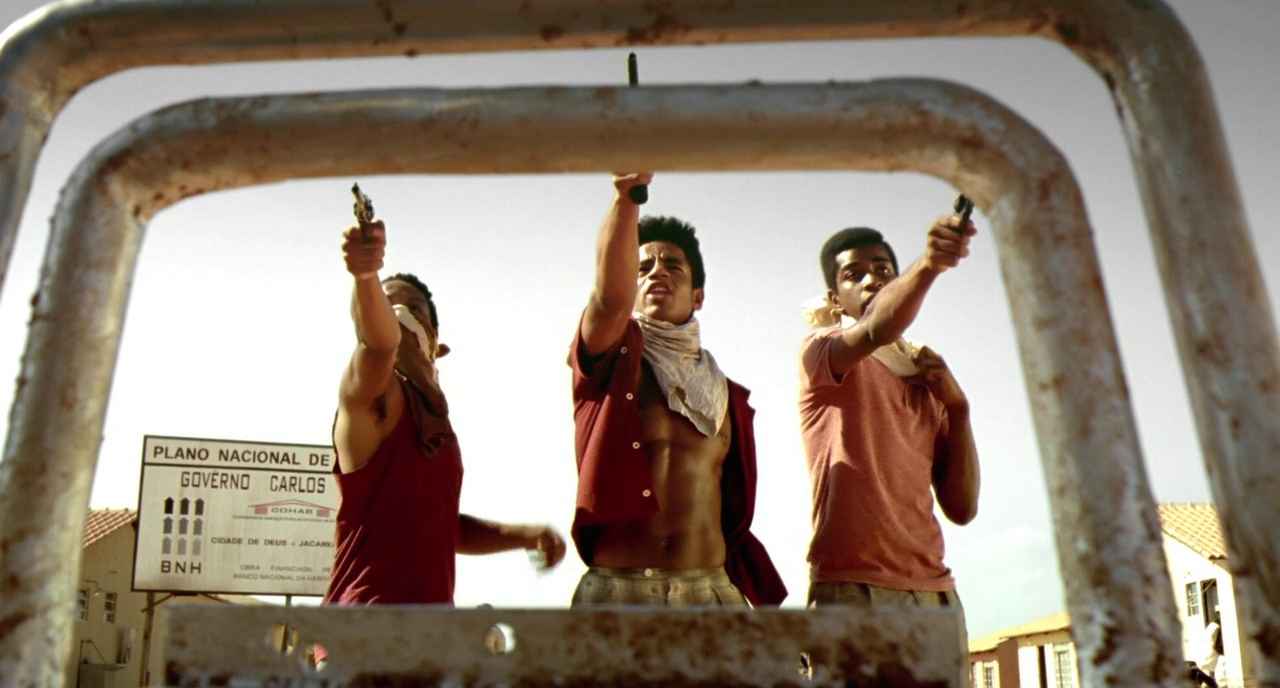
What to study and take away:
- Hyper-realistic portrayal of crime and poverty.
- Non-professional actors to achieve authenticity.
- Dynamic editing and visual storytelling.
About the film: City of God is a crime drama that depicts the growth of organized crime in the Cidade de Deus suburb of Rio de Janeiro between the end of the 1960s and the beginning of the 1980s.
The film is unique for its raw, documentary-style filming and its focus on the lives of the children growing up in such a violent environment.
15. Apocalypto (2006)
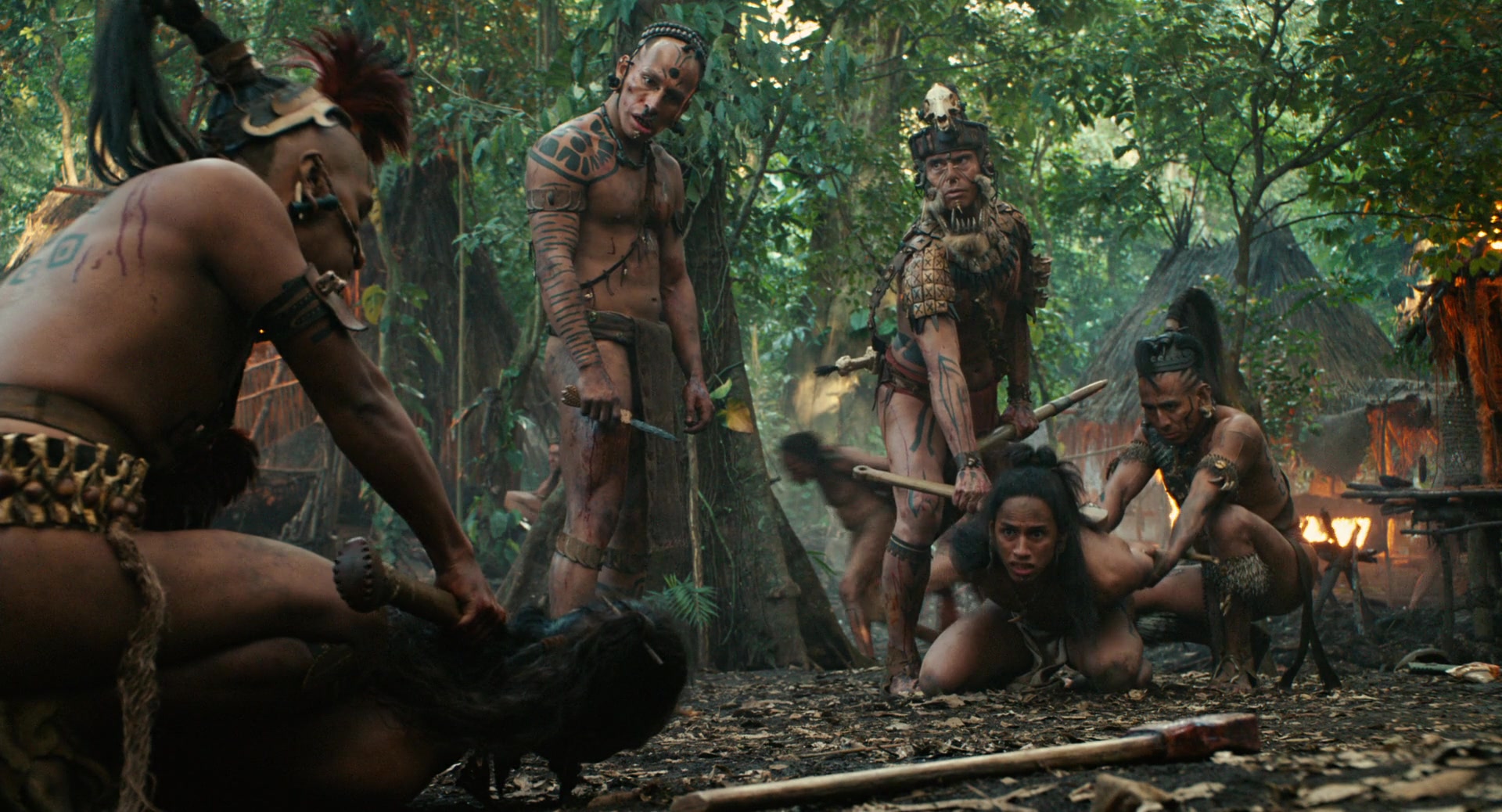
What to study and take away:
- Use of a historical setting to explore universal themes.
- Intense action sequences and their choreography.
- Storytelling without relying on dialogue.
About the film: Apocalypto is an action-adventure film set in the waning days of the Maya civilization that follows a young man’s journey to rescue his wife and children from being sacrificed.
Its unique portrayal of the Mayan civilization, use of the Yucatec Mayan language, and intense, vivid depiction of ancient Central America distinguish it in the historical epic genre.
Instead of relying on dialogue, the film tells its story through visuals and is edited to keep a constant sense of urgency from start to finish.
16. Blade Runner 2049 (2017)

What to study and take away:
- Visual storytelling and world-building.
- Themes of identity and humanity.
- The use of color and lighting to create mood.
About the film: Blade Runner 2049 is a science fiction film that continues the story of the original Blade Runner. It looks at themes like identity, humanity, and reality through the eyes of a new blade runner who discovers a hidden secret that could throw what’s left of society into chaos.
The film shows what cinematographer Roger Deakins can create with a blank canvas. Its striking visual style and big philosophical questions make it stand out in the sci-fi genre.
The cyberpunk setting gives Deakins and director Denis Villeneuve the freedom to design breathtaking shots. Like Stanley Kubrick, Villeneuve uses symmetry and balance to lead the audience through large, detailed set pieces.
17. Casablanca (1942)
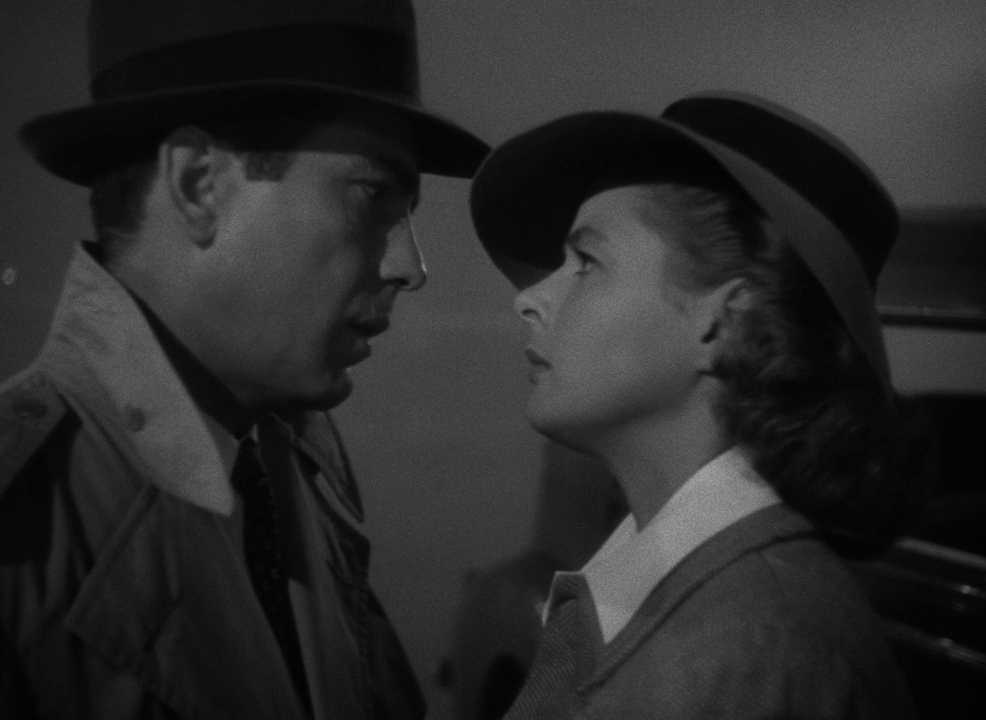
What to study and take away:
- The crafting of memorable, quotable dialogue.
- Romance and conflict in storytelling.
- The impact of historical context on narrative.
About the film: Set during World War II, Casablanca is a romantic drama that revolves around Rick Blaine, an American expatriate who runs a nightclub in Casablanca, Morocco. The plot thickens when Rick’s former lover, Ilsa, arrives with her husband, Victor Laszlo, a Czech resistance leader fleeing the Nazis.
Unique for its classic lines, timeless love story, and moral ambiguity, the film explores themes of love, sacrifice, and the choices between personal happiness and the greater good.
Overall, Casablanca is a technical masterpiece. The movie benefited from the experienced director, composer, cinematographer, screenwriters, and great performances from the actors. Any film student needs to see Casablanca.
18. Joker (2019)
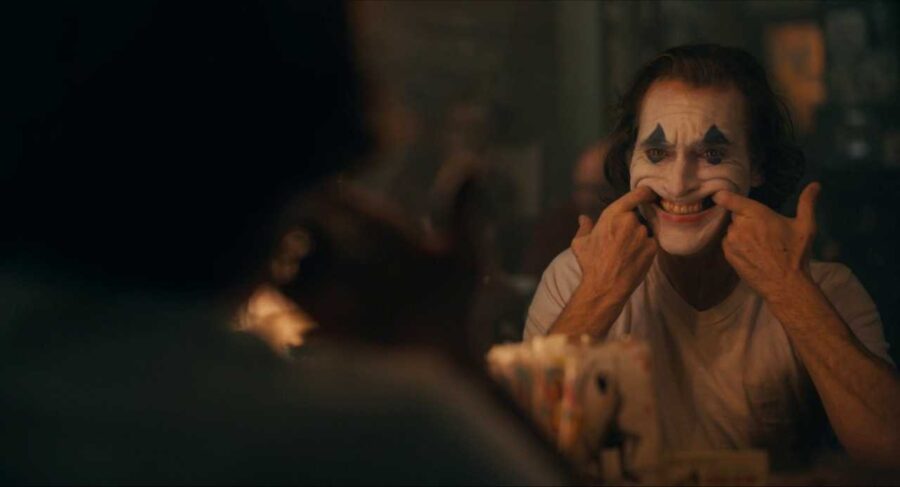
What to study and take away:
- Character study and the descent into madness.
- Societal commentary through a comic book lens.
- Cinematography that reflects the psychological state of the character.
About the film: Joker is a psychological thriller that provides a gritty character study of Arthur Fleck, a mentally troubled comedian who is disregarded by society. Set in Gotham City, the film explores Arthur’s descent into madness and chaos as he transforms into the criminal mastermind known as the Joker.
Joker‘s dark, realistic take on the comic book genre makes it unique. It focuses on character development and social commentary rather than superhero action.
Another aspect is the cinematography. Cinematographer Lawrence Sher expertly recreated the look of films from the 1970s, several of which directly inspired this movie. The filmmakers borrowed heavily from Taxi Driver, Serpico, and Dog Day Afternoon when establishing the movie’s style.
Along with the direction of photography, the movie is worth watching for Joaquin Phoenix’s Academy Award-winning performance as the Joker. The movie is a psychological study of a villain, and Phoenix keeps you captivated from the start to the end.
19. The Treasure of the Sierra Madre (1948)
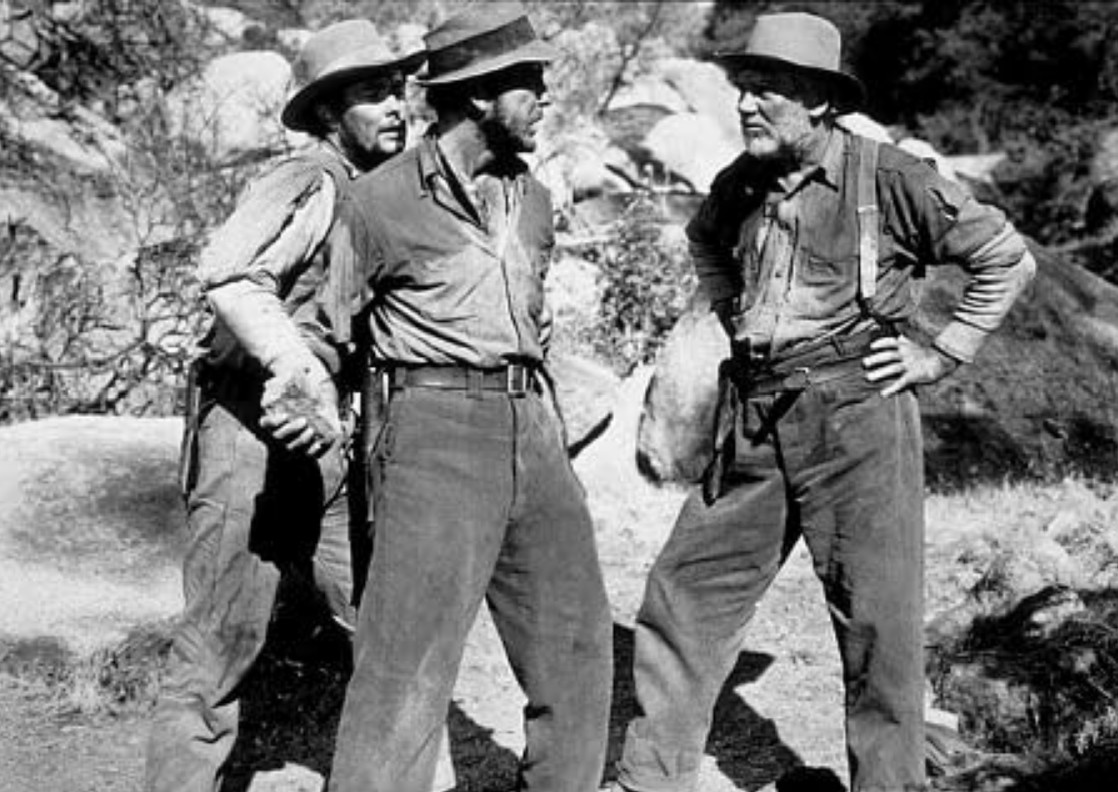
What to study and take away:
- The exploration of greed and morality.
- Character dynamics and conflict.
- How the setting is a catalyst for character development.
About the film: The Treasure of the Sierra Madre is a blueprint for making a successful adventure film. This adventure drama tells the story of two Americans joined by an old prospector searching for gold in the mountains of Mexico. Their journey quickly turns to greed, paranoia, and betrayal, illustrating the corrosive effects of wealth.
Directed by John Huston, The Treasure of the Sierra Madre is renowned for exploring human nature and its memorable characters. The movie features action, bandits, and betrayal. It is also a character-driven story, using adventure to test the characters.
20. Close Encounters of the Third Kind (1977)

What to study and take away:
- Building mystery and suspense in science fiction.
- The use of special effects to serve the story.
- Themes of obsession and discovery.
About the film: A science fiction masterpiece, Close Encounters of the Third Kind follows Roy Neary, an average man who experiences a close encounter with a UFO. Obsessed with finding the truth, his quest leads him to a government-arranged meeting with extraterrestrials.
Unique for its optimistic portrayal of alien contact, the film blends awe-inspiring special effects with a deeply personal story of discovery and the universal desire for connection.
The movie is also notable for its complex storylines. In addition to following Richard Dreyfuss’s character, it follows scientists’ efforts to contact aliens. Steven Spielberg keeps the complicated plots from becoming muddled throughout the lengthy film.
It’s one of the most accurate depictions of close encounters with UFOs in my opinion, not at least because Spielberg got help from renowned UAP researcher Jacques Vallée (who’s portrayed as the French guy in the film).
21. Breathless (1960)
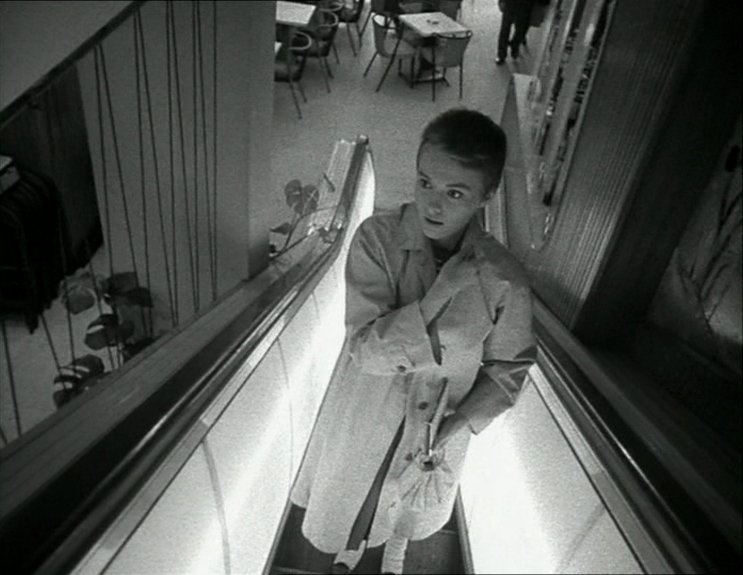
What to study and take away:
- The French New Wave and its impact on filmmaking style.
- Jump cuts and other editing innovations.
- The blending of genre elements to create something new.
About the film: Breathless is a French New Wave arthouse film that follows Michel, a young criminal who models himself after Humphrey Bogart, and his romance with an American journalism student in Paris.
Known for its visual style, jump cuts, and spontaneous performances, Breathless broke cinematic conventions and has been celebrated for its innovative approach to storytelling, making it a landmark in film history.
22. Patton (1970)
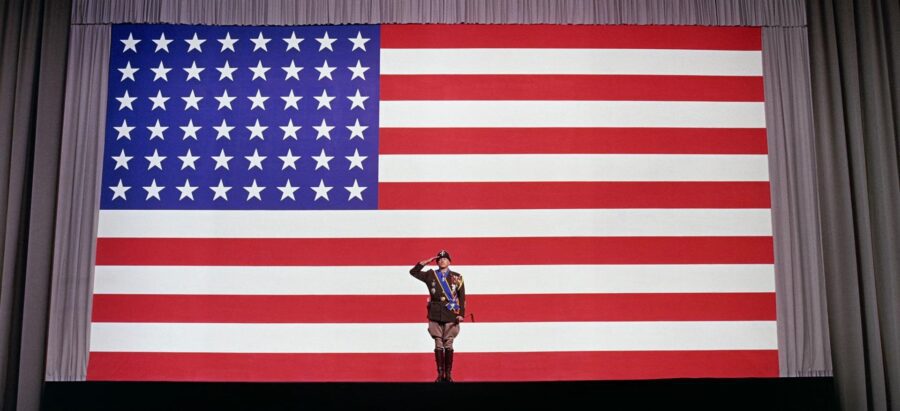
What to study and take away:
- Biographical storytelling and the exploration of historical figures.
- The use of cinematic scope to enhance storytelling.
- The complexity of leadership and power.
About the film: This biographical war film focuses on the career of US General George S. Patton during World War II. Known for its opening monologue delivered by Patton in front of a massive American flag, the film explores the complexities of the general’s character, including his brilliance in warfare and his controversial tactics and behavior.
Patton stands out for its epic scope, complex portrayal of its protagonist, and examination of the nature of leadership and fame in war.
23. One Flew Over the Cuckoo’s Nest (1975)
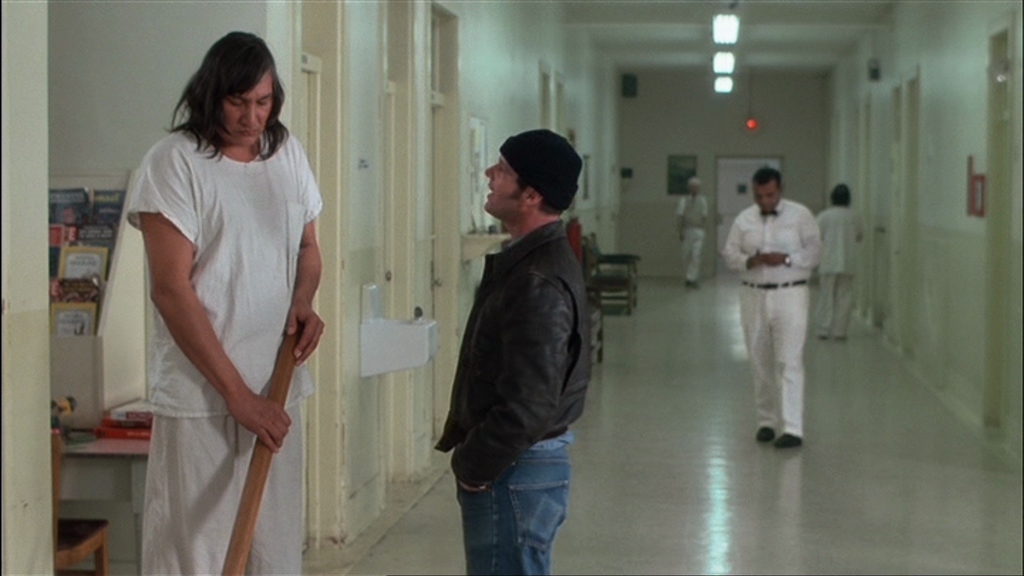
What to study and take away:
- Character ensemble and the dynamics within.
- The representation of mental health and institutional critique.
- Balancing drama and moments of light-heartedness.
About the film: Set in a mental institution, this drama follows Randall P. McMurphy, who pleads insanity to avoid prison labor and is sent to the institution. He inspires his fellow patients to rebel against the oppressive nurse, Ratched.
Unique for its deep humanism, critique of the mental health system, and exceptional performances, One Flew Over the Cuckoo’s Nest is a powerful tale of individuality versus conformity.
Throughout the film, you feel the characters’ emotions due to a combination of fantastic direction, set design, cinematography, and actors’ performances. The movie’s sadistic asylum nurse, Mildred Ratched, later spawned the spin-off series Ratched (2020) on Netflix.
24. Star Wars: The Empire Strikes Back (1980)

What to study and take away:
- The art of developing characters and deepening their arcs within a sequel.
- Masterful balancing of multiple storylines without losing focus on the main narrative.
- The effective use of special effects to enhance, not overshadow, story and character development.
About the film: The second installment in the original Star Wars trilogy follows the Galactic Empire’s pursuit of the Rebel Alliance. Amidst battles and personal growth, the film explores the complexity of the characters, with iconic moments like the revelation of Luke Skywalker’s parentage.
The Empire Strikes Back has a much darker tone than Ep. IV: A New Hope. Also, the character development allows its protagonists to grow, fail, and learn from their mistakes.
The Empire Strikes Back is also unique for defying expectations, with unexpected plot twists that blew the audience’s minds in 1980 when it was released (case in point: who’s your daddy!?).
The Empire Strikes Back is often considered the greatest film in the Star Wars franchise. It includes many storytelling elements that film students can learn from.
25. Some Like It Hot (1959)
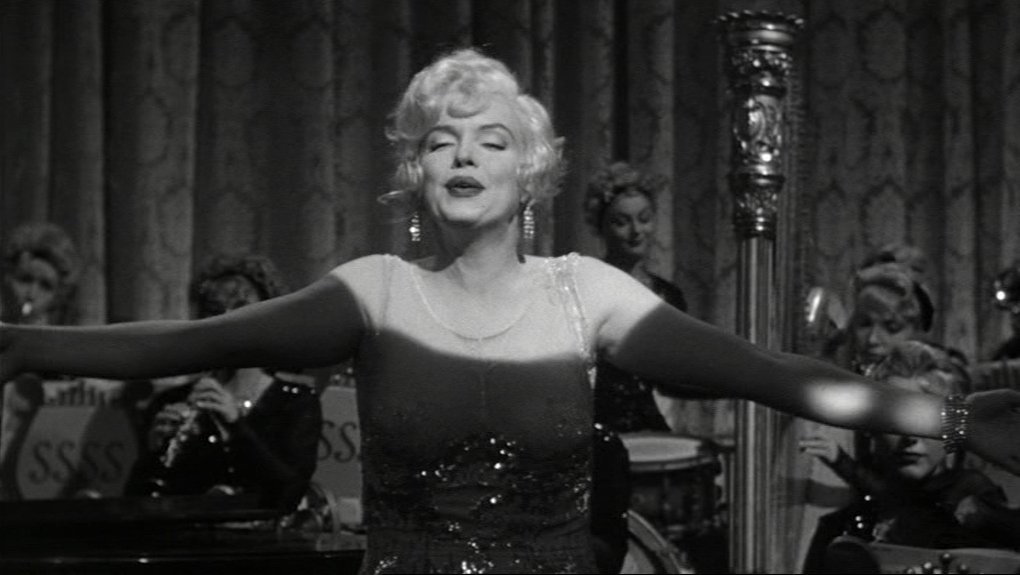
What to study and take away:
- The brilliance of comedic timing and the importance of chemistry among actors.
- How to craft a narrative that defies societal norms while remaining engaging and humorous.
- The use of cross-dressing and gender themes to explore deeper human connections and societal commentary.
- The push against censorship
About the film: Some Like It Hot routinely tops the list of the greatest comedies ever. It starred Marilyn Monroe, Tony Curtis, and Jack Lemmon. Curtis and Lemmon play fugitives on the run who disguise themselves as women in an all-female band.
Some Like It Hot follows two musicians who witness a mob hit and flee disguised as women in an all-female band. Complications arise when one falls for a bandmate, and a millionaire falls for the other.
Renowned for its witty script, charismatic performances, and progressive portrayal of gender roles, the film is celebrated for its humor, heart, and daring for the time.
The movie blends genres, including romantic comedies, crime capers, buddy films, and musicals. It also delivers a strong message of acceptance and tolerance. These features help the movie remain relevant over 60 years after its release.
Some Like It Hot also pushed against censorship by openly featuring cross-dressing, sexual innuendo, and fluid gender dynamics, defying the restrictive Hollywood Production Code of the era.
26. District 9 (2009)

What to study and take away:
- Innovative use of the mockumentary format to blend science fiction with social commentary (about apartheid in South Africa).
- The skill of creating empathy for non-human characters deepens the narrative’s emotional impact.
- How to integrate visual effects seamlessly with a strong, character-driven story.
About the film: A science fiction allegory set in South Africa, District 9 explores themes of xenophobia and segregation through the story of a bureaucrat exposed to a mysterious alien chemical, beginning his transformation into one of the extraterrestrial beings he is tasked to relocate.
Unique for its documentary-style filmmaking, social commentary, and blending of special effects with a powerful narrative, it offers a fresh perspective on the sci-fi genre.
The movie combines various film styles, including found footage. The filmmakers also found a way to make the computer-generated aliens appear lifelike.
Instead of giving the movie a glossy sheen, the filmmakers maintained a gritty and realistic visual style. This helps mask some of the limitations of CGI. Applying grain and other effects helps blend the CGI creatures into the real world.
27. Titanic (1997)
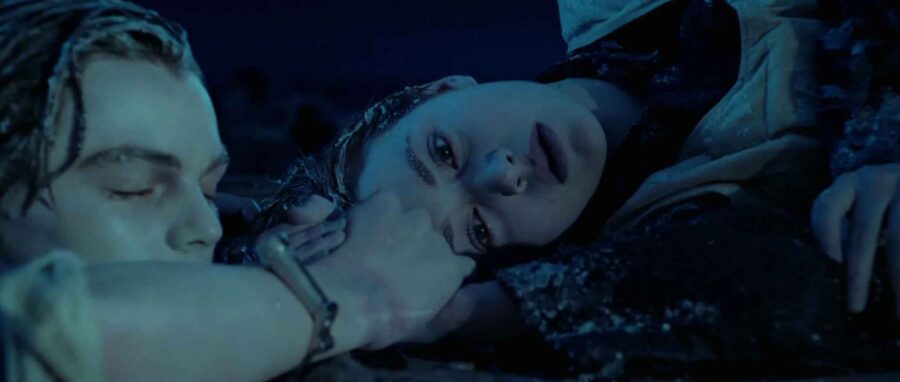
What to study and take away:
- The effective use of a historical event to frame a compelling love story.
- Mastery of large-scale set pieces and visual effects that serve the emotional and narrative stakes of the film.
- Techniques for building tension and emotional investment, even when the ending is already known.
About the film: A romantic disaster film and melodrama, Titanic recounts the tragic maiden voyage of the RMS Titanic through the lens of a fictional love story between Jack, a poor artist, and Rose, a young woman from a wealthy family.
Directed by James Cameron, the film is notable for its historical accuracy, groundbreaking special effects, and emotional depth, making it an epic tale of love and loss.
Titanic is one of the most expensive movie productions of its time. It is one of the last Hollywood blockbusters to feature massive set-pieces built to scale instead of relying solely on CGI.
28. This Is Spinal Tap (1984)

What to study and take away:
- The use of mockumentary style to satirize and celebrate rock culture.
- How to create memorable, quotable dialogue that resonates with audiences.
- The importance of improvisation in achieving authentic performances and comedic moments.
About the film: A mockumentary comedy, This Is Spinal Tap follows the fictional British rock band Spinal Tap on their disastrous United States tour.
Renowned for its satirical take on the rock and roll lifestyle, the film humorously depicts the absurdities of the music industry. Its improvisational style, memorable lines, and realistic portrayal of a band’s dynamics have cemented its status as a cult classic.
29. The Lord of the Rings Trilogy (2001-2003)

What to study and take away:
- The art of adapting a beloved, complex literary work into a cohesive and engaging script.
- Managing an ensemble cast and multiple storylines while ensuring each character’s arc is meaningful and contributes to the narrative.
- Techniques for creating a vast, immersive world with depth, history, and mythology.
About the film: An epic fantasy adventure, The Lord of the Rings Trilogy follows the quest to destroy the One Ring, sought by the Dark Lord Sauron. The journey brings together hobbits, men, a wizard, an elf, and a dwarf to face the forces of evil.
Unique for its sprawling narrative, groundbreaking special effects, and deep lore, the trilogy is a monumental achievement in film. It blends myth, morality, and a timeless struggle between good and evil.
The trilogy shows how to adapt novels to screen in a way that pleases fans of the original work while appealing to a wider audience.
The films also heavily use special effects, especially during carefully choreographed fight scenes and battles featuring thousands of real and computer-generated extras.
30. Hoop Dreams (1994)

What to study and take away:
- The power of documentary storytelling in highlighting social issues and personal journeys.
- The use of long-term filming to capture the real-life growth and changes of its subjects.
- Techniques for creating a narrative arc and building emotional investment in real people’s lives and outcomes.
About the film: Hoop Dreams is a documentary that follows two African American high school students in Chicago who dream of becoming professional basketball players. The Film explores their challenges, including socioeconomic pressures, the educational system, and the intense competition in amateur basketball.
The film uniquely blends sports, personal ambition, and social commentary, offering a deep, poignant look into the American dream through the lens of young athletes.
It’s distinctive for its comprehensive portrayal over several years, which allows an immersive insight into the struggles and triumphs of its subjects. This makes it more than just a sports documentary but a compelling narrative of perseverance and hope.
Hoop Dreams was originally planned as a 30-minute short. The filmmakers chronicled the two young athletes for eight years, recording over 250 hours of footage. This makes Hoop Dreams a great example of how to edit years of footage into a compelling story that clocks in at just under three hours.
Summing Up
So that’s it. Thirty great movies to watch for different reasons if you want to learn filmmaking on your own.
These are just the beginning, and every movie can teach you something–even the bad ones.
But if you want to learn filmmaking from the best, these are the perfect places to start.
Read Next: Masterclasses with A-list directors, actors, and screenwriters

Seven Samurai was even nominated for Academy Awards for Best Art Direction and Best Costume Design. The Empire Strikes Back is often considered the greatest film in the Star Wars franchise. It includes many storytelling elements that film students can learn from. It is a character-driven story that allows its protagonists to grow, fail, and learn from their mistakes. The Lord of the Rings trilogy, directed by Peter Jackson, easily belongs on the list of essential films for filmmakers to study. The trilogy shows how to adapt novels to screen in a way that pleases fans of the original work while appealing to a wider audience.
Hi Paul
Thank you for your insight, which I think added extra context to the article 🙂
And you’re right… adapting novels to movies is not an easy task. I think Peter Jackson did a great job with the LOTR trilogy.
Best, Jan