
Published: September 12, 2025 | Last Updated: December 18, 2025

Photography is the art of capturing light to create images, but not every photo fits the same box. To make sense of the field, this article is divided into four parts: genres, styles, techniques, and lighting.
Genres focus on the subject, styles define the look, and techniques explain the methods. Think of it like this:
- Genre = subject.
- Style = look.
- Technique = method.
- Lighting = setup & source used.
In practice, they often blend — a portrait might use a black and white style with a shallow depth of field technique and Rembrandt lighting setup. Together, they show you what you’re shooting, how it appears, and the tools you use to get there.
Photography Genres
Genres group images by what they show — people, landscapes, buildings, animals, or events. A portrait focuses on a person. A landscape shows a place. A documentary photo tells a real story. Each genre has its own goals, settings, and visual cues. Genres help you choose how to shoot and why. A sports photo needs speed. A food photo needs detail. Knowing the genre sets the direction for how you plan and capture the image.
Adventure Photography: Outdoor Action
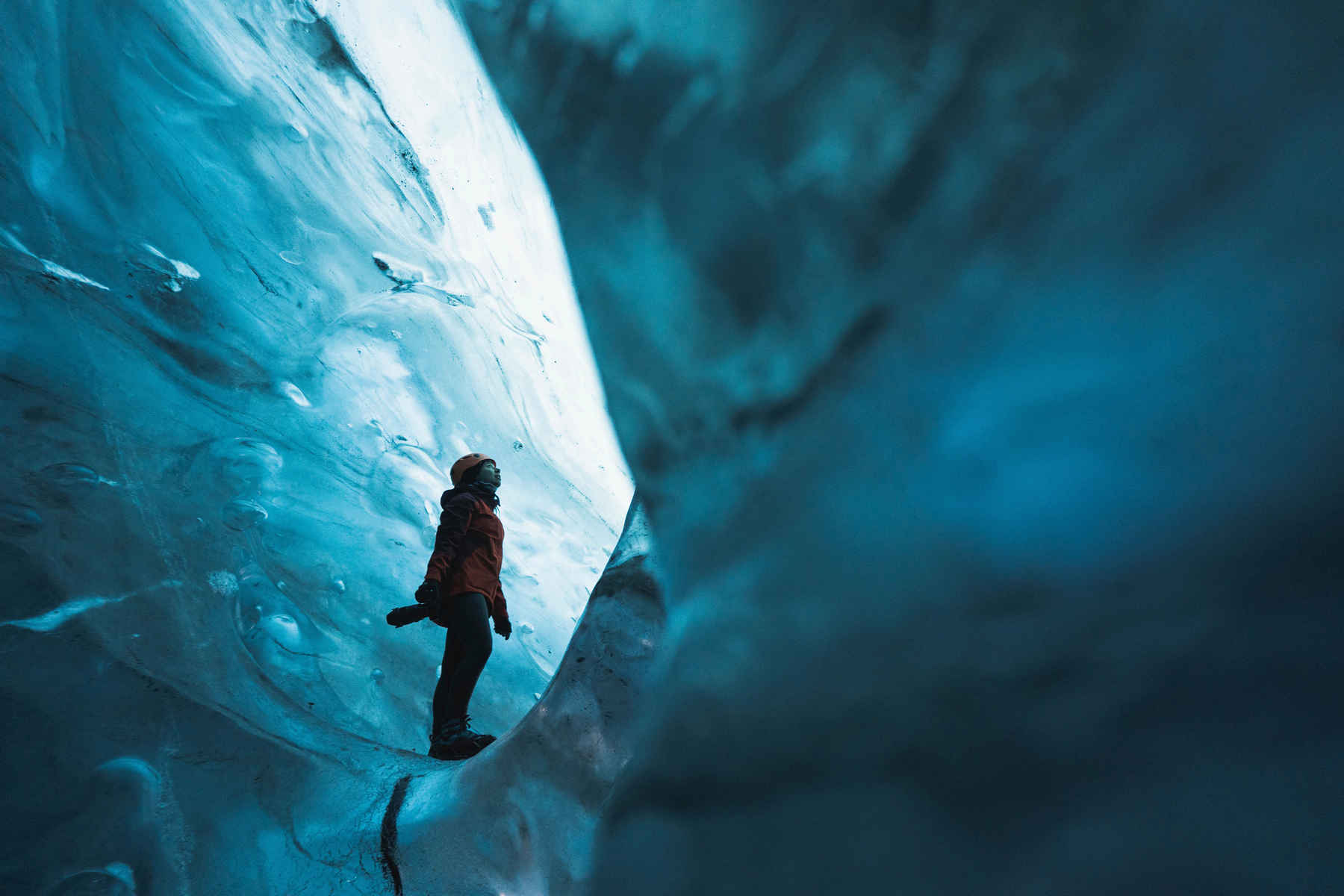
Adventure photography show extreme places or sports. Climbing, hiking, surfing, all count. You need to be fast, prepared, and safe. The focus is energy, motion, and environment.
Architectural Photography: Design and Structure
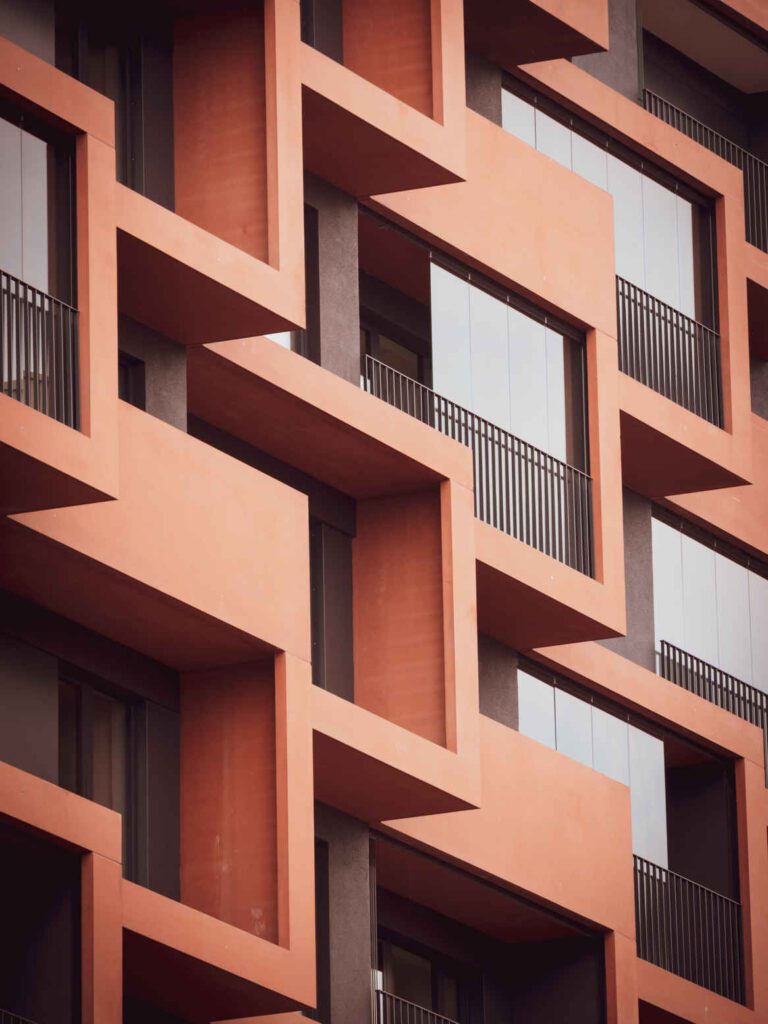
Architectural photography captures buildings and interiors. You focus on lines, symmetry, and light. You might shoot a modern skyscraper or an old stone church. The goal is to show design and atmosphere.
Astrophotography: Capturing the Night Sky
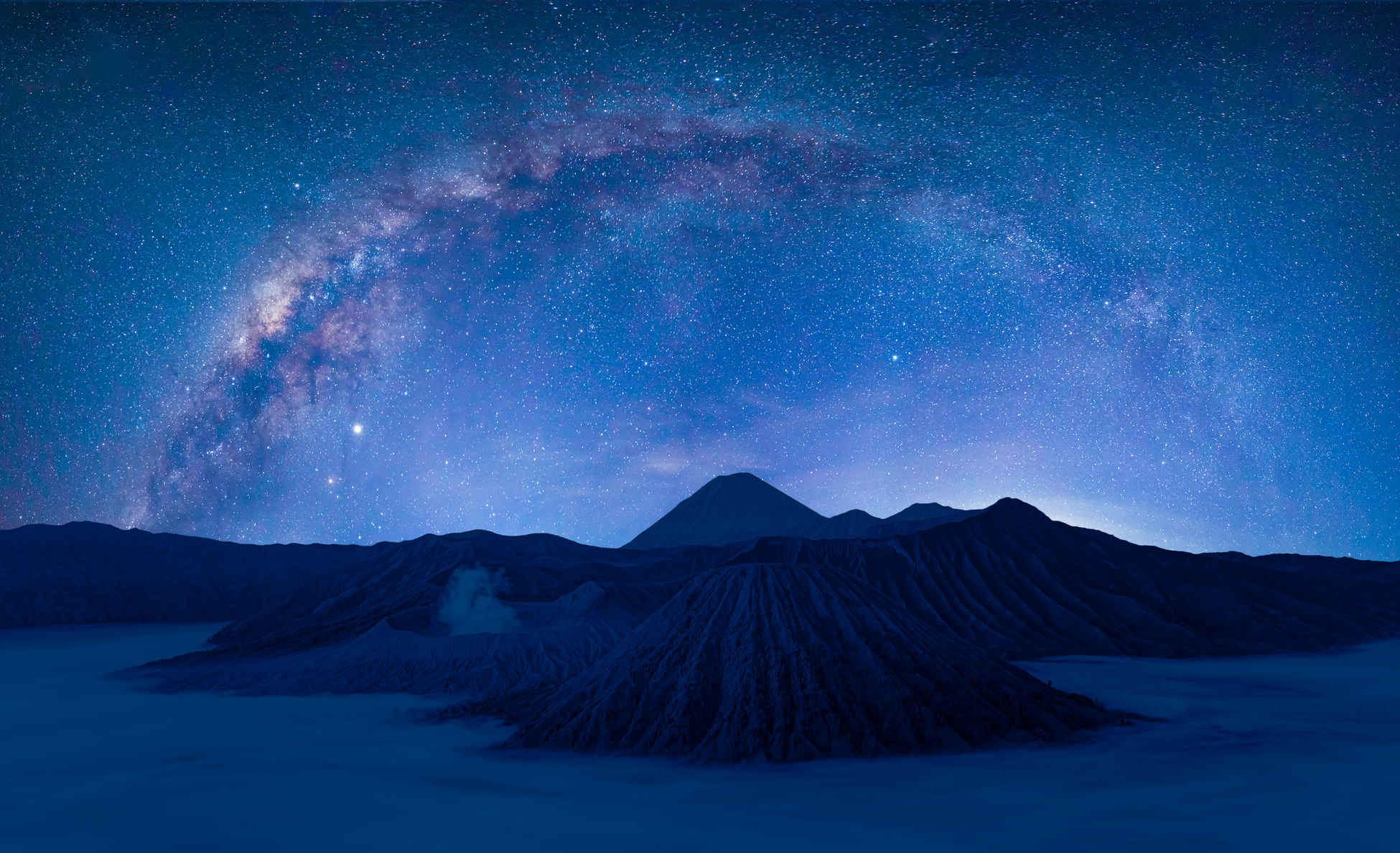
Astrophotography shows stars, planets, and galaxies. You shoot with long exposures and often need tracking gear. Dark skies, patience, and planning matter most. Common shots include the Milky Way, the moon, or meteor showers.
Brand Photography: Showing Identity Through Images

Brand photography is a subgenre of commercial photography and includes creating a visual identity for a business. You plan every image to reflect the company’s tone, whether that’s playful, serious, or sleek. It might include product shots, office scenes, or staff portraits. The goal is trust and recognition.
Cityscape Photography: Urban Views
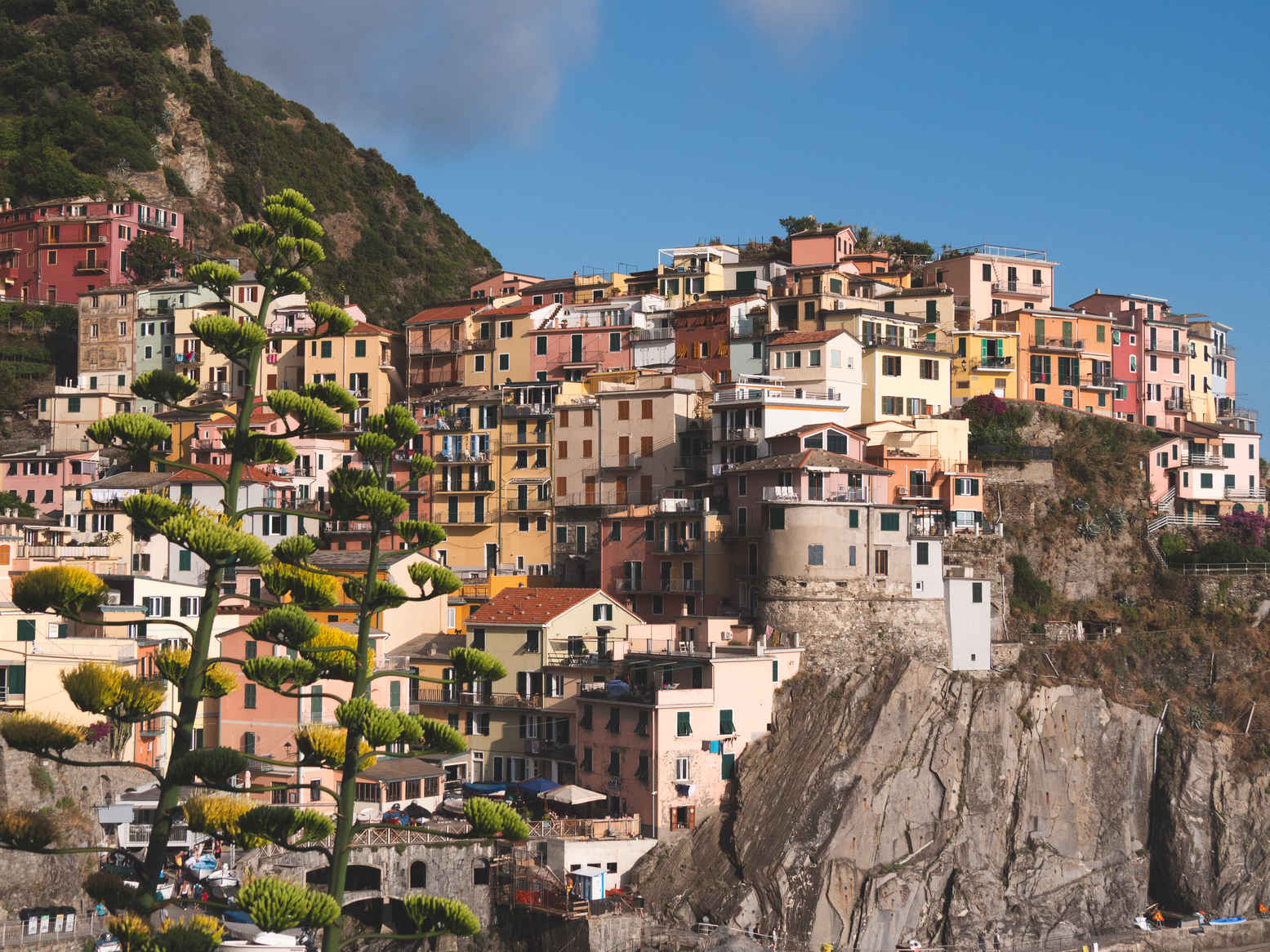
Cityscape photography show skylines, streets, and public spaces. You might shoot at night to get glowing lights or during the day to show daily life. This style focuses on the built environment.
Documentary Photography: Visual Storytelling with Facts
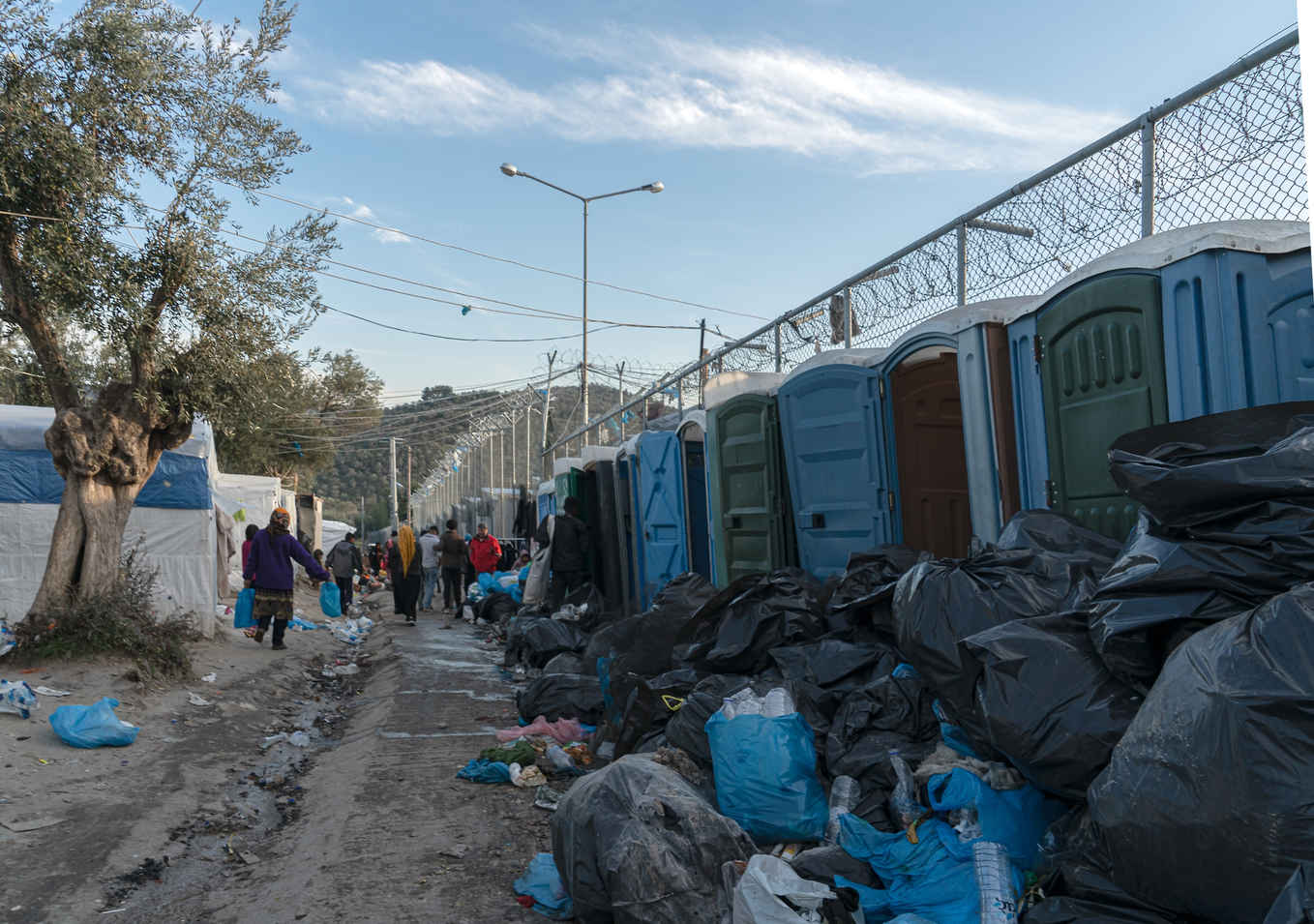
Documentary photography tells real stories through images. You research your subject, take photos with minimal edits, and build a photo essay. It might be a day in a refugee camp or life on a farm. Truth and trust are key.
Event & Wedding Photography: Moments That Matter
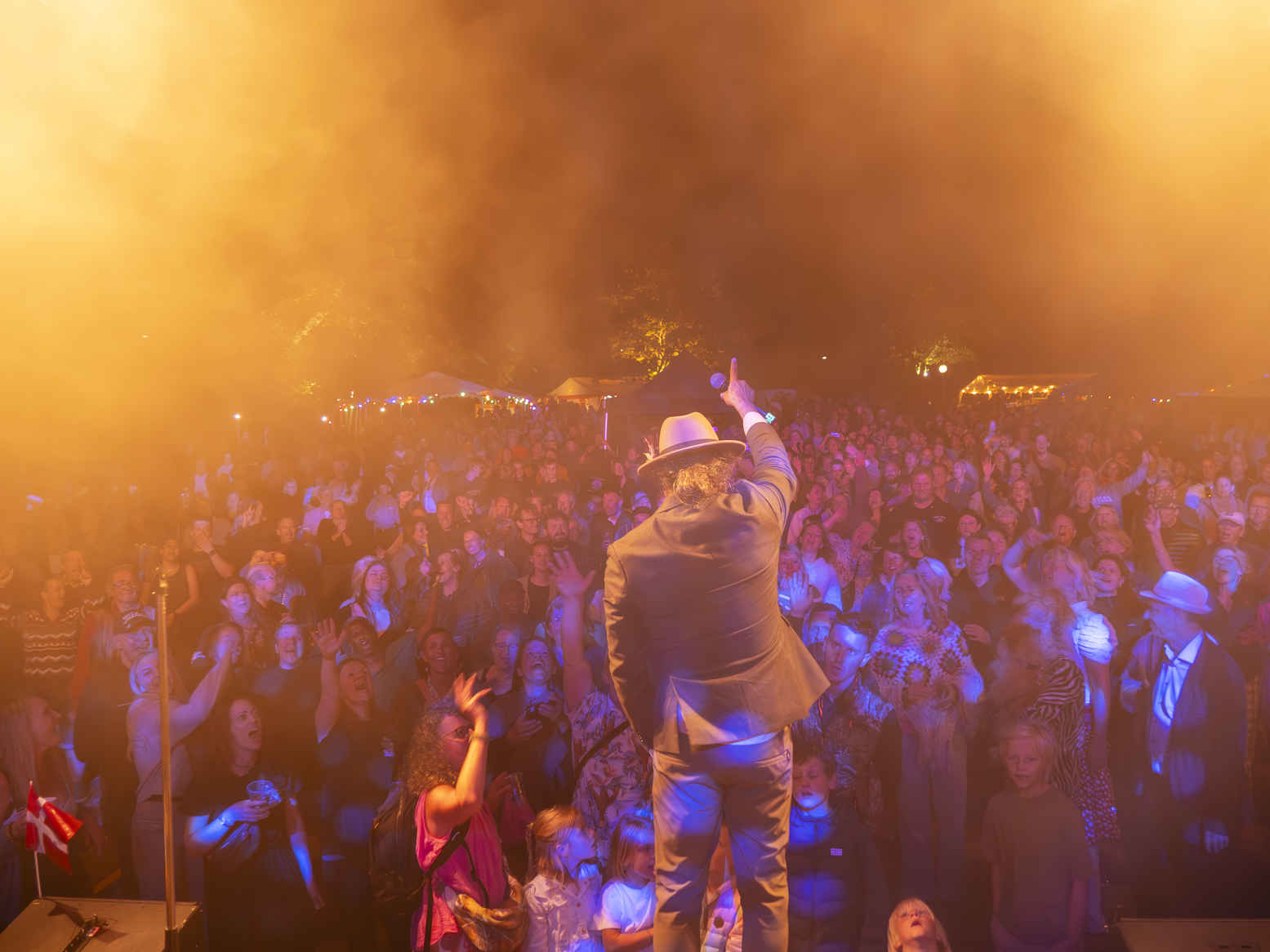
Event & wedding Photography covers real-time events. You move fast to catch key moments, smiles, tears, first dances. It’s a mix of posed portraits and candid reactions. Weddings are the most common, but they also include concerts and parties.
Fashion & Glamour Photography: Style, Identity, and Elegance
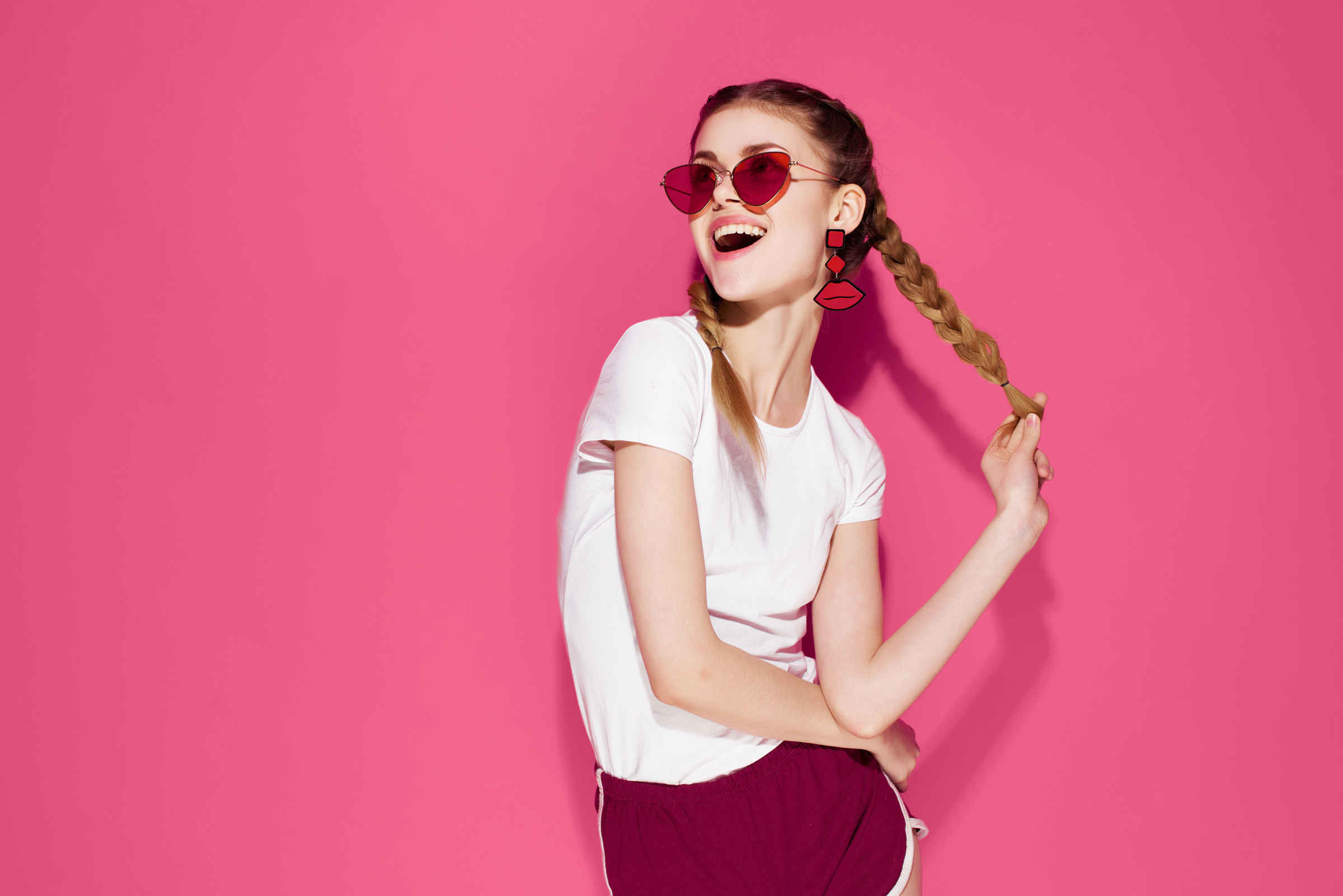
Fashion & glamour photography highlights clothing, beauty, and attitude. Fashion photography, a subgenre of commercial photography, is bold, styled, and often brand-driven. Glamour photography uses soft light, makeup, and careful poses to show confidence and elegance. A rooftop model shoot or a glowing studio portrait both fit here.
Food Photography: Making Dishes Look Delicious
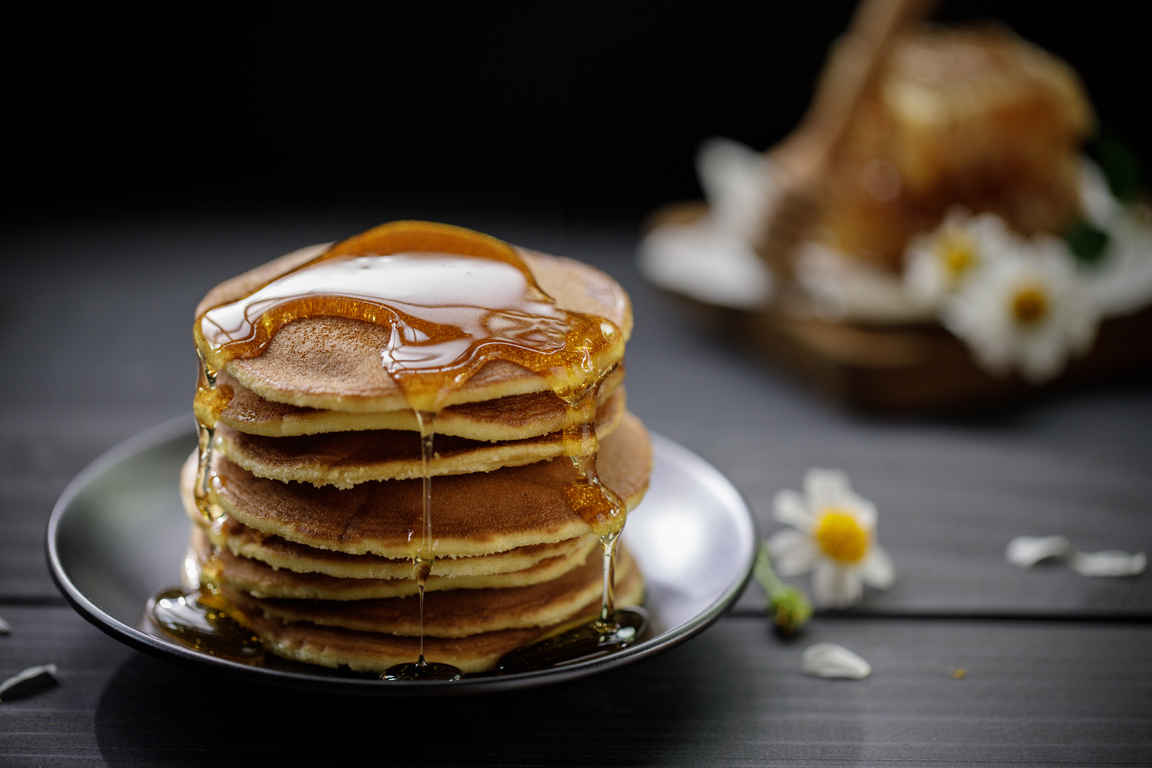
The food photography genre focuses on texture, color, and freshness. Soft lighting, shallow depth of field, and careful styling make food look irresistible. It’s used for menus, blogs, and social media. A glowing bowl of pasta or a shiny slice of cake can trigger cravings instantly. Food photography is also a subgenre of commercial photography.
Landscape Photography: Nature, Place, and Atmosphere
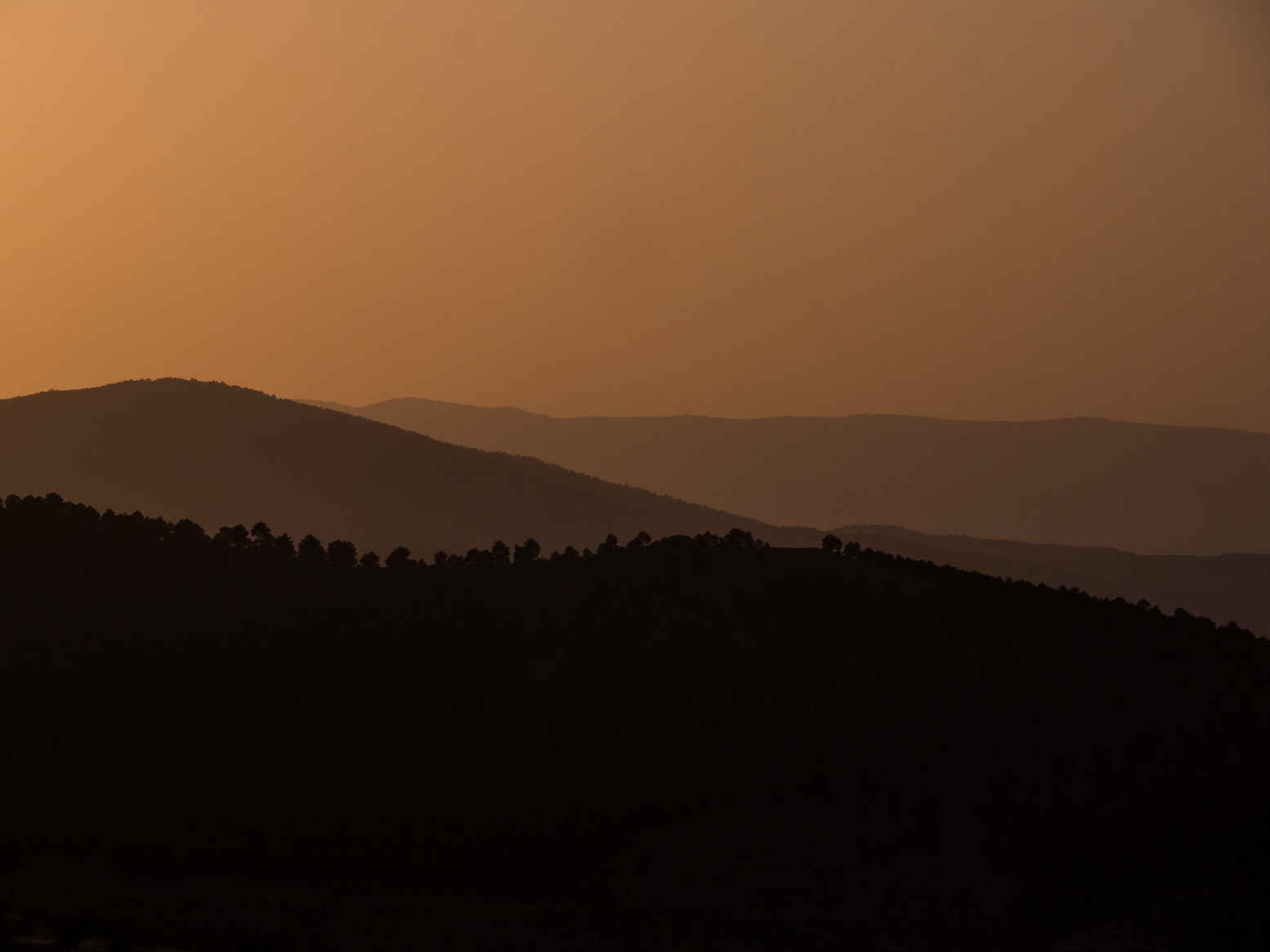
Landscape photography capture outdoor scenes. You use natural light, wide lenses, and timing to show beauty and mood. It could be a quiet sunrise, a dramatic thunderstorm, or even an urban skyline.
Portrait Photography: Capturing People and Emotion
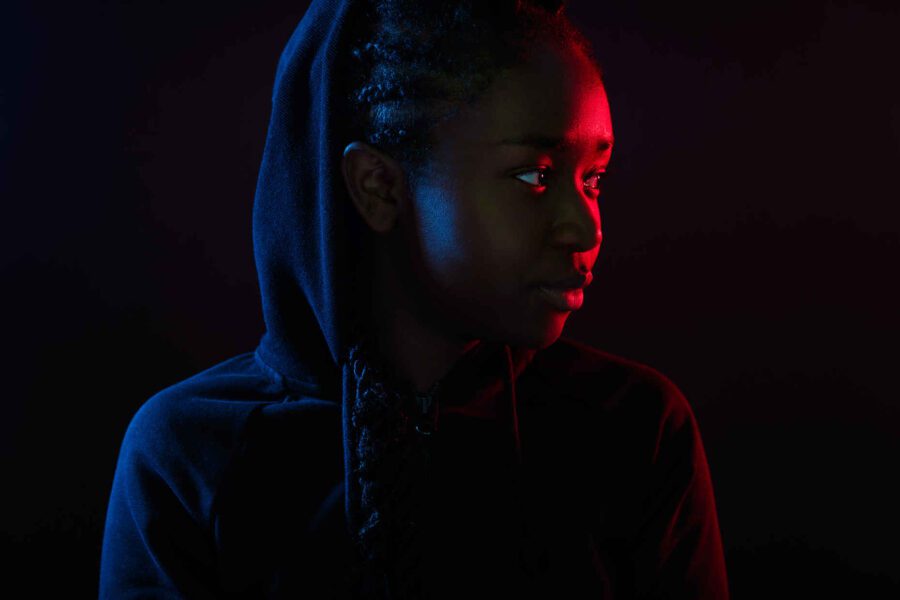
Portrait photography focuses on faces and expressions. You control lighting, pose, and background to highlight personality. It can be a formal business headshot or a casual photo of a friend laughing in the sun. This style also includes actor headshots and school portraits.
Product Photography: Selling Through Images
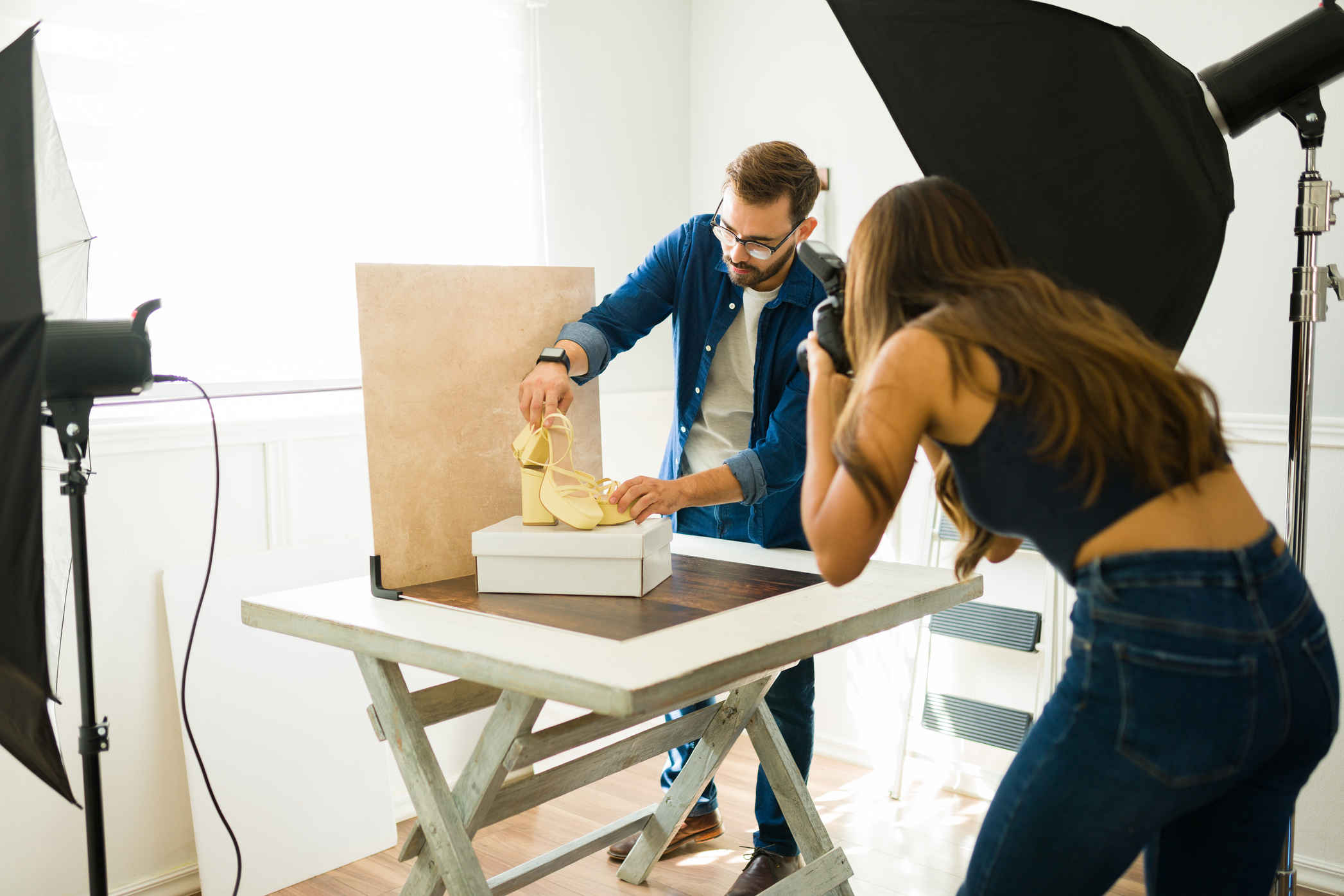
Product photography shows objects clearly and attractively. You control reflections, colors, and shadows to make items pop. It’s used in online stores, ads, and packaging. A clean white shot of a sneaker or a styled skincare flat lay both belong here. Food photography is also a subgenre of commercial photography.
Real Estate Photography: Selling Space
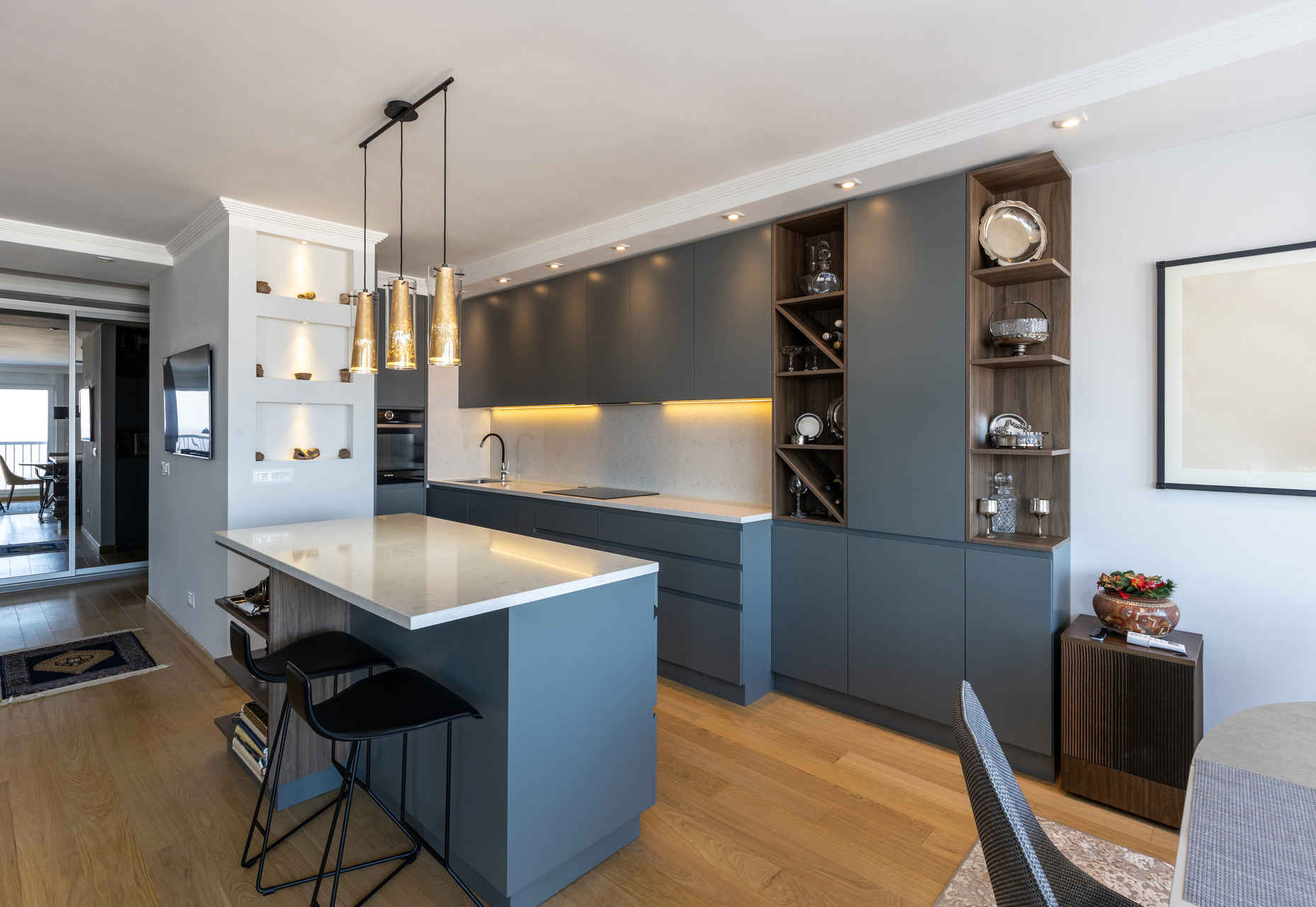
Real estate photography is all about clean, bright images. You shoot wide to show size, and use lighting to make rooms look open and welcoming. It’s often used for home listings and rentals. It’s also become more and more common to shoot real estate video. So that’s something to be aware of if you want to work as a real estate photographer. Food photography is also a subgenre of commercial photography.
Sports Photography: Freezing Motion
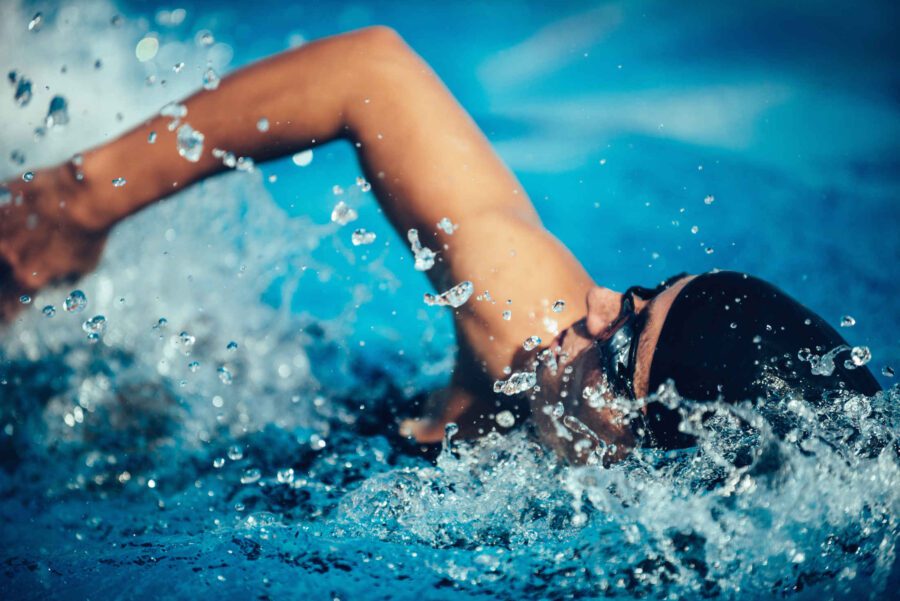
Sports photos freeze fast action. You use long lenses and high shutter speeds to catch a split second. A basketball dunk, a football tackle, or a sprint finish all show energy and timing. Great shots also capture emotion and drama.
Street Photography: Life as It Happens
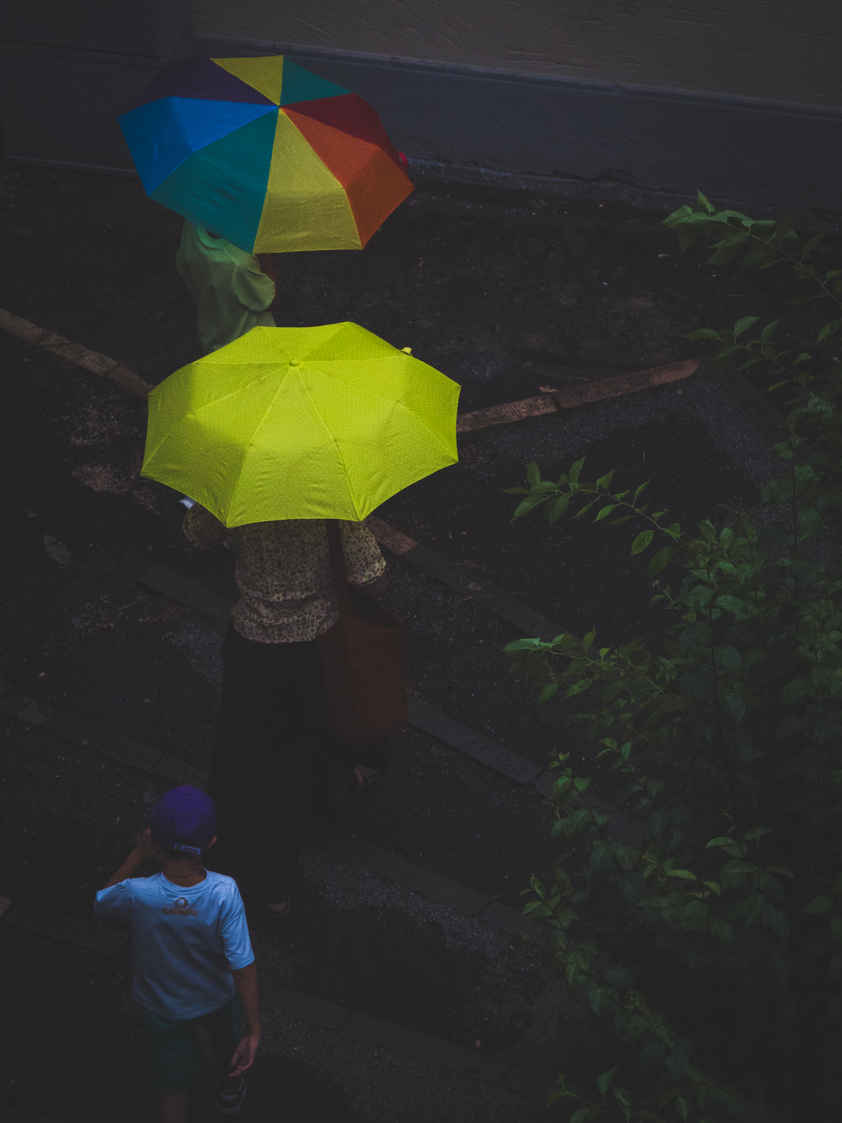
Street photography catches real moments in public spaces. It’s fast, candid, and spontaneous. You might shoot strangers on a crosswalk, at a protest, or at a couple walking with umbrellas in the rain. The goal is to tell a story with a single frame.
Travel & Cultural Photography: Places, People, and Story
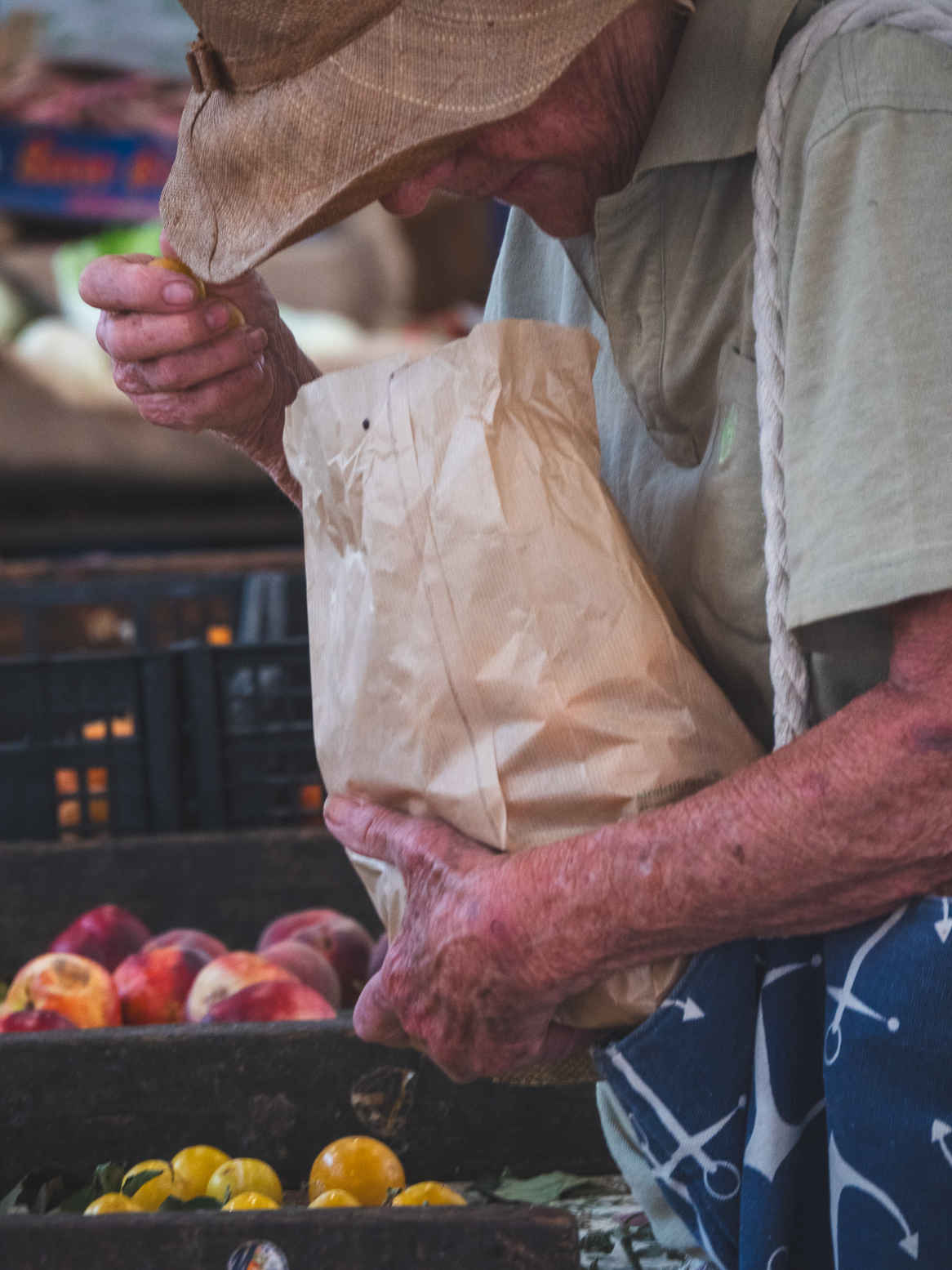
Travel & cultural photography mixes landscape, street, and portrait photography. It captures life in other places. A monk in a temple or a busy market street both show culture and context. Travel photography is about showing how others live.
Urban Exploration Photography: Forgotten Places
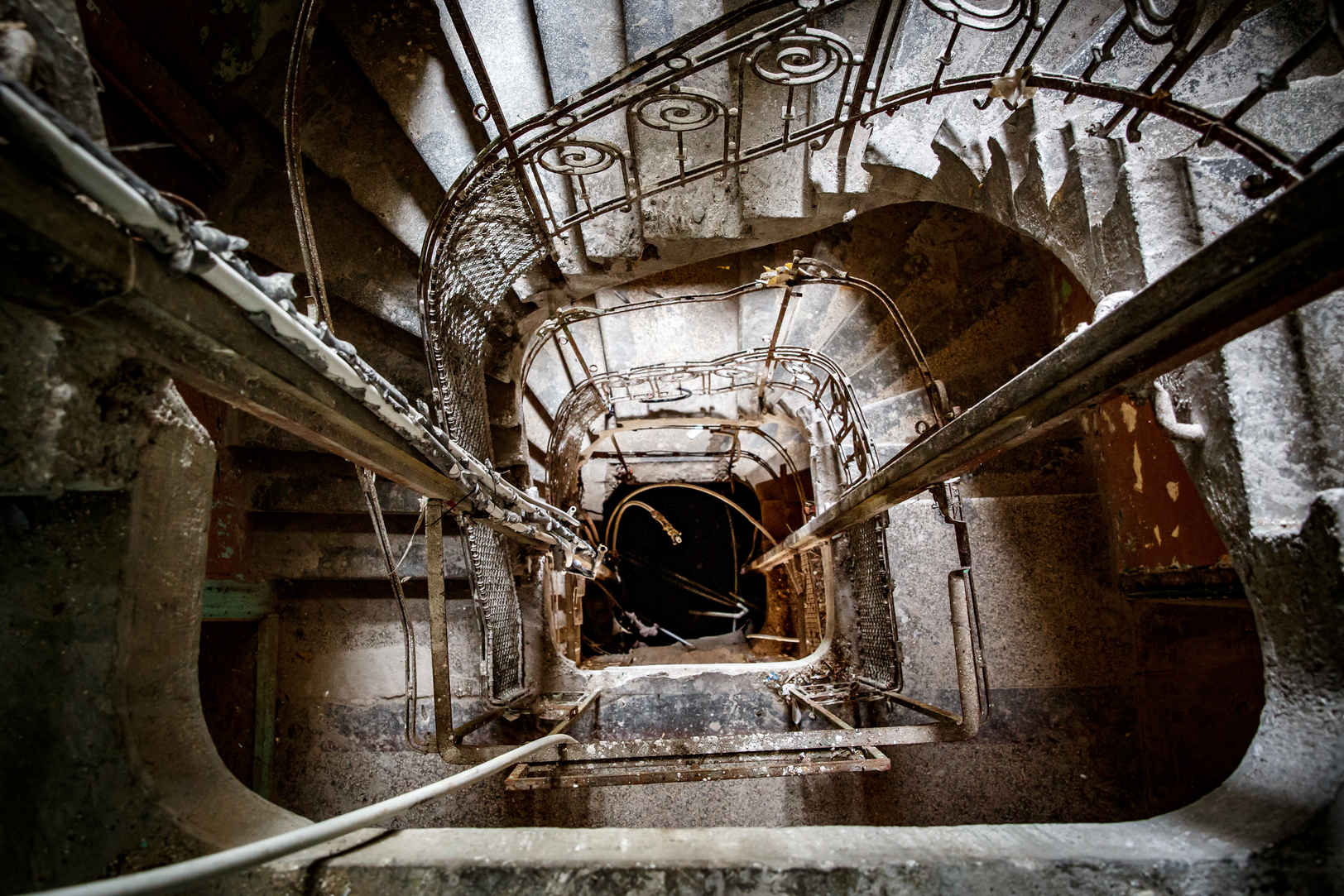
The urban exploration genre focuses on capturing abandoned or off-limits buildings. You might explore old factories, tunnels, or hospitals. The appeal is decay, mystery, and history. Safety and legality are always a concern.
Wildlife & Pet Photography: Capturing Animal Behavior
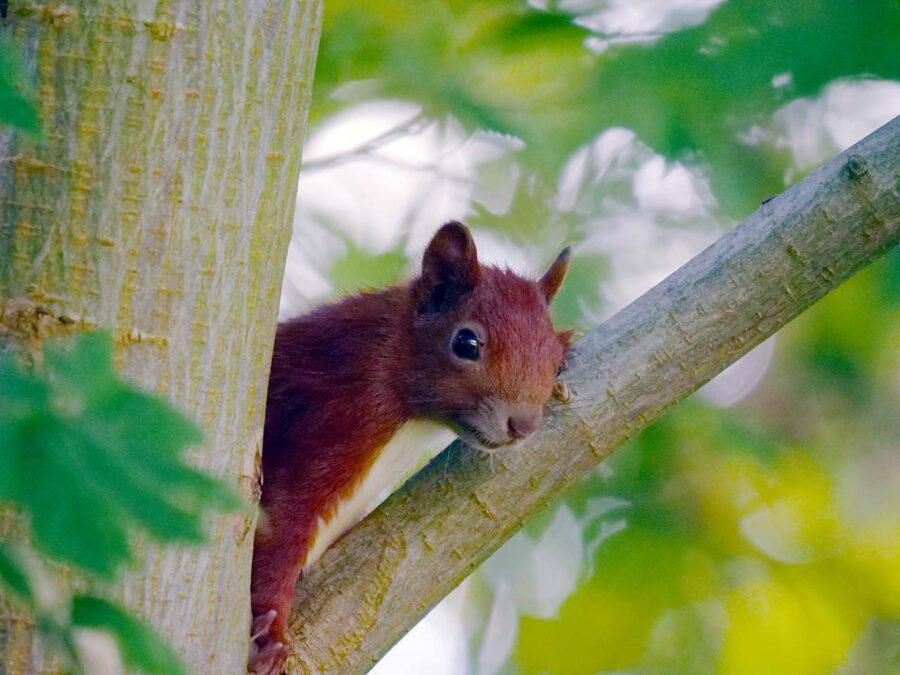
Wildlife photography shows animals in their natural environment. It takes patience and long lenses. Pet photography is more personal, meaning it’s often about showing connection or funny domestic situations. Both styles need timing and empathy.
Photography Styles
A style is the creative approach or mood. It’s how the photo looks and feels, often shaped by the photographer’s choices.
Abstract Photography: Shape, Color, and Texture
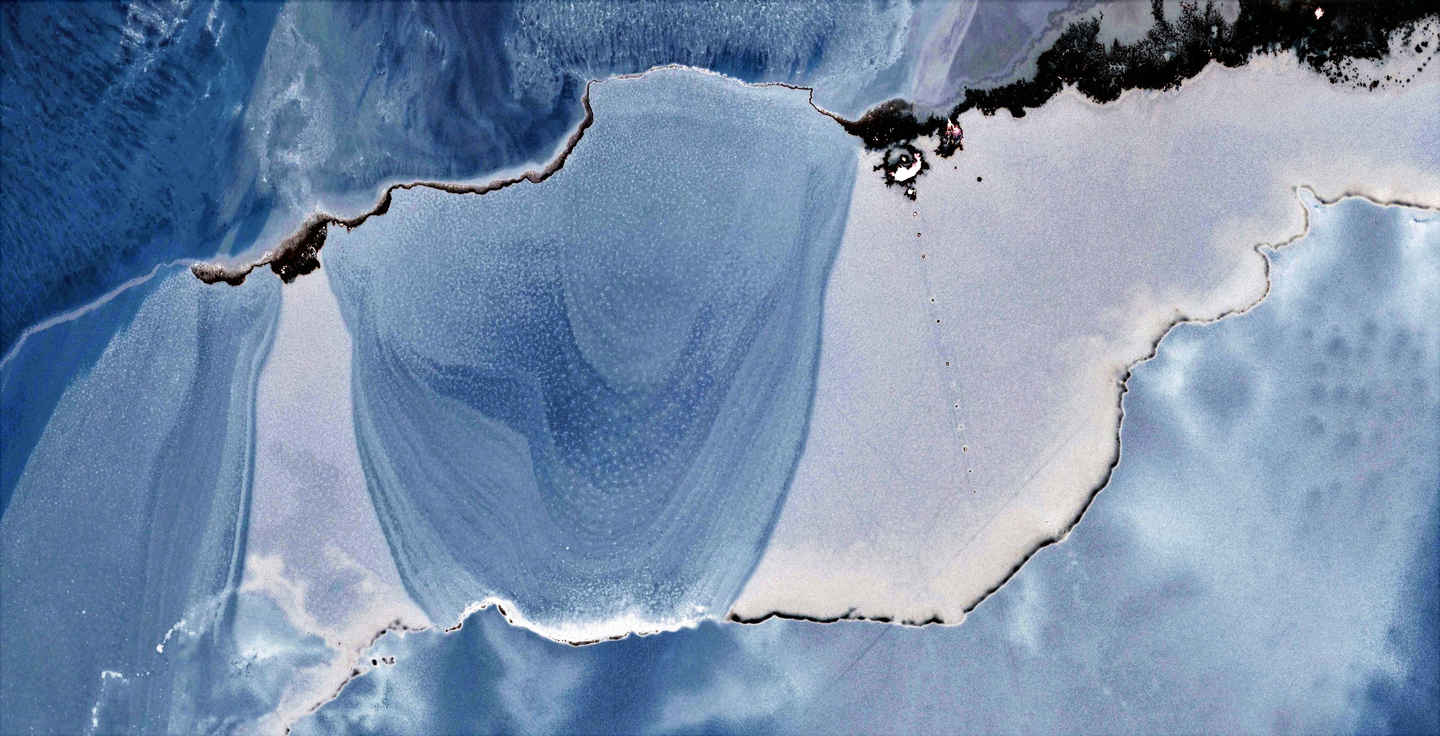
Abstract photography doesn’t focus on a clear subject. It’s about patterns, textures, and light. A close-up of cracked paint or moving water can become something new and unrecognizable. It’s open to interpretation.
Black and White Photography: Texture and Contrast
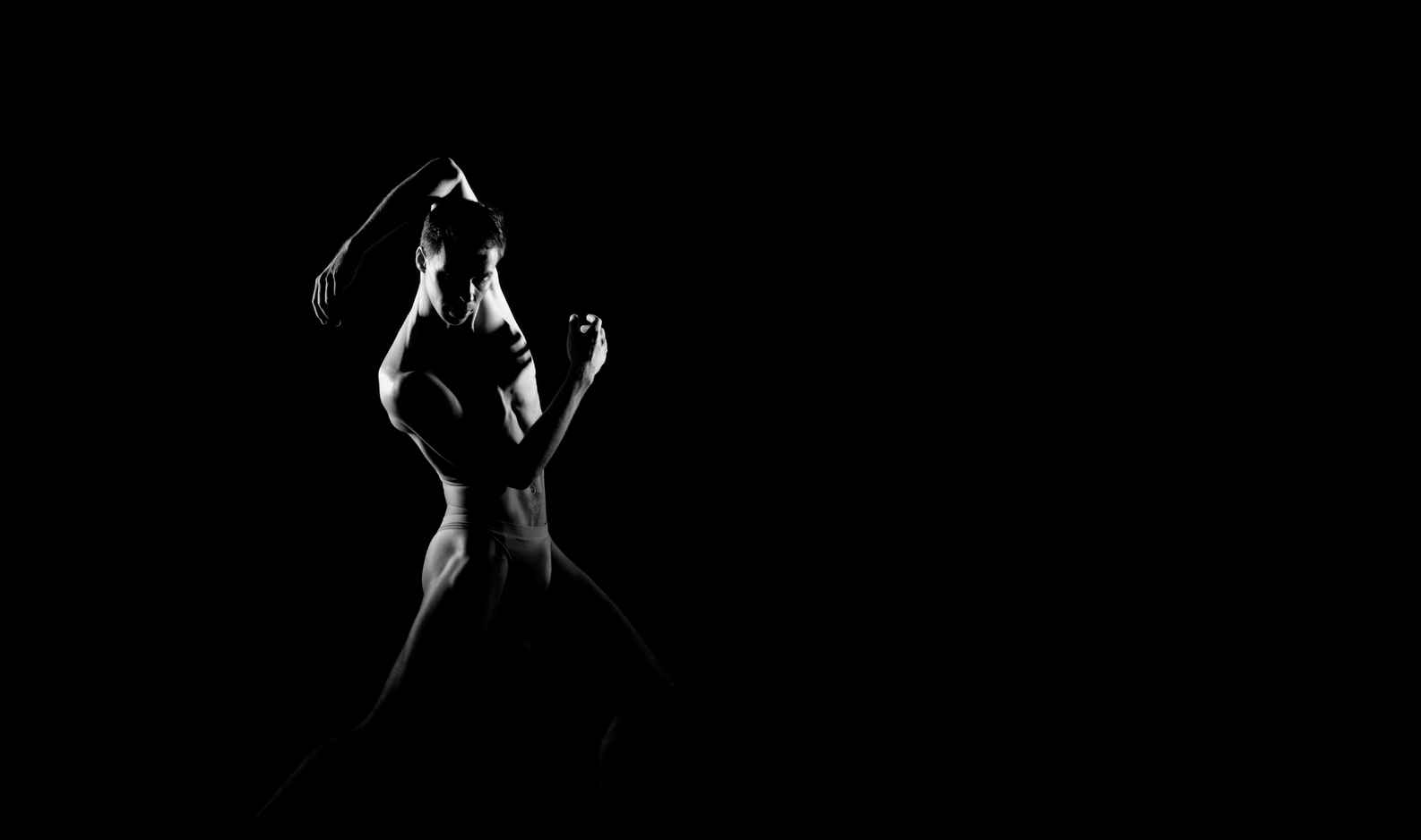
Black-and-white photography removes color to highlight light, shadow, and shape. You focus on texture and form. Black and white works well for portraits, street scenes, or dramatic landscapes.
Conceptual Photography: Visualizing Ideas
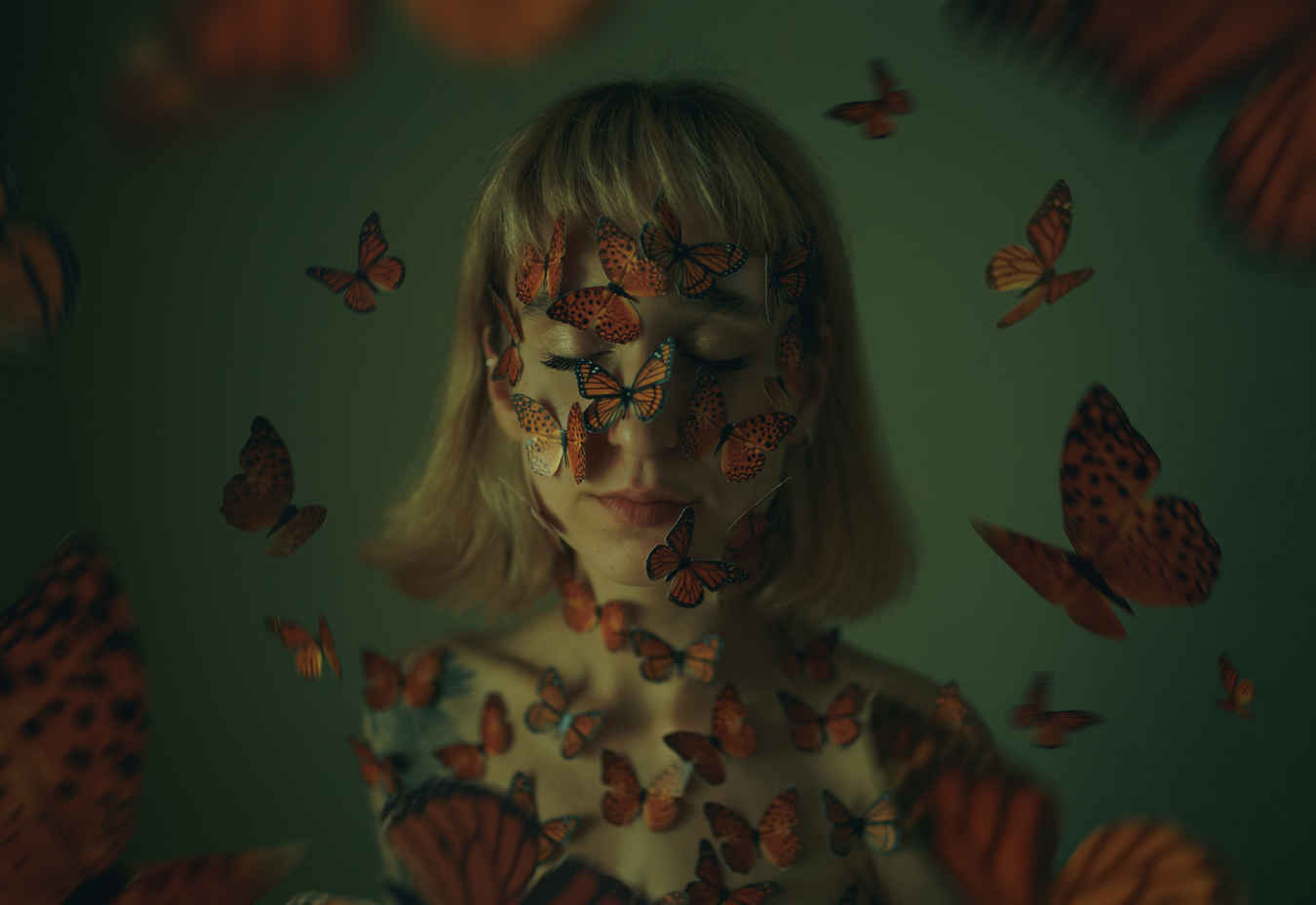
Conceptual photography starts with a message or concept. You design the image to match the meaning. A person floating might suggest freedom. Empty rooms could show loneliness. It’s about ideas first, visuals second.
Editorial Photography: Telling Stories Through Images
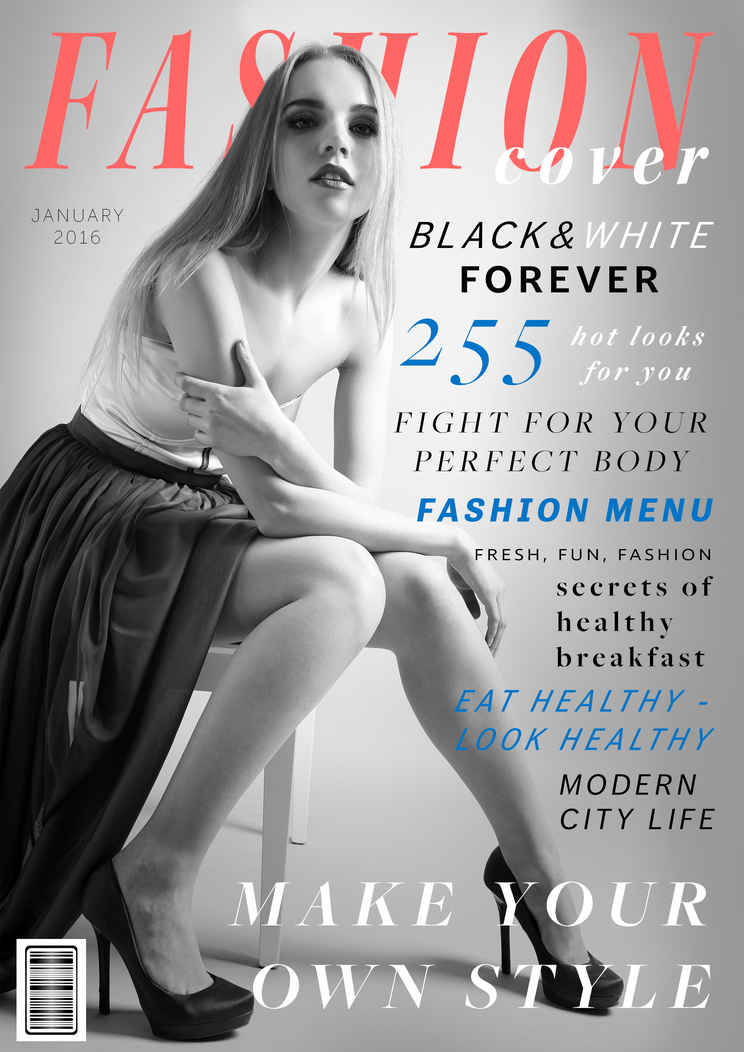
Editorial photography supports articles or magazine layouts. They can be posed or candid, but always connect to a bigger story. A photo of a musician in their studio or a protestor on the street fits here.
Fine Art Photography: Visual Expression and Mood
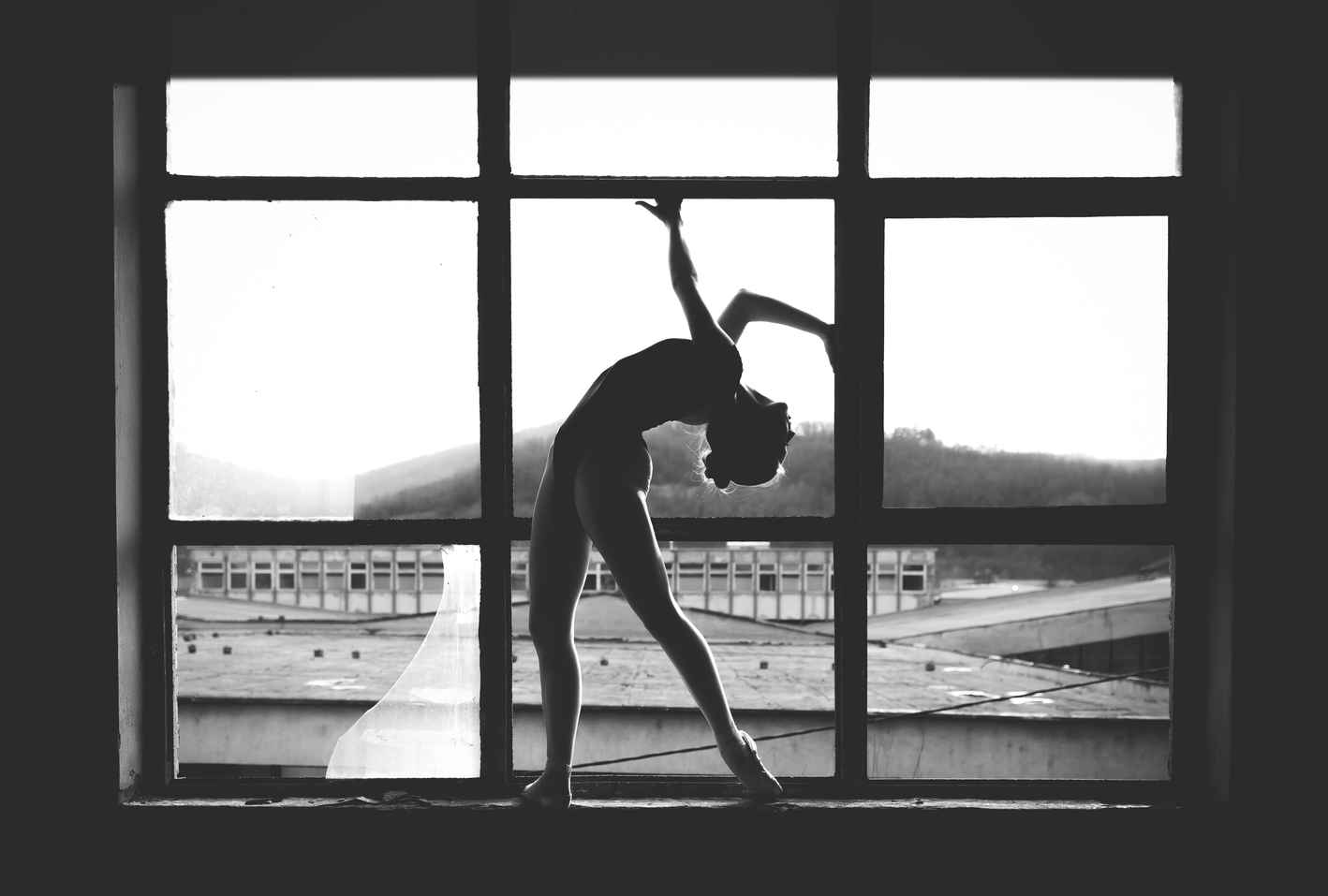
Fine art photography focuses on feeling, not facts. You build or edit images to express an idea or emotion. Abstract shapes, surreal scenes, and moody edits are common tools.
Minimal Photography: Less is More
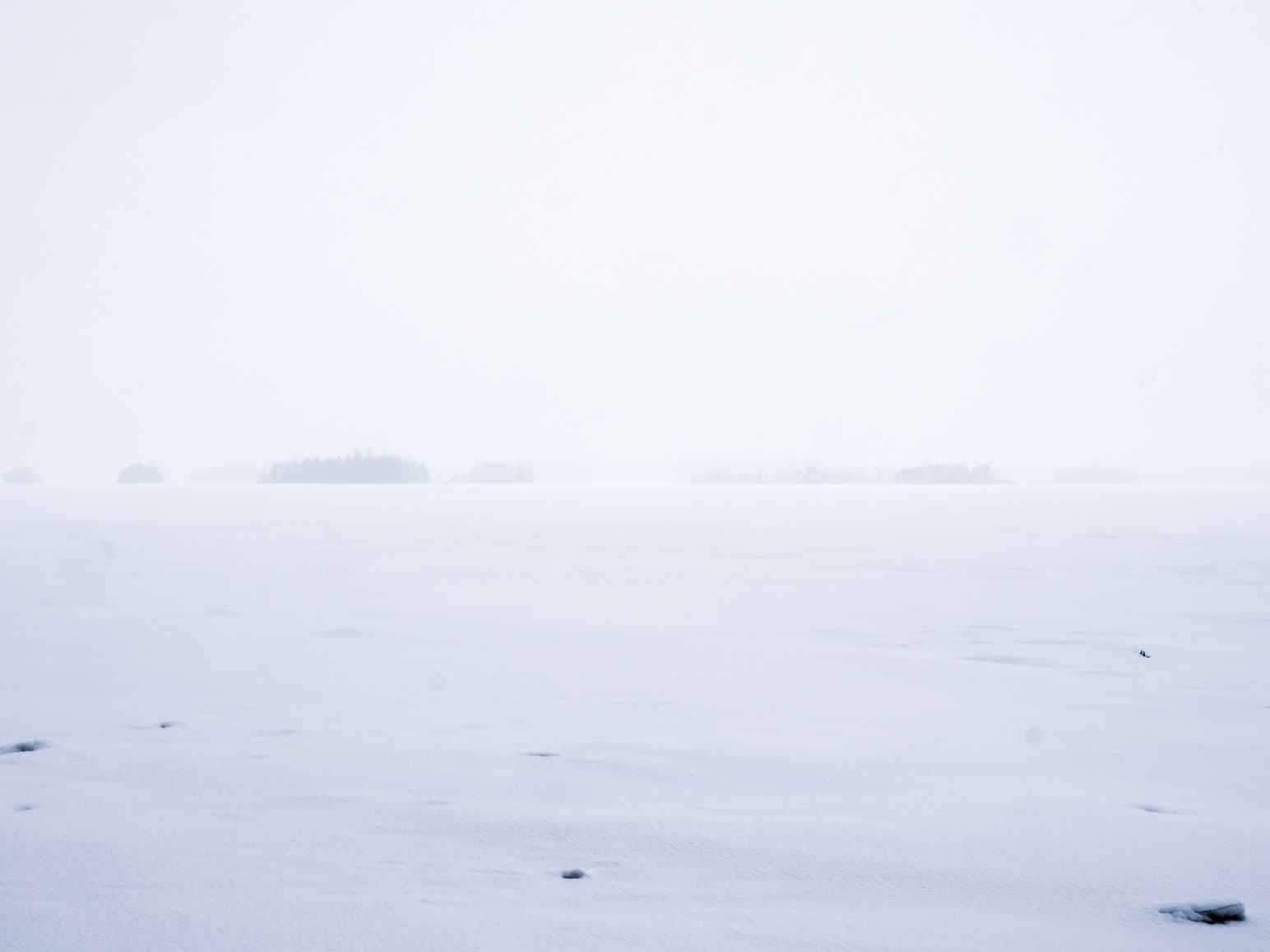
Minimal photography strips the frame to simple shapes, colors, or subjects. Empty space and clean lines matter most. A lone tree in a field or a single object against a blank wall are strong examples.
Candid Photography: Natural and Unposed
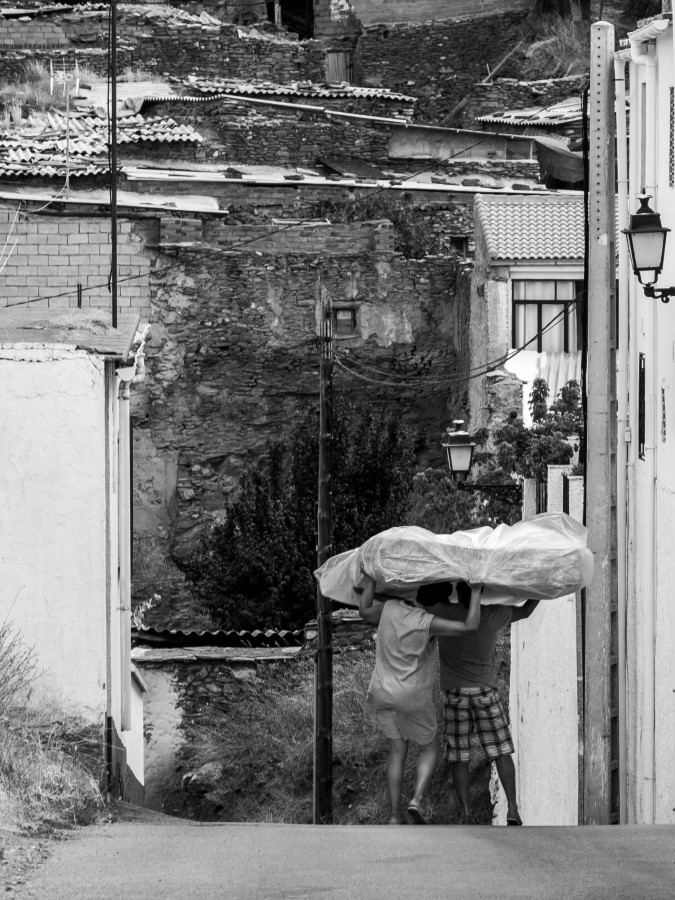
Candid photography captures real moments as they happen. People move, talk, or laugh without posing. It’s often used at weddings, events, or in street scenes to keep photos natural and full of life.
Still Life Photography: Objects and Design
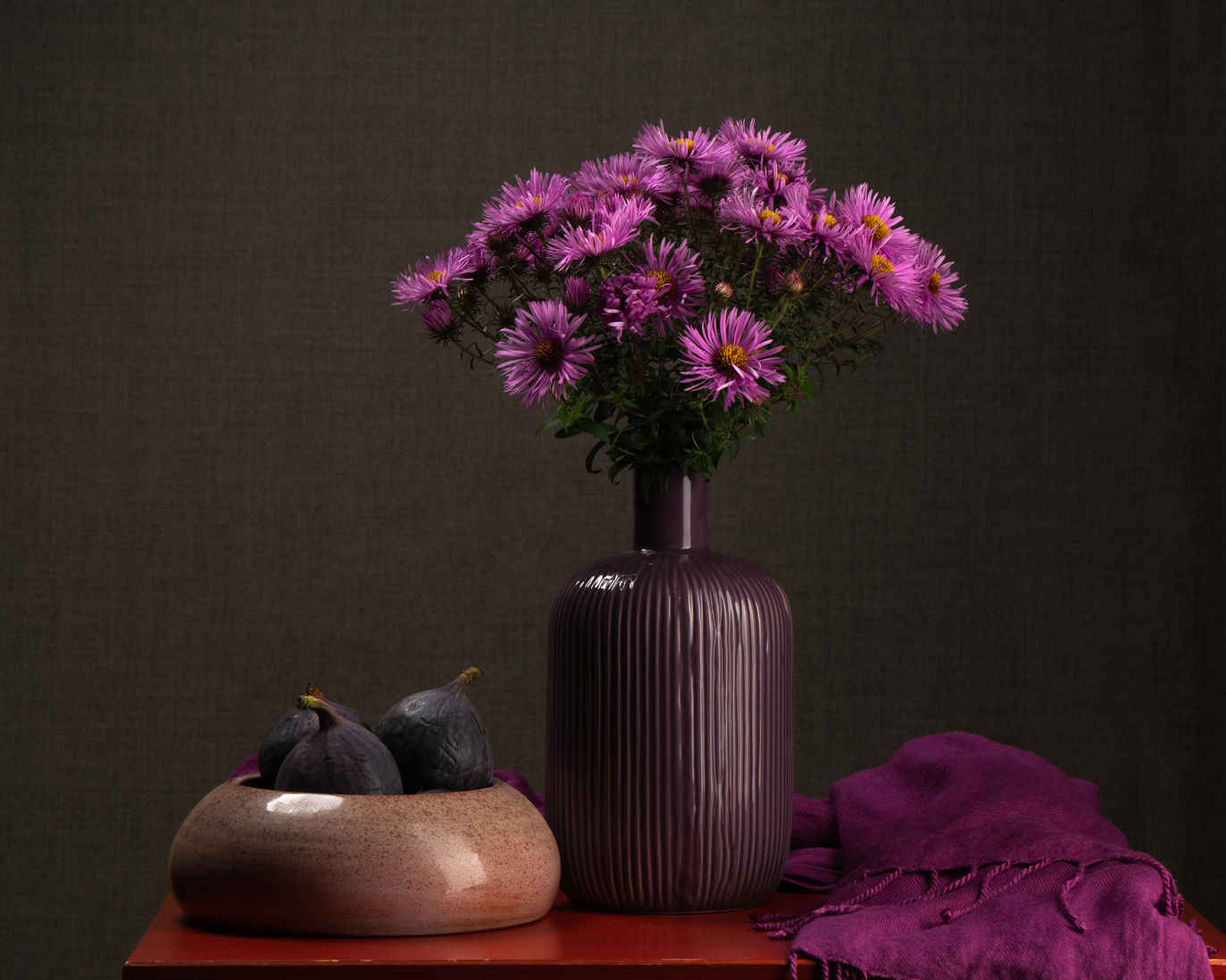
Still life photography involves styled objects. The focus is on balance, light, and design. You might shoot fruit in a bowl, vintage tools, or a styled coffee scene. It’s quiet, but every detail counts.
Photography Techniques
A technique is the method or tool you use to make the photo. It’s the practical way of shooting. Techniques shape how an image looks by controlling light, motion, depth, or sharpness. That can mean using long exposure to blur motion, setting up a tripod for HDR, or adjusting the angle to create reflections. Some techniques use gear, like ND filters or flash triggers. Others rely on camera settings or physical setups.
Double Exposure Photography: Two Images, One Frame
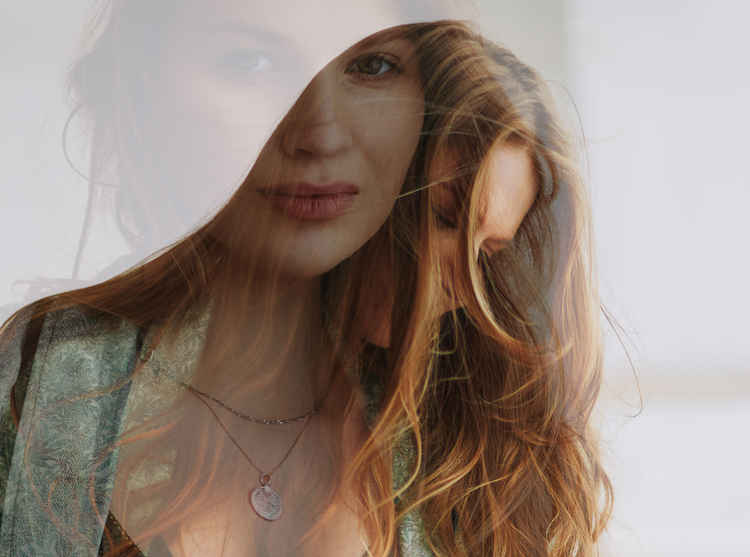
Double exposure blends two images into one. It creates a dreamy or symbolic effect. A portrait over a forest, or a face layered with city lights, can tell a deeper story. You can do this in-camera or in editing.
Fill the Frame
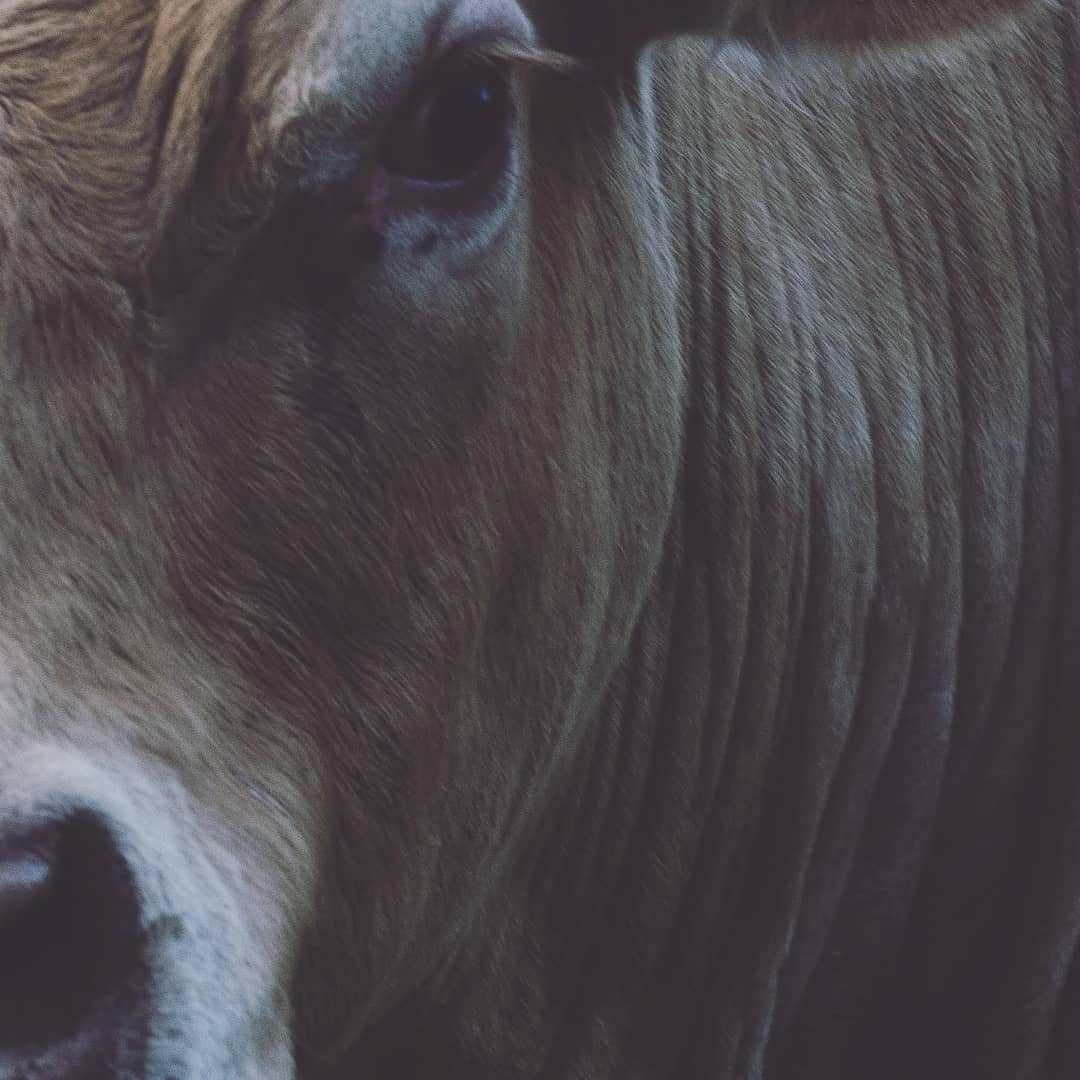
The fill-the-frame technique means you are composing your shot so that the subject fills most or all of the frame. By removing empty background areas, you force attention on details, expressions, or textures. This technique is common in portraits, wildlife, and macro work where every detail matters.
Film Photography: Analog Techniques and Texture
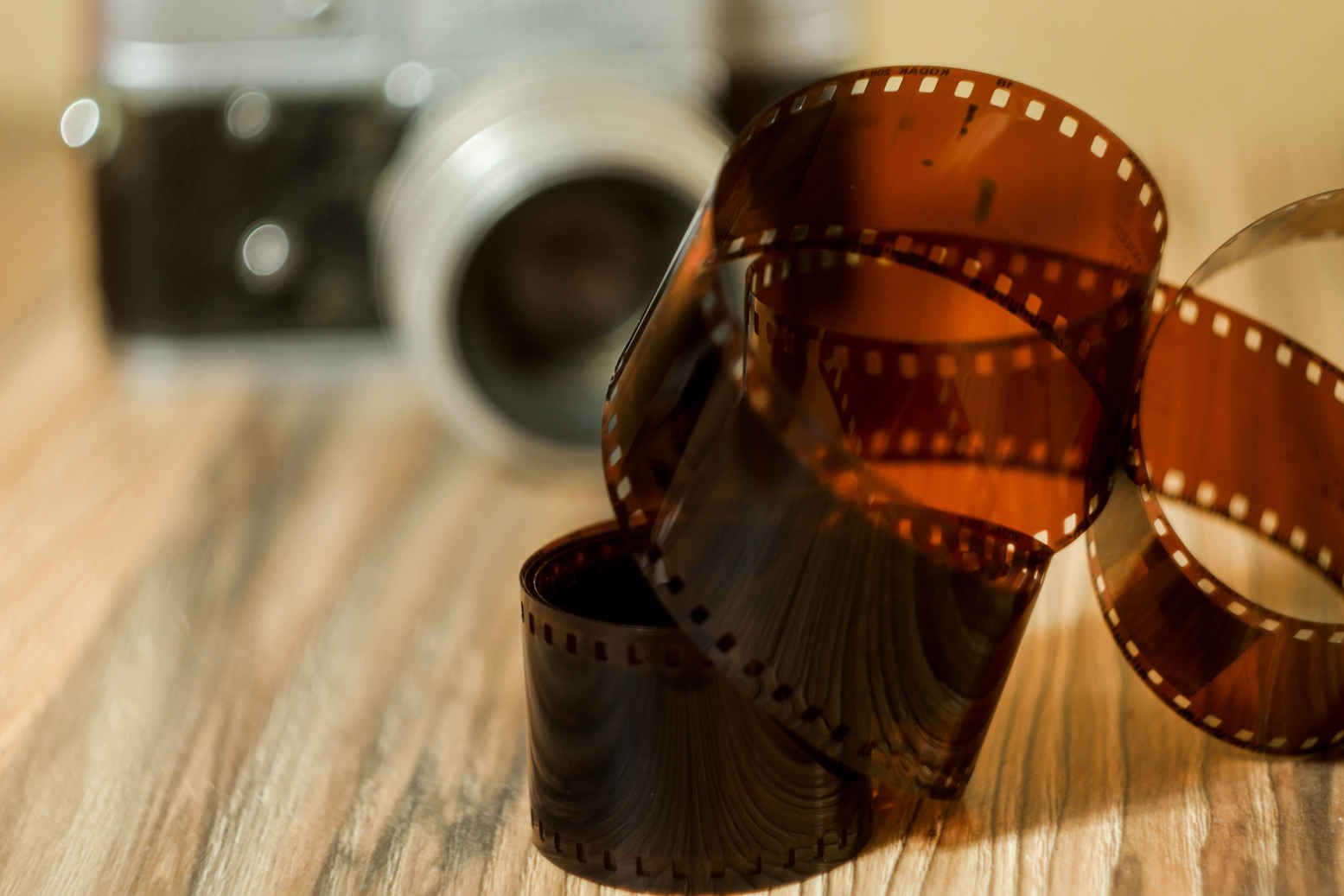
Film photography uses rolls or sheets instead of digital sensors. It requires slower, more deliberate shooting. You develop your images by hand or in a lab. Film offers grain, softness, and color that many still prefer.
Focus Stacking
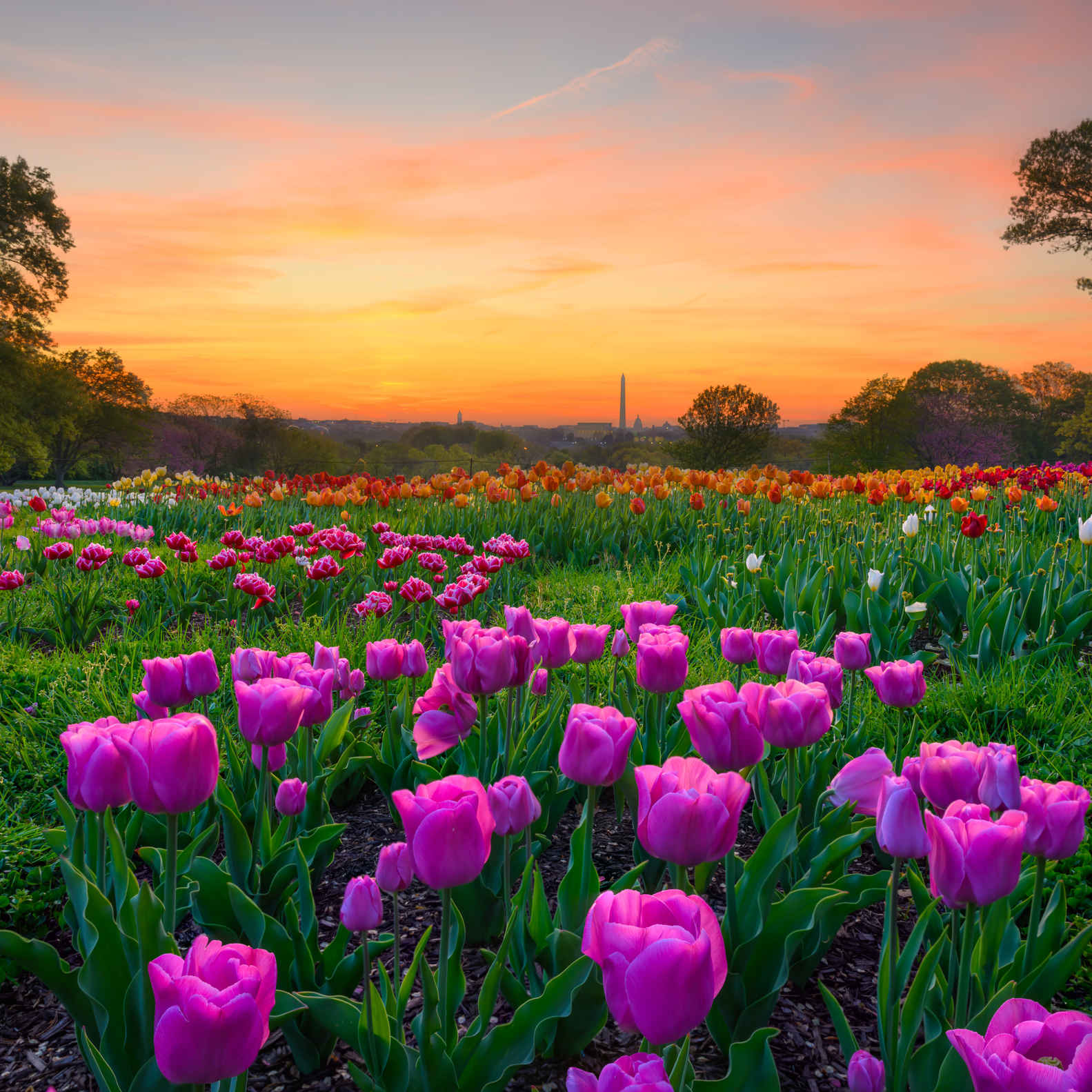
Focus stacking blends several photos taken at different focus points into one sharp image. This technique expands the depth of field, keeping both foreground and background details clear. It’s common in macro and product photography, where precision matters.
HDR Photography (High Dynamic Range)
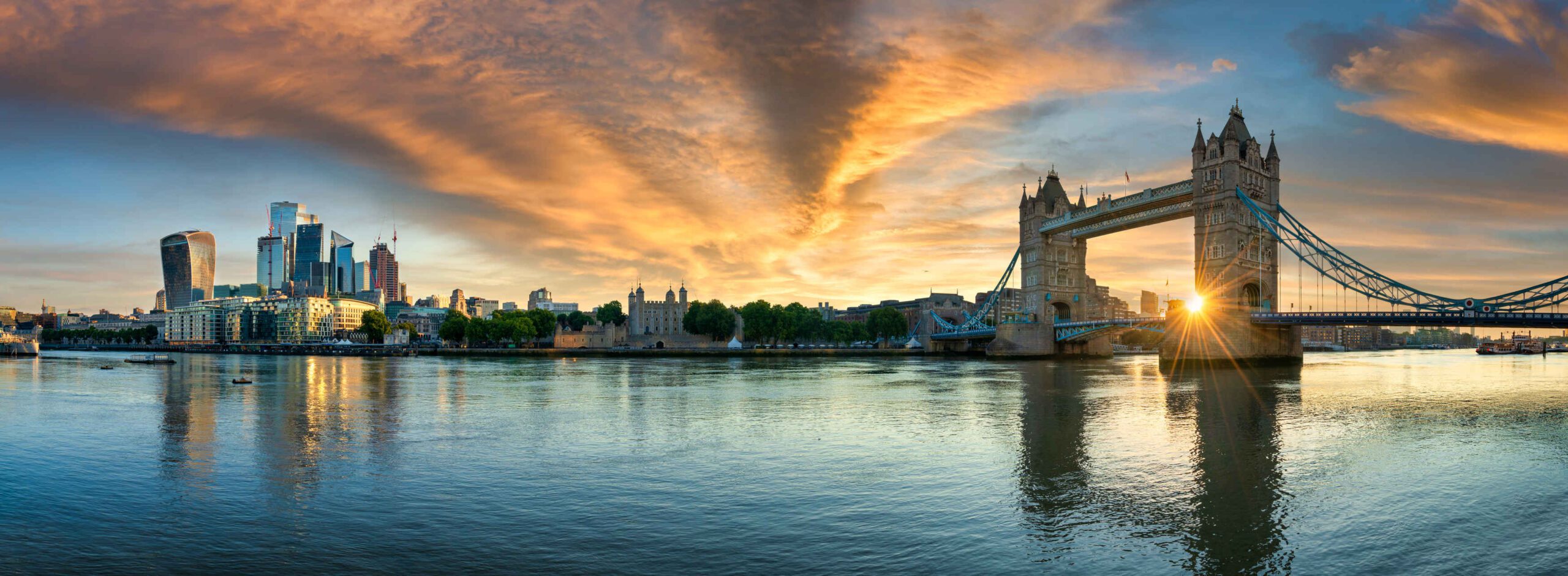
HDR photography combines multiple exposures of the same scene into one image. This balances highlights and shadows so details stay visible across the frame. It’s often used in landscapes or interiors where contrast is too strong for a single shot.
Large Format Photography: Precision and Detail

Large format photography uses sheet film (usually 4×5 inches or bigger). The cameras are slow but allow full control. You shoot under a dark cloth, focus manually, and expose one sheet at a time. It’s often used in fine art, architecture, and landscape photography.
Long Exposure Photography
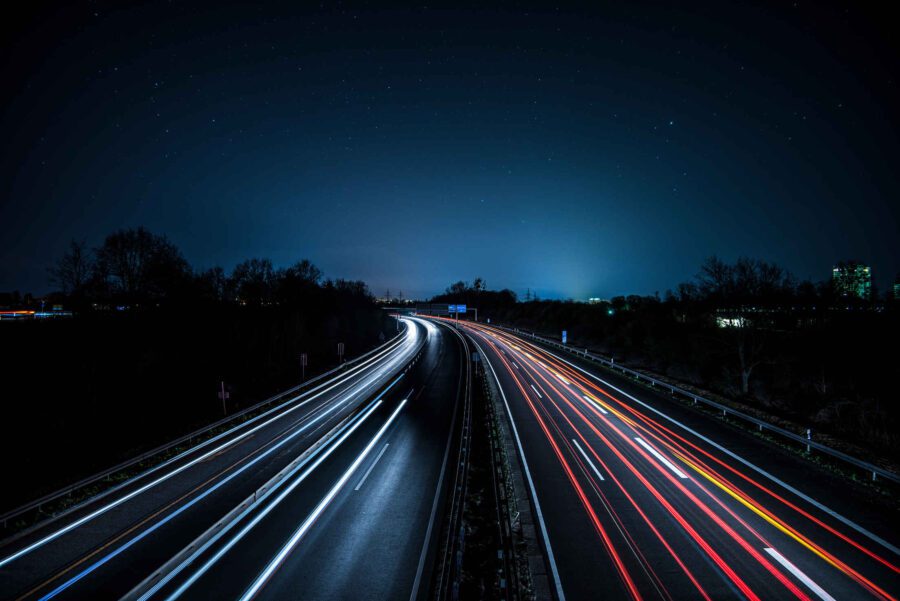
Long exposure photography keeps the shutter open for several seconds or more. This makes moving elements blur while still objects stay sharp. Waterfalls turn smooth, traffic lights form trails, and stars trace arcs across the sky.
Macro Photography: Details You Can’t See

Macro photography shows tiny subjects at life-size or bigger. You use close-up lenses or extension tubes to reveal fine details. A spider’s eye or a water droplet becomes the whole scene. Focus and lighting matter most.
Panning
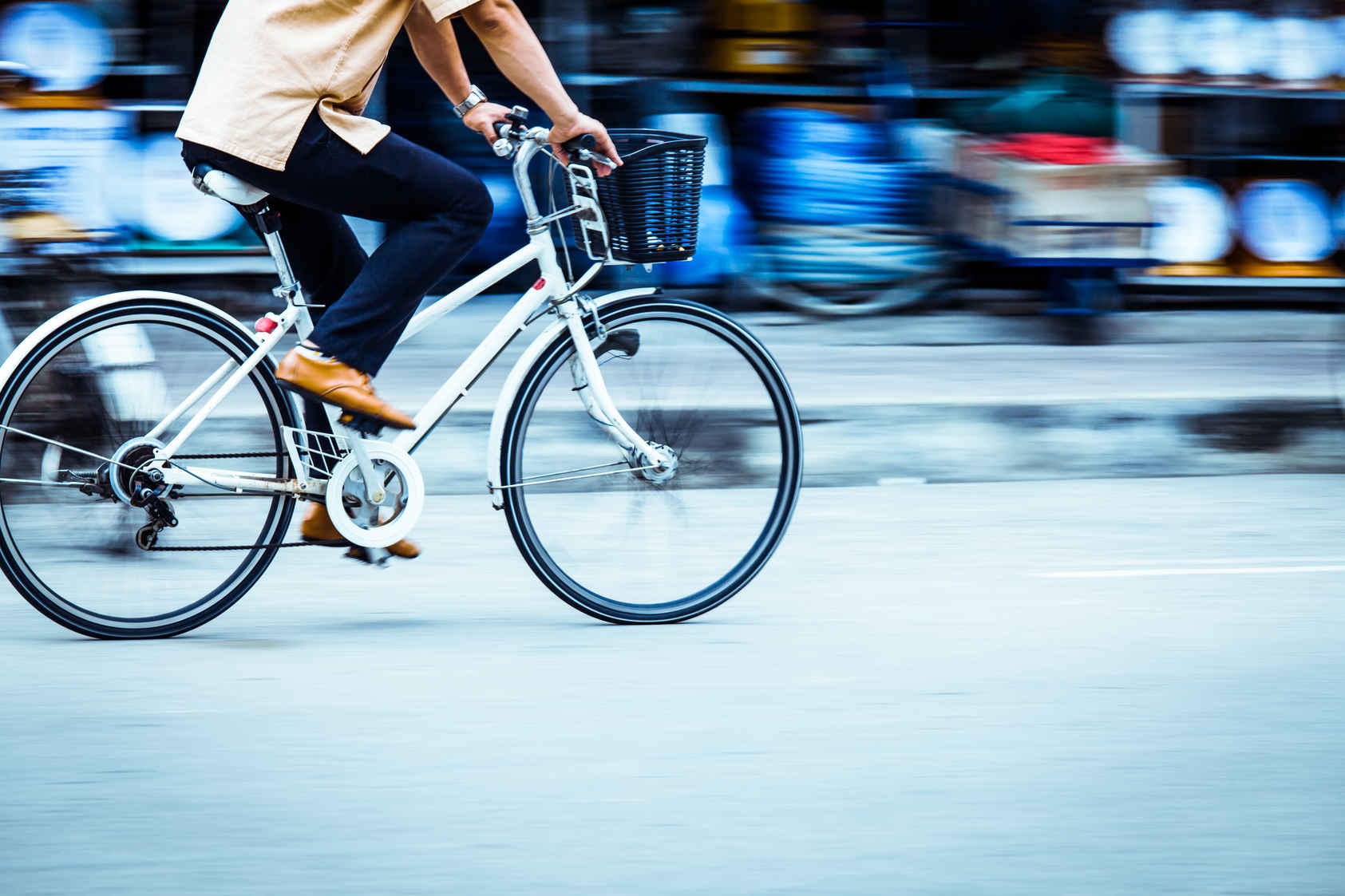
Panning tracks a moving subject with the camera while using a slower shutter speed. This keeps the subject sharp but blurs the background, creating a sense of speed. It works well for cars, bikes, or athletes in motion.
Time-Lapse Photography: Seeing Change Over Time

Time-lapse captures slow changes and speeds them up. You shoot a series of photos over time, then play them back quickly. Clouds race, flowers bloom, or cities come alive. It’s a creative way to show movement and growth.
Lighting
Lighting setups control what we see and how we see it. A softbox spreads light evenly to reduce shadows on the face. A spotlight creates a strong contrast for a dramatic effect. Backlighting can separate a subject from the background. Each setup changes how the subject looks — sharper, softer, brighter, or more mysterious. Choosing the right lighting is part of how you shape the final image.
Broad Lighting

Broad lighting lights the side of the face that faces the camera. This makes the face look wider and softens shadows.
The key light is placed to hit the “broad” side of the subject’s face (the side turned more toward the lens). It’s often used for headshots or portraits where you want a softer, fuller look, especially on narrow or angular faces.
Butterfly Lighting
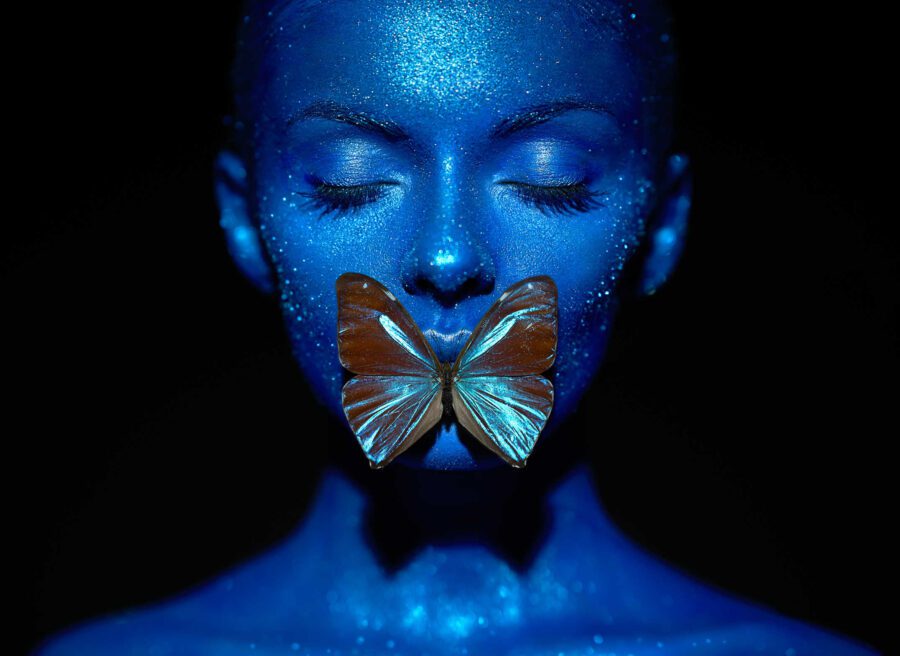
Butterfly lighting uses a high front-facing light source, often paired with a reflector under the chin. It’s classic for beauty shots and old Hollywood portraits. It works best when the subject is facing the camera. Light comes from directly above the camera, casting a butterfly-shaped shadow under the nose. This style flatters cheekbones and smooths skin.
Loop Lighting

Loop lighting places the main light slightly above and to the side of the subject. It works well in portraits where you want a clean, natural look with just enough depth. It’s a go-to setup for headshots and lifestyle shoots. A soft shadow falls to one side of the nose, creating a small loop. This simple setup adds shape to the face without heavy contrast.
Natural Light Photography: Using the Sun
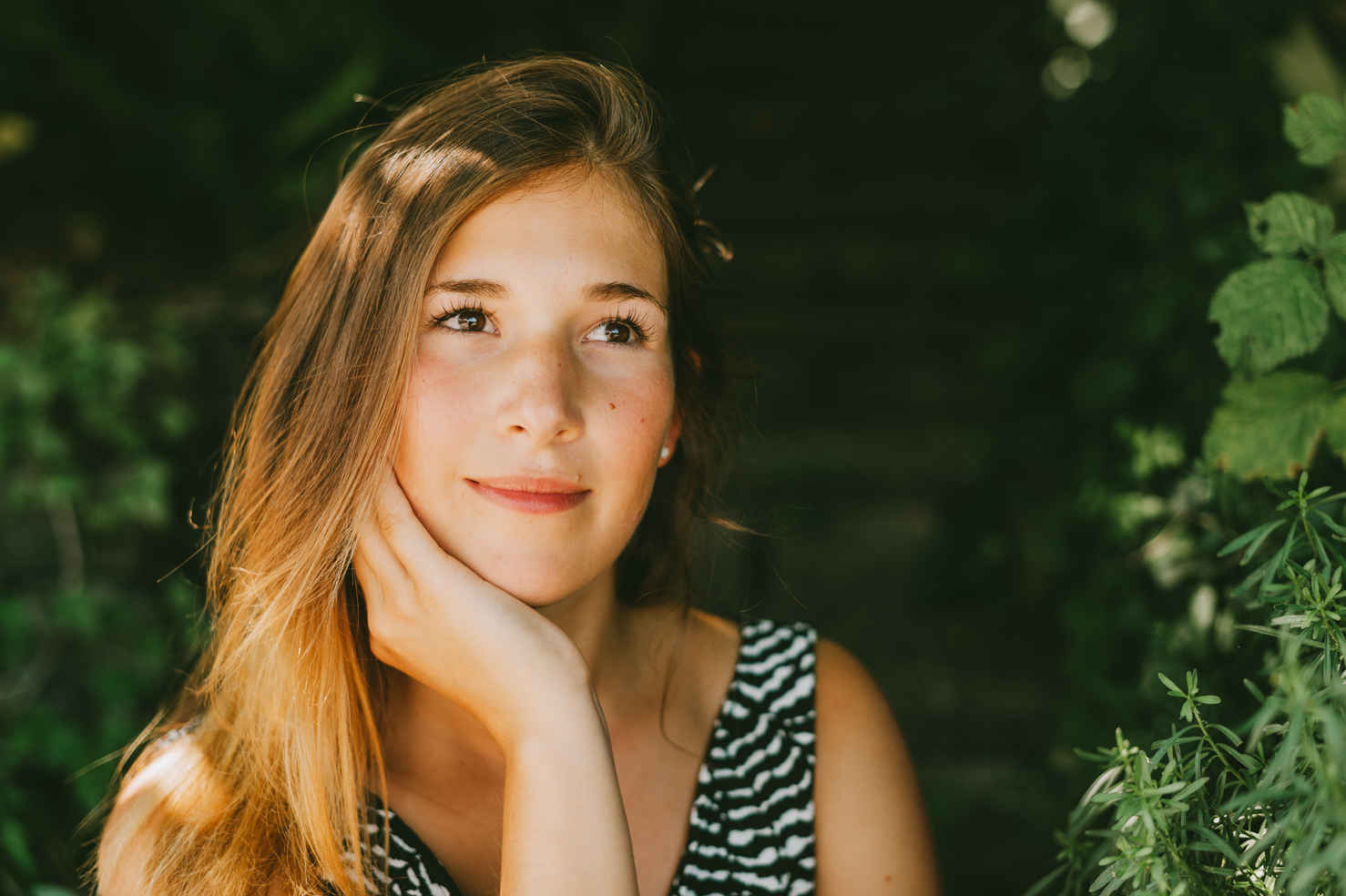
Natural light photography uses the sun instead of flash or LEDs. You plan around golden hour, clouds, and windows. It’s soft, real, and common in portrait, street, and travel photography.
Rembrandt Lighting

Rembrandt lighting uses a single light placed high and off to the side. It’s named after the Dutch painter who often used this lighting shape in his paintings. It’s great for cinematic portraits or moody scenes. A triangle of light appears under one eye, while the rest of the face stays mostly in shadow. It creates a painterly, serious feel.
Short Lighting
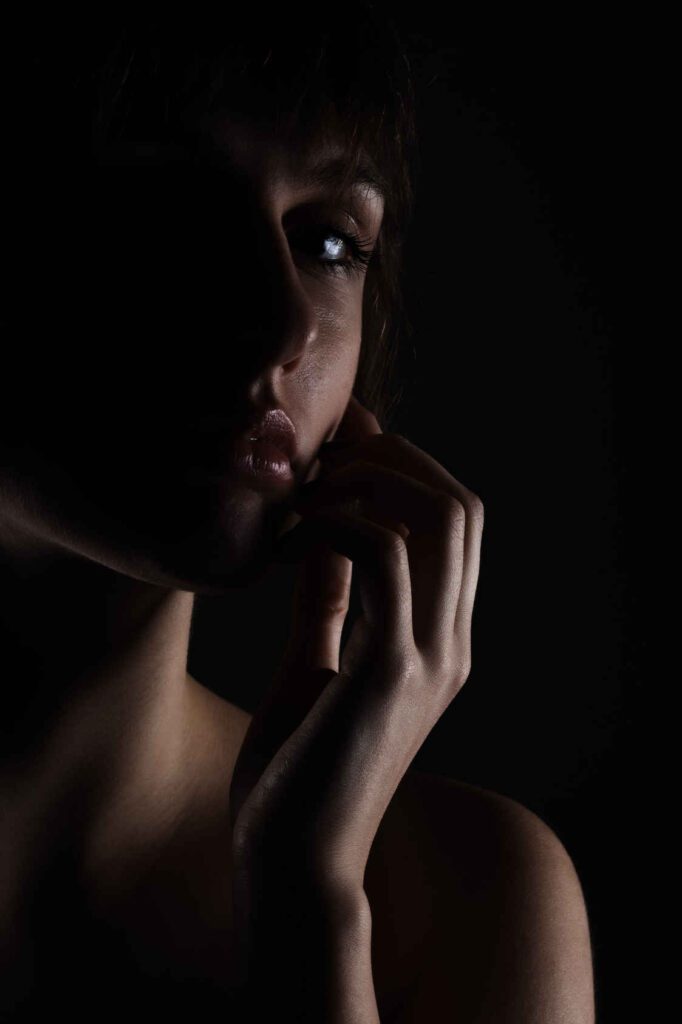
Short lighting lights the side of the face turned away from the camera. This adds more shadow and gives the face a sculpted shape.
The key light is placed on the far side of the face, leaving the near side in shadow. Short lighting adds depth and contrast. It works well for dramatic portraits, moody lighting, or to slim the appearance of the face.
Split Lighting
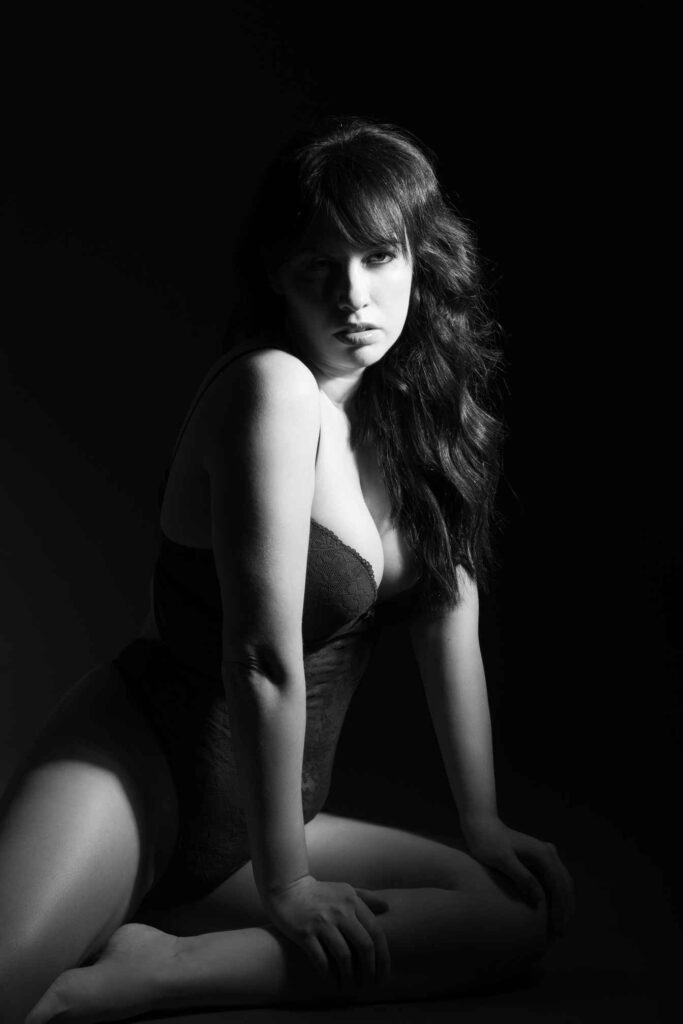
Split lighting puts the key light at a 90-degree angle to the subject. It divides the face in half — one bright, one dark. It’s often used to create intensity in character portraits, music photography, or editorial work. One side of the face is lit, the other falls into shadow. This setup adds strong mood and drama to a portrait.
Summing Up
Photography is the art of capturing light and moment. Each genre offers a different way to shoot, feel, and tell a story. Trying new styles helps you learn, grow, and see the world in new ways.
Read Next: Want to level up your photography skills?
Explore our Photography section for guides on lighting, composition, camera settings, and creative techniques across genres like portrait, landscape, and street.
Whether you’re shooting on a mirrorless camera or your phone, you’ll find sharp, practical tips to take more intentional and creative photos.
Also check out our Visual Composition section, with deep dives into framing, color psychology, and visual art history—key tools for any photographer thinking like an image-maker.
