

Published: September 9, 2025 | Last Updated: December 17, 2025

What is Wildlife photography? Definition & Meaning
Wildlife photography means taking pictures of wild animals or plants in their natural habitat without cages, fences, or human control. You’re capturing real behavior in the wild, not animals in zoos or pets at home. A fox chasing a mouse in a meadow counts. A lion behind glass does not. The goal is to document nature without disturbing it.
Types of Wildlife Photography Subjects

Wildlife photography includes many subjects. Each type needs different tools and timing. Start small, then explore new places and species as your skills grow.
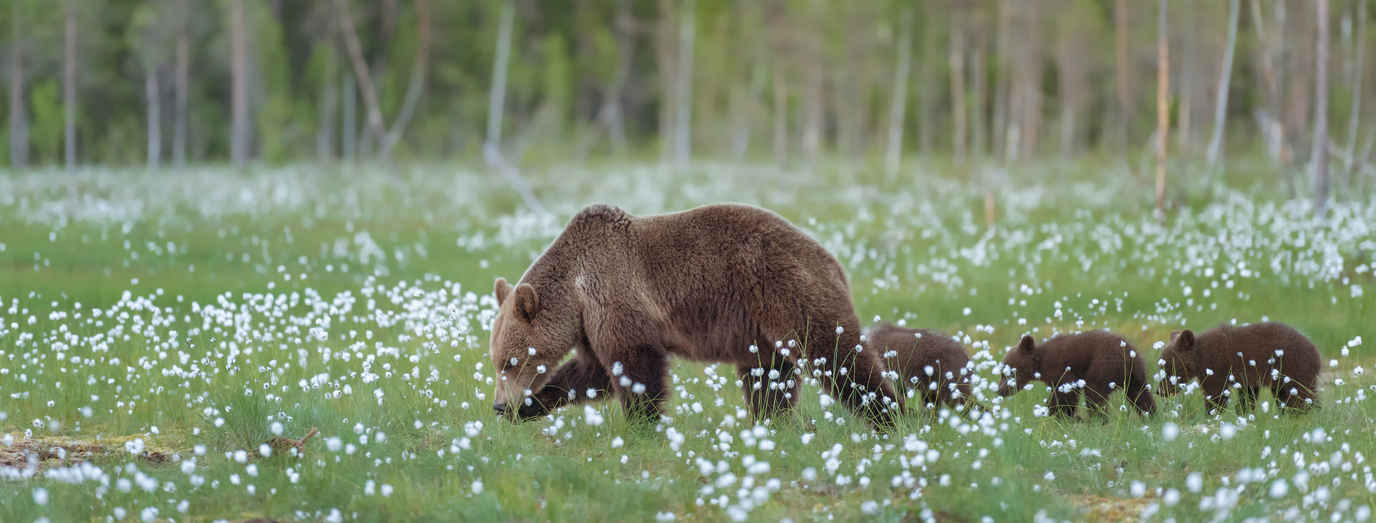
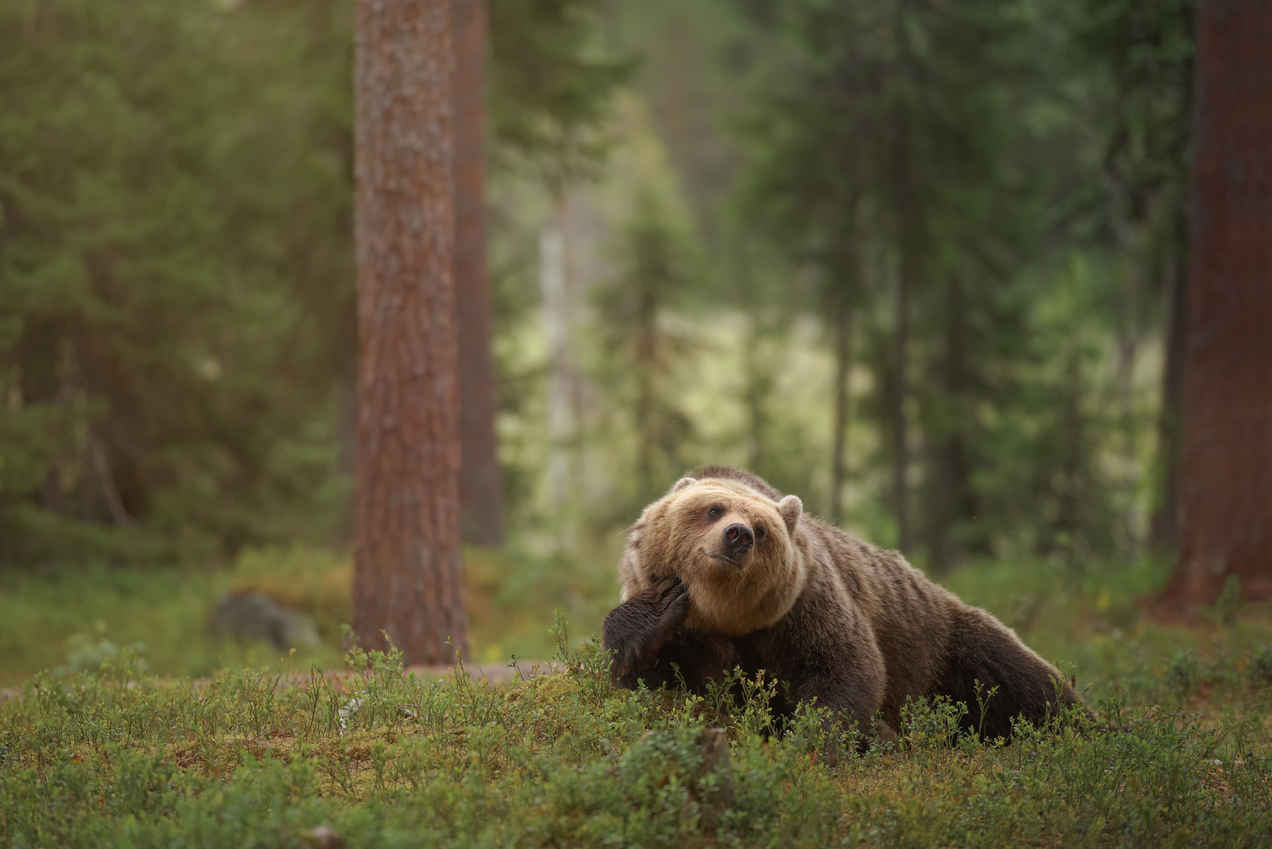
Mammals: Deer, bears, foxes, and other land animals. These often move fast and stay far away.
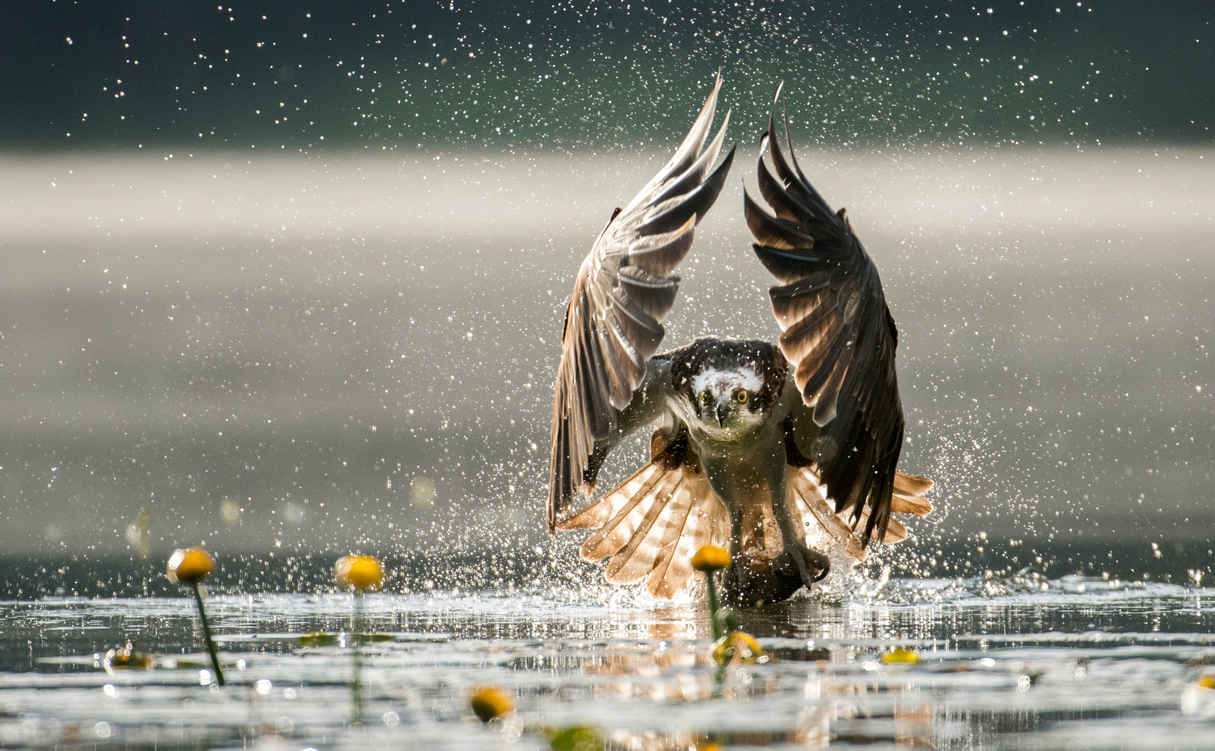
Birds: Birds fly quickly, so you’ll need long lenses and fast focus to keep up.
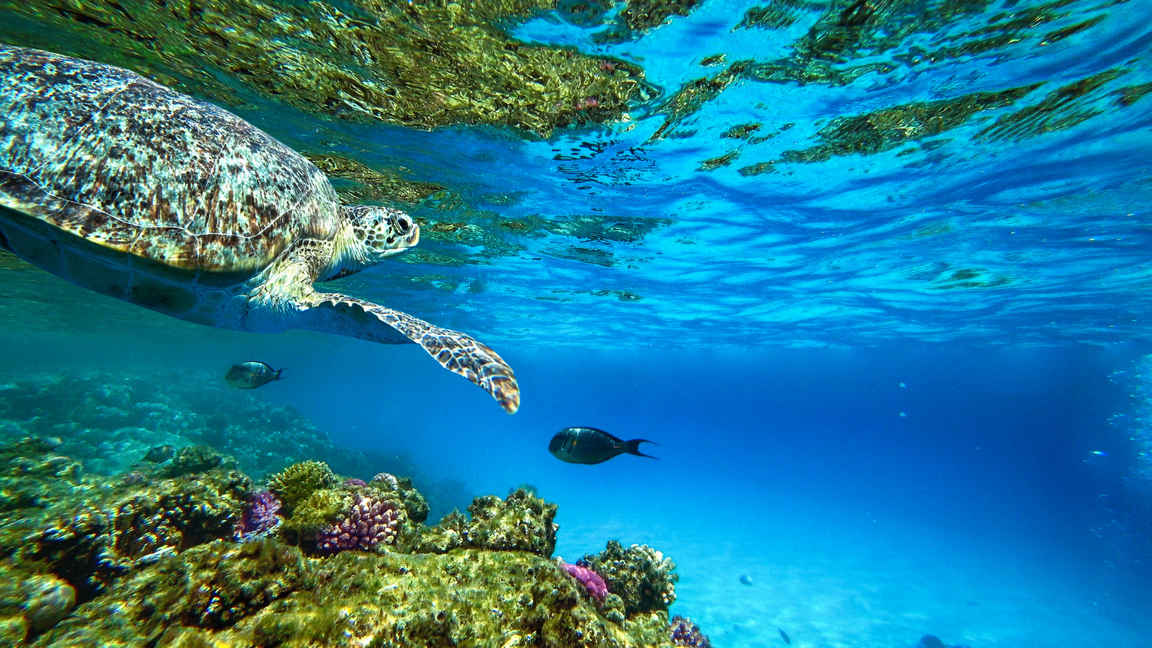
Marine life: Fish, turtles, and whales can be shot while diving or from boats. See also the FilmDaft guide to underwater photography and video.
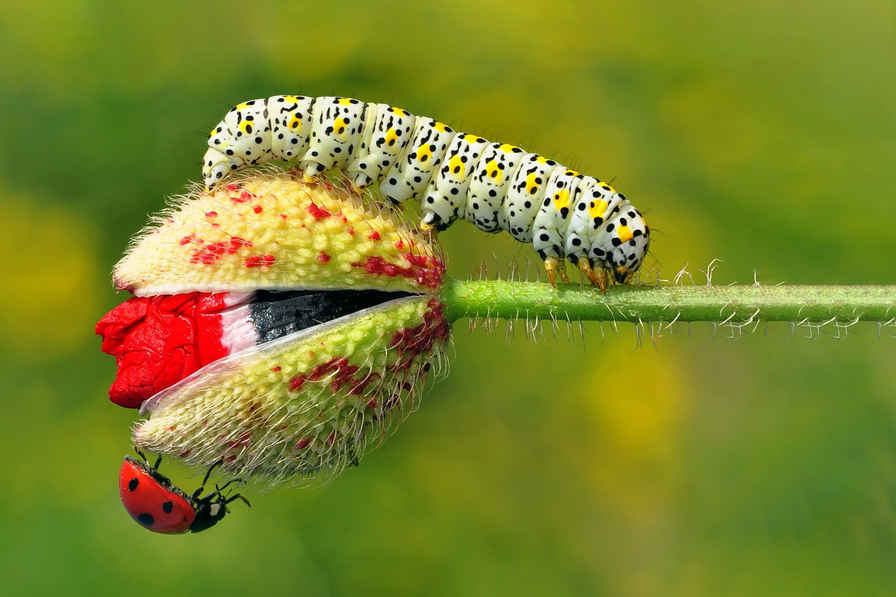
Insects: Macro photography is a popular way to capture the smaller animals in nature. Use a macro lens for close-ups of bees, beetles, or butterflies.
Nocturnal animals: Owls, bats, and other creatures come out at night. Use low-light gear or motion-triggered cameras.
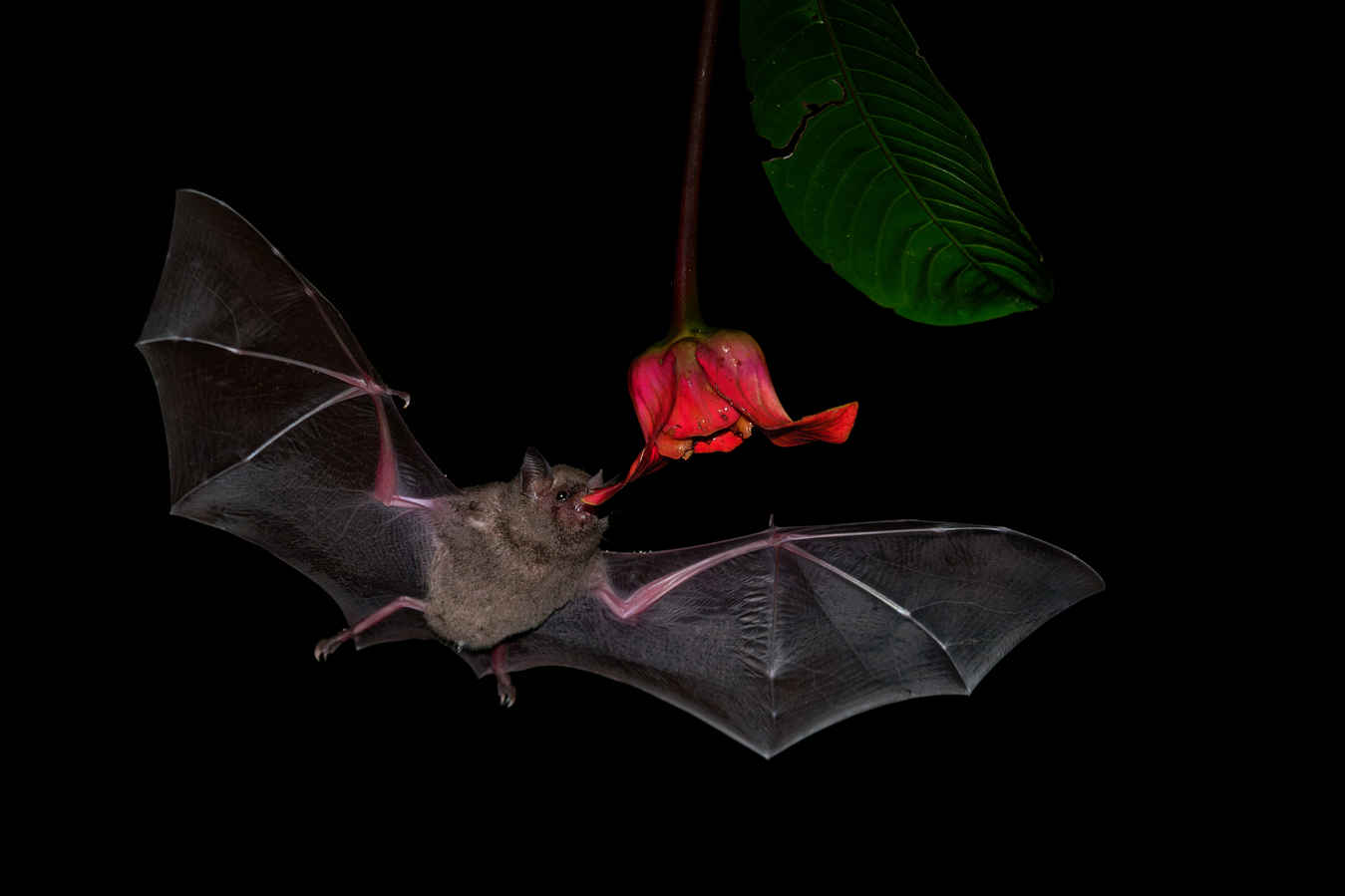
Comedy shots: Some photographers focus on funny or strange moments, like animals making odd faces. These can be submitted to contests like the Comedy Wildlife Photography Awards.
Best Wildlife Photography Techniques and Settings
To get sharp and well-timed shots, you need to learn how to control light, focus, and movement. Below, I’ve provided some rule-of-thumb starting points to help you get clear results in unpredictable situations.
- Shutter speed: Use 1/500s or faster to freeze motion. Animals rarely stay still.
- ISO: Raise ISO in low light, but keep it as low as you can to avoid grain.
- Aperture: Wide apertures like f/2.8 or f/4 blur the background and help in dim light. But stopping down to f/8 gives more detail.
- Shoot in RAW: RAW files give you more room to fix exposure and color later.
For composition, place your subject off-center. Leave room in the frame for animals to move into. If the animal is running, use motion blur or panning to show movement.
Recommended Wildlife Photography Gear
You don’t need top-level gear to get started. But certain tools help a lot when shooting wild subjects from a distance or in tricky light.
- Camera: Use a DSLR or mirrorless camera with fast burst mode and good low-light performance.
- Lenses: Telephoto lenses (300mm or longer) let you stay far away. Use macro lenses for small insects. Try drones or waterproof housings for hard-to-reach places.
- Tripod or monopod: These help steady long lenses and reduce blur.
- Camouflage: Wear neutral colors or shoot from a hide (tent, car, or blind) to stay unseen.
- Trail cameras: Motion-triggered cameras can record shy or nocturnal animals when you’re not around. They’re widely used in research and conservation. Just be honest about using them, since many contests and publications ask you to disclose camera-trap images.
Wildlife Photography Ethics and Safety Rules
Wildlife photography is not just about getting the shot. It’s also about protecting the subject. Every choice you make affects the animal and its home.
- Keep your distance: If the animal changes behavior, you’re too close. Back off.
- Never bait: Don’t lure animals with food. It changes their natural behavior.
- Stay away from nests: Avoid breeding spots, dens, and feeding areas.
- Leave no trace: Don’t trample plants or leave gear, trash, or food behind.
- Be honest: If the shot is from a zoo or game farm, say so. Don’t fake it.
Some contests and conservation groups will reject photos that show signs of interference or staged behavior. Real wildlife means wild, not controlled.
How to Start Wildlife Photography Without Traveling Far
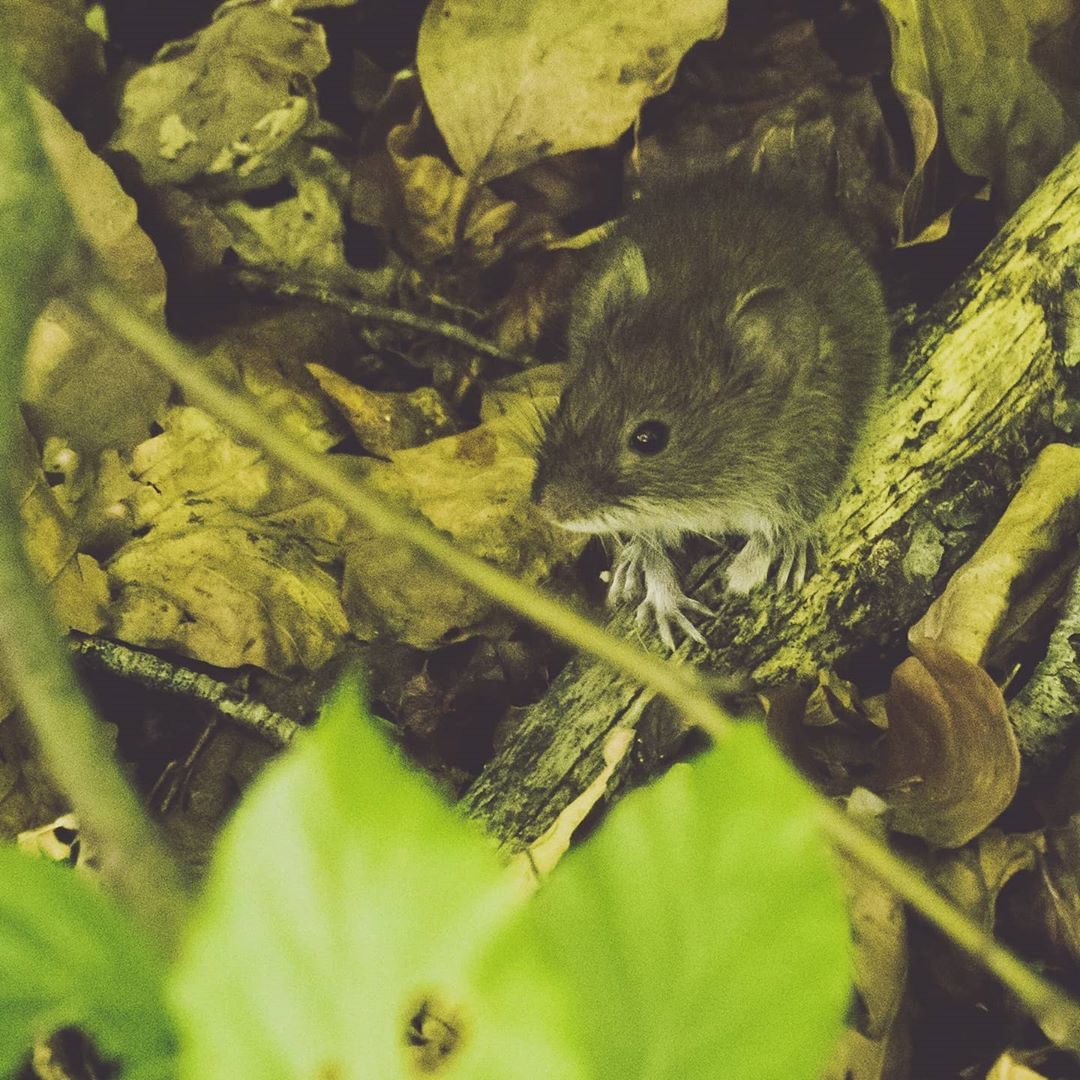
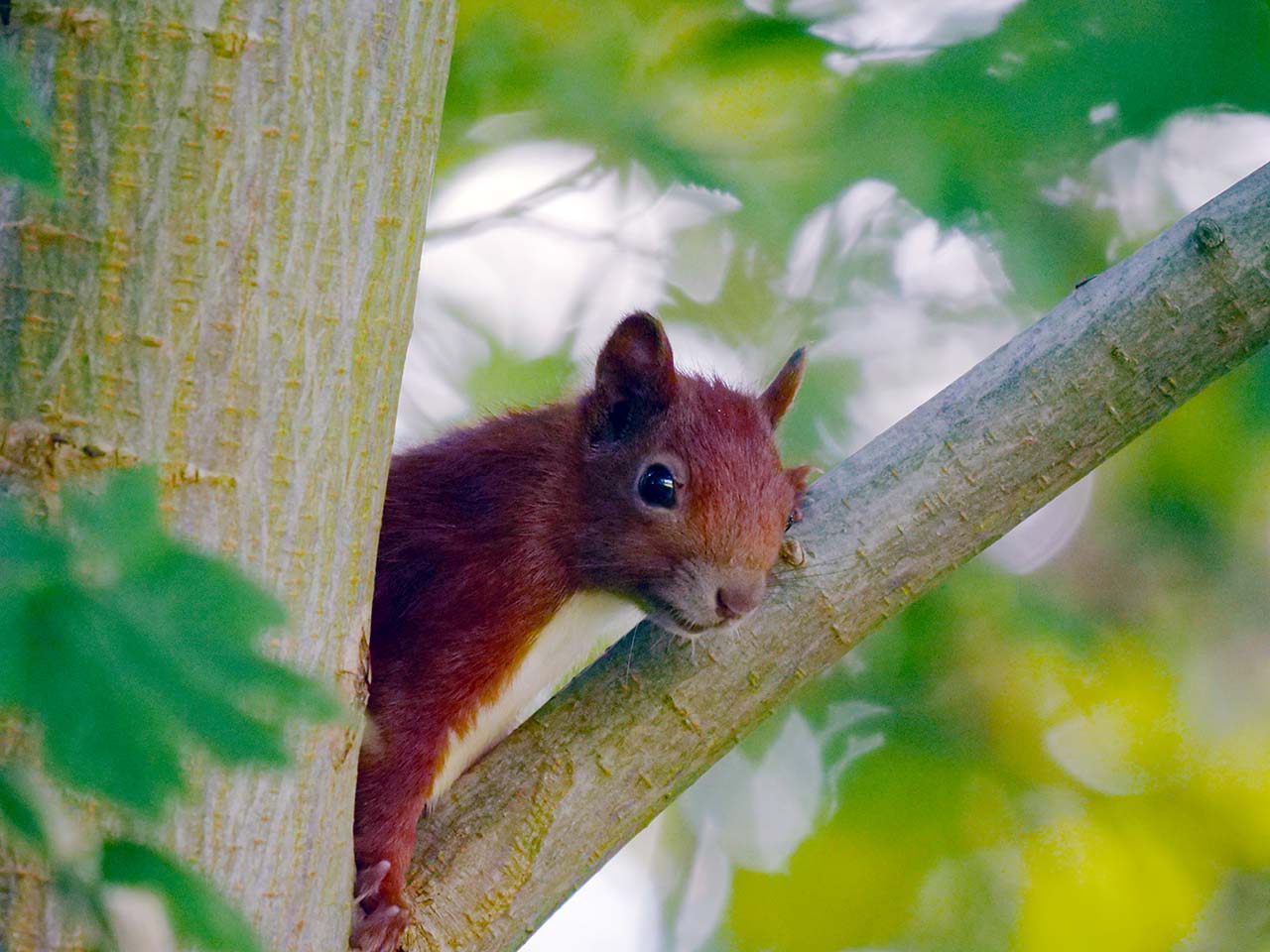
You don’t need a safari or scuba trip to start. Look in your backyard, a local park, or a nearby lake. Birds, squirrels, frogs, and insects all count. Use this time to learn how to focus fast and shoot in changing light.
As you get better, share your work online. Join photo contests or post for events like World Wildlife Day. Feedback helps you grow. A small portfolio with a clear focus is better than a big one with no style.
Try going on a guided photo walk or volunteering with a local nature group. Being in the field with others teaches you how to move quietly, stay patient, and follow the rules of ethical shooting.
Why Wildlife Photography Matters
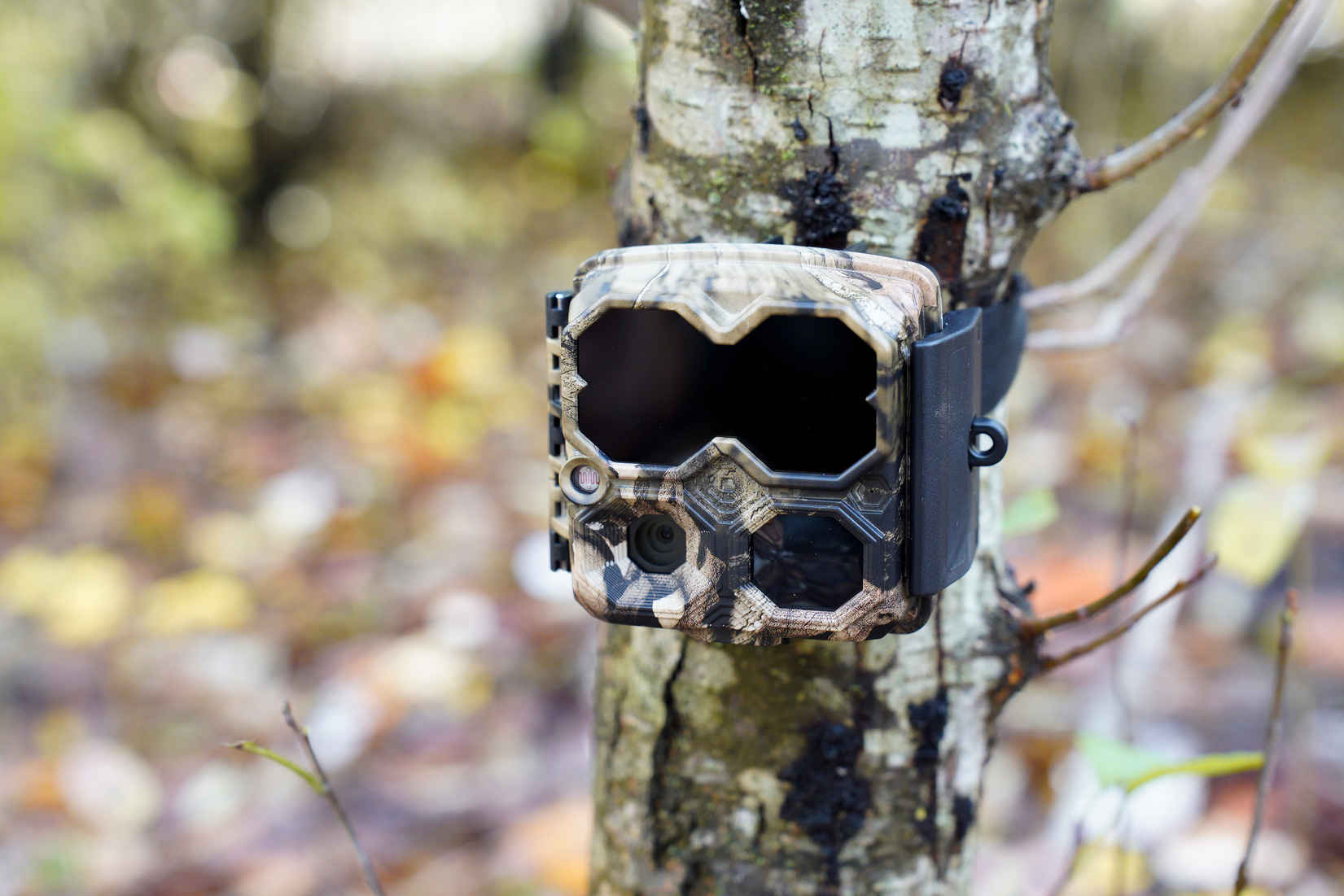
Good wildlife photos show how animals live, hunt, and interact. They also help others care about wild places. Camera traps, drones, and remote triggers can capture rare behavior, like an owl feeding chicks or a shark passing under ice.
Your work might be used in books, science reports, or conservation campaigns. Honest images make a difference. They can protect a species, raise money, or inspire future nature lovers.
Summing Up
Wildlife photography means photographing wild creatures in wild spaces, without staging or control. You’ll need patience, a good lens, and sharp timing. Learn from your local area first. Study behavior. Use quiet moves, long lenses, and ethical habits to get real moments without harm. The wild world is worth protecting, and every image helps.
Read Next: Want to level up your photography skills?
Explore our Photography section for guides on lighting, composition, camera settings, and creative techniques across genres like portrait, landscape, and street.
Whether you’re shooting on a mirrorless camera or your phone, you’ll find sharp, practical tips to take more intentional and creative photos.
Also check out our Visual Composition section, with deep dives into framing, color psychology, and visual art history—key tools for any photographer thinking like an image-maker.
