

Published: September 11, 2025 | Last Updated: November 19, 2025

What is What is Focus Stacking in Photography? Definition & Meaning
Focus stacking is a digital technique that combines multiple images taken at different focus distances into one photo with sharp focus throughout. It helps you capture detail from the closest foreground to the farthest background, even when your lens can’t do it in a single shot. Focus stacking is sometimes also referred to as stack focus, focus bracketing, focus merging, or image stacking.
When to Use Focus Stacking in Photography
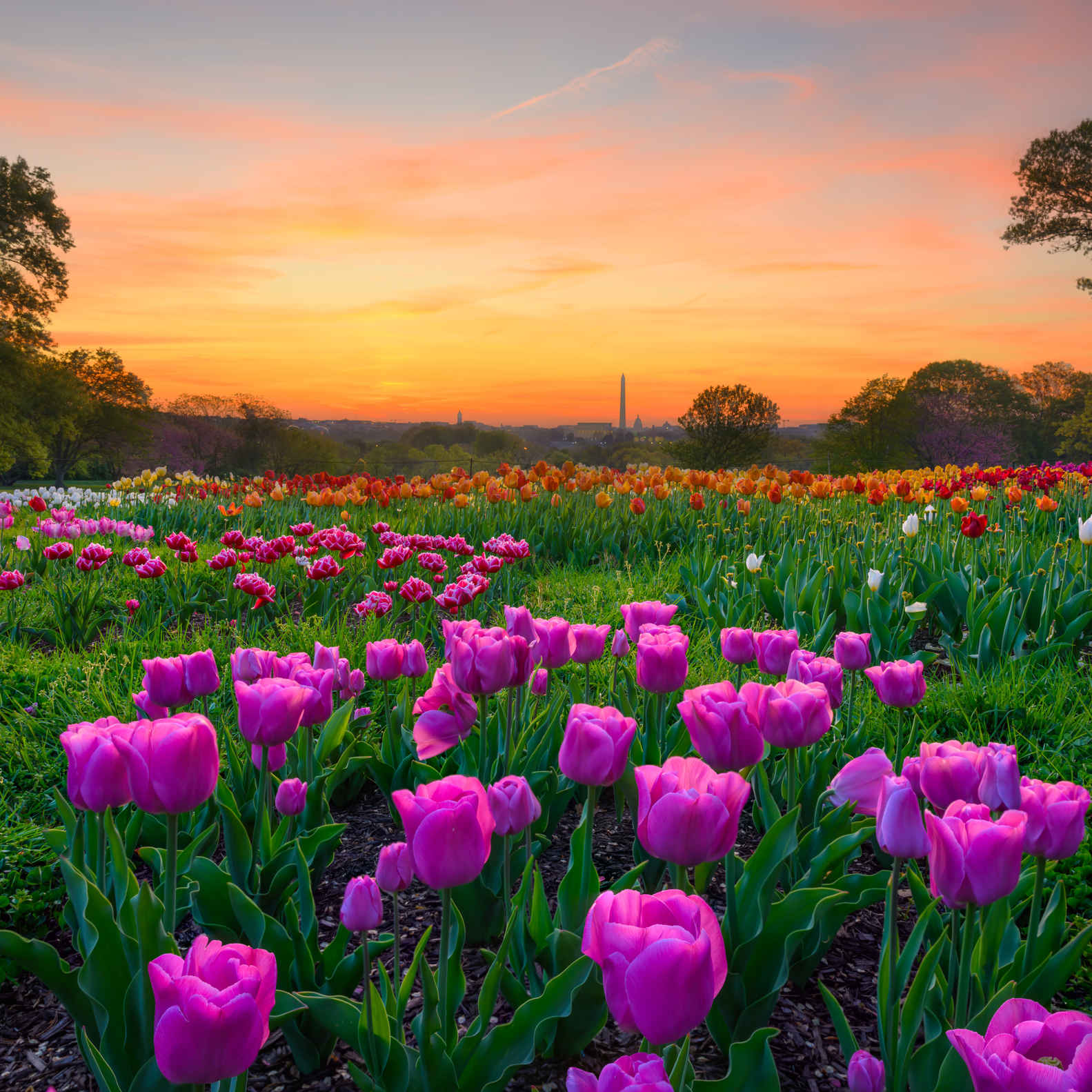
Focus stacking is helpful when your scene has more depth than your lens can cover in one shot. This usually happens in macro, landscape, or product photography where details exist at multiple distances from the camera.
It’s handy for macro subjects like flowers and insects, detailed product shots, layered landscapes, or any extreme close-up work such as microscopy, where the depth of field is too shallow to cover the whole scene in one frame.

Focus stacking doesn’t work well when your subject is moving, your camera is unstable, or you’re working in low light and need fast shutter speeds. These situations make it harder to align frames or maintain image sharpness.
Sometimes, using the hyperfocal distance or stopping down to f/16 or f/22 seems like a solution. But those settings often cause blur from diffraction. Focus stacking solves this by allowing you to use a sharper aperture, such as f/8, while still achieving full depth of field.
How to Shoot a Focus Stack Step by Step
Shooting a focus stack means taking multiple images at different focus points, then combining them into one. This method gives you full depth of field without losing sharpness to diffraction. Here’s a starting guide if you want full manual control:
- Mount your camera on a tripod. This keeps framing stable through all shots. You can also shoot handheld if your camera has good image stabilization technology (see videos below).
- Switch to manual focus. Autofocus can shift composition slightly.
- Set manual exposure and white balance. Keep every setting consistent across all images.
- Focus slightly deeper each time, moving from the foreground to the background. Make sure each zone overlaps the last.
- Use a remote shutter or timer to prevent camera shake. Again, if you’ve got good stabilization and steady hands, you might not need this, depending on your subject.
- Use tools like a focus rail or a Helicon Tube for ultra-fine control, especially helpful in macro setups (optional).
- Use software like Photoshop or Helicon Focus to stack your photos (see more about these below).
What’s a Focus Rail or Helicon Tube?
A focus rail is a sliding mount that lets you move your camera forward or backward in tiny steps. It’s used in macro photography to keep your framing locked while adjusting focus by shifting the whole camera.
A Helicon Tube is a motorized device that turns your lens focus ring electronically. It connects to your camera and automates focus stacking with high precision, ideal for close-up work like insects, jewelry, or textures.
Many newer cameras include built-in focus bracketing modes. These take a full stack automatically, shifting focus with each shot.
Best Software for Focus Stacking and Blending
Once your images are captured, the next step is merging them. These tools help blend the sharpest parts from each shot into a single image.
Adobe Photoshop: Load files into a stack, auto-align layers, then use Auto-Blend.
Helicon Focus: Designed for precise stacking with depth map tools
And here’s a more advanced tutorial for doing focus stacking in Helicon Focus for macro photography with multiple photos:
Zerene Stacker: Known for sharpness and control over blending
Affinity Photo: A lower-cost option with built-in focus merge
Some photographers also keep a “safety group” of original layers when stacking in Photoshop. This lets you fix blend errors manually if needed.
Focus Stacking Examples in Macro and Landscape Photography
Focus stacking gives you a sharp image where everything, from the closest texture to the farthest background, is clear. These examples show where it works best.
- Macro photography: A bug’s eye, wings, and legs all appear sharp, something you can’t get in one frame
- Landscape photography: Foreground rocks and faraway mountains both stay crisp
- Product photography: A watch’s face and its strap are clear without distortion
- Microscopy: A tiny subject can be fully focused, top to bottom
Alternatives to Focus Stacking for Depth of Field
There are a few traditional ways to get more depth of field without using focus stacking. Some work well in the field, others are more technical or gear-specific.
Large format cameras use bellows and tilt movements that let you shift the focus plane. This makes it easier to get both foreground and background in focus in a single shot, especially in landscape or product work. It’s one reason why 4×5 and 8×10 film are still used today for maximum detail.
Hyperfocal distance is another method. You set your focus and aperture so that everything from a set point to infinity appears sharp. This works best in wide-angle landscape photography, where your foreground isn’t too close and you can stop down without losing sharpness to diffraction.
Tilt-shift lenses give you similar control on digital cameras. They let you tilt the lens to change the focus plane, like a mini version of a large format camera. These are popular in architecture and product photography, but take practice and cost more than standard lenses.
Each method has limits. But for most photographers (especially in macro or high-detail work) focus stacking still gives you the sharpest, most flexible results.
Summing Up
Focus stacking is a way to build sharp images by combining multiple shots with different focus points. It’s the best tool for scenes where regular depth of field won’t cut it. With manual focus, a tripod, and blending software, you can get sharpness from front to back, even in scenes where a single shot would leave parts blurry.
Read Next: Want to level up your photography skills?
Explore our Photography section for guides on lighting, composition, camera settings, and creative techniques across genres like portrait, landscape, and street.
Whether you’re shooting on a mirrorless camera or your phone, you’ll find sharp, practical tips to take more intentional and creative photos.
Also check out our Visual Composition section, with deep dives into framing, color psychology, and visual art history—key tools for any photographer thinking like an image-maker.
