
Published: September 17, 2025 | Last Updated: December 28, 2025

What is Glamour photography? Definition & Meaning
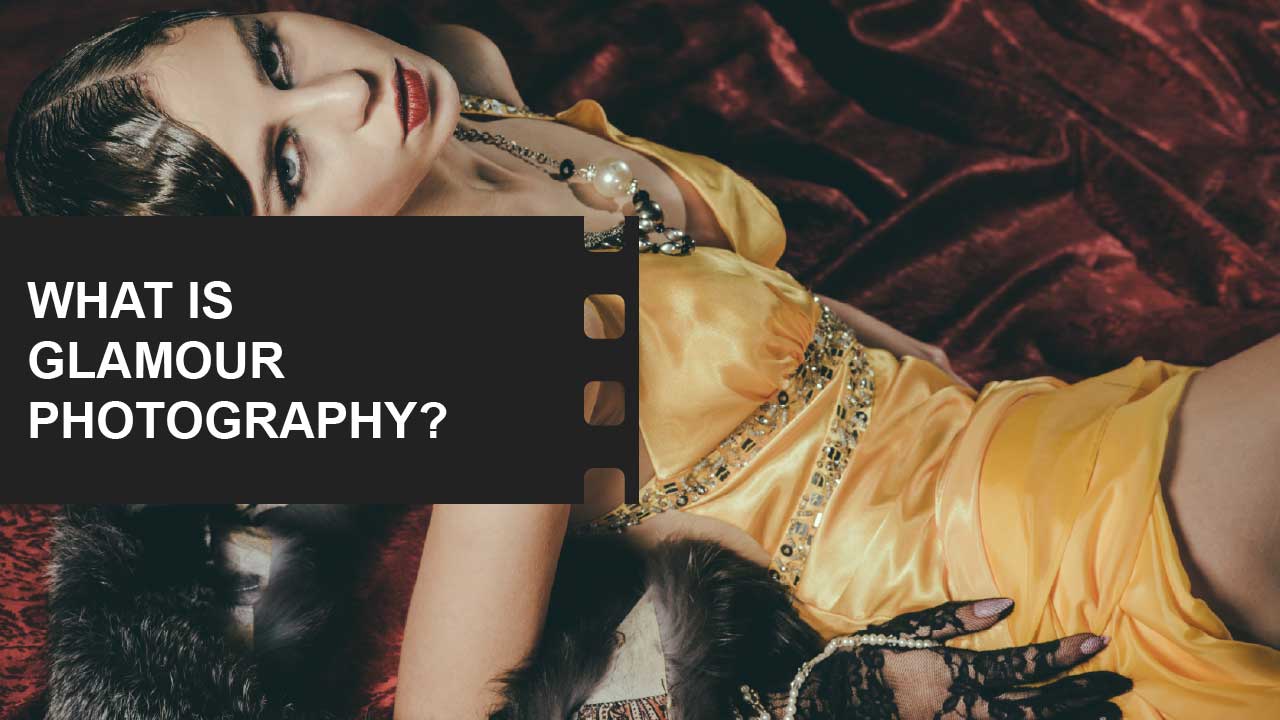
Glamour photography is a portrait genre that shows a person in an attractive, carefully controlled way. The subject may be fully clothed, in lingerie, or nude, but the defining idea stays the same: styling, posing, lighting, and retouching are used to highlight beauty and confidence while keeping the result tasteful and intentional.
If you’re still building your foundation, it pairs well with FilmDaft’s primer on portrait photography and the broader overview in Types of Photography: Genres, Styles & Techniques.
Glamour vs. Portrait vs. Fashion (so you don’t plan the wrong shoot)
These three genres can look similar at a glance: a person, a camera, a nice pose. The difference is what the photo is “about.” Once you know that, decisions like wardrobe, lighting, and framing become much easier.
- Portrait photography aims for personality, emotion, and character. It can be simple or conceptual, but it’s usually about who the person is. (See: Portrait Photography 101.)
- Fashion photography is usually about the clothing and accessories, and often serves a brand or campaign.
- Glamour photography is about presence and appeal: the subject is deliberately styled and posed to look their best.
So if portrait is personality and fashion is product, glamour is presentation.
Types of Glamour Photography: Classic, Modern, and Male Styles
Glamour isn’t one single look. Over time, it has branched into recognizable styles, some rooted in Hollywood history, others shaped by modern branding, editorial trends, and personal photography.
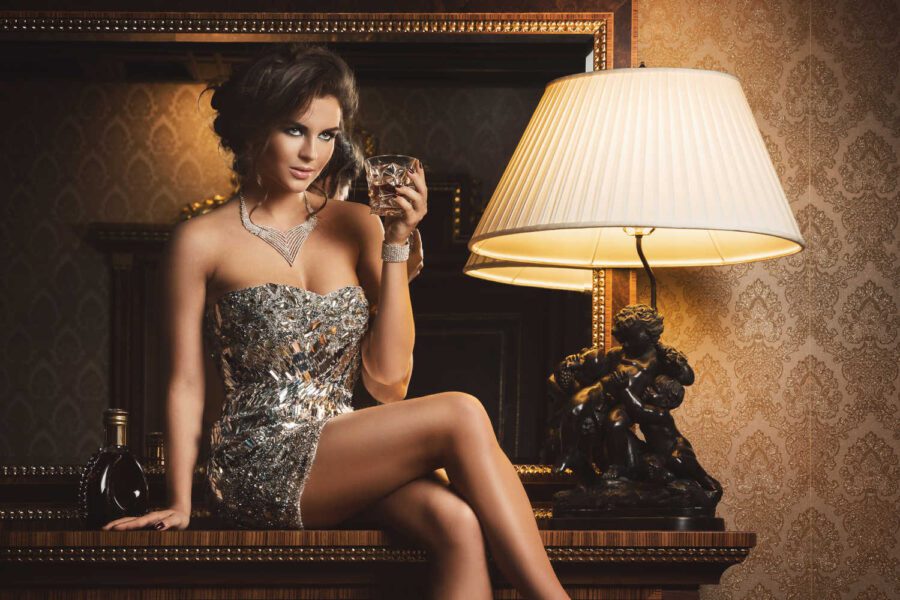
What sets glamour apart from fashion or portrait photography is the focus on physical presence. The subject is posed, not “caught,” and every choice is made to flatter.
Classic Glamour Photography
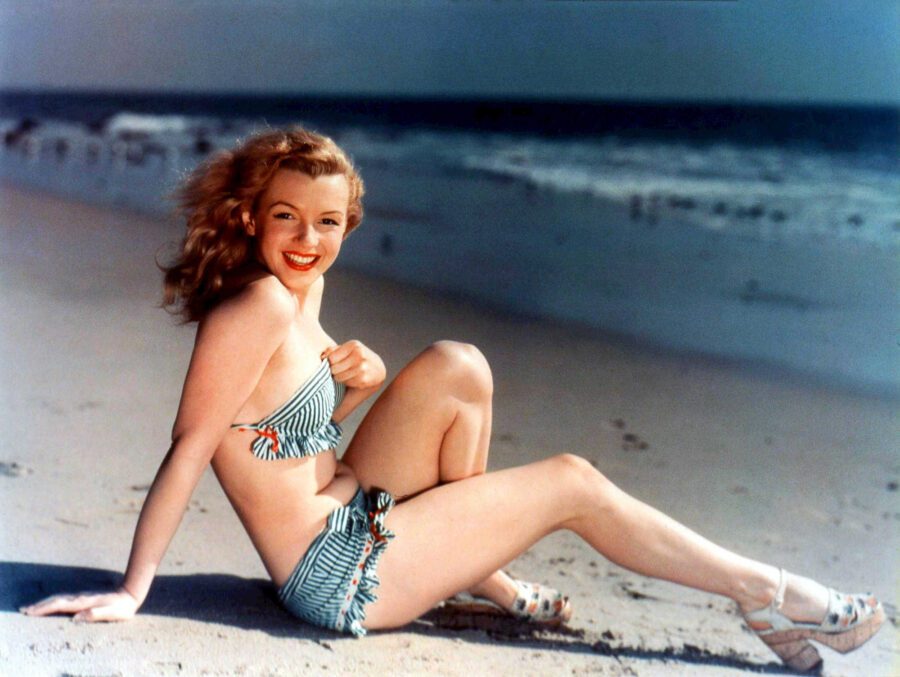
Classic glamour grew out of postcards, calendar girls, and studio publicity portraits. It was designed to be eye-catching and controlled, suggestive, sometimes playful, but typically not explicit.
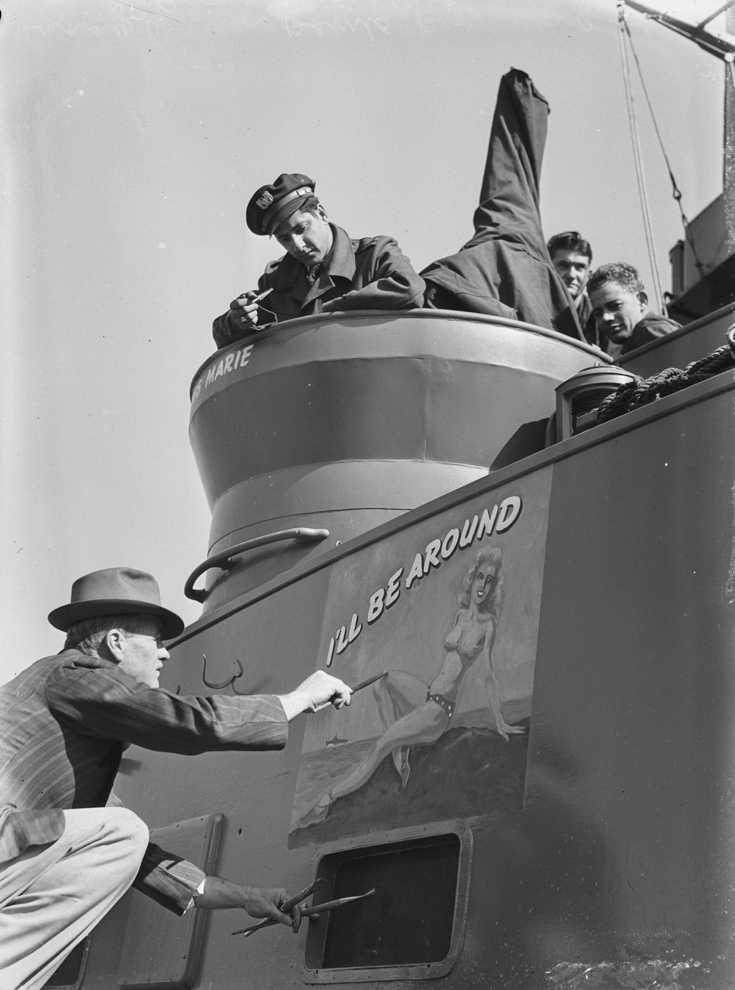
The style spread widely during World War II, especially through pin-up photography. These images appeared in posters, calendars, and magazines aimed at soldiers—flirty, cheerful, and meant to lift morale without crossing into explicit content.
By the 1950s, glamour and Hollywood stardom were practically linked. Magazine covers and studio headshots cemented a look that’s still referenced today: strong poses, styled hair, defined lips, and flattering studio light.
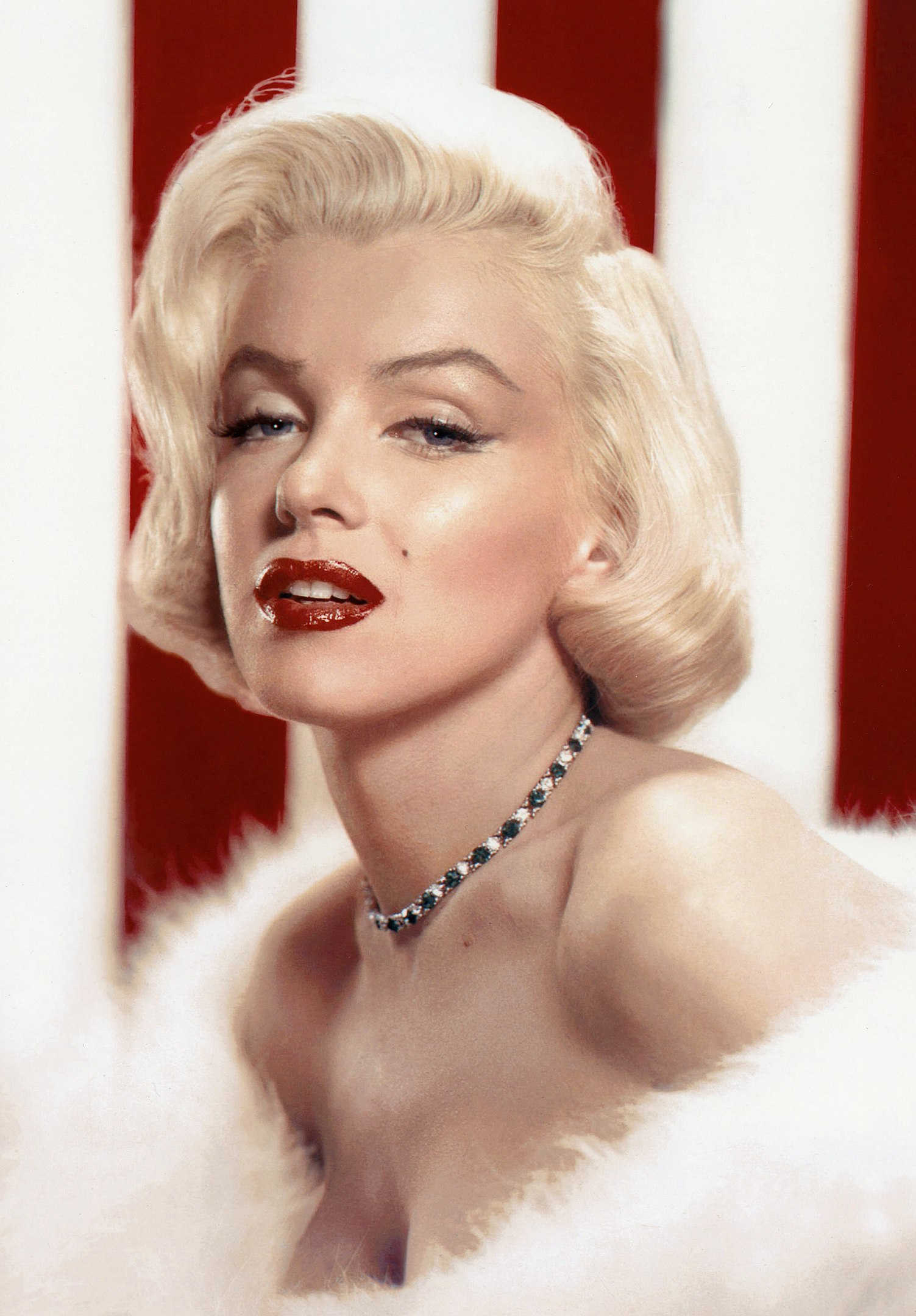
Actresses like Betty Grable and Marilyn Monroe turned pin-up glamour into something iconic. Even if you’re shooting a modern session, you’ll still see the same ingredients show up: confident body language, controlled lighting, and clear styling choices.
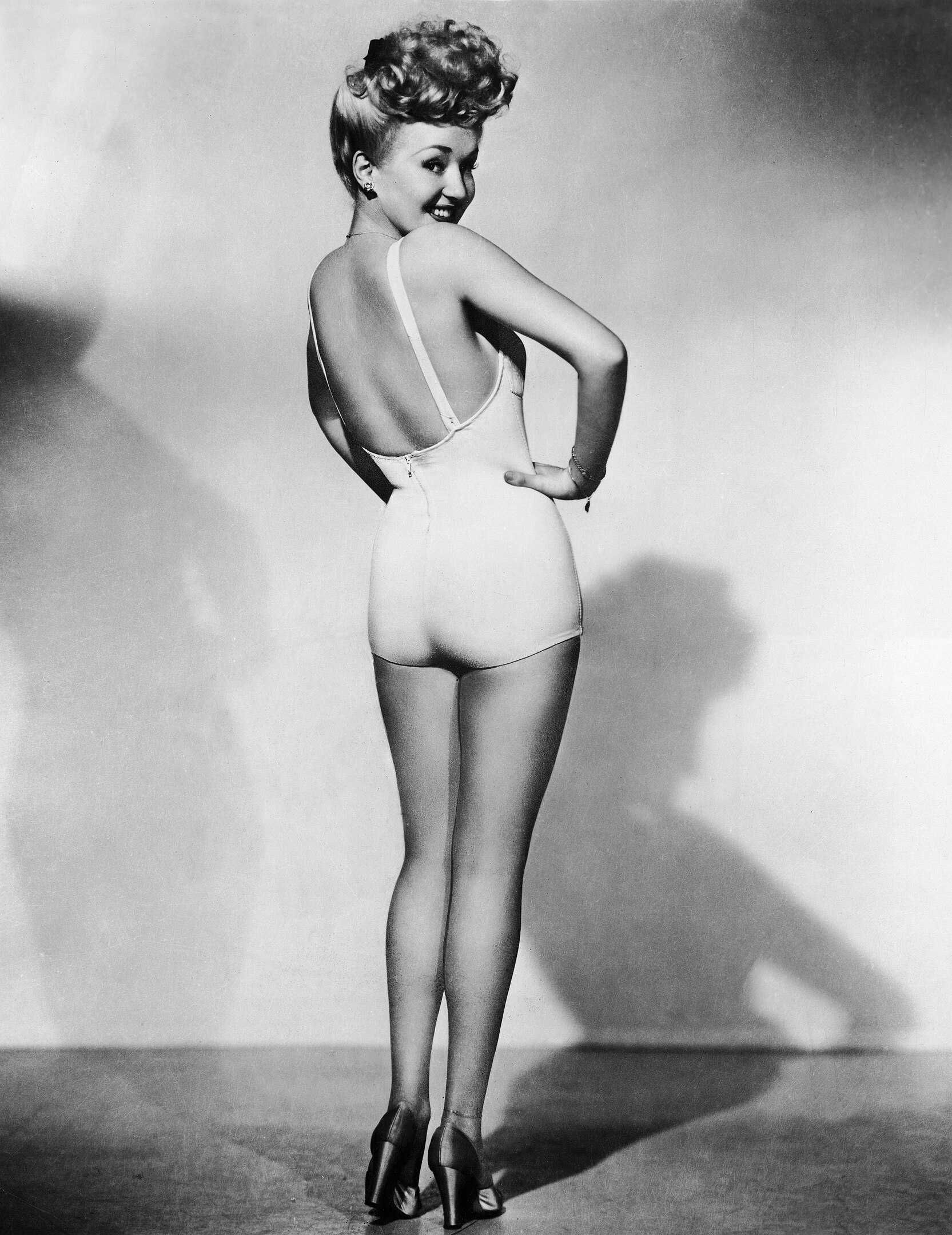
If you want to reference classic glamour without copying it, the easiest way is to borrow the “shape language” (pose + light + styling) and then modernize the setting or expression.
Modern Glamour Photography
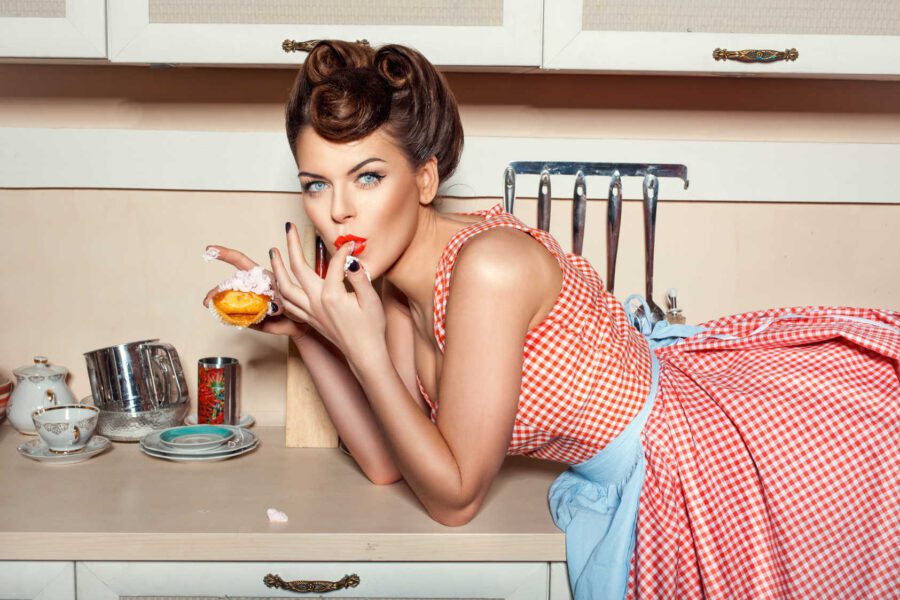
Modern glamour is cleaner and more flexible. It shows up everywhere (from influencer portraits to magazine features to personal branding) because it can look polished without needing a full “Hollywood set.”
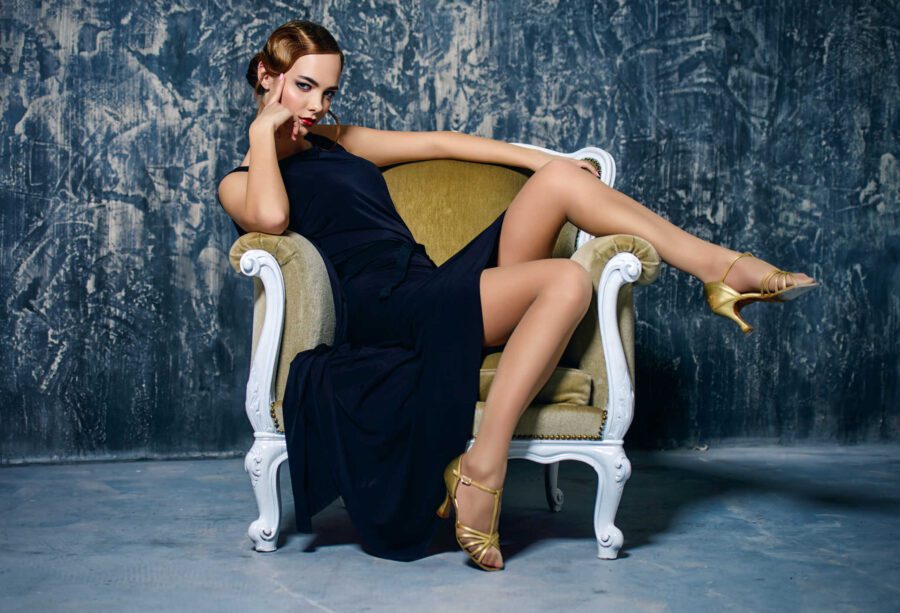
Most modern glamour uses soft, diffused lighting to smooth skin and create gentle transitions. If you want more structure and drama, FilmDaft’s portrait lighting setup guide is a useful next read.
You’ll also see modern glamour used in business contexts. If your goal is “polished but still you,” it overlaps heavily with brand photography and commercial photography.
Boudoir Glamour Photography
Boudoir is a more intimate branch of glamour. It’s often shot in private spaces like bedrooms or hotel rooms, and the tone is usually soft, personal, and calm. Because it can be emotionally vulnerable, the best boudoir sessions are built on trust, boundaries, and clear communication.
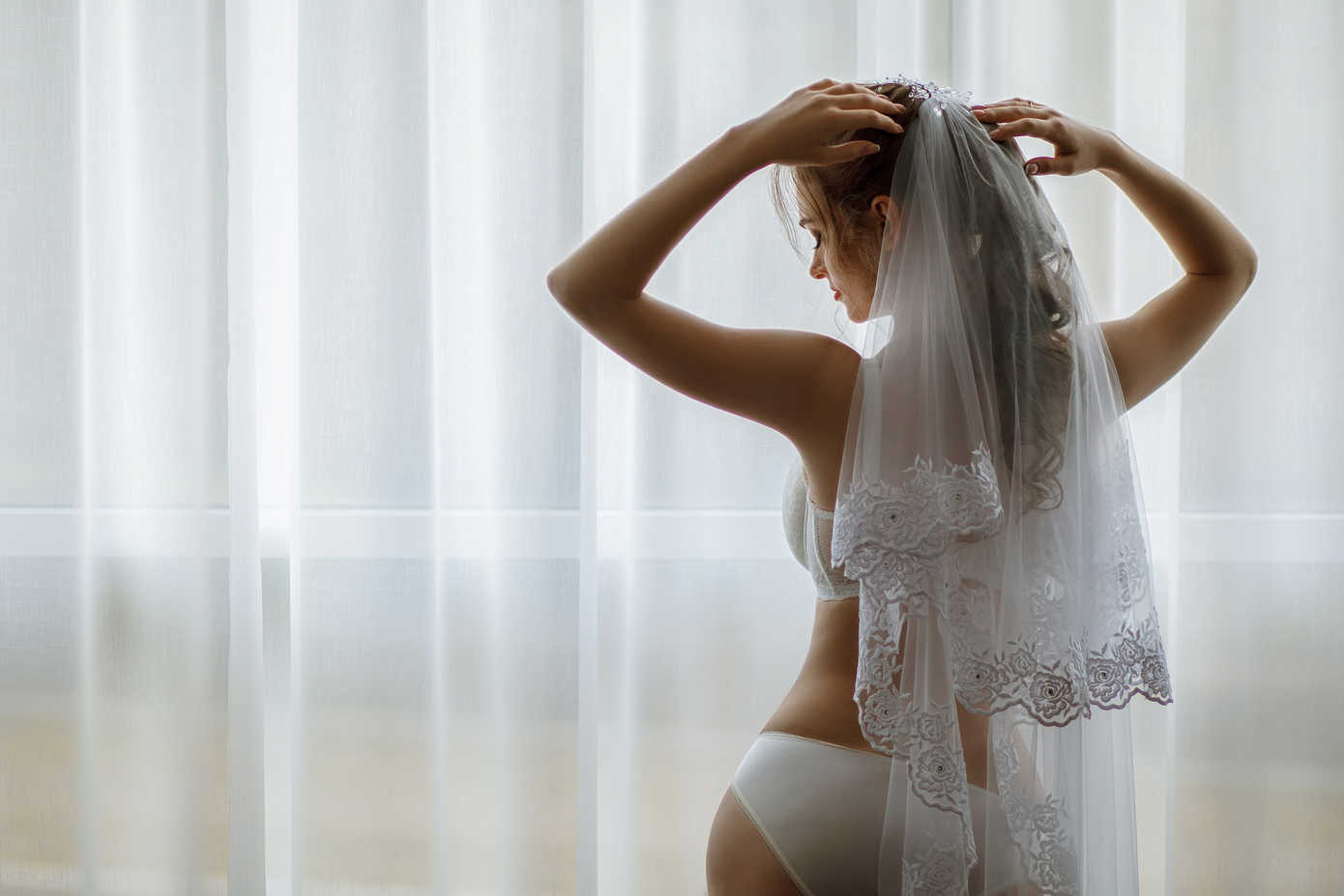
One practical way to learn boudoir quickly is to watch how other photographers handle posing and light without turning the session into a high-pressure performance.
Boudoir is both professional and personal
Not every boudoir shoot has the same purpose. Some sessions are commercial (selling lingerie or a brand image), and others are private (capturing confidence, celebrating a milestone, or creating a personal gift). The approach changes depending on which one you’re doing.
Professional boudoir-style shots are often made for editorial or brand use. The styling can be “intimate,” but the intent is commercial: the photo supports a product, campaign, or visual identity.
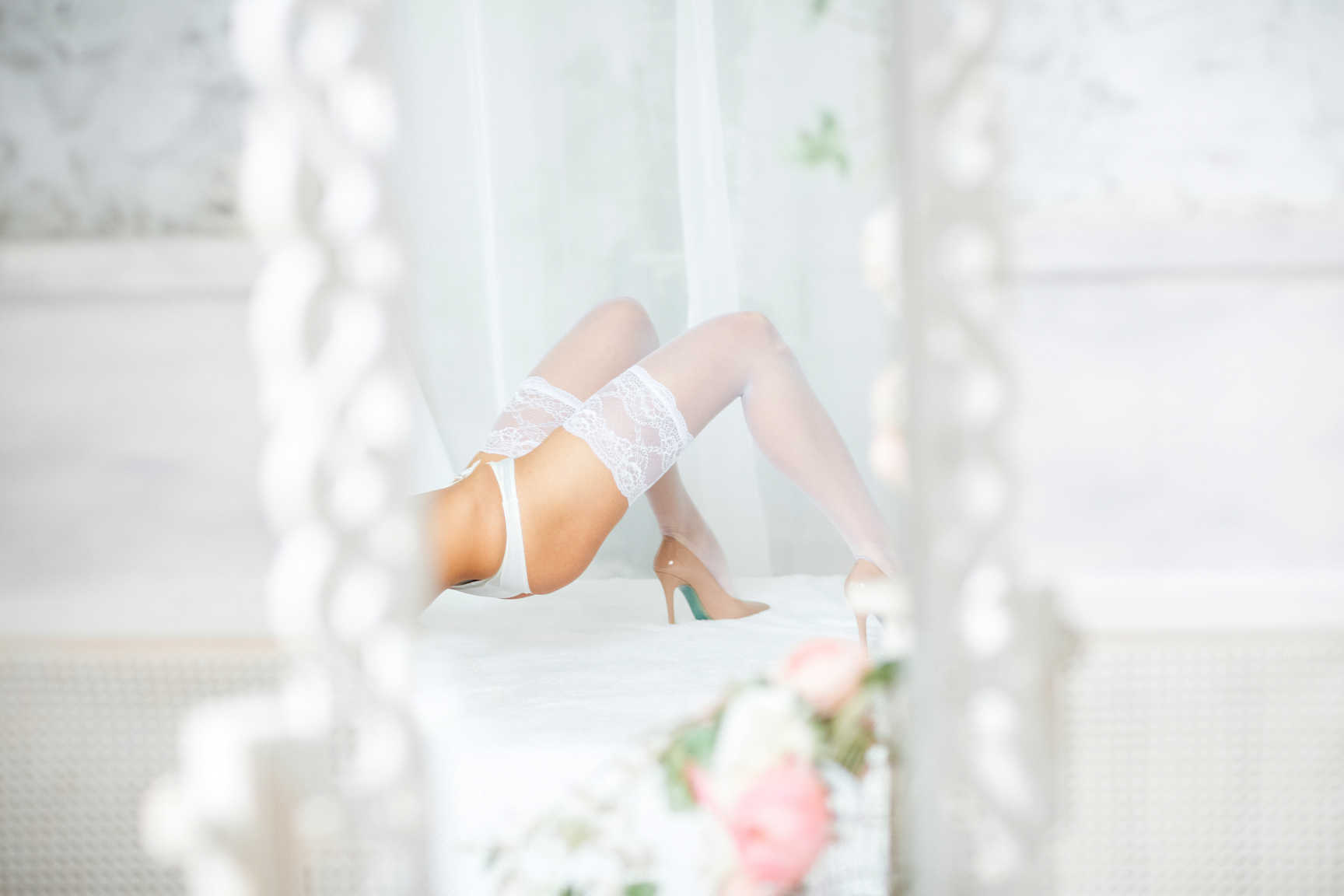
Personal boudoir is different. It’s usually booked by everyday people for confidence, self-image, relationships, or life moments (weddings, birthdays, pregnancy). In personal boudoir, privacy and comfort matter as much as the visuals.

Whatever the reason for the shoot, the goal is the same: the subject should feel safe, respected, and in control of how they’re shown.
Beefcake Photography (Male Glamour)
Beefcake is the male version of classic glamour. It focuses on strength, shape, and physical presence, often emphasizing the upper body or full figure with bold lighting and confident poses.
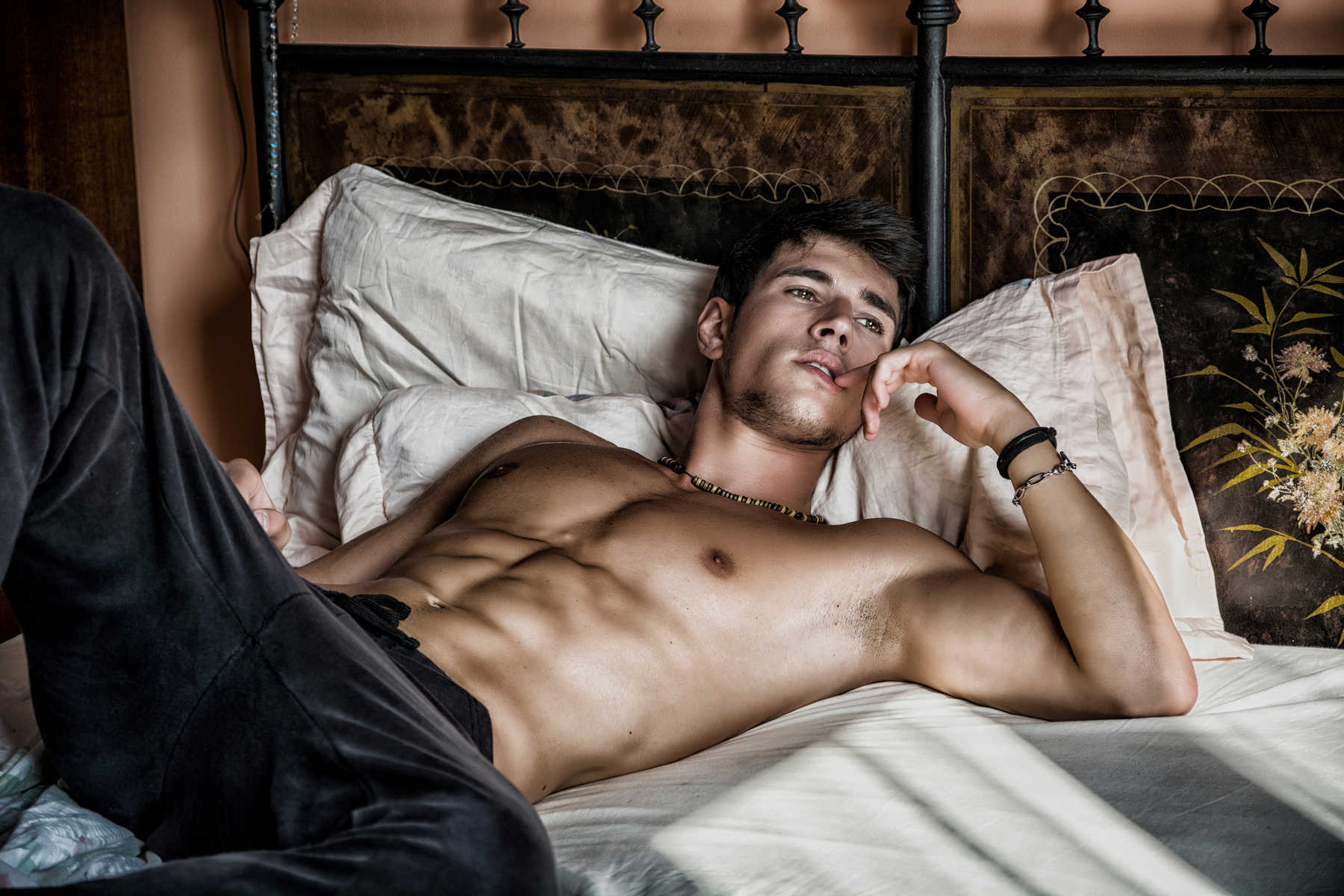
The key is tone. You can show a lot of skin without making the image feel disrespectful. Most of that comes down to expression, pose, and how you light the body.
Fantasy or Themed Glamour
Themed glamour blends glamour with storytelling. If classic glamour is “movie star” and boudoir is “intimate,” themed glamour is closer to “character.” Costumes, props, and sets do more work, and the image can lean toward editorial or fine-art territory.
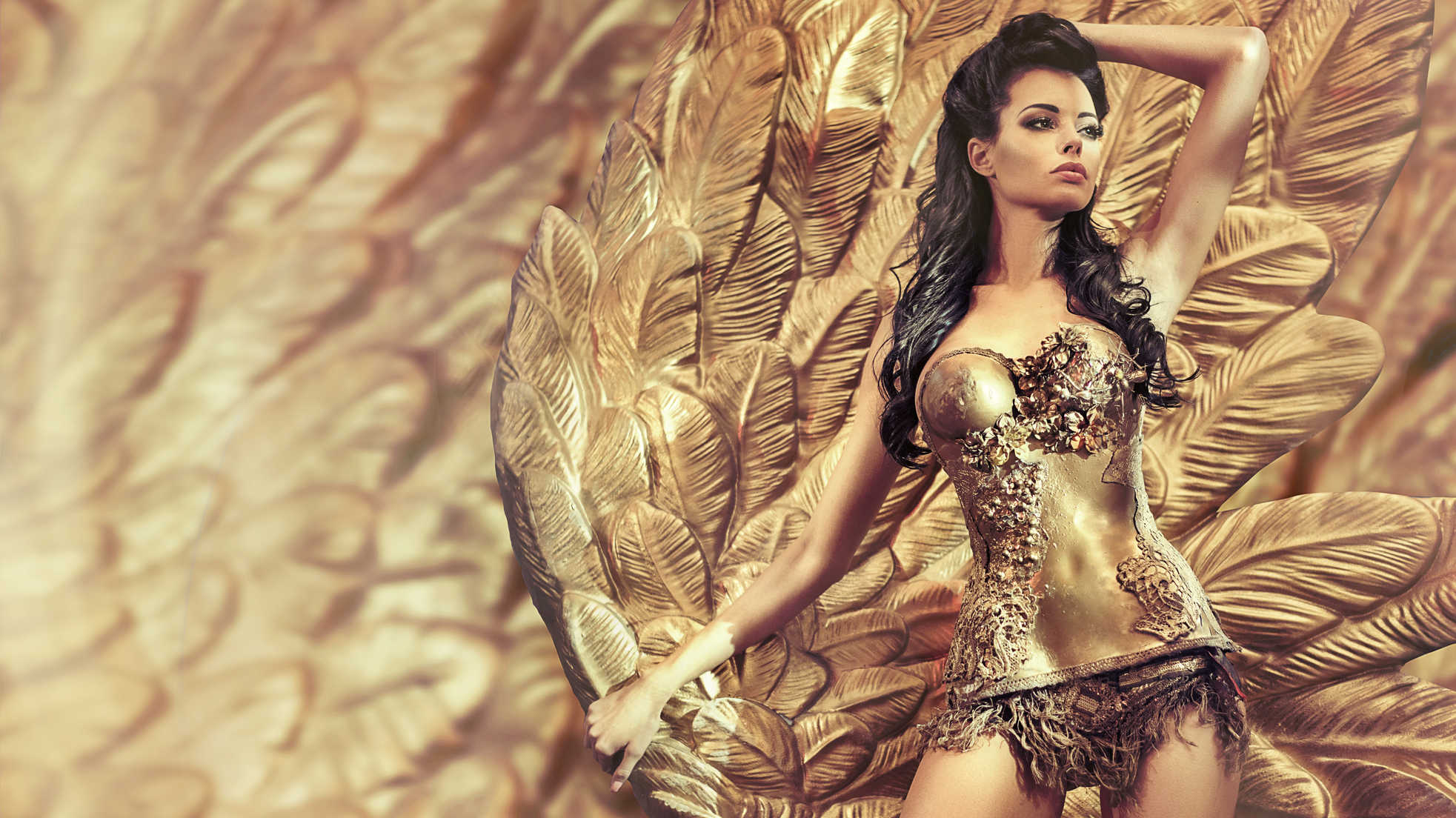
If you like building a concept first and then designing everything around that idea, you’ll probably enjoy FilmDaft’s guide to conceptual photography as well.
How to Shoot Glamour Photography: Lighting, Posing, Styling
A strong glamour image is rarely “just a good photo.” It’s a stack of good choices: the mood, the styling, the pose, the light, and then a final round of careful editing. Miss one piece and the whole thing can feel slightly off.
Step 1: Plan the Look and Mood
Start with the feeling you want: romantic, bold, playful, dramatic, clean, vintage, cinematic. Once you name the mood, everything else gets easier, especially wardrobe choices and lighting direction.

If you need a simple planning structure, teach yourself to think like a producer: pick a goal, pick a look, pick a location, and then make a short shot list so you’re not improvising the whole time.
- Warm-up: easy standing poses to relax shoulders and hands
- Hero look: your best outfit + best light + clean background
- Variation: change jacket, hairstyle, prop, or angle
- Close-ups: beauty frames with strong eye contact
- Bonus: one “risk” idea (gel, silhouette, dramatic pose)
Step 2: Style and Pose the Subject
Glamour styling is less about “expensive” and more about intentional. Fit matters. Wrinkles matter. Hair shape matters. Even small things (like how shiny a fabric is) can change how easy the photo is to light.
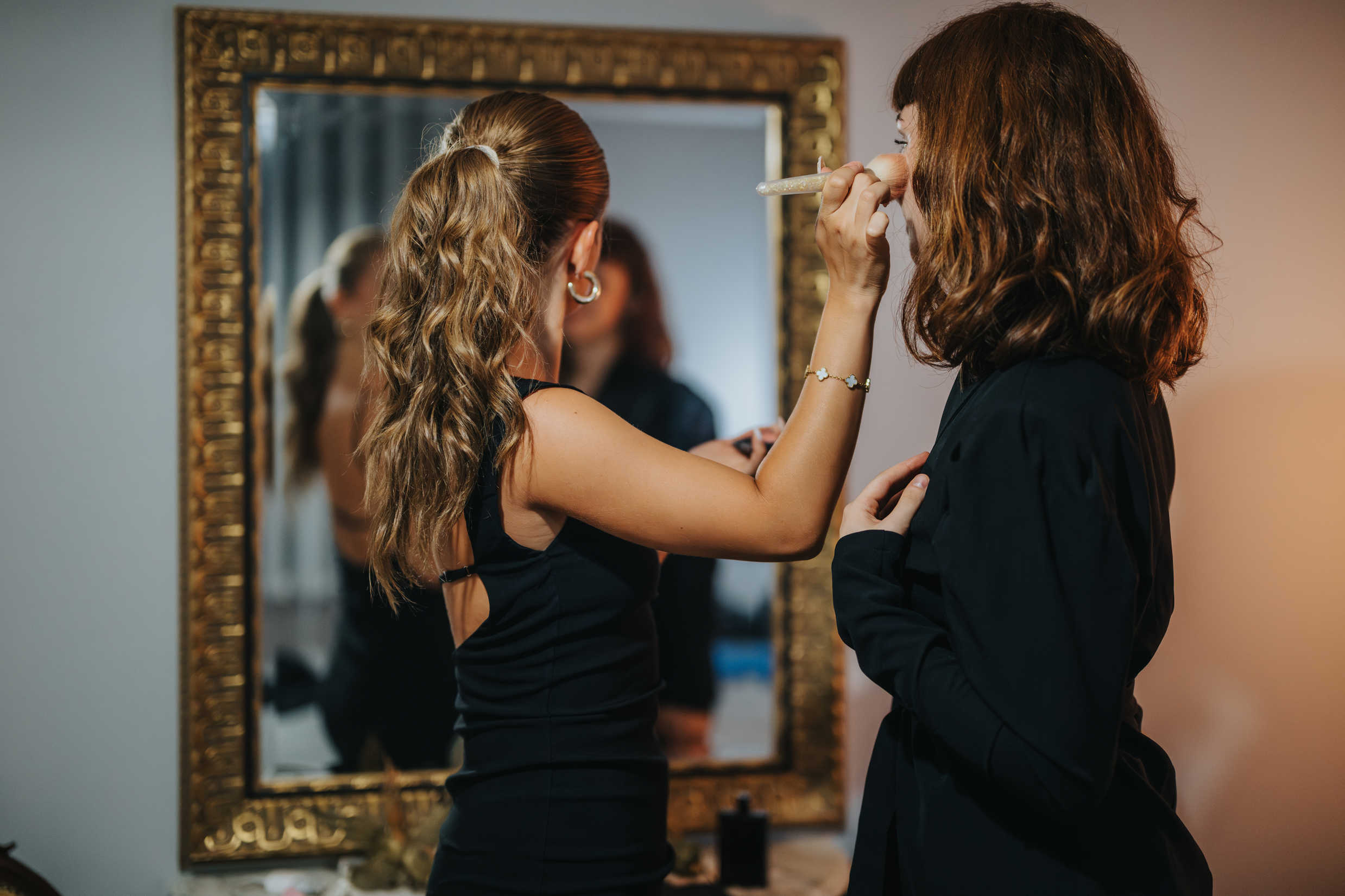
Posing is where most glamour sessions either click or collapse. A helpful trick is to give actions instead of freezing someone into a “pose.” Movement keeps the body looser and the face more natural.
- “Shift your weight to your back leg and soften the front knee.”
- “Turn your shoulders slightly away—now bring your eyes back to me.”
- “Fix your hair slowly like you’re checking a mirror.”
- “Take a breath in… and let your hands relax as you exhale.”
- “Walk one step toward me and stop like you just heard your name.”
Step 3: Use the Right Light
Glamour lighting is usually soft, but it shouldn’t be flat. The goal is to wrap light around the subject while still shaping the face and body with gentle shadows.
Soft, diffused light is the standard starting point. When you want a more sculpted look, dig deeper into portrait patterns in the portrait lighting setup guide.
If you like the old Hollywood feeling, you can also learn a lot by watching classic continuous-light setups. The placement principles are the same whether you use continuous lamps or flash.
For a simple home setup, place your soft key light slightly above and in front of the subject. Then use a reflector near camera to lift shadows. This keeps skin smooth while still letting cheekbones and jawlines show some shape.
Step 4: Retouch with Care
Retouching is part of glamour’s tradition, but “more” isn’t better. The most flattering edits usually keep skin texture and focus on tone: even out color, clean up small distractions, and gently shape light and shadow.
If you want a technical walkthrough of common Photoshop retouching techniques, this tutorial covers the basics. Just remember to stop before the subject looks plastic.
One more tip that saves you time: a lot of “retouching problems” are really lighting problems. The cleaner your light is, the less you have to fix later. If you want that deliberately dreamy, classic glow instead of crisp modern sharpness, FilmDaft’s guide to soft focus is a good companion piece.
Consent, boundaries, privacy, and releases
Glamour can involve vulnerable moments, especially in boudoir sessions. That’s why the best photographers run the shoot like a professional set: clear boundaries, simple rules, and a comfortable environment. You just need a reliable process.
Here’s a practical workflow that keeps things respectful without making the session awkward.
- Write the brief: mood, wardrobe level, nudity (if any), and how images will be used.
- Set “hard no” boundaries before anyone changes outfits (poses, angles, areas, themes).
- Keep the set closed for intimate shoots: only essential crew, no unnecessary spectators.
- Check in often when moving to new pose categories or wardrobe changes.
- Agree on delivery + privacy: proofs, selections, storage, and whether anything can be posted publicly.
If you want a useful mindset example from film production, FilmDaft’s breakdown of how sex scenes are filmed in movies is a good reminder of why boundaries and closed sets matter.
Common glamour mistakes (and the quick fixes)
Most glamour mistakes are small issues that pile up. The good news is that they’re easy to spot once you know what to look for.
- Flat light → reduce fill, add gentle shadow shaping, and learn diffusion basics from diffused light.
- Stiff hands → give hands a job (hair, collar, chair edge) and soften the fingers.
- Busy background → simplify the scene and separate the subject from the background.
- Awkward camera distance → step back and use a longer lens look to avoid distortion.
- Over-retouching → keep texture; polish tone and small distractions instead of blurring everything.
Summing Up
Glamour photography is about confidence and control. Lighting, styling, posing, and editing all work together to show someone at their best. When it’s done well, the image feels polished without feeling fake, and the subject walks away feeling like they were seen, not “fixed.”
Read next on FilmDaft:
- Photography hub
- Portrait lighting setup guide
- Brand photography
- Conceptual photography
- Soft focus (dreamy look)
Read Next: Want to level up your photography skills?
Explore our Photography section for guides on lighting, composition, camera settings, and creative techniques across genres like portrait, landscape, and street.
Whether you’re shooting on a mirrorless camera or your phone, you’ll find sharp, practical tips to take more intentional and creative photos.
Also check out our Visual Composition section, with deep dives into framing, color psychology, and visual art history—key tools for any photographer thinking like an image-maker.
