

Published: September 8, 2025 | Last Updated: September 17, 2025

What is What is Soft Focus in Photography? Definition & Meaning
Soft focus is a photographic effect in which a lens intentionally introduces spherical aberration to blur fine texture while keeping contrast at high‑contrast edges, resulting in a slightly diffused but still recognizable image.
Soft focus creates a gentle glow around highlights while preserving overall form. Soft focus is often used in portraiture, glamour shots, romantic scenes, or any photo that benefits from reduced detail and smoother texture.
The key difference from an out-of-focus image is that soft focus still keeps the subject clear and structured, only the fine details are softened.

How Soft Focus Works in Photography
Soft focus works by changing how light behaves inside the lens. Instead of forming perfect points of focus, the light spreads slightly, which reduces fine texture and gives the image a glowing look. The soft blur is created on purpose and can be controlled depending on how the lens or setup is used.
Some lenses are made to create this effect by introducing spherical aberration. Others use filters or post-processing to mimic the look. The result is a gentle haze that softens edges but keeps the subject readable.
How to Create and Control Soft Focus Effects
You can create soft focus with gear, homemade tools, or editing software. The method you use depends on your budget, subject, and how much control you want over the final result. Each technique has its own level of softness and visual impact.
Soft-focus lenses
You can get dedicated soft-focus lenses specifically designed to create blur through their optical properties. Some include adjustable settings for different levels of softness. Lensbaby Velvet lenses or the Trio 28 are good choices.
With soft-focus lenses, stopping down the aperture reduces the effect. Wider apertures increase softness. Some specialty lenses include sieve discs or element spacing controls to fine-tune the aberration directly.
Some vintage lenses also have a soft-focus character. I can recommend the Helios 44-2, which creates a soft depth of field, not unlike some of the Lensbaby lenses.
Diffusion filters

Lens filters like Tiffen Pro-Mist or Moment CineBloom are excellent choices for a more soft-focus look on modern cameras, which I often find a bit too sharp, especially for video work, but also if I want to achieve a more nostalgic, dreamy look in my photography.
The filters help reduce detail and scatter highlights. They’re easy to control and can be swapped out quickly. The Tiffen Pro Mist 1/4, for example, never leaves my Sigma 18-35mm lens.
DIY methods
Stretching sheer fabric (like pantyhose or gauze filters) over the lens or applying Vaseline to a clear UV filter can add haze. Always use a protective filter, not the lens itself, when you use the Vaseline trick!!! Also, note that it takes some practice to smear the Vaseline in a way that it looks cool on camera.
Post-processing
You can use editing software such as Lightroom or Photoshop to simulate soft focus using clarity sliders, highlight bloom, or glow effects. You can never achieve exactly the same organic look of a lens, but you can get fairly close.
When to Use Soft Focus in Photography
Soft focus is most useful when you want to soften small details and shift attention to shape, color, or emotion. It’s common in portrait, wedding, and creative photography, where mood matters more than texture. Below are examples of when soft focus helps the final image.
- Portraits: Smooths skin, reduces blemishes, and gives a flattering look.
- Weddings and romantic scenes: Adds glow and softens emotion-driven imagery.
- Artistic styles: Useful in impressionistic photography or dreamlike visual series.
- Nostalgic storytelling: Often used in flashbacks or memory sequences in film.
However, avoid soft focus when sharpness and clarity are essential. If you’re shooting products, technical subjects, or documentary work, you need clean focus and fine detail instead.
Soft Focus Examples in Film and Photography
Soft focus has been used for more than a century in both still photography and motion pictures. Artists use it to suggest memory, beauty, or emotion, especially in moments where sharp detail might distract from the subject’s feeling or mood.
Below are examples from both historical and modern work:
Julia Margaret Cameron
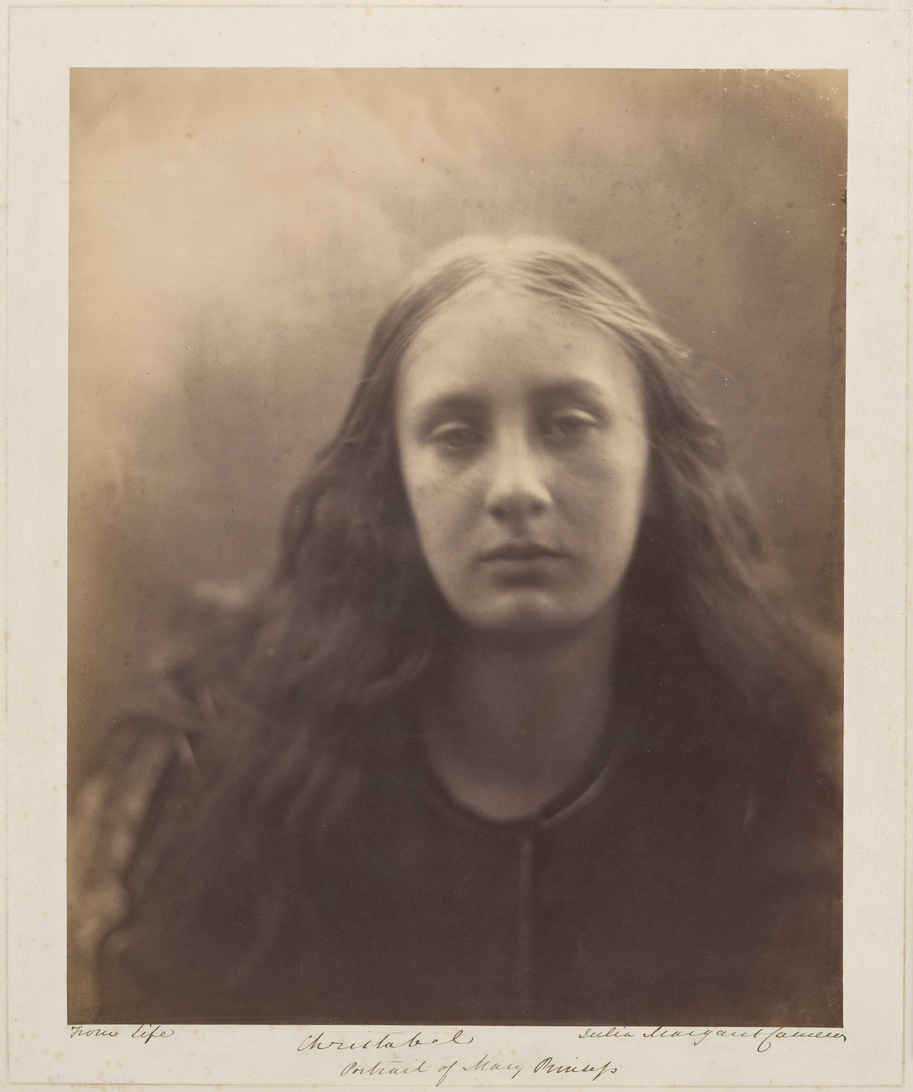
In the 1800s, Julia Margaret Cameron used soft focus to remove sharp details and direct attention to her subject’s face and expression. The blurred edges created a sense of intimacy and emotional depth, making her portraits feel timeless and personal.
Pictorialist photography
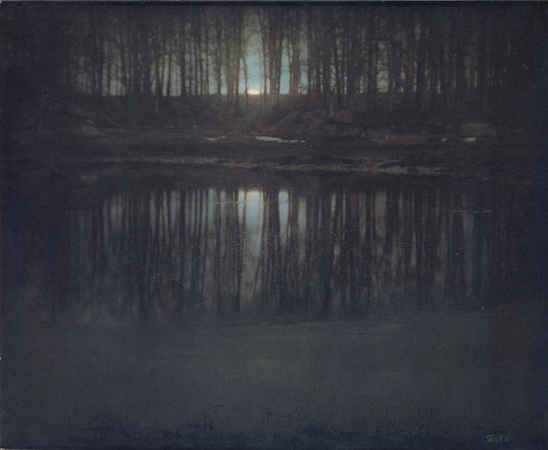
In the early 1900s, Pictorialist photographers such as Edward Steichen, Gertrude Käsebier, and Clarence H. White used soft focus to mimic the look of Impressionist and Romantic painting. They blurred edges, reduced contrast, and manipulated light to create images that felt more like hand-made art than mechanical recordings.
Classic Hollywood cinema
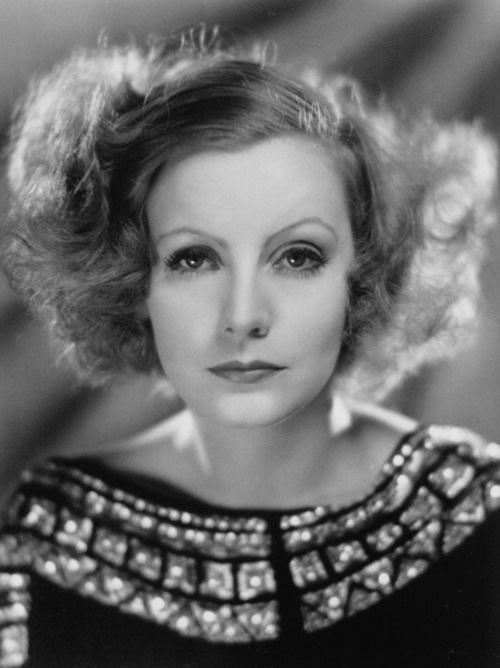
Soft focus was widely used to shape the public image of 1930s–40s film stars and photographers. Greta Garbo’s signature “Garbo Glow” came from gauze filters and soft lighting used by cinematographer William H. Daniels.
Marlene Dietrich’s face was sculpted with soft focus and glamour lighting in films like Shanghai Express (1932). Joan Crawford’s early portraits by Ruth Harriet Louise at MGM used soft focus, though later work by George Hurrell adopted a sharper style.
Norma Shearer was also frequently photographed in soft focus by Louise to emphasize glamour.
Modern films
Soft focus is also used deliberately in modern film, especially for dream sequences, flashbacks, or when something has to be viewed as magical or ethereal. Here are two good examples from low and high-fantasy films.
The first is a flashback from Harry Potter and the Half-Blood Prince (2009), and the second from The Lord of the Rings: The Fellowship of the Ring (2001):
Summing Up
Soft focus is a controlled blur effect that reduces fine texture and contrast while keeping the subject visible and readable. It works through optical aberration, diffusion, or post-production tools. Used well, it adds emotion, smoothness, and atmosphere, especially in portraits and cinematic scenes. The key is balance: soften without losing structure.
Read Next: Want to level up your photography skills?
Explore our Photography section for guides on lighting, composition, camera settings, and creative techniques across genres like portrait, landscape, and street.
Whether you’re shooting on a mirrorless camera or your phone, you’ll find sharp, practical tips to take more intentional and creative photos.
Also check out our Visual Composition section, with deep dives into framing, color psychology, and visual art history—key tools for any photographer thinking like an image-maker.
