

Published: September 4, 2025 | Last Updated: December 19, 2025

What is Long exposure photography? Definition & Meaning
Long exposure photography is a technique where the camera’s shutter stays open for a longer time, so moving subjects turn into blur while still objects stay sharp. As such, it is a type of time-lapse photography. You slow the shutter speed beyond the handheld range (usually below 1/30 of a second) to let the camera record motion across time. A crashing wave looks frozen at 1/1000 second, but becomes a soft mist at 10 seconds. That’s the core of long exposure: stillness meets motion in a single frame.
Best Subjects for Long Exposure

Long exposure works best when something moves and something else stays still. That contrast creates trails, blur, or light streaks.
Good examples include clouds sliding across mountains, waves washing past rocks, or cars forming light trails on busy roads.
You can also blur crowds in a street scene, turn waterfalls into smooth ribbons, capture fireworks, or capture stars rotating over a quiet landscape. The scene needs both motion and structure. Without both, the photo feels flat.
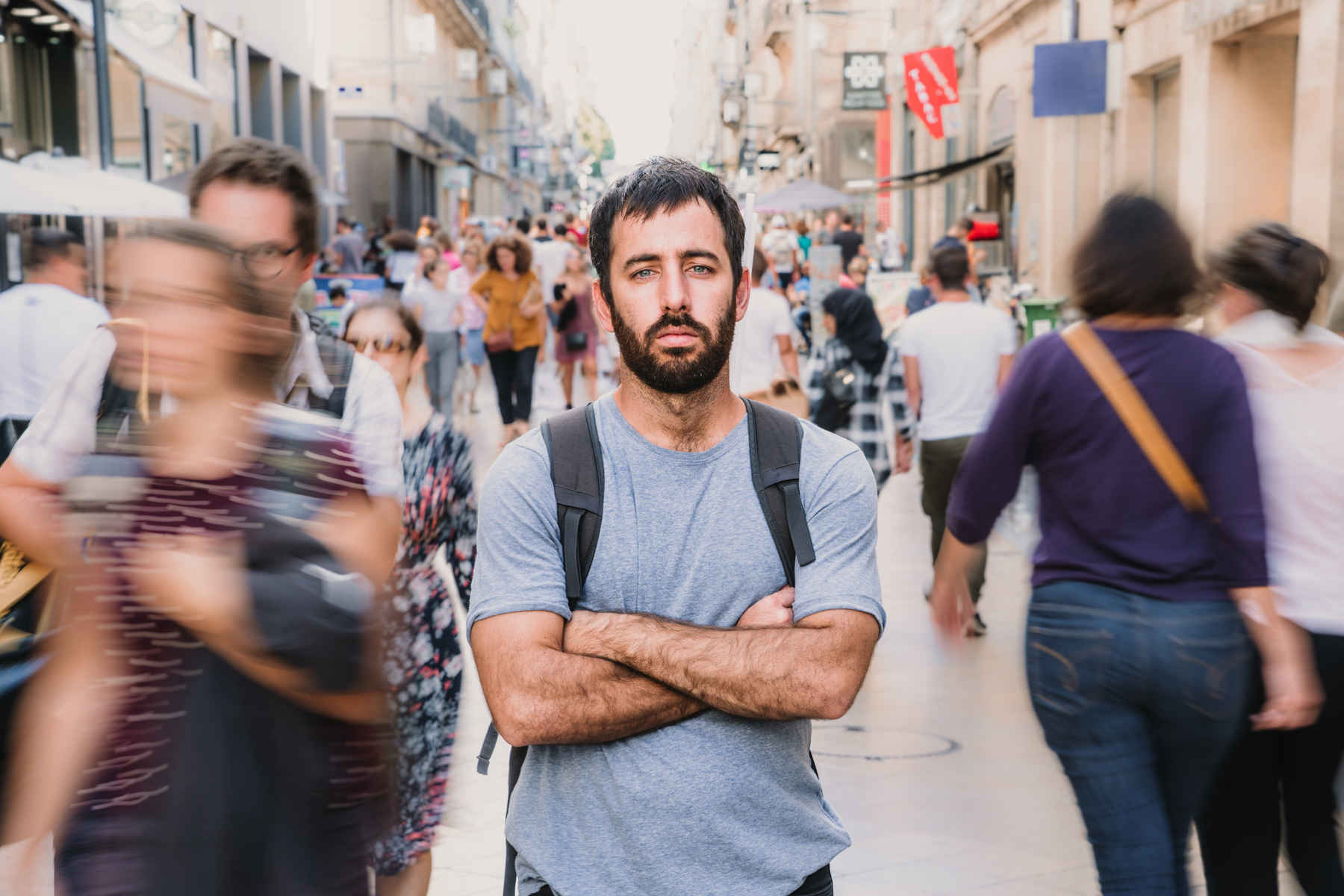
This style fits many genres. Landscape and cityscape photographers use it to smooth skies or water. Street and travel shooters use it to blur people or cars. Even portrait photographers can use it for creative effects if they lock the subject and allow motion behind or around them.
Gear You Need for Long Exposure

Since the shutter stays open longer, you need gear that gives you control and stability. Any DSLR, mirrorless camera, or phone with manual shutter speed works. A wide-angle lens helps capture large scenes with sky or water.
A sturdy tripod is non-negotiable; handheld photography isn’t an option if you want to use really long exposure times (although you can get by up to a certain point with cameras that have good image stabilization).

You’ll also want a remote shutter release or timer mode to avoid shaking the camera. Even a slight vibration can ruin a 10-second shot.
In daylight, you’ll also need filters to stop too much light from hitting the sensor. That’s where ND filters come in. Without one, your photo will be blown out as soon as the shutter stays open longer than a second.
How to Set Up and Shoot Long Exposure Photos
To capture a clean long exposure image, you need to set the right exposure, use an ND filter when needed, and follow a precise shooting process. This section combines all the key steps, from adjusting your ISO and aperture to taking the final shot.
- Mount your tripod and compose the shot. Find a scene with both movement and stillness. Lock your camera in place.
- Set ISO and aperture. Use ISO 100 to reduce noise. Start with an aperture between f/7.1 and f/13 to control light and keep sharp focus.
- Take a test shot without the filter. Get a correct base exposure using a fast shutter. Check the histogram to make sure the image isn’t overexposed or underexposed.
- Focus and switch to manual. Focus on the subject or set the hyperfocal distance. Then switch off autofocus to prevent refocusing after adding the filter.
- Add the ND filter. Attach it carefully so you don’t shift the camera or lens.
- Calculate your shutter time. Multiply your test exposure by the ND filter strength. For example, a 10-stop filter turns a 1/60 second shot into a 16-second exposure. Use a calculator app or chart if needed.
- Set your final exposure. Enter the new shutter speed manually. If it’s longer than 30 seconds, use Bulb or Time mode.
- Take the shot. Use a remote shutter release or your camera’s self-timer to avoid camera shake. After the shot, check for sharpness and correct exposure.
Planning Your Long Exposure Shoot
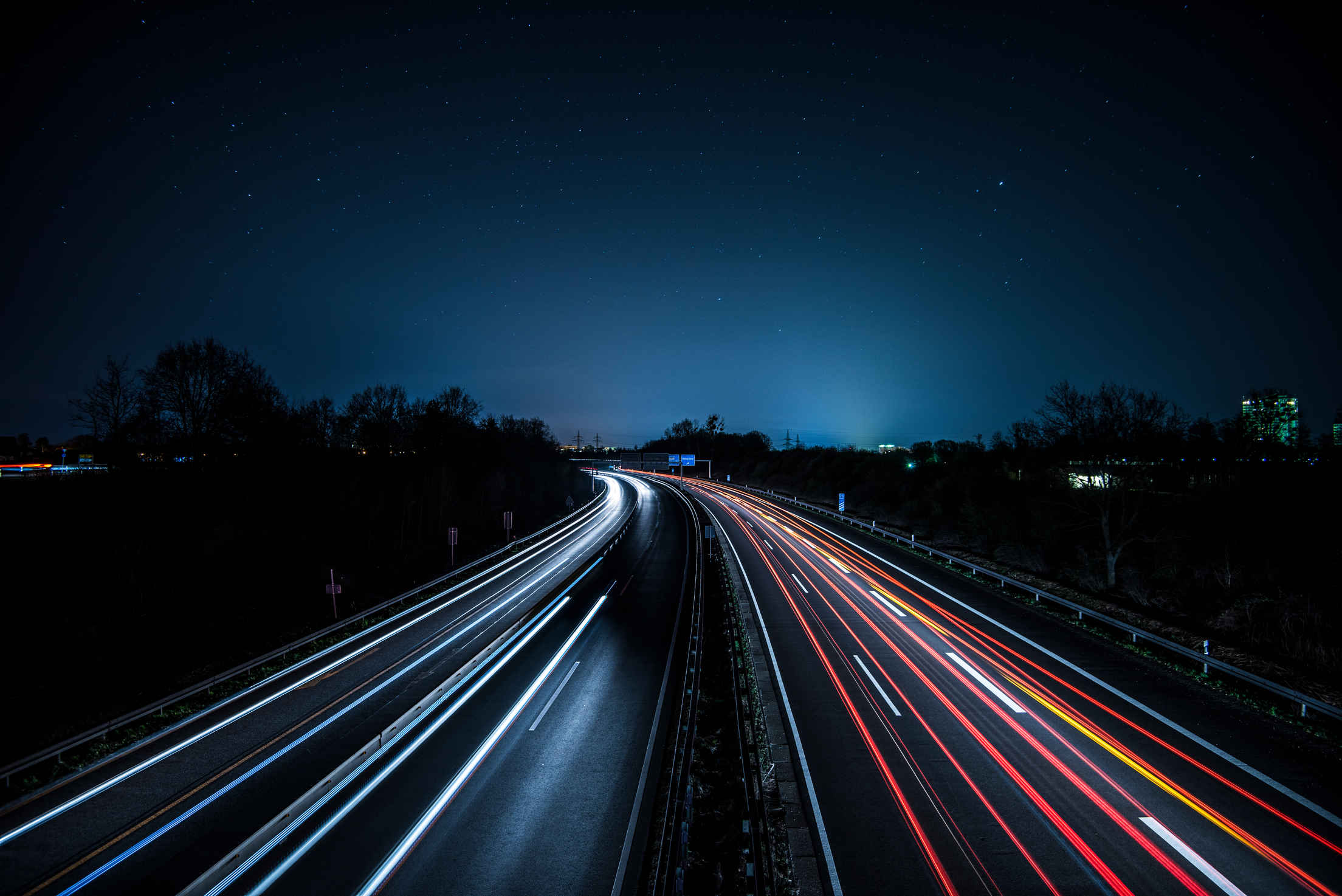
Planning makes a big difference. Weather, time of day, and light direction all affect motion blur. A great long exposure often starts before you even touch the camera. Scout your location ahead of time so you know where to set up.
Check weather apps for cloud movement or wind. Use sun trackers to time the golden hour or avoid harsh light.
Best Weather Apps for Photographers
These apps help you track cloud cover, wind speed, and changing weather conditions so you can time your shots with confidence.
- Clear Outside – Shows cloud cover in layers (low, mid, high), plus fog risk and visibility. Useful for day and night exposures.
- Windy – Gives real-time wind maps, cloud movement, and weather models. Great for predicting how fast clouds will move across your frame.
- Weather Live – Offers forecasts with wind, humidity, golden hour timing, and visibility—everything you need for location planning.
Sun and Light Tracking Apps
These apps show when and where the sun will rise or set. They help you plan for golden hour, blue hour, or avoid harsh midday light.
- PhotoPills – Tracks sun, moon, and Milky Way paths with overlays and AR tools. Also shows golden hour and exposure planning features.
- Sun Surveyor – Provides 3D sun path visualizations and golden hour timing in your camera’s field of view.
- GoldenHour.One – Highlights golden and blue hour with weather quality indicators so you know if the sky will look good.
- The Photographer’s Ephemeris (TPE) – Map-based app showing the sun’s angle, shadow length, and exact sunrise or sunset direction.
Common Long Exposure Mistakes
Even one small error can ruin a long exposure. These are the most common problems to watch for:
- tripod shake from wind or traffic
- blown-out images from weak filters or wide apertures
- losing focus after you add the filter; forgetting to cover the viewfinder (light leaks can ruin your shot)
- trusting the LCD instead of checking the histogram.
In other words, it’s best always to slow down and double-check your setup before hitting the shutter.
Summing Up
Long exposure photography uses slow shutter speeds to capture motion and time in a still image. It takes planning, control, and patience. You need strong gear, stable support, the right filters, and scenes that combine motion with structure. Once you learn how to balance exposure and calculate the timing, you’ll be able to create photos that show the world in a way your eyes never could.
Read Next: Want to level up your photography skills?
Explore our Photography section for guides on lighting, composition, camera settings, and creative techniques across genres like portrait, landscape, and street.
Whether you’re shooting on a mirrorless camera or your phone, you’ll find sharp, practical tips to take more intentional and creative photos.
Also check out our Visual Composition section, with deep dives into framing, color psychology, and visual art history—key tools for any photographer thinking like an image-maker.
