

Published: May 24, 2024 | Last Updated: February 23, 2026

Overview
A stock character is a recurring character type that readers and viewers recognize quickly because the role comes with familiar traits, behavior patterns, and story jobs.
What you’ve seen before: You have seen this when a story introduces a character, and you can quickly read their role, such as the hero, the villain, the wise old mentor, or the fool, before the story explains much backstory.
Example: In many fantasy stories, a young hero gets a mission, meets a mentor, and faces a dark enemy. The writer can move the plot quickly because you already understand what each role usually does.
Why it matters: Stock characters help you create quick clarity. They can save page space, support genre conventions, and make a scene readable fast. They can also become flat or clichéd if the character only repeats familiar traits without specific choices, pressure, and consequences.
- Key takeaway 1: A stock character is about recognizable function and pattern, not automatic quality.
- Key takeaway 2: A stock role can still feel fresh if you add clear motives, scene-specific behavior, and real consequences.
- Key takeaway 3: In film analysis, you should prove the label with evidence on screen, not just a vague impression.
The next section places stock characters inside a bigger writing and film framework, so you can use the term accurately in literature, screenplays, and scene analysis.
What Stock Character Means in Writing, Screenplays, and Film
Stock character starts as a writing term, but the idea also matters in screenwriting and film analysis. The core idea stays the same. The evidence changes with the medium.
A stock character is a shared narrative shortcut. It helps a story communicate a role fast through familiar patterns that audiences already know from earlier stories, theater traditions, genre conventions, and popular media.
In literature, the evidence often sits in description, dialogue style, social role, and repeated behavior on the page. In a screenplay, the evidence must be readable in action lines, character introductions, and filmable behavior. In film, the evidence expands to performance, costume, framing, sound, editing, and how the character changes the plot.
When you analyze a stock character, ask for proof: What repeated traits appear? What story function does the character serve? What details on the page or screen support that reading? This keeps the term useful and stops it from turning into a loose label.
Stock Characters in Writing and Literature
A stock character is a repeated character model that appears across many stories. The role stays recognizable even when names, settings, and plots change.
Common examples include the hero, the villain, the damsel in distress, the wise old man, and the fool. Each one carries familiar expectations about behavior, conflict, and story purpose.
How stock characters work
Stock roles work through recognition. A writer gives the reader a few strong signals, and the reader fills in part of the role from memory.
Those signals can include speech style, social position, costume description, moral framing, and how the character reacts under pressure. Because the pattern is familiar, the writer can spend more time on plot movement, tone, or theme.
How to recognize a stock character
You can usually spot a stock role by looking for a repeatable package of traits and functions.
- Fast readability: You understand the role early.
- Predictable function: The character serves a familiar story job in the plot.
- Shared cultural pattern: The role appears in many stories, genres, or eras.
- Limited variation: The character may have few traits beyond the role unless the writer adds depth.
Why writers use stock characters
Writers use stock characters because they help with clarity, speed, and structure. A short story, play, genre script, or comedy scene often needs fast role recognition.
Stock roles also help readers track genre conventions. A crime story, fairy tale, farce, or slasher often depends on familiar role patterns so the audience can focus on tension, twists, and outcomes.
Common mistakes and misreadings
A common mistake is to treat every familiar character as a bad movie cliché. A stock character can work well when the role serves the story and the writer gives the character specific behavior.
Another mistake is to use the label without proof. If you call someone a stock villain, you should explain which repeated traits and which story function support that claim.
A third mistake is to confuse stock character with stereotype. The two can overlap, but they are not the same term in analysis. A stock role describes a recurring narrative pattern. A stereotype usually points to an oversimplified idea about a social group.
Stock characters in commedia dell’arte
Commedia dell’arte is one of the clearest historical examples of stock-character writing and performance. This Italian theater tradition used recurring roles with familiar costumes, masks, movement styles, and relationship patterns.
Audience recognition mattered a lot. When a performer entered as Pantalone, Arlecchino, Il Dottore, or Il Capitano, the audience already expected certain behavior, status, and comic conflict.
This system shows the core mechanic of stock characters very clearly: repeatable role design gives the story quick readability, and the performer adds variation inside that framework.
Reference works on theater history regularly use commedia dell’arte as a clear example of stock-character systems because the tradition used recurring masks, role functions, and stock situations while performers varied their execution through performance.
Famous stock characters in history
Stock roles did not start in modern film. You can trace them across many storytelling traditions.
- Classical comedy: bragging soldiers, clever servants, strict fathers.
- Commedia dell’arte: masked comic types with fixed social roles.
- Elizabethan and Restoration theater: fools, lovers, jealous husbands, witty servants, tyrants.
- Melodrama and pulp fiction: pure heroes, scheming villains, endangered innocents.
- Genre cinema: mentors, final girls, hard-boiled detectives, comic sidekicks, femme fatales.
Stock character vs archetype
People often mix up stock character and archetype. The overlap is real, but the terms do different jobs.
An archetype usually refers to a broader, more universal pattern, such as hero, mentor, or trickster. A stock character is often a more specific and socially recognizable version of a role, with a familiar surface package and predictable function.
In practical writing terms, an archetype can help you think about deep story function. A stock character can help you think about quick readability and genre shorthand. If you want a direct comparison, see our guide to stock characters, archetypes, and tropes.
Common stock character archetypes and types
Stock character archetypes is a common phrase, but in practice, this section covers the most common stock character types used in literature and film. Here are the most common ones you will see in literature and film.
- The hero: pursues the main goal and faces major risk.
- The villain: blocks the goal and escalates conflict.
- The damsel in distress: endangered figure used to motivate rescue or urgency.
- The wise old man / mentor: guides, trains, warns, or frames the moral problem.
- The fool: creates comedy, exposes hypocrisy, or speaks truth through humor.
- The sidekick: supports the lead and helps reveal the lead’s traits.
- The love interest: adds emotional stakes and relational conflict.
- The comic relief: releases tension and changes scene rhythm.
Concrete Examples of Stock Characters in Literature and Writing
Stock-character analysis depends most on repeated behavior, story role, and how the character affects other people across scenes.
Example 1: Ebenezer Scrooge as the miser stock character in A Christmas Carol
What the stock role is: Scrooge begins as a clear miser type. He is cold, money-focused, and socially closed off.
How the writer makes the role readable: Dickens builds this role through repeated actions and attitudes. Scrooge rejects warmth, treats generosity as foolish, and responds to other people through cost and utility. The pattern appears early and stays consistent, so readers understand his role fast.
Why this is a good stock-character example: Scrooge starts from a familiar type, but the story uses that type as the base for change. This shows an important point: a character can begin as a stock character and still become more layered through the plot.
Example 2: Polonius as the long-winded counselor in Hamlet
What the stock role is: Polonius fits the verbose court adviser type. He gives advice, watches others, and tries to manage political and family situations through talk and control.
How the writer makes the role readable: Shakespeare gives Polonius a repeated behavior pattern. He talks at length, offers formal guidance, and inserts himself into situations where he believes he can manage outcomes. His role becomes clear through how often he advises, reports, and interferes.
Why this is a good stock-character example: The character works as a recognizable social type, but he also affects plot movement. His habits create friction, mistakes, and consequences in the larger tragedy.
Example 3: Lady Bracknell as the gatekeeping authority figure in The Importance of Being Earnest
What the stock role is: Lady Bracknell reads as a social gatekeeper and authority figure in drawing-room comedy.
How the writer makes the role readable: Wilde builds the role through controlled social judgment. Lady Bracknell tests status, family background, and suitability for marriage. Her dialogue style is polished and severe, but the key evidence is her repeated function. She controls access, sets standards, and blocks romantic progress.
Why this is a good stock-character example: The role is instantly readable in comedy structure. She becomes the force that turns social rules into conflict, which is exactly the kind of fast structural work stock characters often do.
Example 4: Uriah Heep as the obsequious schemer in David Copperfield
What the stock role is: Uriah Heep fits a classic scheming subordinate type who performs humility while seeking control.
How the writer makes the role readable: Dickens uses repeated self-presentation. Uriah presents himself as modest and lowly, but his behavior keeps placing him near power, influence, and manipulation. The role becomes clear because the same social performance keeps appearing while his motives become more suspect.
Why this is a good stock-character example: The character shows how a stock type can be built through behavioral repetition. Readers learn to watch the gap between what he says about himself and what he actually does.
Example 5: Sherlock Holmes and Dr. Watson as a stock pair in detective fiction
What the stock role is: Holmes and Watson form a durable detective-and-sidekick pair. Holmes makes unusual observations and deductions. Watson gives a grounded point of view and practical support.
How the writer makes the role readable: Arthur Conan Doyle builds the pair through role contrast. Holmes solves, notices, and reasons at a level others cannot match. Watson asks, reacts, records, and helps translate events for the reader. This repeated division of labor makes the pair easy to follow and easy to reuse across stories.
Why this is a good stock-character example: It shows that stock characters are not always single roles. Some stock patterns are relationship systems. The audience recognizes the pair dynamic as much as the individual characters.
Example 6: Falstaff as a comic braggart and evasive survivor in Shakespeare’s history plays
What the stock role is: Falstaff draws from the braggart and comic rogue tradition. He talks big, avoids danger when possible, and uses wit to protect himself.
How the writer makes the role readable: Shakespeare builds Falstaff through repeated comic behavior under pressure. He exaggerates, deflects blame, and uses language to reframe events in his favor. The role stays recognizable because his survival tactics appear again and again.
Why this is a good stock-character example: Falstaff shows how a stock role can still feel alive when the writer gives the character energy, timing, and a strong voice. The stock pattern gives the base. The scene behavior gives the character life.
What these literature examples show
Across prose and plays, stock characters become readable through the same core tools: repeated function, consistent behavior patterns, social role, and how the story uses them in conflict.
That is why this term matters in both literature and screenwriting. In a screenplay or film, the same logic still applies, but you prove it with visible and audible evidence such as performance, blocking, framing, and editing rhythm.
How to Use Stock Characters in a Screenplay
In screenwriting, stock characters still rely on familiar role patterns, but the script has to prove the role through filmable behavior and scene-level choices.
Start with the function, then add specific behavior
Define the character’s job in the story first. Ask what the role does in the plot: blocks the hero, guides the hero, tempts the hero, warns the hero, or exposes the hero’s flaw.
Then add specific behavior that belongs to your version of the role. This is where the character stops feeling generic. This is also where strong characterization begins.
- Weak: “wise mentor”
- Stronger: a retired mechanic who teaches through short tasks, avoids speeches, and hides guilt about a past failure
Write what the camera can prove
In a screenplay, you should write observable evidence. Do not rely on abstract labels in action lines.
Instead of writing “He is a stock villain,” show behavior the camera can prove: who he threatens, how he controls space, what he hides, what he repeats, and how other characters tense up around him.
Example (screenplay logic): If you want a fool type who also reveals truth, give the character a joke pattern that keeps landing on facts everyone else avoids. The reader can see the function in action.
Use point of view and scene pressure
A stock role gets better when you place the character under specific pressure. Pressure reveals who they are.
A hero reads as generic if the script only says “brave.” The role becomes clear when the hero chooses a costly action in a scene where delay would be safer.
A villain reads as flat if the script only gives threats. The role becomes stronger when the villain uses a clear method, targets a real weakness, and changes the hero’s options.
Avoid clichés by changing the execution, not only the label
You do not fix a cliché by changing the costume alone. You fix it by changing motive, tactics, scene behavior, or consequence.
- Subversion: Keep the familiar role, then change what the character wants.
- Compression: Use a stock role in early scenes, then reveal a deeper motive later.
- Combination: Blend two roles, such as mentor + con artist, or fool + witness.
- Reversal under pressure: Let the comic character make the most serious choice in a crisis.
Keep production-facing clarity
Stock characters often appear in scripts written for an ensemble cast. Clear writing helps actors, directors, and casting teams understand functions fast.
Use short, concrete introductions. Give one or two defining behaviors. Then let later scenes add depth through action, backstory, and consequences that can support a stronger character arc.
How to Analyze Stock Characters in a Film Scene
Use a repeatable method. This keeps your analysis grounded in evidence and helps you avoid loose labels.
A repeatable evidence-first method
- Describe what we see and hear: costume, posture, dialogue style, blocking, timing, reactions, sound cues.
- Identify the likely stock role: hero, villain, fool, mentor, damsel, sidekick, and so on.
- Name the function in the scene: guide, obstruct, warn, expose, distract, raise stakes.
- Explain how the film creates the effect: framing, performance, editing rhythm, sound, repetition.
- Check for complication: Does the film confirm the stock role, revise it, or critique it?
What counts as evidence in film analysis
Good film analysis uses observable details. You can describe a gesture, a cut, a line reading, a costume choice, or a repeated pattern.
If you connect the stock role to tone, motif, symbolism, or theme, explain the bridge clearly. Show the scene detail first, then explain the function. Do not jump to a big interpretation without scene proof.
Stock Characters in Film: Scene-Level Examples
The examples below use a consistent format so you can copy the method in your own analysis. The goal is not to force one label onto a character for the whole film. The goal is to show how a stock role can be read in a specific scene.
The hero stock character (film example)
What we see/hear: A central character accepts risk, moves toward danger, and becomes the main point of action in a crisis.
What the stock role is doing: The hero gives the audience a clear line of pursuit and responsibility. The role helps the story organize stakes around one core problem.
How the film creates the effect: Films often use central framing, reaction shots from others, and cause-and-effect editing that ties the next major beat to the hero’s decision. Dialogue may also position the hero as the one who must act.
The villain stock character (film example)
What we see/hear: A character blocks the main goal, threatens other characters, or controls events through fear, force, manipulation, or planning.
What the stock role is doing: The villain concentrates the conflict. The role gives the story a visible source of pressure and escalation, and it often overlaps with the antagonist function.
How the film creates the effect: Performance, blocking, and camera distance often create dominance or unpredictability. Editing can delay information or hold reaction shots to increase tension around the villain’s choices.
The love interest and damsel in distress stock character (film example)
What we see/hear: A character becomes emotionally important to the lead and may also become a target, hostage, or rescue objective.
What the stock role is doing: The love interest can raise emotional stakes. The damsel in distress version adds urgency, rescue structure, and motivation for action.
How the film creates the effect: The film often builds attachment first through shared scenes, then increases danger through separation, confinement, or threat. Better modern versions keep the endangered character active, with choices that affect the outcome. In some genres, this role can overlap with a femme fatale or another subversion of the expected romance function.
The wise old man/mentor stock character (film example)
What we see/hear: A mentor figure teaches skills, frames the problem, or gives a warning that matters later.
What the stock role is doing: The wise old man or mentor helps the story transfer knowledge quickly and clarifies what the hero must learn.
How the film creates the effect: Training scenes, repeated phrases, and call-back moments make the mentor role readable. The mentor’s advice often returns later in a new context, and the student’s changed behavior proves the lesson took hold.
The fool or comic relief stock character (film example)
What we see/hear: A character breaks tension with jokes, clumsy behavior, or verbal play, but may also expose truths other characters ignore.
What the stock role is doing: The fool and comic relief roles regulate scene rhythm. They can release pressure, sharpen contrast, and reveal hidden conflict through humor.
How the film creates the effect: Timing matters most. Editing rhythm, pauses, reaction shots, and line delivery control whether the joke reduces tension, increases awkwardness, or reveals a social truth.
Specific scene examples you can analyze with this method
Here are scene-level examples you can use when you practice evidence-first analysis.
Hero: Frodo in The Lord of the Rings: The Fellowship of the Ring (2001)
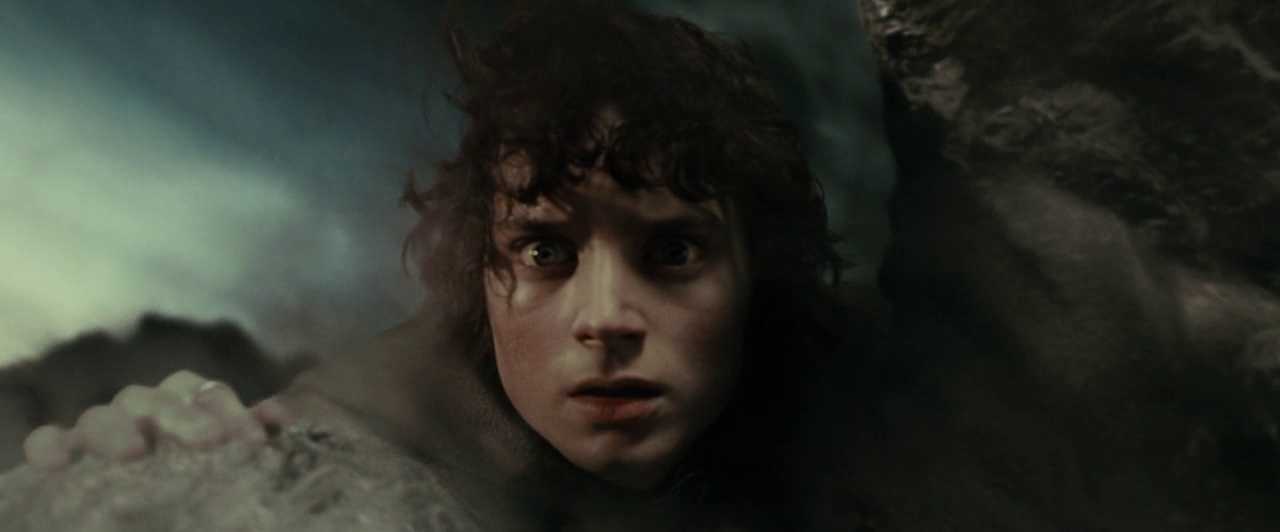
What we see/hear: Frodo accepts the burden of carrying the Ring when more experienced characters hesitate or argue.
What the stock role is doing: This scene locks Frodo into the hero function because the film ties the next stage of the plot to his acceptance.
How the film creates the effect: The staging isolates the decision, the dialogue frames the stakes, and the scene gives Frodo a clear action that redirects the whole group.
Villain: The Joker in The Dark Knight (2008)
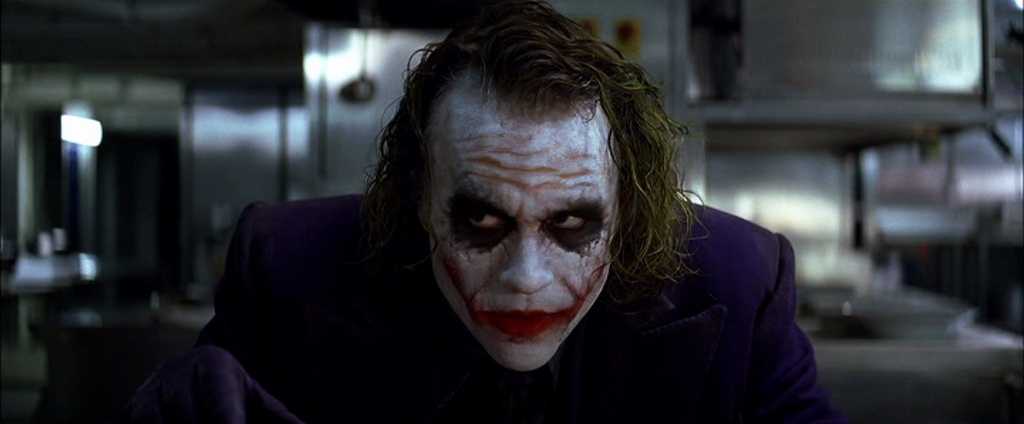
What we see/hear: The Joker controls scenes through unstable behavior, threats, and games that force others into moral traps.
What the stock role is doing: He reads as a villain because he repeatedly escalates conflict and attacks Batman’s methods, values, and public order.
How the film creates the effect: Performance volatility, framing that emphasizes his unpredictability, and scene construction built around escalating choices all strengthen the role.
Damsel in distress, complicated by agency: Princess Leia in Star Wars: A New Hope (1977)

What we see/hear: Leia is captured and becomes a rescue target, but she also acts, argues, and helps drive escape decisions once the rescue starts.
What the stock role is doing: The film uses the damsel in distress pattern for plot urgency, then complicates the label through agency.
How the film creates the effect: The script introduces captivity as a mission goal, then shifts scene energy when Leia takes practical action and challenges the rescuers.
Wise old man / mentor: Mr. Miyagi in The Karate Kid (1984)
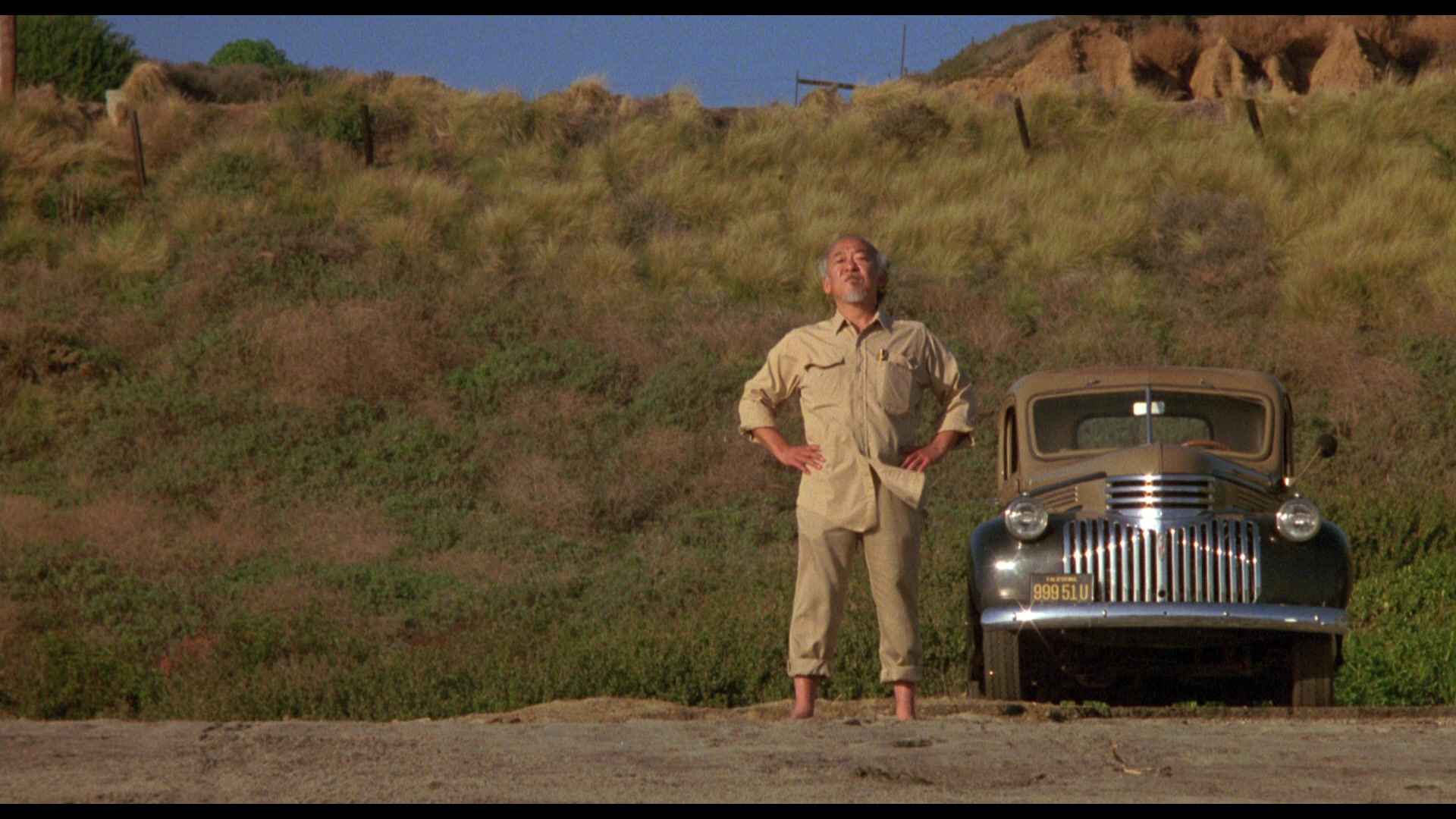
What we see/hear: Miyagi teaches Daniel through repetitive tasks that look unrelated to fighting at first.
What the stock role is doing: He fits the mentor type and the wise old man pattern by guiding skill, discipline, and perspective.
How the film creates the effect: Repetition builds expectation, the reveal connects tasks to technique, and Daniel’s later performance proves the lesson in action.
Fool/comic relief with narrative function: C-3PO in Star Wars (1977)
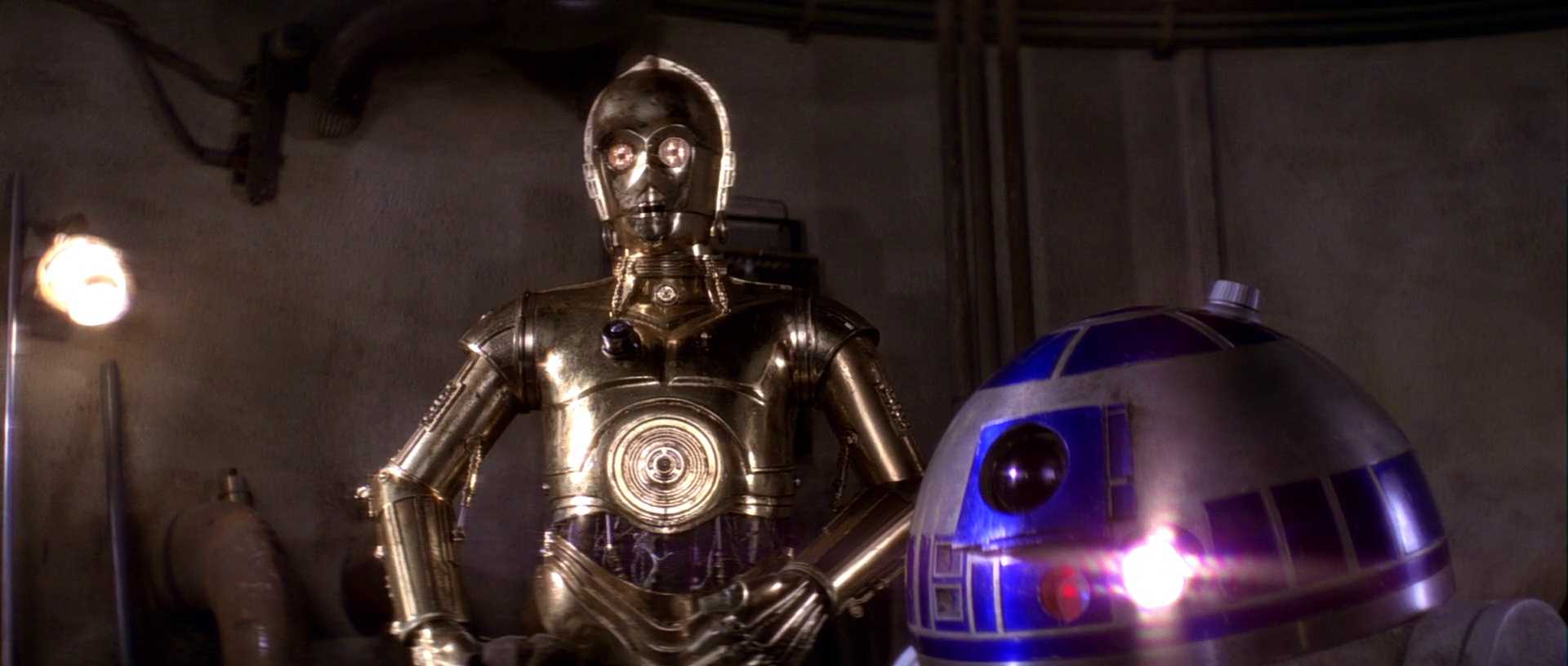
What we see/hear: C-3PO often reacts with fear, complaint, and formal speech while danger escalates around him.
What the stock role is doing: He reads as a fool/comic relief type who relieves tension and helps the audience track danger through contrast.
How the film creates the effect: Voice performance, reaction timing, and cut placement turn his panic into rhythm control while the main action continues.
Related Reading
If you want to go deeper on nearby terms, these guides help you separate role function, character depth, and recurring patterns without repeating the same section in this article.
Summing Up
Stock character means a familiar, repeatable character type that helps readers and viewers understand a role fast. The term is useful when you explain function, pattern, and readability.
In writing, stock roles help you build scenes quickly. In screenplays, they help you communicate a role with filmable behavior. In film analysis, they help you describe how a scene uses recognition, expectation, and variation.
The best use of a stock character comes from a simple rule: keep the clear function, then add specific choices and real consequences.
Read Next: Want to write characters that feel real on the page?
Start with our Free Screenwriting Course — a complete foundation in structure, dialogue, and building compelling characters.
Then browse all character development articles — from internal conflict and arcs to ensemble design and protagonist logic.
Or return to the Screenwriting section for formatting, story structure, and writing tools.
Sources and Suggested Further Reading
This article uses short literary quotations for educational analysis and focuses on public-domain or widely taught texts. Check your preferred scholarly edition for punctuation and formatting if you need citation-grade quoting in academic work.
Sources and Suggested Further Reading
This article explains stock characters using literary history references, theater history references, and scene-level film analysis. Literature examples are based on standard public-domain texts and widely taught editions. Film examples are based on direct scene analysis (viewing and descriptive analysis), not dialogue transcription.
- Britannica Editors. “Stock character.” Encyclopaedia Britannica. Definition and historical examples (including commedia dell’arte, the Elizabethan fool, and melodrama villain).
- Britannica Editors. “Commedia dell’arte.” Encyclopaedia Britannica. Background on stock roles, masks, improvisation within fixed scenarios, and recurring character systems.
- Britannica Editors. “Pantaloon” and “Zanni.” Encyclopaedia Britannica. Useful for named commedia dell’arte stock-character examples.
- Abrams, M. H., and Geoffrey Galt Harpham. A Glossary of Literary Terms. 11th ed. Cengage, 2015.
- Baldick, Chris. The Oxford Dictionary of Literary Terms. 4th ed. Oxford University Press, 2015.
- Purdue OWL. “Literary Terms.” Useful secondary reference for how literary-study terminology distinguishes broad patterns (including archetype discussions) from other analysis labels.
- Dickens, Charles. A Christmas Carol.
- Dickens, Charles. David Copperfield.
- Shakespeare, William. Hamlet.
- Shakespeare, William. Henry IV, Part 1.
- Wilde, Oscar. The Importance of Being Earnest.
- Doyle, Arthur Conan. Sherlock Holmes stories (for the Holmes/Watson role-pair example).
