

Published: August 12, 2025 | Last Updated: October 10, 2025

What is A character actor? Definition & Meaning
A character actor is a performer who plays specific and memorable supporting roles, often with unique voices, mannerisms, or looks that help bring a story’s world to life.
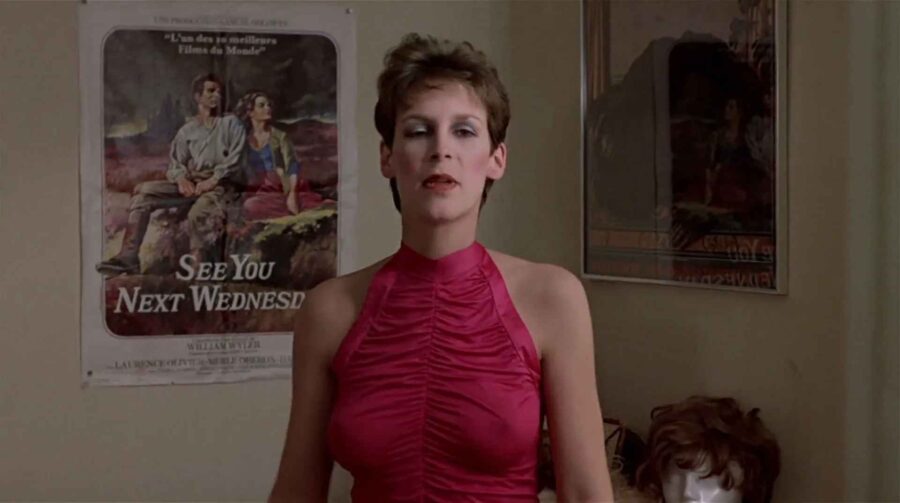
Character actors stand out because they make even short scenes feel real and memorable. These traits help you recognize their work on screen.
- Transformation: Clear changes in voice, posture, or rhythm from role to role.
- Specificity: Details that fit the role’s type, like a strict headmaster or a nervous shopkeeper.
- Reliability: Strong performances even with little screen time.
- Story function: Adds tone and depth without distracting from the lead.
- Memorability: Scenes stick in your mind after the credits roll.
Industry Position and Public Recognition
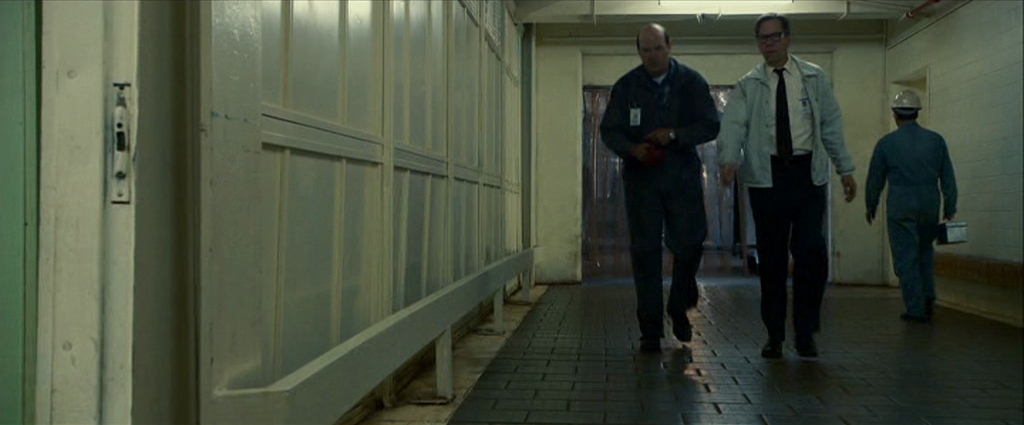
Character actors often work in many projects, but they usually aren’t the main star. Their faces are familiar, but their names may be less well known.
- Lower billing: They are usually listed after the leads in credits and marketing.
- The “that guy” effect: Viewers recognize their face instantly from other films or shows.
- Marketing focus: Trailers and posters highlight leads, even when a character actor’s role shapes the tone.
Physicality and Distinctiveness
Some character actors have unique looks or voices that help them stand out. Others are “chameleons” who change so much from role to role that audiences barely recognize them.
- Type casting: Features, size, or style that fit a specific role type.
- Chameleons: Actors like Gary Oldman or Christian Bale who transform completely for each part.
Common Archetypes
Character actors often play certain kinds of roles or character archetypes that help set the tone of the story quickly.
- Sidekick
- Fixer or gatekeeper
- Town drunk
- Villain or heavy
- Authority figure
- Femme fatale
- Mentor
- Hooker with a heart of gold
Career Patterns and Skills
Some actors stick to one type of role, while others work across many styles and genres. Special skills can open doors to long-term work.
- Type lane vs range: Staying in one persona or switching between many.
- Special skills: Dance, riding horses, fight choreography, dialects, or creature movement.
- Age shift: Many actors move from lead roles to character roles later in their career.
The Difference Between a Character Actor and a Lead
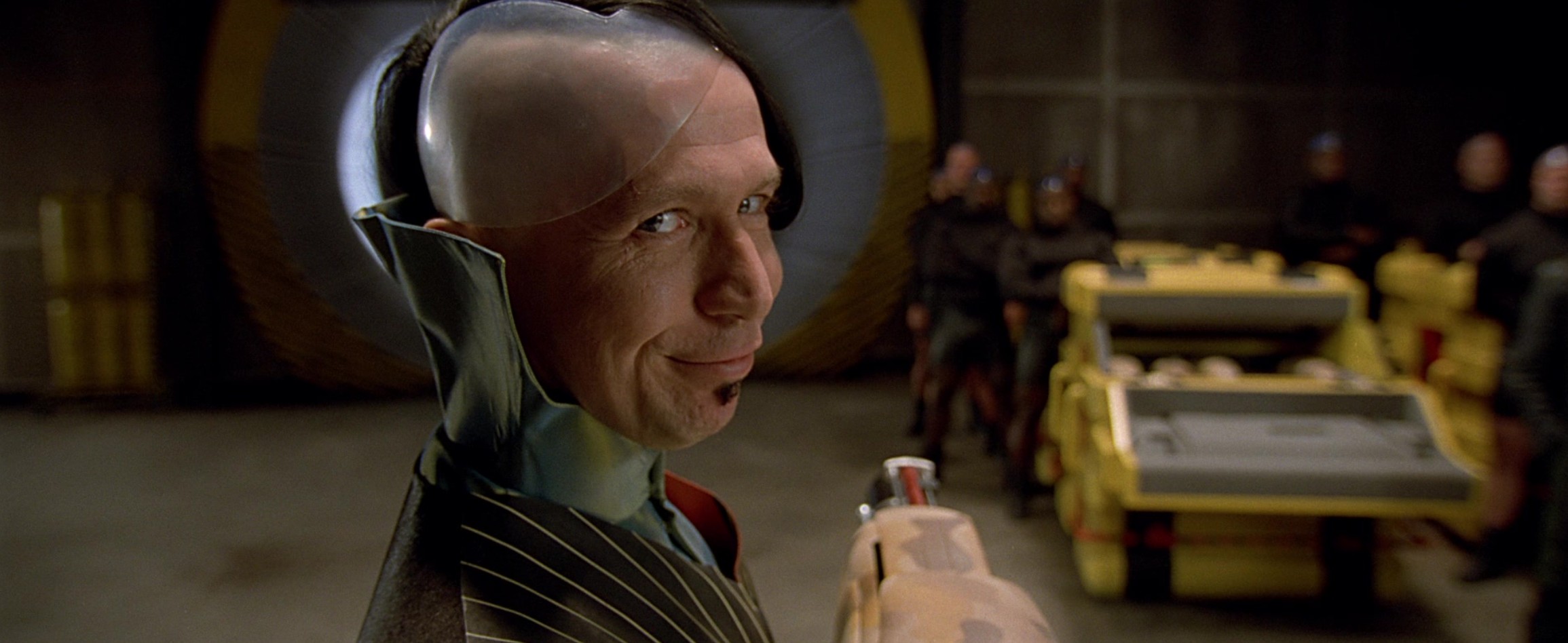
There’s no hard line between the two. A character actor can take a lead role, and a lead can play character parts. The term simply refers to a focus on distinct, supporting performances across projects.
While many character actors spend most of their careers in supporting roles, some well-known stars also work in a character-actor style when the role calls for it.
Performers like Gary Oldman and Christian Bale often lead major films, yet approach each part with the same transformation skills, changing voice, appearance, and movement so completely that they disappear into the character. In these cases, the distinction between “lead” and “character actor” fades, showing that the style is defined more by method and specificity than by billing or screen time.
How Casting Uses Character Actors
Casting directors choose character actors to set the tone quickly, fill in the world, and support the main story.
- Tone setting: Use character actors to shape the scene’s mood. A stern official can add tension or authority, while a warm neighbor can create comfort and familiarity.
- Plot drivers: Cast mentors, rivals, or gatekeepers who directly influence the lead’s choices, pushing the story forward through conflict or guidance.
- World detail: Place locals or subject experts in the scene to make the setting feel authentic, whether it’s a small-town shopkeeper or a specialist with niche knowledge.
Acting Approach and Preparation
Character acting builds a role from the outside in — through voice, posture, mannerisms, and costume. Some actors mix this with Method techniques, which focus on personal emotional connection.
- External plan: Build the role from the outside in with deliberate choices in mannerisms, dialect, wardrobe, and body language that reflect the character’s background and status.
- Script analysis: Break down each scene to identify the character’s objective and the specific actions they take to achieve it, keeping performance choices consistent with the story.
- Overlap with Method: While character acting often focuses on external traits and Method acting on internal connection, both demand detailed research, rehearsal, and full commitment to the role.
Classic and Modern Examples
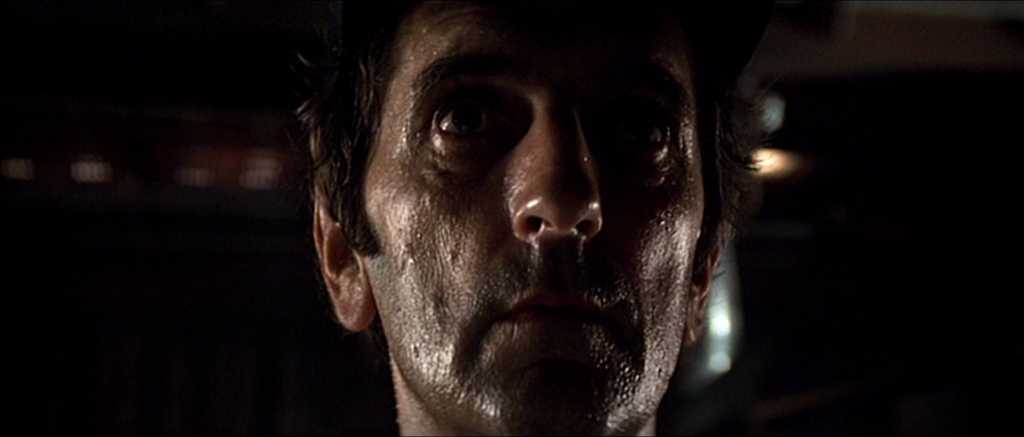
These actors show how character work can define a story’s world.
- Margaret Hamilton as the Wicked Witch in The Wizard of Oz (1939, MGM) — a role that set the image of a witch for decades.
- Peter Cushing as Grand Moff Tarkin in Star Wars (1977, Lucasfilm) — calm authority that shapes the film’s stakes.
- Harry Dean Stanton in Alien (1979, Brandywine Productions) — working-class realism aboard the Nostromo.
- Stephen Root in Office Space (1999, Twentieth Century Fox) — hyper-specific voice and quirks.
- Judi Dench as M in GoldenEye (1995, Eon Productions) — sharp authority in the Bond series.
- Doug Jones in The Shape of Water (2017, Fox Searchlight) — physical control under heavy makeup and prosthetics.
- Jennifer Coolidge from Legally Blonde (2001, MGM) to The White Lotus (2021, HBO) — distinct voice and comic timing.
Famous Character Actors

These performers have built long careers making supporting roles unforgettable.
- Brian Dennehy — Known for grounded authority roles in drama and crime stories.
- David Morse — Seen in The Green Mile (1999, Castle Rock Entertainment) and 12 Monkeys (1995, Universal Pictures), bringing quiet strength to many roles.
- John Carroll Lynch — A “that guy” actor moving between warm characters and unsettling villains.
- Margo Martindale — Esteemed for her range in both comedy and drama.
- Helena Bonham Carter — Eccentric, intense performances in films like Alice in Wonderland (2010, Walt Disney Pictures).
- Tilda Swinton — Known for bold character choices, from fantasy villains to quiet, human dramas.
Television often relies on Character Actors for Consistency and Budgetary Reasons.
Television often relies on character actors to play recurring roles that keep the setting believable and the story moving across episodes or seasons.
- Specialists: Experts who deliver key plot information, like forensic scientist Dr. Donald “Ducky” Mallard in NCIS (2003–2024, CBS) or attorney Dan Fielding in Night Court (1984–1992, NBC).
- Community roles: Locals who make the setting feel lived-in, such as Gunther the coffee shop waiter in Friends (1994–2004, NBC) or Principal Skinner in The Simpsons (1989–present, Fox).
- Long-term antagonists: Ongoing rivals or threats, like Gus Fring in Breaking Bad (2008–2013, AMC) or Kilgrave in Jessica Jones (2015–2019, Netflix).
A recurring character costs less than a series regular because they’re only contracted for certain episodes. This lets producers bring the same familiar face back when the story needs them, without paying them for every week of the season.
It also avoids the cost of constantly casting and introducing new minor characters — the audience already knows them, so they can jump straight into the plot.
Digital and Voice Roles

Many character actors now bring their skills to animation, motion capture, and hybrid productions, where physical and vocal precision are just as important as in live action.
- Motion capture: Full-body movement tracked for digital characters, such as Doug Jones in Hellboy (2004, Revolution Studios) or Andy Serkis as Gollum in The Lord of the Rings (2001–2003, New Line Cinema).
- Voice acting: Distinct vocal delivery that defines the character without visuals, like Ellen DeGeneres as Dory in Finding Nemo (2003, Pixar) or James Earl Jones as Darth Vader in Star Wars (1977, Lucasfilm).
- Hybrid: Performances combining live action with heavy visual effects, such as Zoe Saldana in Avatar (2009, 20th Century Fox) or Josh Brolin as Thanos in Avengers: Infinity War (2018, Marvel Studios).
Tips on Directing Character Actors
Directors should give character actors clear, specific guidance that helps their role land quickly on screen.
- Scene goal: State the role’s purpose in one sentence, such as “Warn the hero about the approaching storm” or “Block the detective from entering the room.”
- Physical anchor: Give a prop or posture to ground the performance, like holding a clipboard tightly, leaning on a cane, or adjusting glasses before speaking.
- Pacing: Set a delivery speed that matches the scene’s mood. Quick, clipped lines can raise tension or urgency. Slower, measured speech can add weight, show hesitation, or create an unsettling pause.
Read more tips on how to be a good director.
Tips on Writing Better Roles for Supporting Roles
Well-written supporting roles can lift an entire film or episode. Give them clear goals, specific details, and memorable exits.
- Active verbs: Give the role a clear, playable action such as deny, stall, encourage, or reveal. This keeps the performance focused and intentional.
- Deny – The character blocks or refuses something, like turning down a request or rejecting an idea.
- Stall – The character delays progress, buying time for themselves or others.
- Encourage – The character pushes someone forward, offering support or approval.
- Reveal – The character shares new information that changes the direction of the scene.
- Concrete detail: Add small, visible traits — a scuffed badge, a messy desk, or a limp — that suggest history and personality without extra dialogue.
- Clear button: End the role’s beat with a purposeful action or final line that signals their job in the scene is complete.
Summing Up
Character actors bring depth, variety, and realism to the screen. They may not be the star, but their work shapes the tone and makes stories richer. When you write, cast, or direct with them in mind, you give your story a stronger, more believable world.
Read Next: Want to grow your acting career and navigate the industry?
Explore all acting career tips — from finding an agent and auditioning smarter to building a sustainable path in film and television.
Or return to the Acting & Performance section for techniques, methods, and performance theory.
