

Published: April 19, 2025 | Last Updated: July 25, 2025

What is Erotic cinema? Definition & Meaning
Erotic cinema is a film genre that explores sexuality, desire, and intimacy through character-driven stories, artistic visuals, and emotional tone, rather than through explicit content alone.
Where Erotic Cinema Began
Erotic cinema has existed since the silent era, when directors used shadow, close framing, and soft focus to suggest intimacy without showing anything directly.
Films like A Fool There Was (1915, Fox Film Corporation) and Flesh and the Devil (1926, MGM) used body language, dramatic lighting, and lingering looks to imply sexual tension.
Since open nudity and physical contact were banned, filmmakers relied on glances, silhouettes, and camera angles to hint at desire. Even without sound, these early films found ways to explore attraction through visual storytelling.
Censorship laws began to loosen in the 1960s
As censorship laws loosened in the 1960s and 1970s, directors across Europe and Asia began to approach sexuality with greater honesty and creative freedom. It was an attempt to push against taboos, explore female pleasure, and use eroticism to reveal something deeper about human nature.
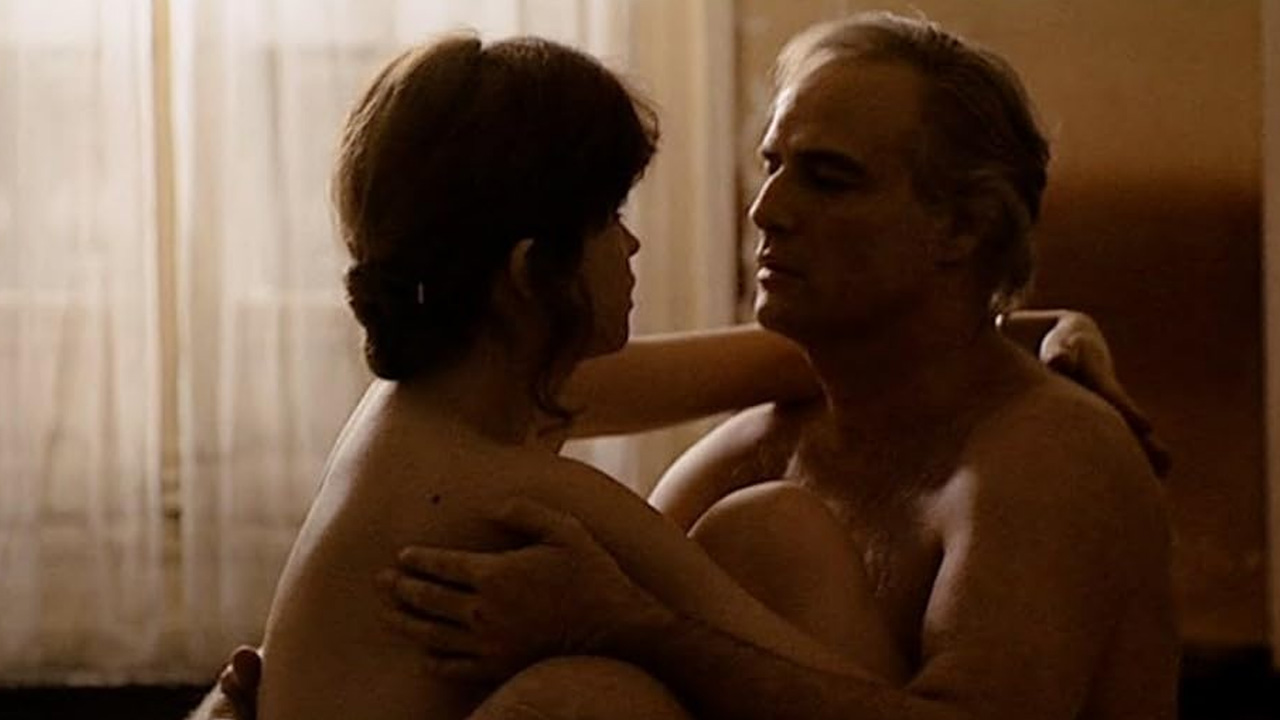
One of the most famous early examples is Last Tango in Paris (1972, United Artists), where director Bernardo Bertolucci used long takes and minimal dialogue to show a raw, emotionally unstable sexual relationship.
The infamous butter scene in Last Tango in Paris (1972) was not fully scripted, and actress Maria Schneider later said she felt violated by Bertolucci and Marlon Brando and wasn’t informed about the use of butter beforehand. The scene has become a key example in discussions about consent on set and is often cited today when arguing for the use of intimacy coordinators to protect actors during sex scenes.
Read more on how sex scenes are filmed in movies.
Erotic cinema around the world since the 1960s
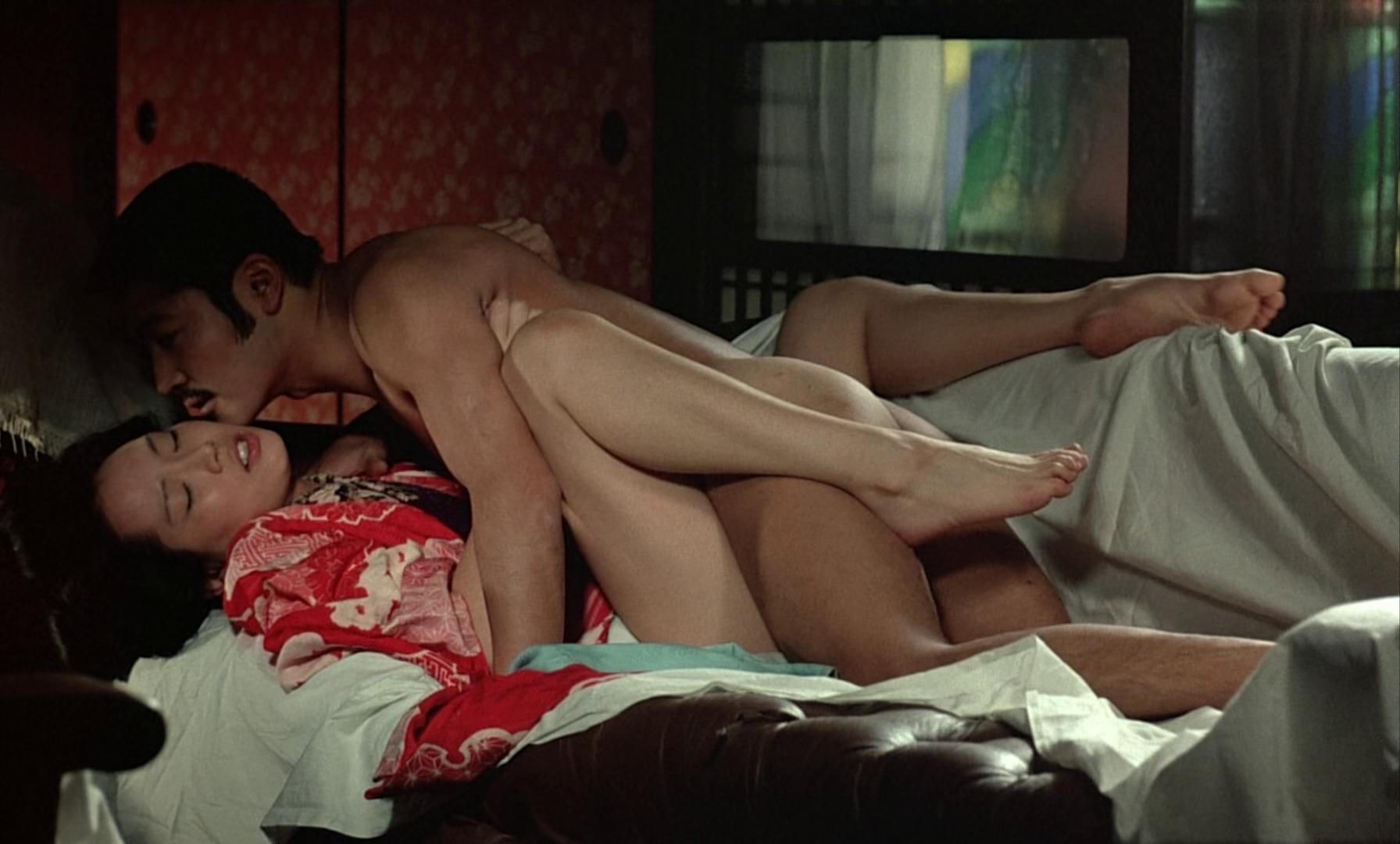
In Japan, Nagisa Ōshima’s In the Realm of the Senses (1976, Argos Films) shocked audiences with its graphic realism, based on a true story of obsession and death.
Erotic cinema in Denmark
Denmark was one of the first countries to legalize pornography, and it saw a wave of erotic films hit mainstream cinemas during the 1960s and 1970s. A good example is I, a Woman (1965), which followed a young nurse exploring her sexuality. The film was popular across Europe and helped launch Denmark’s reputation for sex-positive cinema.
By the 1970s, erotic comedies like Bedroom Mazurka (1970) and the “Bedside” and “Zodiac” series used nudity and light humor to explore changing gender roles and social values, often while staying within mainstream cinema.
Later films like Nymphomaniac (2013, Zentropa) included unsimulated sex but focused on emotional pain and moral conflict. These films treat the body as a tool for serious storytelling, not just spectacle.
Erotic cinema in Italy

In Italy, directors like Tinto Brass began pushing erotic boundaries in a different way. His early work in the 1970s, including Salon Kitty (1976) and Caligula (1979), mixed historical settings with explicit scenes and political commentary. His films land somewhere between comedy (especially Commedia all’italiana), exploitation cinema, and Eurocult.
Italian erotic films often focused on voyeurism, power, and taboo, especially in stories set during fascist or religious regimes. The era also saw a rise in sex comedies, with actresses like Edwige Fenech becoming stars through roles that blended sensuality with satire.
Erotic cinema in Sweden
Other countries also played major roles in shaping the genre. In Sweden, I Am Curious (Yellow) (1967) mixed sex with documentary footage and political interviews, challenging censorship laws.
Erotic cinema in France
In France, directors like Jean Rollin and Walerian Borowczyk made surreal, dreamlike erotic films that combined horror, fantasy, and desire.
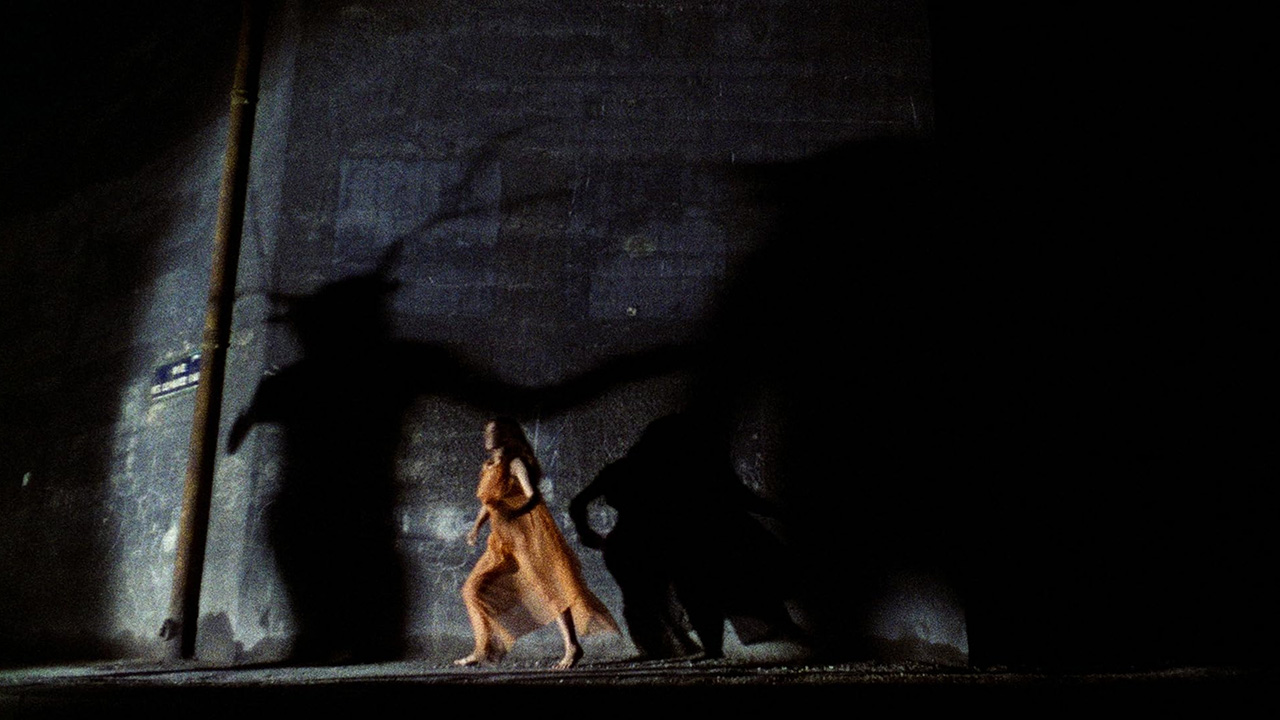
Rollin’s The Nude Vampire (1970) and Lips of Blood (1975) used soft lighting, gothic sets, and dream logic to blend sex with the supernatural. Borowczyk’s The Beast (1975) pushed boundaries further, mixing fairy tale structure with graphic imagery and taboo themes.
France later produced films like Romance (1999, Canal+) and Blue Is the Warmest Color (2013, Wild Bunch), which show sex as part of identity and growth.
India: Streaming vs. Bollywood
Bollywood avoids open sexual content due to strict censorship and conservative values. Romance is usually shown through song, not touch. But streaming platforms have made room for more explicit and female-centered stories.
However, streaming platforms have enabled Indian filmmakers to be bolder and circumvent the strict censorship laws applied to mainstream cinema. For example, Lust Stories (2018, Netflix) tackled modern sexuality without the limits of traditional studios, helping shift public discussion about desire and gender roles.
United States: Studio Limits and Indie Risks

American erotic cinema has often come through thrillers. In the 1980s and 1990s, films like Fatal Attraction (1987, Paramount) and Basic Instinct (1992, TriStar) tied sex to violence and suspense.
Mainstream studios rarely allow fully explicit content, so independent films and streaming platforms have taken the lead. Directors like Gregg Araki and Gaspar Noé (a French-Argentine based partly in the U.S.) pushed visual boundaries while exploring identity, trauma, or alienation.
United Kingdom: Repression and Class
British erotic cinema often deals with restraint, class difference, or psychological tension. Films like The Servant (1963, Elstree) use suggestion instead of exposure. Directors like Peter Greenaway and Michael Winterbottom experimented with more explicit scenes in the 1990s and 2000s, but always through a lens of irony or critique. Censorship boards like the BBFC have softened, but erotic films still tend to stay in the arthouse space.
What Makes a Film Erotic, Not Pornographic
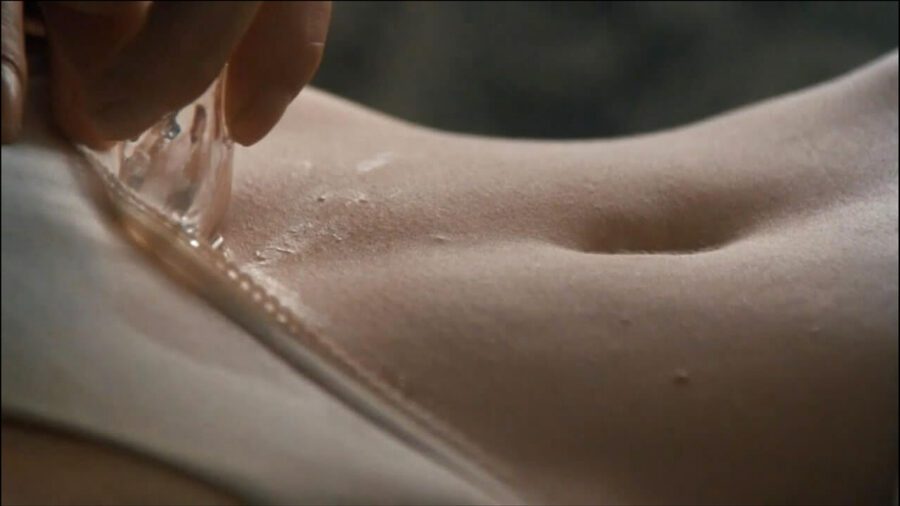
Erotic cinema focuses on story, emotion, and style. Sex is part of the narrative, not the entire purpose. The characters’ desires usually reflect deeper psychological or social themes, such as control, vulnerability, or repression.
Erotic films are typically made to be watched as comedy or drama (or both), not for the sexual performances, although the allure of the naked bodies is undeniable.
By contrast, pornography centers on graphic sex with little or no plot. It doesn’t explore character or use cinematic tools like metaphor or symbolism in the same way.
- Erotic cinema: Story-driven, emotionally complex, artistically framed.
- Pornography: Explicit, performance-focused, no narrative depth.
Common Themes in Erotic Cinema
Like any film genre, erotic films differ in style, plot, and narrative ideas. That said, there are some common denominators, especially in terms of theme.
Obsession and Risk
Many erotic films follow characters who give in to overwhelming desire, often at the cost of relationships or stability.

A good example is 9½ Weeks (1986, Metro-Goldwyn-Mayer), in which a short affair between a woman and a stranger quickly turns into something unstable and damaging. Obsession replaces reason, and emotional control slips away.
Power and Control
Sexual relationships in erotic films often involve uneven power dynamics. They frequently raise questions about consent, boundaries, and emotional need.
Take The Piano Teacher (2001, MK2), for example. Erika, a respected music teacher, leads a rigid, emotionally closed life under the control of her mother. When a younger student shows romantic interest, Erika responds not with affection but with strict rules, voyeurism, and self-harm. The relationship becomes a psychological struggle, where sex is used to test limits rather than find a connection.
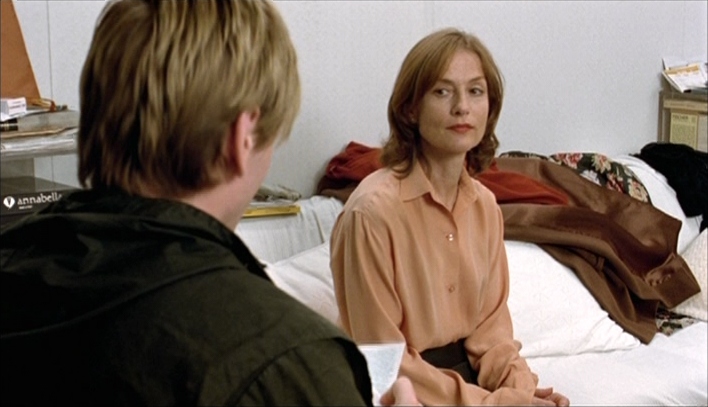
Director Michael Haneke frames these moments without glamor, forcing the viewer to sit with discomfort. The film explores how repression can twist into cruelty, and how desire doesn’t always follow a path of mutual pleasure.
Repression and Longing
Other stories focus on what characters can’t express openly. The erotic tension lies in what’s held back rather than what’s shown.
An excellent example of this can be seen in In the Mood for Love (2000, Block 2 Pictures), in which two neighbors in 1960s Hong Kong form a quiet, emotionally charged connection that never develops into a physical relationship.
Visual Style and Aesthetic
Erotic films often use lighting, color, and music to set the mood. But the feeling of intimacy usually comes from how the camera frames people, how they move, and what separates them. A slow pan, a hand that stops, or a barrier like a wall or mirror can show desire or distance without showing anything graphic.
In the Mood for Love (2000, Block 2 Pictures). Director Wong Kar-wai often frames the characters in narrow hallways or behind glass. The shots make them seem close, but cut off.
In Blue Is the Warmest Color (2013, Wild Bunch), small movements and long looks carry the tension. The film shows attraction through pauses and body language, not fast edits or nudity (oh, well, some nudity!).
Camera movement also shapes emotion. Eyes Wide Shut (1999, Warner Bros.) is based on Traumnovelle, a 1926 story by Austrian writer Arthur Schnitzler. The story was meant to feel like a dream, and Stanley Kubrick keeps that tone in the film.
He uses slow, floating Steadicam shots to move through streets, rooms, and the masked orgy and gathering at the mansion. The motion feels unreal, like drifting through a half-awake world. But the distance between people comes from more than just the camera. Masks, secrets, and silence keep the characters apart, even when they’re standing close.
The Role of Streaming
Streaming has reshaped how erotic content is made and seen. Countries with strict censorship (like India, South Korea, or Brazil) now have access to bolder movies outside traditional channels.
Filmmakers can avoid national ratings boards entirely. At the same time, corporate platforms quietly censor through algorithmic control, limiting promotion or hiding titles with explicit tags. Even with more freedom, distribution remains uneven.
Summing Up
Erotic cinema is about more than nudity or sexual content. It uses character, emotion, and film style to explore what desire means. From silent gestures to full intimacy, it reflects how people connect and how they come apart.
Read Next: Best seduction movies and why you should watch them.
