
Published: June 23, 2025 | Last Updated: September 24, 2025

What is Commedia all’italiana? Definition & Meaning
Commedia all’italiana is a genre of Italian cinema that blends comedy and social commentary to explore the changes in postwar Italy through irony, realism, and satire. The term means “comedy in the Italian style.” These films became popular in the late 1950s and stayed popular through the 1970s. They show real life with humor, but the jokes often come with a serious message. The main characters usually deal with failure, unfair rules, or messy relationships. A scene can start funny and end in sadness. That shift in tone is part of what made this genre stand out.
Where the Genre Comes From
Commedia all’italiana started during Italy’s postwar recovery after WWII. The economy was growing, but life was still full of problems. Earlier films from the Italian neorealism movement focused on poverty and war. Now filmmakers wanted to show the lives of everyday people dealing with modern problems, like bad marriages, new laws, or losing their values in a changing world.
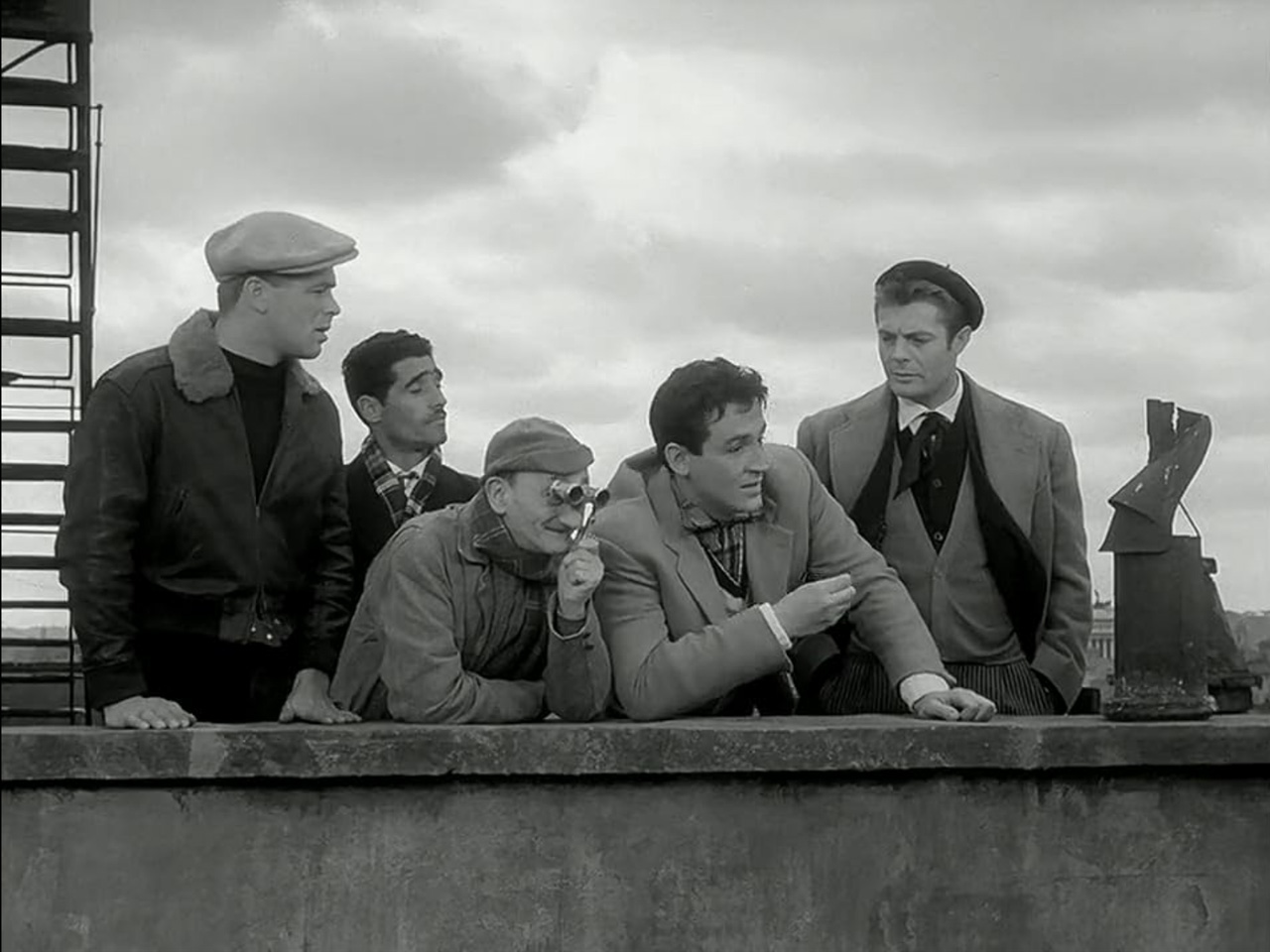
One of the first major examples was Big Deal on Madonna Street (original title: I soliti ignoti (1958)), directed by Mario Monicelli. It follows a group of small-time criminals who plan a robbery that completely fails. Even though it’s funny, the movie shows how poor people struggle to get by. That mix of comedy and real issues became the trademark of the genre.
What These Movies Look Like
Most commedia all’italiana films were shot on real streets or in simple homes. The lighting was natural, and the actors talked like regular people. The directors wanted the movies to feel real. The focus was always on the story, the characters, and how their problems reflected bigger issues in Italian society.
The stories are usually about everyday people: a cheating husband, a frustrated worker, a woman stuck in a bad relationship, or a man trying to cheat the system. The humor comes from how people deal with bad decisions, lies, and awkward situations.
Key Themes
- Social class: Many films show the gap between rich and poor.
- Politics and corruption: Characters often face unfair rules or dishonest leaders.
- Gender roles: Some stories show how men and women struggle with old traditions.
- Marriage and family: A lot of films deal with divorce, cheating, or family problems.
Important Directors and Actors
Mario Monicelli, Dino Risi, Ettore Scola, and Pietro Germi were some of the top directors in this genre. They knew how to keep the comedy grounded in real life. Their films always had something honest to say.
Actors like Marcello Mastroianni, Alberto Sordi, Vittorio Gassman, and Ugo Tognazzi starred in many of these movies. They played flawed, funny, and believable characters.
Famous Movies to Know
- I soliti ignoti (1958, Lux Film) – A group of poor thieves plan a robbery that falls apart. Funny and sad at the same time.
- Divorzio all’italiana (1961, Lux Film) – A man wants to get rid of his wife so he can marry someone else. The film makes fun of old divorce laws in Italy.
- Il sorpasso (1962, Fair Film) – A wild man takes a shy student on a road trip. It seems fun, but it ends in tragedy.
- C’eravamo tanto amati (1974, Dean Film) – Three friends try to stay close after the war. Their lives take different paths, showing how dreams fade over time.
Why It Still Matters
Commedia all’italiana showed that comedy could be serious. The films faced hard topics and facts using smart writing and honest, believable characters. The genre influenced many filmmakers in Italy and beyond. You can still see its style in the work of directors like Paolo Sorrentino, Roberto Benigni, and even the erotic work of Tinto Brass.
Summing Up
Commedia all’italiana is a film genre that mixes comedy with social problems. It started in postwar Italy and became known for showing real people facing real issues, often with a smile that fades by the end. The films feel honest, funny, and sometimes sad, all at once.
Commedia all’italiana movies prove that small stories about regular people can reveal a lot about a whole country. That’s what still makes them worth watching and studying today.
Read Next: Curious how visual styles define film genres?
Explore our breakdown of Genre & Visual Style to see how movements like naturalism, noir, and surrealism shape what we watch.
Looking for the big picture? Visit our Film History, Theory & Genre page to connect techniques with the eras and ideas that shaped them.
