Published: October 3, 2025 | Last Updated: January 3, 2026

What is An epic poem? Definition & Meaning
An epic poem is a long, narrative poem in a formal style that recounts the heroic deeds and adventures of a legendary or historical figure, often involving divine forces or large‑scale events.
Epic poems combine storytelling, poetry, and cultural meaning. They often bridge myth and history. They aim to explain how people see themselves through heroic acts and grand struggles.
Also, epic poems are defined by narrative structure — long-form plots, heroic arcs, supernatural events, and cultural stakes. They are foundational models for how stories are built, especially around the hero’s journey.
They directly inform modern screenwriting structures like:
- The three-act model
- The monomyth (Campbell)
- Large-scale ensemble storytelling
Origins and Historical Context
The concept of “epic” comes from the Greek word epos, meaning “word, story, or poem.”
Many early epics were created in cultures with oral traditions. Bards would perform and recite them from memory, passing them down by voice before writing existed.
One of the earliest known epics is the Epic of Gilgamesh (initially from around 2100 BCE) from ancient Mesopotamia.
The Mahabharata (the core text is from around 400-200 BCE) from India is another famous early epic, and it remains one of the longest poetic works ever written.
Key Features and Conventions
Epic poems often follow a consistent set of traits that help define the genre across time and culture:
- Begins in Medias Res: The story starts in the middle of action and fills in earlier events later.
- Invocation of a Muse or Divine Aid: The poet calls on a higher power for guidance in telling the tale.
- Statement of Theme: The poem often opens by declaring its main subject or question.
- Vast Setting: The action spans many places, even nations or the cosmos.
- Epic Catalogue or List: Includes long lists (think: ships, warriors, ancestors) that root the story in tradition.
- Formal Speeches: Characters deliver long, structured speeches instead of casual dialogue.
- Divine Intervention: Gods or supernatural forces affect events and influence the hero’s fate.
- Epic Hero: The main figure shows strength, courage, and represents cultural values.
- Elevated Style: The poem uses formal, poetic language with epithets and extended similes.
Epic Poems in Action: Key Examples Explained
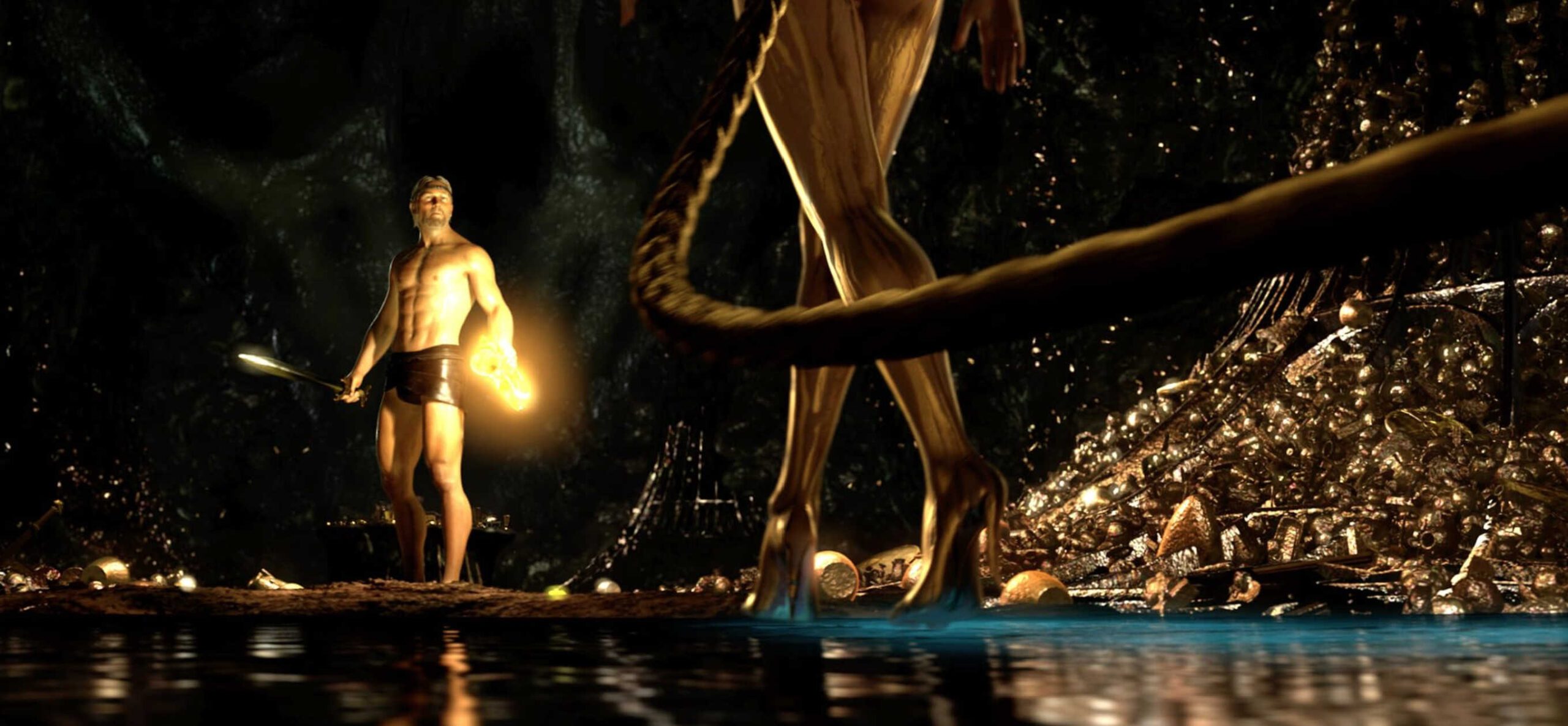
Epic poems appear in many cultures and share common patterns in theme, structure, and tone. Here are examples that show how these features work in real texts:
- The Iliad (Greece): Starts in medias res during the Trojan War. Includes the “Catalogue of Ships” to list Greek forces and leaders. Uses divine characters like Apollo and Athena to shift events.
- The Odyssey (Greece): Follows a long, dangerous return journey. Odysseus battles monsters and gods, reflecting Greek ideas about cleverness, honor, and fate.
- The Aeneid (Rome): Focuses on Aeneas’s journey to found Rome. Begins with a storm and uses formal invocations and prophecies to shape national destiny (yup, it’s the one with the Trojan Horse, which is only briefly mentioned in the Odyssey, and not in the Iliad at all).
- Beowulf (Old English): Combines myth and history. The hero kills monsters and later faces a dragon. Alliterative verse and epic catalogues connect the poem to tribal memory.
- The Divine Comedy (Italy): A spiritual epic that journeys through Hell, Purgatory, and Heaven. The structure follows classical models while exploring Christian themes.
- Paradise Lost (England): Tells the biblical story of the Fall using formal speeches and a cosmic setting. Satan, the tragic hero, challenges heaven and shapes the epic’s moral tension.
- Mahabharata and Ramayana (India): Long poems rooted in dharma (duty), family, and divine intervention. Blend historical events with mythological characters and teachings.
- Shahnameh (Persia): National epic of Iran. Combines mythology and history in 50,000 couplets and preserves cultural memory through kings, heroes, and fate.
Modern Uses and Boundaries of the Epic
Today, the word “epic” is also used to describe long stories in film, novels, or television that follow similar structures and themes, even if they aren’t written in verse.
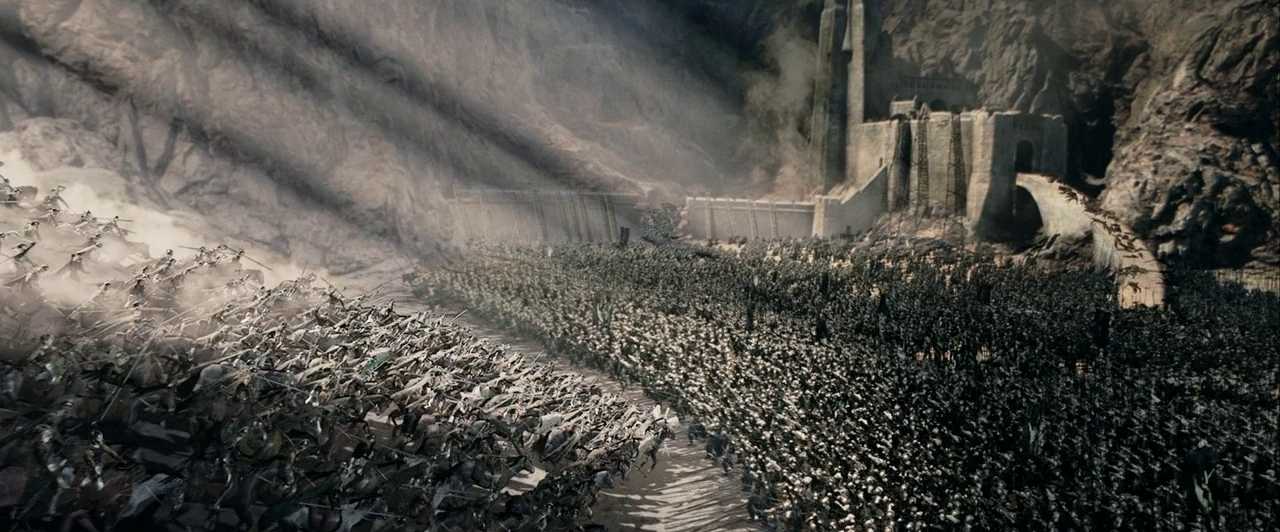
For example, The Lord of the Rings and Star Wars follow the epic format: a hero’s journey, battles between good and evil, and world-shaping stakes. These works aren’t poems, but their scale and structure reflect the tradition.
Still, not every long or grand story is an epic. What defines the genre is more than length. An epic poem must have a formal structure, a heroic or culturally significant focus, and usually some blend of divine or supernatural elements. Unlike legends or fairy tales, epics are crafted to preserve history and shared values through artful language and narrative design.
Summing Up
An epic poem is a formal, lengthy narrative in verse about heroic deeds, set against a broad backdrop of culture, conflict, and often divine interaction. Its structure, conventions, and examples from many traditions help you recognize and understand it. Modern works borrow their features even when not in verse. You now have a fuller view of what “epic” means in both ancient and modern forms.
Read Next: Struggling to shape your story?
Head to our Plot & Structure section for clear, no-fluff breakdowns of story arcs, turning points, and screenplay structure—from three-act to alternative models.
Want more tools to write with confidence? Explore the Screenwriting archive for guides on dialogue, formatting, concept development, and building a writing routine.