

Published: October 3, 2025 | Last Updated: July 4, 2026

What is Poetry? Definition & Meaning
Poetry is a form of literary art that uses carefully arranged language (often shaped by rhythm, structure, and sound) to express ideas or emotions with intensity and precision.
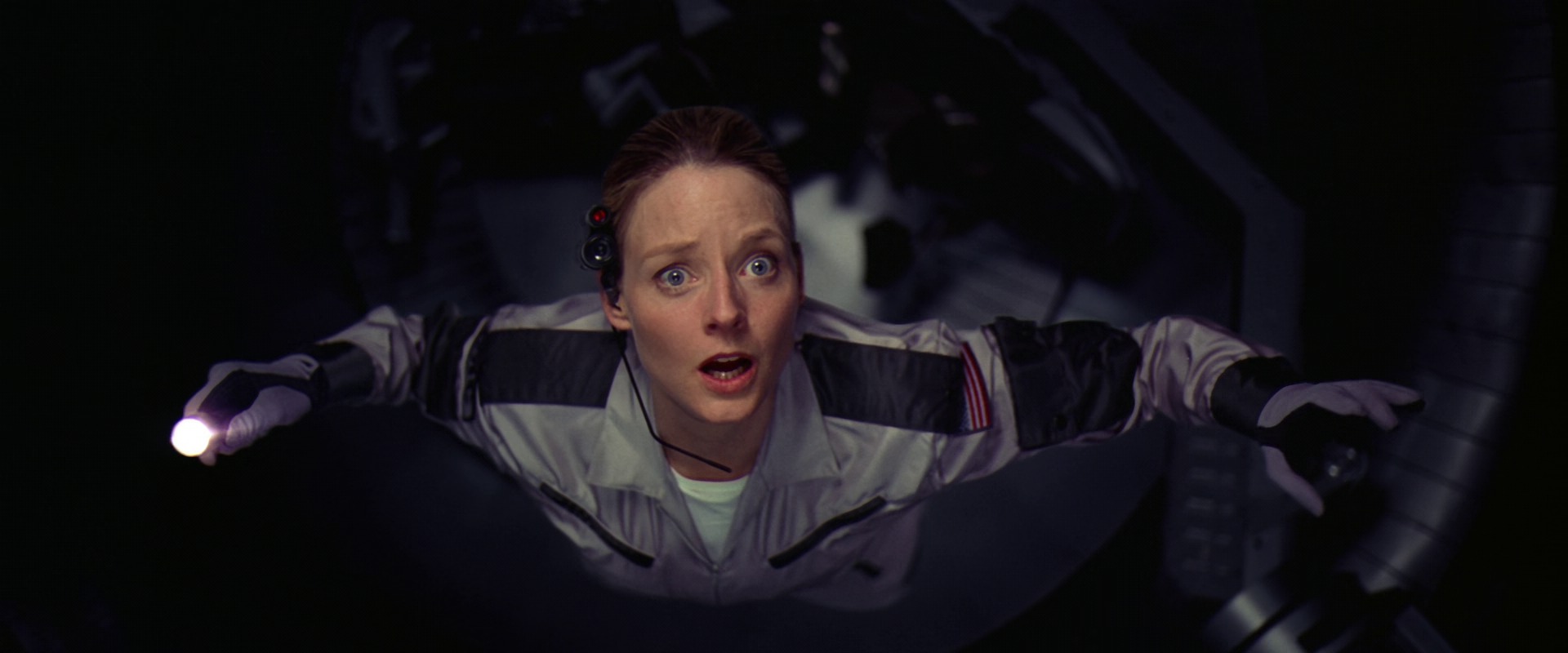
Unlike prose, poetry pays attention to how each word looks, sounds, and feels. A single line of poetry can suggest a mood, hint at a deeper meaning, or paint a sharp image using fewer words than a full sentence in regular writing.
Core Features of Poetry
Poetry works by focusing on sound, shape, and suggestion. These core features make it distinct from other forms of writing:
- Density of expression: Poetry compresses thought. A few words can carry emotional weight, symbolic meaning, or multiple interpretations. For example, the line “black vault shook me” suggests fear, darkness, and confinement, all in four words.
- Sound and rhythm: Many poems use meter (for example, iambic pentameter), repetition, rhyme, or alliteration. These patterns add flow, build tension, or highlight meaning. Edgar Allan Poe’s The Raven uses repeated words and a steady beat to build mood.
- Structure and form: Poets use line breaks, stanzas, and spacing for effect. Some poems follow strict forms like a sonnet or a haiku. Others use free verse with no fixed pattern but still shape rhythm and pauses intentionally.
- Figurative language: Poems rely on similes, metaphors, personification, and symbols. A phrase like “winter storm” might refer to bad weather, emotional pain, or loss, all at once.
- Precision over clarity: Poetry values how words sound and feel, not just what they mean. It often leaves room for the reader to interpret. That makes it slower to read but richer in effect.
Types and Forms of Poetry
Poems come in many forms, depending on purpose, tradition, or medium. Below are two key categories to understand:
Traditional Poetic Forms
- Lyric poetry: Focuses on personal feelings or reflection. Example: Wordsworth’s I Wandered Lonely as a Cloud.
- Narrative poetry: Tells a story through verse, with characters, a plot, and often dialogue. Narrative poems can be short or long, simple or complex. Example: The Ballad of Reading Gaol by Oscar Wilde. The Odyssey and The Iliad by Homer are also narrative poems, but they belong to a more specific category—epic poetry.
- Epic poetry: A long, formal narrative focused on heroic journeys, grand battles, and larger-than-life characters. Epic poems often include divine forces and begin with an invocation. Example: The Epic of Gilgamesh and Homer’s Odyssey.
- Haiku: A short Japanese poem with a 5–7–5 syllable structure, often about nature or a fleeting moment.
- Free verse: A poem with no fixed meter or rhyme scheme, but with deliberate rhythm and form.
Modern and Media-Based Forms
- Spoken word: Designed for live performance. Emphasis on delivery, voice, and rhythm. Often addresses current events or personal experience.
- Digital poetry: Created or displayed through screens or multimedia platforms. It may include animation, interactivity, or sound.
- Instapoetry: Short, accessible poems published on social media. Often minimalist and direct.
Poetry in Film and Media
Poetry appears in films as voiceovers, monologues, dialogue, lyrics, or written text. Because poems compress meaning, they can deliver emotion quickly and leave a lasting impression.
One strong example is Dylan Thomas’s “Do not go gentle into that good night,” which appears throughout Interstellar (2014). The poem’s message about resisting death matches the film’s tone and themes of survival and sacrifice.
In digital media, poetry may animate, react to viewer input, or combine with images and sound. This turns poetry into a layered, interactive experience, blending word and motion.
Summing Up
Poetry is a concentrated form of writing that uses structure, sound, and suggestion to express layered meaning in fewer words. It focuses on how things are said, not just what is said. From ancient epics to short digital poems, poetry remains a flexible, powerful tool. In film, it sharpens tone, deepens emotion, and distills complex ideas into a single line or scene.
Poetry FAQ
What is poetry?
A form of writing that uses rhythm, imagery, sound, and often line breaks to convey meaning and emotion in a condensed, heightened way.
What is the difference between poetry and prose?
Prose runs in ordinary sentences and paragraphs; poetry is arranged in lines and stanzas and relies more on rhythm, sound, and compression.
What are the main types of poetry?
Narrative, lyric, and dramatic poetry, plus forms like the sonnet, haiku, ode, elegy, and free verse.
What are the key elements of poetry?
Meter, rhyme, imagery, figurative language, sound devices, and form.
Does poetry have to rhyme?
No. Free verse and blank verse do not rhyme; rhyme is one tool among many.
Read Next: Want to dig deeper into screenwriting?
Start with the Screenwriter’s Toolkit on literary devices vs. elements – a deep resource covering every major literary device and element used in writing.
Then explore our collection of practical writing techniques covering dialogue, structure, and pacing.
Or jump into the free screenwriting course to start your first draft today.
You can also head back to the Screenwriting section for more tools, theory, and breakdowns.
