Published: June 23, 2020 | Last Updated: May 26, 2025

Understanding autofocus settings is crucial for photographers and videographers. While a manual rack focus offers the most control, autofocus can be invaluable in certain situations. This guide will help you navigate the various autofocus options to keep your subjects sharp.
When to Use Autofocus
Autofocus shines when capturing fast-moving subjects, when you’re on the move yourself, or multitasking on a small-budget shoot. It’s particularly useful when you don’t have both hands free to adjust the lens manually.
Types of Autofocus
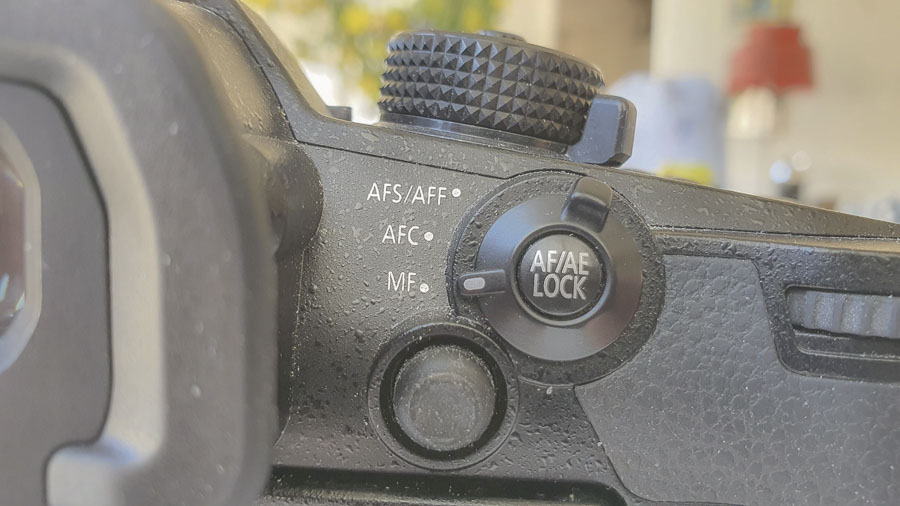
There are three types of autofocus you must know. Each type is intended for a particular use case:
Single Autofocus (S-AF or AF-S): Best for static subjects in photography • Focuses once when the shutter is half-pressed • Limited use in video due to its one-time focus
Continuous Autofocus (AF-C or C-AF): Ideal for video and moving subjects • Constantly adjusts focus to keep the subject sharp • Not all cameras can adjust focus while actively recording
Hybrid Autofocus (AF-A): Combines single and continuous modes • Camera decides which mode to use based on subject movement • Available on some cameras, saves time switching between modes
You might like Why are Manual Focus Cine Lenses so Expensive?
Autofocus Technologies
Different cameras use various autofocus technologies, each with its strengths:
Contrast-based autofocus: Commonly found in many digital cameras • Works by maximizing image contrast in the focus area • Can be slower but often very accurate
Phase detection autofocus: Typically faster than contrast-based systems • Better at tracking moving subjects • Often preferred for video and action photography
Some modern cameras combine these technologies for improved performance.
Read more about the various continuous autofocus modes that are best for video.
Autofocus Area Modes
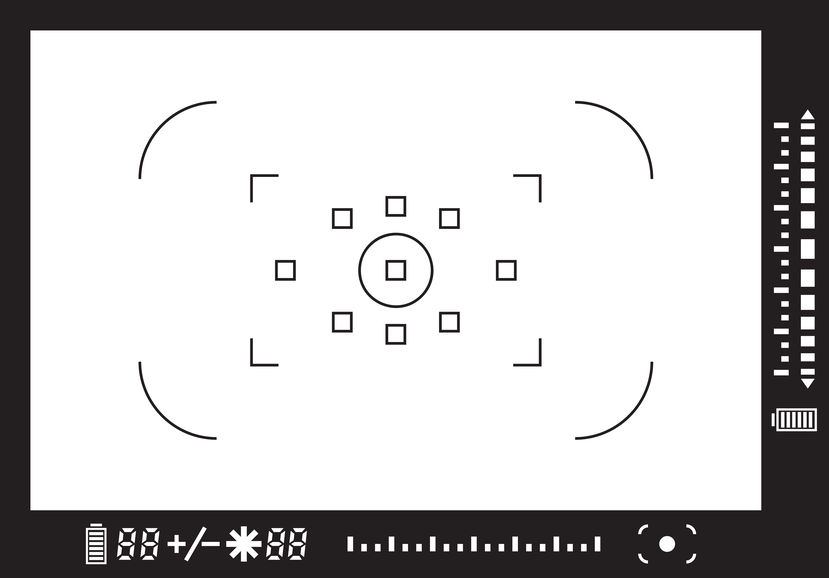
Single-Point Autofocus: Focuses on a specific point or small area • Useful for precise focus control • Some cameras offer touch screen selection or zone focusing
Group Autofocus: Activates multiple focus points • Helpful for slightly moving subjects • Keeps subjects in focus even if they leave a single point
Dynamic Autofocus: Tracks moving subjects across the frame • May include features like facial recognition • Effectiveness varies between camera models
Automatic Autofocus: Camera chooses the focus area • Less control, not recommended for most situations
Advanced Features: Facial Recognition and Face Registration
Some cameras offer sophisticated facial recognition capabilities:
- Automatically detects and focuses on faces in the frame
- Can prioritize focus on pre-registered faces
- Useful for interviews, vlogs, and event videography
- Face registration allows you to prioritize specific individuals
Autofocus for Video = Continuous Autofocus
When shooting video, continuous autofocus is essential for adjusting focus during recording. However, be aware that not all cameras can change focus while actively filming. Check your camera’s capabilities and ensure lens compatibility.
For video, consider these tips:
- Use zone focusing for quick setups
- Try subject tracking for recording people
- Adjust the autofocus drive speed to slow or medium for more natural-looking focus changes
Choosing the Right Settings
To select the best autofocus settings:
- Determine if your shoot requires autofocus or if manual focus is better
- Choose between single, continuous, or hybrid autofocus based on subject movement
- Select an appropriate area mode that matches your composition and subject behavior
- Adjust autofocus drive speed for smoother transitions in video
- Utilize facial recognition and face registration for people-centric shoots
In Closing
While autofocus can be a helpful tool, it’s not infallible. Practice with your camera’s autofocus systems to understand their strengths and limitations. This knowledge will help you make informed decisions on when to rely on autofocus and when to take manual control.
Read Next: How to Choose the Right Camera Settings for Video Production