

Published: July 11, 2024 | Last Updated: February 17, 2026

Overview
Definition: A flat character is a character built from a small set of clear traits, so you can read them fast and predict how they will act under pressure.
What you’ve seen before: You’ve seen this when a character shows up, does one job in the scene (warn, block, sell, tempt, assist), and stays consistent from first appearance to last.

Example: In Harry Potter and the Sorcerer’s Stone (2001, Warner Bros.), Draco Malfoy acts as a steady school rival who keeps pushing Harry into conflict. Draco’s attitude stays consistent, so many scenes can move straight into the clash without pausing for a long interior debate.
Why it matters: A flat character can keep your story readable because you understand them quickly and you know what kind of friction or help they bring into a scene. That changes how you write scenes, because you can focus dialogue and action on the main character’s choices instead of building a full arc for everyone. Flat becomes a problem when the character repeats the same beat without escalation, or when the character has no clear purpose beyond filling space.
- Key takeaway 1: Use a flat character when you need a reliable story role, not a personal arc.
- Key takeaway 2: Keep their drive and tactics consistent, so you can read them quickly in each scene.
- Key takeaway 3: Make sure each scene still adds new pressure or new information, even when the character stays the same.
What Is a Flat Character within a Screenwriting Context? Definition & Meaning
A flat character is written with a small, stable set of traits and a predictable way of reacting under pressure, so you understand them quickly. Flat characters often sit in supporting roles, where their consistency helps you track the plot and measure how other characters change.
A flat character can still be funny, tense, sweet, or scary. The value is speed. You read the person quickly, then the scene can stay focused on the main conflict.
Flat characters often work well as contrasts for the protagonist, especially when the lead is changing through a visible character arc. If you want to separate role and screen time, see protagonist vs. main character.
Characteristics of flat characters

A flat character can still have personality. The design stays tight and easy to read.
- One or two dominant traits: You can sum up the character quickly, such as “status-obsessed,” “rule enforcer,” or “sweet but anxious.”
- Predictable reaction under pressure: When the scene tightens, the character leans harder into their usual approach.
- Limited interior access: The film rarely pauses for private doubts, long backstory, or hidden contradictions.
- Stable story function: The character keeps doing the same type of job, such as gatekeeping, provoking, tempting, assisting, or blocking.
Flat characters often overlap with archetypes, because an archetype helps you understand a role fast. They can also overlap with stock characters, especially in tight-runtime comedies and genre stories where you want instant recognition.
Why flat characters matter in film
Flat characters matter because films move fast. You do not have time to fully develop every person on screen. A well-made flat character gives you quick clarity, keeps scenes moving, and keeps your attention on the relationships and conflicts that carry the story.
A steady supporting character can also highlight change. When the lead’s behavior shifts, the baseline stays the same, so the change reads faster. This is one reason flat characters pair well with dynamic characters.
Where the term “flat character” comes from
The term comes from E. M. Forster, who describes “flat” and “round” characters in Aspects of the Novel (1927). Film and TV writers kept the idea because it matches a real craft need. Some characters should read quickly, so the story can spend time where conflict and change hit hardest.
These labels are craft terms. They describe design. The question is whether the design fits the job the character is doing in the film.
Flat character vs. round character vs. static character
These labels describe different things, so they often get mixed up. The cleanest way to stay precise is to separate complexity from change. If you want a quick comparison chart, see flat vs. round vs. static vs. dynamic characters.
- Flat character: Simple and easy to read. Built from a small number of traits and a consistent way of reacting.
- Round character: More complex. Shows competing traits, inner tension, or surprising choices that still make sense. See round character.
- Static character: Does not change in a lasting way across the story. “Static” describes whether the character has a character arc. See static character.
Many supporting roles are both flat and static. A character can also be round and static, like a complicated person who stays true to their nature. A character can be flat and still change, if the film keeps that change small and easy to track.
Flat vs. round in film examples
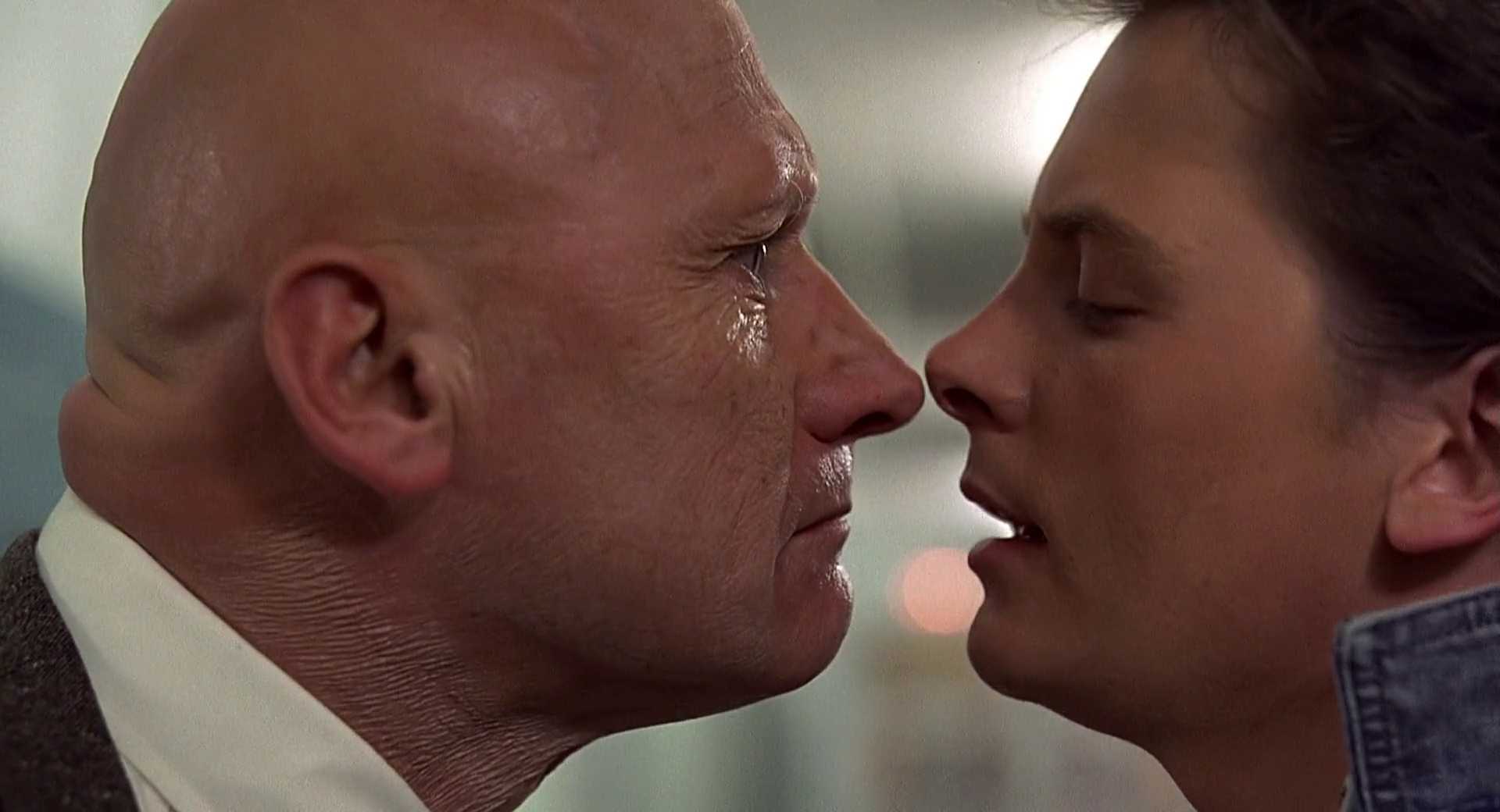
In The Terminator (1984, Orion), the Terminator reads as a flat character design. The goal stays fixed, and the tactics stay consistent, so the tension comes from pursuit and escalation. In the same film, Sarah Connor reads as more round because the story spends time on fear, resolve, and the choices that change who she becomes under pressure.
In Back to the Future (1985, Universal), Principal Strickland is written as a quick-read authority figure. His stable “rule enforcer” behavior helps the film move fast between bigger turns that sit with Marty, Doc, and the family conflict.
Purpose of flat characters in a screenplay
Flat characters earn their place when they do a clear story job. The job is usually about focus. They keep the film aimed at the main conflict instead of spreading attention across too many arcs.
- Clarify the world fast: A simple authority figure, clerk, teacher, or gatekeeper can show how rules work without a long explanation.
- Apply steady pressure: A consistent rival, bully, or institution can keep tension high from scene to scene. This often connects to how you build an antagonist.
- Highlight the lead’s change: A character who stays the same can make the lead’s growth easier to notice.
- Create a clean foil: A foil character can be simple on purpose so the contrast reads quickly in behavior, values, or tactics.
- Carry a specific tone: Comedy and genre films often use flat characters for reliable humor, menace, warmth, or calm.
- Keep the plot readable: When the plot is dense, simple supporting roles reduce confusion and keep cause-and-effect easy to track.
Flat characters are common in character-driven stories, where the lead’s arc carries most of the interior change. They are also common in plot-driven stories, where the main tension comes from missions, mysteries, survival, pursuit, or escape. If you want the bigger framing, see narrative structure.
Examples of famous flat characters in film and TV
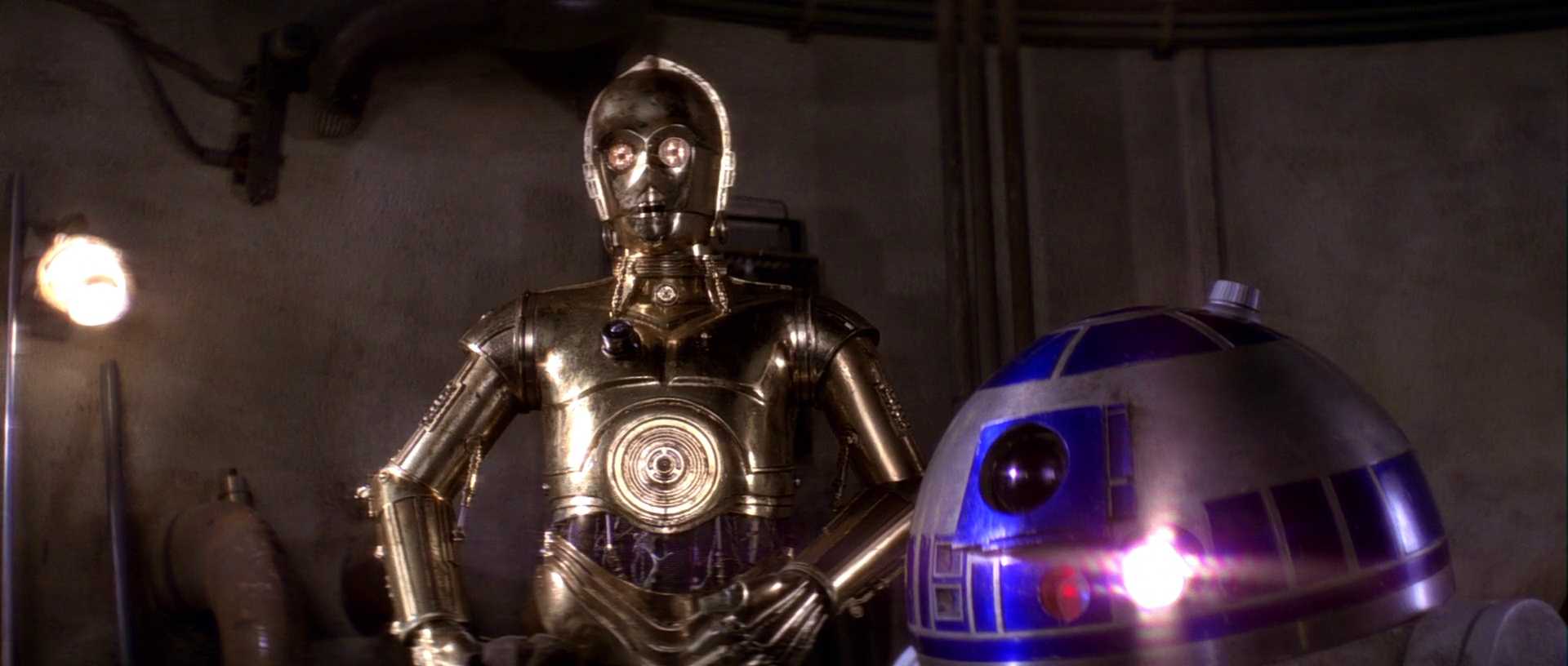
These examples show how a stable character design can support pacing, tone, and clarity.
- C-3PO in Star Wars (1977, Lucasfilm): An anxious, protocol-obsessed companion who reacts in a consistent way, which adds continuity and humor while bigger plot turns happen around him.
- Mr. Burns in The Simpsons (1989, Gracie Films): A steady “greedy boss” antagonist role. The character stays consistent, so the show can build jokes and conflicts quickly.
- The Terminator in The Terminator (1984, Orion): A single-minded threat design that keeps the focus on pursuit and survival pressure.
- Principal Strickland in Back to the Future (1985, Universal): A strict authority figure whose stable reactions help scenes jump straight to the main problem.
If you are writing simple supporting roles with one focused purpose in a scene, you may also find it useful to compare them to a bit part, since both designs rely on clarity and a tight function.
How to write a flat character effectively
Writing a flat character works best when you design them from the story outward. Decide what the story needs from them, then build only the traits that support that need.
- Name the job in one line: Gatekeeper, tempter, comic relief, enforcer, witness, helper, or obstacle.
- Choose one dominant trait and one supporting trait: Keep it small and readable.
- Pick one repeating tactic: Decide how they push. Shame, threats, charm, rules, or flattery.
- Define their boundary: Decide what they will not do, even under pressure.
- Write an entrance that proves the design: Show drive and tactic through action, not explanation.
- Stress-test them in two contexts: Put them in a second situation that still triggers the same behavior.
If you want a wider toolkit for goals, motives, and scene proof, see characterization.
How to fix a flat character in your script
When someone says a character “feels flat,” they might mean the character is simple, or they might mean the character is unclear. The fix depends on which problem you actually have.
Check whether the character has a clear want in each scene
A character can feel flat when they only react. A fast test is to write one sentence for each scene: what does this person want right now, and what are they doing to get it?
If you cannot answer that, the character may need a sharper objective or a stronger tactic. Sometimes the other character also needs stronger pushback, so the flat character has to choose a strategy instead of repeating a neutral line.
Check whether the character makes any real choices
A character can feel flat when nothing costs them anything. Choices add dimension because choices reveal priorities.
One practical fix is to add a moment where the character risks something they care about, such as their job, their reputation, or their place in a group. The character can stay simple, and the scene can still feel alive.
Check whether the character is simple on purpose or simple from missing decisions
Some scripts keep a character simple because the story does not need more. Other scripts keep a character simple because the writer has not decided what the character stands for.
If the character is missing a purpose, start with function, then add one detail that supports that function, such as a specific value, habit, or fear that shows up in behavior.
Flat character vs. flat character arc

The phrase flat character arc causes confusion because it uses the word “flat” in a different way than Forster’s flat character.
In many screenwriting frameworks, a flat character arc is an arc where the protagonist’s core belief stays steady. The character starts with a “truth” or value, and the story tests whether they can live by it under pressure. The big change often happens in other people, in the community, or in the situation around the protagonist.
- Flat character (complexity): A simple, quick-read character design. This can be a side character or a lead.
- Flat character arc (change pattern): A story pattern where the protagonist stays true to a central belief while the world around them shifts. See character arc and flat character arcs in practice.
A lead with a flat character arc can still be a round character. The lead can have layers, doubts, and strong personality detail, while the core moral position stays steady.
Archetypes vs stereotypes in screenwriting
Archetypes are familiar role patterns that help you recognize story functions fast, such as mentor, trickster, gatekeeper, rival, or tempter. See archetype and character archetypes for a deeper breakdown.
Stereotypes are shallow shortcuts that reduce people to repeated traits, often tied to identity or social groups. They can weaken the writing because they feel generic, and they can reduce who gets treated as fully human on screen. See stereotypes in film.
If you are unsure which tool you are using, it can help to compare stock characters, archetypes, and character tropes. Each one creates recognition for a different reason.
Summing Up
Flat characters are simple, consistent character designs built from a small set of traits, so you can read them quickly and predict their behavior. “Flat” describes complexity, while static characters describe whether someone changes across the story. Flat characters often work well in supporting roles because they clarify the world, apply steady pressure, and make the lead’s change easier to notice. The term flat character arc is different. It describes a story pattern where a protagonist’s core belief stays steady while the world around them changes. Flat becomes a problem when the character is unclear, repeats the same beat without escalation, or slides into stereotype instead of intentional design.
Read Next: Want to write characters that feel real on the page?
Start with our Free Screenwriting Course — a complete foundation in structure, dialogue, and building compelling characters.
Then browse all character development articles — from internal conflict and arcs to ensemble design and protagonist logic.
Or return to the Screenwriting section for formatting, story structure, and writing tools.
FAQ
Are flat characters bad in screenwriting?
No. Flat characters become a problem when they feel accidental. If the character’s job is clear, and each scene still adds new pressure or new information, a flat design can keep the story moving.
What is the difference between a flat character and a static character?
Flat describes complexity. Static describes change. A character can be flat and dynamic, or round and static, depending on what the story needs.
Can a flat character have an arc?
Yes. A flat character can change in a simple, trackable way, such as switching loyalty, dropping an old tactic, or choosing a new side under pressure. The key is clarity. You still read the character quickly because the film keeps their traits and motivations easy to grasp.
